Key takeaways
- GEO vendors are pivoting upmarket to chase fewer, larger enterprise contracts, a shift Scrunch AI has been making, and it's the mid-market brands and agencies that built these companies who get squeezed
- 77% of enterprises now reevaluate their AI vendors every six months or on a rolling basis, per Madrona research, so vendors are scrambling to lock in big, multi-year commitments while they can
- Your GEO platform holds something you can't easily move: months or years of visibility history, prompt data, and citation trends. That's the real lock-in
- Before signing, pressure-test the vendor on exit terms, data export, pricing model, and who their roadmap actually serves
- The safer play in 2026 is a platform that sells verifiable outcomes with flexible terms, not an enterprise contract with a monitoring dashboard attached
The upmarket pivot, and why everyone's doing it
If you've been shopping for a GEO platform over the past year, you've probably noticed something uncomfortable. The tools that once courted mid-market brands and small agencies with friendly pricing and fast onboarding are suddenly talking about SSO, custom SLAs, and "transformation partnerships." Scrunch AI is the example making the rounds right now: a platform that built its name on accessible AI search monitoring for brands and agencies, visibly steering its packaging, sales motion, and messaging toward bigger enterprise deals.

I want to be fair to Scrunch here, because the pivot is rational, maybe even inevitable. Three forces are pushing every GEO vendor in the same direction.
First, enterprise AI budgets are consolidating. TechCrunch surveyed 24 enterprise VCs at the end of 2025 and the near-unanimous read was that 2026 would be the year enterprises spend more on AI, but through fewer vendors. Asymmetric Capital's Rob Biederman put it bluntly: budgets will increase for a narrow set of AI products that clearly deliver results and decline sharply for everything else. If you're a vendor CEO and you believe that, your strategy writes itself. Win one of the big contracts or get rationalized out.
Second, the cost of running these platforms is climbing. Every tracked prompt, every citation check, every model response burns tokens and inference spend. Constellation Research, after mining 67 buy-side pieces from the first half of 2026, described CxOs going from agentic AI buzz to outright sticker shock over token spend. Vendors feel that same pressure on their own infrastructure, and enterprise contracts with fat annual commitments are how you cover it.
Third, the SEO suite land-grab. Semrush built an AI Visibility Toolkit and then got acquired by Adobe. Ahrefs launched Brand Radar. HubSpot bolted on AEO. When giants move into your category, a standalone GEO startup has two options: get acquired or move upmarket fast enough that the giants can't digest you. "Accelerates the roadmap rather than redirecting it" is how CMSWire framed the reassurance around these moves, and sometimes that's even true. But a buyer should never take that on faith.
So the pivot isn't villainy. It's economics. That doesn't change what it does to you.

Why an upmarket shift hurts GEO buyers more than traditional SaaS buyers
Here's the part most procurement checklists miss. When your CRM vendor pivots upmarket, your data is portable, your workflows are documented, and competitors can ingest an export. Annoying, survivable.
A GEO platform is different. What it holds isn't just your configuration. It's months of visibility history: which prompts you tracked, how your share of voice moved across ChatGPT, Gemini, Perplexity, and AI Overviews, when citations ramped up and decayed, which competitor gained ground in July. If you leave, you leave with a CSV snapshot and nothing else. Your next vendor starts from zero, and your trend lines, the very thing that proves whether GEO is working, evaporate.
There's a second, subtler problem. GEO is still a young discipline, and the ground shifts constantly. Promptwatch's research shows how fast the terrain moves: Reddit's share of ChatGPT citations collapsed from roughly 4% to 0.5% in a single day in August 2026, and product pages overtook listicles as the most cited content format in Google AI Overviews in late July. A vendor whose roadmap gets redirected toward enterprise procurement checkboxes (SAML, audit logs, custom MSA negotiation) is a vendor that stops keeping up with the actual answer engines. You inherit a platform that's excellent at signing CIOs and mediocre at explaining why your visibility dropped after the last model update.
Constellation's Larry Dignan captured the buyer-side mood with one word: "optionality." Enterprises went from asking "which AI model should we adopt?" to "how do we redesign without surrendering control of our economics, data, or future choices?" The same question applies to a $245/month GEO subscription, even if nobody in the C-suite frames it that way.
The four hidden risks of an enterprise-focused GEO vendor
1. Repricing risk
The classic move: the tier you bought gets "grandfathered," meaning it still exists but stops receiving new features. New capability, crawler logs, shopping insights, whatever it is, lands in the enterprise tier. Then the tier you're on gets renamed, repriced, or quietly retired. Your costs go up not because you chose more value but because the vendor redefined where value lives.
2. Roadmap risk
When a vendor's revenue concentrates in twenty enterprise accounts, those twenty CIOs set the roadmap. I've watched this pattern in SaaS repeatedly: the features that made the product great for the mid-market freeze, and the release notes fill up with governance, compliance, and admin tooling. For a GEO platform specifically, that's deadly, because the underlying AI search surfaces change weekly. You need a vendor shipping citation-tracking improvements, not SSO groups.
3. Support risk
Enterprise contracts come with dedicated CSMs and priority queues. Everyone else gets routed to a chatbot or a queue that used to answer in a day and now answers in five. If you're an agency running client work against deadlines, this is the risk that bites first.
4. Exit risk
The GAI Insights buyers' guide lists exit terms as a core evaluation criterion for enterprise AI platforms, right alongside security and pricing transparency, and it's right. Ask before signing: can I export full historical data? Is there an API? Do I own my prompt lists and tracked-term configuration? Is there a white-label/client-portal lock-in that makes leaving operationally painful for my clients? Vendors that make exit easy are vendors you can trust on everything else.
How to pressure-test a GEO vendor before you commit
Run this before you sign anything, whether it's Scrunch, Profound, Promptwatch, or anyone else.
| Question to ask | Green flag | Red flag |
|---|---|---|
| "Who is your typical customer?" | Names companies your size | Only names logos 100x your size |
| "Can I export all my historical data via API?" | Yes, documented, no friction | "Contact sales" or CSV-only snapshots |
| "What are your contract terms?" | Monthly or annual with a real trial | Multi-year with ramping minimums |
| "How is pricing structured?" | Per outcome: prompts, responses, sites | Per seat plus opaque "platform fee" |
| "What shipped in the last 90 days?" | AI-search features: new models, citation types, crawler insights | Admin, SSO, and compliance tooling |
| "What happens to my tier when you raise prices?" | Grandfathered with features intact | "Current customers will be contacted" |
| "Who answers support tickets?" | Named humans, SLA by tier | Tiered queue with enterprise priority |
The pricing question deserves special attention. a16z surveyed 50 technical AI buyers and found more than half want fees tied to work produced or outcomes, not raw usage. GEO is well suited to this: you can price per prompt tracked, per response analyzed, per site. A vendor that prices this way is aligned with you. A vendor that hides behind a "book a demo for pricing" wall is usually building a quote around what they think your procurement process can bear.
And a note on execution versus monitoring, because it changes the risk math. A monitoring-only tracker is relatively easy to swap out. A platform that also generates briefs, publishes content to your CMS, and maintains a prioritized action list becomes part of your operations, which raises switching costs but also raises the stakes of the vendor staying focused. BCG calls the knowledge-and-reasoning layer the "enterprise cortex" and warns that organizations have never before exposed this much of how they think to a vendor platform. You don't want that layer, even a small slice of it, in the hands of a vendor actively repositioning away from you.
What to do if your current vendor is pivoting upmarket
If you're already on a platform that's showing the signs, don't panic-exit, but do act deliberately.
Start exporting now. Pull your full history monthly, not just at renewal. Watch the release notes for six weeks and tally how many shipped features apply to you versus to an enterprise IT buyer. Re-run your vendor evaluation on a parallel candidate while your contract still runs, using the same prompt set, so you have a genuine comparison. And if you're an agency, read your white-label terms carefully: client portals are wonderful until they're the reason you can't move.
Madrona's research found that 77% of enterprises reevaluate AI vendors every six months or on a rolling basis, creating what it calls a "fast in, fast out" dynamic. That cuts both ways for you. Yes, the vendor you choose may not be loyal. But you also have no obligation to be. GEO outcomes are measurable, which is exactly why the fast-in-fast-out pattern exists in the first place.
A more resilient way to buy in 2026
The lesson from Scrunch's shift isn't "avoid enterprise-focused tools," full stop. If you are an enterprise, Profound-style platforms with dedicated support and custom contracts may genuinely fit.
The lesson is to buy optionality deliberately. For most brands and agencies, that means a platform where the mid-market tiers are the product, not the afterthought. Promptwatch, for instance, publishes its pricing openly ($95 to $579 per month for brands, transparent agency tiers from $199), offers monthly terms with a free trial, includes API and MCP access even on lower tiers so your data stays portable, and pairs monitoring with execution: crawler logs, citation analytics, content gap analysis, and automated content agents that publish to your CMS. Its own research on what ChatGPT actually cites (product pages made up roughly a third of citations in July 2026) is the kind of ongoing, model-level work you want a vendor spending its roadmap on, precisely because it tells you what content to produce.
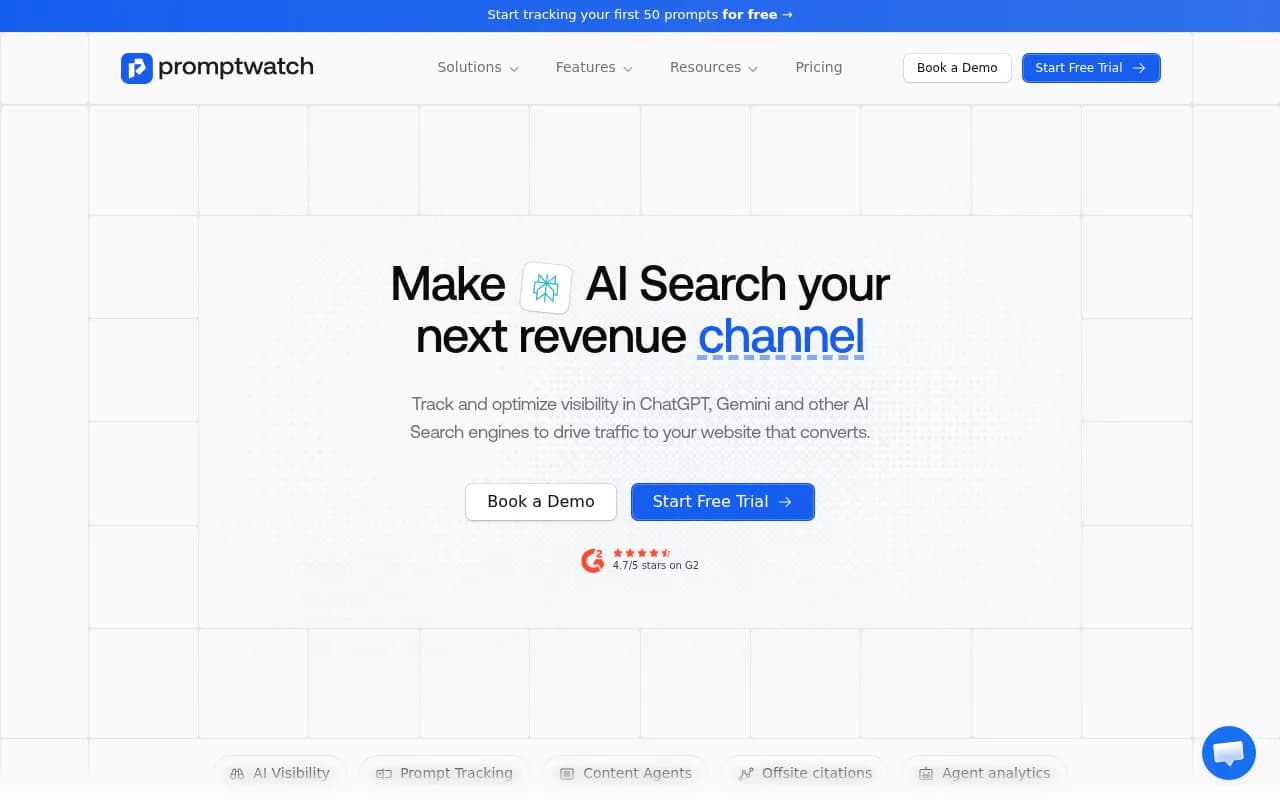
The point isn't that Promptwatch is immune to market pressure, no vendor is. The point is structural: transparent published pricing, month-to-month terms, and documented export paths make the pivot risk a negotiating problem instead of a trap.
If you're early in the evaluation process, our GEO software directory at bestgeosoftware.com has the full vendor field, and ai-rank-tools.com covers the rank-tracking side. The Storyblok survey from late 2025 found 41% of businesses hadn't started or were barely started on GEO, with only 23% running a full strategy, so if you're still choosing, you're in the majority. Use that. Ask the hard questions before the contract, not after the repricing email.
The uncomfortable truth about this market is that your GEO vendor is almost certainly telling their investors a story about enterprise growth. Your job as a buyer is to make sure that story and your interests stay pointed the same direction, and to keep the door open in case they don't.