Key takeaways
- Scrunch was acquired by Sitecore in early June 2026, and its product messaging has since shifted from AI search visibility toward an "Agent Experience Platform."
- Customers on review sites and forums have reported slower support responses since the acquisition, a pattern that's common after martech M&A.
- The wider AI visibility market is consolidating fast (Sitecore/Scrunch, Zendesk/Forethought), which means support quality is now a real selection criterion, not a nice-to-have.
- If you're evaluating Scrunch or planning an exit, ask vendors specific questions about support SLAs, team continuity, and roadmap commitments.
- Alternatives with active support and full-stack monitoring plus optimization include Promptwatch, Profound, and several mid-market trackers.
What's actually happening with Scrunch support
Scrunch built its reputation as an AI search visibility platform: brand monitoring in ChatGPT and Perplexity, citation tracking, agent traffic analytics, site diagnostics. It was a solid mid-market option, and its Q2 2026 industry digest shows a team still plugged into the market.
Then Sitecore acquired the company in early June 2026.
Since then, two things have changed, and only one of them is official. The official change is the product's identity. Scrunch's homepage now leads with the "Agent Experience Platform (AXP)" framing: observe what AI agents say and do, understand and act on agent behavior, and deliver what agents need. That's a repositioning toward Sitecore's broader content-management and experience stack, and it makes commercial sense for the parent company.
The unofficial change is what customers are saying in reviews and community threads: support tickets are taking longer to resolve. First responses that used to arrive within a day are stretching to several days. Escalations sit in queues longer. Some users report being bounced between the original Scrunch team and Sitecore's support infrastructure, with neither side clearly owning the ticket.
I want to be careful here. This is customer reporting, not a measured SLA breach. Nobody outside Sitecore has the internal ticket data. But the pattern is consistent enough across G2 reviews, agency chatter, and community posts that it's worth taking seriously if you're a Scrunch customer or evaluating the platform.

Why support slows down after acquisitions
This isn't a Scrunch-specific problem. It's a well-documented pattern in martech M&A, and understanding the mechanics helps you judge whether the slowdown is temporary or structural.
Support teams get merged, not integrated
When an acquirer absorbs a company, the acquired support team usually gets folded into the parent's ticketing system, escalation paths, and SLA definitions. During that migration, tickets fall through cracks. The people who knew your account best, the ones who'd answer a direct email at 7pm, are often re-assigned, re-leveled, or asked to support a broader product line they don't know well yet.
The product roadmap shifts
Sitecore didn't buy Scrunch to keep it as a standalone AI visibility tool. They bought it to bolt into an enterprise content experience platform. That means engineering and support priorities move toward the integration roadmap. Standalone customers with niche issues, especially smaller accounts, get less attention because the acquirer's revenue concentration is elsewhere.
Enterprise support tiers absorb the capacity
Acquirers typically introduce tiered support. Enterprise customers get dedicated CSMs and faster SLAs; everyone else gets pooled support. If you were used to scrappy startup-level support, the new normal can feel like a downgrade even if the ticket volume is identical.
The repositioning itself creates ticket friction
Scrunch's shift from "AI search visibility" to "agent experience" isn't just marketing. It changes what the product does and how issues are triaged. Customers with questions about the old monitoring features may find the support team is now trained primarily on the new AXP workflows. That knowledge gap shows up as longer resolution times.
What customers are specifically reporting
Reading through post-acquisition feedback, a few themes repeat:
- Slower first responses. What was often same-day is now reported as two to four business days for standard-tier customers.
- Longer resolution cycles on complex issues. Citation tracking discrepancies and agent traffic data questions, the technical stuff, are the slowest to resolve.
- Unclear ownership. Some customers describe tickets being handed between the legacy Scrunch system and Sitecore's support org without a clear owner.
- Billing and contract confusion. Renewal terms, plan changes, and invoicing questions are getting routed to Sitecore's finance org, which moves at enterprise speed.
- Feature requests stalling. The roadmap conversation now runs through Sitecore's product management process, which is slower than a startup's sprint cycle.
None of these are fatal. Some may resolve as the integration matures. But if you're mid-contract, the billing and ownership issues are the ones worth escalating now, because they compound.
The bigger picture: martech consolidation is accelerating
Scrunch's acquisition isn't an isolated event. Their own Q2 2026 digest notes the Sitecore deal alongside other consolidation in the space, and separately, Zendesk announced its agreement to acquire Forethought in March 2026, described by trade press as its biggest deal in two decades. The AI visibility and AI support categories are being bought up by enterprise platforms that want AI-native capabilities without building them.

For buyers, this changes the calculus. The best feature set today matters less than the vendor's trajectory. A tool from an independent company with a focused roadmap and a support team that answers quickly is worth more than a nominally richer feature set inside a conglomerate where your ticket is ticket #48,000.
How to protect yourself as a customer
If you're already on Scrunch
- Document your current support experience. Open a test ticket now and record the first-response and resolution times. If service degrades further, you'll have a baseline.
- Escalate billing and contract questions immediately, in writing. Post-acquisition contract transitions are where customers lose leverage.
- Ask your CSM (or account contact) directly: who owns my tickets now, what's the SLA, and what happens to the features I rely on under the AXP repositioning? Vague answers are information.
- Export your data. Prompt libraries, historical citation reports, tracked competitors. If you decide to leave, you'll want this.
If you're evaluating Scrunch now
Ask these questions before signing:
- What is the contractual support SLA, and does it differ pre- and post-acquisition?
- Which team, legacy Scrunch or Sitecore support, handles my tier?
- Is the standalone product still on the roadmap, or is it being folded into the Sitecore platform?
- What's the data export story if I cancel?
Questions to ask any AI visibility vendor
The Scrunch situation is a lesson for the whole category. Before committing to any platform, ask:
- How many support staff handle the product, and are they dedicated to it?
- What's the average first-response time for my plan tier, and can you show me the number?
- Who answers urgent tickets on weekends?
- What's your funding and ownership situation? (A company mid-acquisition-process will be distracted.)
Alternatives worth considering
If the support situation doesn't improve, or if the AXP repositioning means the standalone monitoring you signed up for is no longer the priority, there are solid options. The AI visibility market in 2026 is deep enough that you shouldn't stay with a vendor out of inertia.
A quick comparison of the main alternatives:
| Platform | Positioning | Support model | Best for |
|---|---|---|---|
| Promptwatch | Full-stack: monitoring, crawler logs, content agents, CMS publishing | Direct support, agencies and in-house teams | Teams that want to fix visibility, not just watch it |
| Profound | Enterprise AI search analytics | Enterprise support org | Large brands with analytics teams |
| Otterly.AI | Affordable prompt tracking | Self-serve, lighter support | Small businesses on a budget |
| Peec AI | Prompt tracking with suggestions | Self-serve with smart recommendations | Solo marketers and small teams |
| Semrush AI Visibility Toolkit | AI tracking inside a full SEO suite | Large support org, pooled | Teams already on Semrush |
A few notes on these:
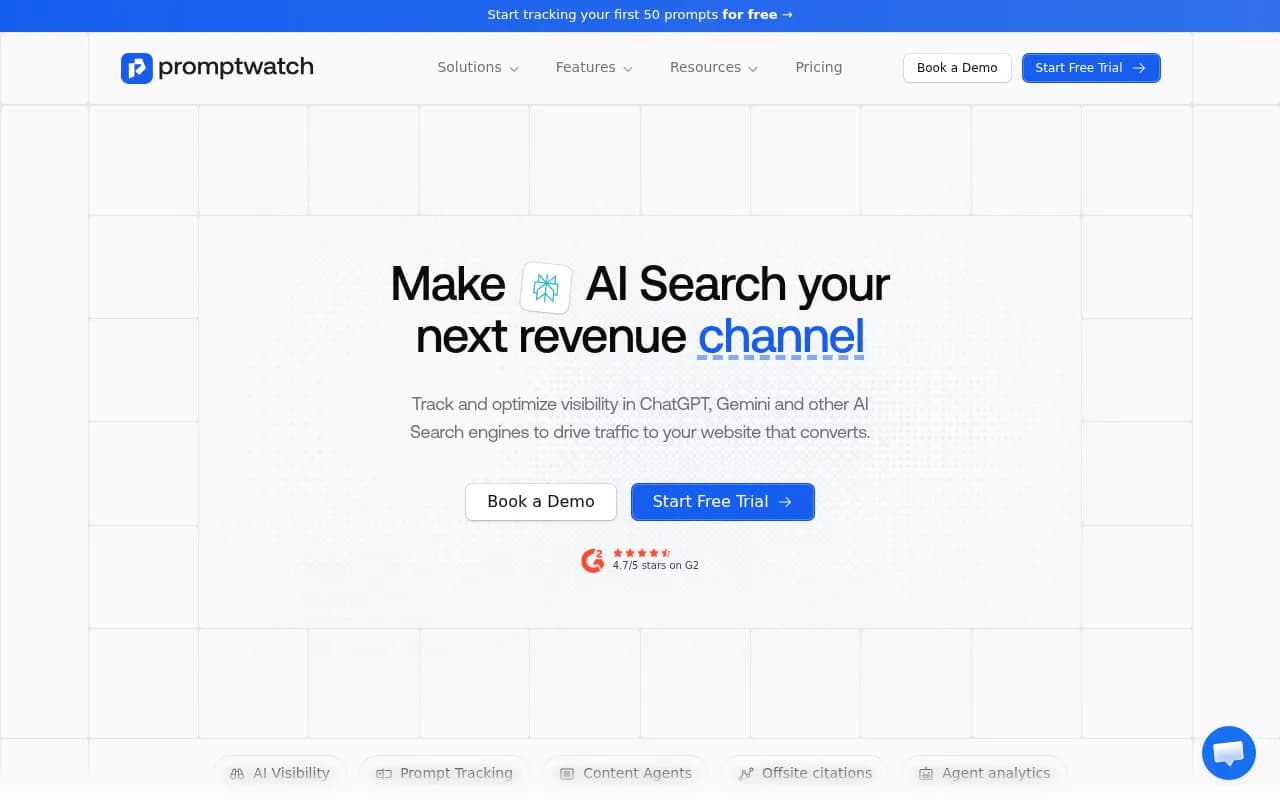
Promptwatch is the strongest option if what frustrated you about Scrunch's direction is the gap between monitoring and action. It tracks brand visibility across ChatGPT, Claude, Gemini, Perplexity, Grok, and Google AI Overviews, but its differentiator is the optimization side: AI crawler logs showing exactly when and why agents hit your site, citation analytics down to the page and source type, and Content Agents that plan, write, and publish GEO-optimized content directly to your CMS. It's used by 1,840+ brands and agencies including Duolingo and Yelp, holds a 4.7/5 on G2, and, importantly for this article's topic, support runs through a focused team rather than a conglomerate's ticket pool. Agency plans start at $199/month with unlimited projects.
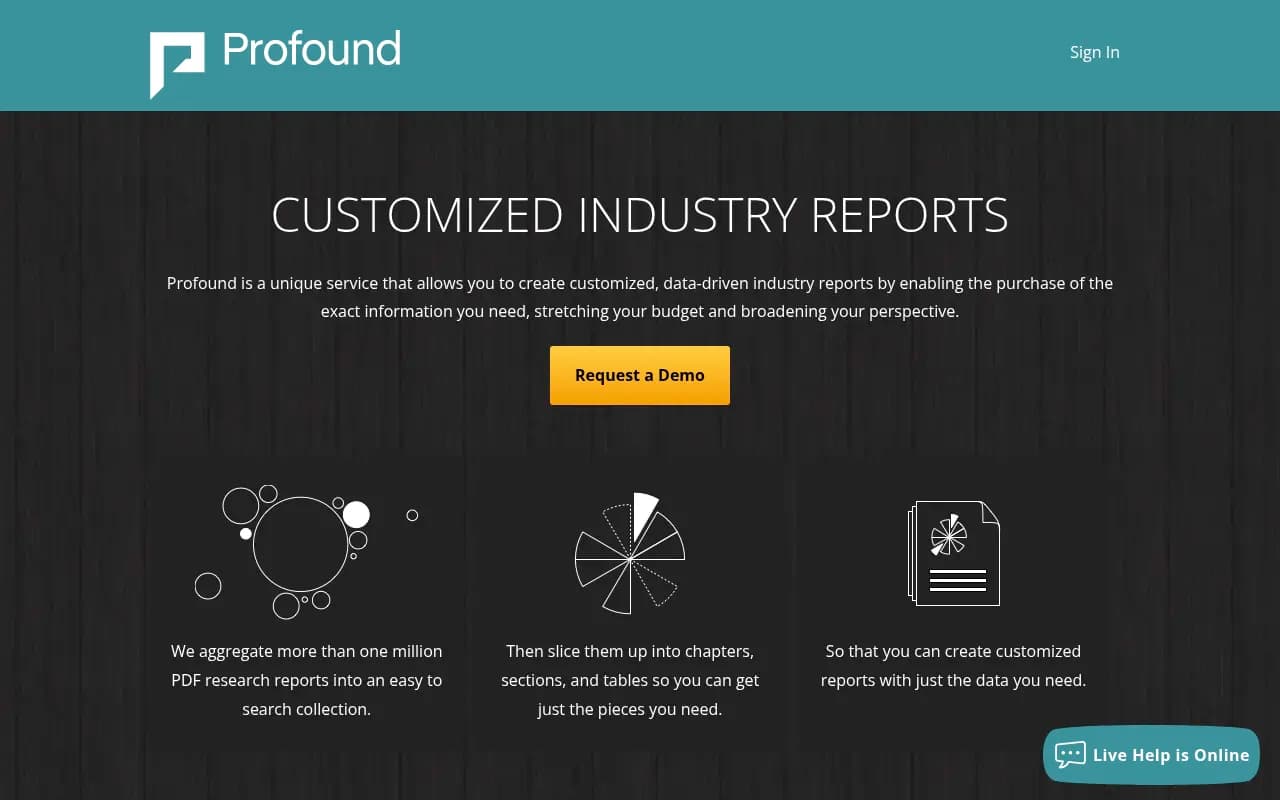
Profound is the enterprise-grade analytics play. If your Scrunch use case was deep reporting for a large brand and you have the budget, Profound's monitoring is strong. It's weaker on the execution side, there's no content generation or CMS publishing, and pricing runs higher.
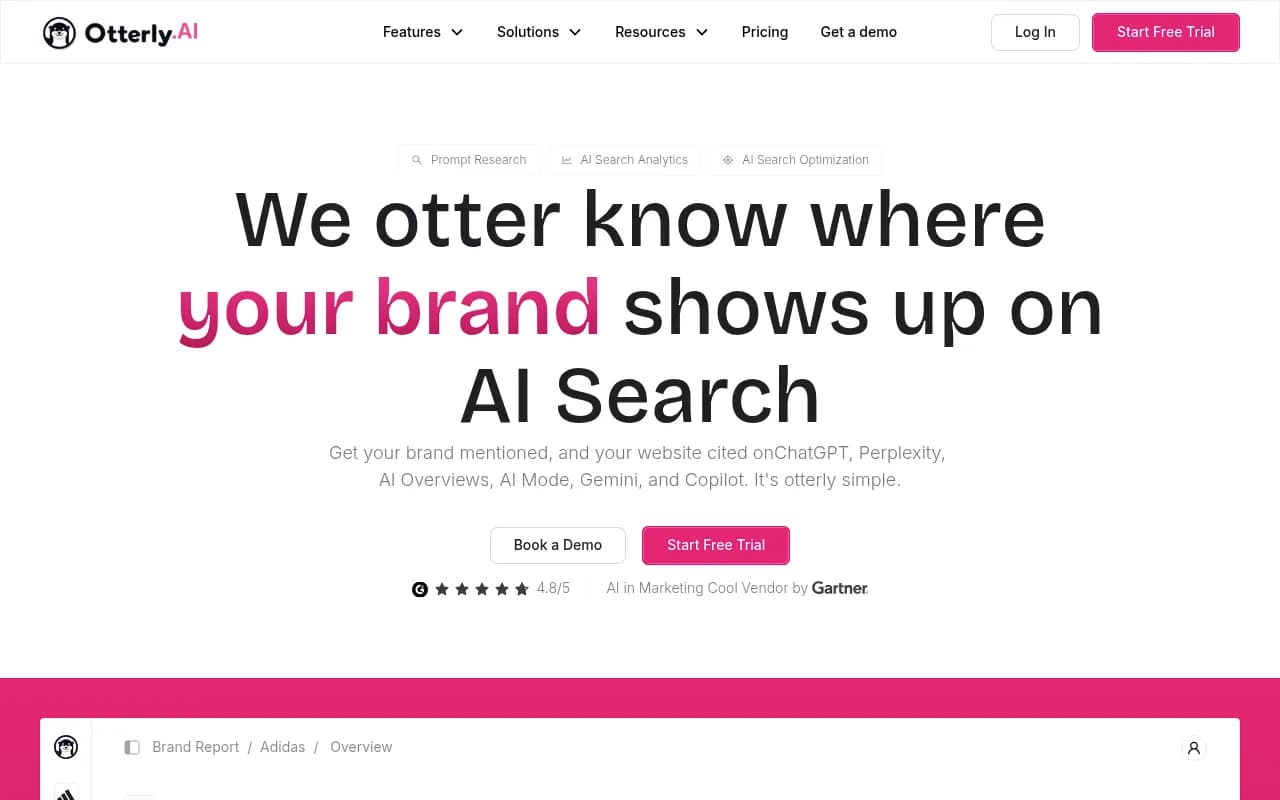
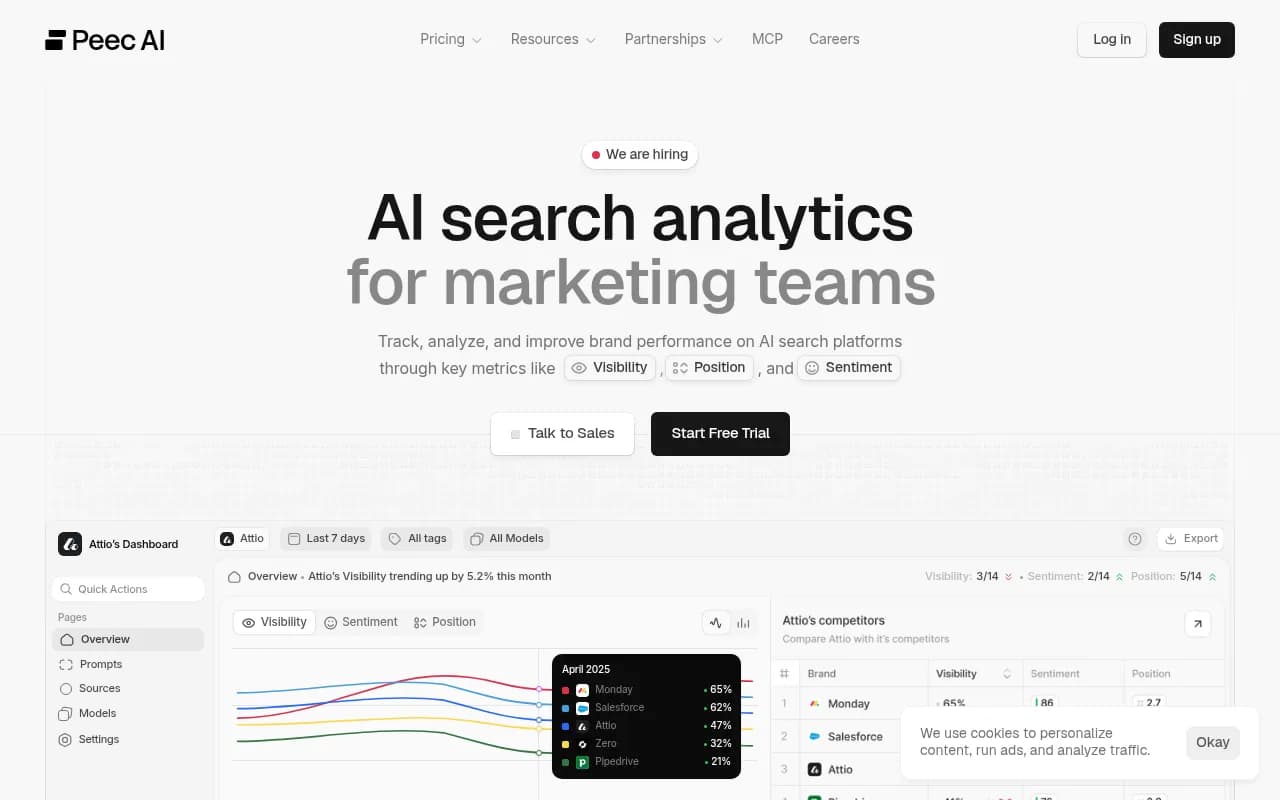
Otterly.AI and Peec AI are the budget-friendly monitoring options. They do prompt and citation tracking competently but stop there: no crawler logs, no visitor analytics, no content tooling. Fine for watching your numbers, not for improving them.
Semrush's AI Visibility Toolkit makes sense if you're already a Semrush customer and want AI tracking in the same subscription. The AI-specific data is shallower than dedicated platforms and prompt sets are more fixed, but the convenience factor is real.
A migration checklist if you do switch
- Export everything from your current vendor first: tracked prompts, competitor sets, historical visibility data, citation reports.
- Re-establish your baseline in the new tool over 30 days before you draw conclusions, AI visibility data varies between platforms because of different sampling and model access.
- Port your prompt list, but prune it. Migrations are a good time to cut prompts that never drove decisions.
- Set up crawler log monitoring early, it's the fastest way to see whether AI agents are actually reaching your content.
- Keep the old tool running in parallel for one billing cycle if the budget allows, so you can compare data quality side by side.
The bottom line
Sitecore's acquisition of Scrunch may well turn out fine. Integrations mature, support teams settle, and repositionings sometimes unlock better product investment. But the customer reports of slower support in 2026 are real enough to act on, and the AXP repositioning tells you where the product's center of gravity is heading. If standalone AI visibility monitoring with responsive support is what you need, this is a reasonable moment to test the market. The category has enough strong vendors that loyalty to a tool that no longer prioritizes you is just sunk cost with a dashboard attached.