Key takeaways
- Scrunch AI is a strong enterprise monitoring platform with a distinctive CDN-edge content delivery approach, but it stops at visibility data.
- Promptwatch covers the full GEO loop: prompt tracking, citation monitoring, AI crawler logs, content gap analysis, and AI-powered content generation in one platform.
- If your team needs to act on what you find -- not just report it -- that gap matters more than any individual feature.
- Scrunch suits large enterprises that already have content teams and want raw AI visibility data piped into existing workflows.
- Promptwatch suits marketing and SEO teams that want to move from "we're not being cited" to "we fixed it" without switching tools.
The GEO tool market in 2026 has a recurring problem: most platforms are great at telling you what's wrong and terrible at helping you fix it. You get a dashboard full of citation gaps, competitor comparisons, and visibility scores -- then you're on your own to figure out what to do next.
Scrunch AI and Promptwatch both sit near the top of the market, but they solve different halves of that problem. This guide breaks down exactly where they differ, where they overlap, and which one makes more sense depending on what your team actually needs.
What Scrunch AI does
Scrunch AI is built for enterprise brands that want deep AI search monitoring. Its most distinctive technical feature is CDN-edge content delivery -- it can serve AI-optimized versions of your content at the network edge, which is a genuinely different architectural approach from most GEO tools.

On the monitoring side, Scrunch covers AI model tracking across major engines, brand mention analysis, and competitor benchmarking. The interface is polished and clearly designed for enterprise buyers -- think large teams, complex reporting needs, and dedicated account management.
What Scrunch does well:
- Enterprise-grade monitoring with clean dashboards
- CDN-edge content optimization (technically interesting, though the practical impact depends heavily on your stack)
- Brand sentiment and perception tracking across AI responses
- Competitor visibility comparisons
Where it gets thin: content creation. Scrunch doesn't have native tools to help you generate content based on what the AI models are actually missing from your site. You get the diagnosis. The treatment is up to you.
What Promptwatch does
Promptwatch covers the same monitoring ground but extends into the parts most platforms skip entirely.
The core difference is the action loop. Promptwatch's Answer Gap Analysis shows you the specific prompts where competitors are getting cited but you aren't -- not just that a gap exists, but the exact topics and questions AI models want answered that your site doesn't currently address. From there, Content Agents generate articles, listicles, and comparison pages grounded in that real prompt data. Then page-level tracking shows you when those new pages start getting crawled and cited.
That cycle -- find gaps, create content, track results -- is what separates an optimization platform from a monitoring dashboard.
A few capabilities worth calling out specifically:
AI Crawler Logs: Real-time logs of when ChatGPT, Claude, Perplexity, and other AI crawlers hit your site, which pages they read, errors they encounter, and how often they return. This is genuinely rare. Most platforms (including Scrunch) don't surface this data. It matters because you can see exactly why a page isn't getting cited -- maybe the crawler keeps hitting a 404, or it's reading an outdated version of a page.
Prompt Intelligence: Volume estimates and difficulty scores for each prompt, plus query fan-outs showing how one prompt branches into sub-queries. This helps you prioritize which gaps to fix first instead of treating every missing citation as equally important.
Reddit and YouTube Insights: AI models frequently cite Reddit threads and YouTube videos. Promptwatch surfaces which discussions are influencing AI recommendations in your category -- a channel most competitors ignore.
ChatGPT Shopping Tracking: If you sell products, Promptwatch tracks when your brand appears in ChatGPT's shopping recommendations and carousels. Scrunch doesn't have this.
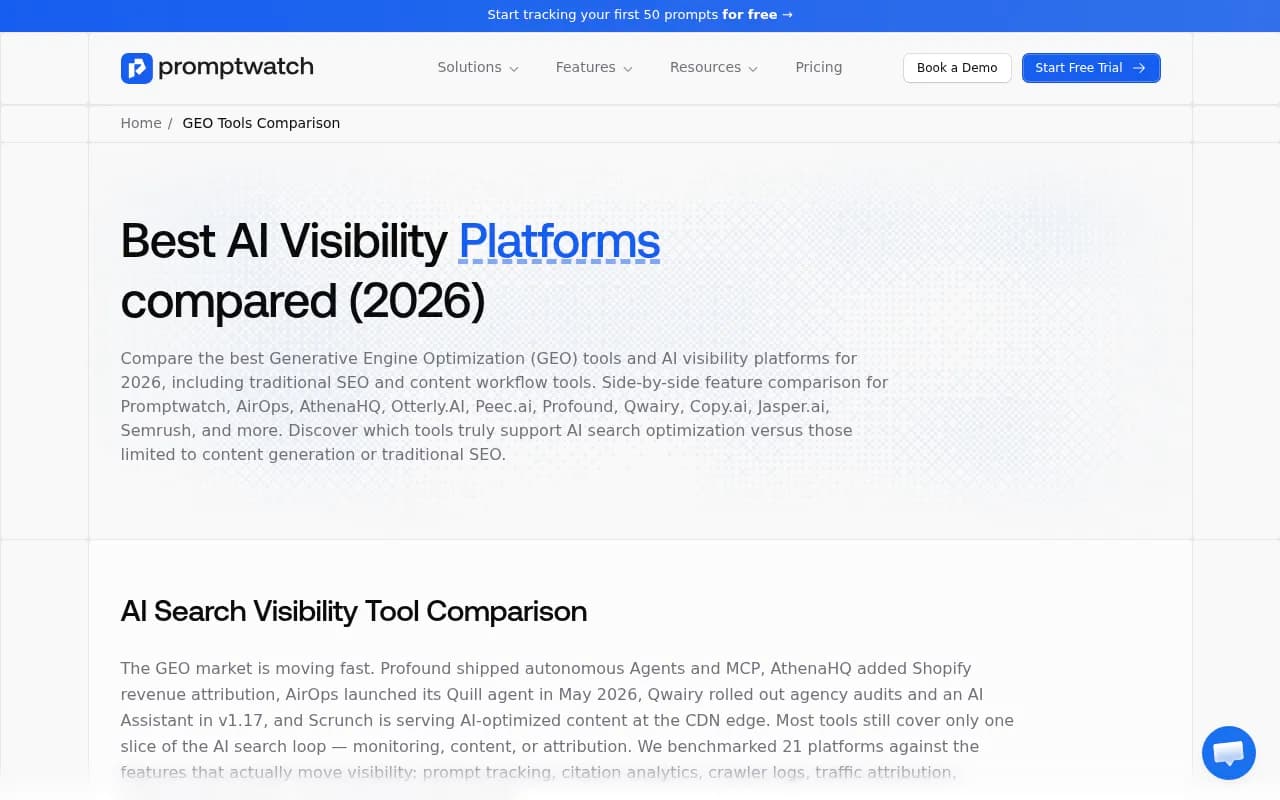
Head-to-head feature comparison
| Feature | Promptwatch | Scrunch AI |
|---|---|---|
| Prompt tracking | Yes (50-350 prompts depending on plan) | Yes |
| Citation monitoring | Yes | Yes |
| AI model coverage | 10 models (ChatGPT, Claude, Gemini, Perplexity, Grok, DeepSeek, Copilot, Meta AI, Mistral, Google AI Overviews) | Major models |
| Competitor heatmaps | Yes | Yes |
| AI crawler logs | Yes | No |
| Page-level visibility tracking | Yes | No |
| Content gap analysis | Yes (Answer Gap Analysis) | Limited |
| AI content generation | Yes (Content Agents) | No |
| Reddit / YouTube insights | Yes | No |
| ChatGPT Shopping tracking | Yes | No |
| Offsite citation analysis | Yes | Partial |
| Traffic attribution | Yes | Limited |
| CDN-edge content delivery | No | Yes |
| Multi-language / multi-region | Yes | Yes |
| API / Looker Studio export | Yes | Yes |
| Entry price | $99/mo | Enterprise pricing |
| Free trial | Yes | Demo only |
| Target audience | Marketing teams, SEO teams, agencies | Enterprise brands |
The monitoring-only problem
Here's the honest version of why this comparison matters. Both tools will tell you that your brand isn't appearing in AI responses for a given category of prompts. Both will show you that a competitor is. That's monitoring, and it's genuinely useful.
But then what?
With Scrunch, you take that data to your content team, brief them on the gaps, and hope they produce something that AI models will eventually cite. The loop from insight to action runs through multiple people and tools, and there's no direct feedback mechanism telling you whether the content you created actually moved the needle.
With Promptwatch, the gap analysis feeds directly into content generation. The Content Agents know which prompts have the highest volume, which competitors are winning them, and what kind of content structure AI models tend to cite for those query types. The output isn't generic -- it's built around the specific gap you're trying to close. Then the crawler logs and page-level tracking tell you when AI engines find the new page and start citing it.
That's a tighter loop. For teams that are resource-constrained or moving fast, it's a meaningful practical difference.
Where Scrunch has a real edge
This isn't a one-sided comparison. Scrunch has genuine strengths.
The CDN-edge approach is technically interesting. By serving AI-optimized content at the network edge, Scrunch can potentially influence how AI crawlers see your pages without requiring changes to your CMS or development workflow. For large enterprises with complex tech stacks, that's a real advantage -- it means the SEO or marketing team isn't blocked waiting for engineering.
Scrunch is also clearly built for enterprise scale. If you're a large brand with a dedicated content team, sophisticated reporting requirements, and existing workflows you don't want to disrupt, Scrunch's approach (give us the data, we'll handle execution ourselves) might actually be preferable. Not every enterprise wants an AI generating their content.
The enterprise focus also means Scrunch tends to come with more hands-on support, dedicated account management, and the kind of SLA commitments that larger organizations require.
Pricing reality
Scrunch doesn't publish pricing -- it's enterprise-only with custom quotes. That's fine if you're a large brand with a real budget, but it means smaller teams can't easily evaluate it without going through a sales process.
Promptwatch publishes its pricing:
- Essential: $99/mo (1 site, 50 prompts, 5 articles)
- Professional: $249/mo (2 sites, 150 prompts, 15 articles, crawler logs, city/state tracking)
- Business: $579/mo (5 sites, 350 prompts, 30 articles)
- Agency/Enterprise: custom pricing
There's also a free trial, which matters for teams that want to evaluate before committing. The entry price of $99/mo makes Promptwatch accessible to smaller marketing teams and agencies that Scrunch simply isn't targeting.
Which one is right for your team?
The answer depends less on features and more on what your team's actual bottleneck is.
Choose Scrunch AI if:
- You're an enterprise brand with a large content team that can act on monitoring data independently
- You want CDN-edge content delivery and have the technical infrastructure to take advantage of it
- You need enterprise-grade SLAs, dedicated support, and custom integrations
- Your primary need is deep monitoring and reporting, not content creation
Choose Promptwatch if:
- You want to move from visibility gap to published content without switching tools
- You need AI crawler logs to understand why pages aren't being cited
- You're tracking ChatGPT Shopping, Reddit influence, or YouTube citations
- You want page-level tracking that shows exactly which pages are being cited and by which models
- You're a marketing team, SEO team, or agency that needs to show results, not just data
- You want transparent pricing and a free trial before committing
For most marketing and SEO teams in 2026, the bottleneck isn't data -- it's knowing what to do with it and having the tools to execute. That's where Promptwatch's full-loop approach has a practical advantage over monitoring-only platforms.
How the broader market compares
Scrunch and Promptwatch aren't the only options. The GEO tool market has expanded significantly, and a few other platforms are worth knowing about depending on your needs.

Profound has strong enterprise features and shipped autonomous Agents in 2026, but it's priced at the high end and doesn't have the same content generation depth as Promptwatch.

AthenaHQ added Shopify revenue attribution in 2026, which is useful for e-commerce brands, but it's primarily a monitoring platform without native content generation.
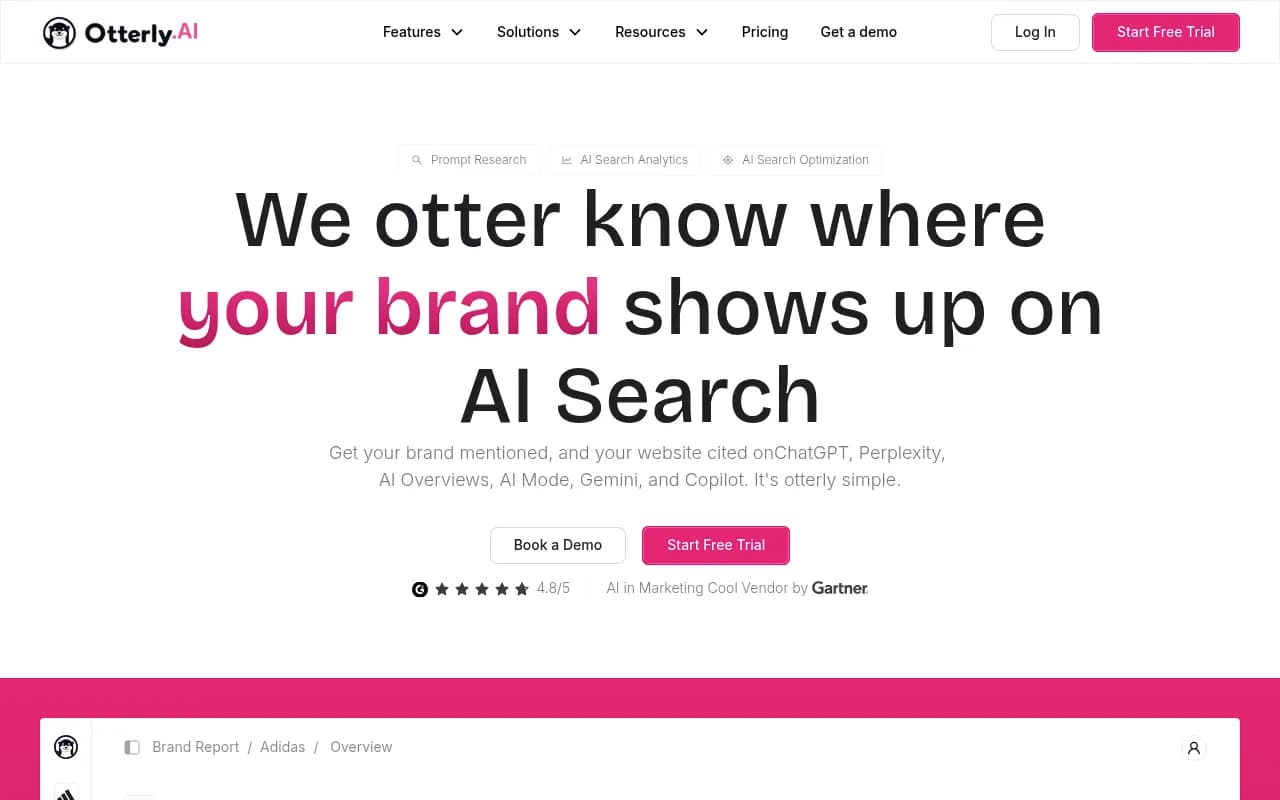
Otterly.AI is a solid, affordable monitoring option for teams that just need basic citation tracking without the full GEO stack.
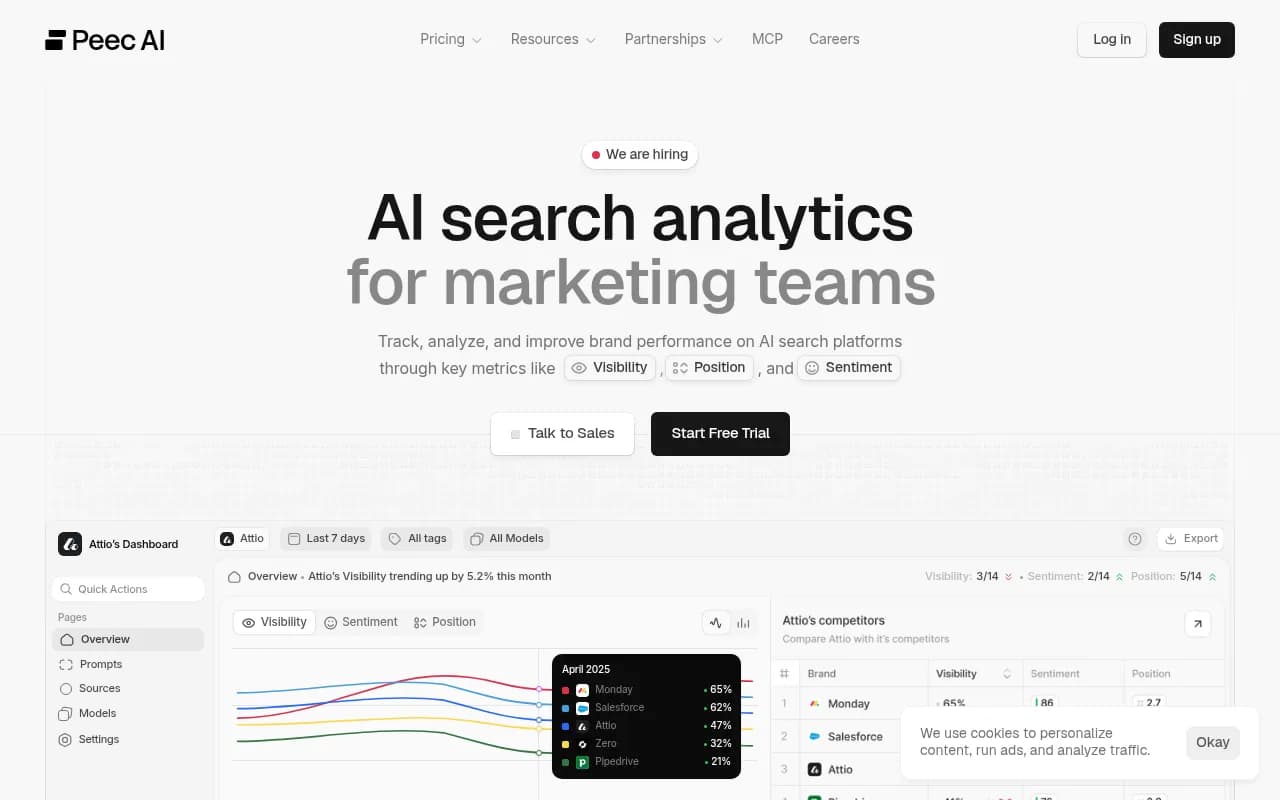
Peec AI offers smart suggestions alongside its monitoring, making it a reasonable middle ground for smaller teams.
The pattern across the market is consistent: most tools do monitoring well, fewer do content optimization, and almost none close the full loop from gap identification to content creation to citation tracking. That's the gap Promptwatch is specifically built to fill.
The bottom line
Scrunch AI is a capable enterprise monitoring platform with a technically interesting CDN approach. If you're a large organization that wants raw AI visibility data and has the internal resources to act on it, it's worth evaluating.
But if your team's real problem is "we know we're not being cited, and we need to fix that," Promptwatch's end-to-end approach -- find the gap, generate the content, track the result -- is a more direct path to that outcome. The crawler logs alone are worth the price of entry for teams that have been guessing why their pages aren't showing up in AI responses.
The GEO market in 2026 has plenty of dashboards. What most teams actually need is a tool that does something with what it finds.