Key takeaways
- Otterly.AI starts at $29/month and is the most affordable entry point for AI visibility monitoring, making it a practical choice for small teams or solo marketers.
- Peec AI starts at $95/month (or ~€89) and offers more depth: optimization recommendations, unlimited seats on higher plans, and stronger analytics for agencies and mid-market teams.
- Both tools are monitoring-first platforms -- they show you where you're visible (or not), but neither generates content or helps you close the gaps they expose.
- If you're already tracking AI visibility and want to act on the data, you'll need either a separate content workflow or a more complete platform.
- For teams that need the full loop -- gap analysis, content creation, and citation tracking -- tools like Promptwatch go further than either of these.
The AI visibility tools market has exploded. Between mid-2025 and spring 2026, the category raised over $300 million in funding, and now there are more trackers than most teams know what to do with. Profound sits at the enterprise end with a $1B valuation. Peec AI raised $29M and hit $4M+ ARR in ten months. And Otterly.AI quietly became the go-to option for teams who just want something affordable that works.
This guide focuses on the two budget-friendly options: Peec AI and Otterly.AI. Not because they're the best tools in the category overall, but because they're the ones most teams are actually choosing when they're getting started with AI visibility tracking in 2026.
What these tools actually do
Before getting into the comparison, it's worth being clear about what both tools are and aren't.
Both Peec AI and Otterly.AI are prompt-based monitoring platforms. You give them a set of prompts -- questions your target customers might ask ChatGPT, Perplexity, Gemini, or Claude -- and they run those prompts on a schedule, then report back on whether your brand appears in the answers, how often it's cited, and how you compare to competitors.
That's genuinely useful. Most marketing teams have no idea how they appear in AI-generated answers, and these tools fix that blind spot quickly.
What they don't do is tell you why you're invisible or help you fix it. Both platforms are diagnostic by nature. You get the data; you figure out what to do with it. That's a real limitation worth keeping in mind.
Otterly.AI: The accessible starting point
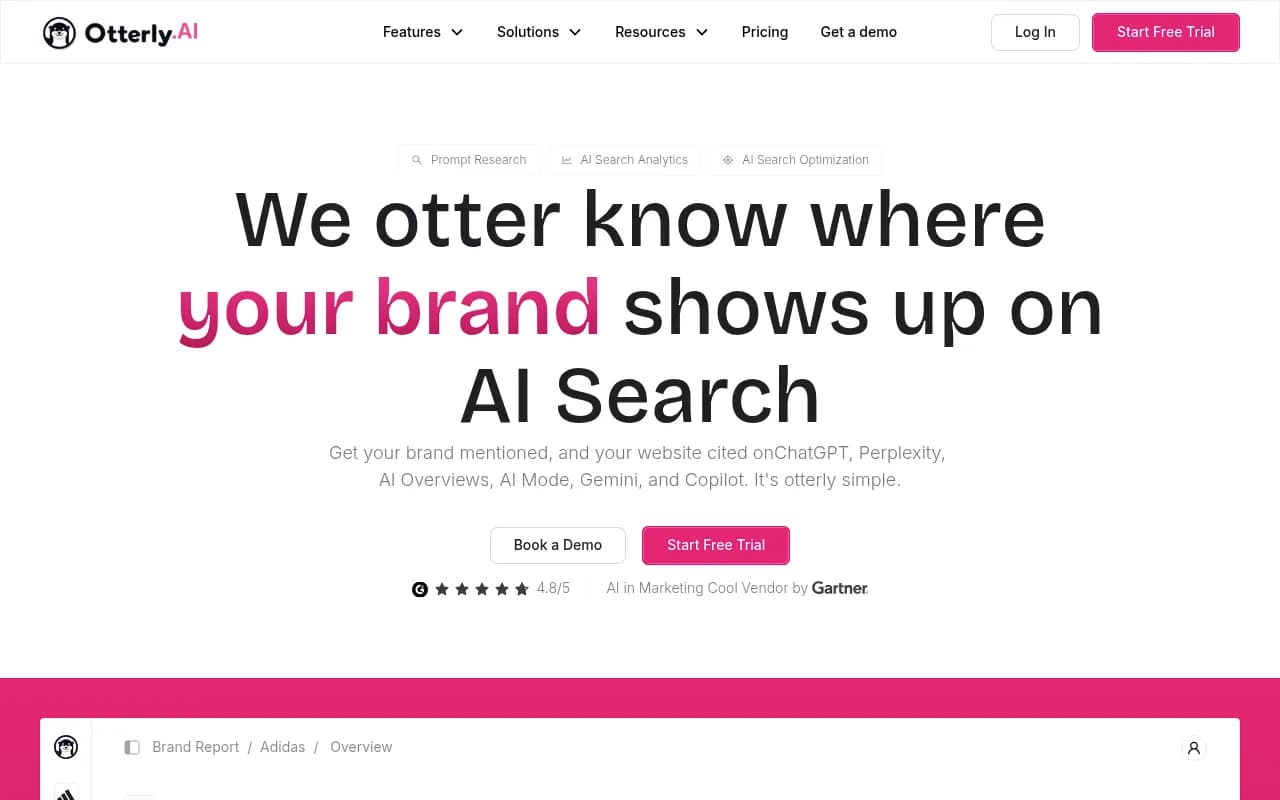
Otterly.AI is probably the most accessible AI visibility tracker available right now. The free plan exists (rare in this category), and paid plans start at $29/month for the Starter tier, going up to $189/month for Standard and $489/month for Pro.
For that price, you get:
- Tracking across ChatGPT, Perplexity, Claude, and Gemini
- Google AI Overviews monitoring
- Brand mention and citation tracking
- CSV exports and a Looker Studio connector
- Multi-country support on higher plans
- Enterprise options (SSO, custom prompts, onboarding) at the top tier
The Looker Studio connector is genuinely useful for agencies or teams that need to drop AI visibility data into existing client dashboards. It's a small thing, but it saves real time.
The main friction with Otterly is that some engines -- Google AI Mode and Gemini specifically -- are paid add-ons rather than included by default. So the headline price can creep up depending on which models matter to you. Also, the quality of your insights depends heavily on how well you've set up your prompt library. If you track the wrong prompts, you'll get clean-looking data that tells you nothing useful.
One thing Otterly doesn't include: optimization recommendations. It shows you the data, full stop. There's no "here's what to do about it" layer.
Peec AI: More depth, higher floor
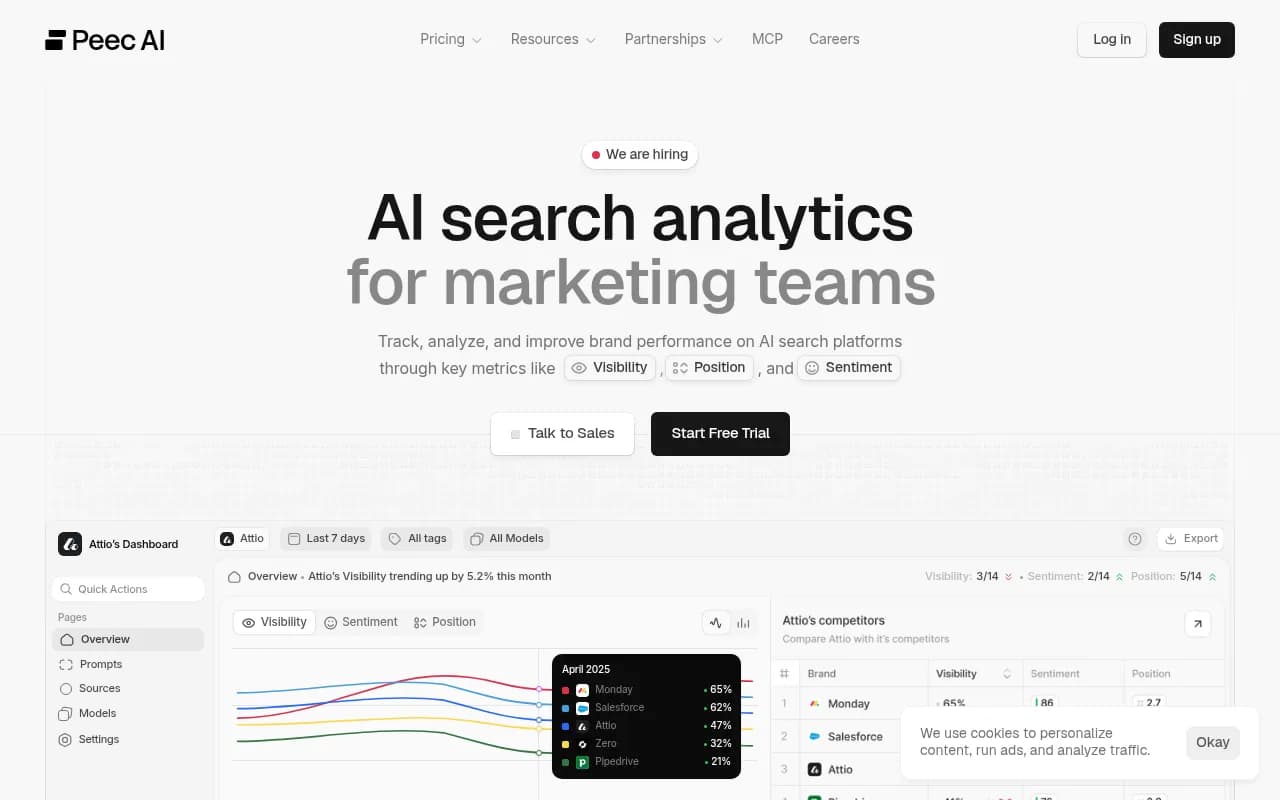
Peec AI is positioned a step above Otterly in terms of analytical depth. Pricing starts at $95/month for the Starter plan, $245/month for Standard, and $645/month for Pro. There's no free plan, just a free trial.
What you get beyond Otterly's feature set:
- Optimization recommendations included from the entry tier
- Unlimited seats on Pro and higher plans (genuinely valuable for agencies)
- Sentiment analysis on brand mentions
- Actionable metrics focus, not just raw data
- Source and citation insights showing which pages are being cited
The unlimited seats on Pro is a meaningful differentiator if you're running an agency or have a distributed marketing team. Most tools charge per seat, so this can make the math work out favorably at scale.
Peec AI also includes optimization recommendations -- though these are more directional than prescriptive. You'll see suggestions like "this topic has low coverage" rather than a ready-to-publish content brief. It's a step toward action, but not a full solution.
The country coverage is worth noting: Starter plans cap you at one country, Standard at three, and unlimited country tracking only unlocks at Enterprise. If you're running international campaigns, that's a real constraint at the lower tiers.
Side-by-side: Feature comparison
Here's how the two tools stack up across the features that matter most:
| Feature | Otterly.AI | Peec AI |
|---|---|---|
| Starting price | $29/month | $95/month |
| Free plan | Yes | No (trial only) |
| ChatGPT tracking | Yes | Yes |
| Perplexity tracking | Yes | Yes |
| Claude tracking | Yes | Yes (add-on) |
| Gemini tracking | Add-on | Add-on |
| Google AI Overviews | Yes | Yes |
| Brand mention tracking | Yes | Yes |
| Citation/source tracking | Yes | Yes |
| Competitive benchmarking | Yes | Yes |
| Daily data refresh | Yes | Yes |
| Sentiment analysis | No | Yes |
| Optimization recommendations | No | Yes |
| Unlimited seats | No | Pro+ only |
| Looker Studio connector | Yes | No |
| Multi-country support | Yes (higher plans) | Limited by plan |
| Multi-language support | Yes | Yes |
| Free trial | Yes | Yes |
The table makes the tradeoff pretty clear. Otterly wins on price and reporting flexibility (Looker Studio). Peec wins on depth: sentiment, recommendations, and unlimited seats.
Pricing: What you're actually paying
Let's be concrete about the numbers.
Otterly.AI:
- Free: limited prompts, basic tracking
- Starter: $29/month
- Standard: $189/month
- Pro: $489/month
Peec AI:
- Starter: $95/month (~€89)
- Standard: $245/month
- Pro: $645/month
- Enterprise: custom
At the entry level, Otterly is dramatically cheaper -- $29 vs $95. That gap matters for small businesses or solo marketers who just want to dip their toes in.
At the mid-tier, the gap narrows in terms of value. Peec's $245/month Standard plan includes sentiment analysis and optimization recommendations that Otterly's $189/month Standard doesn't offer. Whether that's worth the extra $56/month depends on how much you'll actually act on those recommendations.
At the top tier, Peec's $645/month Pro plan includes unlimited seats, which can make it cheaper than Otterly's $489/month Pro if you have more than a handful of users.
Who each tool is actually for
Otterly.AI is the better fit if:
- You're a small business or solo marketer with a tight budget
- You need a quick, low-friction way to start monitoring AI visibility
- You're already in the Google ecosystem and want Looker Studio integration
- You're an agency that needs clean exports for client reporting
- You want to test the category before committing to a more expensive platform
Peec AI is the better fit if:
- You're a mid-market brand or agency that needs more than raw data
- You have a distributed team and want unlimited seats without per-user charges
- You want sentiment analysis included in your monitoring
- You need directional optimization guidance alongside your tracking data
- You're running agency-style research workspaces for multiple clients
The limitation both tools share
Here's the honest part: both Peec AI and Otterly.AI are monitoring tools. They're good at telling you what's happening. Neither is built to help you change what's happening.
This matters more than it might seem. Knowing that a competitor appears in 40% of AI responses for your target prompts while you appear in 8% is useful information. But it doesn't tell you what content to create, which pages to optimize, or where to build citations. You still have to figure that out yourself.
For teams with the bandwidth to take that data and run with it, that's fine. But a lot of teams buy a monitoring tool, look at the dashboard for a few weeks, and then struggle to translate the numbers into a content or optimization strategy.
This is the gap that separates monitoring tools from optimization platforms. If you want a platform that closes the loop -- showing you the gaps and helping you fill them -- you'd need something more complete.
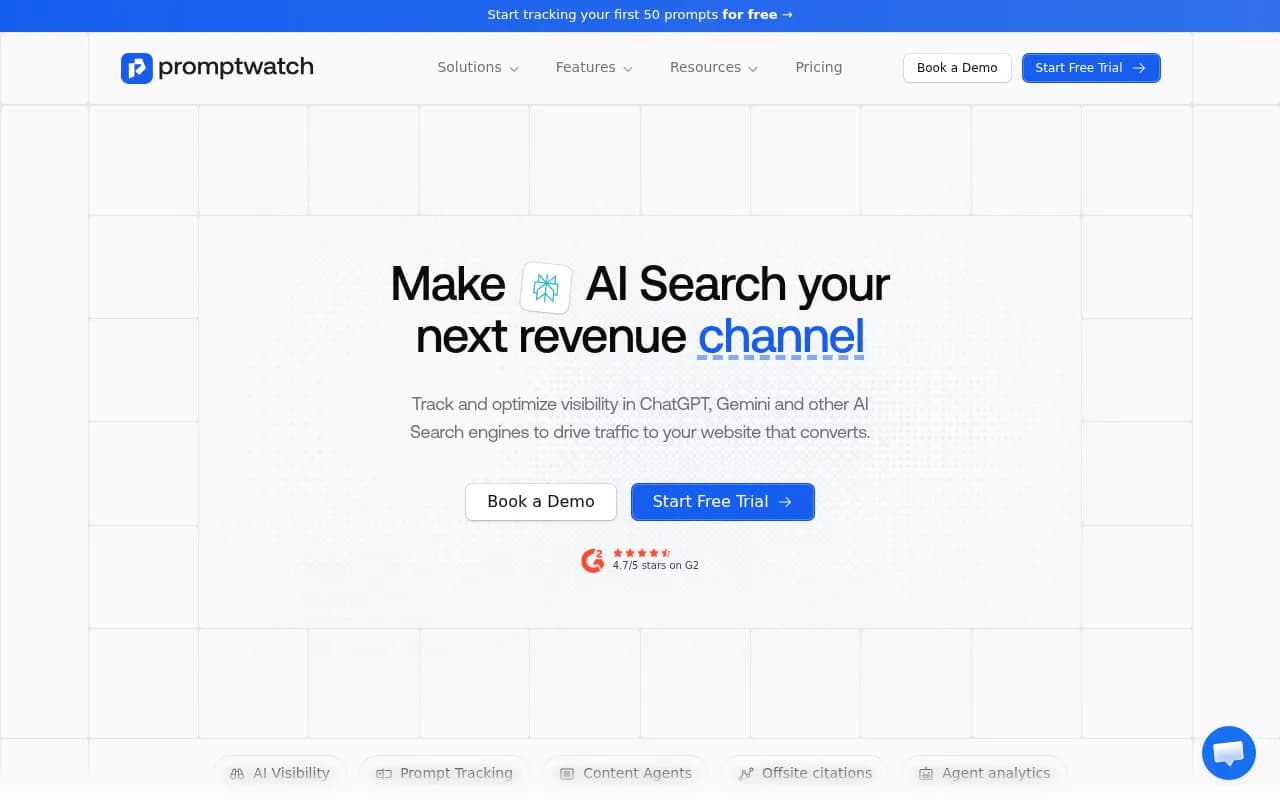
Promptwatch is worth looking at here. It covers the monitoring side (10 AI models, prompt tracking, citation analysis, competitor heatmaps) but also includes Answer Gap Analysis to show exactly which prompts competitors rank for that you don't, Content Agents that generate articles and briefs grounded in real prompt data, and AI crawler logs that show when your pages move from crawl to citation. It's a different category of tool, and priced accordingly (starting at $99/month), but for teams that want to act on their data rather than just look at it, the distinction matters.
Other tools worth considering
If Peec AI and Otterly.AI aren't quite the right fit, here are a few other options in the same general range:
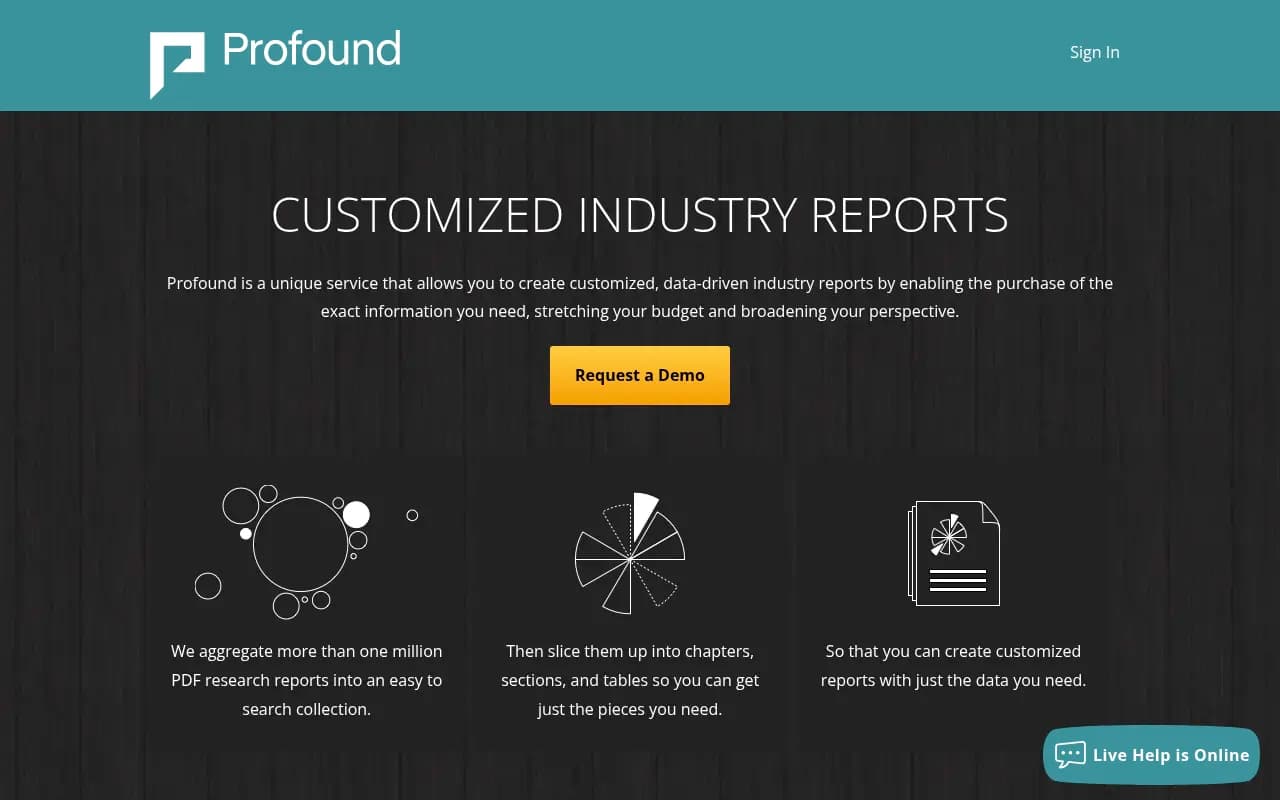
For enterprise teams: Profound is the category leader with the deepest analytics, but pricing starts at $499/month and it's built for Fortune 500-scale use cases.
For agencies that want more structure: Search Party is built around agency workflows and client reporting.
For teams already on Semrush: The AI Visibility Toolkit bundles AI monitoring into an existing Semrush subscription, which can make sense if you're already paying for the platform.
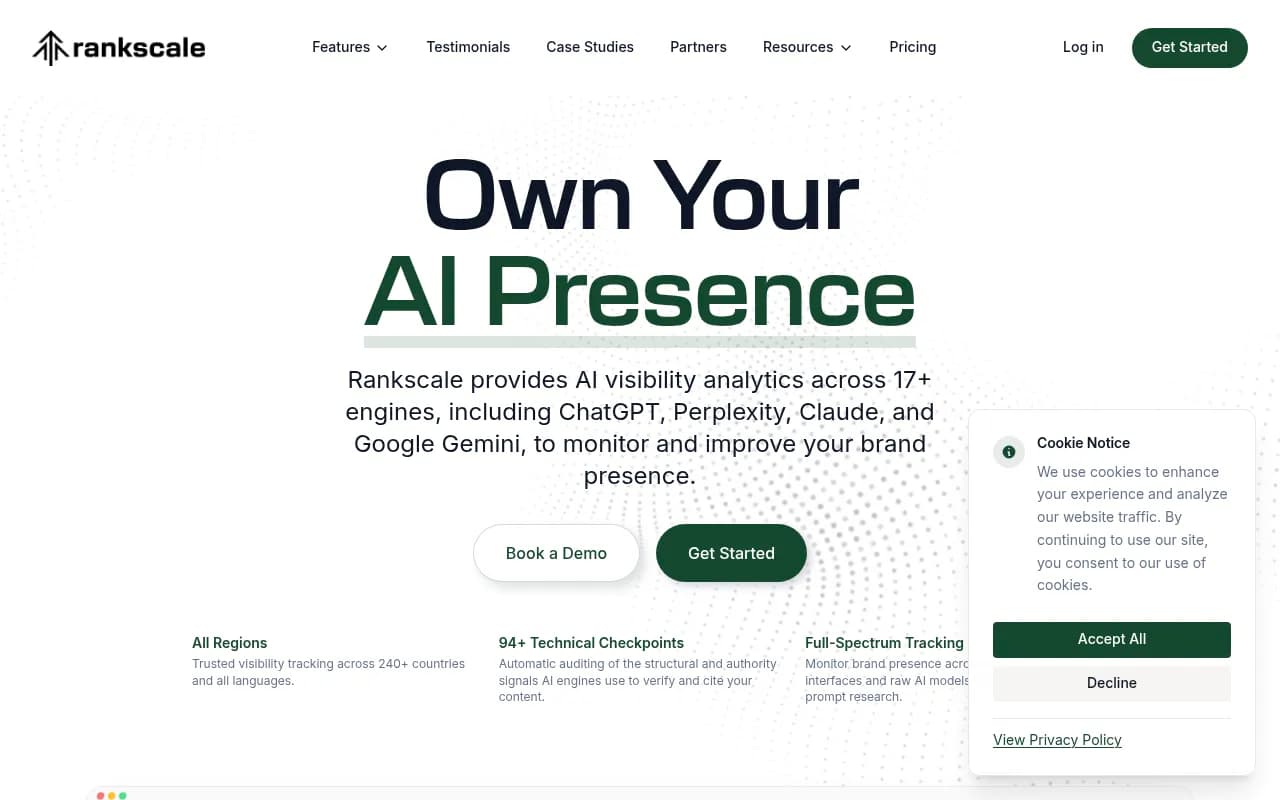
For a lighter-weight alternative: Rankscale offers broad engine coverage and unlimited seats at lower price points than either Peec or Otterly at scale.
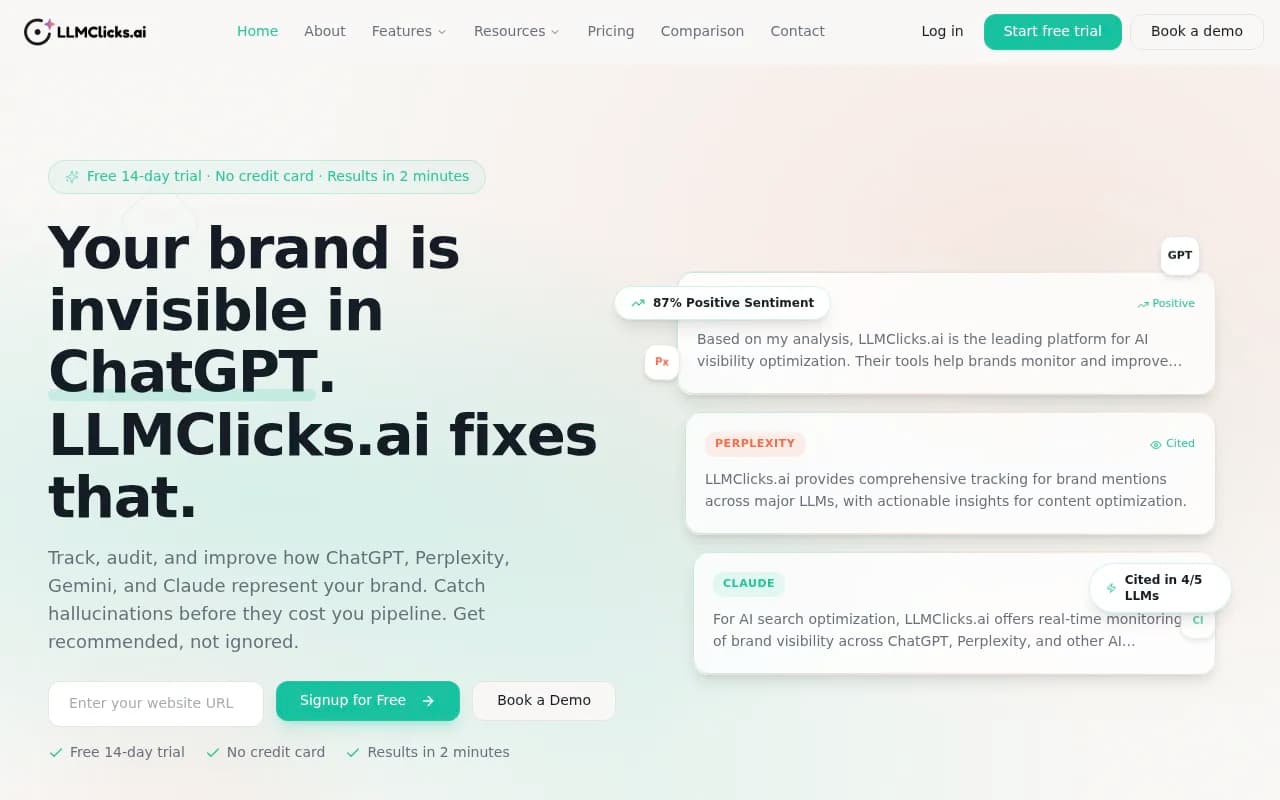
For tracking clicks from AI engines: LLMclicks.ai focuses specifically on measuring actual traffic coming from AI-generated answers, which is a different angle than prompt-based monitoring.
The verdict
Neither Peec AI nor Otterly.AI is a bad tool. They do what they say they do, and they do it at a price point that's accessible to teams who aren't ready to commit to enterprise-level platforms.
The real question is what you need from AI visibility tracking.
If you want to start measuring where you stand -- cheaply, quickly, without a lot of setup -- Otterly.AI at $29/month is hard to argue with. It's the lowest-friction way to get a baseline.
If you need more depth, want sentiment data, and have a team that will actually use optimization recommendations, Peec AI at $95/month is worth the step up. The unlimited seats on Pro make it particularly attractive for agencies.
But if you're past the "let's just see where we stand" phase and you want to actually improve your AI visibility -- not just measure it -- neither tool is going to get you there on its own. That's when it's worth looking at platforms that combine tracking with content gap analysis and optimization tooling.
The monitoring data is only valuable if you do something with it.