Key takeaways
- Otterly.AI is a capable monitoring tool, but it stops at showing you data -- it doesn't help you act on it
- Promptwatch closes the loop with content gap analysis, AI-powered content generation, and page-level citation tracking
- Crawler logs, prompt volume scoring, Reddit/YouTube insights, and ChatGPT Shopping tracking are features Otterly.AI doesn't offer
- For agencies managing multiple brands, the comparison is more nuanced -- Otterly.AI's unlimited workspaces are genuinely useful, but Promptwatch's depth wins for teams that need to move the needle
- The core question is: do you want a dashboard that shows you where you're invisible, or a platform that helps you fix it?
AI search visibility has gone from "interesting experiment" to a real acquisition channel in the span of about 18 months. If your brand isn't showing up in ChatGPT, Perplexity, or Google AI Overviews when buyers are asking relevant questions, you're losing traffic you never even knew existed.
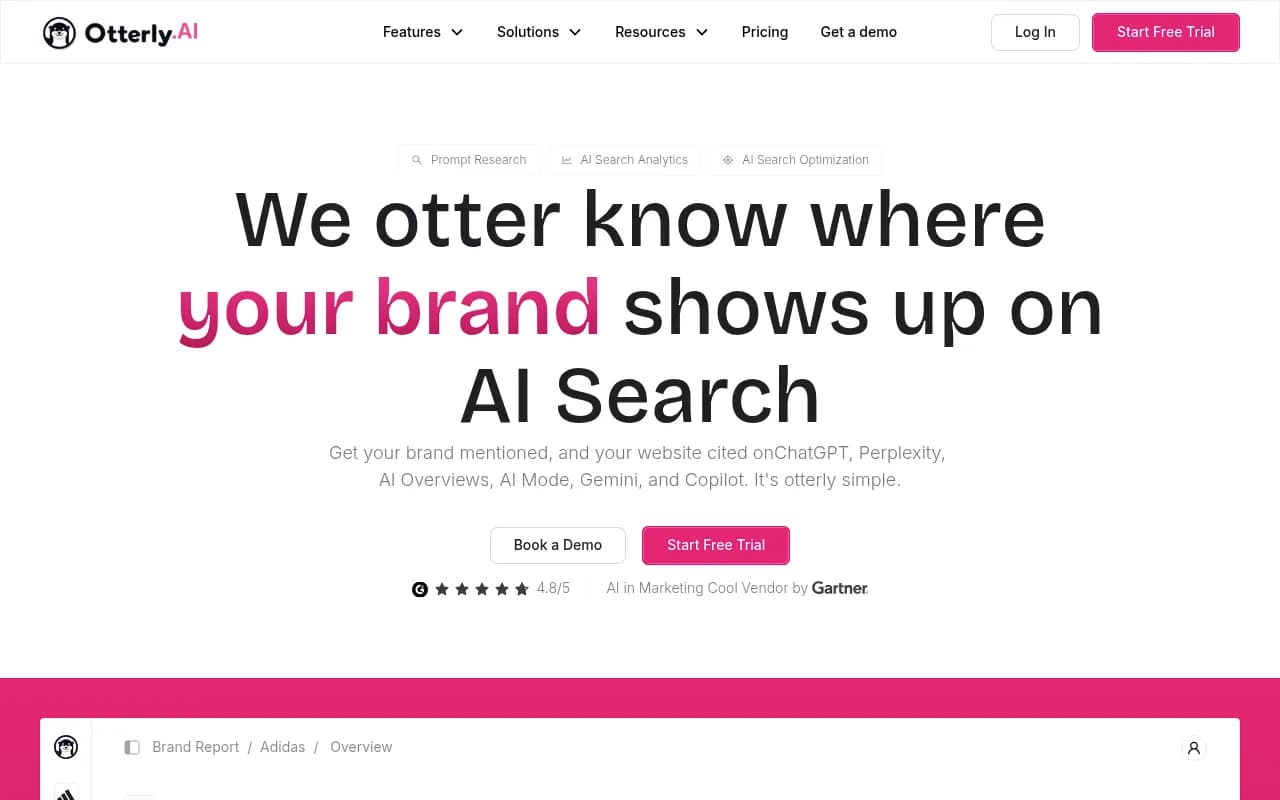
Otterly.AI was one of the first tools to make AI brand monitoring accessible. It's affordable, easy to set up, and has built a real following among GEO-curious marketers. But as teams get more serious about AI visibility -- and start asking "okay, so how do we actually improve this?" -- a pattern keeps emerging: Otterly.AI shows you the problem, but leaves you to figure out the solution.
That's the core reason marketing teams are switching to Promptwatch in 2026. Not because Otterly.AI is bad, but because it was built for a different job.
Here's a look at the five specific gaps that are driving the switch.
1. Otterly.AI monitors. Promptwatch optimizes.
This is the fundamental difference, and everything else flows from it.
Otterly.AI tells you your brand visibility score, which AI models mention you, and roughly how often. That's useful information. But once you have it, you're on your own. There's no built-in path from "we're invisible for this prompt" to "here's what to do about it."
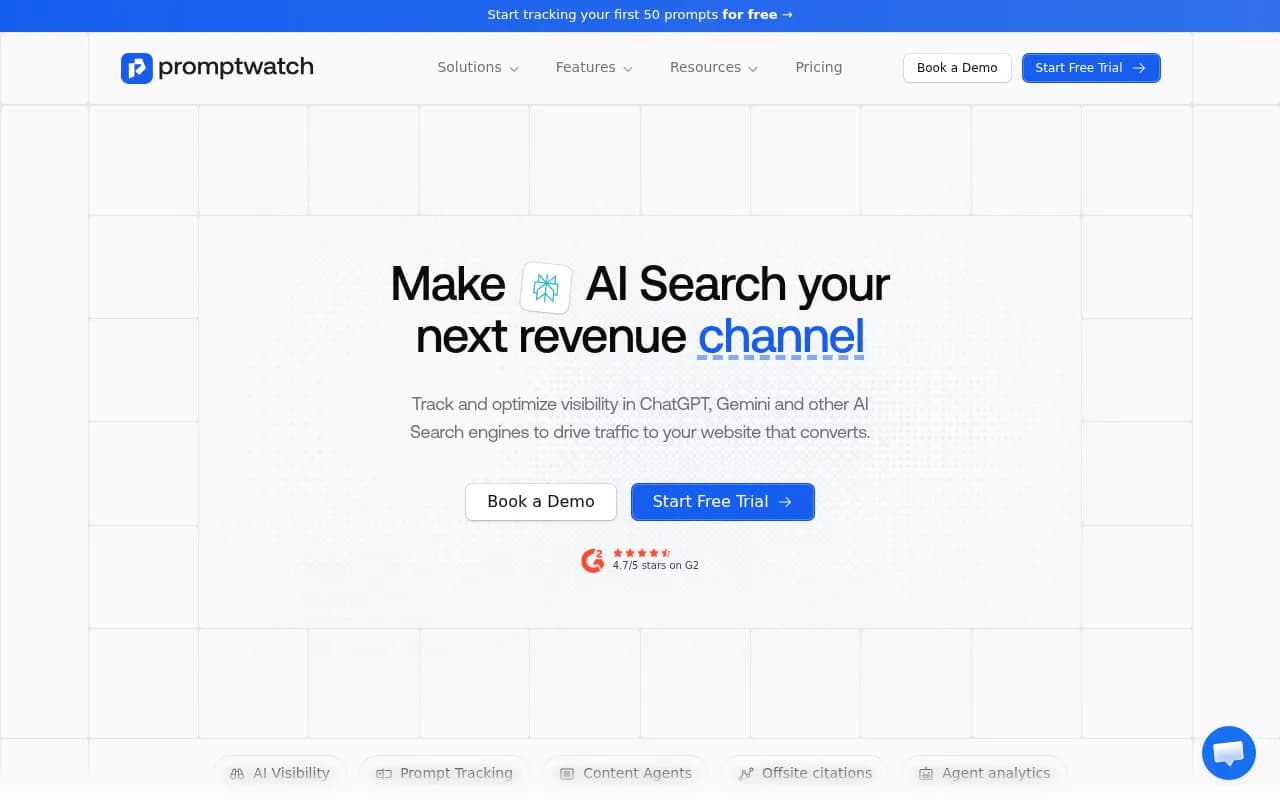
Promptwatch is built around what it calls an action loop: find the gaps, create content to fill them, track the results. The Answer Gap Analysis feature shows you exactly which prompts your competitors are visible for that you're not -- not just that a gap exists, but the specific topics and questions AI models want answered that your site currently can't provide.
From there, Content Agents generate articles, listicles, and comparisons grounded in real prompt data, citation patterns, and competitor analysis. This isn't generic content generation -- it's content built to answer the specific gaps AI models are already exposing in your site.
Most monitoring-only tools (Otterly.AI included) stop at step one. Promptwatch runs the full cycle.
2. Prompt intelligence that actually helps you prioritize
Not all prompts are worth chasing. Some are high-volume and competitive; others are niche but winnable. Without volume and difficulty data, you're essentially guessing which gaps to fill first.
Otterly.AI lets you track prompts you define, but it doesn't tell you how often real users are actually asking those questions, or how hard it would be to rank for them in AI responses.
Promptwatch includes volume estimates and difficulty scores for each prompt, plus query fan-outs -- a feature that shows how one prompt branches into 8-12 sub-queries behind the scenes. This matters because AI engines don't search for your exact phrase; they decompose it into related questions. If you don't know what those sub-queries are, you can't optimize for them.
The practical effect: Promptwatch users can prioritize high-value, winnable prompts instead of spreading effort across everything. Otterly.AI users are working with less information and making more guesses.
3. Crawler logs and citation intelligence
This is one of the biggest capability gaps between the two platforms, and it's one most people don't think about until they need it.
Promptwatch's AI Crawler Logs (available on Professional and above) show you in real time which AI crawlers -- ChatGPT, Claude, Perplexity, and others -- are hitting your website, which pages they're reading, what errors they're encountering, and how often they return. When a page moves from "crawled" to "cited," you can see that transition happen.
Otterly.AI has no equivalent feature. If your pages aren't being cited and you're using Otterly.AI, you know something is wrong but you have no visibility into why. Is the crawler not finding the page? Is it hitting an error? Is it reading the page but not finding it useful? You can't tell.
For teams that publish new content specifically to improve AI visibility, crawler logs are essential. They're the feedback mechanism that tells you whether your content is actually being discovered and read by AI engines -- not just indexed by Google.
4. Reddit, YouTube, and offsite citation tracking
AI models don't only cite brand websites. They cite Reddit threads, YouTube videos, third-party review sites, and industry publications. A significant portion of AI visibility happens offsite, and if you're only tracking your own domain, you're missing a big part of the picture.
Promptwatch tracks offsite citations -- which external pages, Reddit discussions, and YouTube videos are driving AI visibility for your brand or your competitors. This tells you where to publish, what communities to engage with, and which third-party content is influencing AI recommendations in your category.
Otterly.AI doesn't offer Reddit or YouTube tracking. For teams in categories where community content heavily influences AI answers (software, consumer products, financial services, travel), this is a real gap.
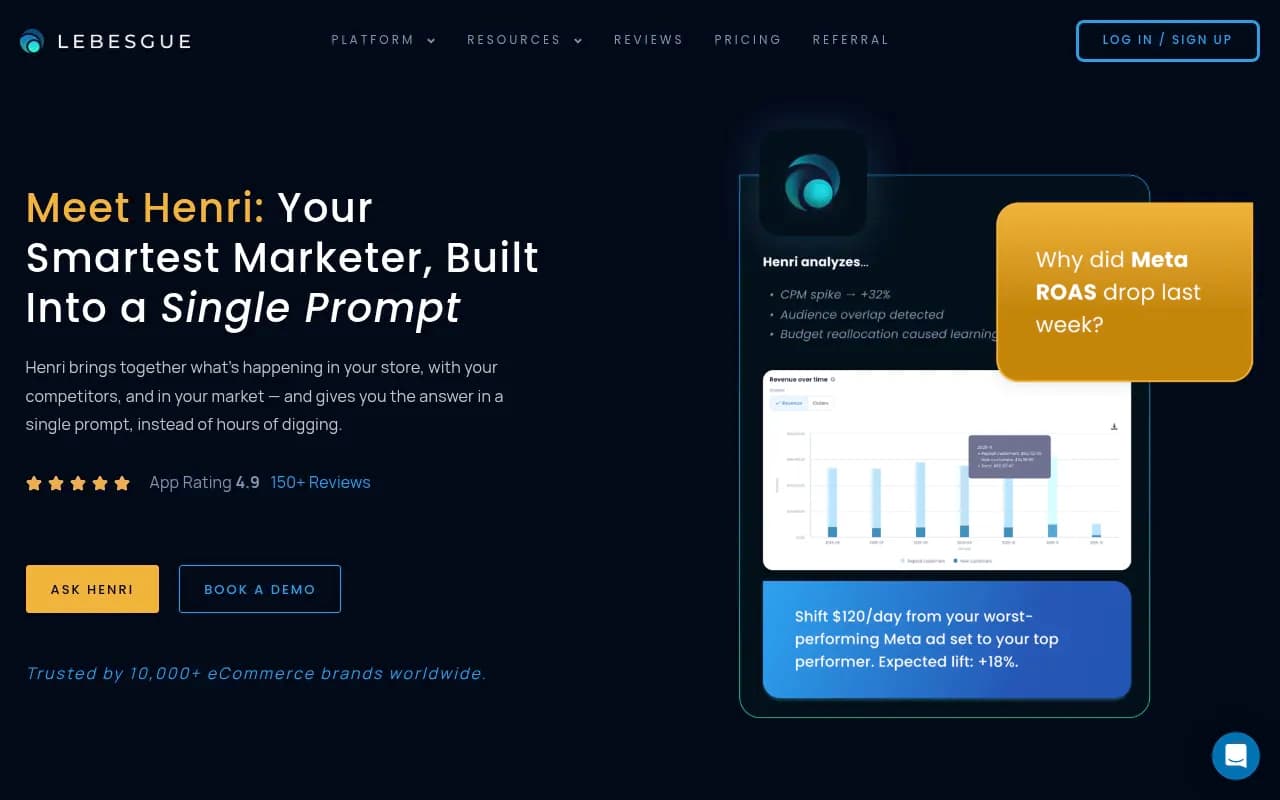
The research from Lebesgue's 2026 comparison of AI visibility tools noted that Promptwatch is "a good prompt monitoring tool with useful source visuals" -- the source visualization being exactly this kind of offsite citation mapping.
5. ChatGPT Shopping and entity tracking
ChatGPT's shopping recommendations have become a meaningful channel for e-commerce and product brands. When someone asks ChatGPT "what's the best noise-canceling headphone under $200," the product recommendations that appear in that response are driving real purchase decisions.
Promptwatch tracks when your brand appears in ChatGPT's product recommendations and shopping carousels -- a feature that simply doesn't exist in Otterly.AI. For any brand selling physical or digital products, this is increasingly important.
Entity tracking goes alongside this: monitoring when and how your brand is mentioned as a named entity across AI responses, not just as a citation link. These are different signals, and both matter for understanding your AI presence.
Where Otterly.AI still makes sense
It would be dishonest to say Otterly.AI has no advantages. A few things genuinely favor it:
Otterly.AI's pricing starts at $29/month, compared to Promptwatch's $99/month entry tier. For solo marketers or very small teams just getting started with GEO, that price difference is real.
Otterly.AI also offers unlimited workspaces on its plans, which is a meaningful advantage for agencies managing many clients. Promptwatch limits you to 2 sites on Professional ($249/month) and 5 on Business ($579/month). If you're an agency running 20+ client accounts and primarily need monitoring dashboards, Otterly.AI's workspace model is more practical.
The GEO content audit feature in Otterly.AI -- which audits existing content and flags what to optimize -- is also a genuinely useful capability, though it's different from Promptwatch's content generation approach.
So the honest framing is: Otterly.AI is a better fit for price-sensitive teams or agencies that need simple monitoring at scale. Promptwatch is a better fit for teams that want to actually move their AI visibility numbers.
How the two platforms compare side by side
| Feature | Otterly.AI | Promptwatch |
|---|---|---|
| AI model coverage | Multiple models | 10+ models (ChatGPT, Perplexity, Gemini, Claude, Grok, DeepSeek, Copilot, Meta AI, Mistral, Google AI Overviews) |
| Prompt volume & difficulty scoring | No | Yes |
| Query fan-out analysis | No | Yes |
| Answer gap analysis | No | Yes |
| AI content generation | No | Yes (Content Agents) |
| AI crawler logs | No | Yes (Professional+) |
| Reddit & YouTube citation tracking | No | Yes |
| ChatGPT Shopping tracking | No | Yes |
| Offsite citation analysis | No | Yes |
| Competitor heatmaps | Basic | Yes |
| Multi-language / multi-region | Yes | Yes |
| Workspaces / sites | Unlimited | 1-5 depending on plan |
| Starting price | $29/month | $99/month |
| Agency program | Yes | Custom pricing |
| Free trial | Yes (7 days) | Yes |
The real question to ask your team
The switch from Otterly.AI to Promptwatch usually happens when a team asks: "We can see we're invisible for these prompts. Now what?"
If the answer is "we'll figure it out ourselves," Otterly.AI's monitoring data might be enough. If the answer is "we need the platform to help us fix it," that's when Promptwatch becomes the obvious choice.
The gap analysis, content generation, crawler logs, and offsite citation tracking aren't features for their own sake -- they're the infrastructure for actually improving your AI visibility score over time, not just watching it.
For teams that have moved past the "let's see what's happening" phase and into the "let's actually win AI search" phase, the switch makes sense. Promptwatch has processed more than 4.5 billion citations, clicks, and prompts -- the data depth is there to back up the optimization work.
Both tools are worth knowing about. But they're solving different problems, and the one you need depends on where your team is in its GEO journey.
Other tools worth considering
If you're evaluating options beyond these two, a few other platforms are worth a look depending on your specific needs:
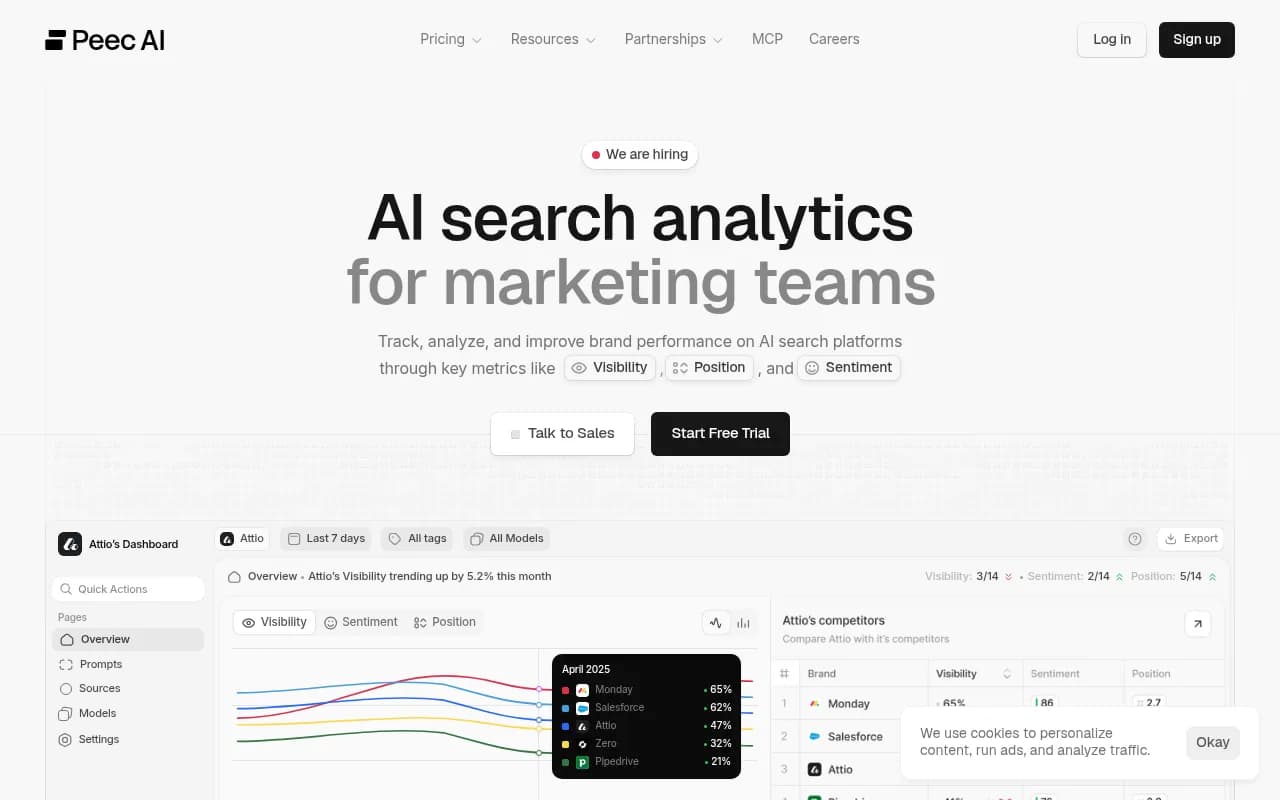
Peec AI is another monitoring-focused option at a lower price point, similar in positioning to Otterly.AI.
AthenaHQ sits in the monitoring-only category as well, with a clean interface but limited optimization capabilities.

Profound has a stronger feature set than either Otterly.AI or AthenaHQ, though at a higher price point and without Reddit tracking or ChatGPT Shopping.
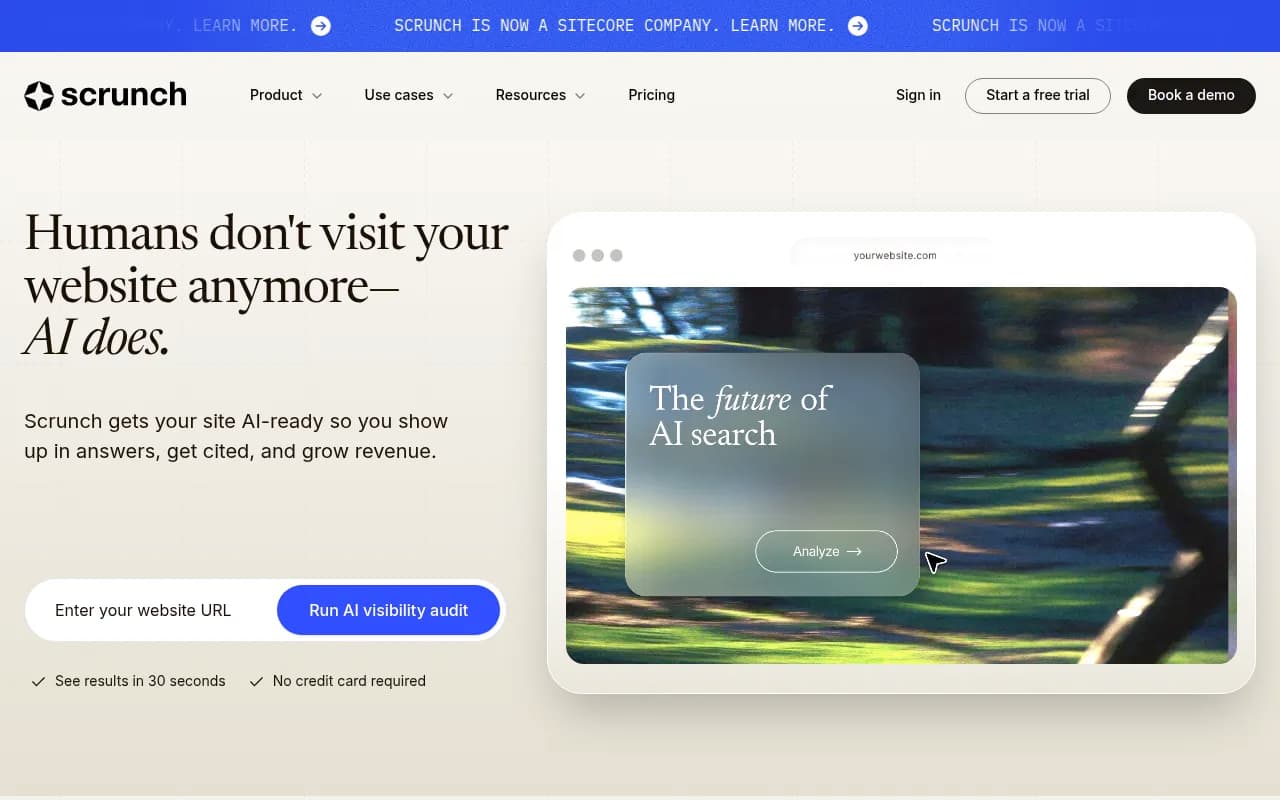
Scrunch AI is another option for brands and agencies focused on monitoring across multiple AI models.
The monitoring-only vs. full-optimization distinction applies across all of these. Know which problem you're trying to solve before you pick a tool.