Key takeaways
- Most AI visibility platforms track citations on a daily or weekly schedule -- true real-time alerting is rarer than vendors imply.
- The tools that send alerts vary widely: some notify you by email when your brand drops from a specific AI model's answer, others require you to log in and check dashboards manually.
- Alerting without action is only half the job. The most useful platforms in 2026 combine citation monitoring with content gap analysis and optimization tools so you can respond to a drop, not just know about it.
- Platforms like Promptwatch go further than most by pairing alerts with crawler logs, answer gap analysis, and AI content generation -- so you can trace why a citation dropped and fix it in the same workflow.
- Budget matters: real-time alerting tends to live in mid-tier and enterprise plans. Entry-level tiers at most platforms run daily or slower.
Why citation alerts matter more than rank alerts now
About 68% of Google searches ended without a click in early 2026, according to SparkToro's analysis of Similarweb clickstream data. ChatGPT crossed 900 million weekly active users in February 2026. Google's AI Overviews reach an estimated 2 billion people a month. When the AI answer is the destination, losing a citation is roughly equivalent to dropping off page one -- except it can happen overnight, silently, with no rank tracker flagging it.
Traditional SEO tools measure your position in a list of links. They say nothing about whether ChatGPT recommends you when someone asks "what's the best project management tool for remote teams?" or whether Perplexity cites your pricing page when a buyer is comparing vendors. That's a completely different signal, and it requires completely different infrastructure to catch.
Citation alerts are the first layer of that infrastructure. But they're not all built the same way.
What "real-time" actually means in this context
Before comparing tools, it's worth being honest about what "real-time" means in AI search monitoring. Unlike a website uptime monitor that pings your server every 60 seconds, AI citation tracking involves actually querying ChatGPT, Perplexity, Claude, Gemini, and other models with your tracked prompts, parsing the responses, and checking whether your brand appears. That takes time and costs money per query.
So when a vendor says "real-time alerts," they usually mean one of three things:
- Continuous monitoring with near-instant notifications (rare, expensive, mostly enterprise)
- Daily scheduled runs with same-day email digests (the most common setup)
- Weekly or on-demand snapshots with manual alert configuration (the baseline tier)
The distinction matters. If a competitor launches a negative comparison article that Perplexity starts citing heavily on a Tuesday afternoon, a weekly snapshot won't tell you until the following Monday. A daily digest tells you Wednesday morning. A continuous monitor tells you within hours.
Keep that in mind as you read the comparisons below.
The platforms worth knowing in 2026
Promptwatch
Promptwatch is the platform I'd point most marketing and SEO teams toward first, not because it has the flashiest alert UI, but because it's the only one in this comparison that closes the full loop: detect the drop, understand why it happened, fix it.
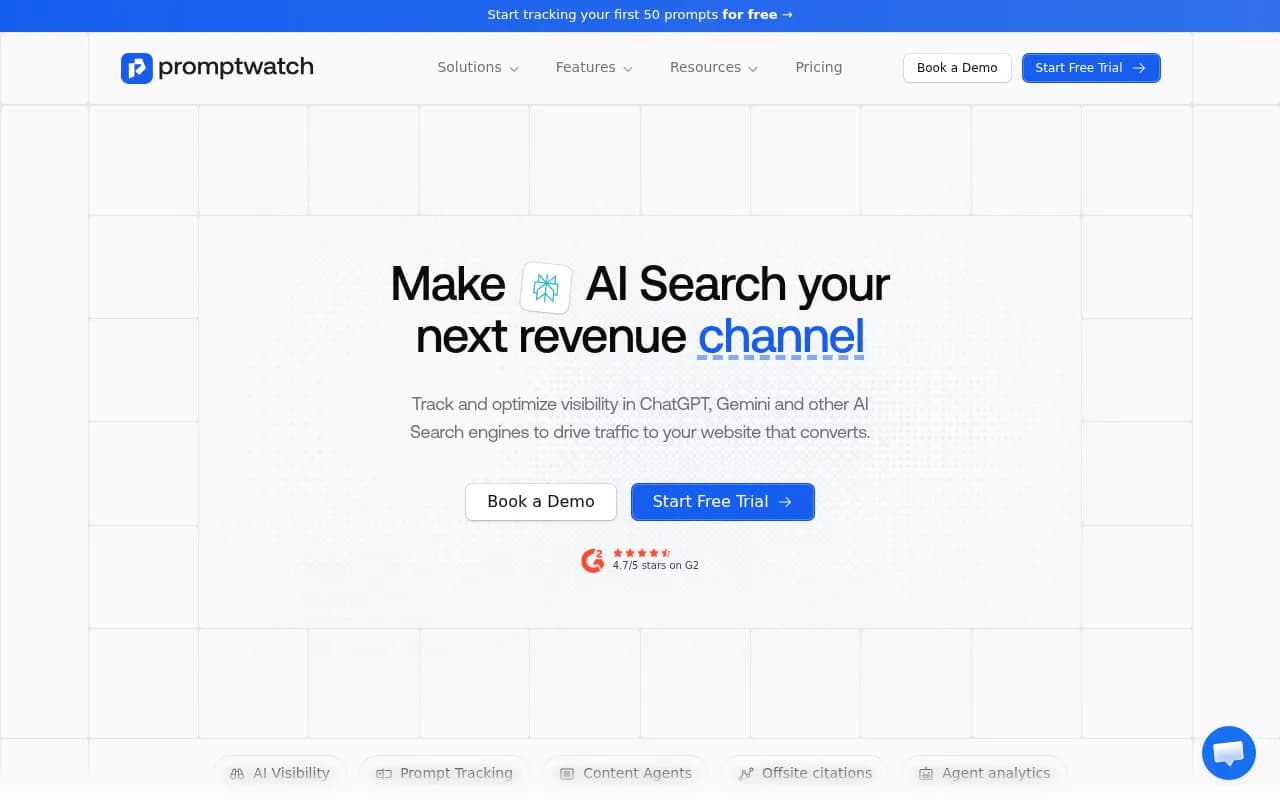
The alerting side works across 10 AI models (ChatGPT, Perplexity, Claude, Gemini, Google AI Overviews, Google AI Mode, Grok, DeepSeek, Copilot, and Mistral). When your brand drops from or gains a citation, you get notified. But what makes Promptwatch different is what comes next. The Answer Gap Analysis shows you exactly which prompts competitors are being cited for that you're not. The AI Crawler Logs show you which pages ChatGPT and Perplexity's crawlers are actually reading, how often they return, and whether they're hitting errors. And the Content Agents generate articles and briefs grounded in real prompt data to close the gaps the alerts surface.
That cycle -- alert, diagnose, fix -- is what separates Promptwatch from tools that just send you a Slack message and leave you guessing.
Pricing starts at $99/month for the Essential plan (1 site, 50 prompts). The Professional plan at $249/month adds crawler logs, multi-location tracking, and 15 AI-generated articles per month.
Profound
Profound is the strongest dedicated enterprise monitoring platform in this space. It covers major AI models, offers historical data, and has solid reporting for teams that need to show AI visibility trends to leadership. The alerting is reliable and configurable.
The gap is on the action side. Profound doesn't help you create content to fix what it finds. It's a very good dashboard -- but once you know your brand dropped from Claude's recommendations for a high-value prompt, you're on your own figuring out what to do about it.
Best for: Enterprise teams with dedicated content resources who need deep tracking and reporting, and don't need the platform to help with content creation.
Otterly.AI
Otterly.AI is the most accessible entry point in this category. It monitors brand mentions across AI models, sends email alerts when visibility changes, and keeps pricing low enough that small teams and solo marketers can justify it.
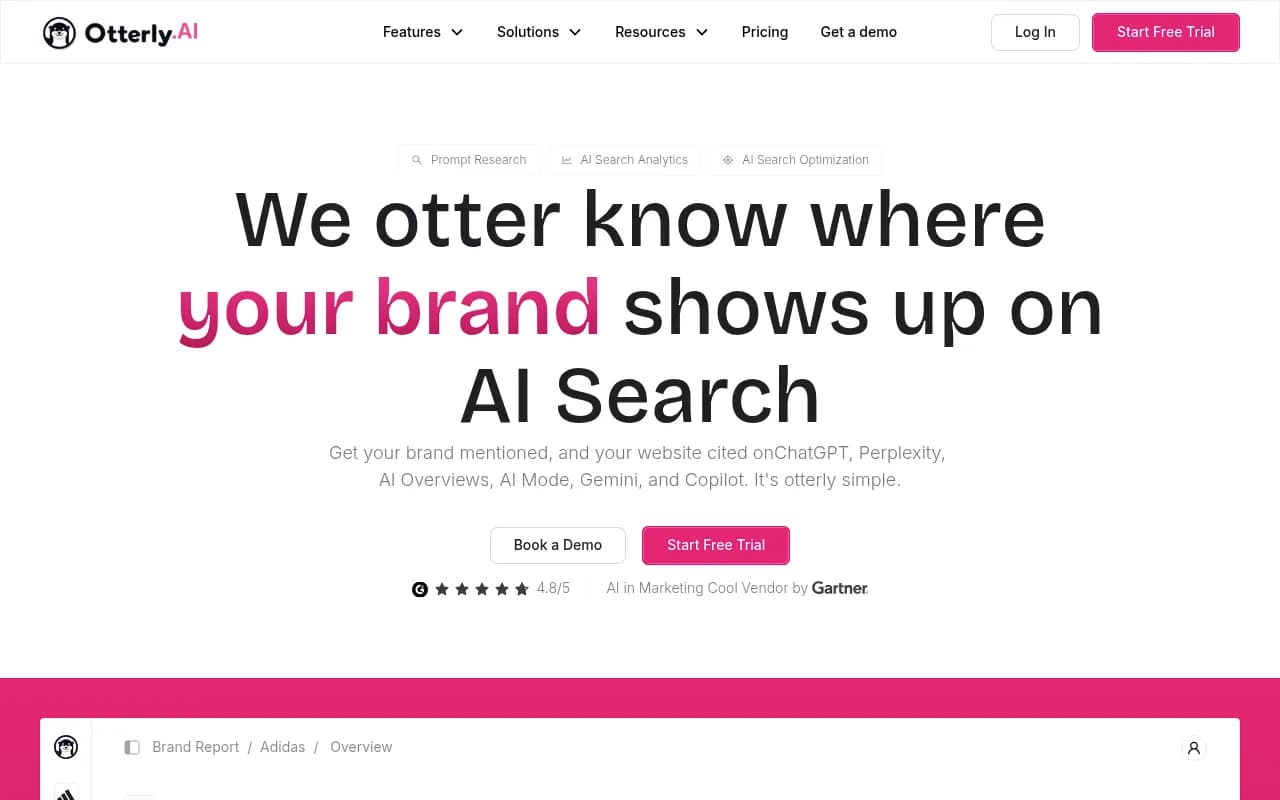
The trade-off is depth. Otterly doesn't have crawler logs, doesn't track prompt volumes or difficulty, and doesn't generate content. The alerts are simple: your brand appeared / didn't appear. That's useful context, but it won't tell you why or what to do.
Best for: Small businesses and solo practitioners who want basic citation monitoring without enterprise pricing.
Peec AI
Peec AI sits in a similar tier to Otterly -- monitoring-focused, with a cleaner UI and some smart suggestions layered on top of the tracking data.
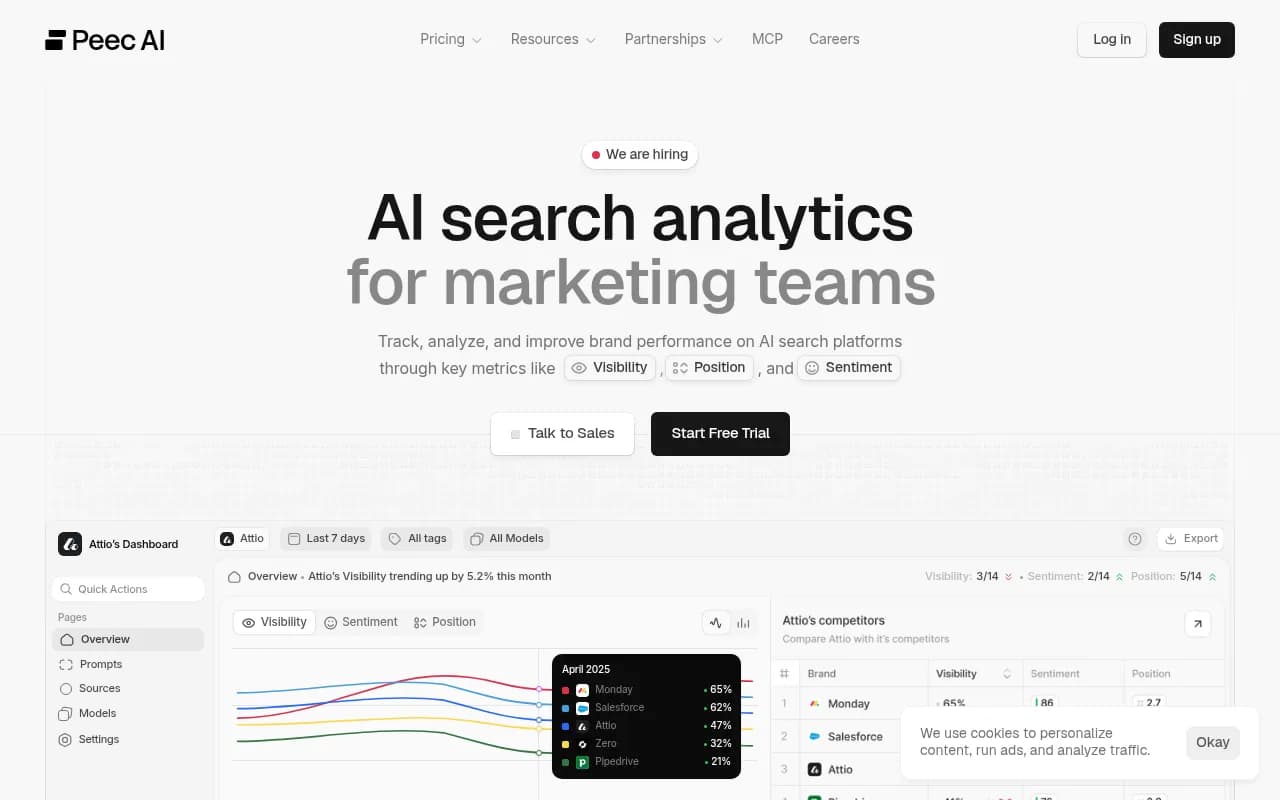
It covers the main AI models and sends alerts when your visibility changes. The "smart suggestions" feature is interesting: it surfaces recommendations based on what's changing in your tracked prompts. But those suggestions are fairly generic -- they point you toward content topics without the specificity of a full gap analysis or content brief.
Best for: Teams that want monitoring plus lightweight guidance, without committing to a full GEO platform.
Scrunch AI
Scrunch AI is worth mentioning for agencies specifically. It handles multi-client monitoring reasonably well, with white-label reporting and configurable alerts per client.
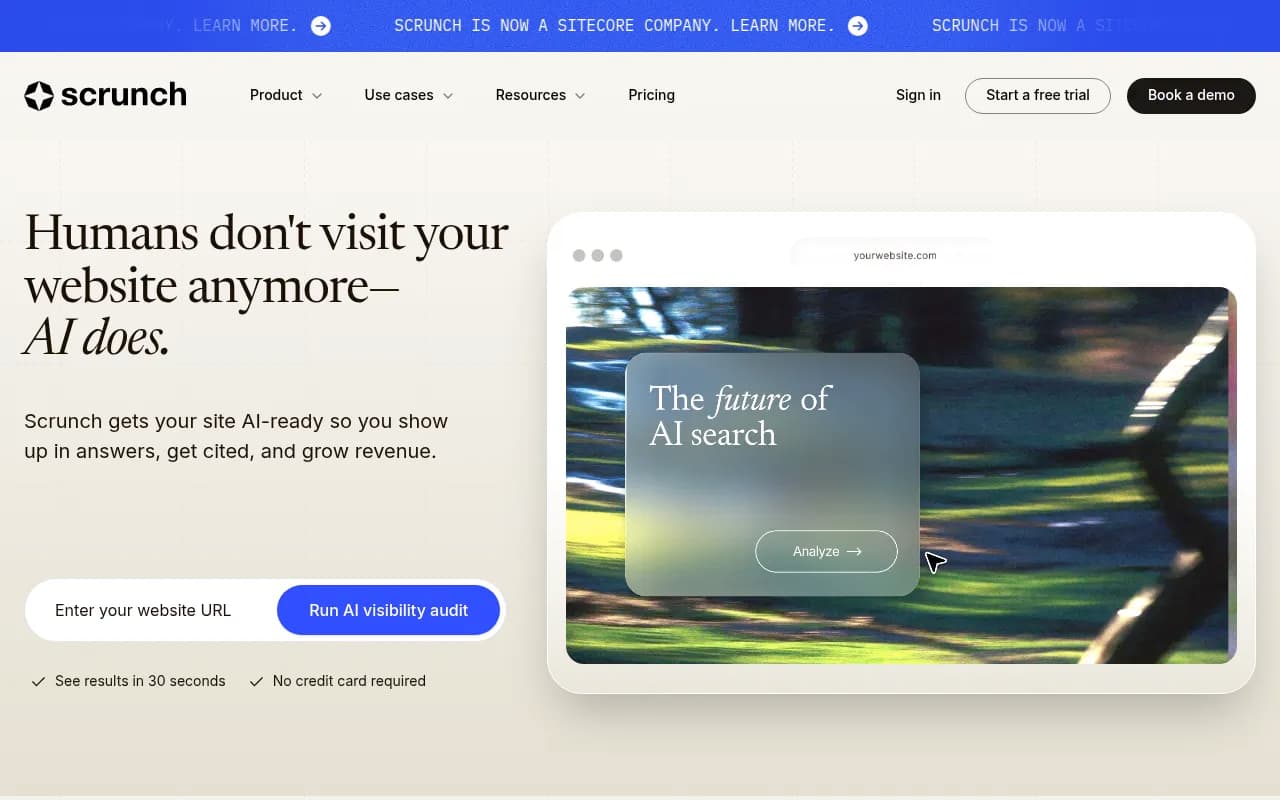
The alerting is solid. Where Scrunch falls short is on the optimization side -- it's primarily a tracking and reporting tool, which is fine for agencies that handle content strategy separately.
Best for: Agencies managing multiple brands who need clean reporting and per-client alert configuration.
AthenaHQ
AthenaHQ has a good monitoring foundation and covers a reasonable range of AI models. The interface is clean and the data is reliable.
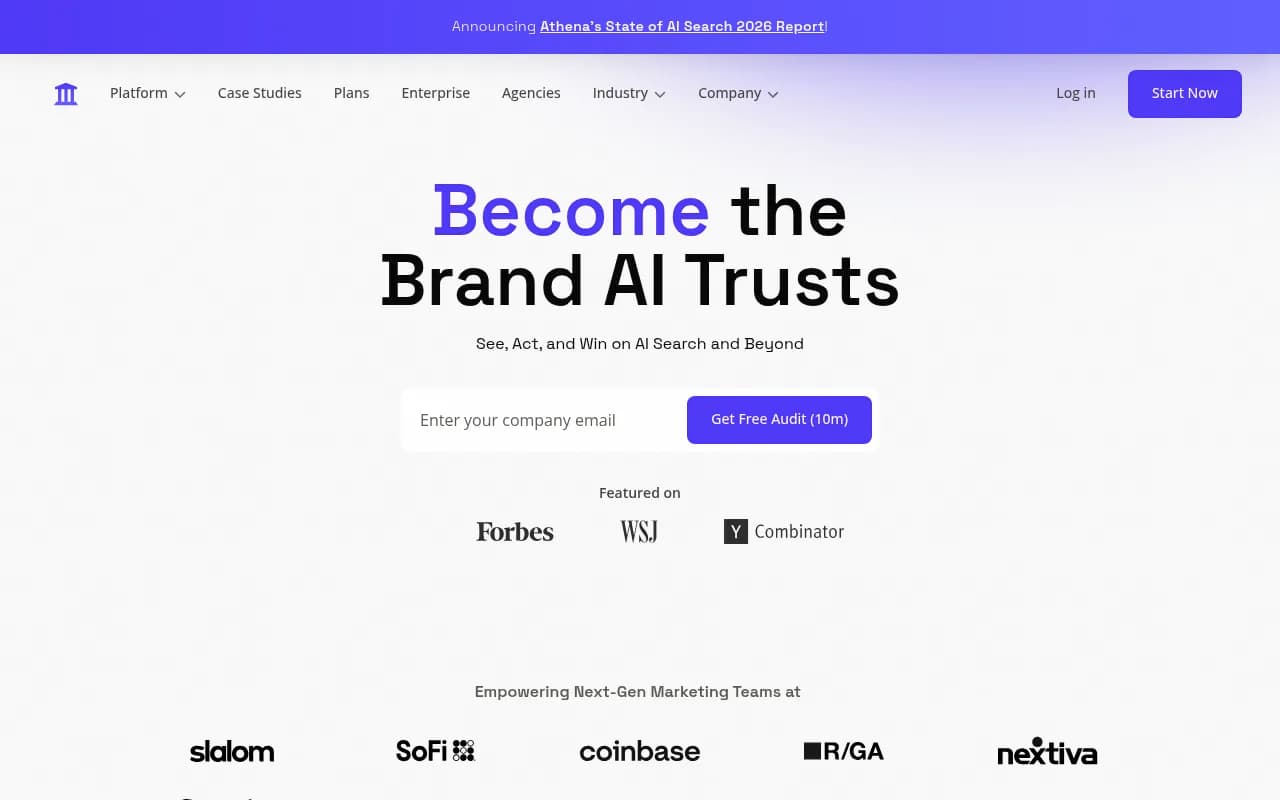
Like Profound, it's monitoring-first. Alerts work, but there's no content generation, no crawler log access, and no answer gap analysis. You'll know your brand dropped -- you just won't get much help figuring out the fix.
Best for: Teams that prioritize data quality and clean dashboards over optimization features.
SE Ranking (Visible)
SE Ranking's AI visibility product, branded as Visible, is a solid mid-market option for teams already using SE Ranking for traditional SEO. It tracks AI model citations and sends alerts when visibility changes.
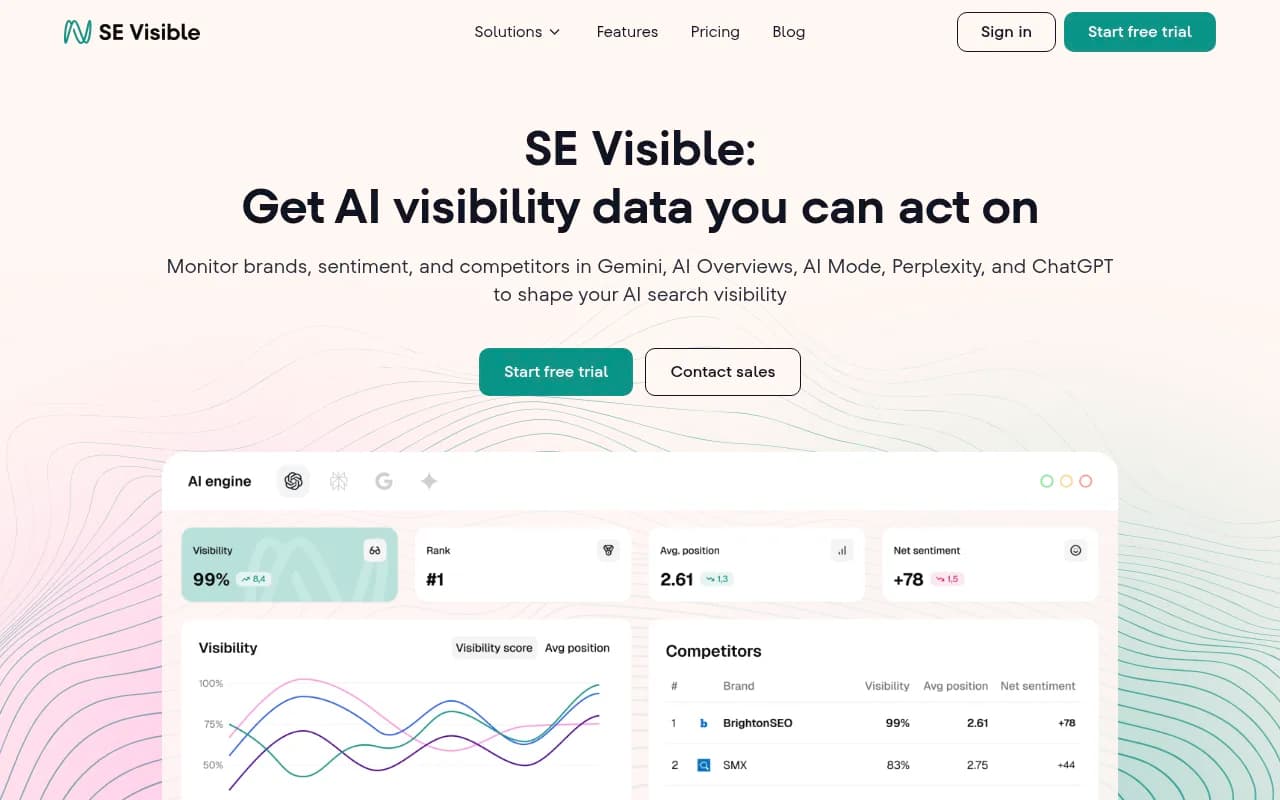
The integration with SE Ranking's broader SEO data is genuinely useful -- you can cross-reference AI citation drops with organic traffic data in the same platform. The alerting isn't as granular as Promptwatch's, but it's more than adequate for most teams.
Best for: Teams already on SE Ranking who want to add AI visibility tracking without switching platforms.
Semrush AI Visibility Toolkit
Semrush's AI toolkit is the natural pick for teams already standardized on Semrush. It adds AI citation tracking to a platform most enterprise marketing teams already know and trust.
The limitation is flexibility. Semrush uses fixed prompt sets rather than fully customizable prompts, which means you're tracking what Semrush decides to track, not necessarily the exact queries your customers are using. Alerts exist but are tied to those fixed prompts. There's also no AI traffic attribution.
Best for: Existing Semrush users who want AI visibility data without adding another vendor.
Ahrefs Brand Radar
Ahrefs Brand Radar is Ahrefs' answer to AI citation tracking. It's clean, reliable, and benefits from Ahrefs' existing data infrastructure.
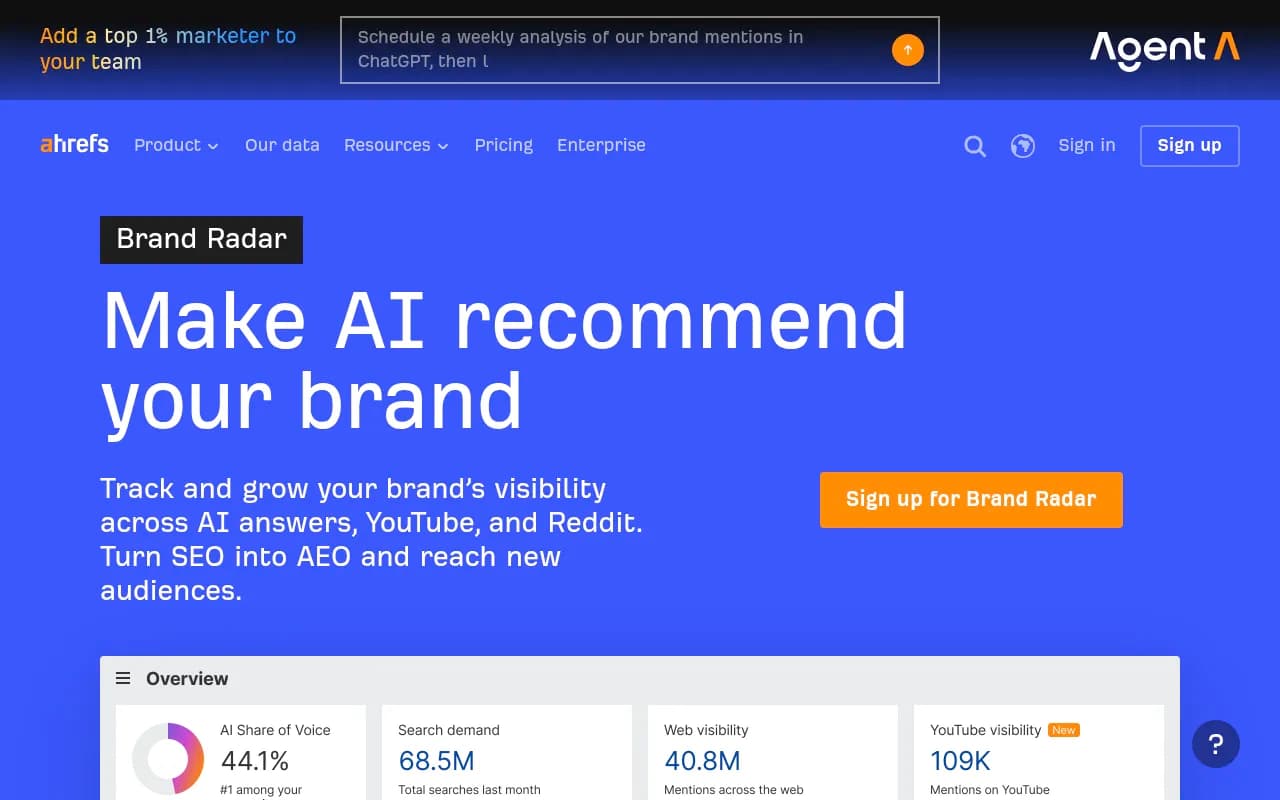
Like Semrush, it uses fixed prompts rather than custom ones, and there's no AI traffic attribution. Alerts are available but limited in configurability. If you're an Ahrefs shop, it's worth turning on. If you're evaluating fresh, the fixed prompt limitation is a real constraint.
Best for: Existing Ahrefs users who want to add AI brand monitoring without a new subscription.
ZipTie
ZipTie is a focused, lightweight AI search visibility tracker. It does one thing -- monitors your brand across AI models -- and does it cleanly.
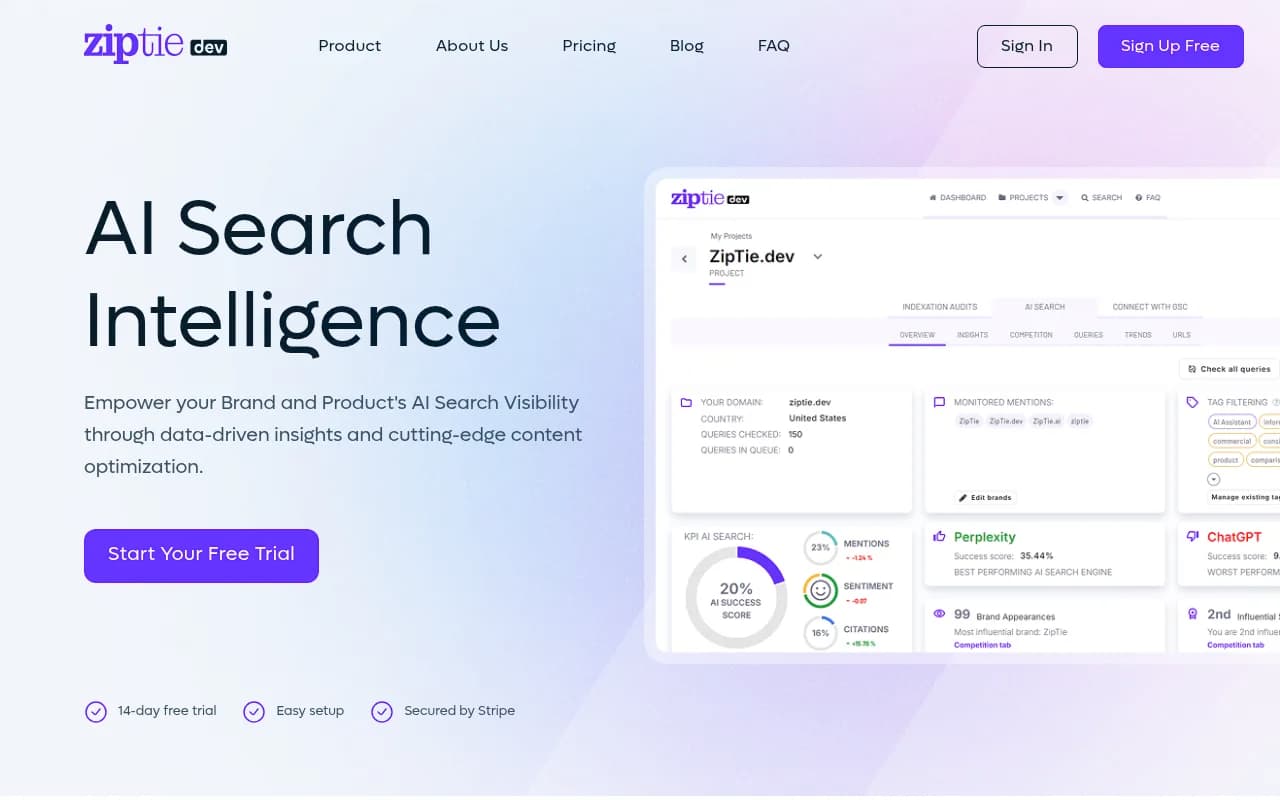
No content generation, no crawler logs, no gap analysis. But the alerts are fast and the pricing is accessible. For teams that just want to know when something changes and handle the response themselves, ZipTie is worth a look.
Best for: Developers and technical teams who want lightweight monitoring without a full platform.
Rankscale
Rankscale focuses on AI search rank tracking with a clean interface and configurable alerts.
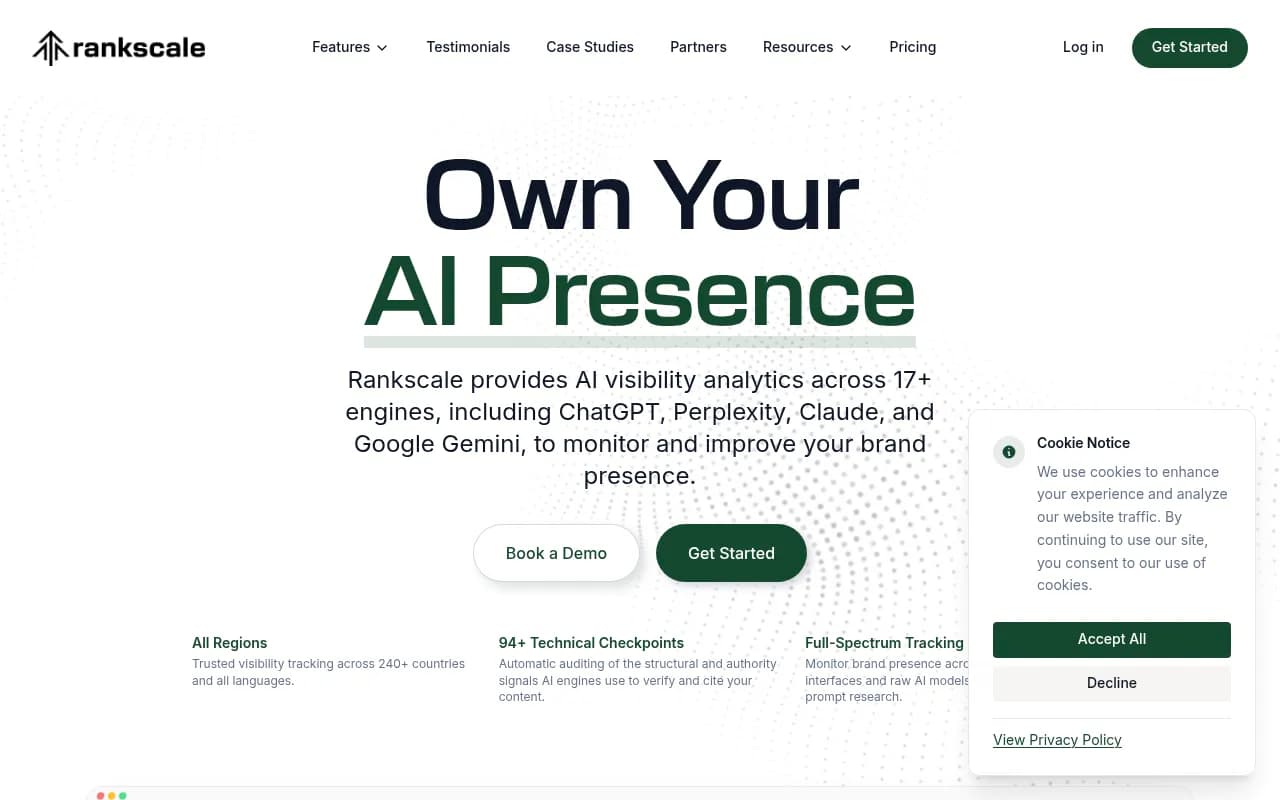
It covers the main AI models and sends notifications when your visibility changes. The prompt customization is decent. Like most mid-tier tools, it stops at the alert rather than helping you act on it.
Best for: Teams that want straightforward rank tracking extended into AI search.
Comparison table: alerting features across platforms
| Platform | Alert types | Frequency | Custom prompts | Content generation | Crawler logs | Starting price |
|---|---|---|---|---|---|---|
| Promptwatch | Email, Slack, dashboard | Daily / near-real-time | Yes | Yes (AI agents) | Yes | $99/mo |
| Profound | Email, dashboard | Daily | Yes | No | No | Custom |
| Otterly.AI | Daily | Limited | No | No | Low / freemium | |
| Peec AI | Daily | Yes | No | No | Mid-tier | |
| Scrunch AI | Email, dashboard | Daily | Yes | No | No | Mid-tier |
| AthenaHQ | Email, dashboard | Daily | Yes | No | No | Mid-tier |
| SE Ranking Visible | Daily | Yes | No | No | Bundled | |
| Semrush AI Toolkit | Email, dashboard | Daily | Fixed prompts | No | No | Bundled |
| Ahrefs Brand Radar | Daily/weekly | Fixed prompts | No | No | Bundled | |
| ZipTie | Daily | Limited | No | No | Low | |
| Rankscale | Email, dashboard | Daily | Yes | No | No | Mid-tier |
What to look for when evaluating alert quality
Not all alerts are equally useful. Here's what actually separates a good citation alert from a noisy one:
Prompt specificity. An alert that says "your brand visibility dropped" is less useful than one that says "your brand dropped from 3 of 8 tracked prompts on Perplexity, specifically the prompts about [topic]." The more specific the alert, the faster you can act.
Model-level breakdown. Your brand might be gaining citations on ChatGPT while losing them on Claude. Aggregate alerts hide that. Look for platforms that break down changes by AI model.
Competitor context. Knowing you dropped is useful. Knowing you dropped and a specific competitor gained is actionable. Some platforms include this in their alerts; most don't.
Alert fatigue management. Daily alerts for 50 prompts across 10 models can generate a lot of noise. Good platforms let you set thresholds -- only notify me if visibility drops more than 20%, or only for my top 10 priority prompts.
What comes after the alert. This is the biggest differentiator in 2026. An alert that links directly to the gap analysis, the competing content, and a content brief to fix it is worth ten times more than an alert that just tells you something changed.
The alerting gap most teams don't think about: AI crawler logs
Here's something most teams miss entirely. Citation alerts tell you when your brand appears or disappears in AI answers. But they don't tell you why. Was it because a competitor published better content? Because Perplexity's crawler stopped visiting your site? Because a page started returning errors?
AI crawler logs answer those questions. They show you when ChatGPT, Claude, Perplexity, and other AI engines crawl your pages, which pages they read, how often they return, and whether they're hitting 404s or slow load times. When you lose a citation, you can check whether the crawler stopped visiting that page around the same time.
Most platforms in this space don't offer crawler logs at all. Promptwatch does, starting at the Professional tier ($249/month). It's one of the more underrated features in the category -- not glamorous, but genuinely useful for diagnosing citation drops rather than just knowing they happened.
How to set up a citation alert workflow that actually works
Getting alerts is the easy part. Acting on them is where most teams fall apart. Here's a workflow that works:
-
Track your 20-30 highest-value prompts -- the queries your actual customers use when evaluating your category. Don't just track your brand name; track the decision-stage questions where being cited matters most.
-
Set up model-level alerts so you know which AI engine changed, not just that something changed.
-
When an alert fires, check three things: (a) which specific prompts changed, (b) which competitors gained if you dropped, and (c) whether your crawler logs show any change in how AI engines are accessing those pages.
-
If the issue is content -- you're not being cited because you don't have a page that answers the prompt well -- use that as a brief to create or update content.
-
Track the recovery. Most platforms let you see when a page goes from crawled to cited. That timeline tells you how long your content fix takes to work, which helps you calibrate urgency for future drops.
Tools like Promptwatch support this entire workflow in one place. Most other platforms handle step 2 and leave you to figure out the rest.
The bottom line
Real-time citation alerting in 2026 is table stakes for any brand that cares about AI search visibility. But the gap between platforms isn't really about how fast the alert arrives -- it's about what you can do with the information once it does.
If you want monitoring only, Otterly.AI, Peec AI, and ZipTie are solid, affordable options. If you need enterprise-grade tracking and reporting, Profound is the strongest dedicated platform. If you're already on Semrush or Ahrefs, turn on their AI visibility features -- they're good enough for a starting point.
But if you want to close the loop -- get the alert, understand the cause, and fix it without switching between five different tools -- Promptwatch is the platform built for that. The combination of citation alerts, crawler logs, answer gap analysis, and AI content generation is the most complete workflow in this category right now.
The brands winning in AI search in 2026 aren't just the ones who know they dropped. They're the ones who know why, and fix it faster than their competitors.