Key takeaways
- ChatGPT Shopping is a distinct feature from regular ChatGPT citations -- it surfaces product carousels with prices, images, and links, and most SEO tools don't track it at all
- Of the three platforms compared here, only Promptwatch has dedicated ChatGPT Shopping tracking that covers positioning, pricing visibility, and attribute comparisons
- Semrush's AI Visibility Toolkit monitors brand mentions across AI engines but has no specific Shopping carousel tracking
- Ahrefs Brand Radar uses fixed prompts and has no AI traffic attribution or Shopping-specific coverage
- If your brand sells products and you want to know whether you're showing up (or getting beaten) in ChatGPT's shopping recommendations, the tool choice here matters a lot
Why ChatGPT Shopping is its own tracking problem
When most people talk about "AI visibility," they mean: does my brand get mentioned when someone asks ChatGPT a question? That's a real and important thing to track. But ChatGPT Shopping is a different beast entirely.
Launched as part of OpenAI's push into commerce, ChatGPT Shopping surfaces product carousels directly inside chat responses. A user asks "what's the best noise-cancelling headphone under $200?" and instead of just a text answer, they get a visual grid of products with prices, images, and buy links. It looks a lot like Google Shopping, except it's powered by an LLM that's actively deciding which brands to recommend and why.
The tracking challenge is that appearing in a Shopping carousel is not the same as being cited in a text response. The signals are different, the ranking factors are different, and the competitive dynamics are different. A brand could be getting mentioned regularly in ChatGPT's text answers and still be completely absent from Shopping results -- or vice versa.
So when you're evaluating tools, the question isn't just "does it track ChatGPT?" It's "does it specifically track ChatGPT Shopping, and what does that actually mean in practice?"
What "ChatGPT Shopping tracking" should actually do
Before comparing tools, it helps to define what good Shopping tracking looks like. At minimum, you'd want:
- Detection of when your brand appears in a Shopping carousel vs a text citation
- Visibility into your positioning within the carousel (are you first, third, buried?)
- Pricing data -- what price is being shown for your products?
- Attribute comparisons -- how does ChatGPT describe your product vs competitors?
- Competitor tracking -- who else is showing up in the same carousels you're missing from?
- Historical trends -- is your Shopping visibility improving or declining over time?
That's a fairly demanding feature set, and most tools weren't built with this in mind. They were built to track brand mentions in text responses, which is a simpler problem.
Promptwatch: the only one with dedicated Shopping tracking
Promptwatch is the clearest answer here. It's one of the only platforms that explicitly tracks ChatGPT Shopping as a distinct feature, covering positioning, pricing visibility, and attribute comparisons within Shopping carousels.
According to a roundup from aicreator.co that tested 20+ AI visibility tools, Promptwatch was specifically called out as "best for ecommerce brands tracking ChatGPT Shopping visibility" -- which is a pretty specific claim that reflects a real capability gap in the market.
What makes this more than just a checkbox feature is how it fits into Promptwatch's broader tracking model. The platform monitors AI responses as they actually appear in user-facing interfaces, not just through API calls. This matters because ChatGPT's Shopping carousels don't always behave the same way through the API as they do in the actual chat product. If you're only querying the API, you might be missing the Shopping layer entirely.
Beyond Shopping, Promptwatch tracks entity mentions, brand positioning, and citations across 10+ AI models. But for ecommerce teams specifically, the Shopping tracker is the differentiating feature. You can see which prompts trigger Shopping results, which competitors are appearing in those carousels, and what product attributes ChatGPT is using to rank or describe products.
The platform also has an Answer Gap Analysis that shows which prompts competitors are visible for but you're not -- including Shopping-specific prompts. That's where it goes beyond just monitoring into something actionable.
Pricing starts at $99/month for the Essential plan, though Shopping tracking and the full feature set are more relevant at the Professional ($249/month) and Business ($579/month) tiers.
Semrush: strong AI visibility, but Shopping is a gap
Semrush has invested heavily in AI search tracking through its AI Visibility Toolkit, and for general brand monitoring across AI engines it's a solid choice. It covers ChatGPT, Perplexity, Google AI Overviews, and several others.
The limitation is that Semrush's AI tracking is built around fixed prompt sets. You're monitoring a predefined list of queries rather than building a custom prompt universe that reflects how your actual customers search. That's a meaningful constraint if your category has specific or niche prompts that Semrush's templates don't cover.
On ChatGPT Shopping specifically: Semrush doesn't have dedicated Shopping carousel tracking. Its AI Visibility Toolkit can tell you whether your brand is being mentioned in AI responses, but it doesn't differentiate between a text citation and a Shopping recommendation. For a general brand awareness use case, that's probably fine. For an ecommerce brand trying to understand its product-level visibility in ChatGPT's commerce features, it's a real gap.
Semrush's strength is the integration with its broader SEO toolset. If you're already using Semrush for keyword research, backlink analysis, and site auditing, having AI visibility data in the same platform has obvious workflow benefits. The AI Visibility Toolkit starts at around $199/month on the Starter plan.
Ahrefs Brand Radar: honest about what it is
Ahrefs added Brand Radar as its answer to AI visibility tracking, and it does what it says on the tin: it tracks brand mentions across AI search engines and shows you trends over time.
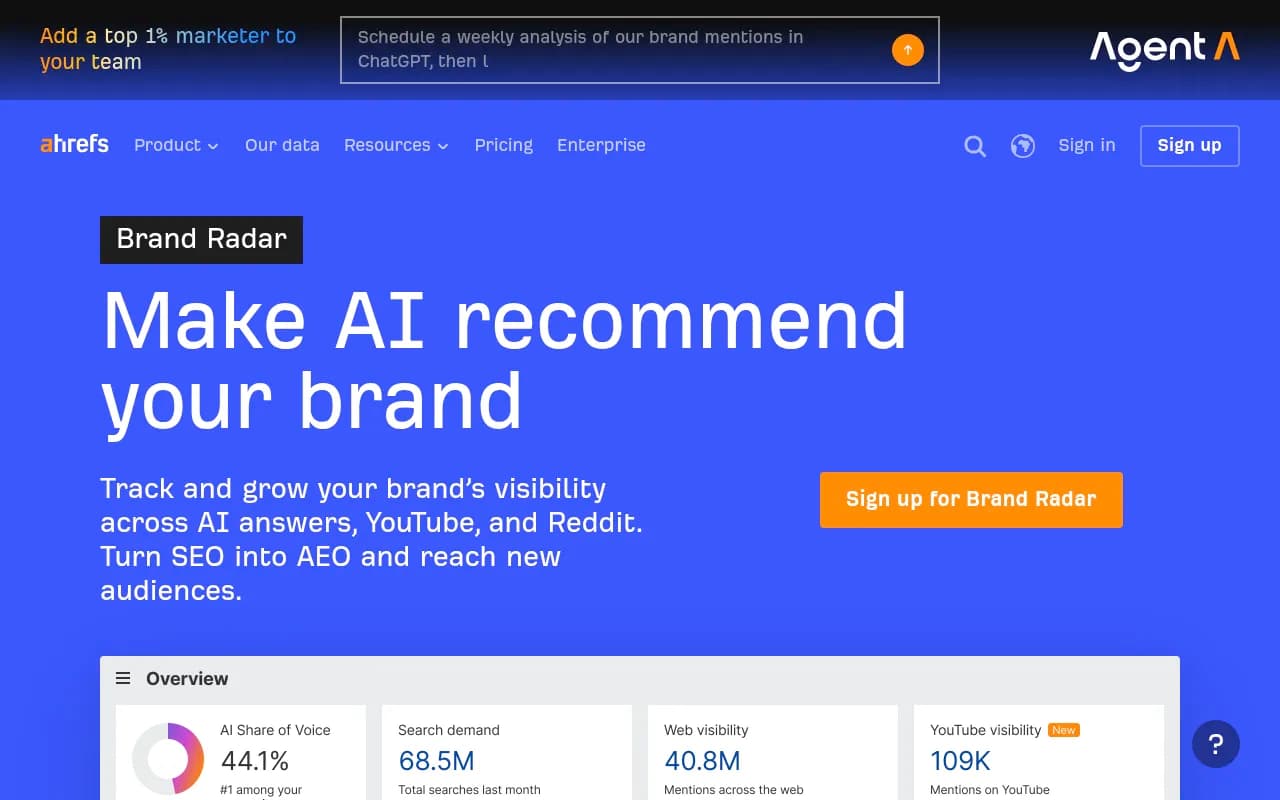
The honest assessment is that Brand Radar is a monitoring tool, not an optimization tool. It shows you data. It doesn't help you act on it. There's no content gap analysis, no content generation, no crawler logs showing you which pages AI engines are actually reading.
The fixed prompt limitation is also relevant here. Like Semrush, Ahrefs Brand Radar uses a fixed set of prompts rather than letting you define your own. That means you're seeing your visibility through Ahrefs' lens of what matters, not your own.
On ChatGPT Shopping: Brand Radar has no specific Shopping tracking. It's not designed for it. If you're an ecommerce brand, this is a significant gap. Ahrefs is still an excellent tool for traditional SEO -- backlinks, keyword research, site explorer -- but for AI Shopping visibility specifically, it's not the right tool.
Head-to-head comparison
Here's how the three platforms stack up on the features that matter most for ChatGPT Shopping and broader AI visibility tracking:
| Feature | Promptwatch | Semrush AI Toolkit | Ahrefs Brand Radar |
|---|---|---|---|
| ChatGPT Shopping tracking | Yes (dedicated feature) | No | No |
| Positioning in Shopping carousels | Yes | No | No |
| Pricing visibility in carousels | Yes | No | No |
| Custom prompt tracking | Yes | Limited (fixed prompts) | No (fixed prompts) |
| AI traffic attribution | Yes | Partial | No |
| Crawler logs / agent analytics | Yes | No | No |
| Content gap analysis | Yes | Limited | No |
| AI content generation | Yes | No | No |
| Reddit & YouTube citation tracking | Yes | No | No |
| Number of AI models covered | 10+ | Several | Several |
| Competitor heatmaps | Yes | Partial | Partial |
| Starting price | $99/mo | ~$199/mo | Included in Ahrefs plans |
| Best for | Ecommerce + GEO optimization | SEO teams wanting AI data | Teams already on Ahrefs |
The table tells a clear story. For ChatGPT Shopping specifically, Promptwatch is the only platform with actual coverage. For general AI brand monitoring, all three have something to offer, but they differ significantly in depth and actionability.
What the broader market looks like
It's worth noting that Promptwatch and Semrush and Ahrefs aren't the only options. The AI visibility space has grown quickly, and there are a handful of other tools worth knowing about depending on your use case.
Profound is one of the more capable enterprise platforms, though based on available research, its ChatGPT Shopping tracking is either enterprise-only or still marked as "coming soon" depending on the plan.
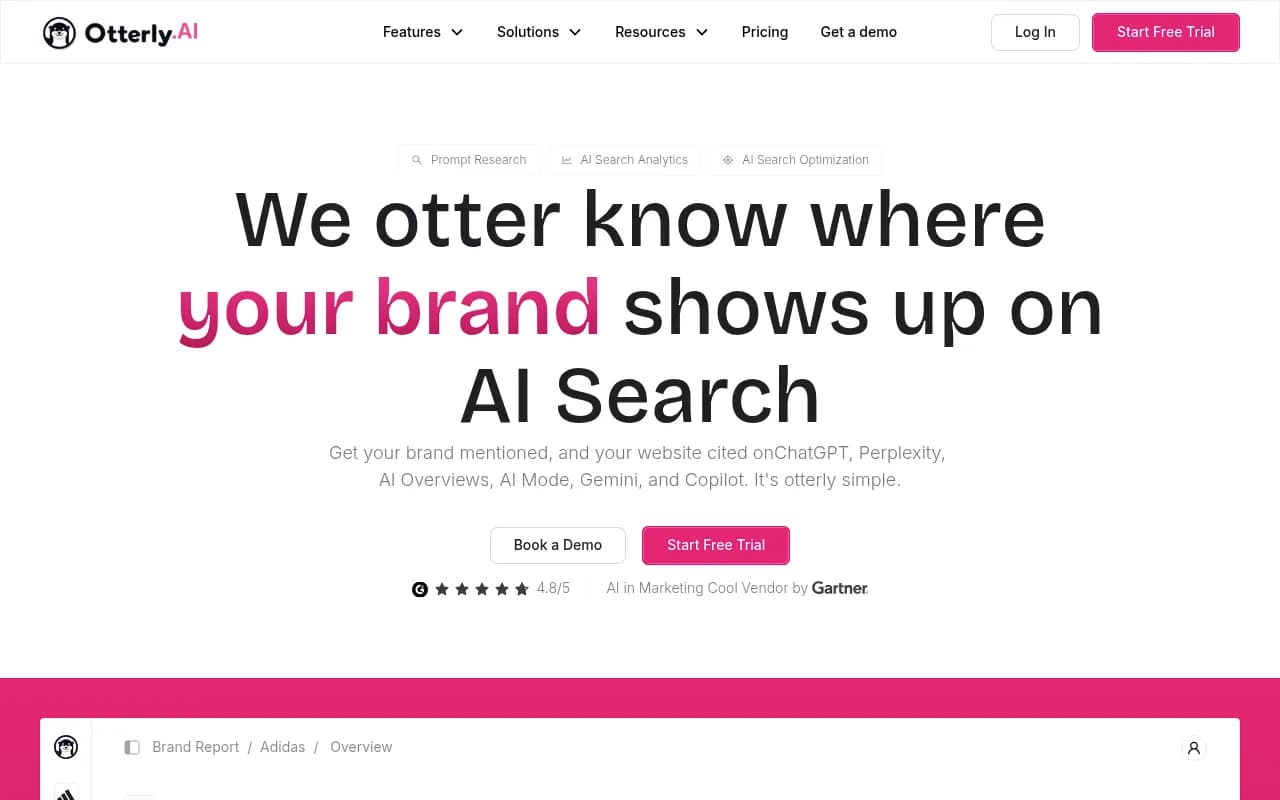
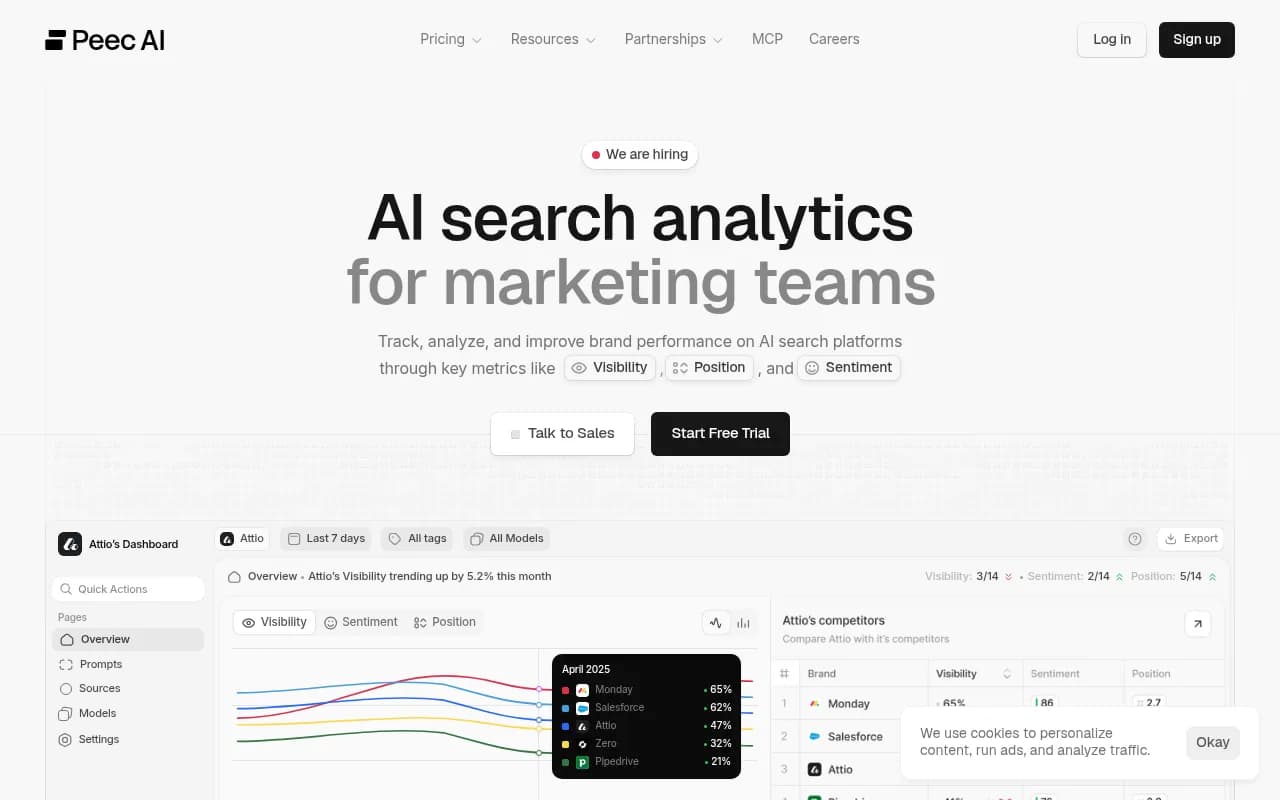
Otterly.AI and Peec AI are monitoring-focused tools that are more affordable but don't have Shopping-specific tracking or content generation capabilities.
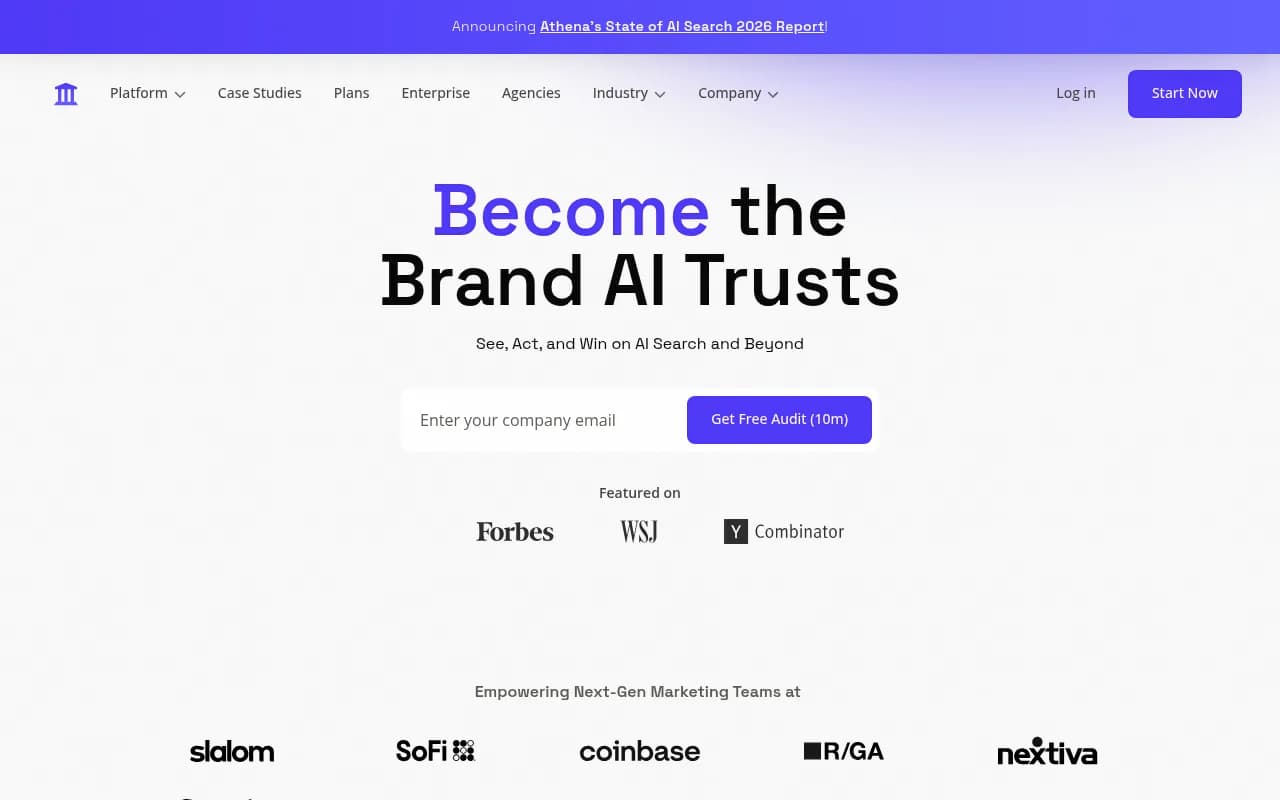
AthenaHQ is monitoring-focused and lacks content optimization features.
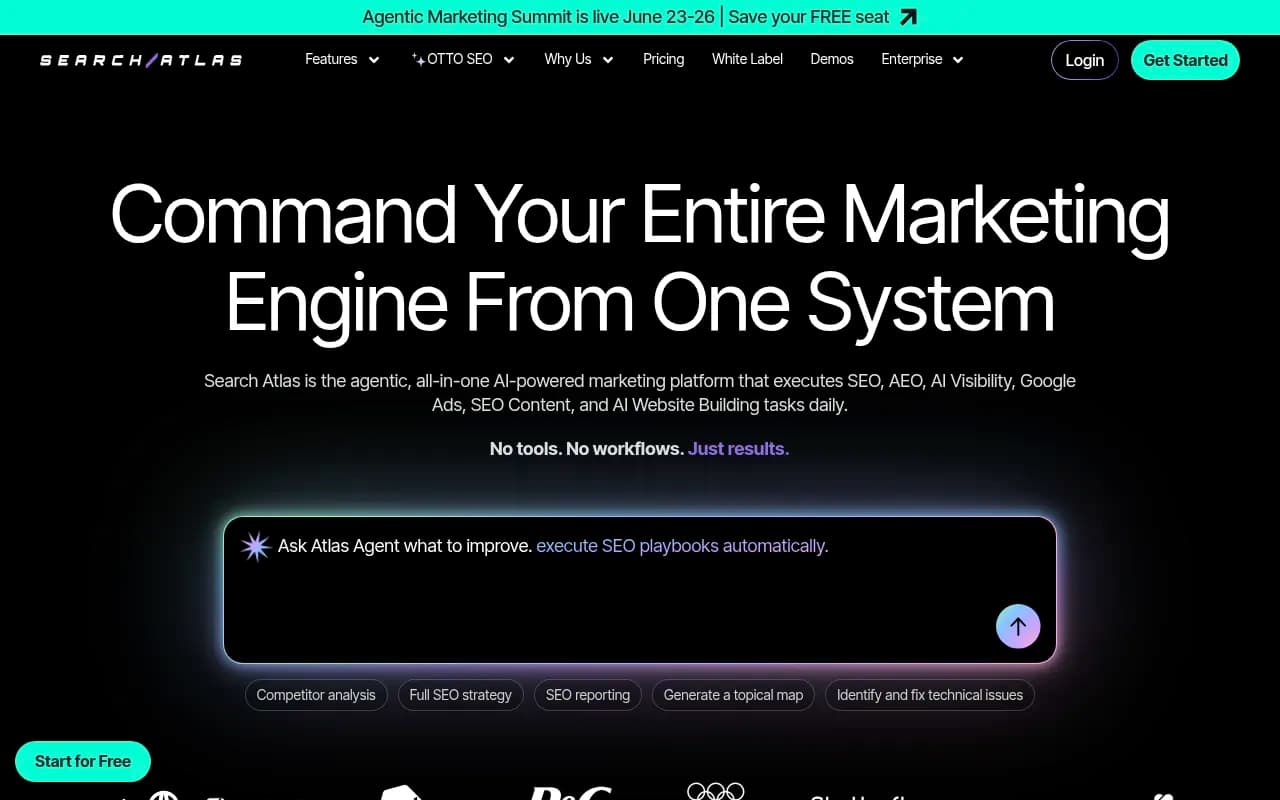
For teams that want to go deeper on the SEO side while also tracking AI visibility, Search Atlas is worth looking at as an all-in-one option.
Who should use which tool
The right answer depends on what you're actually trying to do.
If you sell products and want to know whether ChatGPT is recommending you in Shopping carousels, Promptwatch is the only tool in this comparison that actually covers it. The Shopping tracker, combined with the Answer Gap Analysis and content generation features, means you can find out where you're missing, understand why, and do something about it. That full loop is what separates it from the monitoring-only tools.
If you're a marketing or SEO team that's already deep in the Semrush ecosystem and wants to add AI visibility monitoring without switching platforms, Semrush's AI Visibility Toolkit is a reasonable add-on. Just go in knowing that Shopping-specific tracking isn't there yet.
If you're an Ahrefs user who wants a quick read on brand mentions across AI engines, Brand Radar gives you that. It's not built for ecommerce AI visibility, and it won't help you optimize anything, but as a monitoring layer on top of an existing Ahrefs subscription, it has value.
The practical question: does ChatGPT Shopping actually drive traffic?
One thing worth addressing directly: is ChatGPT Shopping a big enough channel to warrant dedicated tracking right now?
The honest answer is that it's growing fast and the data is still early. ChatGPT drives nearly half of all AI referral traffic to websites according to McKinsey research, and OpenAI has been actively expanding its commerce features. Brands that figure out how to appear in Shopping carousels now are building an advantage before the channel gets crowded.
The other thing to consider is that tracking ChatGPT Shopping isn't just about Shopping. The same signals that tell you whether you're appearing in product carousels -- how AI models describe your products, what attributes they associate with your brand, which competitors they recommend alongside you -- are useful for understanding your overall AI brand positioning. It's not a narrow ecommerce feature. It's a window into how AI models understand your brand.
That's why the tracking gap matters. If you're not measuring it, you don't know what you're missing.
Bottom line
ChatGPT Shopping tracking is a specific capability that most AI visibility tools don't have. Of the three platforms compared here, only Promptwatch has built it out as a dedicated feature with positioning, pricing, and attribute data.
Semrush and Ahrefs are both useful tools with genuine AI visibility capabilities, but they were built for a different version of the problem -- brand mentions in text responses, not product carousels. For ecommerce teams, that's a meaningful distinction.
If ChatGPT Shopping is a channel you need to understand and compete in, Promptwatch is where to start.