Key takeaways
- BrightEdge and Conductor are legacy enterprise SEO platforms that have bolted AI visibility features on top -- useful if you're already a customer, but not purpose-built for AI search.
- seoClarity is strong on technical SEO at scale but its AI search tracking is still catching up to dedicated GEO platforms.
- Profound is purpose-built for AI visibility monitoring and citation tracking, but stops at monitoring -- it doesn't help you create content or close the gaps it finds.
- Promptwatch is the only platform in this comparison that covers the full loop: find gaps, generate content, track results -- all in one place, starting at $99/month.
- If your team needs to both understand and act on AI search visibility, the platform you choose matters more than ever.
The enterprise SEO platform market is going through an awkward transition. Tools that spent a decade optimizing for Google's blue links are now scrambling to add AI search features -- some with more success than others. Meanwhile, a new category of purpose-built AI visibility platforms has emerged, and the gap between "we added an AI tab" and "we were built for this" is getting harder to ignore.
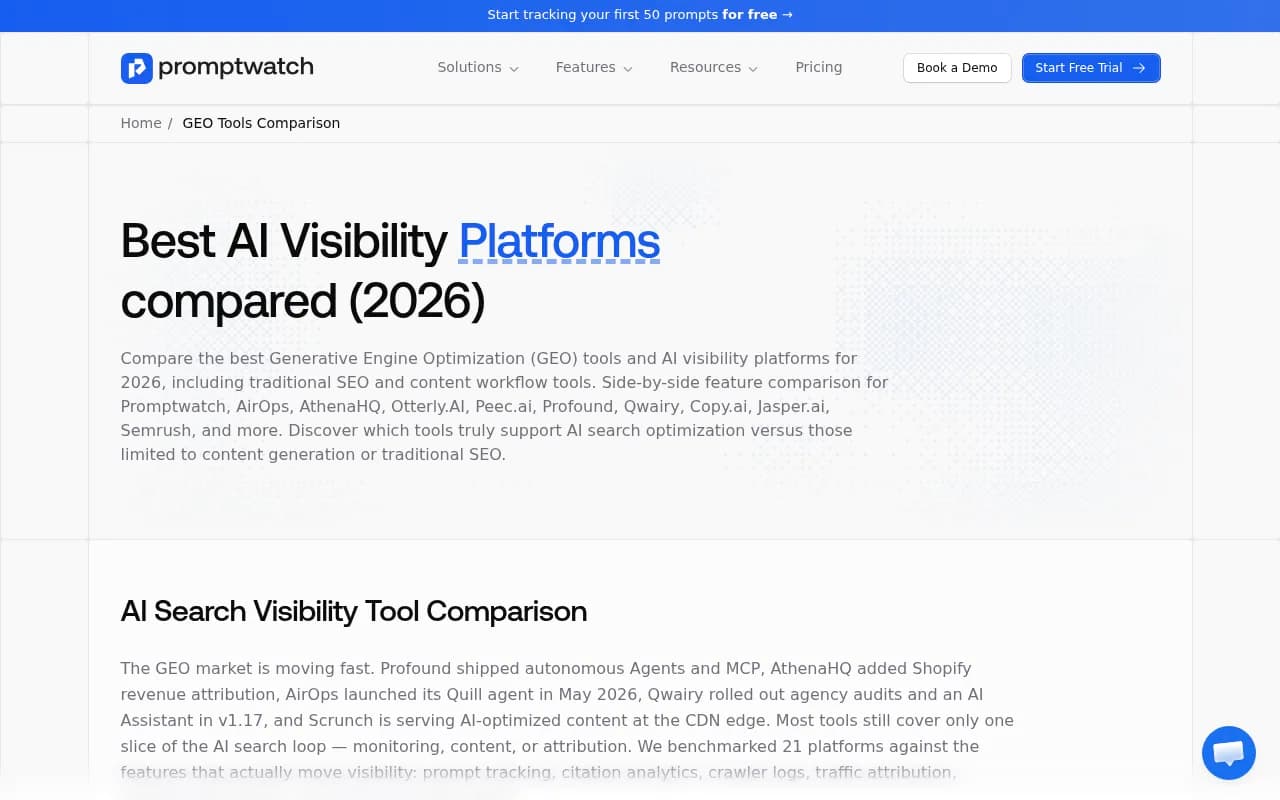
This comparison covers five platforms that enterprise and mid-market marketing teams are evaluating right now: Profound, Promptwatch, Conductor, BrightEdge, and seoClarity. They're not all competing for the same buyer, and they're not all equally capable. Here's what you actually need to know.
What "AI search tracking" actually means in 2026
Before getting into the platforms, it's worth being precise about what AI search tracking involves -- because vendors use the term loosely.
At minimum, a platform should track how often your brand appears in AI-generated responses across models like ChatGPT, Perplexity, Google AI Overviews, Claude, and Gemini. That's table stakes now.
Beyond that, meaningful AI visibility work requires:
- Knowing which prompts your competitors rank for that you don't (gap analysis)
- Understanding which of your pages AI models are actually crawling and citing
- Seeing which external sources (Reddit threads, third-party listicles, YouTube videos) are influencing AI recommendations about your brand
- Being able to create content that closes those gaps -- not just identify them
- Connecting AI visibility back to actual traffic and revenue
Most platforms in this comparison do some of these things. Only one does all of them.
The five platforms at a glance
BrightEdge
BrightEdge is the oldest name in enterprise SEO. It's been around since 2007 and has built a substantial customer base among Fortune 500 companies. Its AI visibility features -- branded as AI Catalyst and AI Hyper Cube -- were added in response to market demand rather than built from the ground up.
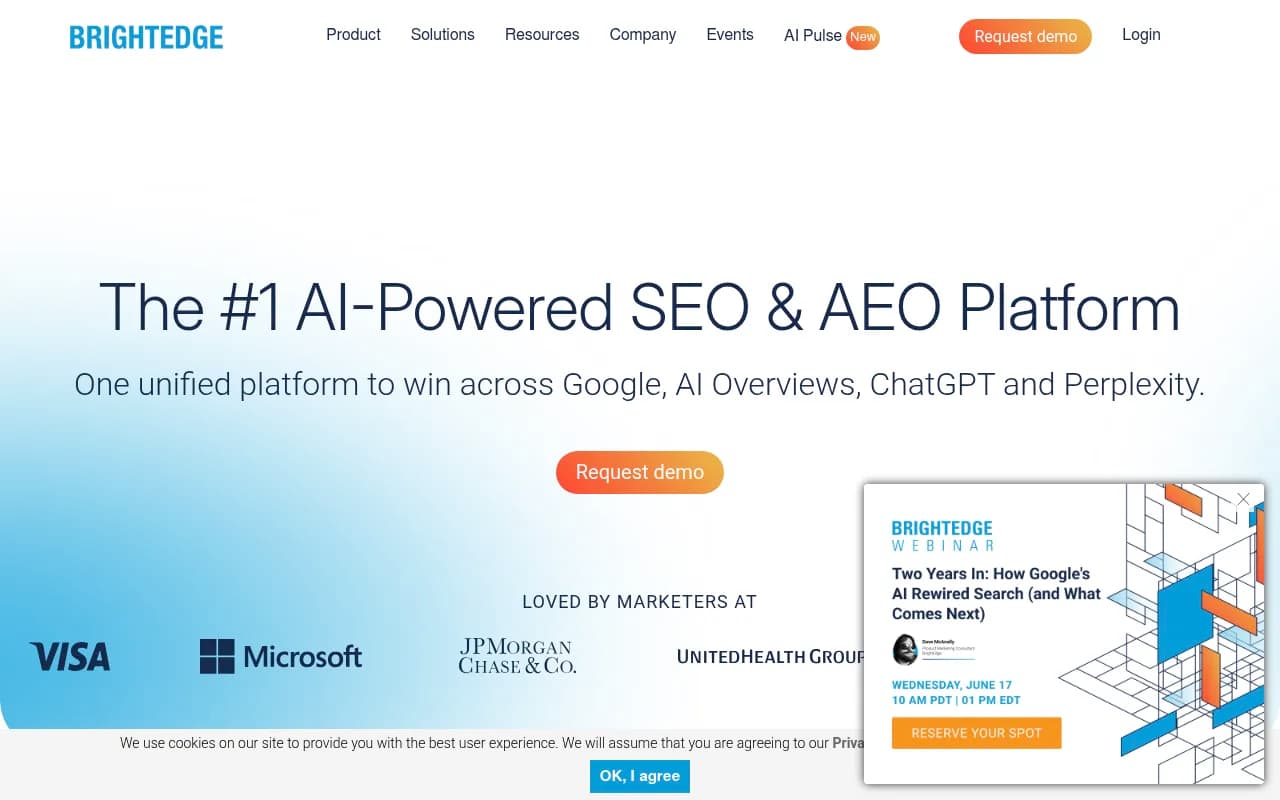
What BrightEdge does well: it integrates AI search monitoring into a platform your team may already use for traditional SEO. If you're tracking thousands of keywords and need AI visibility layered in, the consolidation has value. The data depth on traditional SEO signals (backlinks, rankings, site audits) is still strong.
What it doesn't do well: the AI visibility features feel like additions rather than a core product. Prompt tracking is limited compared to dedicated platforms, and there's no meaningful content generation tied to AI gap data. You'll see where you're missing -- you won't get much help fixing it.
Pricing is enterprise-only (custom quotes, typically $1,500-$3,000+/month). That price point makes sense if you're using the full SEO suite. For AI visibility alone, it's hard to justify.
Conductor
Conductor was acquired by WeWork in 2018, then spun back out, and eventually acquired by Conductor again (long story). Today it positions itself as an "organic marketing platform" with AI search insights layered on top of its traditional SEO foundation.
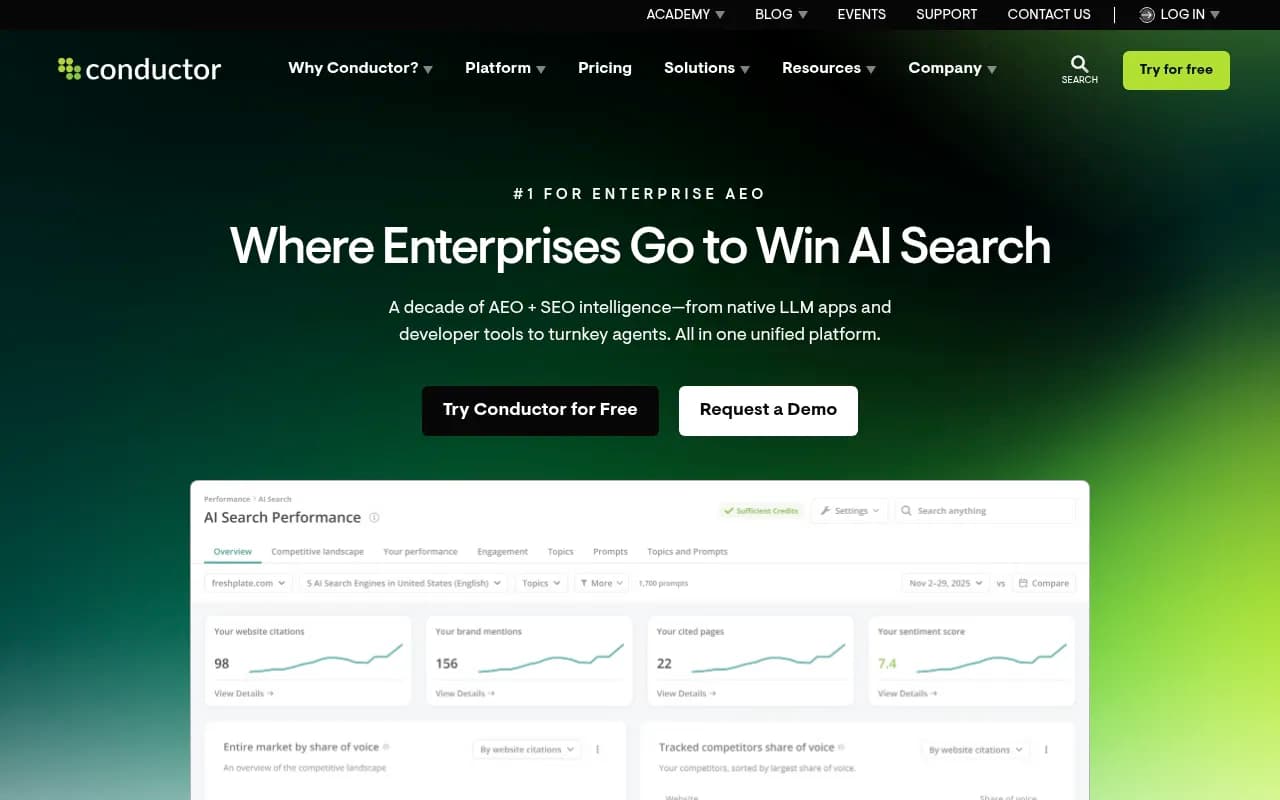
The platform's strength is workflow and collaboration -- it's designed for large marketing teams that need content calendars, approval flows, and cross-team visibility into SEO performance. Its AI search tracking features are newer and cover the basics: brand mention monitoring across a handful of AI models, some prompt tracking.
Where Conductor falls short for AI search: it doesn't have the prompt volume data, citation-level tracking, or content gap analysis that dedicated GEO platforms offer. It's a solid SEO platform with AI monitoring appended. If your team is already on Conductor and you need basic AI visibility, you may not need to switch -- but if AI search is a strategic priority, you'll hit the ceiling quickly.
Pricing is also enterprise-custom and typically in the $1,000-$2,000+/month range.
seoClarity
seoClarity is the most technically sophisticated of the traditional enterprise SEO platforms in this comparison. Its site auditing, rank tracking, and content optimization features are genuinely excellent at scale. The platform handles large crawls, complex site architectures, and multi-region tracking without breaking a sweat.
Its AI search features, branded under "Sia" (its AI assistant), are growing. The platform tracks brand visibility in AI responses and has started integrating generative AI into content workflows. But the AI search monitoring is still secondary to its core SEO toolset.
For teams that need deep technical SEO capabilities alongside basic AI visibility, seoClarity is worth evaluating. For teams where AI search is the primary concern, it's not the right fit yet.
Pricing: enterprise custom, typically $2,000-$4,000+/month depending on site scale.
Profound
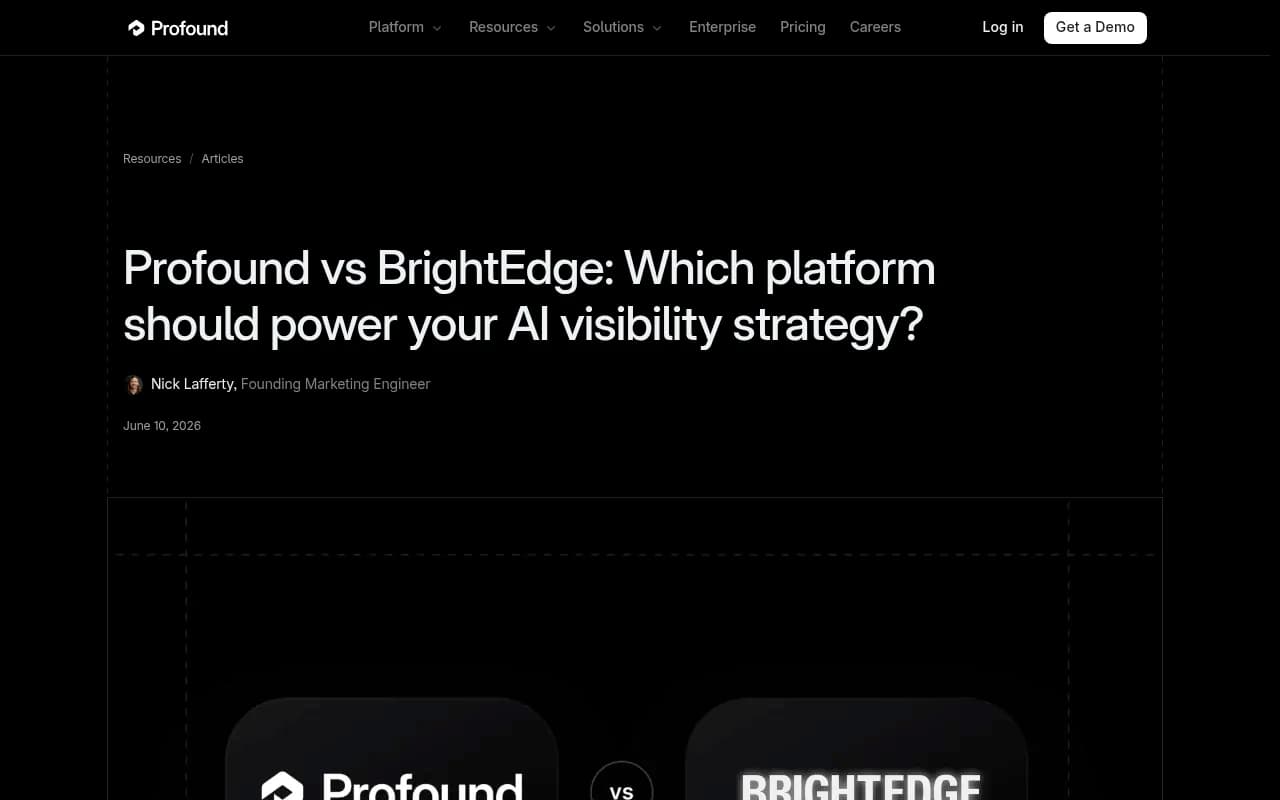
Profound is purpose-built for AI visibility -- it didn't start as an SEO tool and then add AI features. That focus shows. Its prompt tracking, citation analysis, and answer engine insights are among the best in the market. It tracks how AI models respond to prompts relevant to your brand, shows you which competitors are getting cited, and gives you data on prompt volumes.
The platform also has agent analytics -- logs showing when AI crawlers visit your site -- and recently launched autonomous agents for some content workflows.
The honest limitation: Profound is primarily a monitoring and analytics platform. It shows you the gap. Closing the gap -- creating content that will actually get cited -- requires taking that data somewhere else. For enterprise teams with dedicated content resources, that's workable. For teams that need the full loop in one place, it's a meaningful gap.
Profound's pricing is enterprise-focused and not publicly listed; expect to pay for a demo before getting numbers.
Promptwatch
Promptwatch is the platform that's hardest to categorize alongside the others, because it's doing something structurally different. Where BrightEdge, Conductor, and seoClarity are traditional SEO platforms with AI monitoring added, and Profound is an AI monitoring platform, Promptwatch is built around the idea that monitoring without action is incomplete.
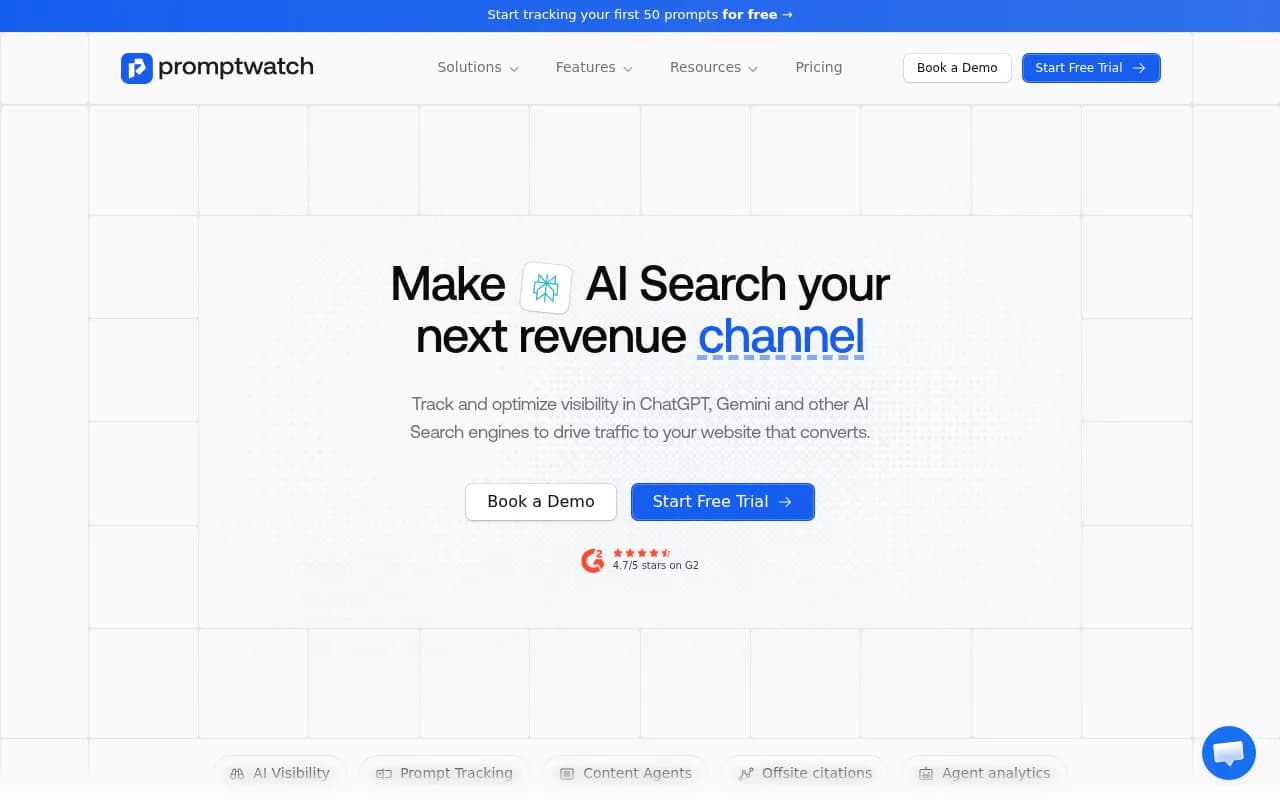
The core loop: find which prompts your competitors rank for that you don't (Answer Gap Analysis), generate content designed to close those gaps (Content Agents), then track whether that content gets crawled and cited (AI Crawler Logs and page-level tracking). Each step feeds the next.
Some specifics that matter in practice: Promptwatch tracks 10 AI models including ChatGPT, Claude, Gemini, Perplexity, Google AI Overviews, Grok, DeepSeek, and Copilot. It has real crawler logs showing when AI agents visit your pages, what errors they encounter, and when pages move from crawled to cited. It tracks Reddit and YouTube discussions that influence AI recommendations -- a channel most competitors ignore. It has ChatGPT Shopping tracking for brands in e-commerce. And it connects AI visibility to actual traffic and revenue through website integrations (Cloudflare, Vercel, Google Search Console, server logs).
Pricing is transparent: $99/month (Essential), $249/month (Professional), $579/month (Business). Agency and enterprise plans are available. That's meaningfully more accessible than the enterprise-only platforms above.
Side-by-side comparison
| Feature | BrightEdge | Conductor | seoClarity | Profound | Promptwatch |
|---|---|---|---|---|---|
| AI model tracking | Partial | Partial | Partial | Yes (strong) | Yes (10 models) |
| Prompt volume data | No | No | No | Yes | Yes |
| Citation tracking | Basic | Basic | Basic | Yes | Yes |
| AI crawler logs | No | No | No | Yes | Yes |
| Content gap analysis | No | No | No | Partial | Yes |
| AI content generation | No | No | Partial | Partial | Yes |
| Reddit/YouTube insights | No | No | No | No | Yes |
| ChatGPT Shopping tracking | No | No | No | No | Yes |
| Traffic attribution from AI | No | No | No | No | Yes |
| Page-level citation tracking | No | No | No | Partial | Yes |
| Traditional SEO features | Excellent | Good | Excellent | None | Basic |
| Transparent pricing | No | No | No | No | Yes |
| Starting price | ~$1,500+/mo | ~$1,000+/mo | ~$2,000+/mo | Custom | $99/mo |
How to think about which platform fits your situation
You're a large enterprise already on BrightEdge or Conductor
If you're paying for one of these platforms and your primary need is traditional SEO with some AI visibility layered in, switching costs probably outweigh the benefits. Push your account team to improve the AI features, and consider adding a dedicated GEO tool alongside it for the gaps.
You need deep technical SEO plus growing AI visibility
seoClarity is the strongest option here. Its technical SEO depth is real, and its AI features are improving. You'll outgrow the AI tracking capabilities if AI search becomes a primary channel, but for now it's a reasonable bet.
AI search is your primary concern and you have a content team to act on data
Profound is worth a serious look. Its monitoring and citation analytics are strong, and if your team has the resources to take that data and create content independently, the monitoring-only limitation is less of a problem.
You need the full loop -- find gaps, create content, track results -- in one place
Promptwatch is the answer here. The price point is also worth noting: the Professional plan at $249/month covers 2 sites, 150 prompts, 15 AI-generated articles per month, and crawler logs. That's a fraction of what the enterprise platforms charge, and it does more of the AI-specific work.
You're an agency managing multiple clients
Both Profound and Promptwatch have agency-oriented options. Promptwatch's multi-site structure and white-label capabilities make it particularly practical for agencies that need to show clients concrete AI visibility results -- and the content generation means you can deliver work, not just reports.
The real question: monitoring vs. optimization
The most important distinction in this market isn't between legacy SEO platforms and AI-native ones. It's between platforms that show you data and platforms that help you do something with it.
BrightEdge, Conductor, and seoClarity are fundamentally monitoring and reporting tools, even for AI search. Profound is a more sophisticated monitor. Promptwatch is the only platform in this comparison that's designed around closing the loop between what you learn and what you publish.
That matters because the AI search opportunity is moving fast. Brands that identify gaps and then take months to act on them will lose ground to brands that can move from insight to published content in days. The platform you choose shapes how fast you can move.
A few other tools worth knowing
If you're evaluating this space, a few other platforms are worth a look depending on your needs:
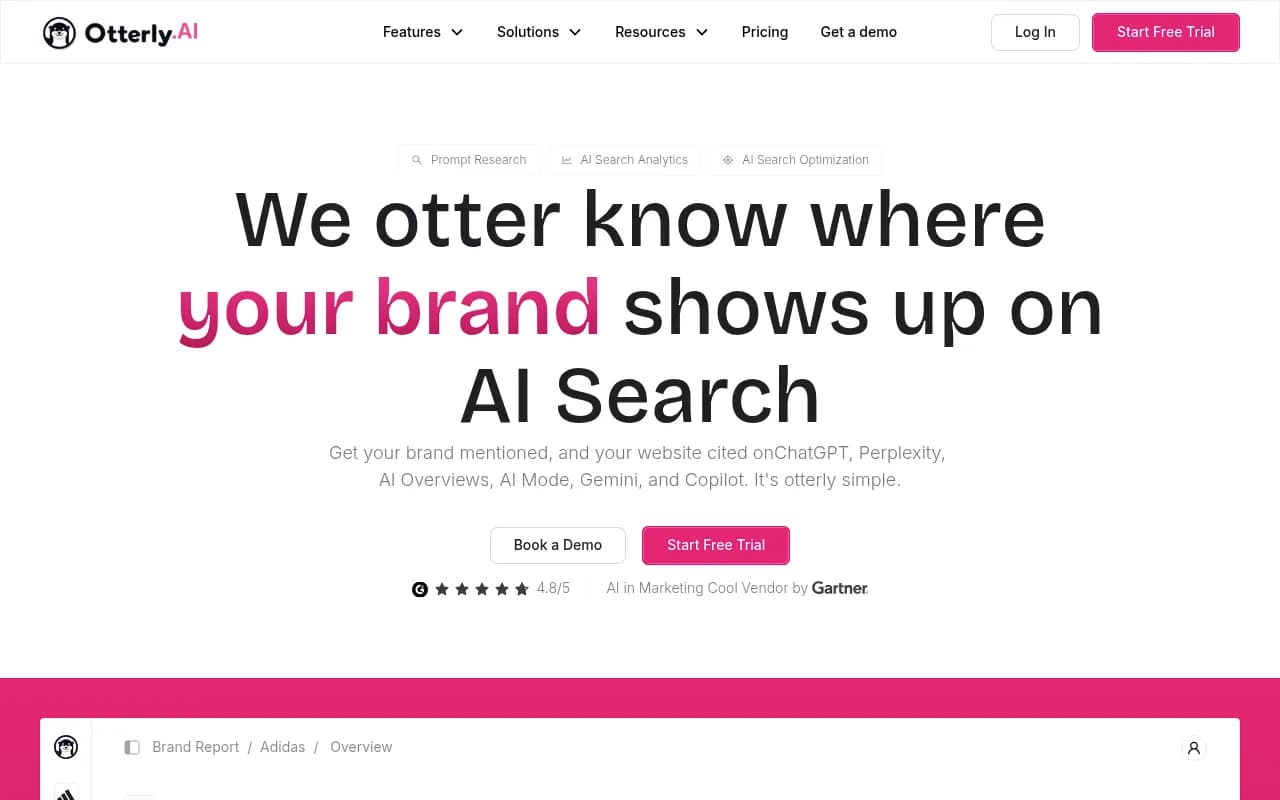
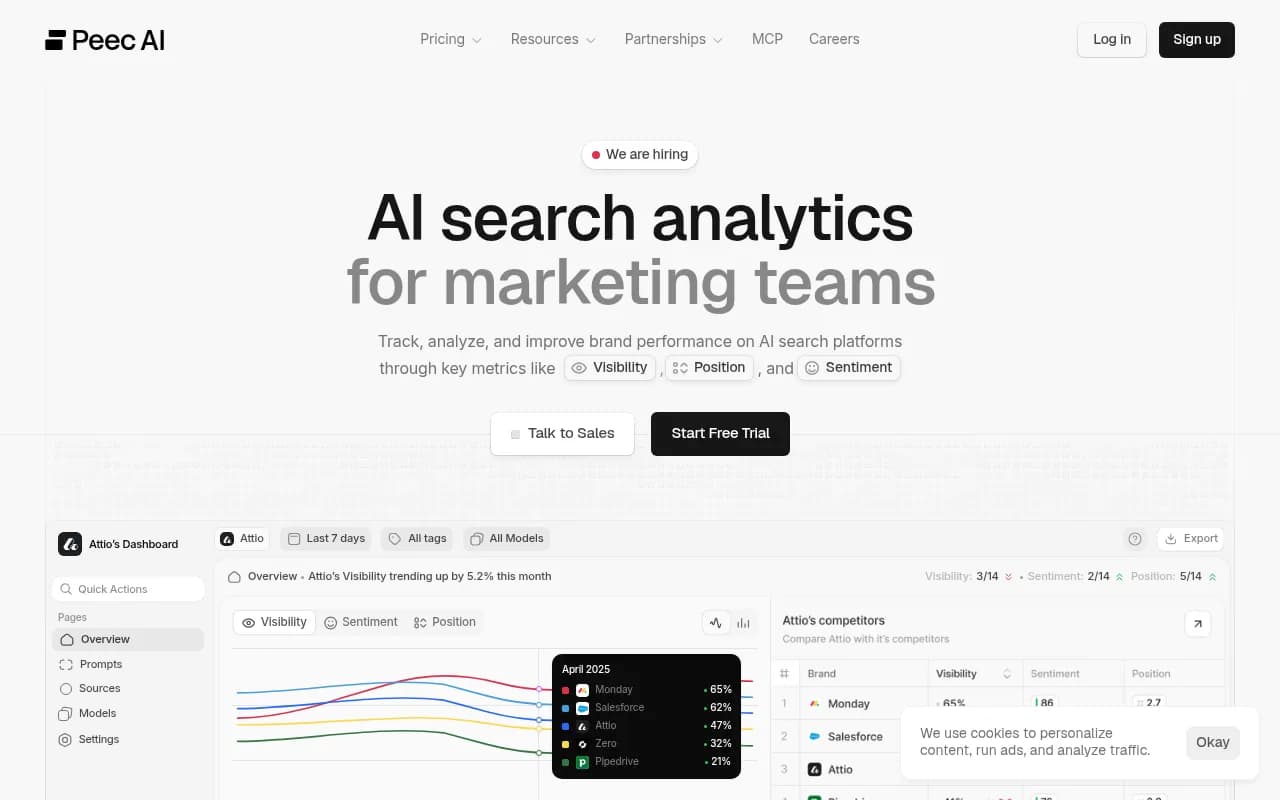
For agencies that want affordable AI monitoring without the enterprise price tag:
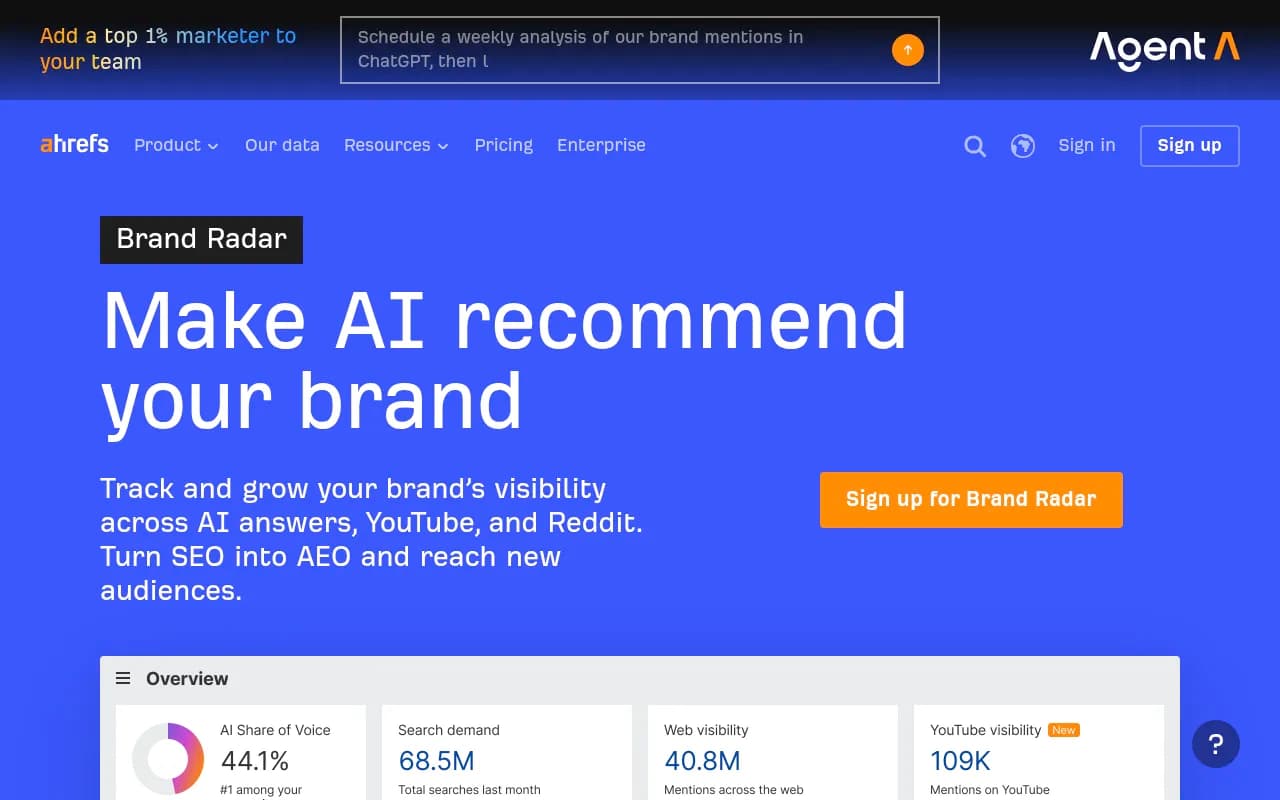
For teams that want AI visibility alongside traditional SEO in a mid-market package:
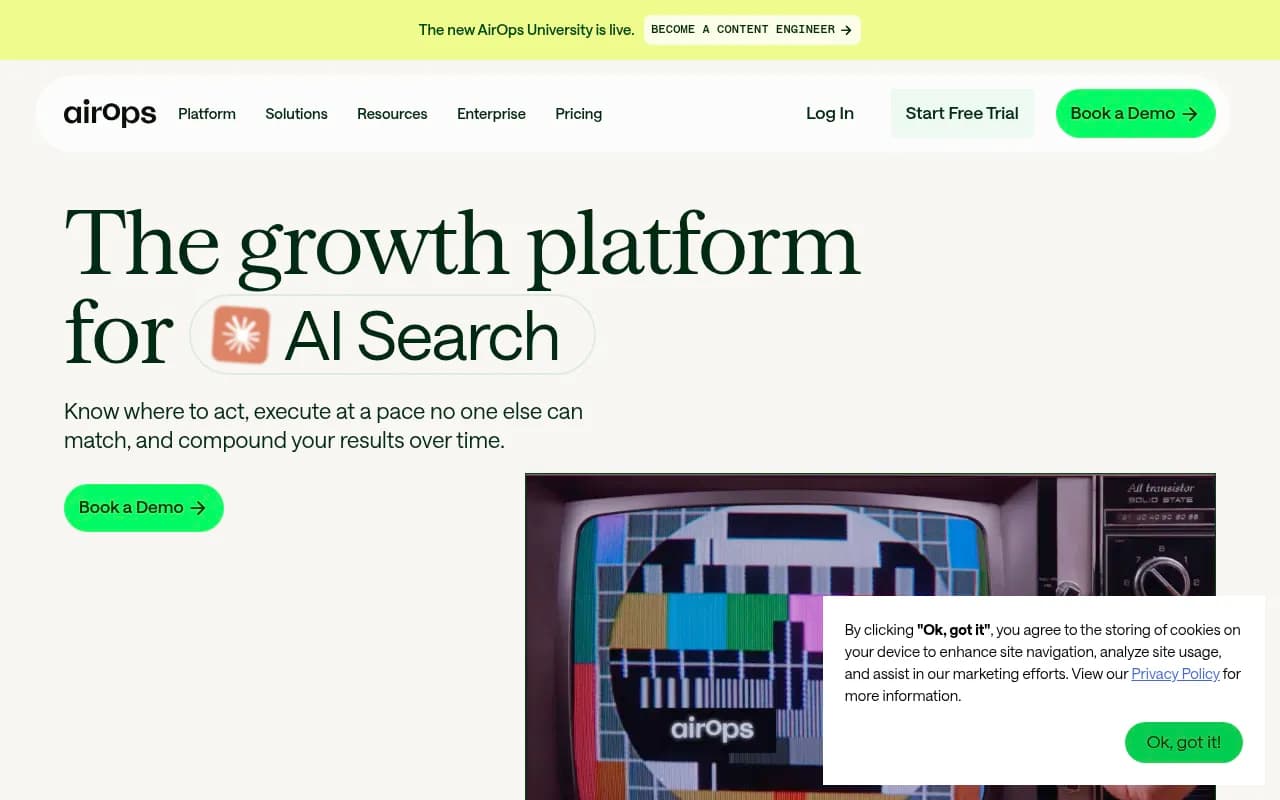
For teams focused specifically on AI content workflows:
Bottom line
BrightEdge and Conductor are solid enterprise SEO platforms that have added AI visibility features -- they're not built for it, and it shows. seoClarity is technically strong but AI search is still secondary. Profound is the best pure-play AI visibility monitor in this group, with real depth in prompt tracking and citation analytics.
But if the goal is to actually improve your AI search visibility -- not just measure it -- Promptwatch is the platform that closes the loop. It's the only one here that takes you from "here's where you're invisible" to "here's the content that will fix it" to "here's proof it worked." For most marketing teams in 2026, that's the platform worth building around.