Key takeaways
- ChatGPT Shopping processes over 50 million daily queries and has seen 4,700% growth in AI shopping searches, but Google remains the dominant product discovery channel for most categories in 2026.
- The two channels reward completely different things: Google favors ad spend, structured merchant feeds, and keyword optimization; ChatGPT prioritizes third-party reviews, product data accuracy, and brand authority.
- Semrush research confirmed that ChatGPT actually queries Google Shopping under the hood to generate product recommendations -- meaning your Google feed quality directly affects your ChatGPT visibility.
- Traffic from ChatGPT Shopping is lower in volume but tends to be more purchase-intent driven, with users arriving later in the decision cycle.
- Tracking both channels requires different tooling: Google Shopping has mature analytics infrastructure; ChatGPT visibility needs dedicated AI monitoring platforms.
There's a version of this story where ChatGPT Shopping has already eaten Google's lunch. AI shopping searches grew 4,700% in the past year. ChatGPT now handles over 50 million daily queries. Retailers are panicking about being invisible in AI results.
And then there's the actual data: Google is still where most people start when they want to buy something. Not ChatGPT. Not Perplexity. Google.
Both things are true, and that's what makes this interesting. ChatGPT Shopping is genuinely changing how product discovery works -- but it hasn't replaced anything yet. What it's done is add a new layer to the funnel that most retailers haven't figured out how to track, let alone optimize for.
This guide breaks down how each channel actually works in 2026, where they differ, and what you need to do to show up in both.
How ChatGPT Shopping actually works
ChatGPT's shopping feature launched in early 2025 and has grown faster than most people expected. When a user asks something like "what's the best espresso machine under $400 for a small kitchen," ChatGPT doesn't just return a text answer -- it surfaces product cards with images, prices, ratings, and links to buy.
What's happening under the hood is more interesting than it looks. Research from Semrush confirmed that ChatGPT is actually running queries through Google Shopping to generate those recommendations. So when ChatGPT recommends a product, it's partly pulling from the same merchant feed data that powers Google Shopping ads.
That said, ChatGPT doesn't just mirror Google results. It layers in third-party review sources, editorial content, Reddit discussions, and its own training data to decide which products to surface and how to frame them. A product that ranks well in Google Shopping paid results won't automatically appear in ChatGPT's recommendations -- and vice versa.
What ChatGPT Shopping prioritizes
The ranking signals for ChatGPT Shopping are meaningfully different from Google's:
- Third-party reviews carry significant weight. Products with strong coverage on review sites, forums, and editorial publications are more likely to surface.
- Structured product data matters. Clean, accurate product schema on your site helps AI models parse what you sell.
- Amazon is largely absent. ChatGPT has historically shown limited Amazon results in shopping recommendations, which creates real opportunities for direct-to-consumer brands and smaller retailers.
- Ad spend doesn't buy visibility. Unlike Google Shopping, where your budget directly influences placement, ChatGPT currently rewards product quality and data accuracy over ad dollars.
The categories where ChatGPT Shopping performs best tend to be considered purchases -- electronics, appliances, outdoor gear, home goods -- where users want a recommendation, not just a list of options. Fast-moving consumer goods and impulse purchases still skew heavily toward Google.
How Google Shopping works in 2026
Google Shopping hasn't stood still. With the rollout of AI Mode and AI Overviews, Google's own product discovery experience has gotten more conversational. When you search for "best running shoes for flat feet," you're increasingly likely to see an AI-generated summary before you see the traditional product grid.
Google's advantage is structural: they have years of merchant feed data, variant-level product detail, and a deeply integrated ad ecosystem. Retailers who've been running Google Shopping campaigns for years have a head start that's hard to replicate quickly.
The core signals Google Shopping uses:
- Product feed quality (title, description, GTIN, images, price accuracy)
- Ad spend and bidding strategy for paid placements
- Organic signals for free listings (reviews, structured data, site authority)
- Click-through and conversion history
Google also has the volume advantage. For most product categories, Google Shopping still drives significantly more discovery traffic than any AI channel. A smarty.marketing study found that Google remains the leading product discovery channel in the US -- ChatGPT is growing fast, but it's growing from a much smaller base.
The real difference: intent and timing
Here's the thing that gets lost in the "ChatGPT vs Google" framing: they're not really competing for the same moment in the buyer journey.
When someone opens Google Shopping, they're often in browse mode. They might be comparing prices, looking at options, or just starting to research. The funnel is wide.
When someone asks ChatGPT "what's the best noise-canceling headphone for someone who works from home and travels a lot," they've already done some thinking. They're asking for a recommendation, not a list. They want the AI to make a call.
This is why ChatGPT Shopping traffic tends to convert at higher rates even though the volume is lower. Users arrive having already processed a lot of the consideration phase through the conversation. They're closer to buying.
The implication for retailers: don't treat ChatGPT Shopping as a replacement for Google Shopping. Treat it as a different part of the funnel that requires different optimization.
Channel comparison
| Factor | ChatGPT Shopping | Google Shopping |
|---|---|---|
| Daily query volume | 50M+ (shopping queries) | Billions (all queries) |
| Primary ranking signal | Reviews, data accuracy, brand authority | Ad spend, feed quality, conversion history |
| Ad-driven visibility | No (currently) | Yes (dominant factor for paid) |
| Amazon presence | Limited | Strong |
| Best for | Considered purchases, research-heavy categories | All categories, especially high-volume/impulse |
| Traffic quality | High intent, later in funnel | Mixed intent, earlier in funnel |
| Tracking maturity | Early-stage, requires AI monitoring tools | Mature (Google Analytics, Merchant Center) |
| Optimization approach | Reviews, schema, editorial coverage | Feed optimization, bidding, landing pages |
| Under-the-hood data source | Partly Google Shopping feeds | Native |
What the Amazon blackout means for smaller brands
One of the more interesting dynamics in ChatGPT Shopping is how rarely Amazon products appear in recommendations. This isn't fully explained publicly, but the practical effect is significant: categories that Amazon dominates in Google Shopping look completely different in ChatGPT results.
For direct-to-consumer brands and specialty retailers, this is genuinely good news. If you sell premium kitchen knives or ergonomic office chairs, you're competing against Amazon in Google Shopping with a significant disadvantage. In ChatGPT Shopping, that disadvantage shrinks considerably -- if your product data is clean and your third-party review coverage is strong.
This is one reason why brands that have invested in editorial coverage, review site presence, and community discussions (Reddit, forums, YouTube) are seeing outsized gains in AI shopping visibility compared to brands that relied primarily on paid Google Shopping.
How to optimize for ChatGPT Shopping
Get your product schema right
ChatGPT and other AI models parse structured data to understand what you sell. Product schema with accurate pricing, availability, ratings, and descriptions gives AI models the raw material they need to include you in recommendations. This isn't optional -- it's table stakes.
Build review coverage outside your own site
Your product page reviews matter less than what third parties say about you. Prioritize getting coverage on relevant review publications, getting mentioned in "best of" roundups, and encouraging genuine discussion on Reddit and YouTube. These external signals are what AI models weight heavily when deciding which products to recommend.
Keep your Google Shopping feed clean
Because ChatGPT pulls from Google Shopping data, your feed quality directly affects your AI visibility. Accurate titles, complete attributes, correct GTINs, and high-quality images all matter. A sloppy feed hurts you in both channels.
Don't ignore Reddit and YouTube
AI models actively pull from Reddit discussions and YouTube reviews when forming product recommendations. A well-reviewed product on a relevant subreddit or a detailed YouTube comparison video can directly influence whether ChatGPT recommends you. This is a channel most retailers haven't thought about in the context of shopping visibility.
How to optimize for Google Shopping in 2026
Google Shopping optimization in 2026 is more nuanced than it was two years ago because of AI Overviews and AI Mode. The organic free listings layer has become more important as AI-generated summaries sometimes appear before paid results.
Key priorities:
- Feed optimization remains the foundation. Title structure, attribute completeness, and image quality drive both paid and organic performance.
- For AI Overviews, structured data and editorial authority matter more than they used to. Google is pulling from the same signals it uses for web results.
- Conversion rate optimization on landing pages is increasingly important as Google's smart bidding algorithms optimize for downstream signals.
- Review signals (Google Reviews, third-party ratings) now influence organic shopping placement more than they did in the pure-paid era.
How to track both channels
This is where most retailers are genuinely stuck. Google Shopping has 15 years of tracking infrastructure -- Google Analytics, Merchant Center, attribution models, the works. ChatGPT Shopping is new enough that most analytics setups don't capture it at all.
Tracking Google Shopping
Standard setup: Google Analytics 4 with Merchant Center linked, UTM parameters on all product links, and a clear attribution model. Most retailers have this. The gap is usually in how they handle AI Overview traffic, which shows up differently in GA4 than traditional Shopping clicks.
Tracking ChatGPT Shopping
This is harder. ChatGPT doesn't pass referrer data the way Google does, so standard analytics often can't distinguish ChatGPT traffic from direct traffic. You need dedicated tooling.
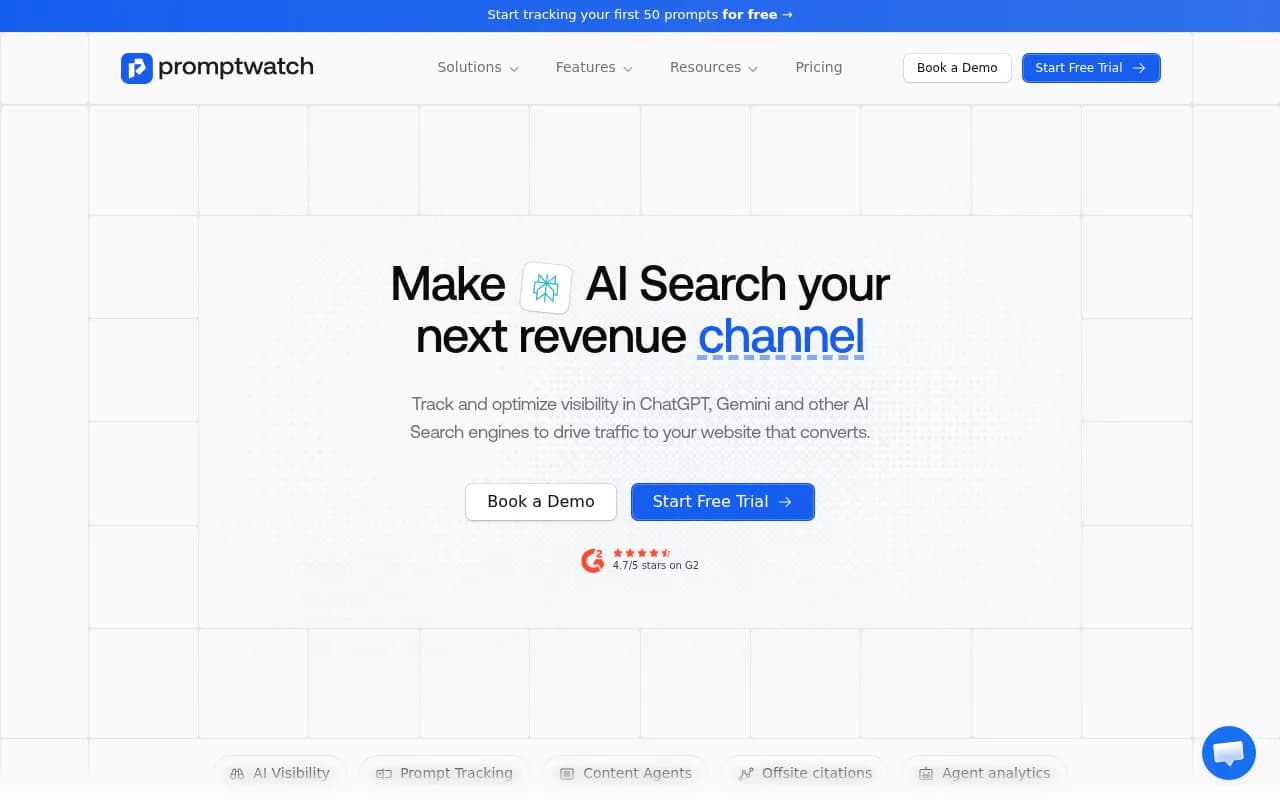
Promptwatch tracks exactly which products and pages are being cited in ChatGPT Shopping results, how often, and what's driving those citations. It also logs AI crawler activity -- when ChatGPT's crawlers visit your product pages, which pages they read, and when a crawl leads to a citation. That crawl-to-citation timeline is something you simply can't see in GA4.
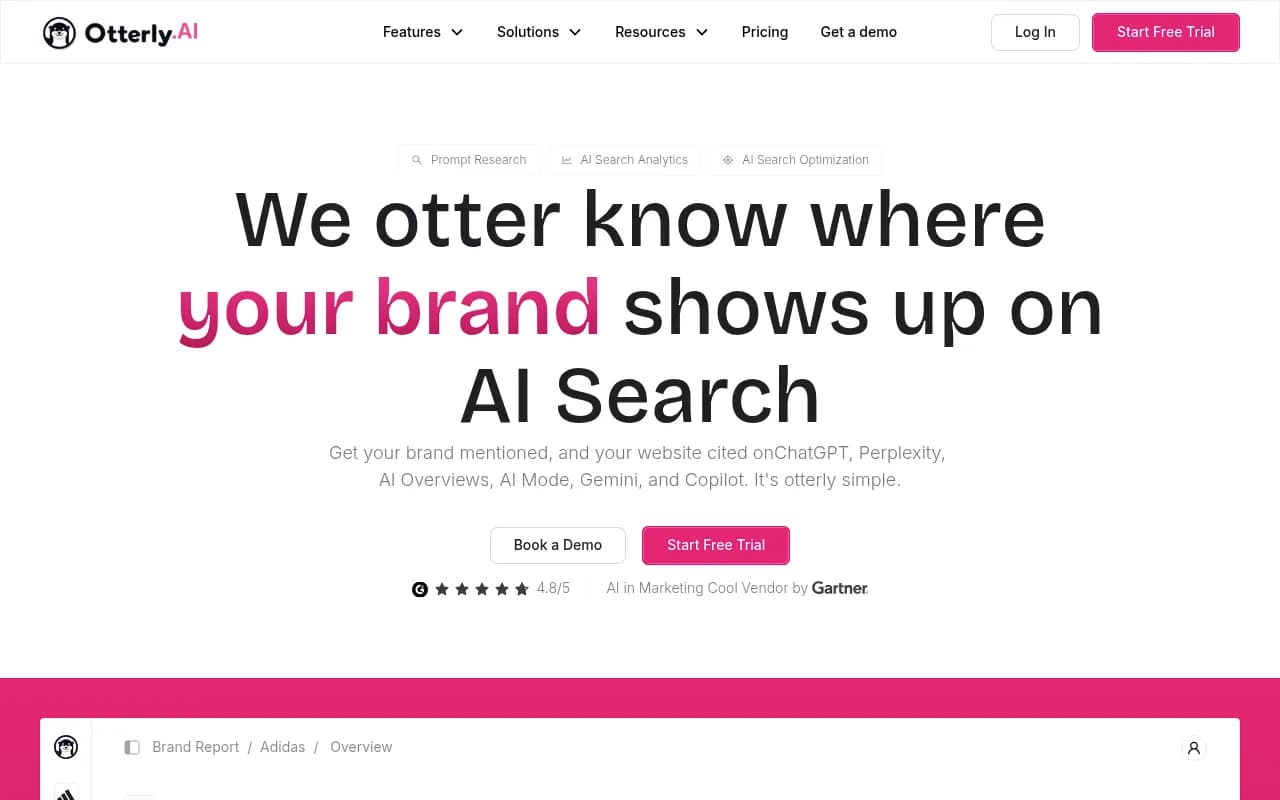
For brands that want to understand their ChatGPT Shopping visibility without a full platform investment, tools like Otterly.AI offer lighter-weight monitoring.
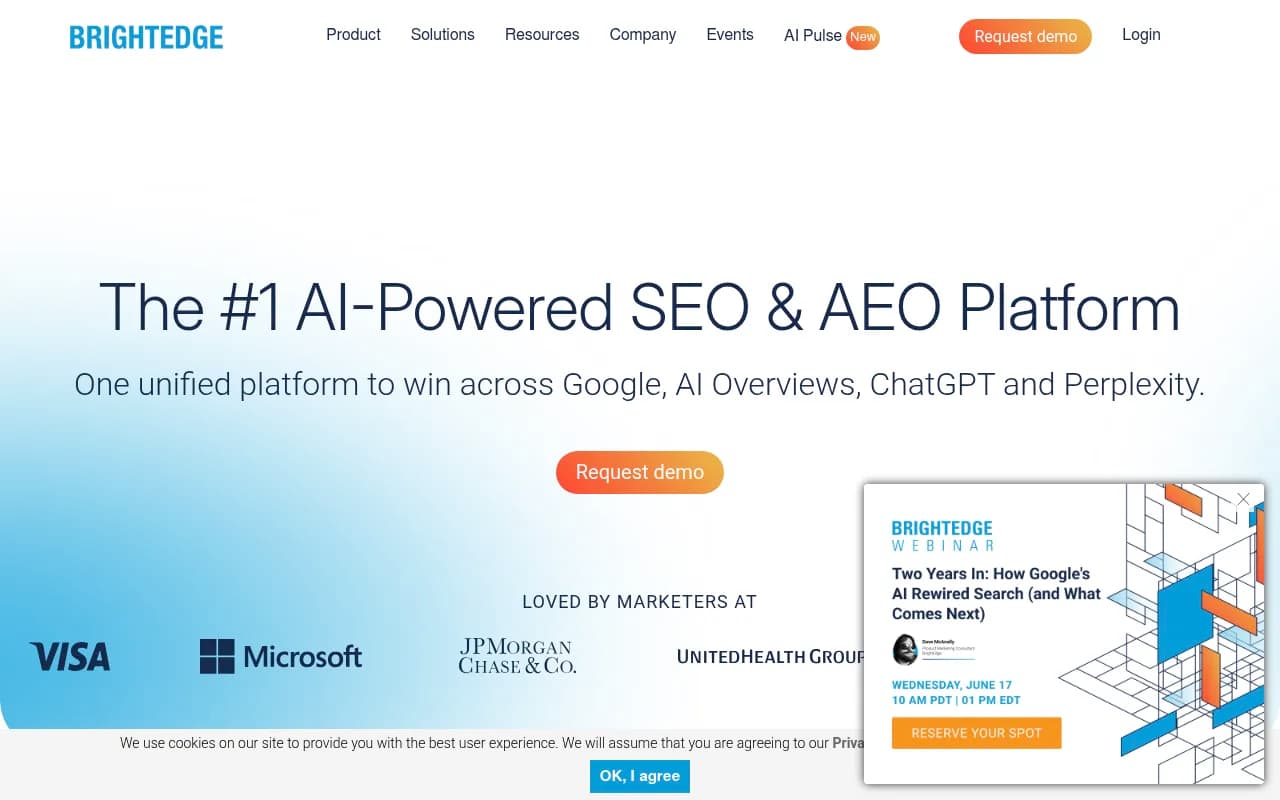
For enterprise-level tracking that spans both traditional SEO and AI visibility, BrightEdge has built out AI search monitoring alongside its existing infrastructure.
What good tracking looks like
A proper setup for 2026 should give you:
- Google Shopping: impression share, click volume, conversion rate, ROAS by product category
- ChatGPT Shopping: citation frequency by product/page, which prompts trigger your products, crawler visit logs, and traffic attribution from AI sources
- Cross-channel: a view of how users move between AI research and Google purchase -- because many buyers use ChatGPT to research and Google to buy
| Metric | Where to track it |
|---|---|
| Google Shopping impressions | Google Merchant Center |
| Google Shopping ROAS | Google Ads + GA4 |
| AI Overview appearances | Google Search Console (limited) |
| ChatGPT citation frequency | Promptwatch, Otterly.AI |
| AI crawler activity | Promptwatch (crawler logs) |
| ChatGPT-driven traffic | Promptwatch attribution, UTM analysis |
| Reddit/YouTube influence | Promptwatch offsite analysis |
| Competitor AI visibility | Promptwatch competitor heatmaps |
The conversion reality check
There's a temptation to dismiss ChatGPT Shopping because the traffic volumes are smaller than Google. That's the wrong frame.
The more useful question is: what's the quality of that traffic? Early data suggests ChatGPT Shopping visitors are further along in their decision process. They've already had a conversation with an AI that recommended your product. They arrive with context and intent that a Google Shopping click often doesn't carry.
Lower volume, higher intent. That's a trade-off worth understanding, not dismissing.
The brands winning at ChatGPT Shopping in 2026 aren't the ones with the biggest ad budgets. They're the ones with the cleanest product data, the strongest third-party review presence, and the most thorough editorial coverage. That's a different kind of investment -- and for many brands, a more defensible one.
What to do this quarter
If you're a retailer or marketer trying to make sense of this, here's a practical starting point:
- Audit your Google Shopping feed. Fix missing attributes, improve title structure, and make sure your GTINs are accurate. This helps both Google and ChatGPT.
- Add product schema to your site if you haven't already. Use Google's Rich Results Test to check what AI models can parse from your product pages.
- Map your third-party review coverage. Where does your brand appear in editorial roundups, review sites, and Reddit discussions? Where are the gaps?
- Set up AI visibility tracking. You can't optimize what you can't see. At minimum, start monitoring which of your products appear in ChatGPT Shopping results and how often.
- Don't abandon Google Shopping. It still drives the majority of product discovery traffic for most categories. The goal is to add ChatGPT visibility on top, not instead of.
The retailers who'll be in the best position 18 months from now are the ones who treat these as complementary channels -- not a binary choice. Google Shopping for volume and top-of-funnel reach; ChatGPT Shopping for high-intent, late-funnel discovery. Track both, optimize for both, and don't assume your Google Shopping strategy automatically translates to AI visibility. It doesn't.