Key takeaways
- ChatGPT and Google AI Overviews are technically different systems -- one is a conversational LLM, the other is a retrieval-augmented layer on top of traditional search. Tools that track both need separate infrastructure for each.
- Most GEO tools cover ChatGPT reasonably well. Google AI Overviews coverage is spottier -- some tools track it properly, others just monitor Google AI Mode or Gemini and call it the same thing.
- A handful of platforms (Promptwatch, Otterly.AI, Scrunch AI, BrightEdge, Semrush) genuinely cover both. The differences come down to depth: prompt volume, content optimization, and whether you can actually do something with the data.
- Monitoring alone isn't enough. The tools that help you close visibility gaps -- not just report them -- are worth the premium.
Why "covers both" is harder than it sounds
There's a common misconception in the GEO space right now. A lot of tools list "Google AI Overviews" in their feature set, but what they're actually tracking is Google Gemini (the standalone chatbot) or Google AI Mode (the experimental search interface). These are related but not the same thing as AI Overviews -- the summary boxes that appear at the top of standard Google search results for millions of queries every day.
That distinction matters enormously. If your brand shows up in Gemini but not in AI Overviews, you're missing the highest-traffic surface Google has. AI Overviews appear in regular search, which still drives the majority of web traffic. ChatGPT, meanwhile, has become the default starting point for a huge chunk of research queries -- especially in B2B and tech.
So when someone asks "which GEO tools track both?", the real question is: which tools track ChatGPT responses AND the AI Overviews that appear in standard Google search results? That's a much shorter list.
The coverage problem: what most tools actually track
To understand the gap, it helps to know how these systems work differently:
ChatGPT generates answers from its training data plus browsing (when enabled). Tracking it means querying the model, capturing responses, and recording whether your brand or content appears in citations or the body text.
Google AI Overviews are generated dynamically on top of live search results. They're triggered by specific queries, pull from indexed web content, and can vary by location, device, and query phrasing. Tracking them properly requires running actual Google searches and capturing the AI Overview box -- not just querying the Gemini API.
This is why many tools that claim Google AI coverage are actually just hitting the Gemini API. It's cheaper and easier. But it doesn't reflect what users actually see when they search on Google.
Tools that genuinely cover both
Promptwatch
Promptwatch is one of the few platforms built specifically around this distinction. It tracks real user-facing outputs across 10 AI models -- including ChatGPT, Google AI Overviews, Google AI Mode, Gemini, Claude, Perplexity, Grok, DeepSeek, Copilot, and Meta AI. The key word is "user-facing": Promptwatch captures what users actually see in the interface, not just API outputs, which can differ significantly.

Beyond tracking, Promptwatch has an Answer Gap Analysis that shows exactly which prompts competitors appear in but you don't. Then Content Agents help you create content engineered to close those gaps. For teams that want to go from "we're invisible in AI Overviews" to "we're cited in AI Overviews," that end-to-end workflow is hard to find elsewhere. It also includes AI crawler logs that show when ChatGPT's or Perplexity's crawlers hit your site -- useful for diagnosing why certain pages aren't getting cited.
Pricing starts at $99/month for the Essential plan (1 site, 50 prompts), up to $579/month for Business (5 sites, 350 prompts, 30 articles/month).
Otterly.AI
Otterly.AI covers ChatGPT, Google AI Overviews, Gemini, Perplexity, and Copilot. It's one of the more accessible options in terms of price and setup, and it does genuinely track AI Overviews rather than just Gemini. The interface is clean and the monitoring is solid.
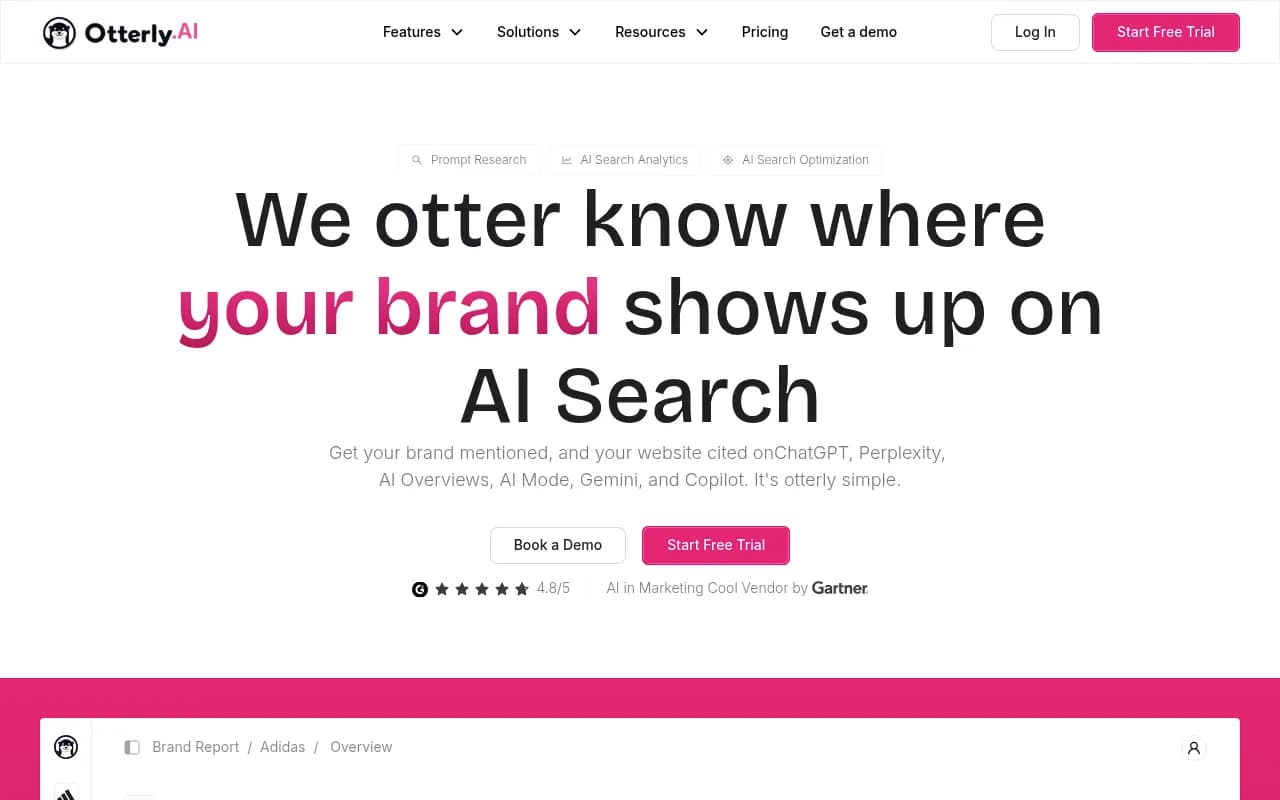
The limitation is that Otterly.AI is primarily a monitoring tool. It shows you where you stand but doesn't have the content generation or gap analysis capabilities to help you improve. For teams that already have a content workflow and just need visibility data, that's fine. For teams that want to act on what they find, it's a starting point rather than a complete solution.
Scrunch AI
Scrunch AI is positioned more toward brands and agencies that need to monitor AI visibility at scale. It covers the major models including ChatGPT and Google AI Overviews, and has reasonable competitor comparison features.
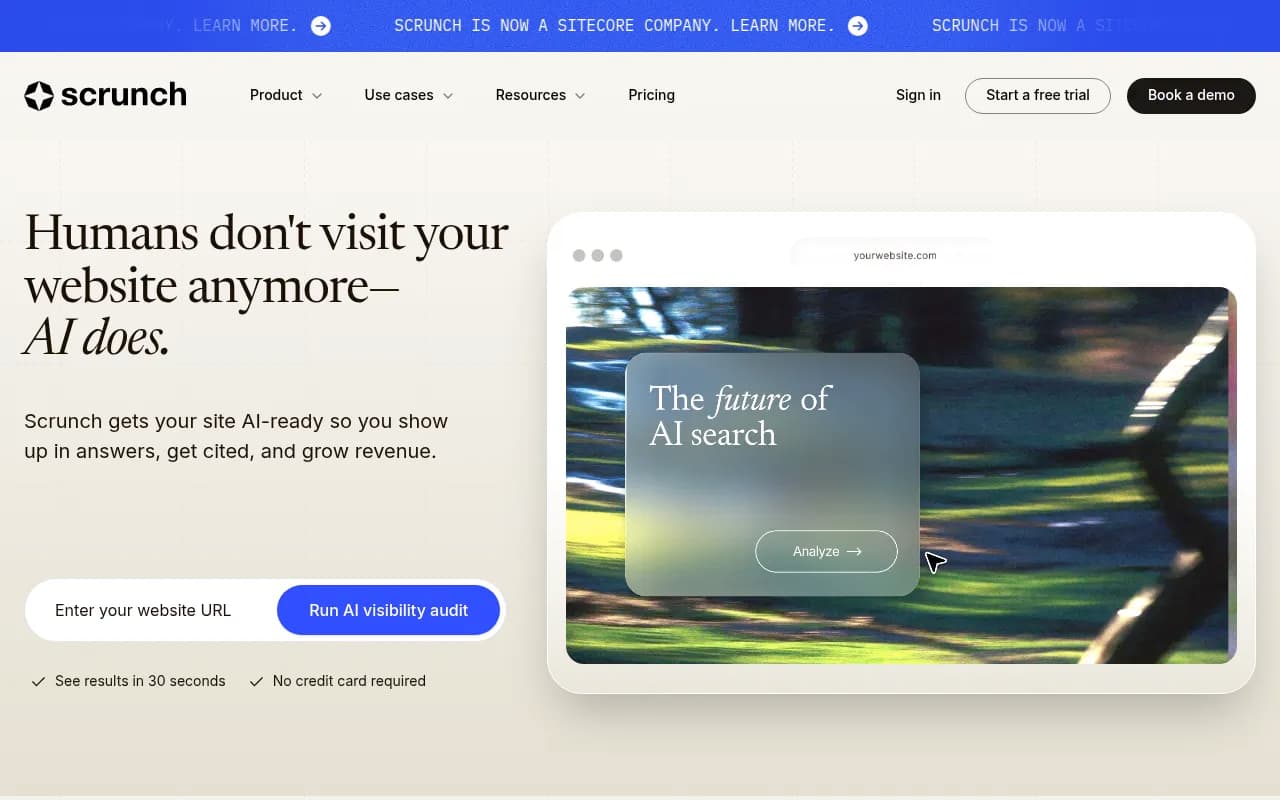
It's a stronger fit for enterprise use cases where the primary need is reporting and brand monitoring. Content optimization capabilities are more limited compared to platforms like Promptwatch.
BrightEdge
BrightEdge has been in enterprise SEO for a long time, and it's added AI Overviews tracking to its platform. For large organizations already using BrightEdge for traditional SEO, the AI coverage is a natural extension.
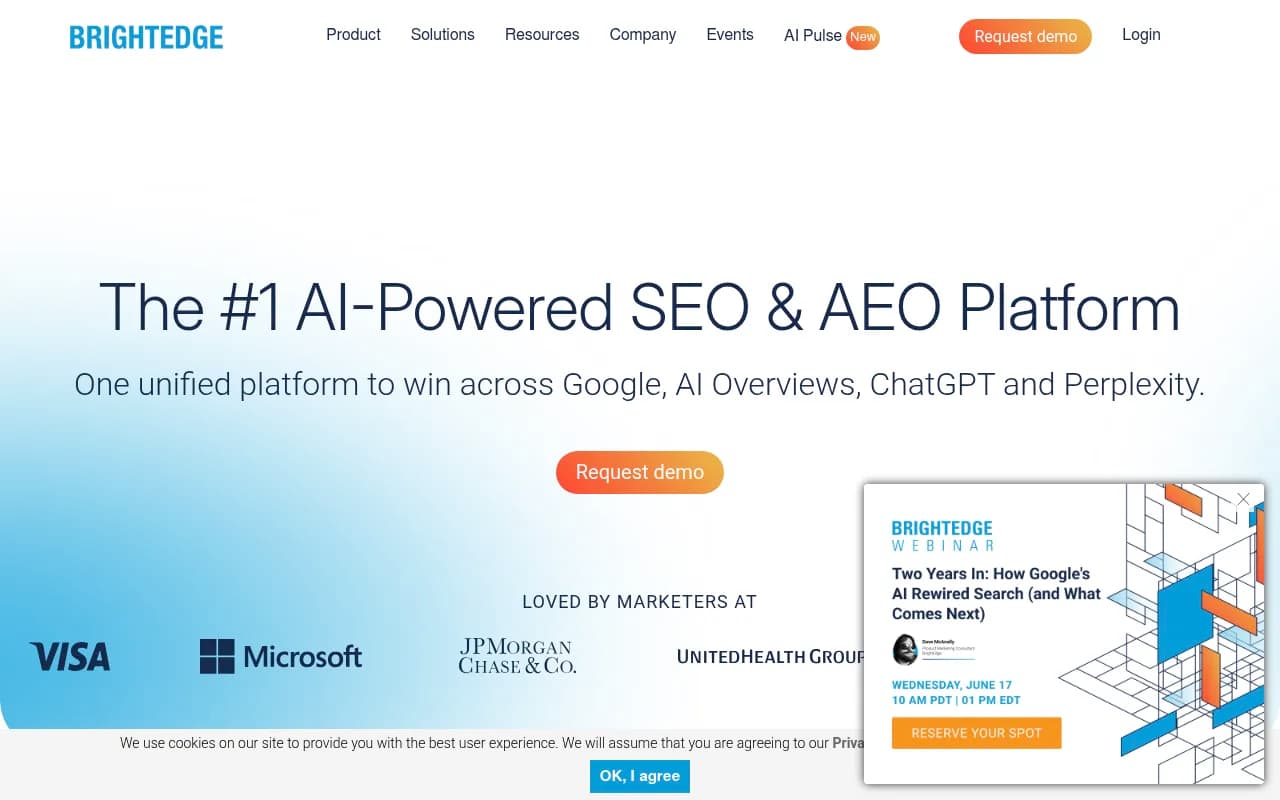
The catch is price and complexity. BrightEdge is an enterprise contract, not a self-serve SaaS tool. If you're a mid-market brand or agency, the cost and onboarding overhead is probably overkill.
Semrush AI Visibility Toolkit
Semrush has added AI visibility features to its platform, including some coverage of AI Overviews. The advantage is that you're working inside a tool your team probably already uses.
The limitation worth knowing: Semrush uses fixed prompt templates rather than letting you define your own prompts. That means you're tracking predefined questions rather than the specific queries your customers actually ask. For nuanced GEO work, that's a real constraint.
SE Ranking
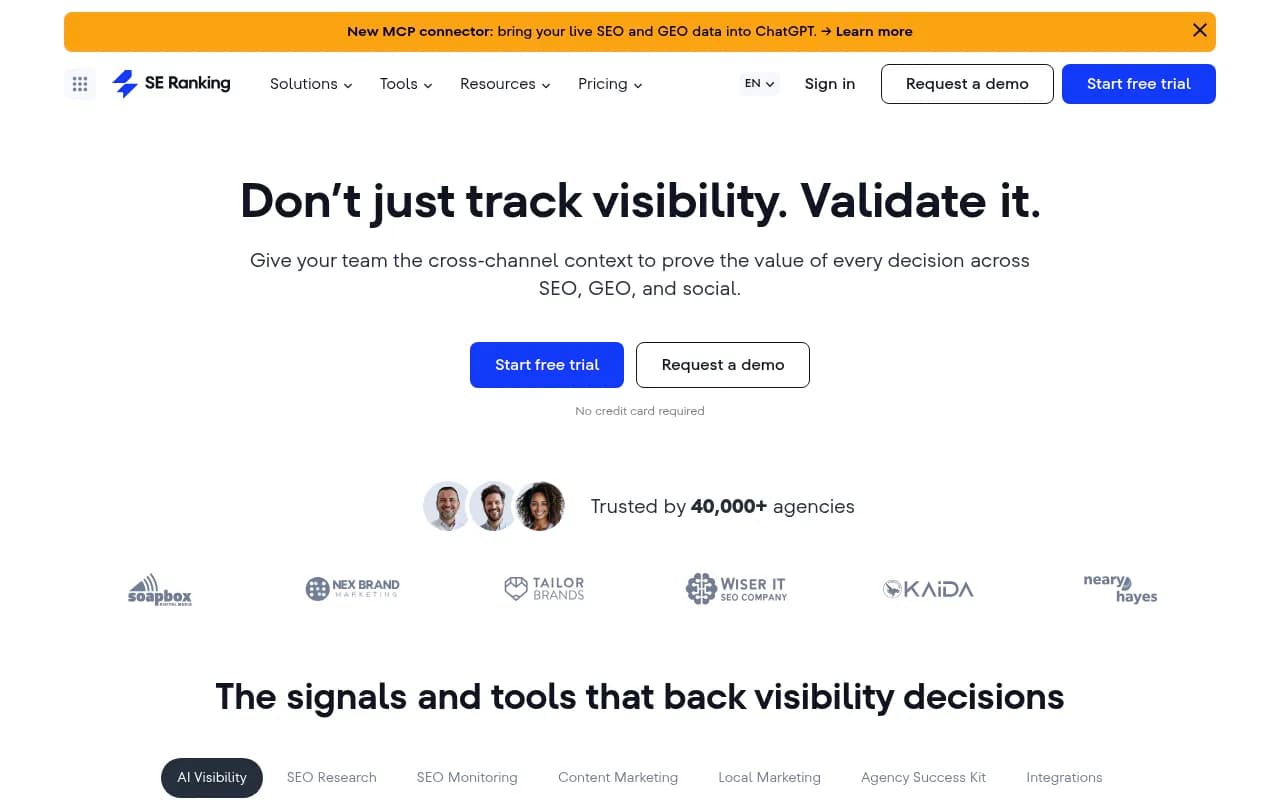
SE Ranking has been quietly building out its AI visibility features and now covers multiple models including Google AI Overviews. It sits at a mid-market price point and is worth considering for teams that want broad coverage without enterprise pricing.
Tools with partial or unclear coverage
A few tools are worth mentioning because they appear in a lot of "best GEO tools" lists but have some caveats around their Google AI Overviews coverage specifically.
AthenaHQ
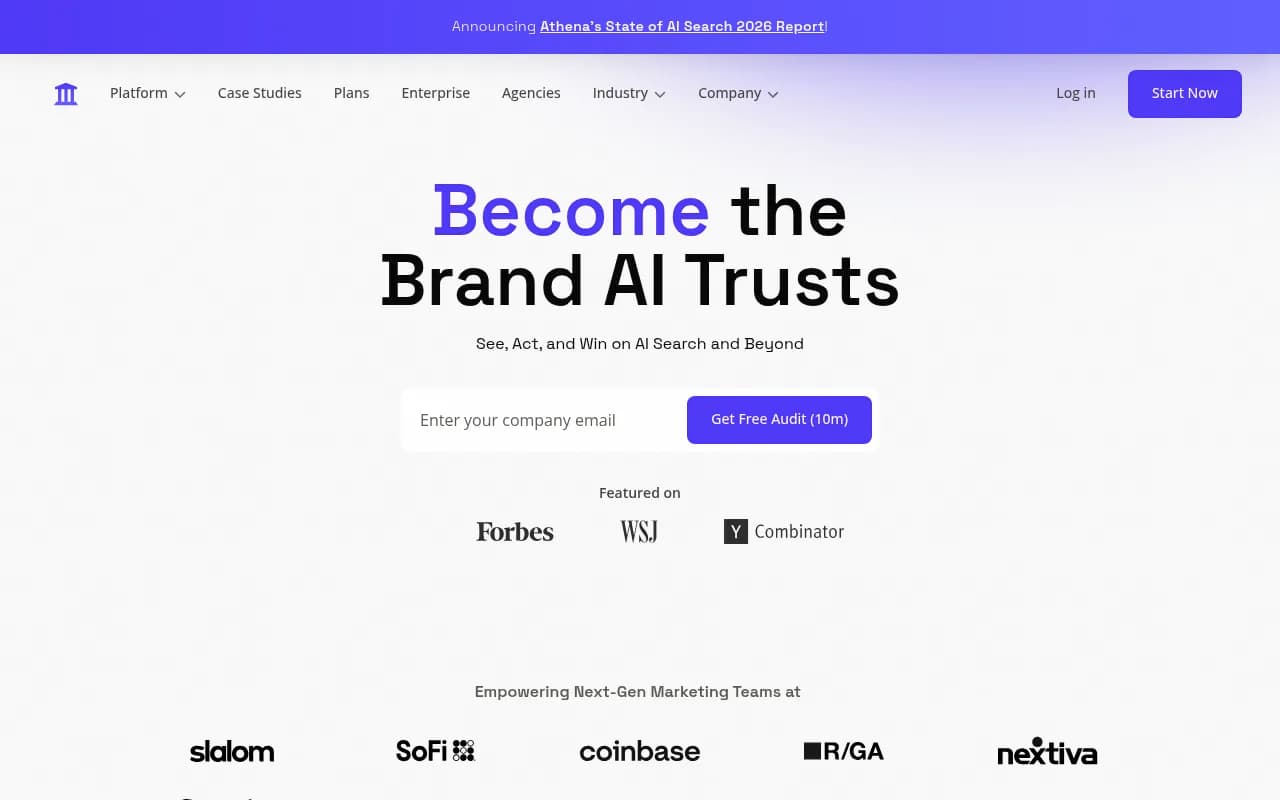
AthenaHQ is a solid monitoring platform with good prompt tracking and competitor analysis. Coverage includes ChatGPT and several other models. Google AI Overviews tracking exists but the platform is more focused on LLM monitoring than Google Search surfaces.
Peec AI
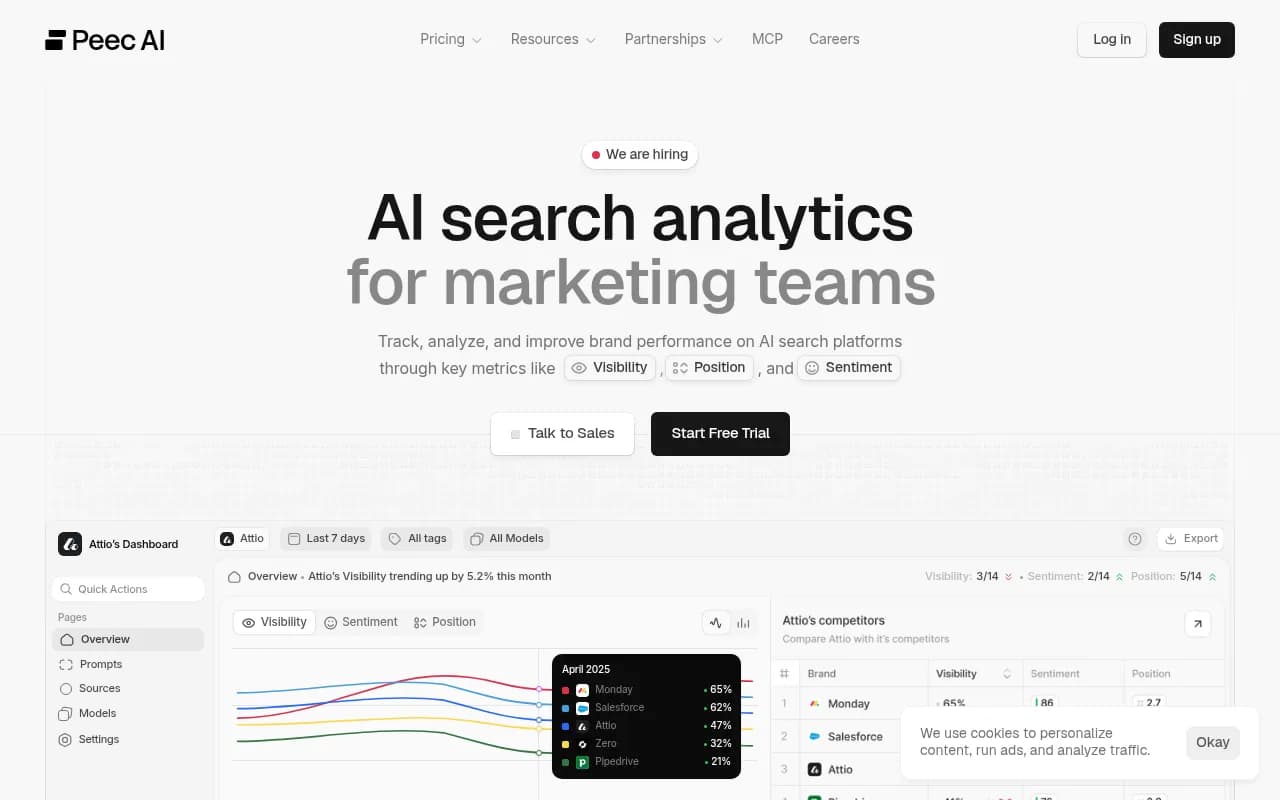
Peec AI covers ChatGPT, Perplexity, and Gemini. The Google AI Overviews coverage is less clearly documented -- it may be tracking Gemini rather than the AI Overview surface in standard search. Worth confirming directly before committing.
Ahrefs Brand Radar
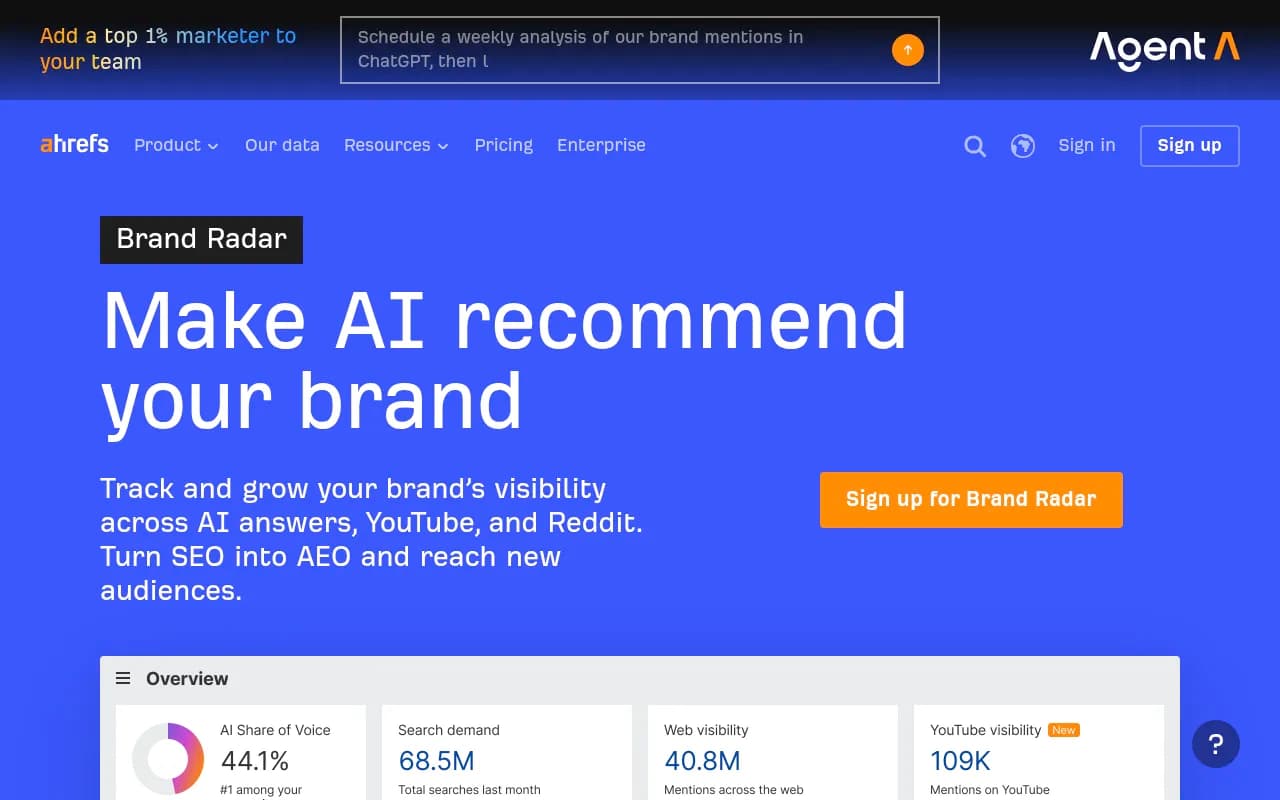
Ahrefs added Brand Radar as an AI visibility feature. It covers several models but uses fixed prompts, similar to Semrush's approach. You can see where your brand appears but can't customize the prompt set to match your actual use cases.
Search Party
Search Party is agency-focused and has reasonable coverage across models. Prompt metrics and customization are more limited, which makes it harder to do deep GEO analysis.
Head-to-head comparison
| Tool | ChatGPT tracking | Google AI Overviews | Content generation | Crawler logs | Pricing |
|---|---|---|---|---|---|
| Promptwatch | Yes (user-facing) | Yes (user-facing) | Yes (Content Agents) | Yes | From $99/mo |
| Otterly.AI | Yes | Yes | No | No | Lower tier |
| Scrunch AI | Yes | Yes | Limited | No | Mid-market |
| BrightEdge | Yes | Yes | Limited | No | Enterprise |
| Semrush | Yes | Yes | No (fixed prompts) | No | From ~$139/mo |
| SE Ranking | Yes | Yes | No | No | Mid-market |
| AthenaHQ | Yes | Partial | No | No | Mid-market |
| Peec AI | Yes | Unclear | No | No | Lower tier |
| Ahrefs Brand Radar | Yes | Partial | No | No | Add-on |
| Search Party | Yes | Partial | No | No | Agency pricing |
What to actually look for when evaluating coverage
When a vendor says they track Google AI Overviews, ask these specific questions:
Are you querying the Gemini API or running actual Google searches? The Gemini API and Google AI Overviews are different. A tool that queries Gemini is not tracking what appears in Google search results.
Can you show me a screenshot of an AI Overview from a real Google search? If the tool captures actual screenshots of the AI Overview box in search results, that's a good sign. If it just shows you text outputs from an API call, be skeptical.
Do results vary by location? Real AI Overviews vary by country, region, and sometimes city. A tool that shows you the same result regardless of location is probably not tracking the actual search surface.
How often do you re-run prompts? AI Overviews change frequently. A tool that only checks weekly will miss a lot of variation.
The monitoring-vs-optimization gap
Here's the thing most comparison posts don't say directly: tracking coverage is table stakes. The more important question is what you can do with the data.
Most tools in this space -- even the ones with solid coverage of both ChatGPT and Google AI Overviews -- stop at the monitoring layer. They show you a dashboard of where you appear and where you don't. That's useful, but it leaves you to figure out what to do next on your own.
The gap between "we're not appearing in AI Overviews for this query" and "we fixed it" involves understanding what content the AI is pulling from, what your competitors have that you don't, and what to actually write or update. That's a content strategy problem, not just a tracking problem.
Platforms like Promptwatch have started building the optimization layer on top of the monitoring layer -- answer gap analysis that shows you the specific prompts where competitors appear and you don't, plus content generation tools that produce articles and briefs grounded in that gap data. That's a meaningfully different product than a visibility dashboard.
For teams that are serious about improving their AI visibility rather than just reporting on it, that distinction is worth paying attention to when evaluating tools.
Recommended approach by team type
Small marketing teams (1-5 people): Start with Otterly.AI or Peec AI to get baseline visibility data cheaply. When you're ready to act on the data, upgrade to something with content generation capabilities.
Mid-market brands: Promptwatch's Professional plan ($249/month) gives you proper coverage of both ChatGPT and Google AI Overviews, plus the content tools to actually improve your visibility. SE Ranking is a reasonable alternative if you're already in their ecosystem.
Agencies managing multiple clients: Promptwatch has agency and enterprise pricing with multi-site support. Search Party is worth evaluating too, though the prompt customization is more limited.
Enterprise: BrightEdge if you're already in the enterprise SEO world. Promptwatch for teams that want more agility and a faster content workflow.
A note on the tools that don't make the cut
Several tools that appear in GEO roundups don't actually track Google AI Overviews in any meaningful way -- they track Gemini or Google AI Mode and label it as "Google AI" coverage. This isn't necessarily dishonest, but it's worth knowing the difference before you sign up.
If Google search traffic is important to your business (and for most brands, it still is), you want a tool that specifically tracks the AI Overview box in standard Google search results. That's the surface that's eating into organic click-through rates for millions of queries. Tracking Gemini tells you something, but it doesn't tell you what's happening at the top of Google search.
The tools listed above as having genuine coverage -- Promptwatch, Otterly.AI, Scrunch AI, BrightEdge, Semrush, SE Ranking -- have been verified against this distinction. For the others, confirm directly with the vendor before committing.
Bottom line
The GEO tools market has grown fast, and coverage claims have outpaced actual capabilities in some cases. For teams that specifically need to track both ChatGPT and Google AI Overviews, the verified list is shorter than most roundups suggest.
Promptwatch covers both with the most depth -- user-facing outputs, crawler logs, and content generation to close gaps. Otterly.AI and SE Ranking are solid mid-tier options. BrightEdge and Semrush work if you're already in those ecosystems.
Whatever tool you choose, make sure you're asking the right question: not just "do you track Google AI?" but "are you tracking the AI Overview box in standard Google search results?" The answer will tell you a lot.