Key takeaways
- Google AI Mode uses a "query fan-out" approach, breaking one search into multiple sub-queries -- so you don't need to rank for everything, just answer the right slices
- Technical accessibility is non-negotiable: if AI crawlers can't read your pages, you won't get cited regardless of content quality
- Structured data, question-based content architecture, and fast page experience are the three highest-leverage fixes right now
- Monitoring AI visibility separately from traditional rankings is increasingly important -- GSC alone won't show you the full picture
- Most of these fixes overlap with good SEO fundamentals, but a few (schema depth, agent-usability, query fan-out targeting) are genuinely new priorities
Google AI Mode isn't coming. It's here. And if your organic traffic has started dipping without a clear explanation, there's a reasonable chance AI Mode is eating your impressions before users ever click.
The shift is real. AI Mode doesn't just show a featured snippet -- it synthesizes answers from multiple sources, cites a handful of pages, and often resolves the user's question without a click. That changes who wins and why. The pages getting cited aren't always the ones with the highest domain authority. They're the ones that are structured clearly, answer specific questions directly, and are technically accessible to AI crawlers.
This checklist covers 12 concrete things you can audit and fix. Some take an afternoon. A few take longer. All of them matter.
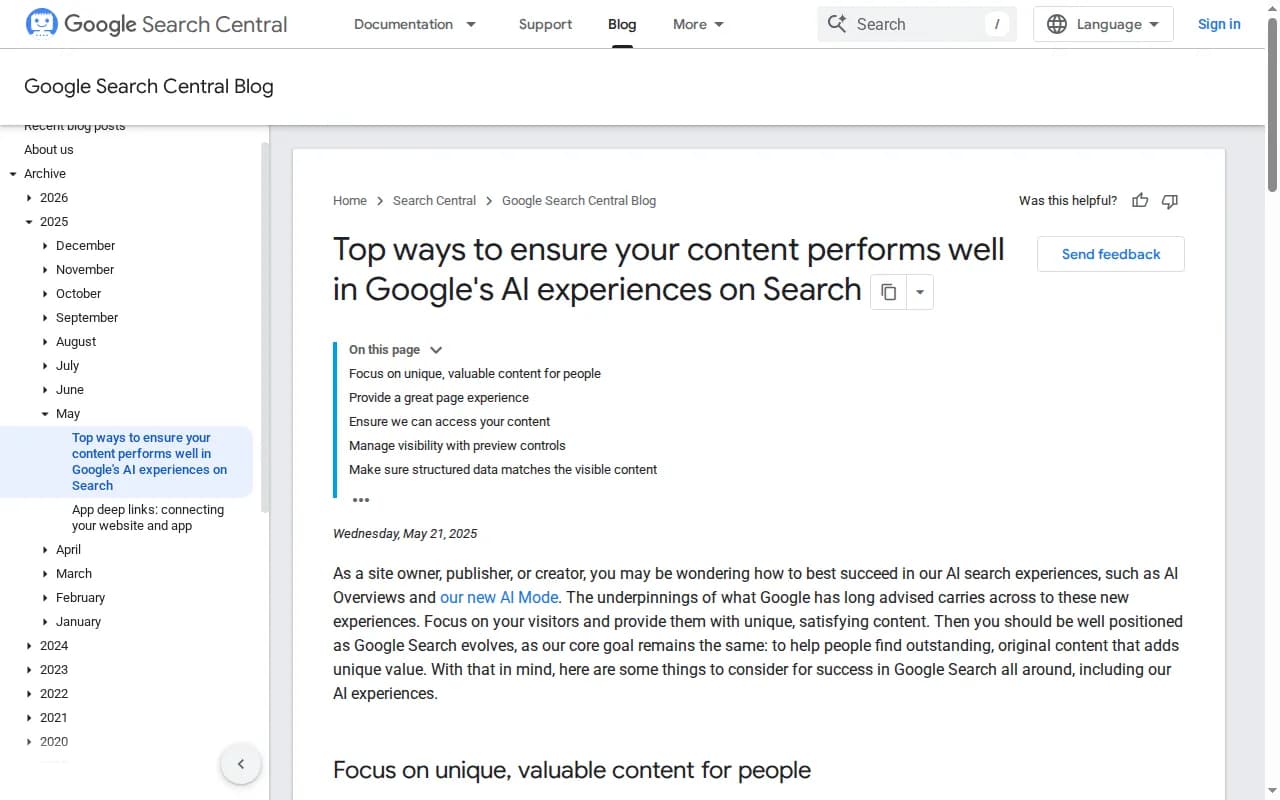
1. Make sure Googlebot (and AI crawlers) can actually access your pages
This sounds obvious, but it's the most common silent killer. If your robots.txt is blocking crawlers, your pages are behind a login, or your JavaScript rendering is failing, AI Mode simply won't include you. It can't cite what it can't read.
Check:
robots.txtisn't accidentally blocking key sections- Pages aren't returning soft 404s or redirect chains
- JavaScript-heavy pages render correctly for crawlers (use Google's URL Inspection tool to see the rendered HTML)
- No
noindextags are sitting on pages you actually want cited
Google's own guidance on AI search performance specifically calls out crawler access as the first priority. Fix this before anything else.
2. Audit your structured data -- and go deeper than you have been
Schema markup is how you turn your content into machine-readable data. AI Mode doesn't just want to read your text; it wants to understand what type of content it's reading, who wrote it, what it's about, and whether it's trustworthy.
The basics (Article, FAQPage, HowTo, Product) still matter. But in 2026, the bar is higher. Think about adding:
Authorschema with linked credentialsOrganizationschema withsameAslinks to your social profiles and Wikipedia page (if you have one)Speakableschema for content you want surfaced in voice or AI-generated summariesReviewandAggregateRatingwhere relevant
The goal is to think like a data warehouse. Label everything so a machine can categorize it without guessing.
3. Restructure pages around real questions
AI Mode is built for conversational search. Users type (or speak) full questions, and the system looks for pages that answer those questions clearly. That means your content architecture needs to reflect how people actually ask things, not how you've historically organized your site.
Practically, this means:
- H2s should read like questions or prompts ("How does X work?" not "Overview of X")
- The first sentence after each heading should be a direct answer, not a preamble
- Long-tail queries are now the main event, not an afterthought
If your pages still open with "In today's fast-paced world..." or spend three paragraphs building context before answering anything, they're not structured for AI citation.
4. Understand query fan-out and target sub-questions
This is one of the less-discussed but more important concepts for AI Mode. When someone searches a broad question, AI Mode doesn't just run one query -- it fans out into multiple related sub-queries, then synthesizes answers from different sources.
You don't need to answer the whole question. You need to answer one part of it really well.
Map out the sub-questions your target topics branch into. If you're a SaaS company selling project management software, the main query "best project management tool for remote teams" fans out into questions about pricing, integrations, onboarding, security, and team size. You can win citations by having a dedicated, thorough page on any one of those sub-topics.
5. Fix page experience issues -- AI Mode won't wait
Google's AI experiences pull from pages that provide a good user experience, not just good content. Slow load times, cluttered layouts, and mobile rendering issues all work against you.
Core Web Vitals still matter here. Specifically:
- Largest Contentful Paint (LCP) under 2.5 seconds
- Cumulative Layout Shift (CLS) under 0.1
- Interaction to Next Paint (INP) under 200ms
Beyond metrics, check whether a user landing on your page can immediately find the main content. If ads, popups, or navigation elements obscure the answer, that's a problem for both users and AI systems evaluating page quality.
6. Build content AI can't fully summarize
This one requires a mindset shift. If AI Mode can completely answer a user's question by reading your page, why would anyone click through? You want to be cited, yes -- but you also want clicks.
The answer is to create content with interactive or proprietary elements that require engagement:
- ROI calculators and configurators
- Comparison tools with dynamic filtering
- Original data, surveys, or research that can't be paraphrased
- Step-by-step tools that require user input
These assets get cited because they're useful, but they also drive clicks because the AI can't replicate the experience.
7. Establish presence across Google's own platforms
AI Mode draws from Google's broader ecosystem, not just web pages. If you're not present on Google's own platforms, you're missing citation opportunities that are relatively easy to capture.
The relevant surfaces:
- Google Business Profile (especially for local queries)
- Google Merchant Center (for product-related queries)
- YouTube (video content gets pulled into AI responses)
- Google Maps (for location-based queries)
Each of these is a separate signal that AI Mode can surface. A brand that shows up consistently across multiple Google surfaces is more likely to be cited than one that only has a website.
8. Get serious about Reddit and third-party mentions
This is uncomfortable for a lot of SEOs, but AI models -- including Google's -- actively use Reddit, forums, and third-party review sites as training and citation sources. If your brand isn't showing up in those conversations, you're invisible in a meaningful chunk of AI-generated responses.
This doesn't mean astroturfing. It means:
- Participating genuinely in relevant subreddits and communities
- Ensuring your brand is listed and reviewed on third-party comparison sites
- Building PR coverage that generates real mentions on authoritative domains
The Onely research on AI visibility factors found that brand mentions are the highest-impact factor for AI search visibility -- higher than technical SEO in isolation. That's a significant finding worth taking seriously.
9. Add FAQPage schema to your most important pages
FAQPage schema is one of the most direct ways to get your content structured for AI citation. It explicitly tells Google "here is a question, and here is the answer" -- which is exactly the format AI Mode is looking for.
For every major service page, product page, or guide on your site, identify the 3-5 questions users most commonly ask about that topic. Add them as FAQPage schema. Make sure the answers in the schema match what's visible on the page -- Google's guidance specifically flags mismatches between structured data and visible content as a problem.
10. Check your content freshness signals
AI Mode tends to favor content that's current. If your most important pages haven't been updated in 18+ months, they're at a disadvantage against fresher competitors -- even if the underlying information is still accurate.
A few practical moves:
- Add a "last updated" date to evergreen content and actually update it
- Refresh statistics, examples, and references to keep content current
- Add new sections addressing recent developments in your topic area
You don't need to rewrite everything. Often, adding a 200-word update section with current data is enough to refresh the freshness signal.
11. Strengthen your E-E-A-T signals
Experience, Expertise, Authoritativeness, and Trustworthiness aren't new concepts, but they're more important in AI Mode than they were in traditional search. AI systems are trying to evaluate whether a source is credible before citing it.
Concrete things to fix:
- Author bios with real credentials and links to their work elsewhere
- About page that clearly describes who runs the site and why they're qualified
- Clear editorial standards or methodology pages for data-heavy content
- Backlinks from authoritative sources in your industry (this is still a trust signal)
If your site has no clear author attribution, no about page, and no external validation, AI Mode is going to deprioritize it in favor of sources it can verify.
12. Track AI visibility separately from traditional rankings
This is the fix most people skip, and it's the one that will bite you. Traditional rank tracking doesn't show you AI Mode performance. You can be ranking #3 in blue links while getting zero AI citations -- or vice versa.
You need to know which of your pages are being cited in AI responses, which prompts are triggering those citations, and how that's changing over time. GSC gives you some data on AI Overviews, but it's limited.
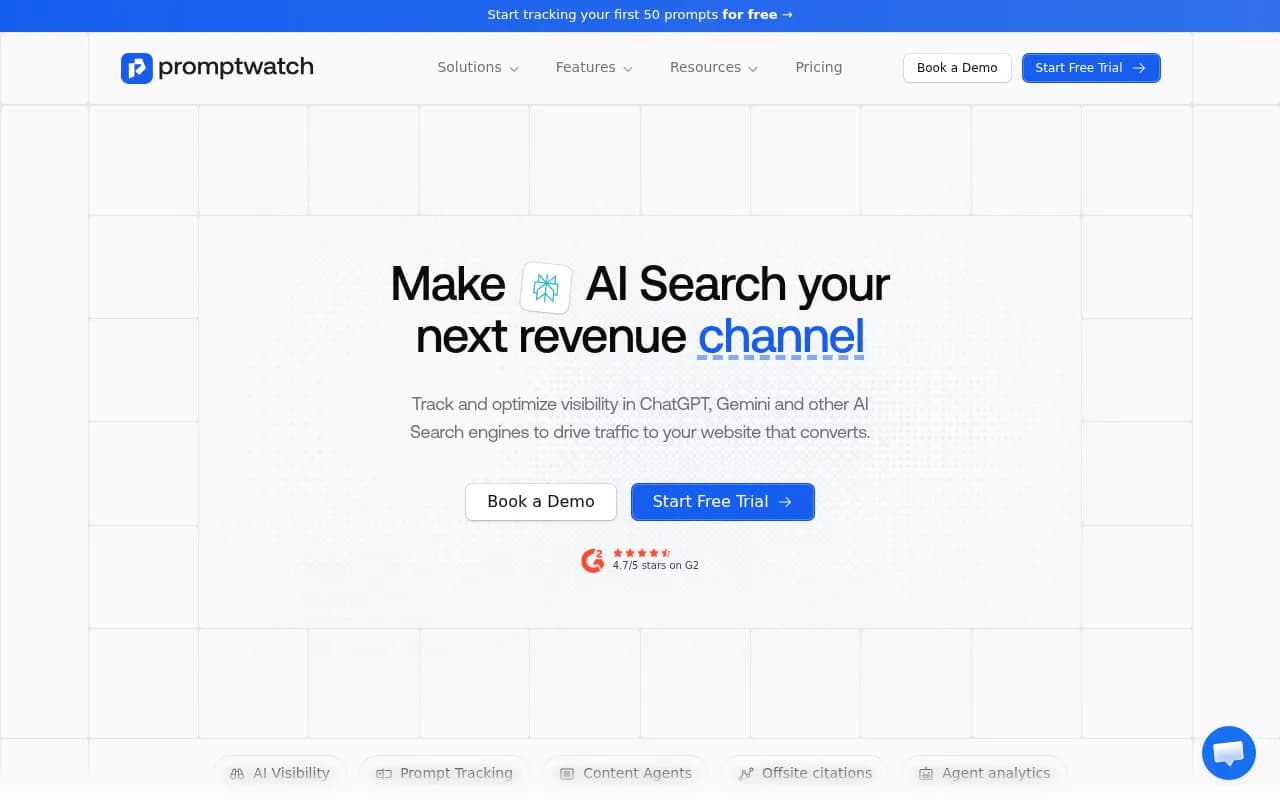
Tools like Promptwatch are built specifically for this -- tracking citations across AI search engines, showing which pages get crawled and cited, and surfacing the content gaps where competitors are getting cited but you're not.
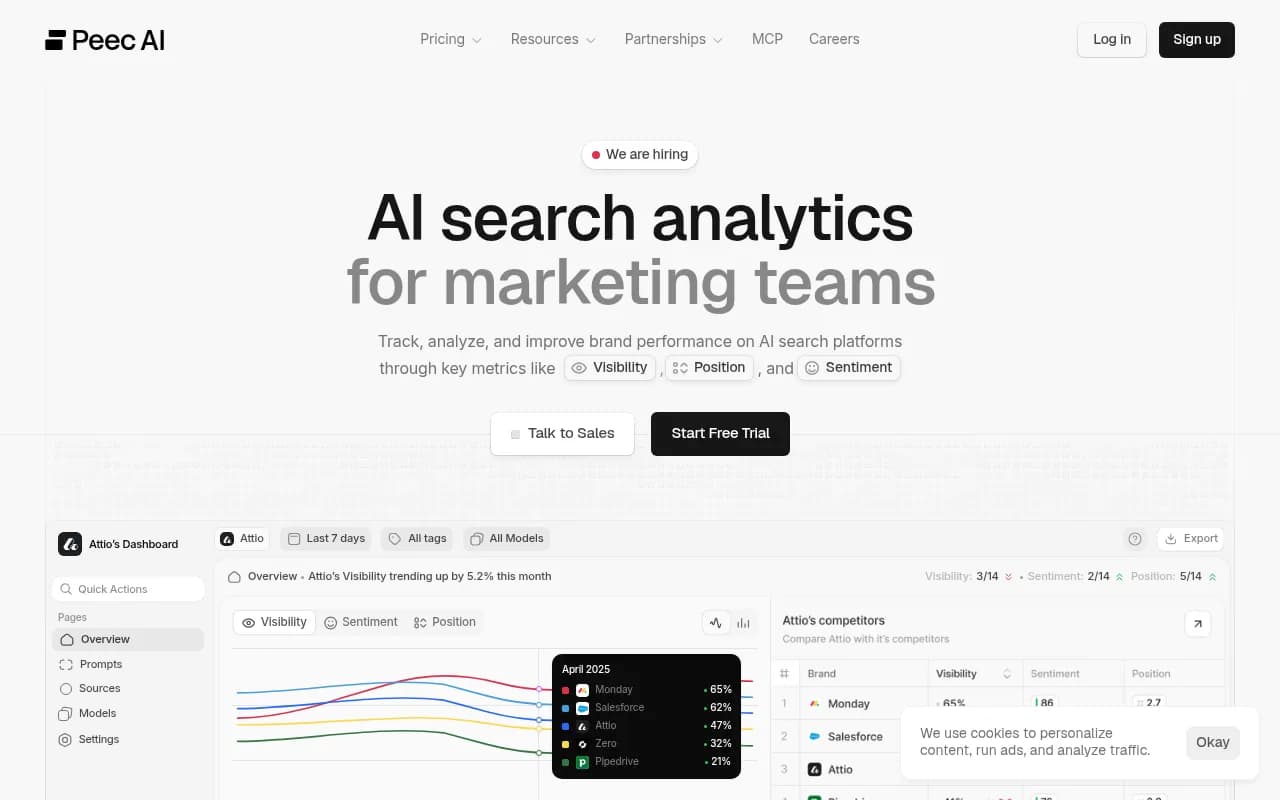
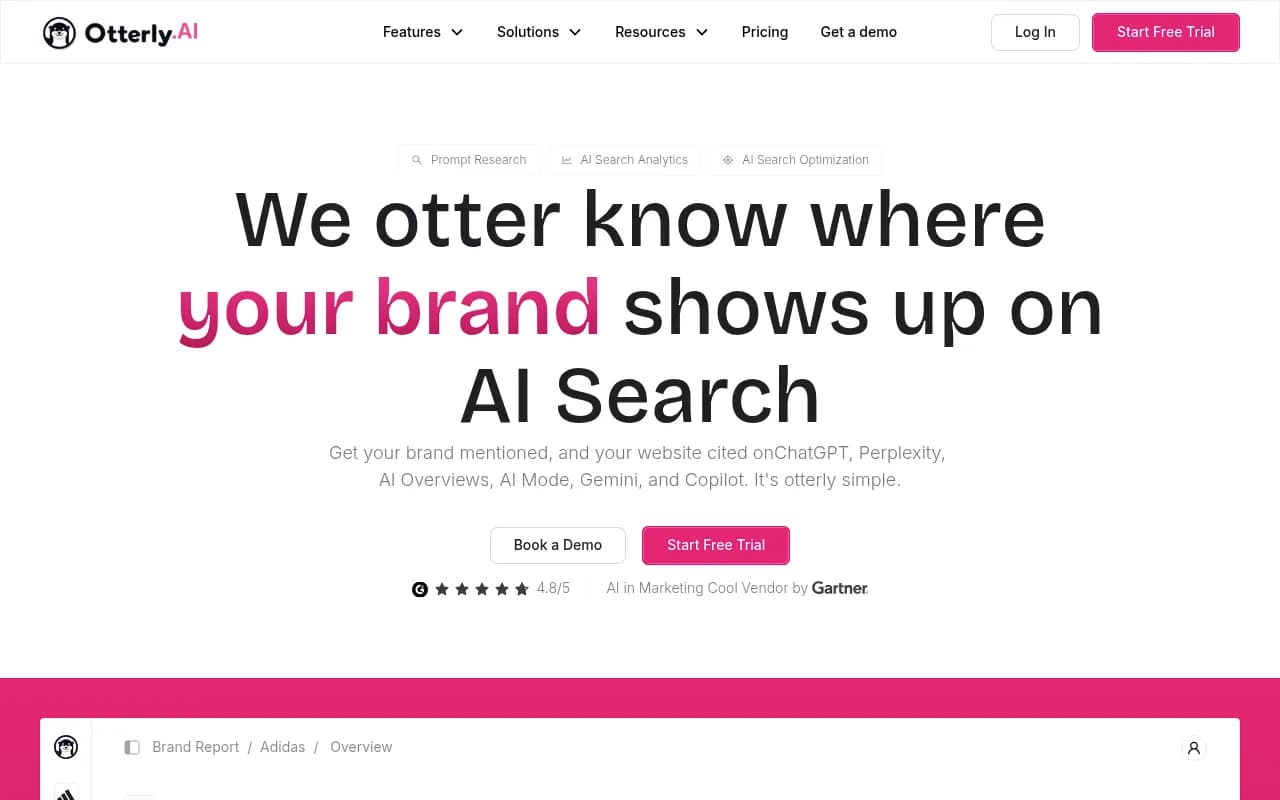
For basic monitoring, Peec AI and Otterly.AI are lighter-weight options worth knowing about.
The point isn't which tool you use -- it's that you're tracking this at all. Flying blind on AI visibility in 2026 is the equivalent of not checking your Google Search Console in 2015.
Putting the checklist together
Here's a quick reference table to prioritize your fixes by effort and impact:
| Fix | Effort | Impact | Where to start |
|---|---|---|---|
| Crawler access audit | Low | Very high | robots.txt + URL Inspection |
| FAQPage schema | Low | High | Top 10 pages |
| Page experience / Core Web Vitals | Medium | High | PageSpeed Insights |
| Question-based content structure | Medium | High | Highest-traffic pages |
| Structured data depth | Medium | High | Article + Author + Org schema |
| Content freshness refresh | Low | Medium | Pages 12+ months old |
| E-E-A-T signals | Medium | High | About page + author bios |
| Query fan-out content mapping | High | High | Core topic clusters |
| Google ecosystem presence | Low | Medium | GBP, YouTube, Merchant Center |
| Third-party mentions / Reddit | High | High | Brand audit first |
| Interactive / unsummarizable content | High | Medium | 1-2 key landing pages |
| AI visibility tracking | Low | Very high | Set up before anything else |
The honest truth is that most of these aren't exotic new tactics -- they're good SEO fundamentals applied to a new context. The pages that win in AI Mode are well-structured, technically clean, genuinely helpful, and credible. What's changed is the specificity required: vague, general content that used to rank on authority alone is getting passed over in favor of pages that directly answer the exact question being asked.
Start with the technical fixes (crawler access, schema, page speed) because they're the foundation. Then work on content structure and E-E-A-T. Then build the tracking infrastructure so you can actually see whether it's working.
The gap between brands that are visible in AI Mode and those that aren't is going to keep widening. The good news is that most of these fixes are achievable without a complete site overhaul -- they just require actually doing them.