Key takeaways
- ChatGPT shopping uses organic, AI-curated recommendations -- there are no paid placements (yet), so visibility is entirely earned
- The system pulls from product pages, reviews, Reddit discussions, editorial content, and structured data across the web
- Personalization plays a real role: ChatGPT uses memory and conversation context to tailor recommendations per user
- Brands that win here invest in comprehensive product information, authentic third-party mentions, and structured data
- Tracking your ChatGPT shopping visibility requires dedicated tooling -- standard Google Analytics won't show you this
When OpenAI launched shopping research in ChatGPT in late 2025, most brands barely noticed. That was a mistake. By mid-2026, hundreds of millions of people are using ChatGPT to research and compare products -- and the feature has quietly become one of the more consequential discovery channels for consumer brands.
The thing that makes it genuinely different from Google Shopping or Amazon isn't the interface. It's the logic underneath. ChatGPT doesn't rank products based on bids or keyword density. It synthesizes information from across the web and makes a judgment call. That changes almost everything about how brands need to think about visibility.
This guide explains how the system actually works, what signals it responds to, and what you can do about it.
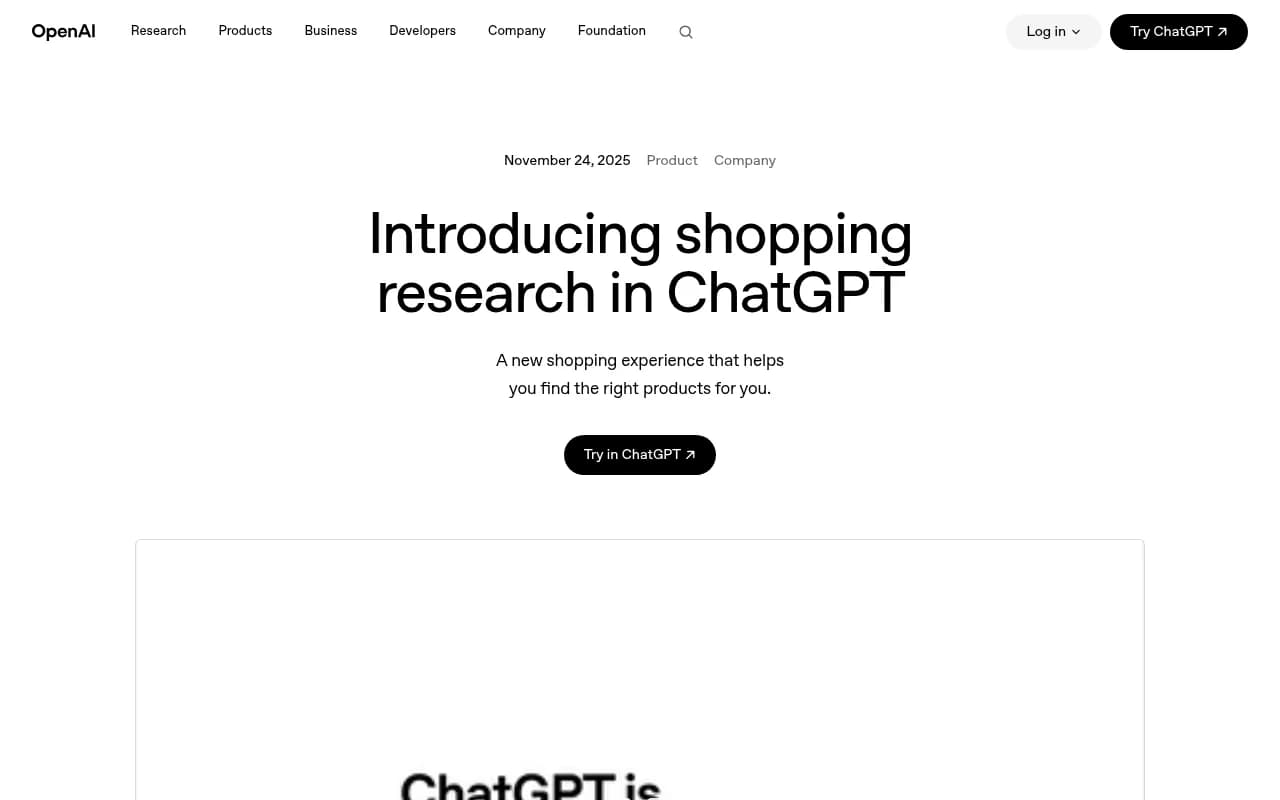
How ChatGPT shopping research actually works
The feature is called "shopping research" and it's available to free and paid ChatGPT users on mobile and web. When someone asks a shopping-oriented question -- "best standing desk for a small apartment under $400" or "help me find a gift for a 4-year-old who loves art" -- ChatGPT can trigger a deeper research mode.
Here's what happens under the hood:
- ChatGPT identifies the query as product-research intent
- It asks clarifying questions to narrow down constraints (budget, use case, preferences)
- It searches across the web, pulling from product pages, review sites, Reddit threads, editorial content, and other sources
- It synthesizes that information into a buyer's guide with specific product recommendations
- It presents a visual product carousel with buy links
The buy links go directly to retailers. According to research by Profound analyzing 22.5 million ChatGPT shopping interactions, Walmart leads in rank-1 buy link placements while Target leads in total presence -- and the carousel reshuffles on every request. That last part matters: there's no static ranking to "hold." Your visibility is probabilistic, not deterministic.
The role of personalization
ChatGPT uses memory -- both explicit (things you've told it) and implicit (patterns from past conversations) -- to personalize recommendations. If someone has previously mentioned they prefer sustainable brands or have a pet allergy, that context can influence what products get recommended to them.
This creates an interesting dynamic for brands. You can't optimize for "the user" in aggregate the way you can with Google. You're optimizing for the information ecosystem ChatGPT draws from, and then trusting that your product is genuinely a good fit for the people who end up seeing it.
No paid placements -- for now
OpenAI has been explicit that current shopping results are organic. There's no way to pay to appear in the carousel. This is both an opportunity (the playing field is relatively level) and a warning (it won't stay this way forever, and brands that build organic visibility now will have a head start when paid options arrive).
What signals ChatGPT actually uses
This is where it gets practical. ChatGPT doesn't have a public ranking algorithm, but based on what we know about how it sources information, a few signals clearly matter.
Product page quality and structured data
Your product pages need to be comprehensive. Not just a title, price, and a few bullet points -- ChatGPT is looking for detailed specifications, use cases, materials, dimensions, compatibility notes, and anything else that helps it answer a specific user question.
Structured data (schema markup) helps too. Product schema, review schema, and breadcrumb schema all make it easier for AI crawlers to parse what your page is about and what claims it's making. This isn't new SEO advice, but it matters more here because ChatGPT is trying to extract factual claims, not just match keywords.
Third-party mentions and reviews
ChatGPT doesn't just read your website. It reads everything written about your product. Review sites, comparison articles, Reddit threads, YouTube videos -- all of it feeds into the synthesis.
This means a brand with a mediocre product page but strong coverage on Wirecutter, a few well-ranked Reddit threads, and a handful of honest YouTube reviews will often outperform a brand with a beautiful product page and no external mentions.
Reddit is particularly influential. Multiple sources have noted that ChatGPT heavily weights Reddit discussions when forming product recommendations, especially for categories where community knowledge matters (outdoor gear, tech, beauty, kitchen equipment). An authentic presence in relevant subreddits -- not spam, actual participation -- pays dividends here.
Brand authority and entity recognition
ChatGPT has a model of the world built from its training data. Brands that appear frequently and consistently across authoritative sources are more likely to be recommended, because the model has more confidence in them.
This is sometimes called "entity recognition" -- the AI knows what your brand is, what category it belongs to, and what it's known for. Brands that are well-represented in training data and in live web crawls have a structural advantage.
Content that answers specific questions
ChatGPT shopping research is triggered by specific, constrained queries. "Best vacuum for pet hair under $200" is more specific than "best vacuum." The brands that show up are the ones whose content -- whether on their own site or on third-party sites -- directly answers those constrained questions.
This means creating content that addresses real buyer questions at a granular level. Comparison guides, use-case-specific landing pages, FAQ content, and detailed how-to articles all help. The goal is to be the source ChatGPT finds when it's looking for an answer to a specific question.
What this means for different types of brands
Large brands with existing authority
If you're already well-covered by major review sites and have strong structured data, you're probably already appearing in some ChatGPT shopping results. The priority here is monitoring -- understanding which prompts you're showing up for, which competitors are appearing instead of you, and where the gaps are.
Mid-size and smaller brands
This is actually where the opportunity is most interesting. ChatGPT doesn't automatically defer to the biggest brands the way Google sometimes does. A smaller brand with excellent product information, genuine community presence, and strong third-party coverage can absolutely appear alongside or instead of major players.
The LinkedIn post from Samanyou Garg (founder of a GEO-focused company) put it well: "Smaller brands can absolutely break through -- if they understand how AI actually sources recommendations."
DTC brands
Direct-to-consumer brands have a specific challenge: they often lack the retail distribution that generates third-party coverage. If you're only sold on your own site, you need to work harder on editorial coverage, review site placements, and community presence to build the external signal that ChatGPT responds to.
What to actually do about it
Audit your product information
Go through your top product pages and ask: if ChatGPT were trying to answer "best [product category] for [specific use case]," does this page give it enough to work with? If the answer is no, fill the gaps. Add specifications, use cases, comparison information, and answers to common buyer questions.
Build structured data properly
Implement Product schema on all product pages. Include price, availability, reviews, and ratings where possible. Use BreadcrumbList schema to help AI crawlers understand your site structure. This isn't glamorous work, but it's foundational.
Invest in authentic third-party coverage
Reach out to relevant review sites and publications. Engage genuinely in Reddit communities where your product category is discussed. Create content that's worth linking to. None of this is new advice -- it's just that the payoff now extends beyond Google rankings to AI recommendation systems.
Create question-specific content
Map out the specific questions buyers ask when researching your product category. Then create content that directly answers those questions -- on your site and by contributing to external conversations. The more specifically your content answers a real buyer question, the more useful it is to ChatGPT's synthesis process.
Track your ChatGPT shopping visibility
This is the part most brands are skipping entirely, and it's a real problem. You can't improve what you can't measure.
Standard analytics tools don't track ChatGPT referrals in any meaningful way. You need dedicated tooling that monitors which prompts trigger your brand to appear, how often you show up in shopping carousels, and how that changes over time.
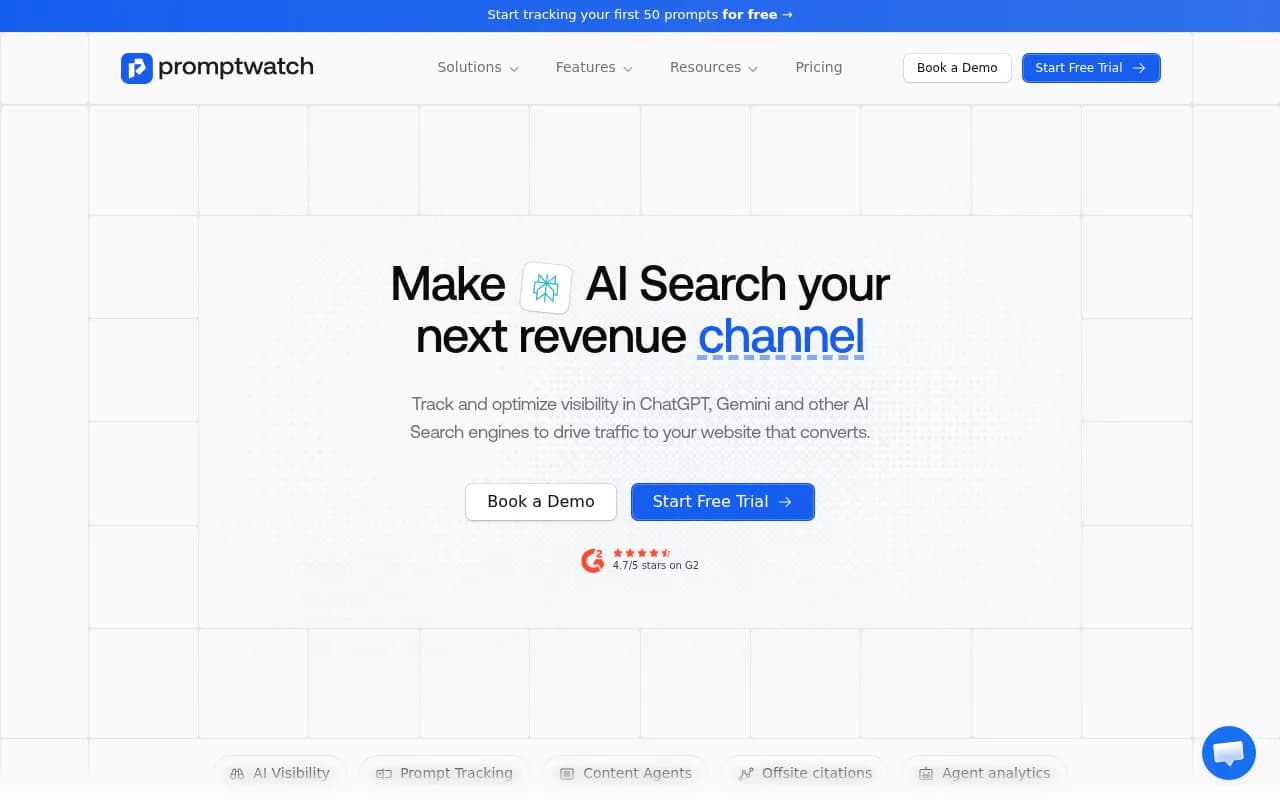
Promptwatch has specific ChatGPT Shopping tracking that monitors when your brand appears in product recommendations and shopping carousels -- including which prompts trigger appearances and how your visibility compares to competitors. It also tracks AI crawler activity on your site, so you can see when ChatGPT's crawlers are reading your product pages and whether they're encountering any errors.
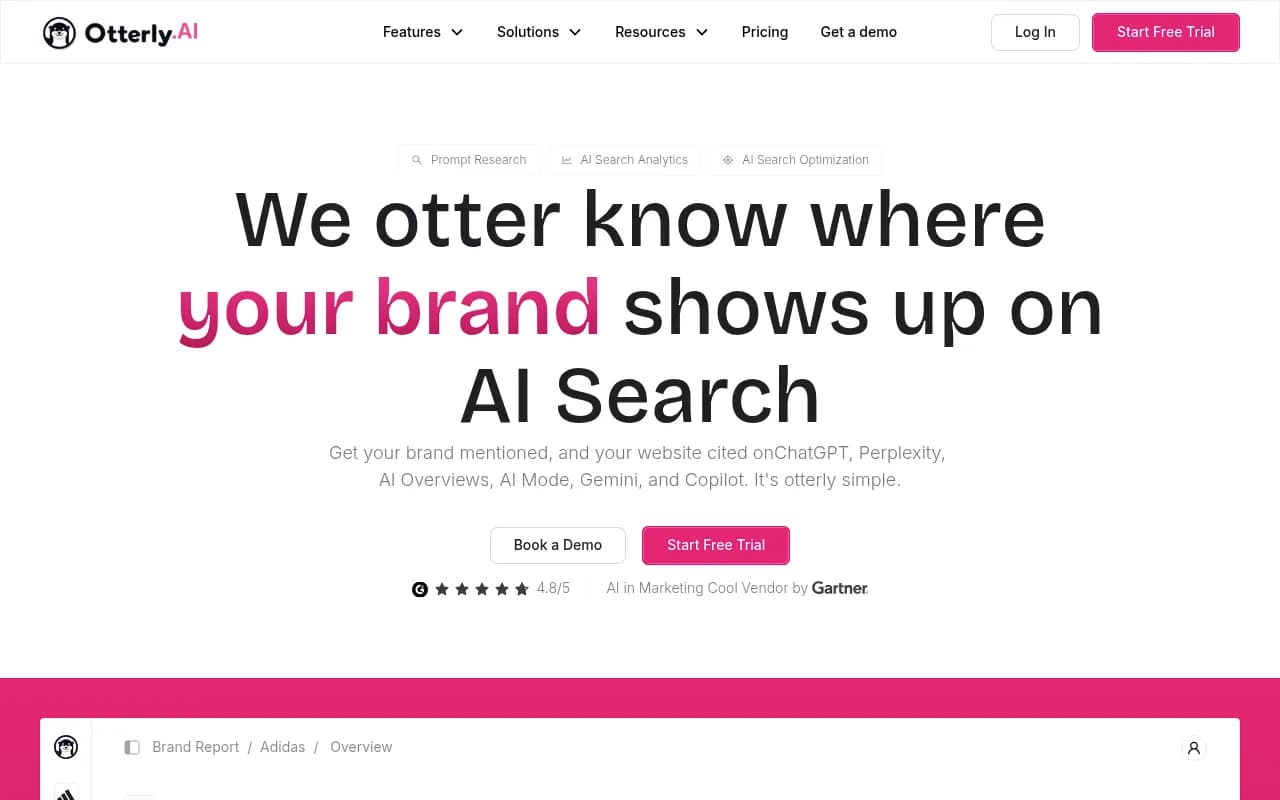
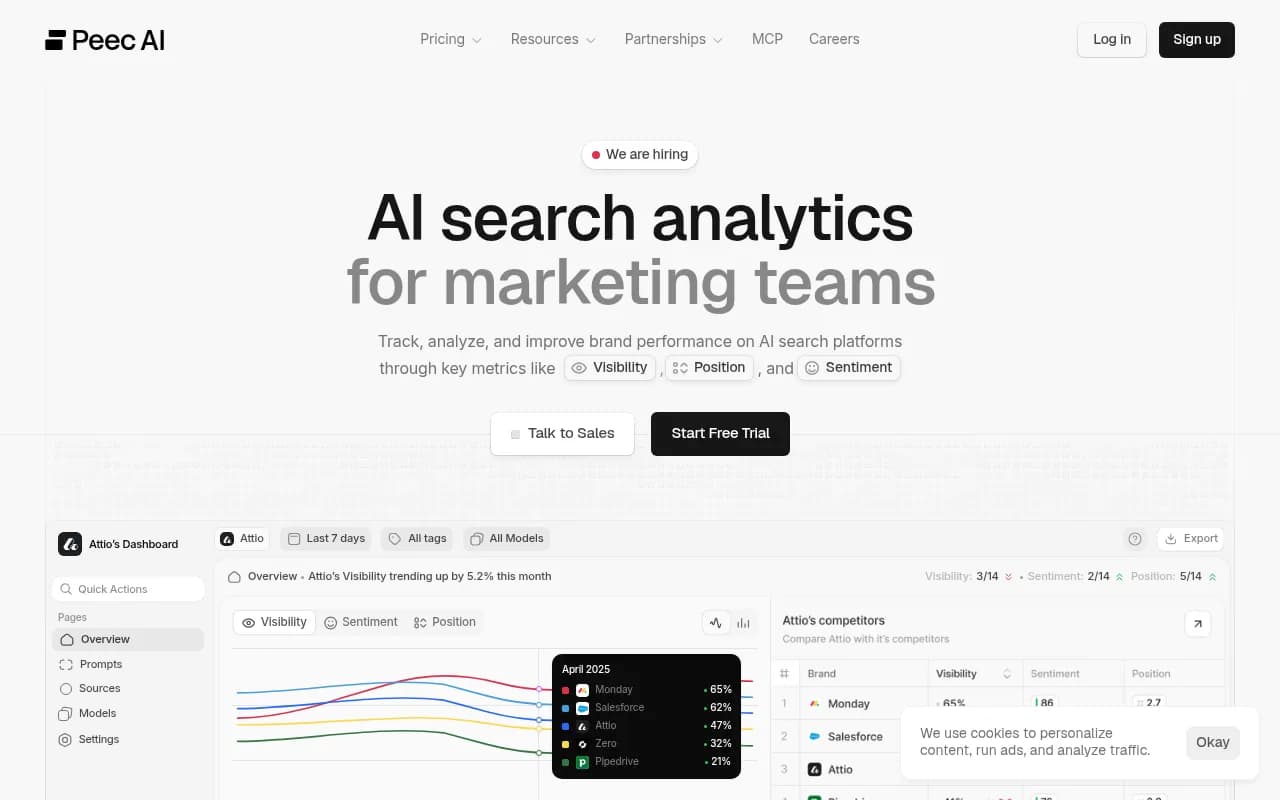
For brands that want to start with something simpler, tools like Otterly.AI or Peec AI offer basic AI brand monitoring that can at least tell you whether you're appearing in AI responses at all.
A comparison of approaches to ChatGPT shopping visibility
| Approach | Effort | Time to see results | Durability |
|---|---|---|---|
| Improve product page structured data | Low-medium | 4-8 weeks | High |
| Build Reddit/community presence | Medium | 8-16 weeks | High |
| Earn editorial review coverage | Medium-high | 8-20 weeks | High |
| Create question-specific content | Medium | 6-12 weeks | High |
| Monitor and track visibility | Low (ongoing) | Immediate | Ongoing |
| Wait for paid placement options | None | Unknown | Low |
The table makes something clear: there's no shortcut here. ChatGPT shopping visibility is earned through the same fundamentals that have always driven good marketing -- genuine product quality, comprehensive information, and authentic third-party validation. The difference is that the payoff now extends to a channel that's growing fast.
What's coming next
OpenAI has signaled that paid placements will eventually come to ChatGPT shopping. When that happens, the brands that have already built organic visibility will be in a much stronger position -- they'll understand the channel, have established presence, and won't be starting from zero.
The other thing to watch is personalization. As ChatGPT memory becomes more sophisticated, recommendations will become increasingly tailored to individual users. This makes broad brand awareness less important and specific product-fit signals more important. Brands that clearly communicate who their product is for -- and who it isn't for -- will be better positioned as personalization deepens.
The carousel also reshuffles on every request, which means there's no single "position 1" to capture. Visibility is probabilistic. The goal isn't to rank first; it's to be in the pool of credible options that ChatGPT draws from when the right query comes in.
The bottom line
ChatGPT shopping isn't a future concern -- it's a present one. Hundreds of millions of people are already using it to research products, and the brands showing up are the ones that have invested in comprehensive product information, genuine community presence, and strong third-party coverage.
The good news is that the fundamentals aren't mysterious. Good product pages, real reviews, authentic community engagement, and structured data all matter. The new part is monitoring -- understanding whether any of it is actually working in this channel -- and that requires dedicated tooling rather than hoping Google Analytics tells you something useful.
Start with an audit of your top product pages, get structured data in place, and set up some form of AI visibility tracking. The brands that treat this seriously now will have a meaningful head start when the channel matures.