Key takeaways
- Sites with properly implemented product schema get cited in AI responses 3.2x more often than those without, based on an analysis of 73 websites across industries.
- The core schema types that matter for AI shopping are
Product,Offer,AggregateRating, andOrganization-- each serves a distinct purpose in how AI models interpret your catalog. - AI shopping assistants like ChatGPT's shopping feature and Google's AI Mode pull structured data directly from your pages, not just your product feeds.
- Keeping schema accurate and up-to-date (especially price and availability) is as important as having it at all -- stale data actively hurts your visibility.
- Tracking which AI models are citing your product pages, and which aren't, is the only way to know if your schema work is actually paying off.
If you sell products online and you haven't touched your product schema since 2023, you're probably invisible to a growing slice of shopping traffic. Not partially invisible -- completely absent from the AI-generated responses that are now the first thing millions of shoppers see.
That's not hyperbole. An analysis of 73 websites found that pages with properly implemented structured data were cited in AI responses 3.2 times more often than comparable pages without it. The gap is real and it's widening.
This guide walks through exactly what to implement, how to do it, and how to verify it's working.
Why product schema matters differently in 2026
Schema markup has always helped with Google rich results -- those star ratings and price snippets you see in traditional search. That's still true. But the reason to care about it now is different.
AI shopping assistants -- ChatGPT's shopping feature, Google's AI Mode, Perplexity's product cards -- don't browse your site the way a human does. They're reading structured signals. When a user asks "what's the best waterproof hiking boot under $150?", the AI isn't skimming your product description copy. It's looking for machine-readable data: price, availability, ratings, brand, product type.
If that data isn't structured, the AI either guesses (badly) or skips your product entirely.
There's also a newer dynamic worth understanding. In 2026, AI agents are increasingly involved in the full purchase flow, not just discovery. Protocols like OpenAI's ACP (used for ChatGPT instant checkout) and Google's UCP (Universal Commerce Protocol for AI agents) rely on clean, structured product data to complete transactions. Schema is the foundation that makes your products legible to these systems.
The four schema types that drive AI shopping visibility
Product schema
This is the base layer. Product schema tells AI models what your item actually is -- its name, description, brand, SKU, images, and product identifiers like GTIN or MPN.
The fields AI models pay most attention to:
name-- be specific, not clever. "Men's Waterproof Trail Runner, Size 10" beats "Adventure Awaits"description-- write for comprehension, not conversion. AI models use this to match products to queries.brand-- useOrganizationorBrandsub-schema, not just a plain stringimage-- multiple high-quality images improve citation likelihoodsku,gtin13,mpn-- product identifiers help AI models disambiguate between similar products
Here's a minimal but correct Product schema in JSON-LD:
{
  "@context": "https://schema.org",
  "@type": "Product",
  "name": "Men's Waterproof Trail Runner",
  "description": "Lightweight waterproof trail running shoe with Vibram outsole, suitable for wet terrain and temperatures above 0°C.",
  "brand": {
    "@type": "Brand",
    "name": "TrailCo"
  },
  "sku": "TCO-TR-M-10",
  "gtin13": "0123456789012",
  "image": [
    "https://example.com/images/trail-runner-front.jpg",
    "https://example.com/images/trail-runner-side.jpg"
  ]
}
Offer schema
Offer is nested inside Product and carries the commercial data: price, currency, availability, and condition. This is what AI shopping assistants use to filter by price range and stock status.
The most common mistake here is stale data. If your schema says a product is InStock when it's actually backordered, AI models that surface it will create a bad experience -- and some models are starting to penalize sources that consistently return inaccurate availability data.
Key fields:
priceandpriceCurrency-- always include currencyavailability-- use the full schema.org URL:https://schema.org/InStock, not just "InStock"priceValidUntil-- helps AI models know when to re-checkurl-- the direct product page URL
"offers": {
  "@type": "Offer",
  "price": "129.99",
  "priceCurrency": "USD",
  "availability": "https://schema.org/InStock",
  "priceValidUntil": "2026-12-31",
  "url": "https://example.com/products/trail-runner-mens"
}
AggregateRating schema
Star ratings are one of the strongest signals AI shopping assistants use to rank and recommend products. AggregateRating tells the model how many people reviewed your product and what the average score was.
Don't fabricate this data. AI models cross-reference ratings against other sources, and inconsistencies damage your credibility as a citation source.
"aggregateRating": {
  "@type": "AggregateRating",
  "ratingValue": "4.6",
  "reviewCount": "284",
  "bestRating": "5",
  "worstRating": "1"
}
Organization schema
This one gets overlooked by most e-commerce teams, but it matters. Organization schema establishes your brand as a known entity. AI platforms use it to connect your products back to your company, confirm you're a legitimate source, and build a trust signal that makes citations more likely.
Put this on your homepage and key landing pages:
{
  "@context": "https://schema.org",
  "@type": "Organization",
  "name": "TrailCo",
  "url": "https://example.com",
  "logo": "https://example.com/logo.png",
  "sameAs": [
    "https://www.instagram.com/trailco",
    "https://www.linkedin.com/company/trailco"
  ]
}
The sameAs property is particularly useful -- it links your schema entity to your social profiles, helping AI models confirm your brand identity across the web.
Putting it all together: a complete product page schema
Here's what a fully assembled product schema looks like. This is what you should be aiming for on every product page:
{
  "@context": "https://schema.org",
  "@type": "Product",
  "name": "Men's Waterproof Trail Runner",
  "description": "Lightweight waterproof trail running shoe with Vibram outsole. Suitable for wet terrain and temperatures above 0°C. Available in sizes 7-14.",
  "brand": {
    "@type": "Brand",
    "name": "TrailCo"
  },
  "sku": "TCO-TR-M-10",
  "gtin13": "0123456789012",
  "image": [
    "https://example.com/images/trail-runner-front.jpg",
    "https://example.com/images/trail-runner-side.jpg",
    "https://example.com/images/trail-runner-sole.jpg"
  ],
  "offers": {
    "@type": "Offer",
    "price": "129.99",
    "priceCurrency": "USD",
    "availability": "https://schema.org/InStock",
    "priceValidUntil": "2026-12-31",
    "url": "https://example.com/products/trail-runner-mens",
    "seller": {
      "@type": "Organization",
      "name": "TrailCo"
    }
  },
  "aggregateRating": {
    "@type": "AggregateRating",
    "ratingValue": "4.6",
    "reviewCount": "284",
    "bestRating": "5",
    "worstRating": "1"
  }
}
Embed this as a <script type="application/ld+json"> block in the <head> of each product page. JSON-LD is the preferred format -- it keeps your schema separate from your HTML, which makes it easier to maintain and less prone to breaking during site updates.
Common implementation mistakes
Inconsistent prices
If your schema says $129.99 but your page shows $119.99 (because of a sale), Google's Rich Results Test will flag it, and AI models will distrust your data. Keep schema prices in sync with your actual displayed prices, ideally dynamically.
Missing or vague descriptions
"Premium quality product with excellent features" tells an AI model nothing. Descriptions should include material, use case, key specifications, and anything a shopper would actually ask about. Think about the questions your product answers, then make sure the description answers them.
Using Microdata instead of JSON-LD
Microdata (inline HTML attributes) still works technically, but it's harder to maintain and more likely to break during template changes. JSON-LD is the standard Google and most AI crawlers prefer.
Not validating after deployment
Always run your pages through Google's Rich Results Test after implementing or updating schema. Errors in your JSON-LD (missing commas, unclosed brackets) silently break the whole block.
Category pages without schema
Most teams implement product schema on product detail pages and stop there. But category pages -- "Women's Running Shoes", "Waterproof Hiking Gear" -- can also carry ItemList schema that helps AI models understand your catalog structure and surface your pages for broader queries.
Schema for AI shopping agents specifically
The rise of AI shopping agents in 2026 adds a layer beyond standard schema. ChatGPT's shopping feature (powered by the ACP protocol) and Google's AI Mode (using UCP) both use structured product data, but they also benefit from a few additional signals:
Review schema with individual reviews: Beyond AggregateRating, including individual Review objects with specific text helps AI models quote real customer opinions in their responses. This is a meaningful differentiator.
Shipping and return details: OfferShippingDetails and return policy schema are increasingly used by AI agents to answer "does this ship to [location]?" and "what's the return policy?" queries. These are common pre-purchase questions that AI assistants now handle directly.
Product variants: If you sell the same product in multiple colors or sizes, use hasVariant to link variant pages together. AI models can then surface the right variant for a specific query ("blue, size 10") rather than just the generic product.
How to verify your schema is working
Implementation is step one. Knowing whether it's actually influencing AI citations is step two -- and most teams skip it entirely.
The basic checks:
- Google's Rich Results Test (search.google.com/test/rich-results) -- validates your JSON-LD and shows which rich result types you're eligible for
- Schema Markup Validator (validator.schema.org) -- catches structural errors
- Google Search Console's "Shopping" and "Products" enhancement reports -- shows how many of your product pages have valid schema and flags errors
But these tools only tell you about Google. They don't tell you whether ChatGPT is citing your product pages, whether Perplexity is including you in shopping responses, or whether your schema changes are actually moving the needle on AI visibility.
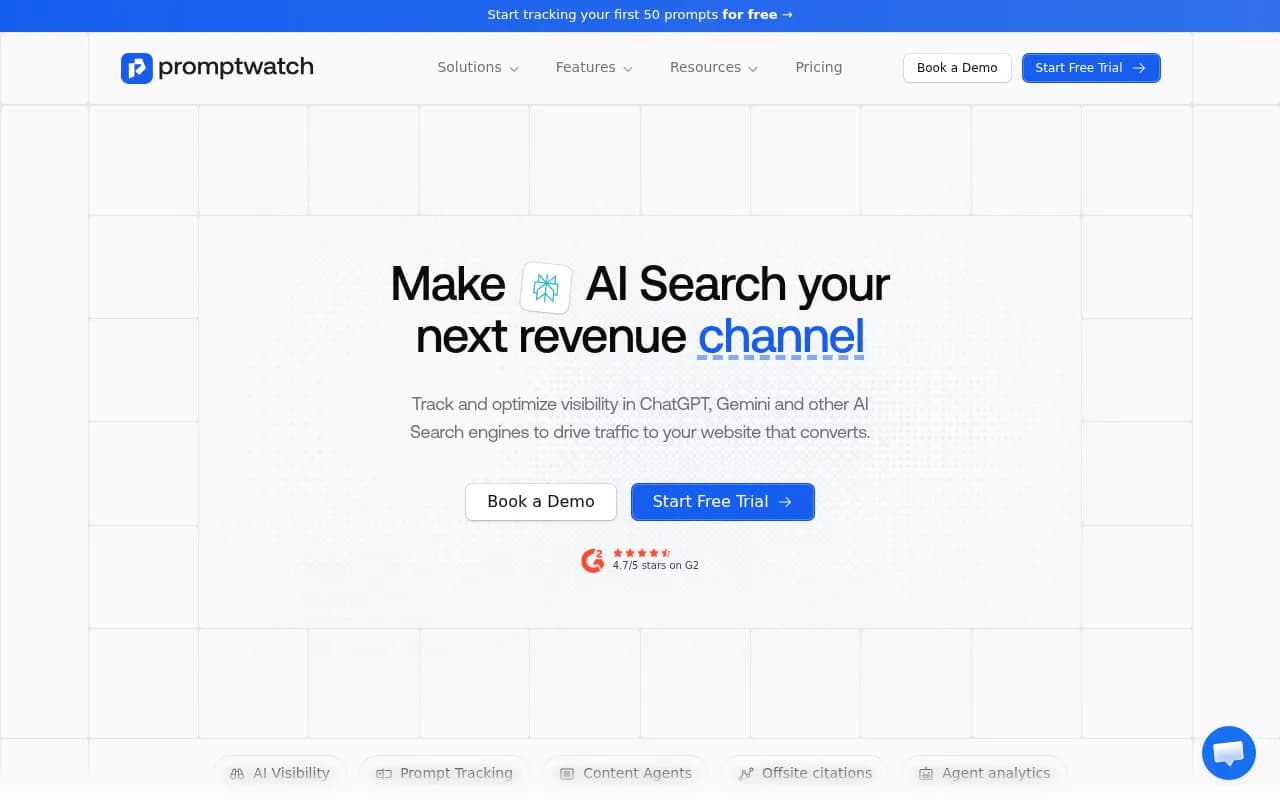
For that, you need to track AI citations directly. Promptwatch does this at the page level -- you can see which of your product pages are being cited by which AI models, how citation frequency changes over time, and whether updates to your schema correlate with visibility improvements.
That kind of feedback loop is what separates teams that are guessing from teams that are actually optimizing.
Comparison: schema implementation approaches
| Approach | Effort | AI visibility impact | Best for |
|---|---|---|---|
| Manual JSON-LD per page | High | High (if done correctly) | Small catalogs, custom sites |
| CMS plugin (Yoast, RankMath, etc.) | Low | Medium (limited customization) | WordPress stores |
| E-commerce platform built-in (Shopify, WooCommerce) | Very low | Medium (often incomplete) | Standard product catalogs |
| Dynamic schema via data layer | Medium | High (stays in sync with inventory) | Large catalogs, frequent price changes |
| Schema App or similar managed service | Medium | High | Teams without developer resources |
For most e-commerce teams, the practical answer is: start with whatever your platform generates, then audit it against the fields listed in this guide and fill the gaps manually or via a plugin. The platform-generated schema is usually missing AggregateRating, OfferShippingDetails, and Organization -- those are the first things to add.
Tracking AI shopping visibility over time
Schema implementation is not a one-time task. Prices change. Products go out of stock. New variants get added. Each of these changes needs to be reflected in your schema, and each schema update is an opportunity to either gain or lose AI visibility.
The teams seeing the biggest gains from schema work in 2026 are the ones treating it as an ongoing process: audit quarterly, update dynamically where possible, and track citation changes after every significant update.
Tools that can help you monitor the broader AI visibility picture alongside your schema work:
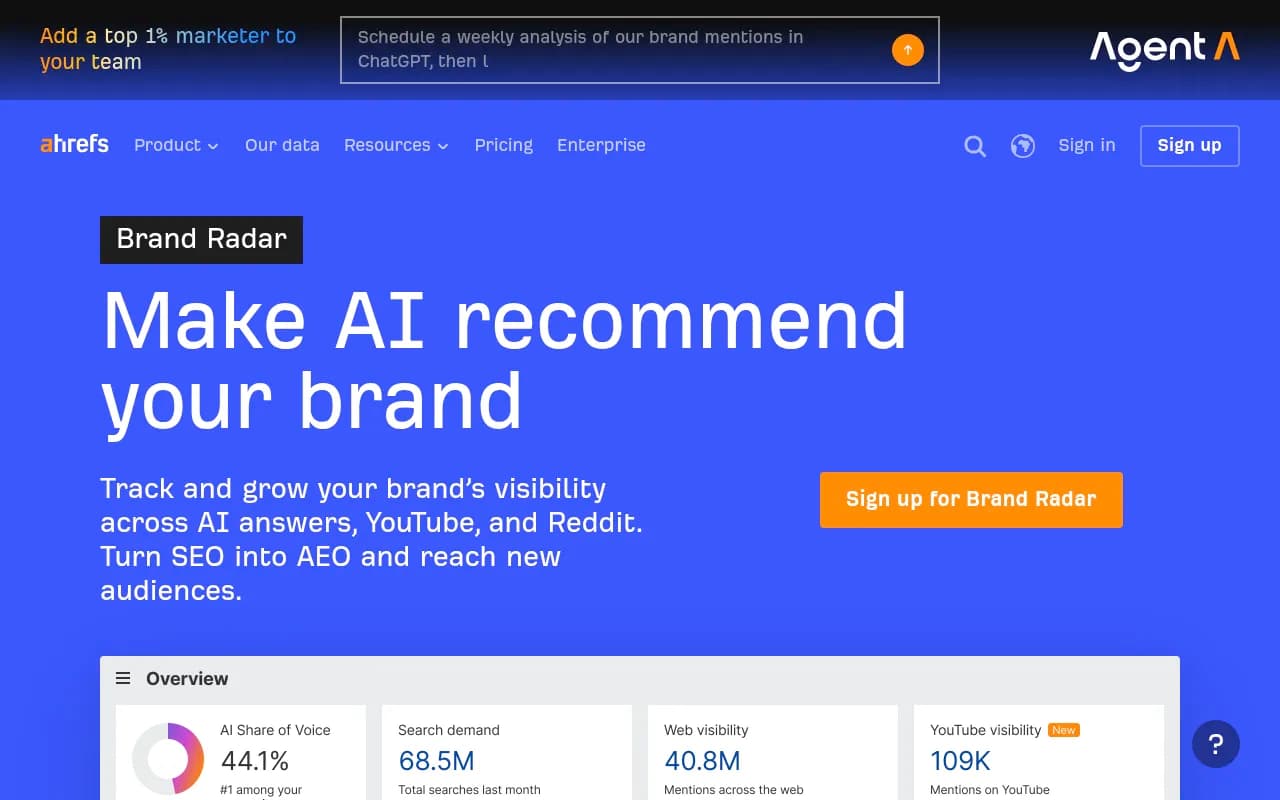
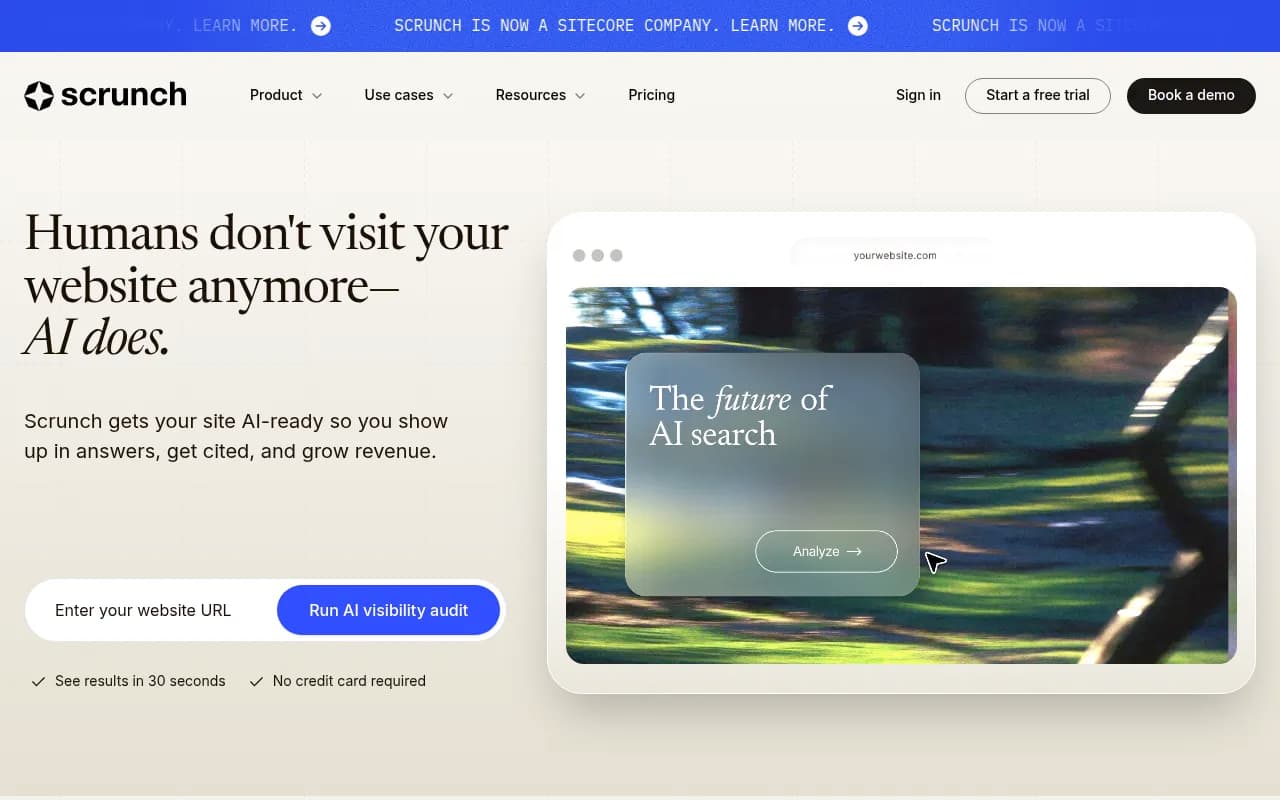
These give you a view of how your brand and products are appearing across AI models -- useful context for understanding whether your schema improvements are translating into actual citations.
A practical implementation checklist
Before you ship any product page, run through this:
Productschema present with name, description, brand, SKU, and at least one GTIN/MPNOffernested insideProductwith price, currency, availability (using full schema.org URL), and priceValidUntilAggregateRatingpresent if you have reviews (don't add it if you have zero reviews)Organizationschema on homepage withsameAslinks to social profiles- JSON-LD format, embedded in
<head>asapplication/ld+json - Validated with Google's Rich Results Test -- zero errors
- Price in schema matches price displayed on page
- Availability in schema matches actual stock status
That's the baseline. Once you have it in place consistently across your catalog, the next step is tracking whether AI models are actually picking it up -- and iterating from there.
The sites winning AI shopping visibility in 2026 aren't doing anything exotic. They're just doing the basics correctly and consistently, while most of their competitors are still treating schema as an afterthought.