Key takeaways
- Several major LLMs now surface product recommendations natively, but they work very differently from each other -- some pull live inventory, others rely on training data and citations
- ChatGPT's shopping feature is the most commercially mature, with product carousels, affiliate links, and brand entity tracking
- Perplexity and Google AI Overviews are the most citation-heavy, meaning your content and third-party mentions directly influence whether you appear
- Being "AI-ready" in 2026 means more than having a product feed -- it means structured data, trustworthy content signals, and visibility on the sources LLMs actually cite
- Tracking which LLMs recommend your products (and which don't) is now a real marketing discipline, not a future concern
The shift nobody fully planned for
A year ago, most ecommerce teams were still treating AI search as a "watch this space" topic. Now it's a revenue question. Shoppers are asking ChatGPT which running shoes to buy, asking Perplexity to compare mattress brands, and getting product suggestions from Google's AI Mode before they ever see a traditional search result.
The problem is that each LLM handles shopping recommendations differently. Some pull from live product feeds. Some rely on what they've been trained on. Some cite Reddit threads and review sites as their primary sources. If you're a brand trying to show up in these recommendations, the strategy isn't one-size-fits-all -- and most teams don't yet have a clear picture of how each platform actually works.
This guide breaks it down model by model, then covers what it means practically for brands and retailers.
How LLMs approach shopping: the basic mechanics
Before getting into individual platforms, it helps to understand the two fundamentally different ways LLMs surface product recommendations.
The first is retrieval-augmented generation (RAG), where the model pulls live data -- product listings, prices, reviews -- from external sources at query time. The second is parametric knowledge, where the model recommends based on what it learned during training, which can be months out of date.
Most major LLMs now use some combination of both. But the balance varies a lot, and that balance determines what you need to do to appear in recommendations.
There's also a third factor: citation behavior. Some LLMs are heavily citation-driven -- they pull from specific web pages and show their sources. Others synthesize without citing. For brands, citation-heavy models are both more transparent and more gameable (in the legitimate sense -- you can influence what they cite by publishing the right content in the right places).
ChatGPT (OpenAI)
ChatGPT is the most commercially developed shopping experience among the major LLMs. OpenAI launched product carousels in ChatGPT in 2024, and by 2026 the feature has matured into something that looks more like a shopping channel than a chatbot.
When a user asks a shopping question, ChatGPT can surface product cards with images, prices, retailer links, and ratings. These results are powered by a combination of Bing's product index, affiliate partnerships, and OpenAI's own data agreements. Crucially, they're not organic in the traditional SEO sense -- they're influenced by whether your products are indexed in the underlying feed and whether your brand has strong entity recognition in OpenAI's training data.
What makes ChatGPT's shopping behavior distinct:
- Product carousels appear for transactional queries ("best wireless headphones under $100") but not always for informational ones
- Results can vary significantly by geography -- US users see a much richer shopping experience than most other markets
- Brand entity strength matters: if ChatGPT "knows" your brand well from training data, it's more likely to mention you even outside of carousel results
- The model sometimes cites review articles and listicles as supporting context alongside product cards
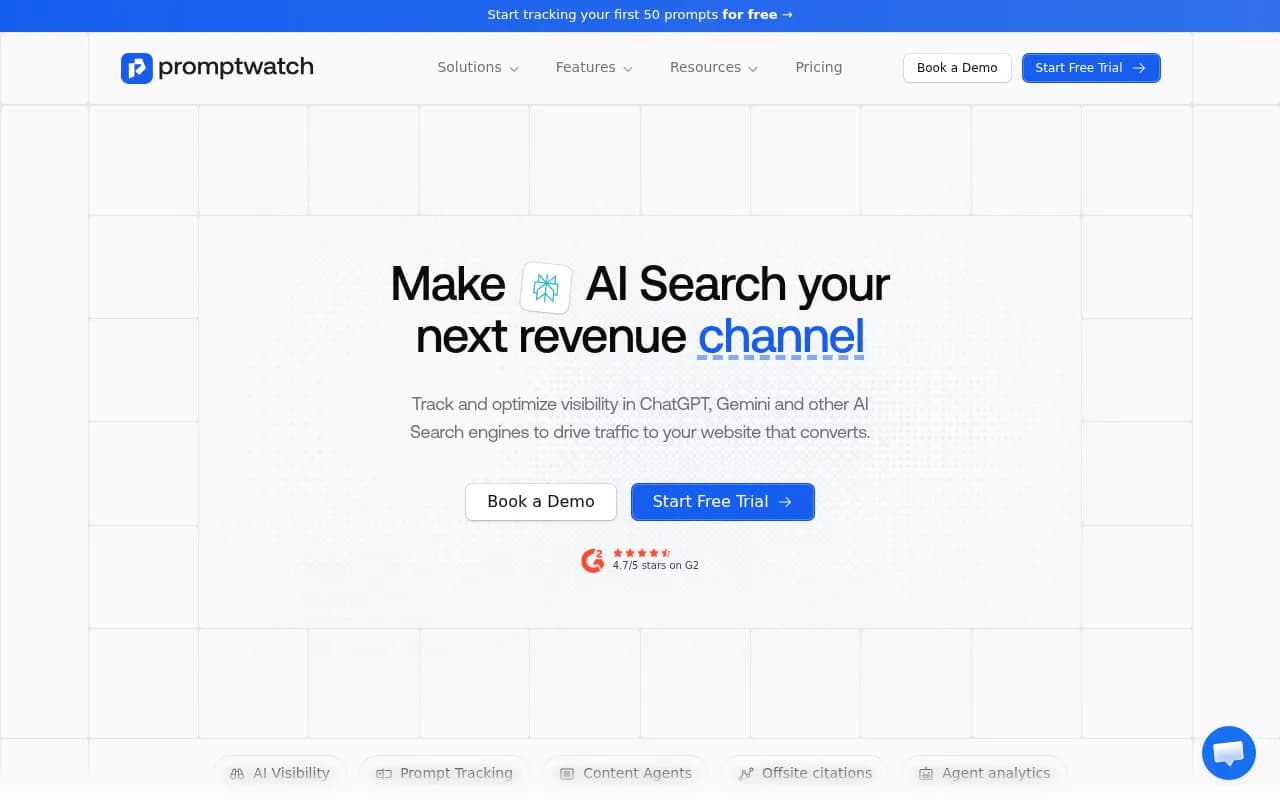
For brands, ChatGPT Shopping is the closest analog to paid/organic search in the AI world. Promptwatch specifically tracks ChatGPT Shopping appearances and entity mentions, which is useful if you want to know whether your brand is showing up in these carousels and how often.
Perplexity
Perplexity is citation-first by design. Every answer links to sources, and shopping recommendations are no different. When a user asks for product recommendations, Perplexity pulls from review sites, brand pages, Reddit threads, YouTube videos, and news articles -- then synthesizes a recommendation with visible citations.
This makes Perplexity the most "SEO-adjacent" of the major LLMs. If your brand is mentioned in the sources Perplexity trusts, you'll appear. If you're not, you won't -- regardless of how good your product actually is.
A few things that stand out about Perplexity's shopping behavior:
- It heavily weights authoritative third-party sources: Wirecutter, RTINGS, Tom's Guide, Reddit's product communities
- Brand-owned content can appear, but only if it's genuinely informative (comparison pages, buying guides) rather than promotional
- Perplexity has a "Shop" mode that integrates with product feeds more directly, but organic citation results still dominate most shopping queries
- It's one of the few models that explicitly shows you why it recommended something, which makes it easier to reverse-engineer
For brands selling in categories with active Reddit communities or established review sites, Perplexity is often the highest-priority LLM to optimize for. Getting mentioned on Wirecutter or appearing in a well-cited Reddit thread can translate directly into Perplexity recommendations.
Google AI Overviews and Google AI Mode
Google's AI shopping behavior is the most complex because it sits on top of the world's largest product index (Google Shopping) while also drawing from organic search results and the Knowledge Graph.
AI Overviews (the summary boxes that appear above search results) can include product recommendations, but they tend to appear for research-phase queries rather than direct purchase intent. Google AI Mode, the more conversational interface, goes further -- it can walk users through a multi-turn shopping conversation, compare products, and link to both organic results and Shopping listings.
What's different about Google's approach:
- Google Shopping feed data directly influences AI Mode recommendations -- if your product feed is clean and well-structured, you have a real advantage
- AI Overviews cite specific web pages, so traditional SEO signals (authority, relevance, structured data) still matter
- Google's entity understanding is the deepest of any platform -- it has years of brand, product, and review data to draw from
- Local inventory and availability can factor in, which no other LLM currently does at scale
The practical implication: Google AI is the one place where your existing SEO and Shopping feed work carries over most directly. But the AI layer adds new requirements around content depth and structured data that pure keyword optimization doesn't cover.
Claude (Anthropic)
Claude is the most cautious of the major LLMs when it comes to shopping recommendations. Anthropic has been deliberate about not building a commercial shopping layer into Claude, which means it doesn't surface product carousels or affiliate links.
What Claude does instead: it gives thoughtful, research-style recommendations based on its training data and (in the web-connected version) live search results. It tends to recommend categories and criteria rather than specific SKUs, and it's more likely to say "look for a product with X, Y, Z features" than "buy this specific thing."
For brands, this means Claude is less of a direct conversion driver and more of a brand awareness channel. If Claude mentions your brand as an example of a category leader, that's valuable -- but it's harder to track and harder to influence than ChatGPT's carousels or Perplexity's citations.
Claude's shopping behavior in practice:
- Favors well-known brands with strong reputations in training data
- Less likely to cite specific retailers or prices
- More likely to appear in consideration-phase queries than purchase-intent queries
- Web-connected Claude (via Claude.ai) will pull current sources, but the experience is less structured than Perplexity
Gemini (Google DeepMind)
Gemini's shopping behavior is closely tied to Google's ecosystem, but it behaves differently from AI Overviews and AI Mode. As a standalone assistant (via Gemini.google.com or the mobile app), Gemini can pull from Google Shopping, Google's Knowledge Graph, and live web results.
The interesting thing about Gemini is its multimodal capability -- users can upload a photo of a product they like and ask Gemini to find similar items. This visual shopping use case is genuinely new and doesn't have a direct equivalent in other LLMs.
Key characteristics:
- Deep integration with Google Shopping means product availability and pricing can be current
- Visual search capability sets it apart for fashion, home decor, and other visually-driven categories
- Gemini tends to be more direct about product recommendations than Claude but less citation-heavy than Perplexity
- Google account integration means it can theoretically personalize based on past searches and purchases (though this varies by user settings)
Perplexity vs. ChatGPT vs. Google: a practical comparison
| Feature | ChatGPT | Perplexity | Google AI Mode | Claude | Gemini |
|---|---|---|---|---|---|
| Product carousels | Yes (US-focused) | Limited | Yes (via Shopping) | No | Partial |
| Live pricing | Yes | Sometimes | Yes | No | Yes |
| Citation-driven | Partial | Yes (primary) | Yes | Partial | Partial |
| Affiliate/commercial links | Yes | Yes (Perplexity Shop) | Yes | No | Via Google |
| Visual/image search | No | No | Yes | No | Yes |
| Influenced by third-party reviews | Yes | Strongly | Yes | Yes | Yes |
| Influenced by Reddit/forums | Partial | Strongly | Partial | Partial | Partial |
| Brand entity tracking | Strong | Moderate | Very strong | Moderate | Strong |
| Geographic variation | High | Moderate | High | Low | High |
What actually triggers a shopping recommendation
Across all these platforms, a few factors consistently determine whether a brand gets recommended:
Entity recognition. LLMs need to "know" your brand exists and what category you're in. This comes from training data, which means press coverage, Wikipedia presence, and consistent brand mentions across the web all matter. A brand that's invisible in training data starts at a disadvantage regardless of product quality.
Third-party validation. Every major LLM weights third-party sources heavily. Review sites, comparison articles, Reddit discussions, and YouTube reviews are the raw material these models use to form opinions. If the sources LLMs trust don't mention you, you won't appear -- even if your own website is excellent.
Content that answers the question. LLMs are trying to answer a specific user question. If your content directly addresses the questions shoppers ask ("best for back pain," "most durable for outdoor use," "under $200"), you're more likely to be cited. Generic product descriptions don't help here.
Trust signals. Replen.it's research on LLM ranking for retailers found that models look for indicators a product is "safe to cite" -- clear return policies, visible contact details, legitimate shipping information. Thin or untrustworthy-looking sites get filtered out.
Structured data. Schema markup for products (price, availability, reviews, ratings) helps models parse your content accurately. Google AI Mode in particular benefits from clean product schema.
The channels LLMs actually cite (and what to do about it)
One of the more counterintuitive findings from 2026 GEO research: your own website is often not the primary source LLMs use to recommend your products. The sources that actually drive AI recommendations include:
- Established review publications (Wirecutter, RTINGS, PCMag, etc.)
- Reddit communities (r/BuyItForLife, r/headphones, r/running, category-specific subs)
- YouTube review channels with high authority
- Comparison and "best of" listicles from SEO-optimized blogs
- News coverage and press mentions
This means a brand's AI visibility strategy has to extend beyond its own site. Getting reviewed on the right platforms, being mentioned in the right Reddit threads, and earning coverage in publications that LLMs trust is now as important as on-site optimization.
Perplexity is the most transparent about this -- you can literally see which sources it's pulling from. But the same dynamic applies to ChatGPT and Google, just less visibly.
Tracking your AI shopping visibility
Most brands don't yet have a clear picture of where they appear (or don't appear) across these platforms. That's a gap that's getting more expensive to ignore as AI-driven shopping grows.
The monitoring challenge is real: you'd need to manually query each LLM across hundreds of relevant prompts, across multiple geographies, and track changes over time. That's not practical without tooling.
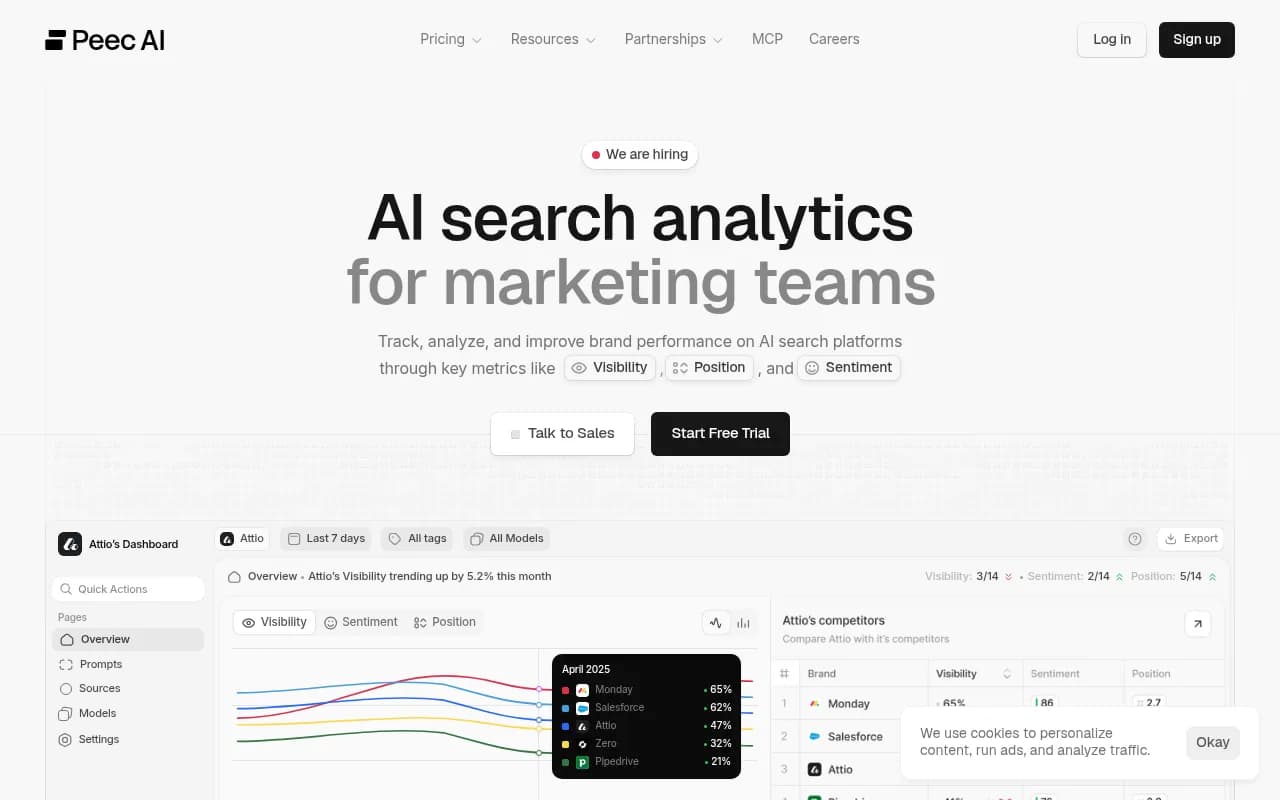
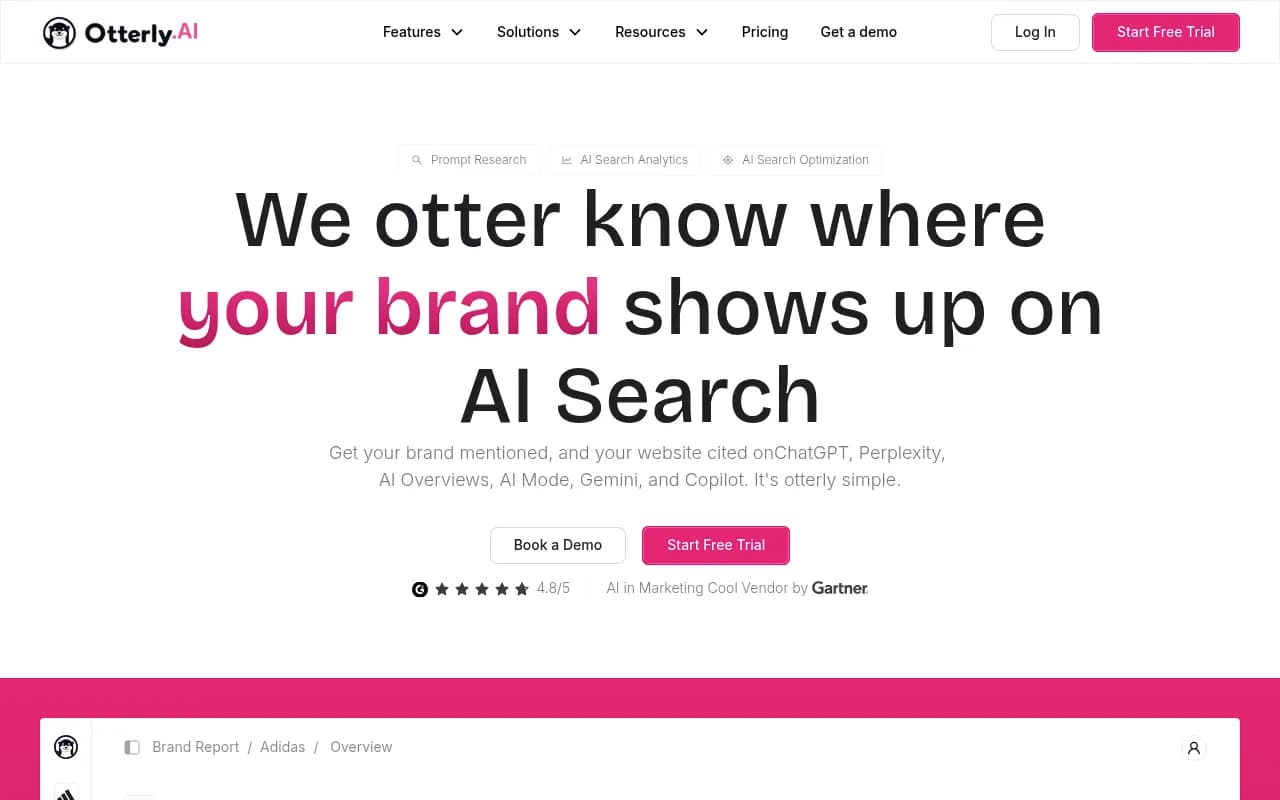
Platforms like Promptwatch track brand appearances across ChatGPT, Perplexity, Google AI Overviews, Gemini, and others -- including specific ChatGPT Shopping carousel appearances. For ecommerce brands, the ability to see which prompts trigger your competitors' recommendations but not yours is genuinely useful for prioritizing content and PR work.
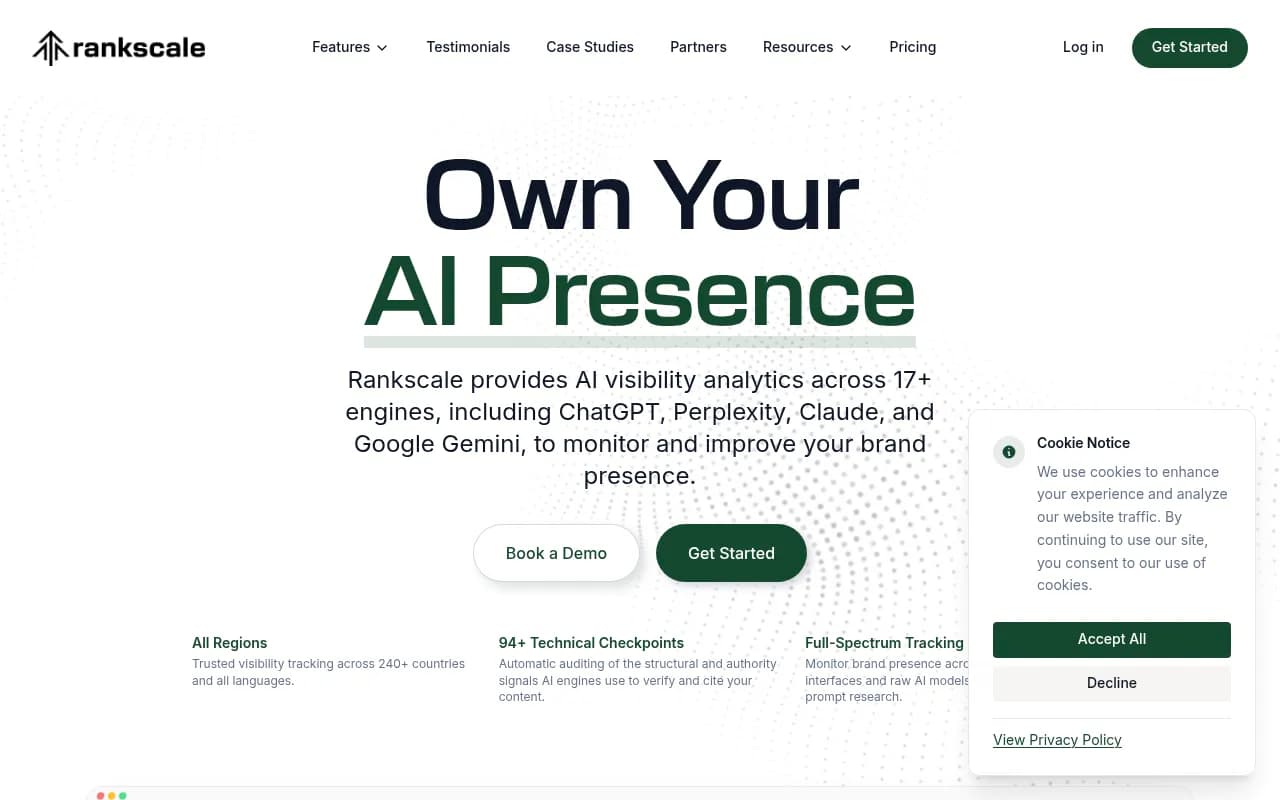
Other tools in this space worth knowing:
What this means for your strategy in 2026
The honest answer is that AI shopping recommendations are still maturing. ChatGPT's shopping feature has commercial momentum but limited geographic reach. Perplexity is influential but niche. Google AI Mode is powerful but tied to existing Google Shopping dynamics. Claude and Gemini are factors but not yet primary shopping destinations.
What's clear is the direction of travel. Conversational product discovery is growing, and the brands that build AI visibility now -- through structured data, third-party coverage, content that answers real questions, and active monitoring -- will have a meaningful head start over those waiting for the channel to fully mature.
The shift from "searchable" to "AI-recommended" isn't a future problem. For categories like consumer electronics, home goods, and apparel, it's already affecting purchase journeys today.
The practical starting point: pick the one or two LLMs most relevant to your category and your audience, understand what sources they cite, and build a presence in those sources. That's more tractable than trying to optimize for every platform at once -- and it's where the early wins are.