Key takeaways
- SEO and GEO optimize for different endpoints: search rankings vs. citations inside AI-generated answers
- The fundamentals (authoritative content, clear structure, trustworthy sources) still matter for both
- GEO adds new requirements: entity clarity, structured data, direct answers, and offsite presence
- You measure them differently -- rankings and traffic for SEO, citation rate and mention share for GEO
- Running both in parallel is the right move in 2026; dropping one for the other is a mistake
Why this question matters right now
A couple of years ago, "how do I rank on Google" was basically the whole question. Now it's more complicated. A growing share of search behavior has shifted to AI tools -- ChatGPT, Perplexity, Google's AI Mode, Claude -- where users ask questions and get synthesized answers instead of a list of blue links.
That shift has spawned a new discipline: Generative Engine Optimization, or GEO. And with it, a lot of confusion. Is GEO replacing SEO? Are they the same thing with different names? Do you need to throw out everything you know and start over?
The short answer: no to all three. But the longer answer is worth understanding, because the differences are real and they affect how you allocate your time.
What SEO actually optimizes for
Traditional SEO is about getting your pages to rank highly in search engine results pages (SERPs) -- primarily Google, which still handles the majority of search volume globally. When someone types a query, Google returns a ranked list of pages. SEO is the work of making your pages appear near the top of that list.
The mechanics involve:
- Keyword research to understand what people search for
- On-page optimization (titles, headers, meta descriptions, content relevance)
- Technical health (site speed, crawlability, Core Web Vitals)
- Backlinks from authoritative domains
- E-E-A-T signals (Experience, Expertise, Authoritativeness, Trustworthiness)
You measure SEO success with rankings, organic traffic, click-through rates, and conversions. The feedback loop is relatively clear: rank higher, get more clicks.
What GEO actually optimizes for
GEO is about getting your brand, content, or website cited inside AI-generated answers. When someone asks ChatGPT "what's the best project management tool for remote teams?" or asks Perplexity "how do I reduce churn for a SaaS product?", the AI synthesizes an answer from sources it has learned from or can access. GEO is the work of making sure your content is one of those sources.
The goal isn't a ranking position -- it's inclusion. Either you appear in the answer or you don't.
What drives inclusion:
- Clear entity definition (does the AI "know" who you are and what you do?)
- Structured, direct answers to specific questions
- Authoritative, well-cited content that AI models trust
- Mentions across third-party sources (review sites, Reddit, YouTube, industry publications)
- Schema markup and structured data that helps AI parse your content
- Consistent brand signals across the web
You measure GEO success differently: citation rate (how often you appear in AI answers), mention share (your share vs. competitors), which models cite you, and eventually, traffic from AI referrals.
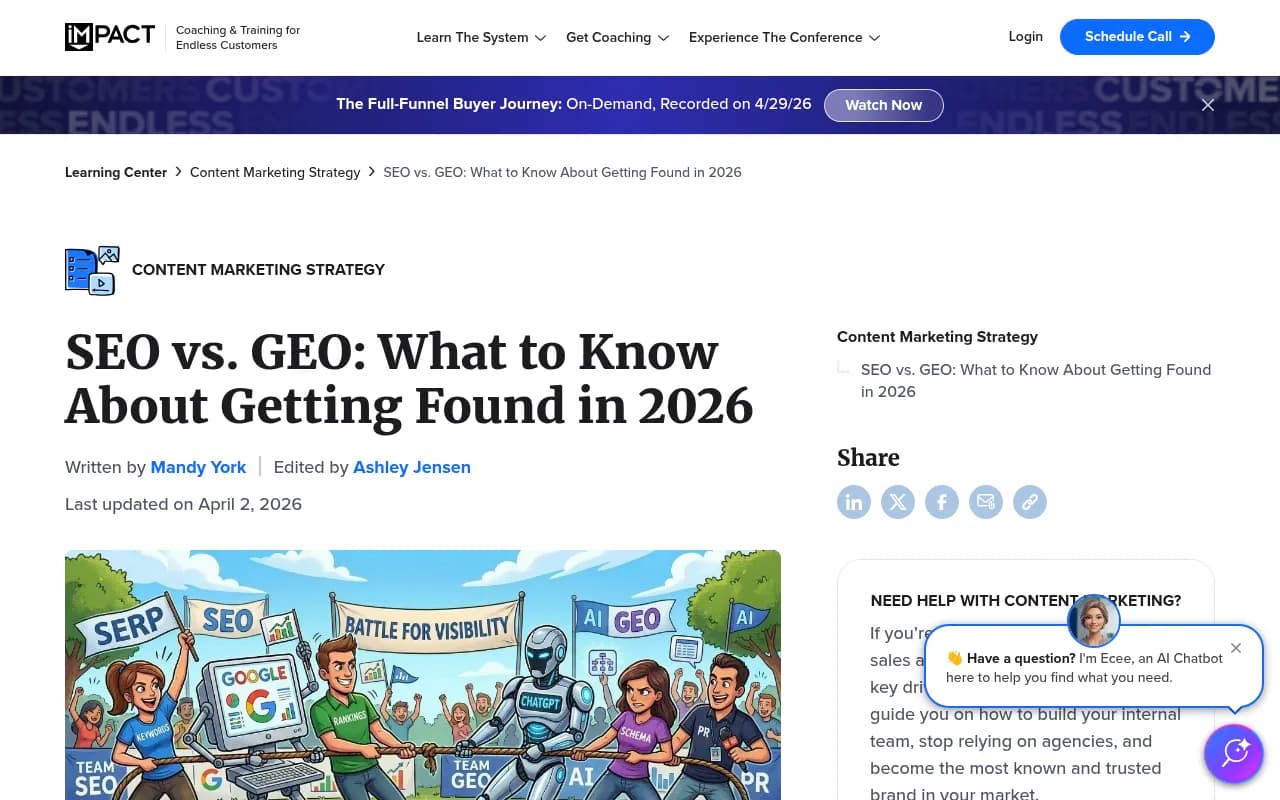
The real differences, side by side
| Dimension | SEO | GEO |
|---|---|---|
| Target platform | Google (primarily) | ChatGPT, Perplexity, Gemini, Claude, AI Overviews, etc. |
| Success metric | Rankings, organic traffic | Citation rate, mention share, AI referral traffic |
| Output format | Ranked list of links | Synthesized prose answer with cited sources |
| User behavior | Click to visit a page | Read the answer in-place (may or may not click) |
| Key signals | Backlinks, keywords, technical health | Entity clarity, structured answers, offsite mentions |
| Feedback loop | Rankings update regularly | Citation tracking requires specialized tools |
| Content style | Optimized for relevance and depth | Optimized for direct, citable answers |
| Measurement tools | Google Search Console, Ahrefs, Semrush | GEO platforms like Promptwatch, Peec AI, Otterly.AI |
What still applies from SEO
This is where a lot of the confusion comes from. GEO isn't a clean break from SEO -- it's built on the same foundation. If your SEO is weak, your GEO will struggle too.
Here's what carries over directly:
Content quality. AI models are trained on and retrieve high-quality, authoritative content. Thin, keyword-stuffed pages don't get cited any more than they rank well. The bar is actually higher for GEO because AI models are synthesizing answers, not just returning links -- they need content that's genuinely useful and accurate.
E-E-A-T. Google's framework for evaluating trustworthiness maps almost directly onto what AI models look for. Demonstrated expertise, real author credentials, accurate information, and external validation all matter.
Technical accessibility. If your site is slow, poorly structured, or blocks crawlers, neither Google nor AI crawlers will index it properly. Clean HTML, fast load times, and proper robots.txt configuration still matter.
Backlinks and authority. Domain authority built through legitimate link acquisition still signals trustworthiness to AI models. A well-linked page is more likely to be cited.
Structured data. Schema markup was already good SEO practice. For GEO, it's even more valuable because it helps AI models understand exactly what your content is about.
What's genuinely new with GEO
Some things don't carry over from traditional SEO, or need to be approached differently.
Entity clarity
AI models build a knowledge graph of entities -- brands, people, products, concepts. If your brand isn't clearly defined as an entity (consistent name, description, category, and associations across your site and the web), AI models may not "know" who you are. This goes beyond keywords. You need your About page, your schema markup, your Wikipedia presence (if applicable), and your third-party mentions to all tell a consistent story.
Offsite presence matters more
In traditional SEO, backlinks matter but the primary focus is your own site. In GEO, what other sources say about you is often more important than what you say about yourself. AI models frequently cite Reddit threads, YouTube videos, review sites, and industry publications. If you're not mentioned in those places, you're invisible to AI -- even if your own site is excellent.
Direct, structured answers
AI models are looking for content that directly answers questions. Long-form content that buries the answer in paragraph five doesn't work as well as content that leads with a clear, direct response. Think FAQ sections, definition blocks, and structured "how to" content. The format matters.
Citation diversity across models
Different AI models have different training data and retrieval behaviors. Being visible on ChatGPT doesn't guarantee you're visible on Perplexity or in Google's AI Overviews. GEO requires monitoring across multiple models and understanding which ones your audience actually uses.
The measurement gap
SEO has mature tooling. Google Search Console, Ahrefs, Semrush -- you can track rankings and traffic with precision. GEO measurement is newer and more complex. You need tools that actually query AI models, track citation rates, and connect AI mentions to traffic. That's a different category of tooling entirely.
The measurement problem (and how to solve it)
This is probably the most underappreciated challenge in GEO right now. You can't measure AI visibility with traditional SEO tools. Google Search Console doesn't tell you if ChatGPT cited your page. Ahrefs doesn't show you your mention share across Perplexity responses.
To actually track GEO performance, you need:
- A tool that queries AI models with relevant prompts and records whether you appear
- Citation tracking across multiple models (not just one)
- Traffic attribution that connects AI referrals to actual visits and conversions
- Competitor comparison so you know your relative position
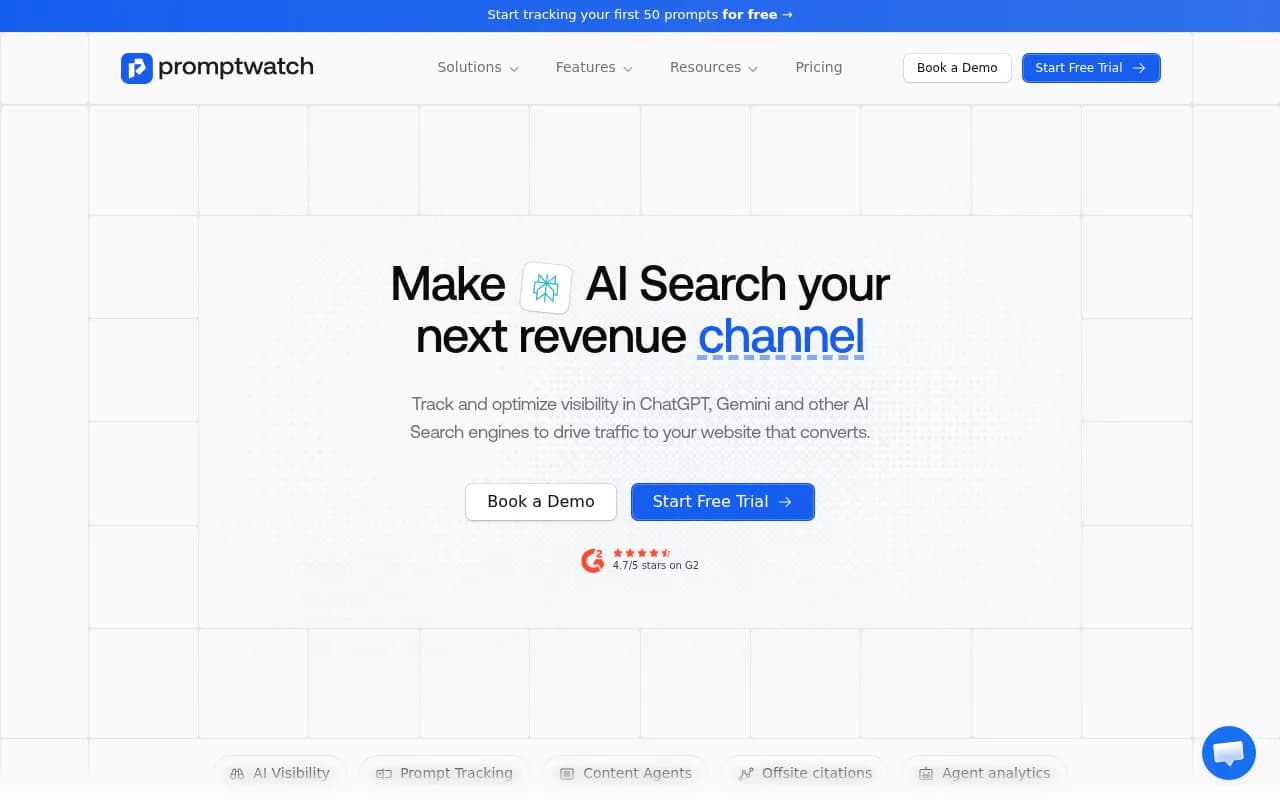
Promptwatch is one of the more complete platforms for this -- it tracks citations across 10+ AI models, shows you which prompts you're visible for vs. competitors, and connects visibility to traffic. It also has crawler logs that show when AI agents are actually visiting your pages, which is useful for diagnosing why certain content isn't getting cited.
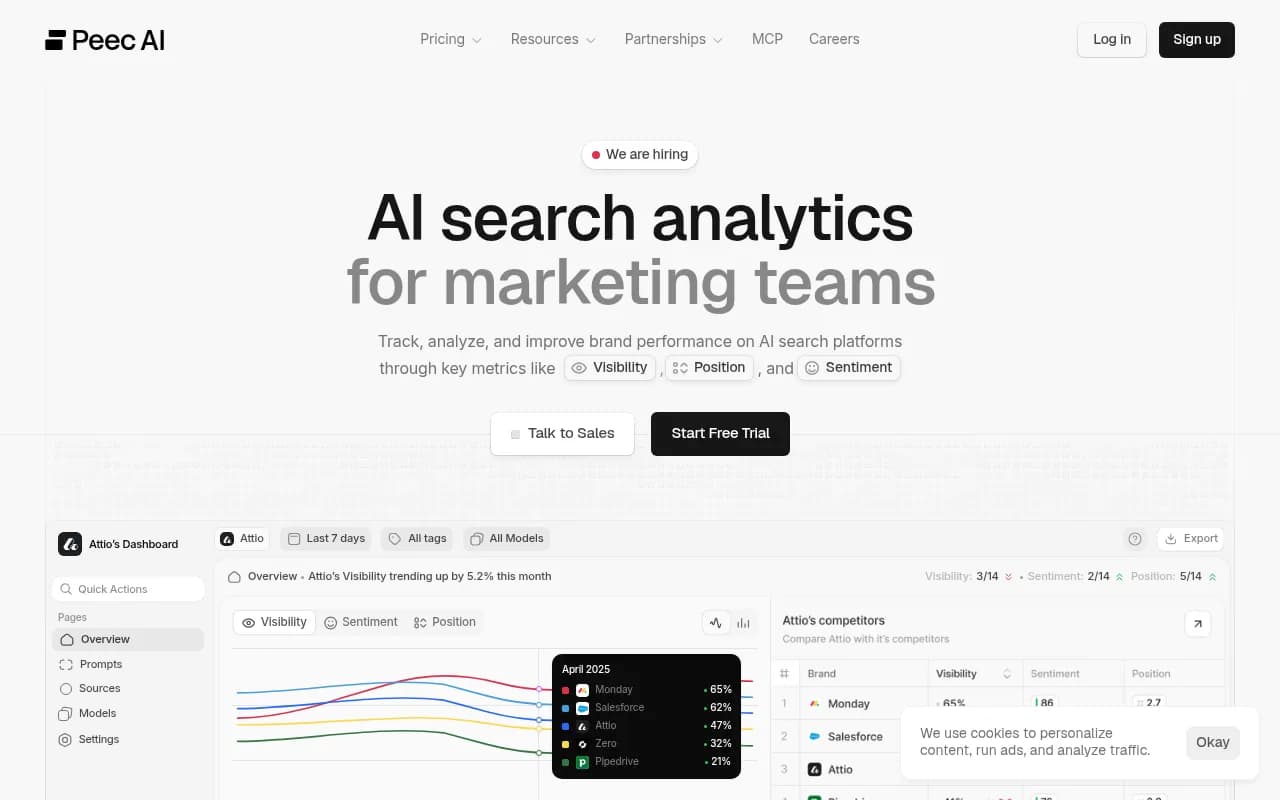
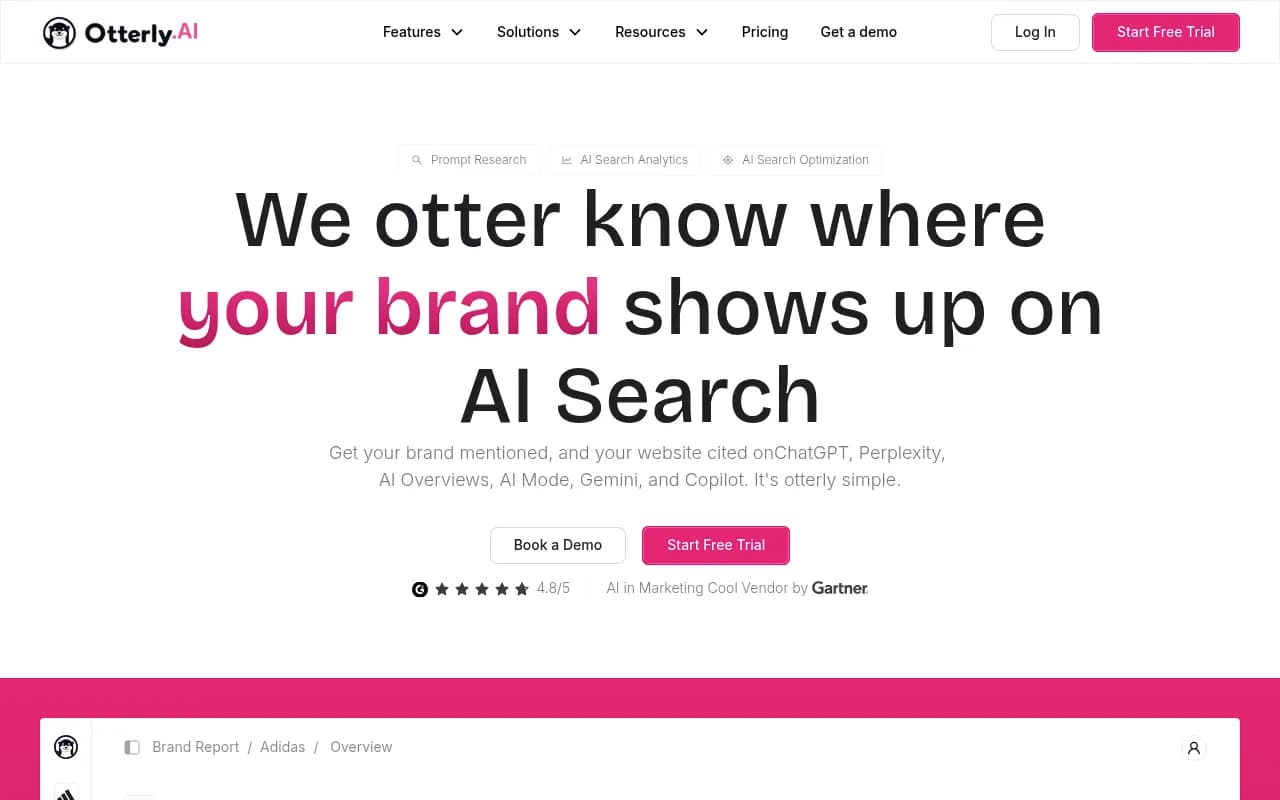
For simpler monitoring needs, tools like Peec AI and Otterly.AI cover the basics at lower price points.
And if you're coming from a traditional SEO background and want a platform that handles both, Search Atlas bridges the two disciplines reasonably well.
Common mistakes when making the transition
Abandoning SEO entirely. Some marketers see AI search growth and conclude that Google rankings no longer matter. That's premature. Google still drives the majority of search traffic, and Google's own AI Overviews are built partly on traditional SEO signals. Dropping SEO to focus on GEO is trading a proven channel for an emerging one.
Treating GEO as just "more content." Publishing more articles doesn't automatically improve AI visibility. The content needs to be structured for citation -- direct answers, clear entities, proper schema. Volume without strategy doesn't move the needle.
Ignoring offsite presence. Your own website is only part of the picture. If AI models are pulling from Reddit, YouTube, and review sites, you need a presence there too. That means participating in relevant communities, getting reviewed, and building mentions in the places AI models actually look.
Only monitoring one AI model. ChatGPT is the most visible AI tool, but Perplexity, Google AI Overviews, and Claude all have significant user bases. Your visibility can vary dramatically across models. Monitoring only one gives you an incomplete picture.
Not measuring at all. A surprising number of teams are doing GEO work without any tracking in place. Without measurement, you can't know what's working, what's not, or whether your efforts are having any effect.
A practical approach for 2026
If you're trying to figure out where to start, here's a reasonable sequence:
-
Audit your entity presence. Search for your brand in ChatGPT, Perplexity, and Google AI Overviews. What does the AI say about you? Is it accurate? Is it even there? This tells you your baseline.
-
Identify your key prompts. What questions would your ideal customer ask an AI that you should appear in? These are your target prompts -- the equivalent of target keywords in traditional SEO.
-
Check your content against those prompts. Do you have content that directly answers those questions? Is it structured clearly? Does it lead with the answer?
-
Strengthen your offsite presence. Are you mentioned in the sources AI models actually cite? Reddit, YouTube, industry publications, review sites. If not, that's a gap worth addressing.
-
Set up tracking. You can't improve what you don't measure. Get a GEO monitoring tool in place so you can see your citation rate and track progress over time.
-
Keep doing SEO. Seriously. The fundamentals still work. Good content, clean technical setup, and legitimate backlinks all contribute to both traditional rankings and AI visibility.
The bigger picture
The framing of "GEO vs SEO" is a bit misleading -- they're not really competing. They're optimizing for different surfaces in a search landscape that now includes both traditional results and AI-generated answers. The smart move is to treat them as complementary.
What's actually changed is the endpoint. For two decades, the goal was a blue link in a ranked list. Now there's a second endpoint: a citation inside an AI answer. Both matter. Both require work. And the underlying principles -- be authoritative, be clear, be useful -- apply to both.
The teams that will do well in 2026 are the ones that don't have to choose. They're building content that ranks in Google and gets cited by AI, because those goals are more aligned than they appear.