Key takeaways
- Google AI Mode uses Gemini to generate synthesized answers for brand queries, not just a list of links -- meaning your website alone may not be enough to control what people see.
- Branded searches in AI Mode pull from multiple sources: your site, third-party reviews, Reddit threads, news articles, and structured data -- so your off-site presence matters as much as your on-site content.
- Google Search Console includes AI Mode data, but doesn't separate it from traditional search, making it hard to know if your brand is actually appearing in AI-generated responses.
- The fix isn't just technical SEO. It's about making your brand legible to AI: clear entity signals, consistent information across the web, and content that directly answers the questions people ask about you.
- Tools like Promptwatch can show you exactly where your brand appears (or doesn't) in AI-generated responses across Google AI Mode, AI Overviews, and other LLMs.
What Google AI Mode actually does to branded searches
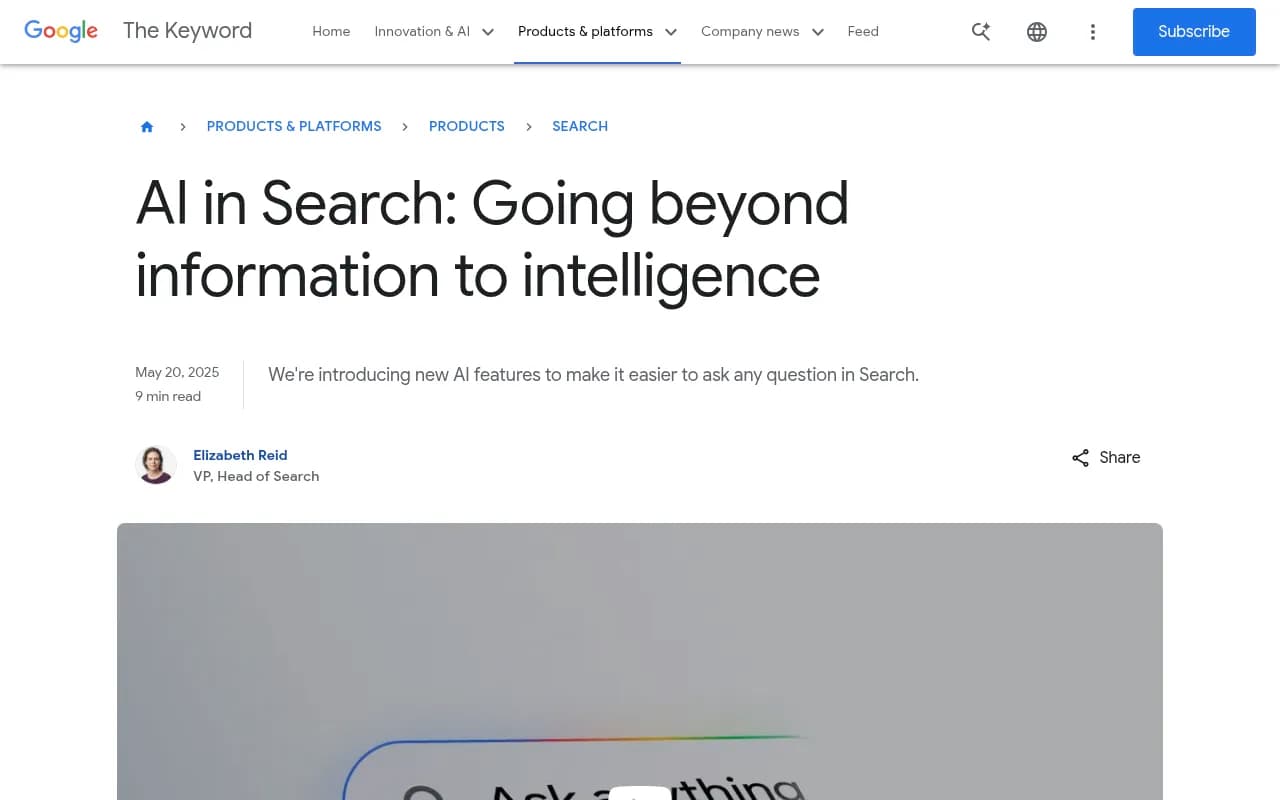
When someone searches for your brand name today, they're not necessarily getting a list of blue links anymore. In Google AI Mode, Gemini synthesizes a response. It reads across sources, reasons about what it finds, and produces a structured answer -- sometimes with follow-up questions, sometimes with product details, sometimes with a summary of what your company does and who it's for.
This is a meaningful shift. For years, brand queries were relatively safe territory. If someone searched for your company name, your homepage ranked first, your Knowledge Panel appeared on the right, and you had a reasonable degree of control over the narrative. That's still partially true, but AI Mode adds a layer on top of it.
Now the question isn't just "does my site rank?" It's "what does Google's AI say about me when someone asks?"
Those are different questions with different answers. And for a lot of brands, the AI answer is either incomplete, inaccurate, or missing entirely.
Why brand queries in AI Mode are harder to control than you think
The way AI Mode works is through what Google calls "query fan-out" -- when you type a brand name, the system doesn't just look up that name. It expands the query into multiple sub-queries: What does this company do? What do customers say about it? How does it compare to competitors? What's the pricing? Are there any recent news stories?
Each of those sub-queries pulls from different sources. Your homepage might answer the first one. A G2 review page might answer the second. A Reddit thread might answer the third. A TechCrunch article from 18 months ago might answer the fourth.
The AI synthesizes all of this into a single response. Which means your brand's AI Mode presence is only as strong as your weakest source. If your pricing page is vague, the AI will say your pricing is unclear. If a Reddit thread from two years ago describes a support issue, that might surface in the response. If a competitor comparison article ranks you unfavorably, that framing can bleed into the AI's answer.
This is why brands that have done everything "right" in traditional SEO sometimes still get poor AI Mode coverage. The problem isn't their website -- it's the broader information ecosystem around their brand.
The data problem: you can't see what you can't measure
Here's a frustrating reality: Google confirmed that AI Mode performance data is included in Google Search Console, but it's not separated from traditional search data. You can see impressions and clicks, but you can't tell which came from AI Mode responses and which came from standard organic results.
That's a significant blind spot. If your branded traffic drops 20% over three months, you don't know if it's because AI Mode is now handling those queries and not sending clicks, or because your rankings slipped, or because search volume changed. You're flying partially blind.
This is where dedicated AI visibility tools become genuinely useful rather than just nice-to-have. Promptwatch, for instance, tracks how AI search engines actually respond to branded queries in real user interfaces -- not just through API calls, which can return different results than what users actually see.
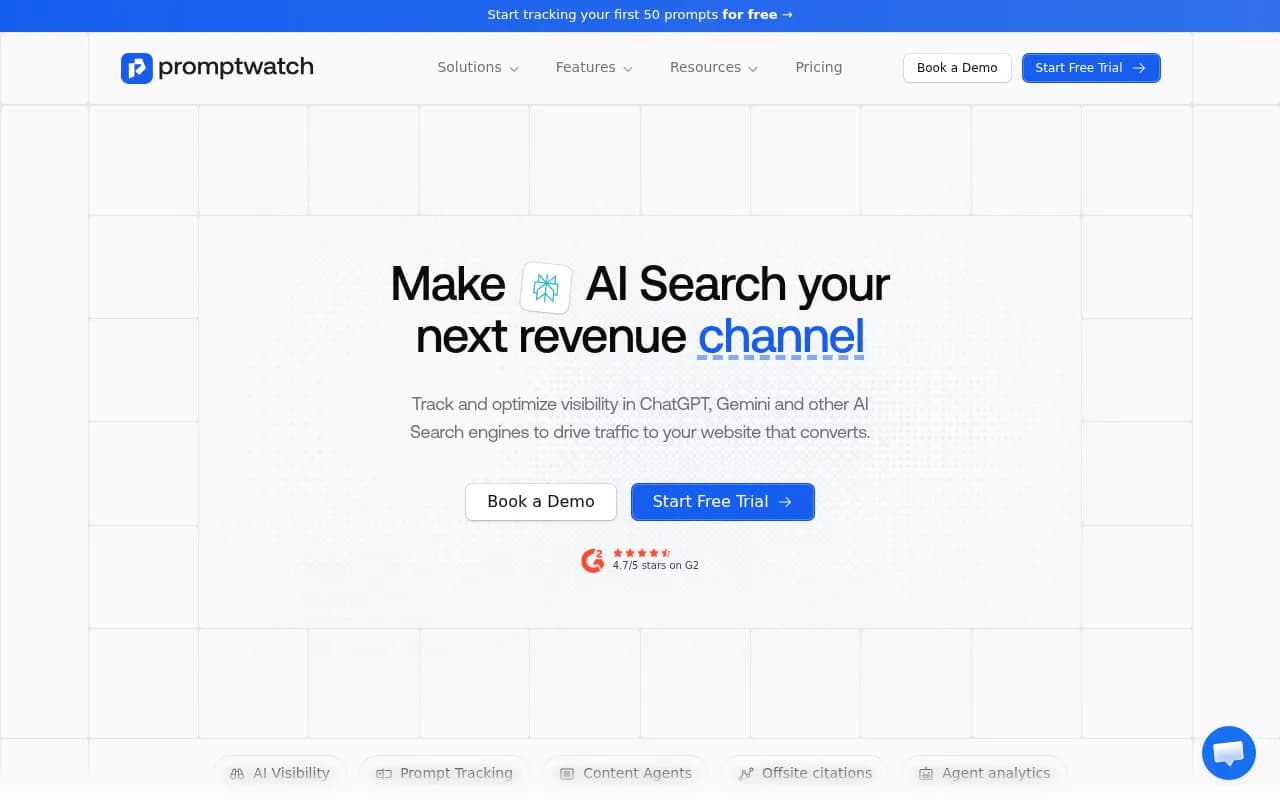
The distinction matters because Google AI Mode in a real browser session can behave differently from what you'd get querying the API directly. If you're only monitoring API outputs, you might be measuring the wrong thing.
What signals actually influence your brand's AI Mode appearance
There's no official documentation from Google that says "do X and you'll appear in AI Mode for your brand name." But based on how Gemini works and what we know about how AI models synthesize information, a few things clearly matter.
Entity consistency across the web
AI models build a mental model of your brand from everything they can find. If your company name is spelled three different ways across different directories, if your founding date differs between your website and Crunchbase, if your product descriptions contradict each other across pages -- the AI gets a fuzzy picture. Fuzzy pictures lead to vague or hedged responses.
The fix is boring but effective: audit every major third-party listing (Google Business Profile, LinkedIn, Crunchbase, G2, Capterra, industry directories) and make sure the basics are consistent. Name, description, founding year, location, product category. This is entity hygiene, and it directly affects how confidently an AI can describe your brand.
Structured data on your own pages
Schema markup -- specifically Organization, Product, FAQ, and Review schema -- gives AI crawlers a cleaner signal about what your pages contain. It's not a magic bullet, but it reduces ambiguity. If your homepage has Organization schema with a clear description, your pricing page has Product schema, and your FAQ page has FAQ schema, you're giving the AI structured data it can actually use.
Third-party coverage that says what you want said
This is the uncomfortable one. If the most authoritative third-party sources about your brand say things you don't like, the AI will repeat them. The solution isn't to suppress those sources -- it's to create better ones.
That means getting reviewed on the platforms that AI models cite (G2, Trustpilot, Capterra for software; TripAdvisor for hospitality; etc.), getting mentioned in industry publications, and making sure your brand appears in relevant listicles and comparison articles. When someone asks "what's a good [category] tool," the AI often pulls from exactly those sources.
Content that directly answers questions people ask about you
Think about what someone might ask Google AI Mode about your brand: "What does [Company] do?", "Is [Company] good?", "How much does [Company] cost?", "Who uses [Company]?", "What are [Company]'s alternatives?"
If you don't have clear, direct answers to those questions on your own site, the AI will find answers elsewhere -- and you won't control the framing. A dedicated FAQ page, a clear "who we serve" page, transparent pricing (even if it's "contact us for pricing, here's what affects cost"), and a comparison page that honestly addresses alternatives all give the AI something to work with.
The off-site problem most brands ignore
Reddit threads, YouTube videos, and third-party review sites have an outsized influence on AI responses. This isn't speculation -- you can see it in the citations AI Mode includes in its answers.
A Reddit thread where someone asks "is [your brand] worth it?" and gets 15 responses can shape what AI Mode says about your brand's reputation. A YouTube review from a creator with 50,000 subscribers can end up cited in AI responses. A comparison article on a mid-tier blog can influence how the AI positions you against competitors.
Most brands have no visibility into this. They're optimizing their own website while the conversation about them happens elsewhere.
Monitoring tools that track off-site citations -- which Reddit threads, which YouTube videos, which third-party pages are being pulled into AI responses -- give you a much clearer picture of where the real work needs to happen. Sometimes the answer is outreach to get a more favorable article written. Sometimes it's engaging in the Reddit communities where your brand gets discussed. Sometimes it's creating a YouTube presence so you have some control over what video content exists about you.
Practical steps to improve your brand's AI Mode presence
This isn't a checklist you complete once. It's an ongoing process, but here's where to start.
Audit what AI Mode currently says about you. Search for your brand name in Google AI Mode and read the response carefully. What does it get right? What's missing? What's wrong? This is your baseline. Do the same for the questions people commonly ask about your brand.
Fix entity inconsistencies. Go through your major third-party listings and make the basic information consistent. This takes a few hours and has a disproportionate impact.
Add or improve structured data. If your site doesn't have Organization schema, add it. If you have a FAQ page, mark it up. If you have product pages, add Product schema. This is a one-time technical task with lasting benefit.
Create content that answers brand questions directly. Write a clear "about" page that explains what you do, who you serve, and what makes you different. Write a transparent pricing page. Write a comparison page. Write an FAQ that addresses the real questions people ask.
Build better third-party coverage. Get reviewed on the platforms AI models cite. Reach out to industry publications for coverage. Make sure you appear in relevant "best of" lists.
Monitor your AI visibility over time. This is where the work becomes systematic rather than one-off. You need to know when your AI Mode presence changes, which queries you're appearing for, and which you're missing.
Tools worth knowing about
Several platforms now track AI search visibility, though they vary significantly in what they actually do.
| Tool | AI Mode tracking | Content generation | Off-site citations | Crawler logs |
|---|---|---|---|---|
| Promptwatch | Yes | Yes | Yes | Yes |
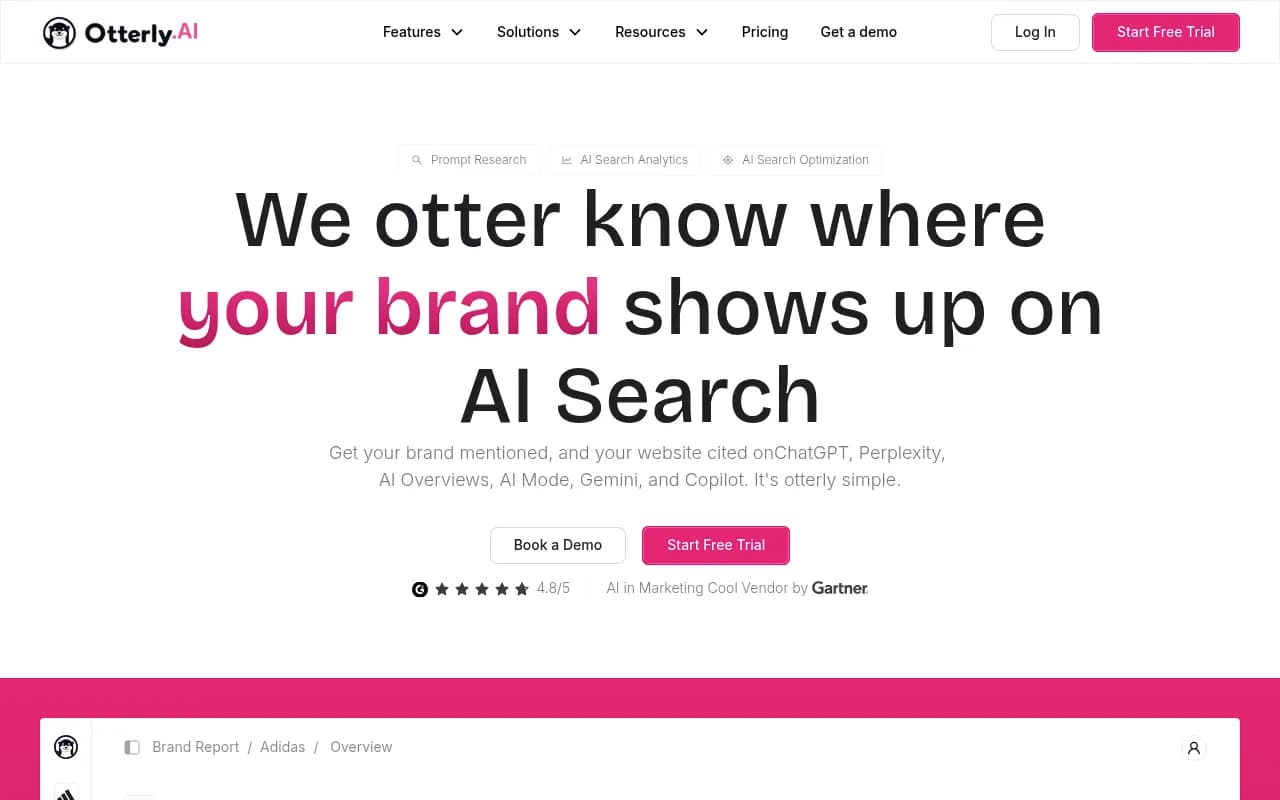
| Otterly.AI | Yes | No | No | No |
| Peec AI | Yes | No | No | No |
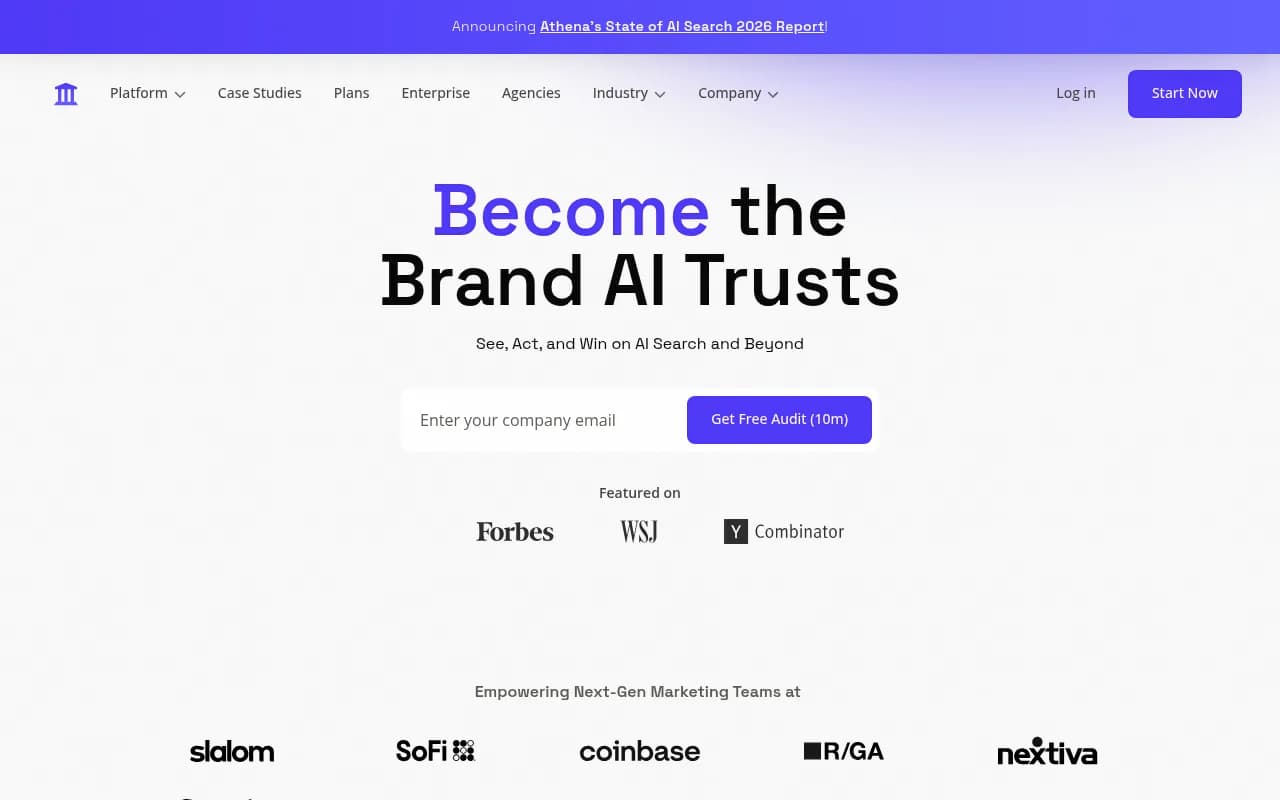
| AthenaHQ | Yes | No | No | No |
| Semrush AI Visibility | Partial | No | No | No |
| Ahrefs Brand Radar | Partial | No | No | No |
| Profound | Yes | No | No | No |
The distinction that matters most is between monitoring and optimization. Most tools will show you where you're appearing in AI responses. Fewer will help you figure out why you're not appearing, and fewer still will help you do something about it.
Promptwatch sits in the latter category -- it tracks AI Mode responses, shows you which prompts competitors appear for that you don't, and has content generation tools built around that gap data. If you're trying to systematically improve your brand's AI Mode presence rather than just observe it, that end-to-end loop matters.
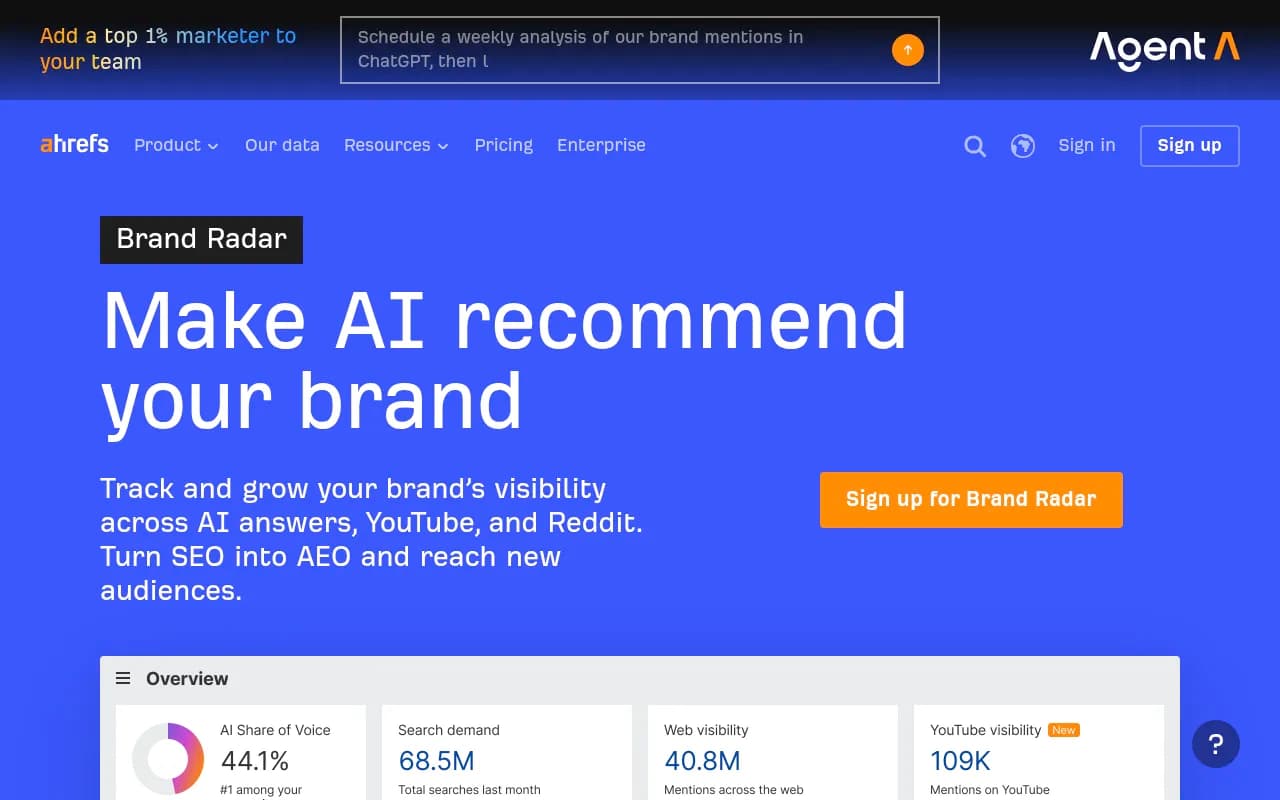
For tracking brand mentions specifically across AI platforms, a few other tools are worth looking at:
What to expect from AI Mode as it matures
AI Mode is still relatively new and changing fast. Google is expanding it to more countries and languages, adding multimodal capabilities (image and video understanding), and building in deeper follow-up question functionality. The underlying Gemini models are also improving, which means the quality and specificity of brand responses will likely increase.
That's mostly good news for brands that put in the work now. As AI Mode gets better at synthesizing information, brands with clear entity signals, consistent third-party coverage, and direct answers to common questions will benefit more than brands that are vague or inconsistent.
The brands that will struggle are those that assume their traditional SEO is enough. It's not that traditional SEO stops mattering -- it still does. But AI Mode adds a new layer of requirements that traditional SEO doesn't address: entity consistency, off-site narrative control, and content structured around questions rather than keywords.
The bottom line
If someone searches for your brand name in Google AI Mode today, one of three things happens: the AI gives an accurate, favorable response; the AI gives an incomplete or inaccurate response; or the AI doesn't have enough information and hedges or skips your brand entirely.
Most brands don't know which of those three is happening, because they're not measuring it. That's the first problem to solve. Once you know what the AI is actually saying about you, you can figure out what to fix.
The good news is that the fixes are mostly straightforward -- entity hygiene, structured data, better content, better third-party coverage. None of it requires a complete overhaul. It requires treating your brand's AI presence as something that needs active management, not something that takes care of itself.