Key takeaways
- Google AI Mode and Perplexity have fundamentally different citation logic: Google leans on domain authority and existing search signals, while Perplexity rewards fresh, well-sourced, direct-answer content.
- Google AI Mode reaches a far larger audience, but Perplexity's users are more research-oriented and click through at higher rates.
- For most brands, Google AI Mode should be the primary GEO focus in 2026 -- but Perplexity is worth a dedicated content layer, especially in B2B and technical verticals.
- The tactics that work for both platforms overlap significantly: clear structure, cited claims, direct answers, and strong topical authority.
- Tracking visibility separately across both platforms is now a baseline requirement, not a nice-to-have.
Why this question matters right now
A year ago, most GEO conversations centered on "should we optimize for AI search at all?" That debate is over. The real question in 2026 is where to put your effort when you can't do everything at once.
Google AI Mode and Perplexity are the two platforms that come up most often in that conversation. They're both prominent, both growing, and both genuinely different in how they work. But a lot of brands are treating them as interchangeable -- running the same content strategy across both and wondering why results are patchy.
They're not interchangeable. This guide breaks down exactly how they differ, what each platform rewards, and how to think about prioritization.
How Google AI Mode actually works
Google AI Mode (the successor to AI Overviews, now rolling out more broadly) is built on top of Google's existing search infrastructure. It doesn't crawl the web independently -- it pulls from the same index Google has been building for decades. That means your existing SEO signals matter a lot here.
When Google AI Mode generates a response, it's doing something closer to a synthesis of its top-ranked results than a fresh web search. Pages that already rank well for a query have a significant head start. Domain authority, backlink profiles, E-E-A-T signals, and structured content all feed into which sources get cited.
A few things that are specific to Google AI Mode worth knowing:
- It tends to cite fewer sources per response than Perplexity, so competition for those slots is real.
- It's more conservative about citing newer or less-established domains, even if the content is excellent.
- It shows up for a much wider range of queries than Perplexity -- including navigational, local, and commercial intent queries that Perplexity rarely touches.
- Google's user base dwarfs Perplexity's. Even a modest citation rate in AI Mode can generate meaningful traffic.
The implication: if you're already doing solid traditional SEO, you're closer to Google AI Mode visibility than you might think. The gap is usually in content structure and directness, not domain authority.
How Perplexity works differently
Perplexity is a genuinely different beast. It runs live web searches at query time, synthesizes results, and cites sources inline. The experience is closer to a research assistant than a search engine.
This has a few practical consequences for GEO:
- Perplexity is more willing to cite newer content and less-established domains, as long as the content directly answers the query.
- It cites more sources per response (often 4-8), so there are more slots to compete for.
- Its users are skewing toward researchers, analysts, developers, and B2B buyers -- people who are actively looking for detailed, sourced answers and are likely to click through.
- It's more sensitive to content freshness. A well-structured article published last month can outperform a comprehensive guide from two years ago.
Perplexity also uses a different retrieval mechanism than Google. It's not just pulling from a pre-built index -- it's doing real-time search, which means content that's recently been crawled and indexed by Bing (Perplexity's primary index partner) has a real advantage.
The implication: Perplexity rewards a slightly different content profile. You need direct answers, cited claims, and recent publication or update dates. Domain authority helps but isn't the gatekeeper it is on Google.
Side-by-side comparison
| Factor | Google AI Mode | Perplexity |
|---|---|---|
| Audience size | Massive (billions of searches/month) | Smaller but growing fast |
| User intent | Broad (informational, commercial, local) | Research-heavy, B2B skew |
| Citation slots per response | 2-4 typically | 4-8 typically |
| Domain authority weight | High | Moderate |
| Content freshness weight | Moderate | High |
| Crawl source | Google's own index | Primarily Bing + live web |
| Click-through behavior | Lower (many zero-click responses) | Higher (users expect to read sources) |
| Structured data impact | Significant | Minimal |
| Reddit/forum content cited | Occasionally | Frequently |
| Best content format | Comprehensive, authoritative guides | Direct-answer, well-cited articles |
Where most brands are getting this wrong
The most common mistake is treating GEO as a single unified practice. Teams write "AI-optimized content" and publish it, then wonder why they're visible on Perplexity but not Google AI Mode, or vice versa.
The second mistake is ignoring Google AI Mode because it feels like "just SEO." It's not just SEO anymore. The content signals that get you cited in AI Mode are meaningfully different from what gets you to position one in organic results. You can rank #1 and still not get cited in AI Mode if your content doesn't answer the query directly in the first 200 words.
The third mistake is treating Perplexity as a secondary concern because it's smaller. For B2B SaaS companies, technical products, and professional services, Perplexity's audience is often more valuable per visitor than Google's. A citation in a Perplexity research response can reach exactly the kind of buyer who actually converts.
What Google AI Mode rewards
If you want to show up in Google AI Mode responses, here's what actually moves the needle:
Direct answers early in the content. AI Mode is looking for pages that answer the query clearly and quickly. If your article buries the answer in paragraph six, it's less likely to get cited even if it's the most comprehensive piece on the topic.
Strong E-E-A-T signals. Author credentials, cited sources, original research, and clear expertise indicators all matter. Google is trying to surface trustworthy answers, and it uses these signals as proxies for trustworthiness.
Structured content. Headers that match query language, FAQ sections, numbered lists, and definition-style answers all make it easier for Google's AI to extract and cite your content.
Existing search authority. This is the one you can't shortcut. Pages that already have backlinks and ranking history have a significant advantage. If you're starting from zero on a competitive topic, Google AI Mode visibility will take time.
Schema markup. FAQ schema, HowTo schema, and Article schema all give Google additional signals about your content's structure and intent.
What Perplexity rewards
Perplexity's citation logic is different enough that it's worth treating as a separate optimization target:
Recency. Perplexity actively prefers recent content for most queries. If you have a comprehensive guide that hasn't been updated in 18 months, adding a "last updated" date and refreshing the content can make a real difference.
Inline citations and sourced claims. Perplexity is essentially a citation machine -- it cites sources that themselves cite sources. Content that references studies, data points, and named experts gets picked up more reliably.
Direct, scannable answers. Perplexity users are often in research mode. Content that gives a clear answer, then provides supporting detail, performs better than content that builds to a conclusion.
Bing indexation. This is easy to overlook. If your content isn't indexed by Bing, Perplexity is much less likely to find it. Check Bing Webmaster Tools and make sure your key pages are indexed there.
Third-party mentions. Perplexity frequently cites Reddit threads, YouTube videos, and third-party review sites alongside brand content. Getting your brand mentioned in those contexts -- not just on your own site -- matters for Perplexity visibility in a way it doesn't for Google AI Mode.
The content strategy that works for both
Despite the differences, there's a core content approach that performs well across both platforms:
- Start with the answer. Whatever the query is, answer it in the first paragraph. Don't make the AI model hunt for it.
- Use clear, descriptive headers that match how people actually phrase questions.
- Support claims with data, studies, or named sources. Vague assertions don't get cited.
- Keep content updated. Both platforms penalize stale content, but Perplexity does it more aggressively.
- Build topical authority. A site that covers a topic comprehensively gets cited more reliably than one with a single excellent article.
The difference is in emphasis. For Google AI Mode, lean harder into E-E-A-T, structured data, and existing SEO signals. For Perplexity, lean harder into freshness, inline citations, and Bing indexation.
How to prioritize in practice
Here's a simple framework for deciding where to focus:
Start with Google AI Mode if:
- Your audience uses Google as their primary search tool (most B2C brands)
- You already have domain authority and existing rankings to build on
- Your queries span commercial, local, or navigational intent
- You're in a regulated industry where E-E-A-T signals are critical (health, finance, legal)
Prioritize Perplexity if:
- You're in B2B, SaaS, developer tools, or technical verticals
- Your buyers are research-oriented and high-intent
- You're a newer domain that can't compete on Google authority yet
- You want faster feedback loops -- Perplexity visibility can move faster than Google AI Mode
For most brands: do both, but sequence them. Get your Google AI Mode foundation right first (it has the bigger audience and builds on existing SEO work), then layer in a Perplexity-specific content strategy around your highest-value research queries.
Tracking visibility across both platforms
You can't optimize what you can't measure. The challenge is that Google AI Mode and Perplexity behave differently enough that a single tracking approach won't give you accurate data on both.
Google AI Mode visibility is partially visible through Google Search Console (look for AI Overview impressions in the performance report), but it doesn't give you citation-level data. Perplexity has no native analytics for brands at all.
This is where dedicated GEO tracking tools come in. Promptwatch monitors both Google AI Mode and Perplexity (along with eight other AI models) and shows you exactly which pages are being cited, how often, and for which prompts. It also surfaces the gaps -- prompts where competitors are getting cited but you're not -- and connects visibility to actual traffic and revenue.
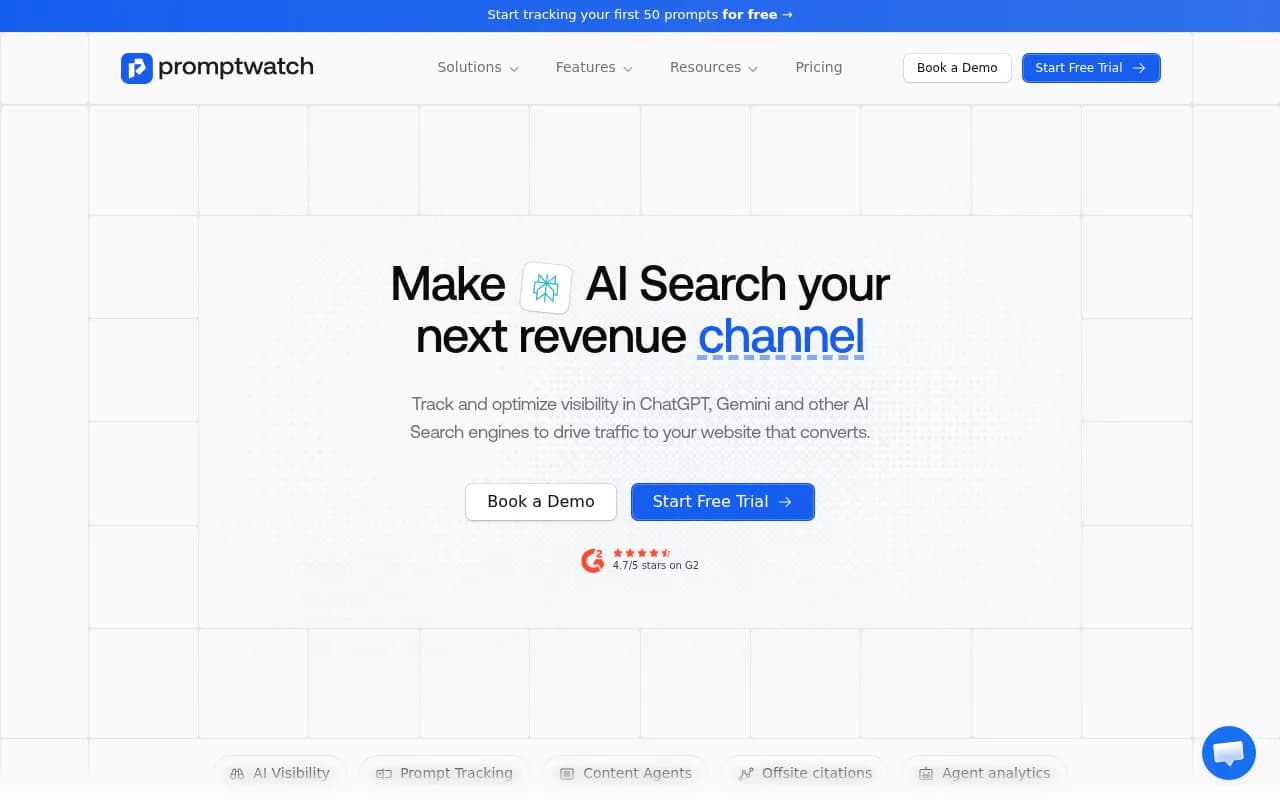
For teams that want to track visibility without the full content optimization layer, there are lighter options worth knowing about:
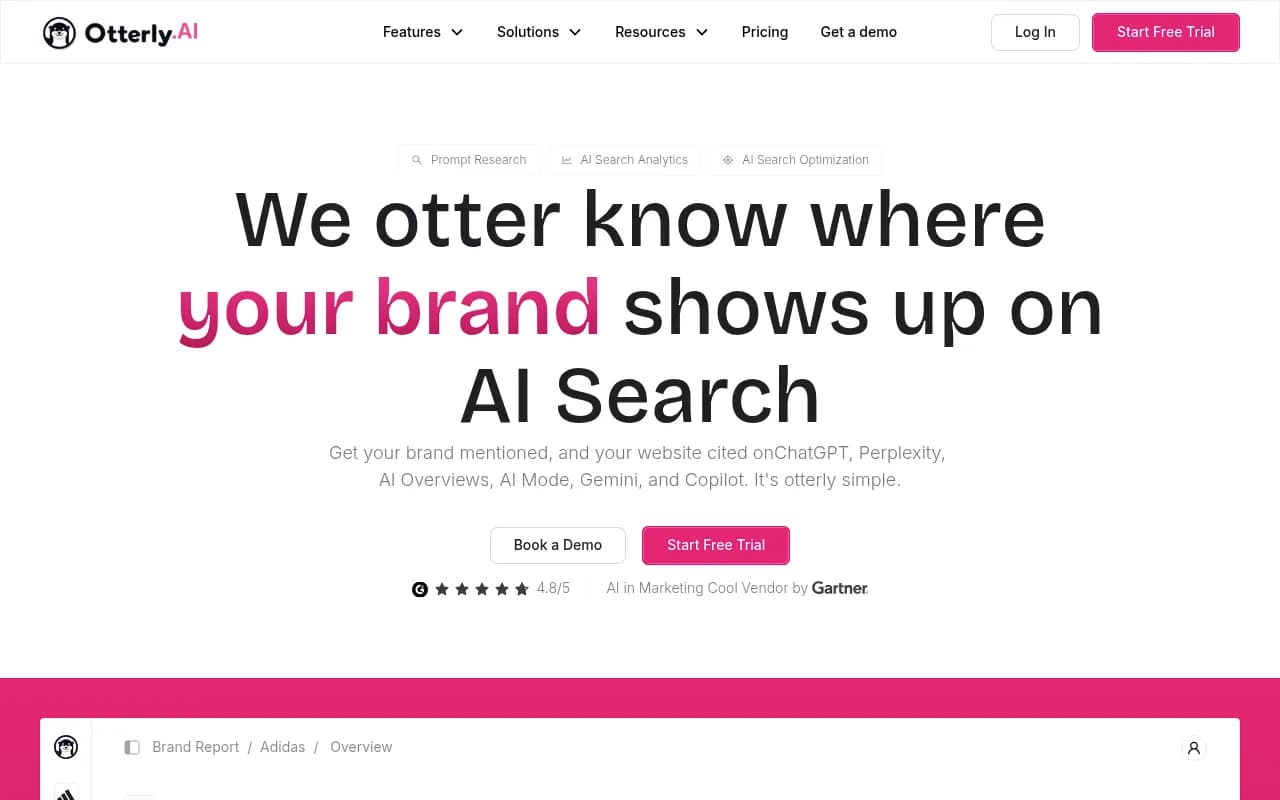
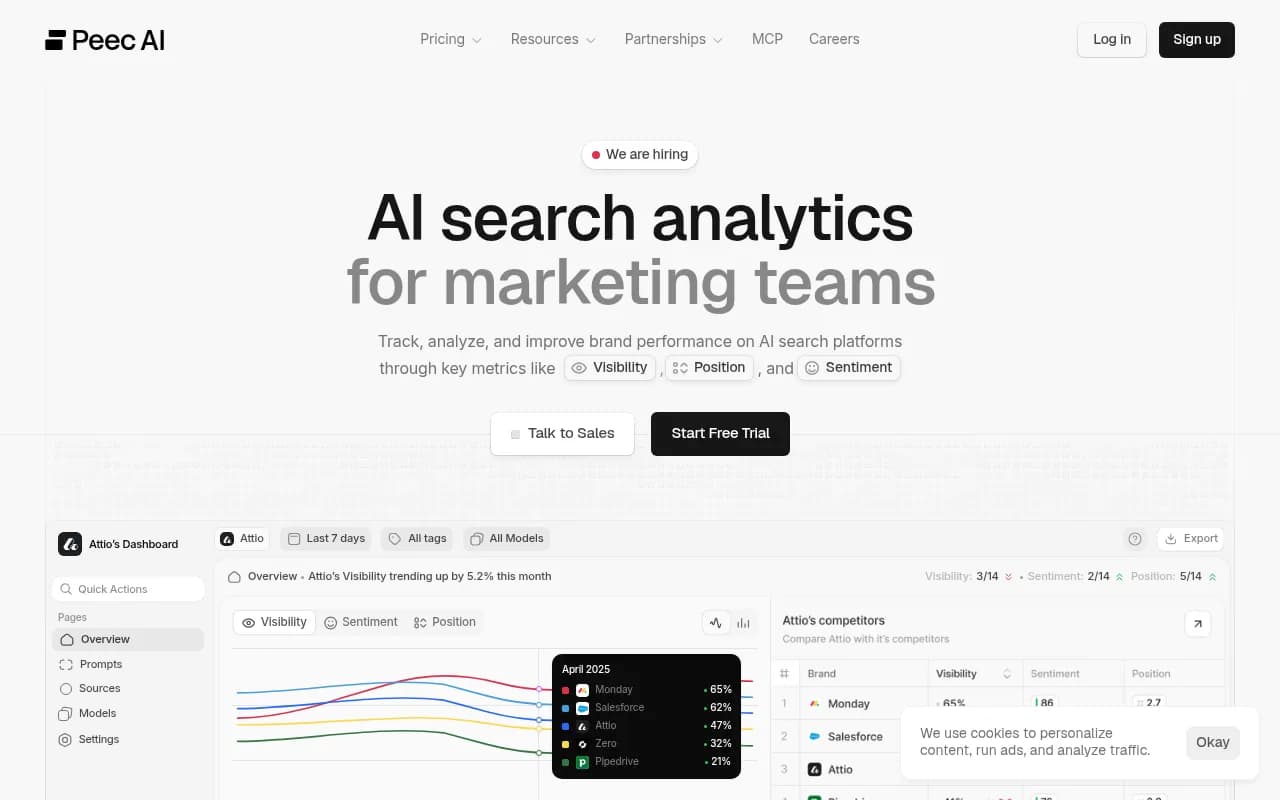
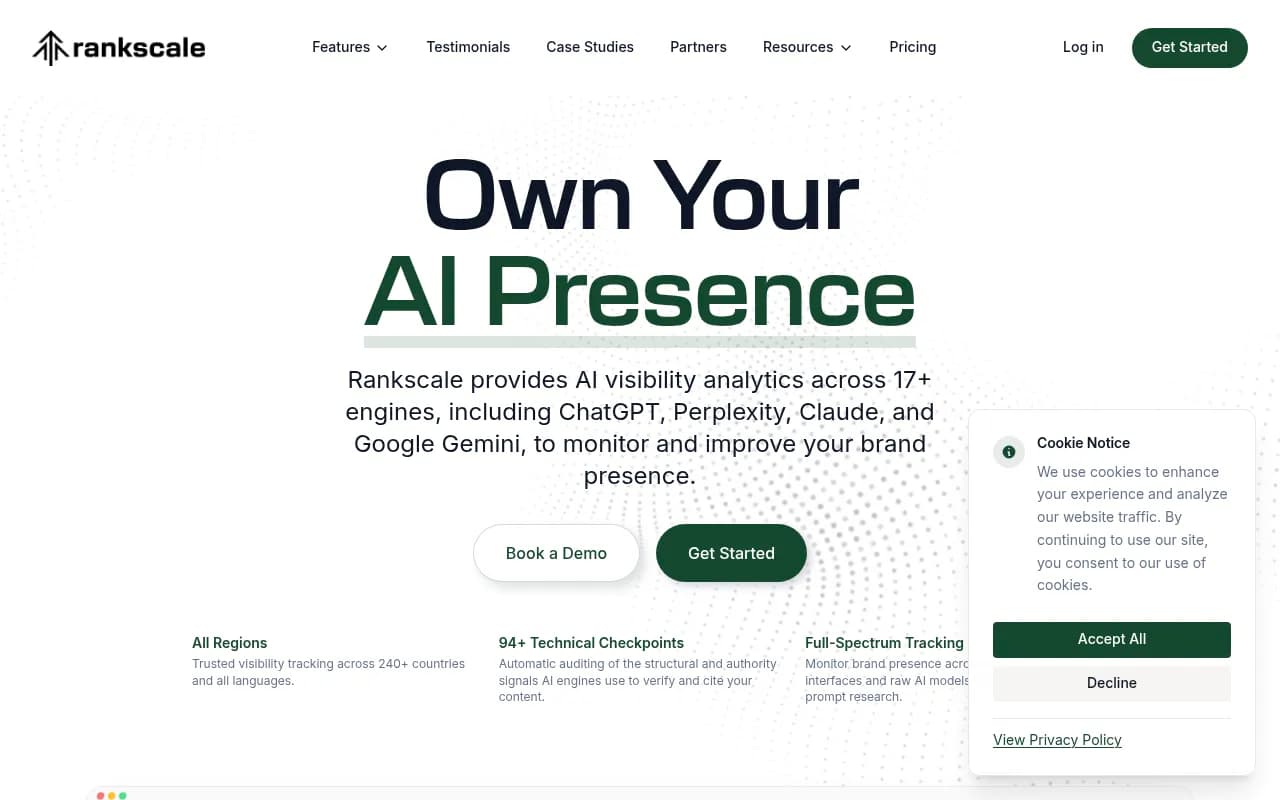
These are monitoring-focused tools. They'll show you where you stand but won't help you close the gaps. For a full comparison of what's available, the distinction between monitoring-only and optimization platforms matters a lot -- most tools stop at the data.
A note on the B2B case specifically
The research from Averi.ai's 2026 B2B SaaS citation benchmarks report is worth paying attention to here. B2B SaaS companies that are winning AI visibility aren't running generic GEO playbooks -- they're running platform-specific strategies. The brands showing up in Perplexity for competitive research queries are often different from the ones dominating Google AI Mode for the same topics.
That's not surprising when you think about it. A CTO researching infrastructure tools on Perplexity is doing something fundamentally different from a marketing manager Googling "best project management software." The content that serves one doesn't necessarily serve the other.
If you're in B2B, the practical takeaway is to map your buyer journey to the platform. Early-stage research and comparison queries often happen on Perplexity. Later-stage, brand-specific queries often happen on Google. Your content strategy should reflect that.
The bottom line
Google AI Mode has the larger audience and builds on existing SEO infrastructure, making it the right primary focus for most brands. Perplexity has a more valuable audience for B2B and technical verticals, moves faster, and rewards a slightly different content profile.
The brands that will win in 2026 are the ones treating these as two distinct channels with overlapping but not identical optimization requirements -- and tracking them separately so they can actually see what's working.
The worst outcome is spending six months on "GEO content" without knowing whether it's showing up in Google AI Mode, Perplexity, or neither. Measure first, then optimize.