Key takeaways
- Perplexity is the most transparent about citations but also the most competitive for fresh, factual content -- it rewards recency and source authority heavily.
- ChatGPT cites sources inconsistently depending on whether Search mode is active; getting cited requires strong domain authority and content that answers questions directly.
- Gemini is the hardest to rank in for niche or contrarian perspectives -- it defaults to mainstream, high-authority sources and has the tightest relationship with Google's own index.
- Each engine uses different ranking signals, so optimizing for one doesn't guarantee visibility in the others.
- Tracking your visibility across all three simultaneously is the only reliable way to know what's working.
If you've been optimizing for AI search, you've probably noticed something frustrating: you can appear consistently in one engine and be completely invisible in another. A page that Perplexity loves might not get a single citation from Gemini. A brand that ChatGPT mentions regularly might not show up in Perplexity at all.
That's not random. Each of these engines has its own logic for deciding what to cite, who to trust, and how to answer questions. Understanding those differences is the starting point for any serious AI visibility strategy.
This guide breaks down how each engine works from a ranking perspective, what makes each one hard to crack, and what you can actually do about it.
How each engine decides what to cite
Before comparing difficulty, it helps to understand the mechanics. These three engines are not the same kind of product.
Perplexity is built around real-time web search. Every query triggers a live crawl, and the citations you see are pulled from that crawl. It's closer to a search engine than a chatbot -- its whole identity is "speed and citations," as one long-term user put it after three months of daily use. The sources are visible, the links are clickable, and the referral traffic is trackable.
ChatGPT is more complicated. In its default mode (without Search enabled), it draws on training data and doesn't cite external sources at all. When Search mode is active -- which is the default in ChatGPT's web interface -- it does pull live results and show citations. But the citation behavior is less consistent than Perplexity's, and the traffic it sends to sources is harder to measure. ChatGPT may reference a source without linking to it, or synthesize information from multiple pages without crediting any of them.
Gemini sits between the two. It has deep integration with Google Search and Google's knowledge graph, which means it leans heavily on sources that already rank well in traditional Google results. It also has access to Google's entity understanding, which matters more than most people realize.
Perplexity: competitive but transparent
Perplexity is arguably the easiest engine to understand from a ranking perspective, because it shows its work. You can see exactly which sources it cited, click through to them, and even check referral traffic in your analytics.
That transparency is useful. But it also means the competition is visible. Everyone can see who's getting cited, which makes it easier for competitors to reverse-engineer what's working.
What Perplexity rewards:
- Recency. Because it crawls in real time, fresh content has a genuine advantage. A well-structured article published this week can outrank an older page from a bigger domain.
- Direct answers. Perplexity is optimizing for answer quality. Pages that get to the point, use clear structure, and answer the specific question being asked tend to get cited more often.
- Source credibility signals. Domain authority still matters, but it's not the only factor. A niche publication with strong topical authority can outperform a general-interest site on specific queries.
- Structured content. Headers, bullet points, and numbered lists make it easier for Perplexity to extract and attribute answers.
Where Perplexity is hard: the real-time crawl means you're competing with every piece of content published on the same topic. For high-volume informational queries, the competition is intense. You also need to be crawlable -- if Perplexity's crawler can't access your page, you don't exist.
ChatGPT: authority-heavy, inconsistent citation
ChatGPT is the most widely used AI assistant, which makes visibility here commercially valuable. But it's also the most opaque about how it decides what to cite.
In training-data mode (no Search), ChatGPT's "knowledge" of your brand comes entirely from what was in its training corpus. If your site wasn't well-represented there -- through backlinks, mentions, press coverage, Reddit discussions, forum posts -- you're essentially invisible. You can't optimize your way into training data retroactively.
In Search mode, ChatGPT behaves more like Perplexity, but with some key differences:
- It tends to favor high-authority domains more aggressively. Getting a mention from a major publication or being listed in a well-known roundup article carries more weight than publishing a great standalone piece on your own site.
- It's less consistent about showing citations. Sometimes it synthesizes from multiple sources without attributing any of them. This makes it harder to track your visibility and harder to know what's working.
- It responds well to content that matches the conversational structure of the query. If someone asks "what's the best tool for X," ChatGPT tends to pull from listicles, comparison articles, and review pages rather than product pages or homepages.
One practical implication: getting cited in ChatGPT often requires a two-track strategy. You need strong onsite content, but you also need offsite presence -- mentions in articles, Reddit threads, YouTube videos, and third-party review sites that ChatGPT is likely to pull from.
Gemini: the hardest to crack for niche perspectives
Of the three, Gemini is generally considered the most difficult to rank in if you're not already a mainstream, high-authority source. The research backs this up: Gemini is hardest to rank for when you have a contrarian or niche perspective, but if you're covering a mainstream topic, it will cite you if you already rank well in Google.
That last part is the key. Gemini's citation behavior is closely tied to Google Search rankings. If your page ranks on page one of Google for a given query, your chances of appearing in Gemini's answer for that same query are significantly higher. If you don't rank in traditional Google results, Gemini is unlikely to find you.
This creates a compounding advantage for established sites and a compounding disadvantage for newer ones. It also means that Gemini's answer quality for niche topics can be frustratingly narrow -- it tends to pull from the same handful of high-authority sources that dominate Google results, even when better or more specific content exists elsewhere.
What makes Gemini hard:
- Strong dependency on Google Search rankings. Traditional SEO is a prerequisite, not an alternative.
- Entity-based understanding. Gemini uses Google's knowledge graph to understand brands, people, and organizations. If your brand isn't well-established as an entity, you're at a disadvantage.
- Preference for mainstream consensus. Contrarian takes, niche perspectives, and emerging topics are underrepresented in Gemini's answers compared to Perplexity.
Where Gemini is easier: if you already have strong Google rankings and you're covering mainstream topics, Gemini will often cite you without any additional optimization. The work you've already done in traditional SEO carries over more directly than it does with Perplexity or ChatGPT.
Side-by-side comparison
| Factor | Perplexity | ChatGPT (Search) | Gemini |
|---|---|---|---|
| Citation transparency | High -- visible links, trackable traffic | Medium -- inconsistent attribution | Medium -- often cites without direct links |
| Recency advantage | Strong | Moderate | Weak |
| Domain authority weight | Moderate | High | Very high |
| Google rankings dependency | Low | Low-moderate | Very high |
| Niche content visibility | Good | Moderate | Poor |
| Offsite mentions matter | Moderate | High | Moderate |
| Entity recognition | Moderate | Moderate | Strong (Google KG) |
| Structured content benefit | High | High | Moderate |
| Easiest for new sites | Yes | No | No |
| Hardest for contrarian takes | No | No | Yes |
What this means for your optimization strategy
The 47% of AI search users who regularly use two or more platforms means you can't afford to optimize for just one engine. What works on ChatGPT may actively not work on Perplexity, and Gemini plays by different rules entirely.
A few practical conclusions:
For Perplexity, prioritize freshness and structure
Publish regularly on topics where you have genuine expertise. Use clear headers and direct answers. Make sure your site is crawlable -- check for crawler errors and blocked paths. Perplexity's real-time crawl means a well-optimized new article can start getting cited within days.
For ChatGPT, build offsite presence
Your own site matters, but so does your footprint across the web. Getting mentioned in roundup articles, appearing in Reddit discussions, being listed in comparison posts -- these signals feed into what ChatGPT knows about your brand. Think of it as a PR and link-building exercise as much as a content one.
For Gemini, treat traditional SEO as the foundation
If you're not ranking in Google, you're not going to rank in Gemini. Focus on building topical authority in Google Search first. Once you have page-one rankings for relevant queries, Gemini visibility tends to follow. Entity building -- getting your brand recognized in Google's knowledge graph -- also helps here.
Track all three separately
This is where most teams fall short. They check one engine occasionally and assume it represents their overall AI visibility. It doesn't. Visibility in Perplexity, ChatGPT, and Gemini can diverge significantly, and you need per-engine data to know where you're winning and where you're not.
Promptwatch tracks visibility across all three (plus seven other AI engines) and shows you page-level citation data, which prompts you're appearing for, and where your competitors are outranking you. If you're serious about AI search, that kind of cross-engine view is hard to do without.

The ranking difficulty verdict
So which engine is actually hardest to rank in? It depends on your situation.
If you're a new or mid-sized site without strong Google rankings, Gemini is the hardest. Its dependency on traditional Google authority creates a high barrier that content quality alone can't overcome.
If you're an established brand trying to appear for niche or emerging topics, Gemini is still the hardest -- it defaults to mainstream consensus and is slow to incorporate new perspectives.
If you're trying to rank for high-competition informational queries where dozens of authoritative sites are publishing daily, Perplexity is the hardest because the competition is real-time and visible.
If you're trying to understand and influence what an AI says about your brand in conversational, non-search contexts, ChatGPT's training-data dependency makes it the hardest to influence directly.
The honest answer is that none of them are easy, and the engines are getting more sophisticated. The brands that are winning in AI search right now aren't just publishing more content -- they're tracking which prompts they're missing, understanding why they're not being cited, and fixing the specific gaps. That's a different kind of work than traditional SEO, and it requires different tools.
Tools worth knowing for AI visibility
If you're building out a serious AI search strategy, a few platforms are worth looking at beyond Promptwatch:
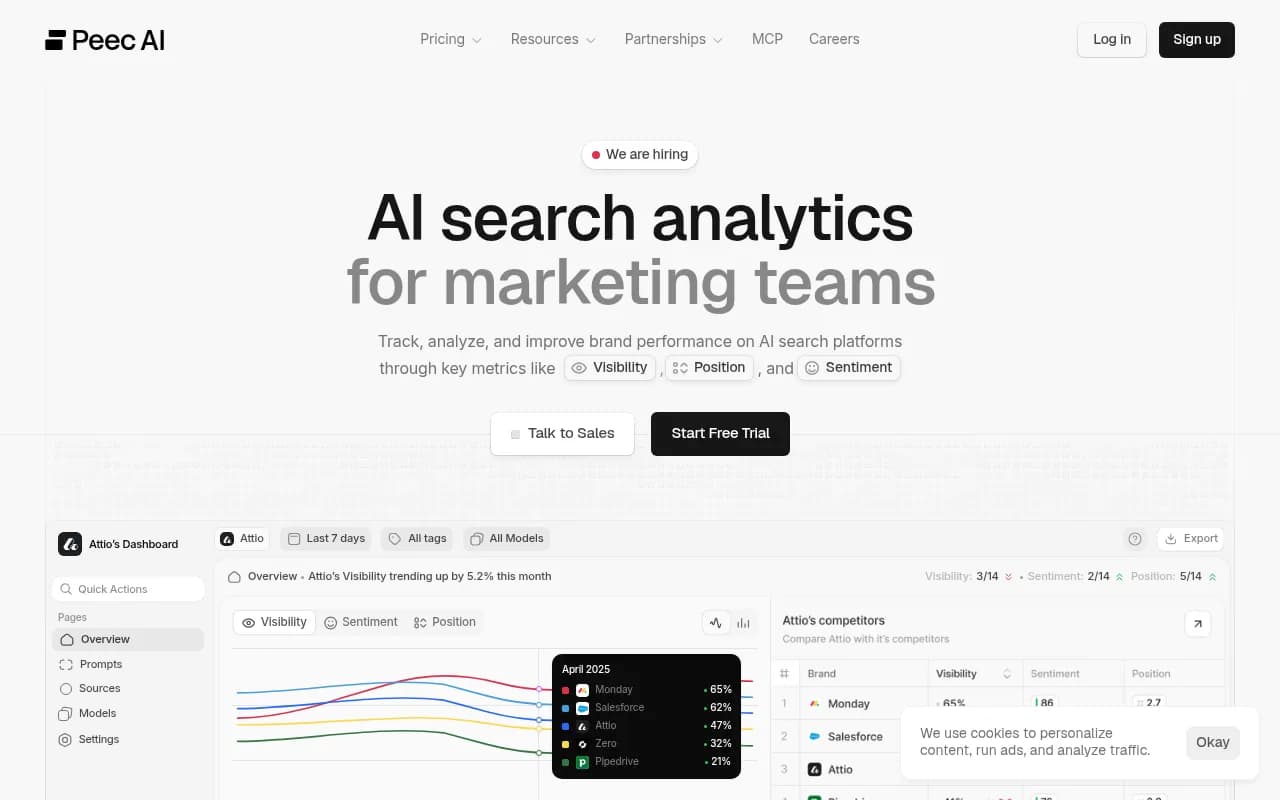
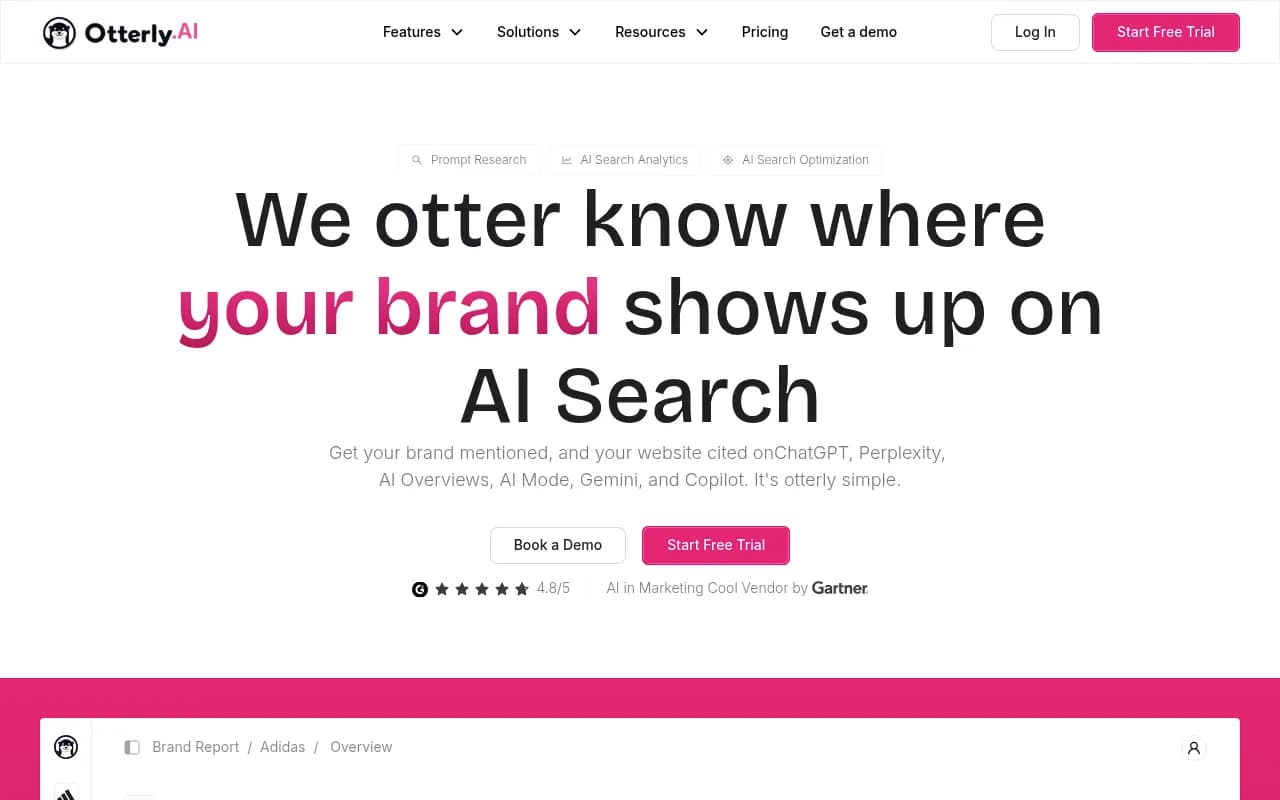
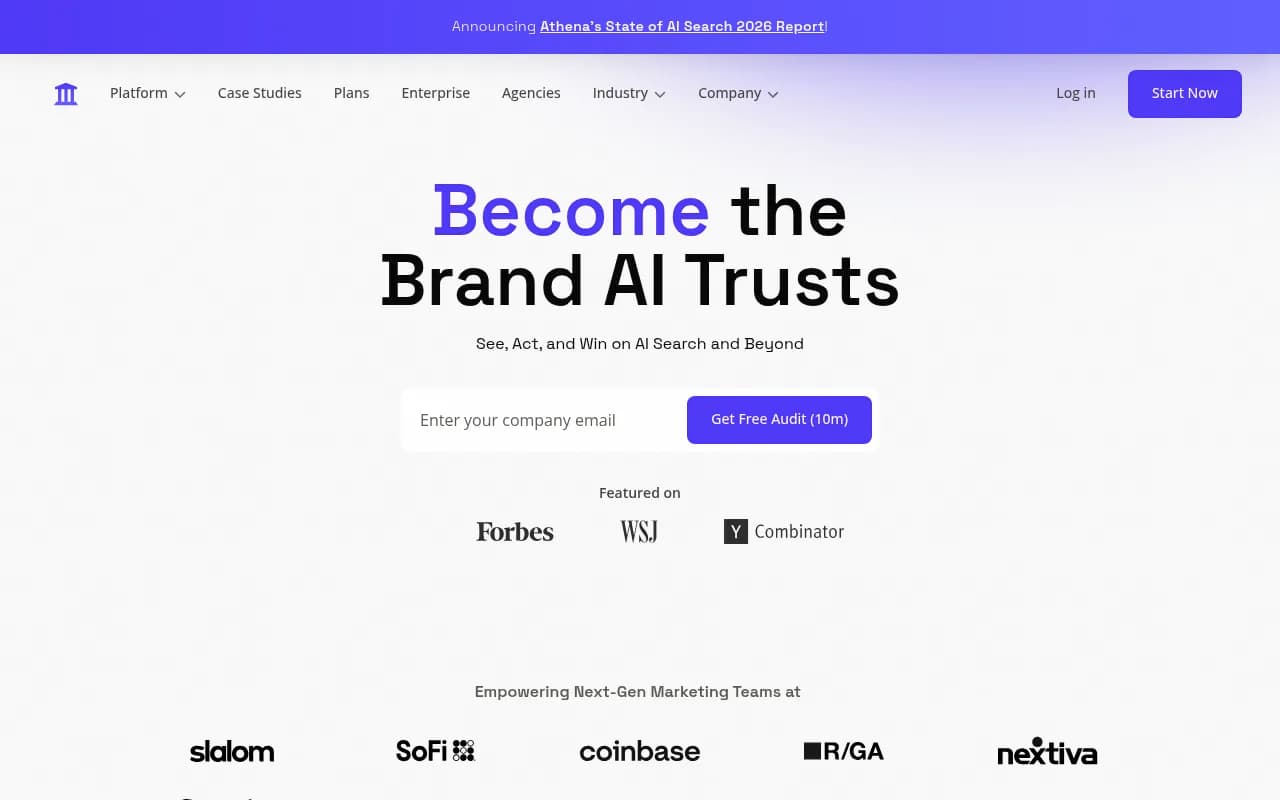
Most of these are monitoring tools -- they show you where you appear and where you don't. The gap between monitoring and actually improving your visibility is where most teams get stuck. Knowing you're invisible in Gemini doesn't help unless you also know what content to create and how to structure it.
That's the practical challenge: the data is increasingly available, but turning it into action still requires a clear process. Start with one engine, understand your current visibility, identify the specific prompts where competitors are appearing and you're not, and build content that addresses those gaps directly. Then expand to the other engines and repeat.
The engines will keep changing their citation logic. What stays constant is the underlying principle: AI models cite sources they trust, that answer questions clearly, and that have a credible presence across the web. Build for that, and you'll be in a better position regardless of which engine shifts its algorithm next.