Key takeaways
- Otterly.AI is a useful, affordable starting point for AI brand monitoring, but it's fundamentally a read-only dashboard -- it shows you data and stops there.
- The 7 gaps covered here include: no content generation, no crawler logs, no prompt volume data, no Reddit/YouTube tracking, no ChatGPT Shopping monitoring, no traffic attribution, and limited competitor analysis.
- Each gap has at least one purpose-built tool that fills it -- some better than others.
- If you're running a serious GEO program in 2026, you'll likely need to either stack multiple tools or move to a platform that handles the full cycle.
Otterly.AI has carved out a real niche. It's affordable, it's approachable, and it gets teams off the ground with AI brand monitoring faster than most alternatives. For a small brand that just wants to know whether ChatGPT or Perplexity is mentioning them, it does the job.
But "does the job" is doing a lot of heavy lifting in that sentence.
The problem is that AI search visibility in 2026 isn't just a monitoring problem anymore. It's an optimization problem. Knowing you're invisible in Gemini doesn't help you become visible in Gemini. And that's where Otterly.AI starts to show its limits -- not because it's a bad tool, but because it was built to answer one question ("are we being mentioned?") when most teams now need answers to five or six harder questions.
Here are the seven gaps that come up most often, and the tools that actually address them.
Gap 1: No content generation or content gap analysis
This is the big one. Otterly.AI can tell you that a competitor is appearing in AI responses for a prompt you're not. What it can't do is tell you why they're appearing, what content is driving that citation, or what you should write to close the gap.
That's a significant limitation. Knowing you're losing isn't the same as knowing how to win.
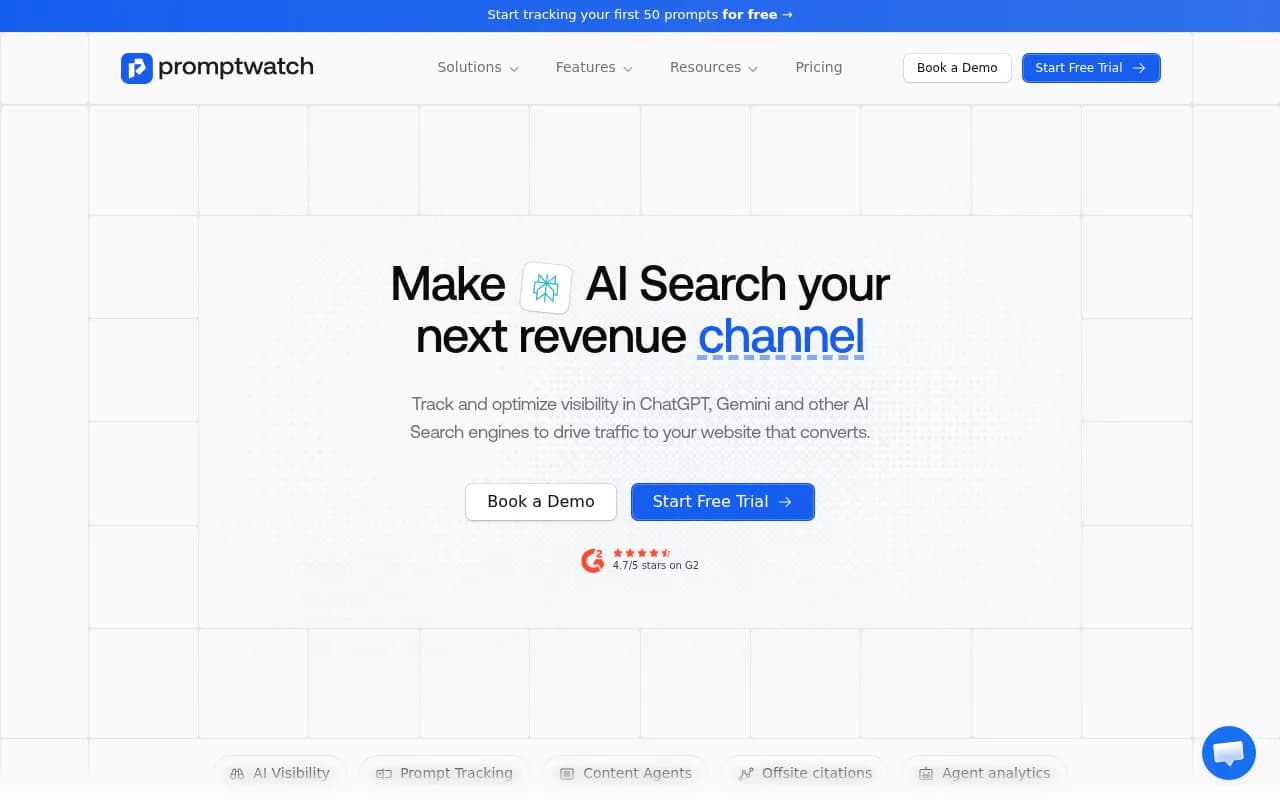
Tools built around the full optimization loop handle this differently. Promptwatch has an Answer Gap Analysis feature that maps which prompts competitors rank for but you don't, then surfaces the specific content topics and angles that AI models are looking for. From there, its Content Agents generate articles, listicles, and briefs grounded in real prompt and citation data -- not generic SEO filler.
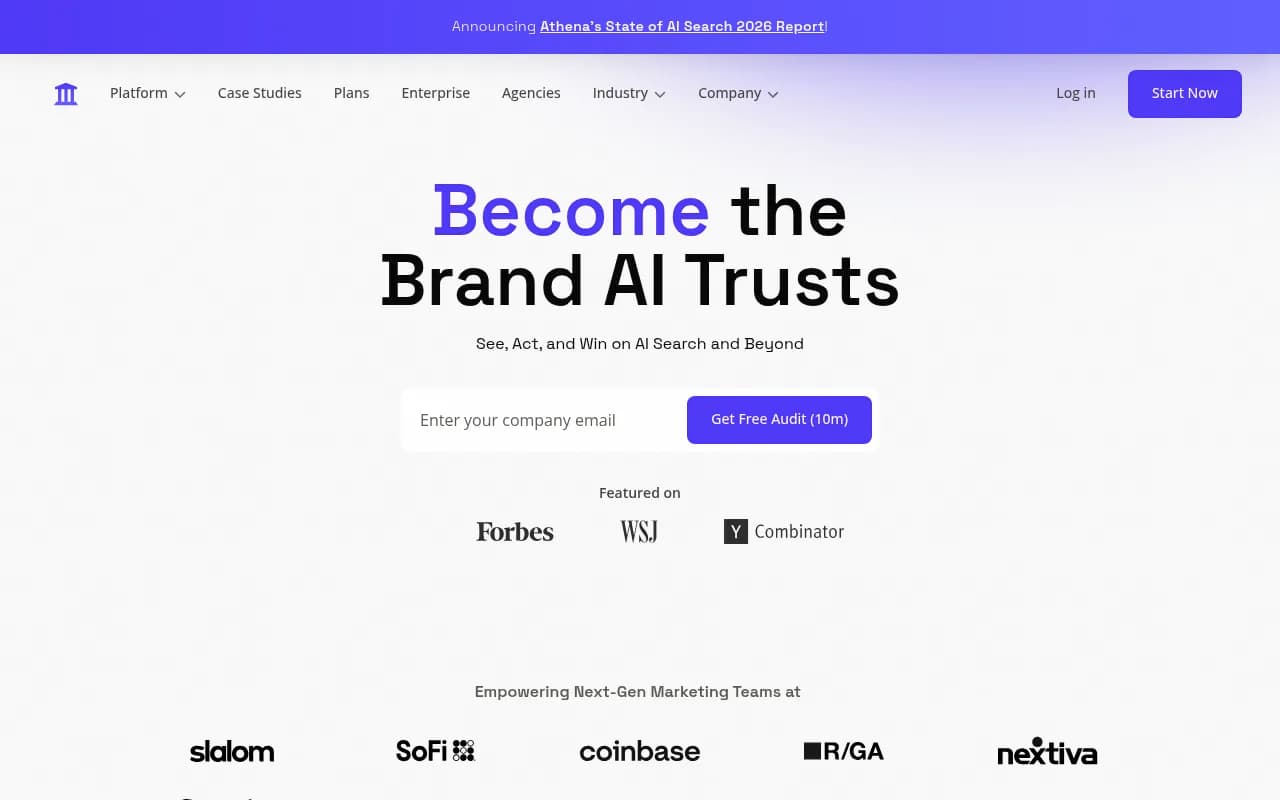
AthenaHQ also focuses on identifying content gaps, though it stops short of generating the content itself.
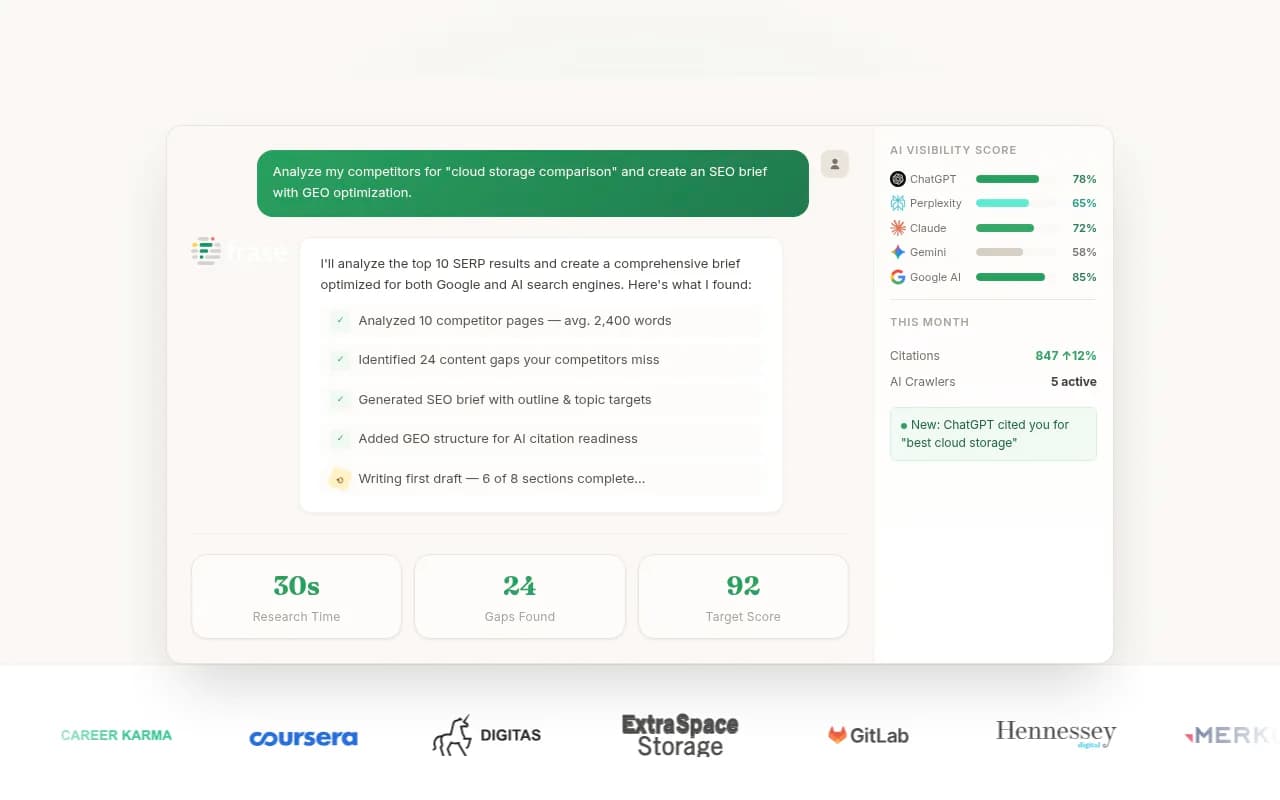
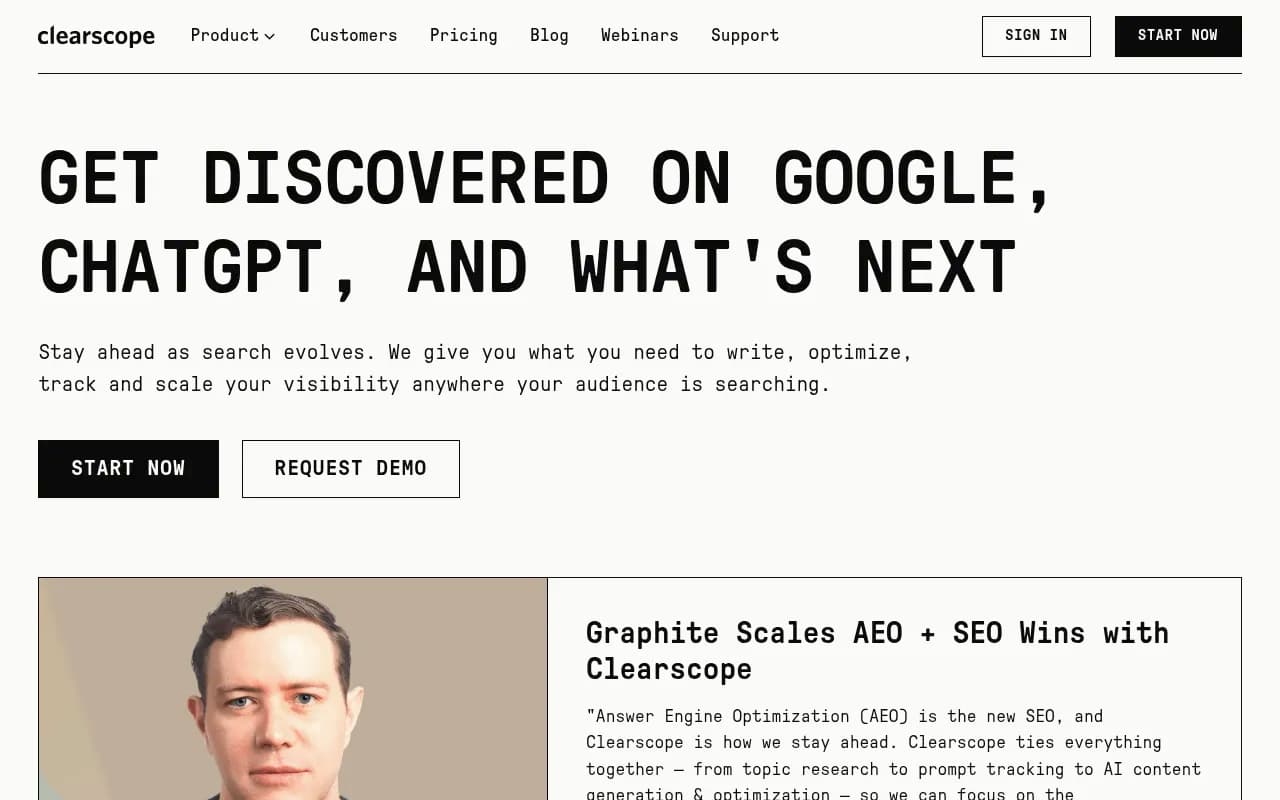
If you want pure content generation without the monitoring layer, tools like Frase and Clearscope are strong for building AI-optimized content briefs.
Gap 2: No AI crawler logs
This one surprises people when they first hear about it, but it's genuinely important.
AI models don't just answer prompts -- they crawl your website first. ChatGPT's crawler (GPTBot), Perplexity's crawler, Claude's crawler -- they all hit your pages, and what they find (or fail to find) shapes what they say about you. If a crawler hits a page and gets a 404, or hits a page that's slow to load, or hits a page that's thin on content, that affects your citations.
Otterly.AI has no visibility into this layer. You're flying blind on how AI engines are actually discovering and reading your site.
Promptwatch's AI Crawler Logs feature shows real-time logs of which AI crawlers are hitting which pages, what errors they're encountering, how often they return, and when a page moves from "crawled" to "cited." That's a meaningful diagnostic tool, not just a nice-to-have.
Airtop takes a different angle -- it uses AI agents to simulate how AI models research and read web content, which gives you a sense of what they're seeing when they visit your site.
Gap 3: No prompt volume or difficulty data
Otterly.AI lets you track prompts. What it doesn't tell you is whether those prompts are worth tracking.
In traditional SEO, you'd never optimize for a keyword without knowing its search volume and competition level. The same logic applies to AI search. Some prompts get asked constantly; others are niche edge cases. Some prompts are dominated by Wikipedia and Reddit and are nearly impossible to crack; others are genuinely winnable.
Without prompt volume estimates and difficulty scores, you're essentially guessing at prioritization. You might spend weeks optimizing for a prompt that barely anyone types, while ignoring a high-volume prompt where you'd have a real shot.
Promptwatch includes prompt volume estimates and difficulty scoring, plus query fan-outs that show how a single prompt branches into related sub-queries. That's the kind of data that lets you make actual strategic decisions.
Rankscale also tracks prompt-level data with some competitive context.
LLMrefs focuses specifically on query insights for LLM citation optimization -- useful if prompt intelligence is your primary need.
Gap 4: No Reddit or YouTube tracking
This gap is underappreciated, and it's one of the clearest signs that Otterly.AI was designed for a simpler version of AI search than what exists in 2026.
AI models don't just cite brand websites. They cite Reddit threads. They cite YouTube videos. They cite forum discussions and community posts. When someone asks Perplexity "what's the best project management tool for remote teams," the response often pulls from a mix of official product pages, review sites, and Reddit discussions -- sometimes heavily weighted toward Reddit.
If you're not tracking which Reddit posts and YouTube videos are influencing AI recommendations in your category, you're missing a major lever. You can't influence what you can't see.
Promptwatch surfaces Reddit discussions and YouTube content that directly affect AI recommendations in your space -- a channel most monitoring tools ignore entirely.
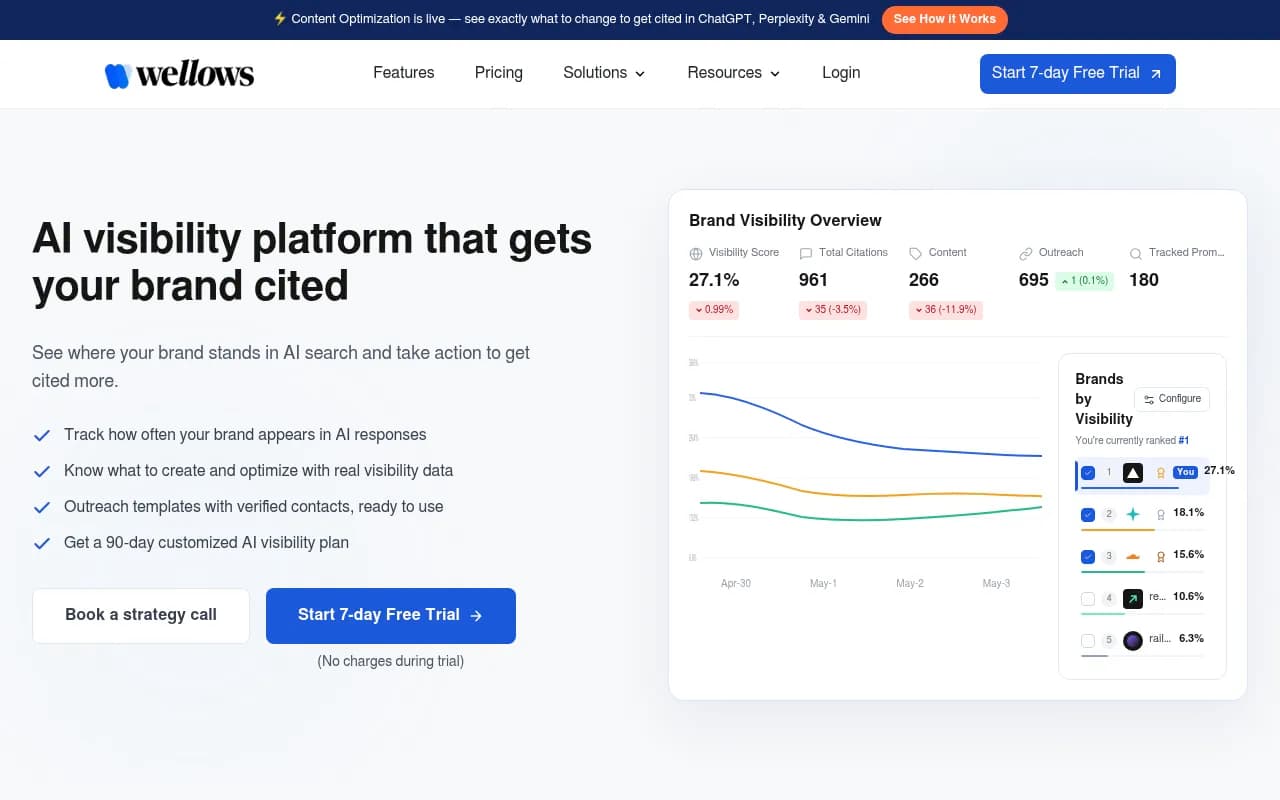
Wellows is worth looking at here too, specifically for its outreach tools that help you engage with the offsite citations (including community content) that are driving AI visibility.
Gap 5: No ChatGPT Shopping tracking
ChatGPT's shopping recommendations have become a meaningful traffic and revenue channel for e-commerce brands in 2026. When someone asks ChatGPT "what's a good running shoe under $150," it doesn't just give a text answer -- it surfaces product cards with images, prices, and links.
Otterly.AI doesn't track this at all. If you're a product brand, that's a real blind spot. You might be invisible in ChatGPT Shopping while competitors are getting product placements, and you'd have no idea.
Promptwatch tracks ChatGPT Shopping appearances and entity mentions specifically, which matters for any brand selling physical or digital products.
For broader e-commerce visibility, Birdeye Search AI is worth considering, particularly for brands with multiple locations or local presence.
Gap 6: No traffic attribution
Monitoring tools tell you about AI visibility. Attribution tools tell you whether that visibility is actually driving traffic and revenue. These are very different things, and conflating them leads to bad decisions.
Otterly.AI sits firmly in the monitoring camp. It can show you citation counts and mention trends, but it can't connect those citations to actual website visits or conversions. So you might see your visibility score go up and feel good about it, without knowing whether it's translating into anything real.
This matters because AI search traffic behaves differently from organic search traffic. Click-through rates from AI citations vary wildly by model, by prompt type, and by where in the response your brand appears. Without attribution data, you can't tell which AI channels are worth investing in.
Promptwatch connects visibility to traffic attribution, showing which AI citations are driving actual visits. LLMclicks.ai is a more focused tool specifically built around tracking clicks from AI search engines.
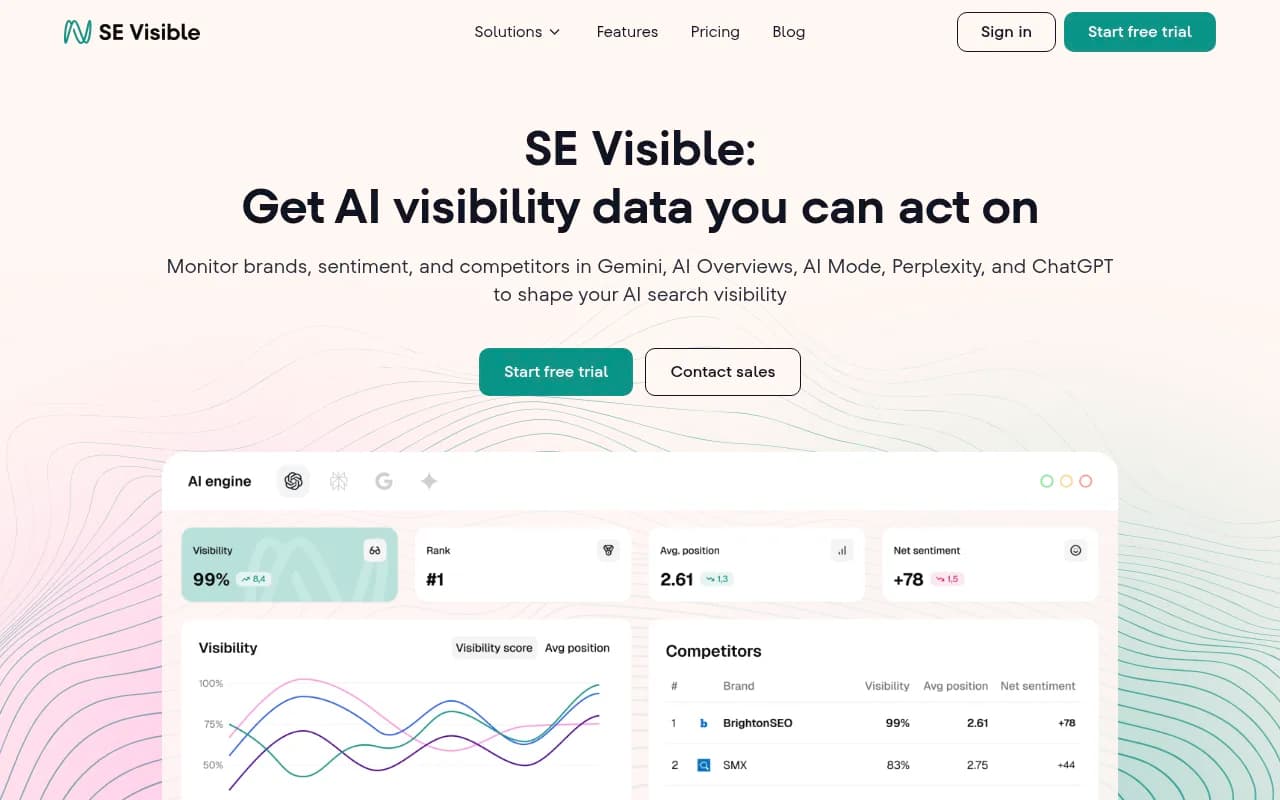
SE Ranking's visible platform also includes some attribution capabilities alongside its monitoring features.
Gap 7: Limited competitor analysis depth
Otterly.AI does include some competitor monitoring -- you can track how competitors appear in AI responses alongside your brand. But the depth is limited.
What's missing is the kind of granular competitor intelligence that tells you: which specific pages on a competitor's site are being cited, how their visibility breaks down by AI model, which prompts they're winning that you're losing, and what content strategy seems to be working for them.
That level of analysis requires more than a basic mention tracker.
Profound is one of the stronger options for enterprise-level competitor analysis in AI search.
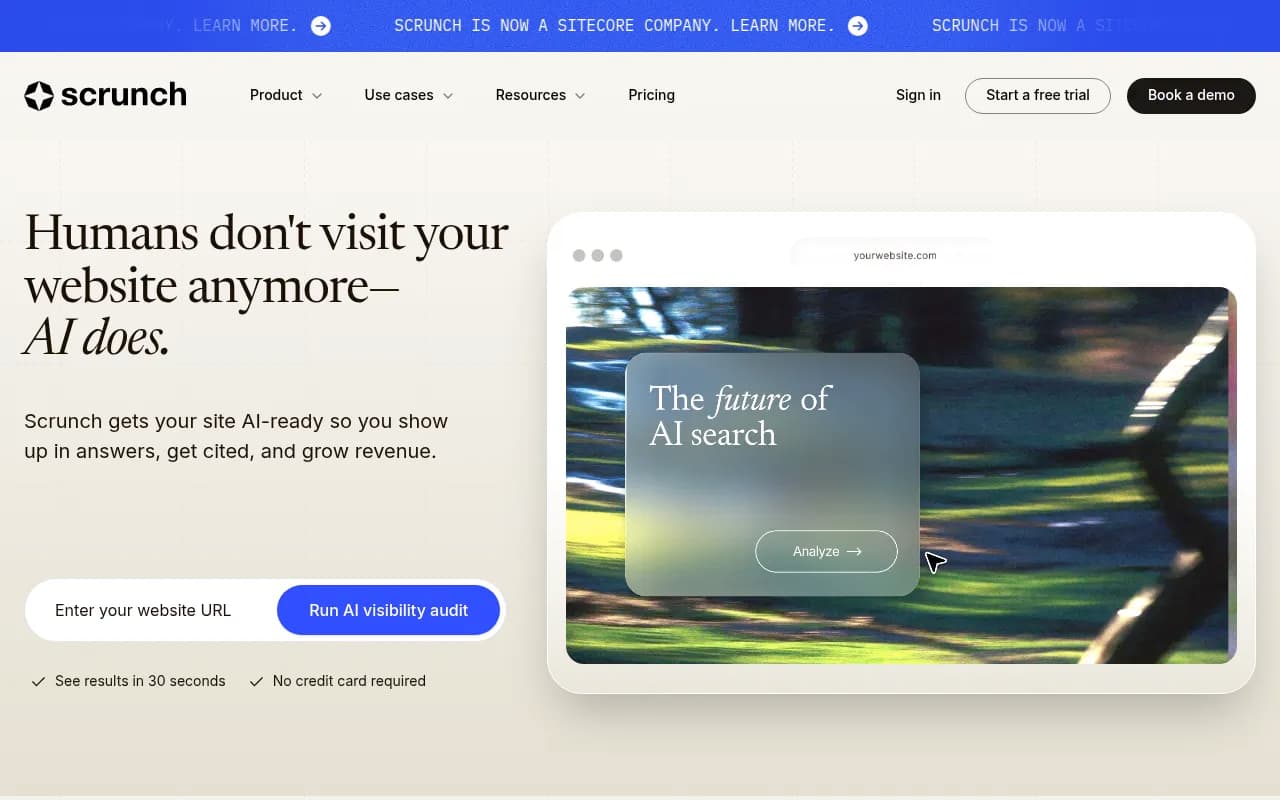
Scrunch AI also offers competitive monitoring with more depth than most entry-level tools.
AthenaHQ focuses heavily on competitive intelligence as its core use case.
Promptwatch's competitor heatmaps show visibility comparisons across LLMs, with page-level breakdowns of which content is driving competitor citations. Combined with the Answer Gap Analysis, it gives you a clear picture of not just where you're losing but what the winning content looks like.
How these gaps stack up: a quick comparison
| Feature | Otterly.AI | Promptwatch | AthenaHQ | Profound | Scrunch AI |
|---|---|---|---|---|---|
| AI brand monitoring | Yes | Yes | Yes | Yes | Yes |
| Content gap analysis | No | Yes | Partial | Partial | No |
| Content generation | No | Yes | No | No | No |
| AI crawler logs | No | Yes | No | No | No |
| Prompt volume/difficulty | No | Yes | No | Partial | No |
| Reddit/YouTube tracking | No | Yes | No | No | No |
| ChatGPT Shopping tracking | No | Yes | No | No | No |
| Traffic attribution | No | Yes | No | Partial | No |
| Competitor heatmaps | Basic | Yes | Yes | Yes | Partial |
| Pricing (starting) | ~$19/mo | $99/mo | Custom | Custom | Custom |
So what should you actually do?
It depends on where you are in your GEO journey.
If you're just starting out and want to understand whether AI models are mentioning your brand at all, Otterly.AI is a reasonable entry point. The price is low, the setup is fast, and it'll give you a baseline.
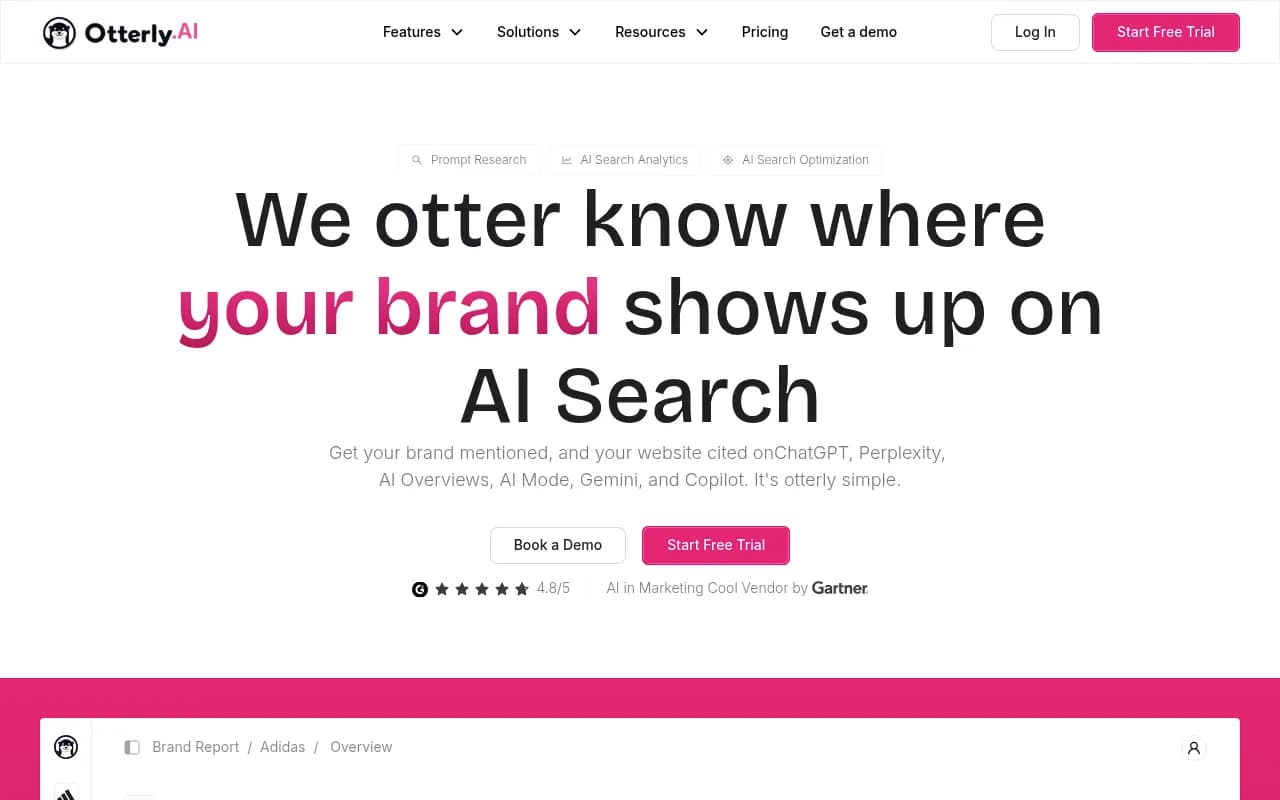
But if you're past the "are we being mentioned" question and into "how do we actually improve our AI visibility," Otterly.AI will leave you stuck. You'll have data but no clear path to acting on it.
The honest answer for most marketing and SEO teams in 2026 is that you need a platform that closes the loop: find the gaps, create the content, track the results. Monitoring-only tools are a starting point, not a strategy.
Promptwatch is the most complete option for that full cycle right now -- crawler logs, prompt intelligence, content generation, Reddit/YouTube tracking, ChatGPT Shopping, and traffic attribution in one place. It's more expensive than Otterly.AI, but it's also doing five times as much.
If budget is a constraint, a reasonable middle path is pairing a lightweight monitoring tool with a dedicated content optimization tool like Frase or Clearscope, and manually bridging the gap between what you're seeing and what you're writing. It's more work, but it's better than just watching your visibility dashboard and hoping things improve.
The AI search landscape has moved fast. The tools that were adequate in 2024 are showing their limits in 2026. Otterly.AI is a good product for what it is -- the question is whether what it is still matches what you need.