Key takeaways
- Google rank tracking logs a position for a keyword. ChatGPT tracking logs whether you are mentioned or cited across repeated runs of a prompt. These are different measurements, not two views of the same one.
- Hybrid tools exist (Ahrefs, SE Ranking, Semrush, Nightwatch and others), but vendors disagree on whether any of them does both well. One source says unified tracking is becoming standard. Another says no single tool handles both well.
- ChatGPT changes behavior fast. Promptwatch Data shows site: queries jumping from about 0.4% to about 17% of fanouts in a single day, so one-off audits go stale.
- A practical setup is a classic rank tracker for Google plus an AI visibility tool, or one platform whose AI side you have actually tested against your own prompts.
Why the question keeps coming up
A year or two ago, rank tracking meant one thing. You had a keyword list, a location, a device, and a number between 1 and 100. Now marketing teams get asked a second question: "Are we showing up in ChatGPT?" And the tempting answer is to find one tool that reports both.
I think the instinct is reasonable and the framing is slightly off. The real question is whether the two things can share a dashboard without one of them being a cheap imitation of the other. That depends on how each system produces answers, so let's start there.
How Google rank tracking works
A Google rank tracker queries a search engine for a keyword, from a given location and device, and records where your URL appears. The result is deterministic enough to be useful. Positions move a little day to day, but the shape of the output is stable: a ranked list, with SERP features around it.
That stability is why the tooling is mature. You can trend a position over months, compare it with a competitor, and tie it to clicks from Search Console.
AI Overviews add a wrinkle. Seer Interactive's analysis of 25.1 million impressions, quoted by Rank Monster, reported organic CTR dropping from 1.76% to 0% in many cases when an AI Overview appears. Treat that as one vendor-cited study, but it explains why teams want to see both environments next to each other.
How ChatGPT tracking works
ChatGPT does not return ten blue links. It breaks a question into searches, retrieves sources, writes a synthesized answer, and names a small number of brands. So there is no rank to record. As one review from Rework put it, ChatGPT rank tracking tools don't track a rank. They sample.
What they measure instead:
- Whether your brand is mentioned for a tracked prompt
- Whether your domain is cited, and where it lands in the source list
- Share of voice against competitors across a prompt set
- Sentiment in how the answer describes you
The same prompt can produce different answers by run, model version, and locale. So a tracker has to run prompts repeatedly and report rates, not single positions.
The query fanout problem
This is the part that most comparison articles skip. ChatGPT turns one typed prompt into one or more web searches, and your content has to match those, not the original prompt. Promptwatch Data's query fanout report measured about 2.15 fanouts per response in early December 2025 and about 1.84 by early March 2026, with average fanout query length falling from roughly 117 characters to the high 80s. A tool that only logs the typed prompt misses this layer.
It also moves suddenly. On August 8, 2026, ChatGPT started using the site: operator at scale, and site: queries went from about 0.4% to about 17% of all fanouts overnight, with searches per response rising from about 1.08 to about 1.83. Any keyword-to-prompt mapping built before that date is out of date. Google rankings do not usually shift like that in one day.
Fewer citation slots
Promptwatch's sources-per-response data shows ChatGPT citing about 5 sources per answer when web search is triggered, versus about 10 for Google AI Overviews and almost exactly 10 for Perplexity. Half the slots means each one is more contested, and it is a good reason not to assume that AI Overviews performance predicts ChatGPT performance.
Side-by-side comparison
| Dimension | Google rank tracking | ChatGPT tracking |
|---|---|---|
| Core unit | Keyword | Prompt (plus the fanout queries behind it) |
| Output | Position 1-100 | Mention rate, citation rate, share of voice, sentiment |
| Repeatability | High | Variable by run, model, and locale |
| Sampling | One check is usually enough | Needs repeated runs |
| Competitors | Who outranks you | Who gets named alongside you |
| Link to traffic | Search Console clicks | AI referral analytics, crawler logs |
| Stability | Gradual shifts | Can change overnight |
| Maturity | Over a decade of tooling | Roughly two years |
Can one tool do both?
The sources I looked at contradict each other, and I did not test either claim.
Rank Monster says unified tools are now normal and names Rankability, Ahrefs, SE Ranking and others as offering integrated dashboards. Its table puts the number of established platforms with unified AI plus Google tracking at 7 to 12 as of Q1 2026. Airefs, on the other hand, opens its roundup with "Many teams now need both, and no single tool handles both well." Both of those are vendors with something to sell, and Rank Monster and Airefs each sit inside the category they are describing.
My read: a tool can display both in one place, which is real convenience. Whether the AI half is as deep as a dedicated tracker is a separate question, and you only find out by testing.
Hybrid tools worth a look
These come from traditional SEO suites that added AI tracking.
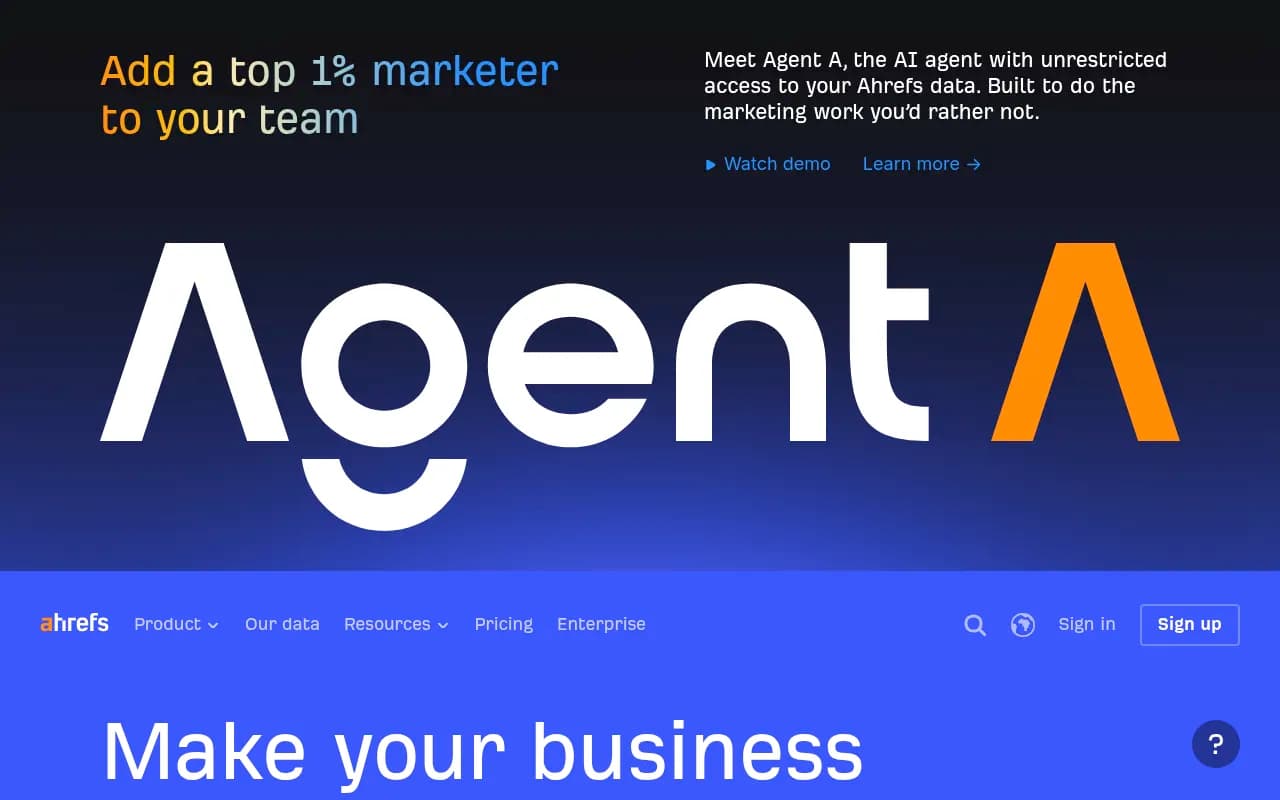
Ahrefs pairs its keyword rank tracking and backlink data with Brand Radar for AI visibility.

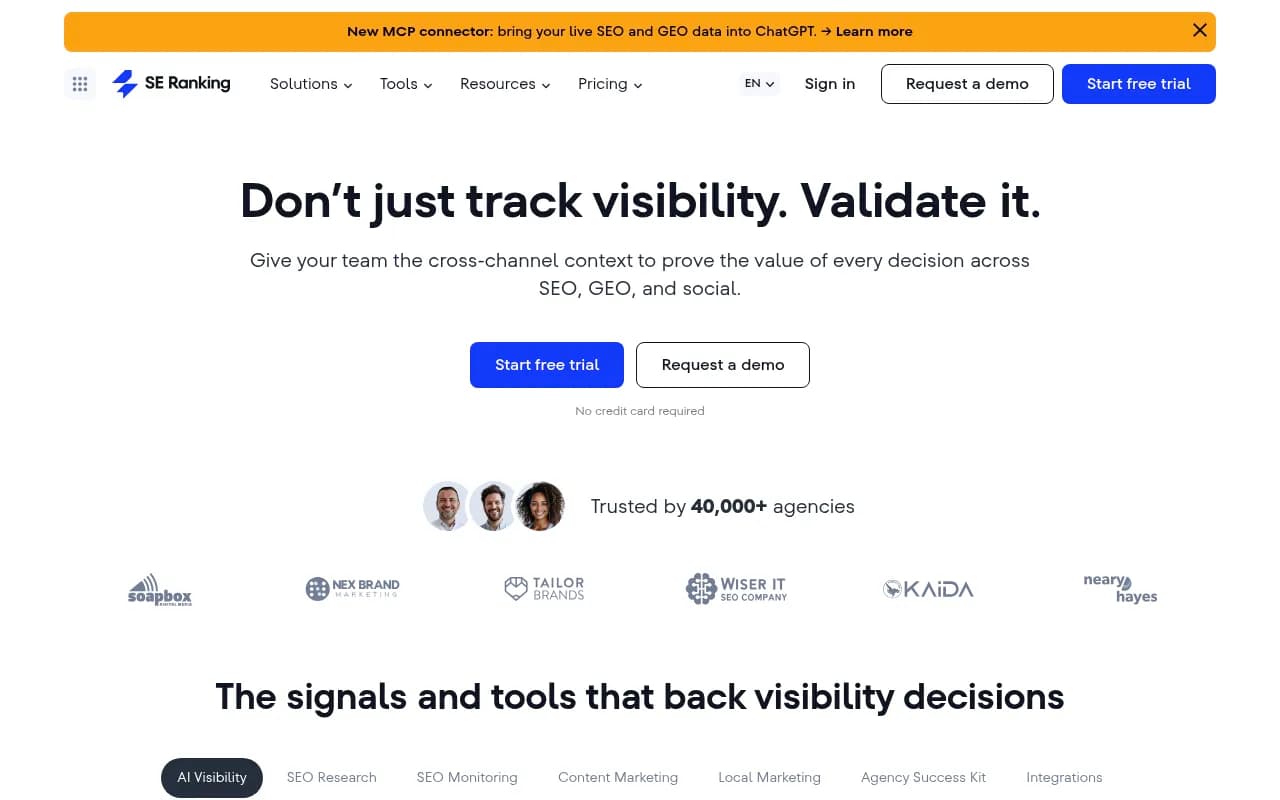
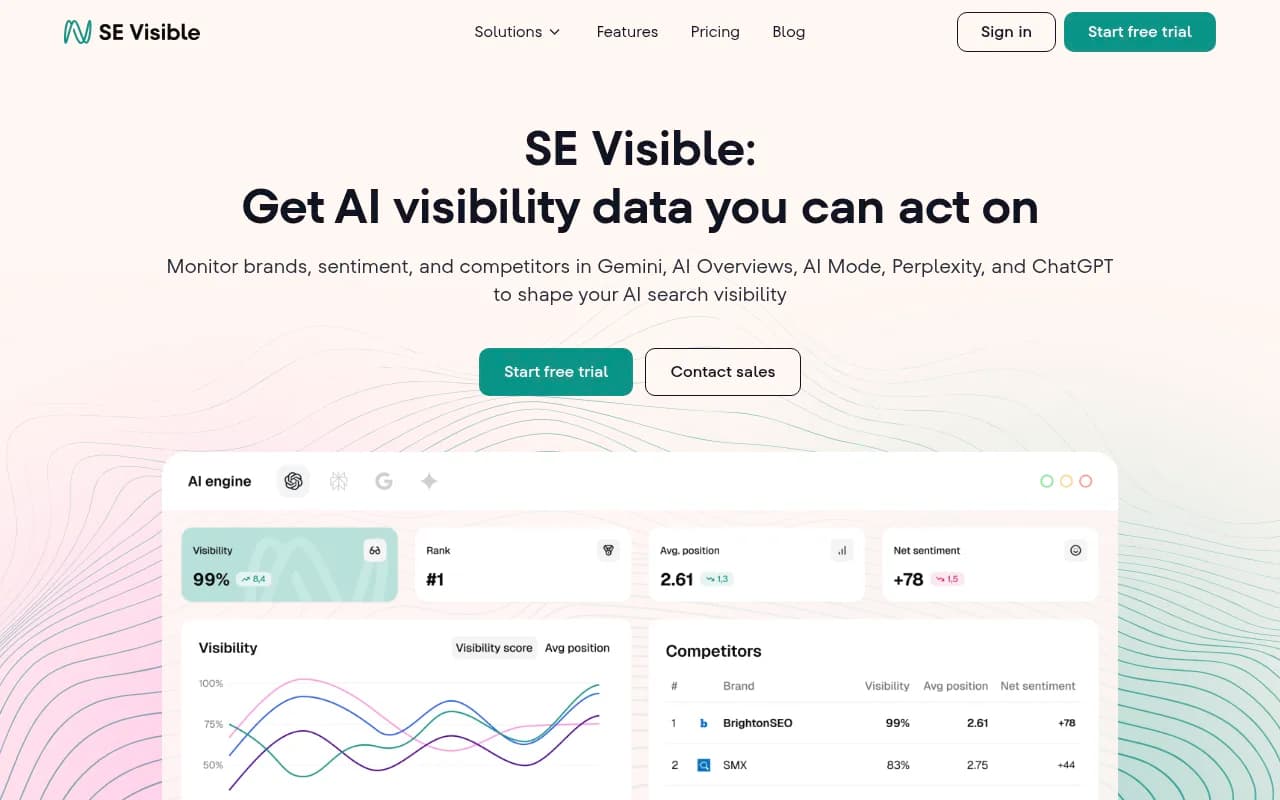
SE Ranking positions itself as rank tracking, research, and site audits with AI visibility on top, and also sells a separate AI visibility product.
Semrush has an AI visibility toolkit inside its wider platform.
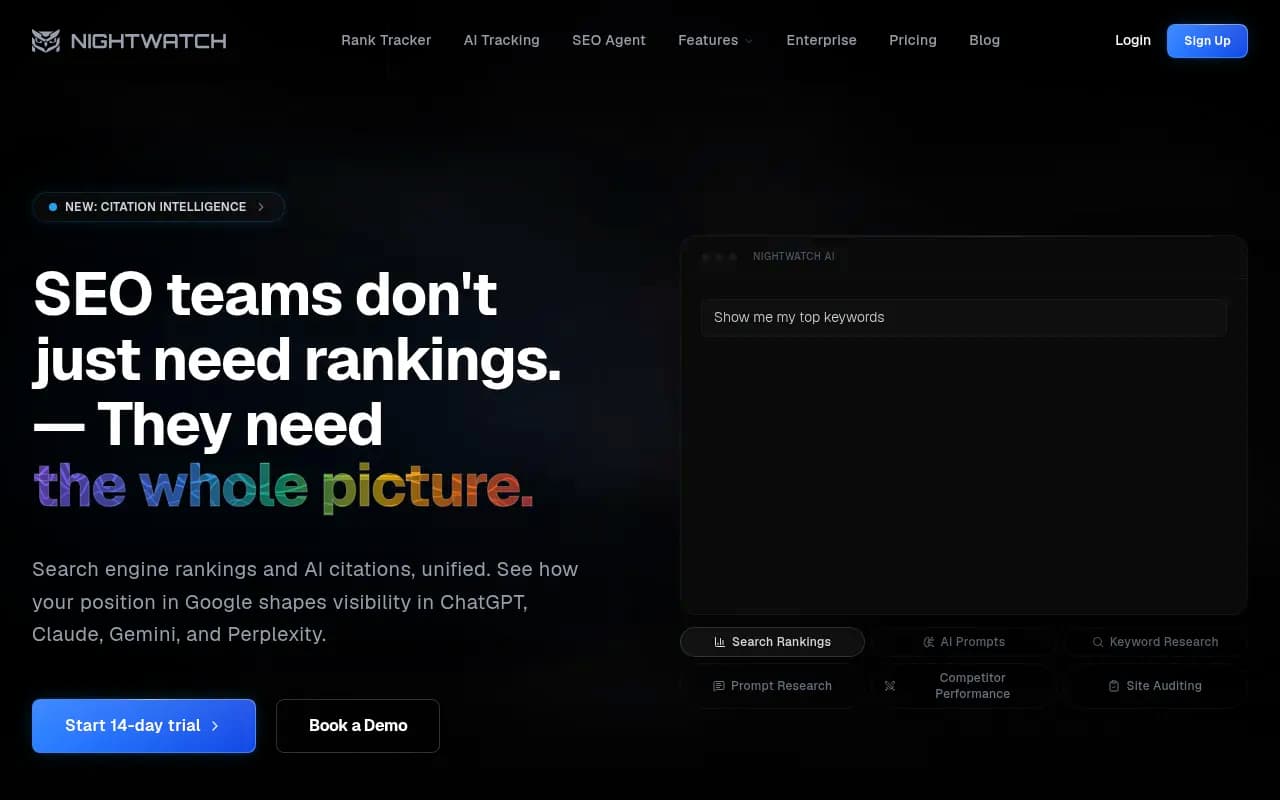
Nightwatch started as a rank tracker and extended into AI search. KIME's roundup lists it at $39/mo plus an AI add-on, a vendor-reported figure from April 2026 that you should verify.
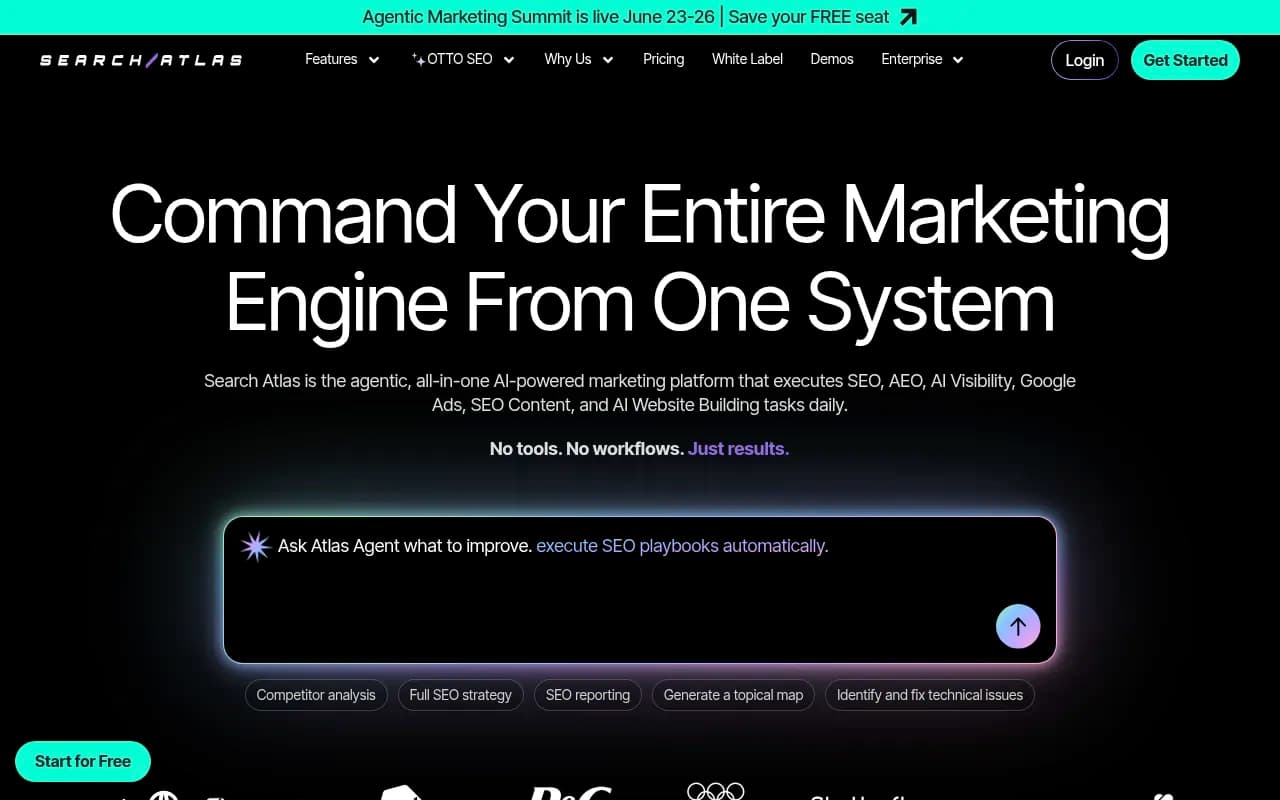
Search Atlas and SEORCE both pitch a unified SEO, GEO and rank tracking approach.
Dedicated AI trackers
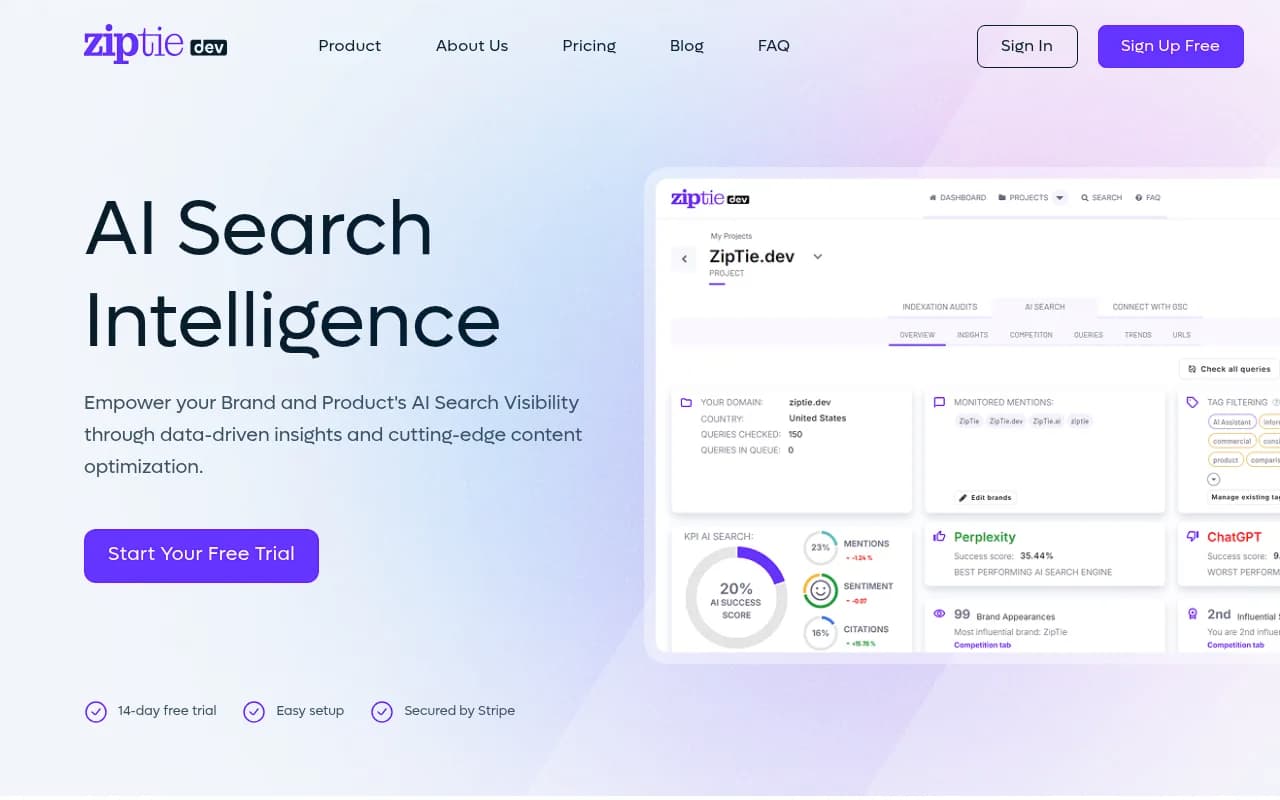
If ChatGPT visibility is the priority, purpose-built tools usually go deeper on prompts, citations, and models. The usual shortlist includes Otterly.AI, Profound, ZipTie, Peec AI, and KIME.



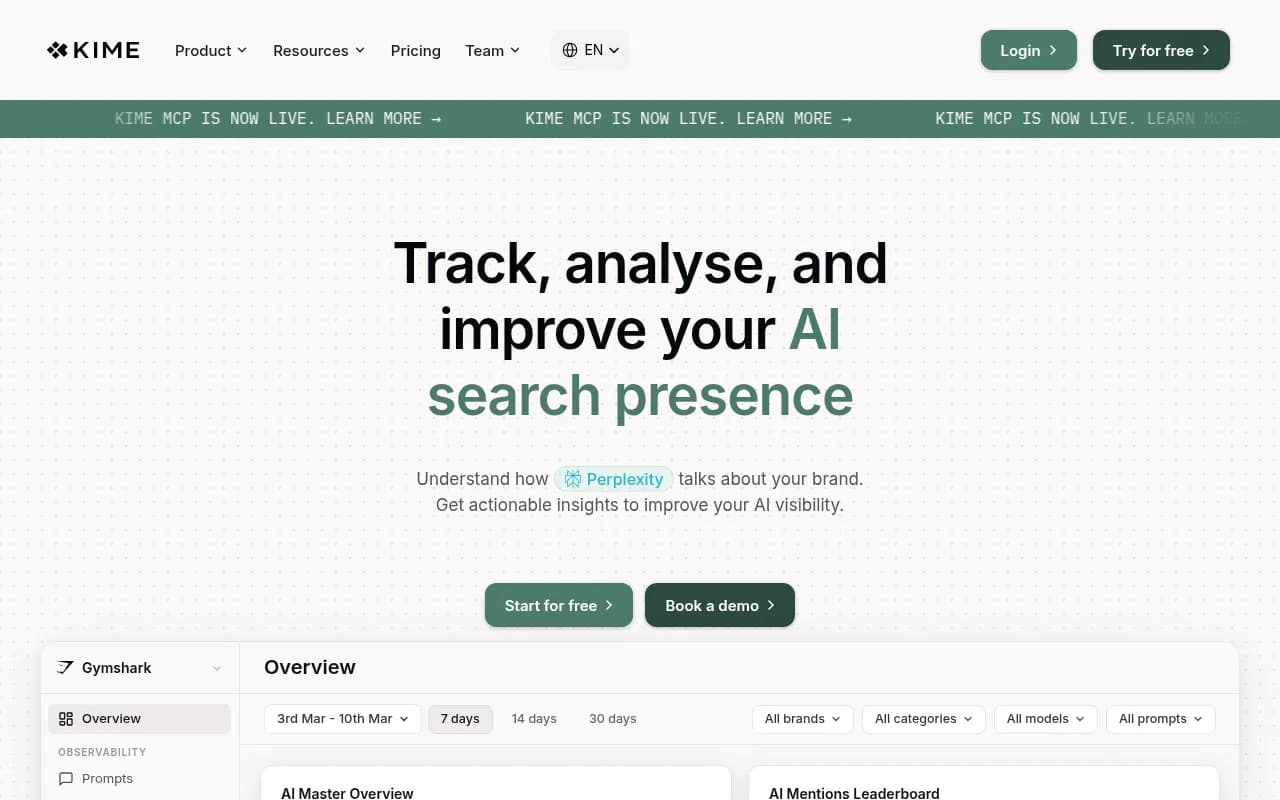
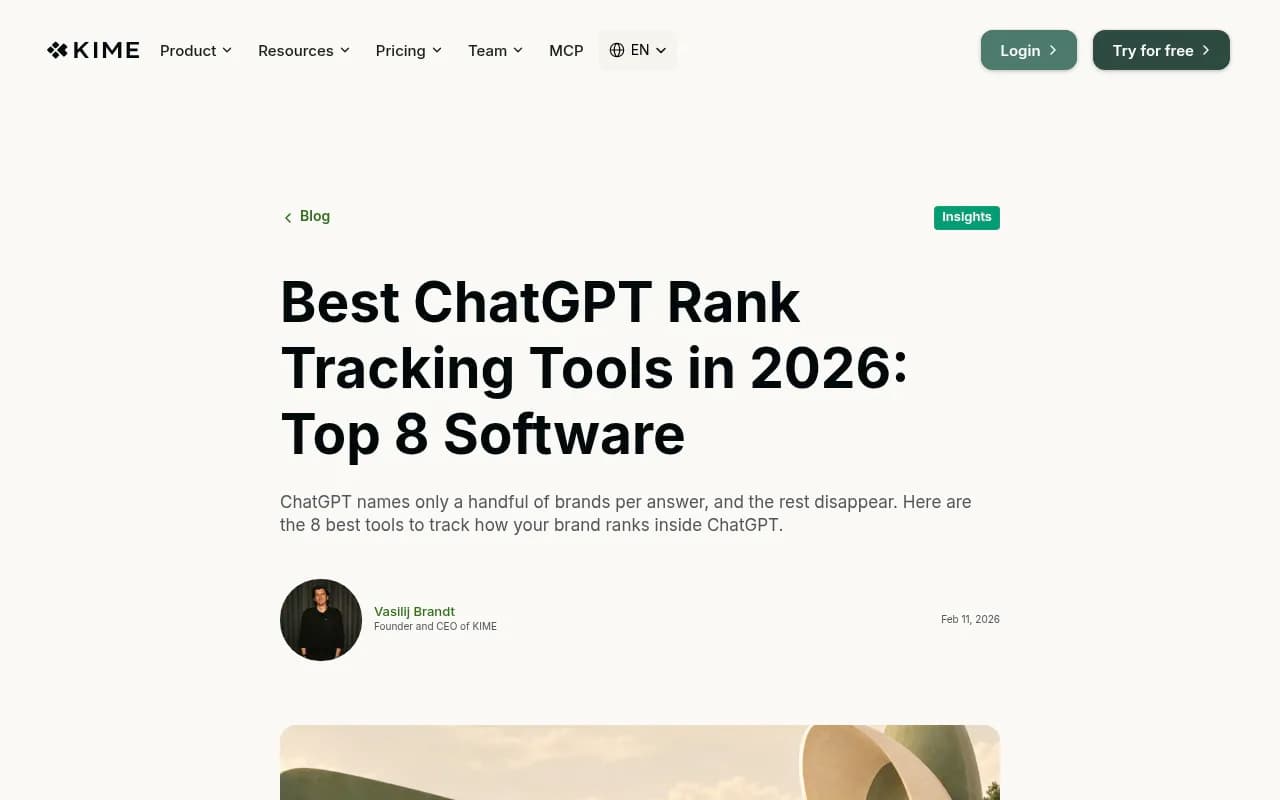
A caution on KIME: its own article ranks KIME first, and it claims roughly 60% of organic traffic now comes from AI responses with no source. I would not repeat that number. Its pricing table is still useful for a rough scan (Otterly.AI from $29/mo, ZipTie from $69/mo, Profound from $99/mo, Morningscore from $49/mo), but vendor-reported prices from April 2026 need checking.
For a different vantage point, the Rank Monster guide frames the choice around coverage, attribution, and actionability, which is a useful way to score any tool.
Where Promptwatch fits
Promptwatch is not a classic SERP rank tracker, though it brings in Google Search Console and Bing Webmaster data next to AI data. It tracks real ChatGPT, AI Overviews, AI Mode, Gemini, Perplexity and other interfaces, and shows query fanouts, IP-verified AI crawler logs, and AI-referred traffic, then helps you act on the gaps with content tooling. For most teams the sensible pairing is a classic rank tracker for Google positions and Promptwatch for the AI side.

What to test before you commit
Don't buy on the feature page. Run a two-week trial with the same 20 to 30 prompts in each candidate, and check:
- Does it capture the real ChatGPT interface, or only API output? User-facing answers and citations can differ from API responses.
- Does it run each prompt more than once per day or week, and report rates?
- Does it show the fanout queries, not just the typed prompt?
- Can you filter by country and language?
- Does it show the exact cited URLs, so you can see which of your pages win?
- Can it connect visibility to traffic, through referral analytics or crawler logs?
- For hybrid tools, how many AI prompts are included at your plan level, and how often are they refreshed?
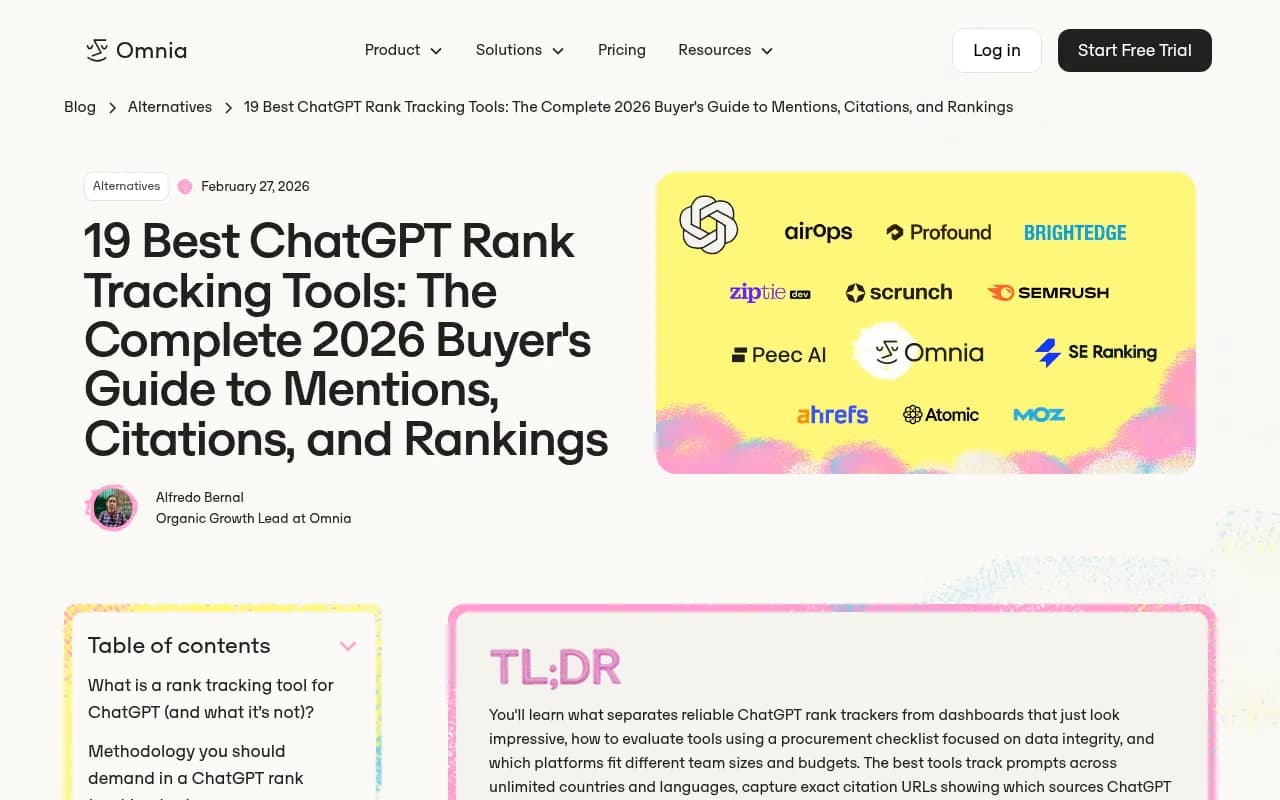
The Omnia buyer's guide makes a related point: manual testing falls apart around 10 prompts, and the useful tools turn visibility signals into content actions, not just reports.
Three setups that work
| Situation | Suggested setup |
|---|---|
| Small team, tight budget | One hybrid tool (SE Ranking, Nightwatch or similar) and a short, well-chosen AI prompt list |
| In-house SEO team with a Google baseline | Keep your current rank tracker, add a dedicated AI visibility tool |
| Agency or enterprise | Classic tracker plus a full AI platform with crawler logs, visitor analytics, and reporting |
How to build the AI side of your tracking
Start with 20 to 50 prompts that match how buyers actually ask, such as best X for Y, alternatives to Z, and X vs Y. Tag them by intent. Run them for at least two to four weeks before drawing conclusions, since single-day swings are noise.
Then read the results as a diagnosis. Low mention rate means you are not in the conversation. Mentions without citations of your own pages point to content or crawlability problems. Cited but late in the answer means a prominence problem.
And keep an eye on platform changes. The August 8 site: shift showed that how ChatGPT searches can change without notice, so re-check your mapping after major updates. For broader context on what gets cited, Promptwatch's content type data found product pages the most cited type at 22.4% of citations from Sep 28 to Oct 4, 2026.
If you want to compare more options, the AI rank tracking directory lists tools in this category.
The verdict
One tool can show both. Whether one tool can do both well is still unproven, and the vendor claims cancel each other out. Google tracking is a solved problem with mature tooling. ChatGPT tracking is a sampling problem that shifts underneath you.
So pick based on your priority. If Google is still most of your traffic, a hybrid is a fine place to start. If AI visibility is a growth channel you are investing in, use a dedicated tool for it, test it against your own prompts, and keep your Google tracker running alongside.