Key takeaways
- Perplexity is the most citation-friendly engine for new content -- it actively surfaces sources and has the lowest hallucination rate (37% vs 67% for ChatGPT Search), making it the fastest path to visible citations.
- ChatGPT prioritizes brand authority and training data depth; ranking here takes longer but delivers broader reach given its massive user base.
- Gemini leans heavily on Google's existing trust signals -- if you already rank in traditional search, you have a head start.
- Each engine has a distinct "citation logic" that rewards different content strategies. One-size-fits-all optimization doesn't work.
- Tracking your visibility across all three simultaneously (rather than guessing) is the only reliable way to know what's actually working.
If you've been optimizing content for AI search in 2026, you've probably noticed something frustrating: the same article can get cited constantly in Perplexity, show up occasionally in Gemini, and barely register in ChatGPT. Or the reverse. The three engines behave very differently, and most of the advice floating around treats them as interchangeable. They're not.
This guide breaks down how each engine actually decides what to cite, which one is realistically easiest to get traction in first, and what that means for your content strategy.
How each engine decides what to cite
Before comparing difficulty, it helps to understand the underlying logic each platform uses. These aren't just different interfaces on the same technology -- they have genuinely different architectures.
ChatGPT: training data + real-time search, weighted toward authority
ChatGPT's citation behavior splits into two layers. The base model draws on training data, which means well-established brands, frequently linked content, and sources that were heavily represented before the training cutoff tend to get mentioned even without a live search. When ChatGPT Search is active (which it is by default in most conversations now), it pulls live web results -- but it still weights them through a lens of perceived authority.
What this means practically: newer sites and newer content face an uphill battle. ChatGPT tends to favor sources it already "knows" from training. Getting cited here often requires building up enough third-party mentions, backlinks, and brand signals that the model starts treating you as a credible default source -- not just a page that answered one query well.
The citation hallucination rate for ChatGPT Search sits around 67% according to a 2026 analysis by Suprmind. That's a significant number. It means ChatGPT sometimes cites sources that didn't actually say what it claims, or cites URLs that don't exist. For brands trying to track their citations, this creates noise.
Perplexity: real-time search with aggressive citation
Perplexity is built differently. It's fundamentally a search-first product -- every response is grounded in live web results, and citations aren't optional, they're the whole point. The interface shows numbered sources inline, and users can click through to verify. This architecture creates a very different citation dynamic.
Because Perplexity is pulling fresh results for every query, newer content has a genuine shot. If your page ranks reasonably well for a topic and answers the question clearly, Perplexity will often cite it -- sometimes within days of publication. The hallucination rate here is the lowest of the major platforms at around 37%, which also means the citations you do get are more likely to be accurate.
The tradeoff: Perplexity's user base, while growing fast, is still smaller than ChatGPT's. Getting cited here is easier, but the traffic impact per citation is lower.
Gemini: Google's trust signals, applied to AI responses
Gemini is Google's AI, and it behaves like Google's AI. It leans heavily on the same E-E-A-T signals (Experience, Expertise, Authoritativeness, Trustworthiness) that traditional Google Search uses. If your site already performs well in organic search -- good backlink profile, author credentials, established topical authority -- Gemini is more likely to cite you.
The real-time data angle is Gemini's genuine strength. Because it's deeply integrated with Google's index, it can surface very recent information faster than ChatGPT's base model. But the citation logic still runs through Google's trust framework, which means thin sites or new domains without established authority will struggle regardless of content quality.
Comparing the three engines side by side
| Factor | ChatGPT | Perplexity | Gemini |
|---|---|---|---|
| Citation frequency | Moderate | High | Moderate-High |
| Hallucination rate | ~67% | ~37% | Not published |
| New content indexed | Slow (training lag) | Fast (real-time) | Fast (Google index) |
| Authority required | High | Low-Medium | Medium-High |
| Traffic per citation | High (large user base) | Medium | High (Google ecosystem) |
| Easiest to rank in | Hard for new brands | Easiest | Medium |
| Key ranking signal | Brand authority + backlinks | Content relevance + freshness | E-E-A-T + Google trust |
| Shopping/product citations | Yes (ChatGPT Shopping) | Limited | Google Shopping integration |
Which engine is actually easiest to rank in first?
The honest answer: Perplexity, and it's not particularly close.
Here's why. Perplexity's search-first architecture means it's constantly looking for the best available answer to each query. If you publish a well-structured, factually accurate piece that directly addresses a specific question, Perplexity can start citing it within days. You don't need years of domain authority. You don't need to have been in Google's index since 2018. You need a clear answer to a real question.
ChatGPT is the hardest for new entrants. The training data weighting means established brands have a significant structural advantage. Even with ChatGPT Search active, the model's prior "beliefs" about which sources are authoritative influence what it surfaces. A brand new site with excellent content will often lose to a mediocre page from a well-known domain.
Gemini sits in the middle. If you already have Google SEO traction, Gemini is relatively accessible -- it's essentially an extension of the trust you've already built. If you're starting from scratch, it's harder than Perplexity but more achievable than ChatGPT.
What actually moves the needle in each engine
Getting cited in Perplexity
Focus on specificity and freshness. Perplexity rewards content that answers a narrow, well-defined question better than anything else currently ranking. A few things that help:
- Write for specific, long-tail queries rather than broad topics. "How does X work" beats "everything about X."
- Publish regularly. Perplexity's real-time indexing means fresh content has a genuine advantage.
- Use clear structure -- headers, short paragraphs, direct answers near the top. Perplexity's citation engine tends to pull from the most directly relevant section of a page, not the whole thing.
- Build some external links to the specific page you want cited, not just your homepage.
Getting cited in ChatGPT
This is a longer game. The factors that matter most:
- Third-party mentions and brand signals. Getting mentioned in industry publications, forums, Reddit threads, and review sites builds the kind of distributed authority that ChatGPT's training data picks up.
- Backlink quality over quantity. A handful of links from genuinely authoritative domains does more than hundreds of low-quality ones.
- Consistent topical coverage. ChatGPT tends to cite sources that have covered a topic thoroughly over time, not just once.
- Structured data and clear entity signals. Make it easy for the model to understand who you are and what you cover.
Getting cited in Gemini
Treat this like an extension of your Google SEO strategy, with a few additions:
- Author credentials matter. Gemini's E-E-A-T weighting means bylined content from identifiable experts gets a boost.
- Google Business Profile and structured data help for local and product queries.
- Content that appears in Google's featured snippets or People Also Ask boxes has a higher chance of being pulled into Gemini responses.
- Real-time relevance helps -- Gemini can surface very recent content, so timely pieces on trending topics can get traction quickly.
The multi-engine problem
Here's the thing most guides miss: optimizing for one engine often means you're leaving the others behind. A strategy built entirely around Perplexity's freshness signals won't necessarily translate to ChatGPT authority. A site that dominates Gemini through Google SEO might barely register in Perplexity if its content isn't structured for direct answers.
The practical implication is that you need to track all three separately. Knowing you're "doing well in AI search" is too vague. You need to know which specific prompts you're being cited for, in which engine, and how that's changing over time.
Promptwatch is built specifically for this -- it tracks your citations across ChatGPT, Perplexity, Gemini, and seven other AI engines simultaneously, so you can see exactly where you're winning and where you're invisible. The answer gap analysis shows you which prompts competitors are getting cited for that you're not, which is the fastest way to find winnable opportunities in each engine.

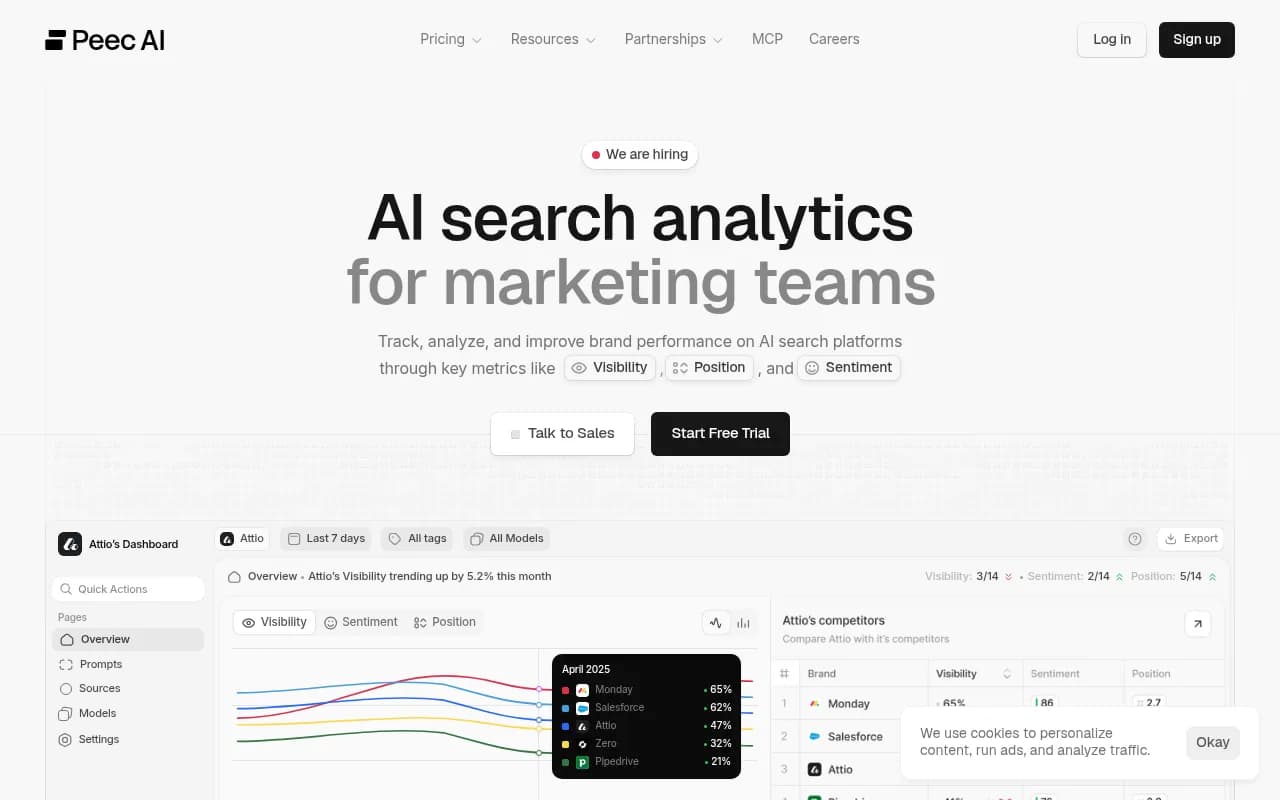
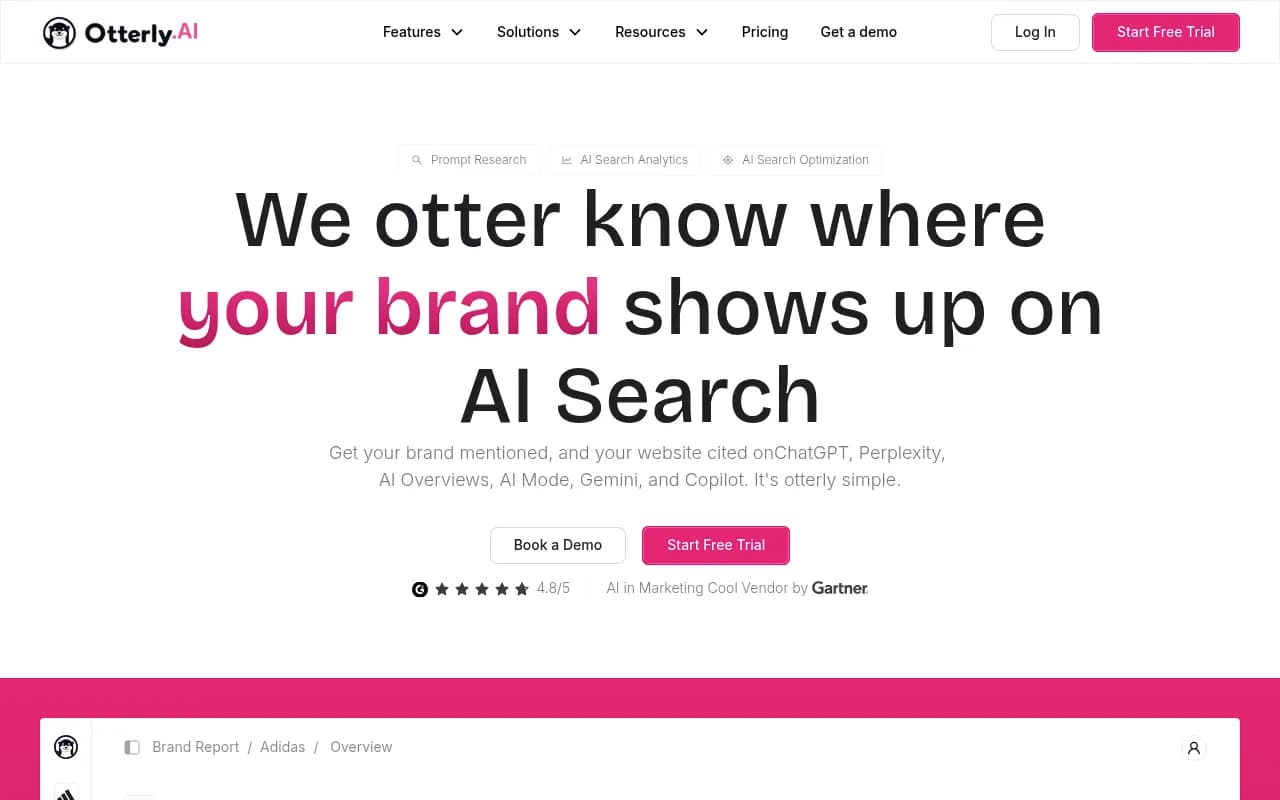
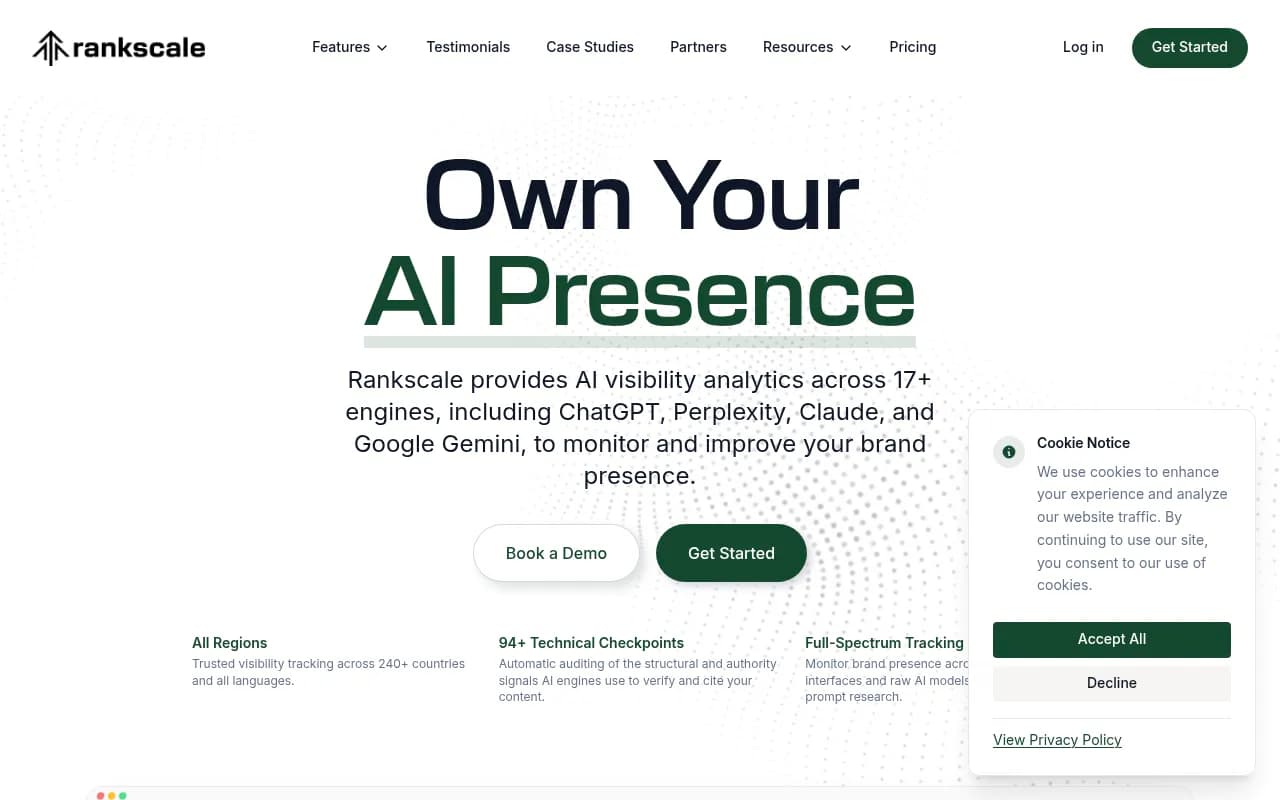
For teams that want to go deeper on individual engines, a few other tools are worth knowing about:
A realistic timeline for each engine
One thing nobody talks about enough: how long it actually takes to see results.
Perplexity is fastest. With good content targeting specific queries, some brands report citations appearing within one to two weeks of publication. This makes it the best engine for testing what works -- you get signal quickly.
Gemini is medium-term. If you have existing Google authority, you might see Gemini citations within a few weeks of publishing. If you're building from scratch, expect two to four months before you have enough trust signals to show up consistently.
ChatGPT is the slowest, especially for base model citations. Training data updates don't happen in real time, so building visibility here is a multi-month effort. ChatGPT Search citations can appear faster, but the authority weighting still applies. Realistically, plan for three to six months of consistent effort before you see reliable ChatGPT mentions.
Common mistakes that hurt visibility across all three
A few patterns that consistently undermine AI search visibility, regardless of which engine you're targeting:
Thin content that answers the headline but nothing else. AI engines are good at detecting when a page technically addresses a topic but doesn't actually say anything useful. Depth matters.
Ignoring the actual questions people ask. Traditional keyword research doesn't map cleanly to how people prompt AI engines. The queries are more conversational, more specific, and often phrased as full questions. Content built around "best CRM software" will underperform content built around "what CRM should a 10-person sales team use."
No external validation. All three engines, in different ways, use third-party signals to assess credibility. A site that only links to itself and has no external mentions is invisible to these signals.
Publishing once and stopping. Perplexity especially rewards consistent publishing. A site that published 50 articles two years ago and nothing since will lose ground to a site publishing regularly, even if the older content is technically better.
Treating AI SEO as separate from regular SEO. The fundamentals overlap significantly. Good content, real authority, clear structure, and genuine topical expertise help in both traditional and AI search. The differences are real but they're not a reason to abandon what already works.
Which engine should you prioritize?
If you're starting from scratch or working with a newer domain, start with Perplexity. The feedback loop is faster, the authority requirements are lower, and the citation logic is more transparent. Use it to test which content angles actually get picked up, then apply those learnings to your Gemini and ChatGPT strategies.
If you already have solid Google SEO, Gemini is the natural next step. You're already building the trust signals it cares about -- you just need to make sure your content is structured in a way that translates to AI responses.
ChatGPT should be a long-term investment running in parallel with everything else. The user base is too large to ignore, but it's not a place where you can expect quick wins. Build brand authority consistently, get mentioned in the right places, and the citations will follow.
The brands that are winning in AI search in 2026 aren't treating these as separate channels. They're building content that works across all three, tracking the results at the engine level, and iterating based on what the data actually shows -- not what they assume is working.
Tools like Promptwatch, Peec AI, and Rankscale can give you that visibility. Without tracking, you're essentially optimizing blind.