Key takeaways
- ChatGPT's citation algorithm is shifting toward quality and authority signals, not just content volume -- which actually favors focused solo marketers over bloated content factories.
- The core strategy is a repeatable loop: find the prompts where competitors are cited but you're not, create content that directly answers those prompts, then track whether AI models start citing you.
- Structured content, external mentions, and consistent entity presence across the web matter more than raw publishing frequency.
- A handful of the right tools can replace most of what a full content team does -- from content briefs to tracking to optimization.
- Tracking your AI visibility is non-negotiable in 2026. If you can't see where you're being cited (or ignored), you're flying blind.
Here's the thing most solo marketers don't realize: ranking in ChatGPT is not a volume game. You don't win by publishing 50 articles a month. You win by publishing the right content -- content that directly answers the prompts your target audience is typing into AI search engines, structured in a way that makes it easy for language models to extract and cite.
That's actually good news if you're working alone or with a small team. You're not trying to out-publish a media company. You're trying to be the most credible, most citable source for a specific set of questions. That's a winnable fight.
This guide walks you through exactly how to do it in 2026.
How ChatGPT actually decides what to cite
Before you build a strategy, you need to understand the mechanics. ChatGPT doesn't crawl the web in real time for most queries -- it draws on a combination of its training data, Bing's index (for ChatGPT Search), and increasingly, its own emerging authority signals.
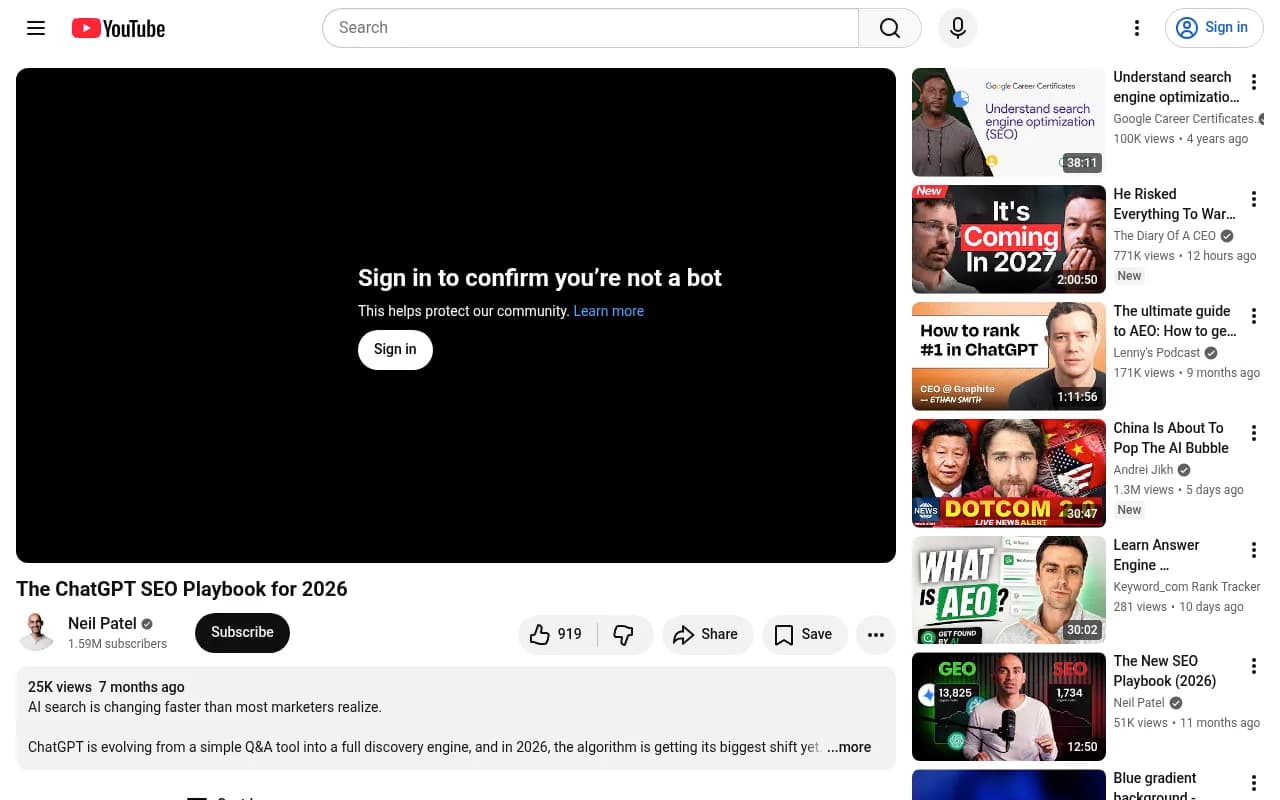
Neil Patel's team, which tracks behavior across hundreds of brands, noted in late 2025 that ChatGPT is building its own version of domain authority. The shift is away from citation volume -- where you could just mention yourself in a bunch of listicles -- toward citation quality. The model is starting to weight industry-relevant, third-party sources more heavily than self-published content.
What this means practically:
- A mention in a respected industry publication matters more than 10 blog posts on your own site.
- Freshness signals are becoming more important -- stale content loses ground to recently updated pages.
- Sentiment matters. ChatGPT is getting better at distinguishing positive brand mentions from neutral or negative ones.
- Entity consistency -- your brand name, description, and key claims appearing consistently across the web -- helps the model build a reliable picture of who you are.
The good news: none of this requires a big team. It requires a clear strategy and the discipline to execute it consistently.
Step 1: Find the prompts that matter (and where you're invisible)
The biggest mistake solo marketers make is creating content based on what they think people are asking AI. The reality is that AI search behavior is often different from traditional Google search -- the prompts are longer, more conversational, and more specific.
Your first job is to identify the exact prompts your potential customers are using in ChatGPT, Perplexity, and other AI engines -- and then figure out which ones your competitors are being cited for but you're not. That gap is your opportunity.
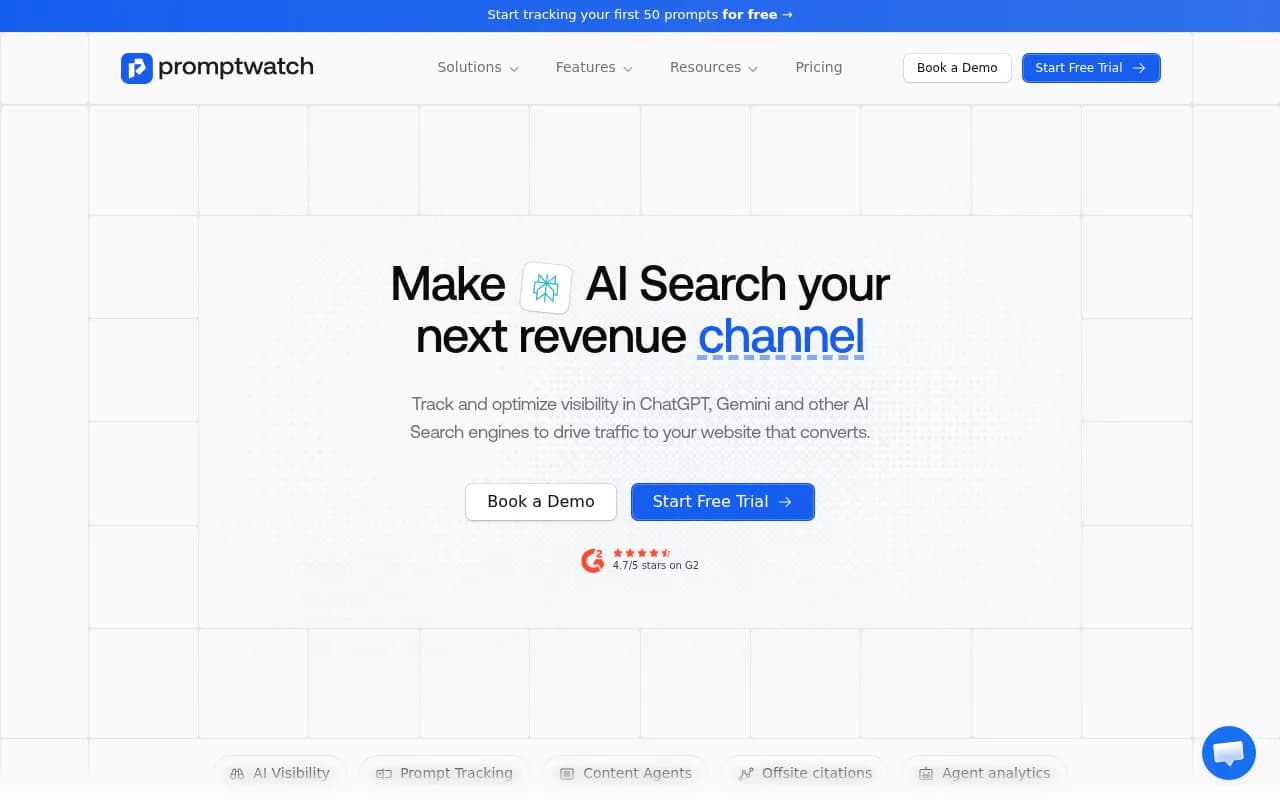
This is called answer gap analysis, and it's the starting point for any serious AI visibility strategy. Tools like Promptwatch surface exactly which prompts competitors rank for that you don't, so you can prioritize content that actually moves the needle.
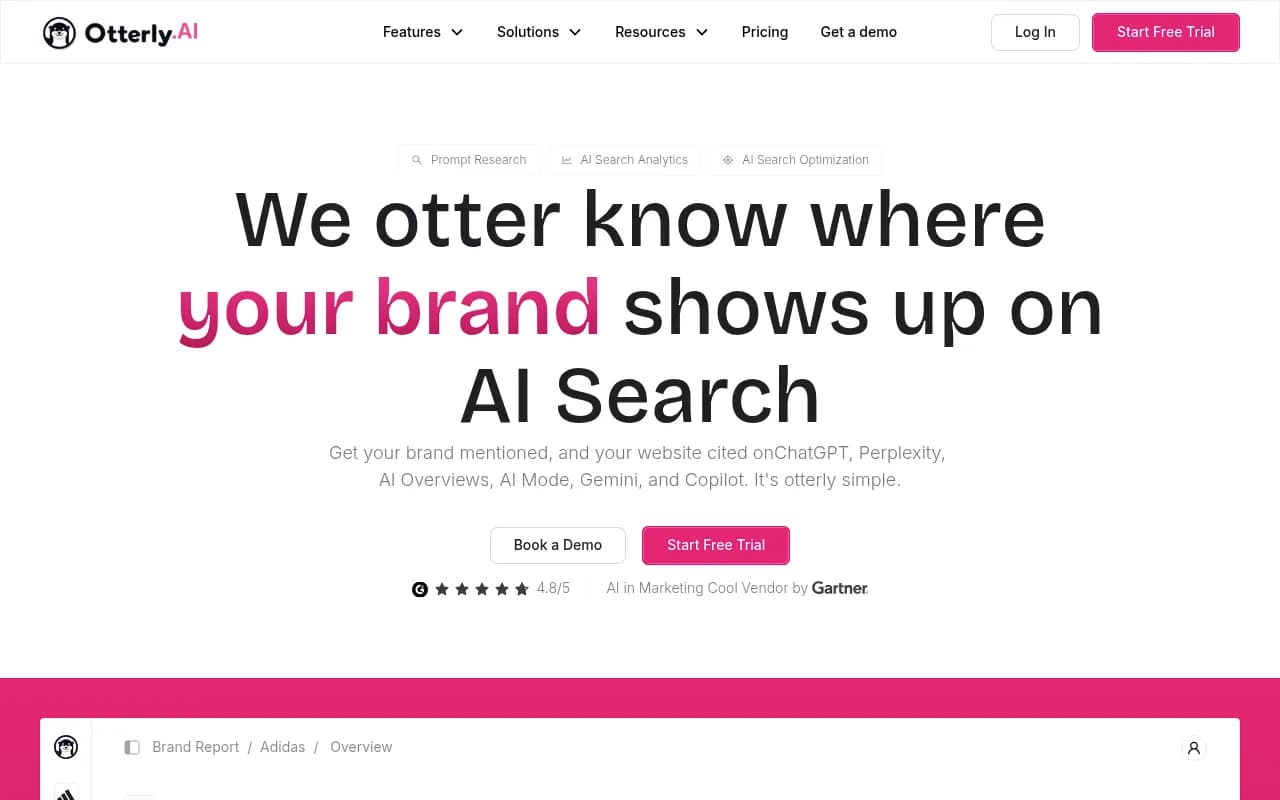
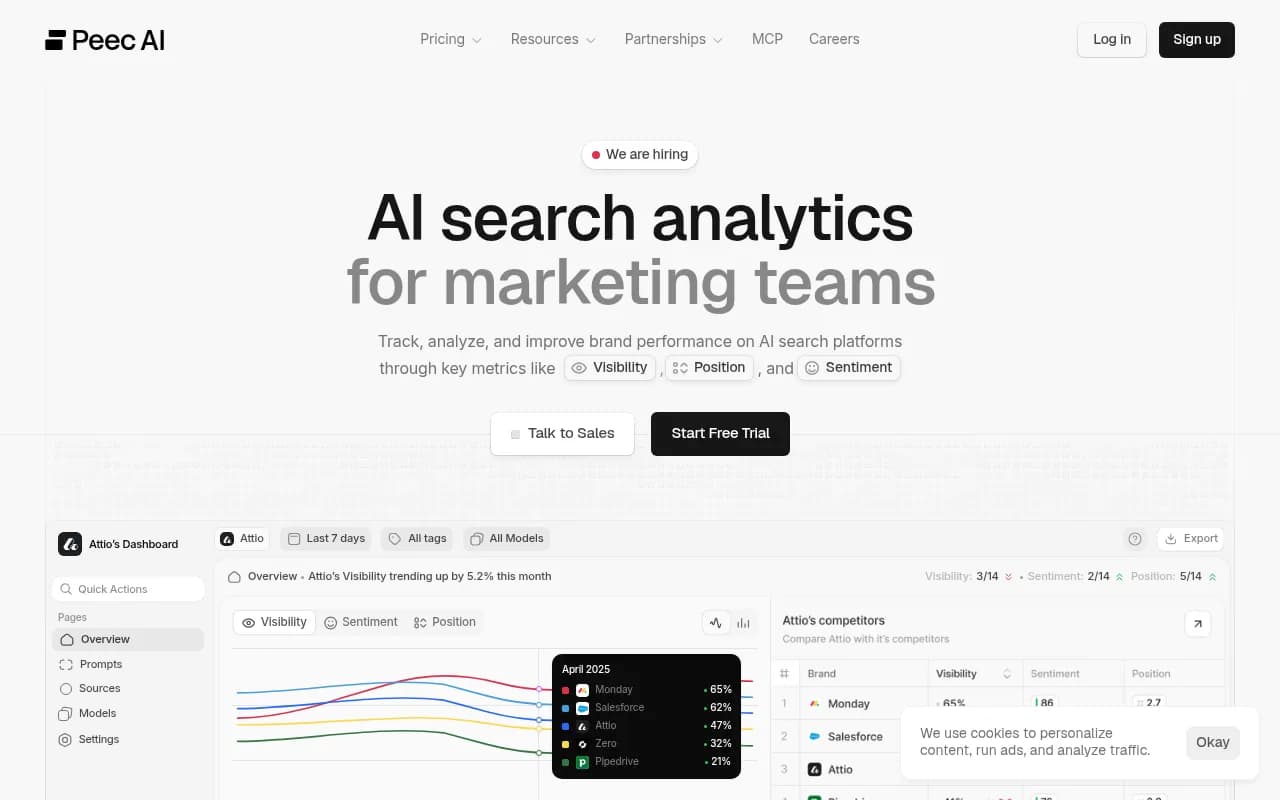
For a lighter-weight starting point, tools like Otterly.AI or Peec AI can give you a snapshot of where your brand currently appears across AI models.
Once you have a list of target prompts, score them by two factors: how often they're asked (volume) and how competitive they are (difficulty). Focus first on prompts where you have a real shot -- specific, niche questions where the current AI answers are thin or where no dominant brand has claimed the space yet.
Step 2: Structure your content for LLM extraction
Here's where most content fails in AI search: it's written for humans skimming a blog post, not for a language model trying to extract a clean, citable answer.
LLMs love content that is:
- Directly answering a specific question in the first paragraph
- Broken into clear, labeled sections (H2s and H3s that mirror the question structure)
- Using numbered lists or short bullet points for steps and comparisons
- Including concrete data points, definitions, and named entities
- Free of filler and vague claims
Think of each section of your article as a potential "answer unit." If someone asks ChatGPT "what is [your topic]?", can the model pull a clean 2-3 sentence answer from your page? If the answer is buried in a 400-word paragraph with no clear structure, it won't get cited.
A practical format that works well:
- Lead with a direct answer (1-3 sentences)
- Expand with context and nuance
- Add a structured list or table for scannability
- Close with a specific example or data point
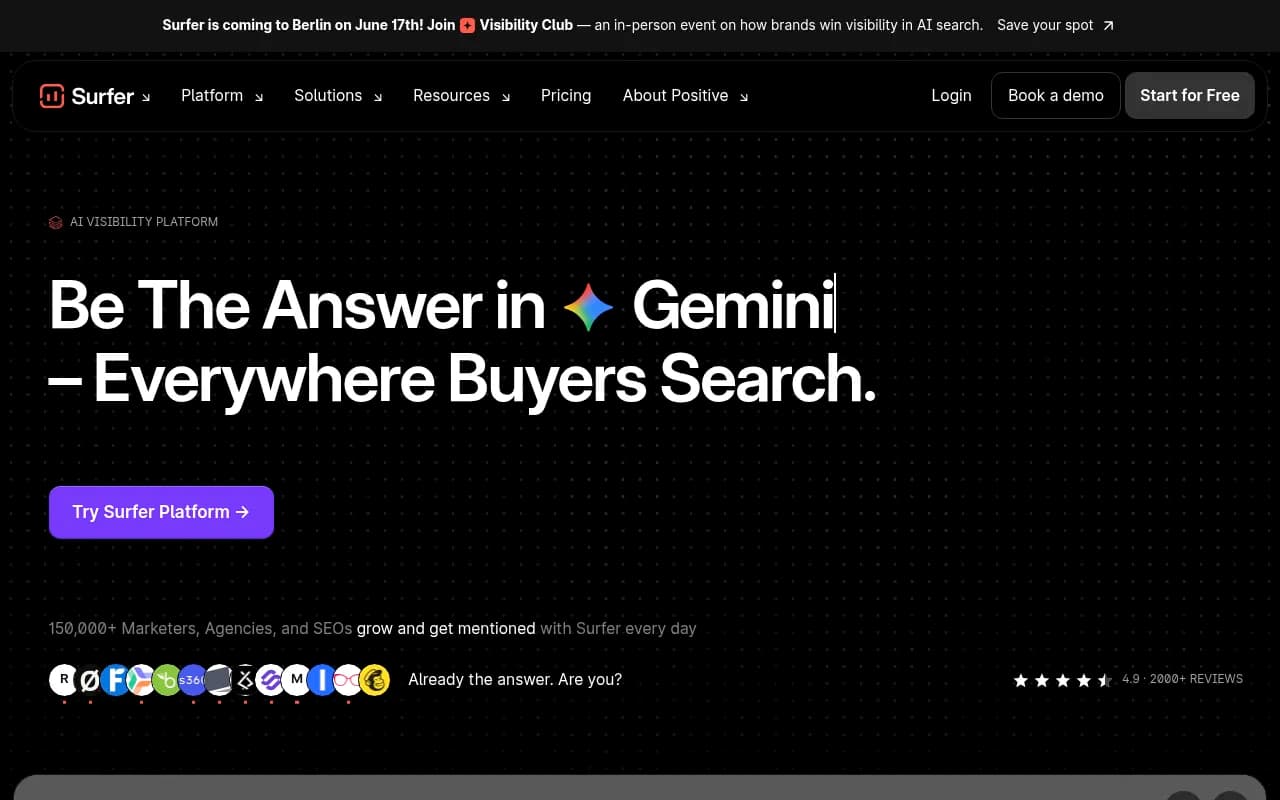
Tools like Clearscope and Surfer SEO can help you optimize content structure and topical coverage, even if you're working alone.

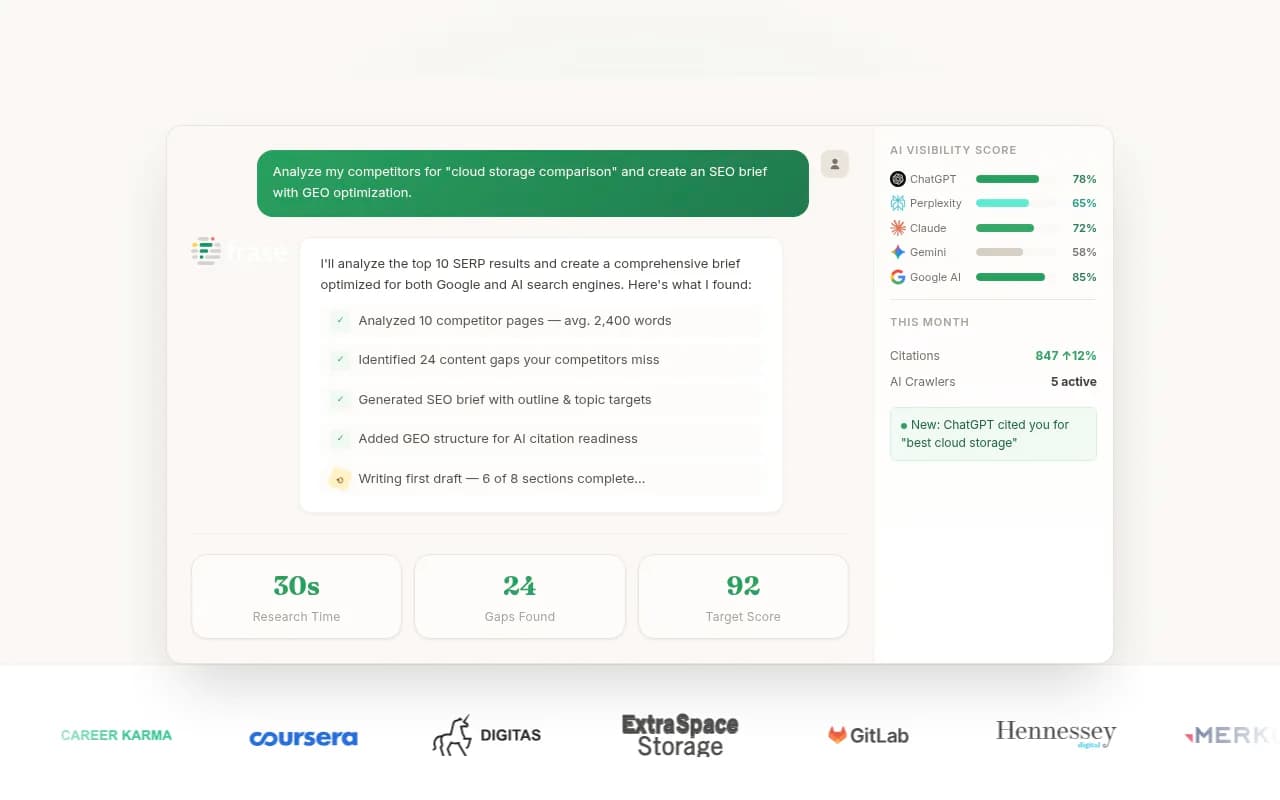
Frase is another solid option for building content briefs quickly -- it pulls together what's already ranking and helps you identify what your content needs to cover.
Step 3: Build external authority without a PR team
This is the part that feels hardest for solo marketers, but it's more achievable than it looks. ChatGPT's authority signals are heavily influenced by what the broader web says about you -- third-party mentions, listicles, forum discussions, and review sites.
You don't need to land a Forbes feature. You need consistent, credible mentions across sources that AI models actually read.
Here's what works in 2026:
Write your own "best of" listicles. Create comparison and list articles on your own site that include your brand alongside competitors. When these rank on Google, they become citable sources for AI. Connor Gillivan has been vocal about this tactic -- it works because you control the framing and the content, but the format (a ranked list) is exactly what AI models pull from.
Get on third-party lists and review sites. G2, Capterra, Product Hunt, and industry-specific directories are heavily cited by AI models. If your brand isn't on them, you're invisible to a significant chunk of AI training and retrieval data.
Participate in Reddit and Quora. This sounds unglamorous, but Reddit threads are cited constantly in AI responses. A well-written, genuinely helpful answer in a relevant subreddit can drive AI citations for months. Don't spam -- contribute real answers and let your brand come up naturally.
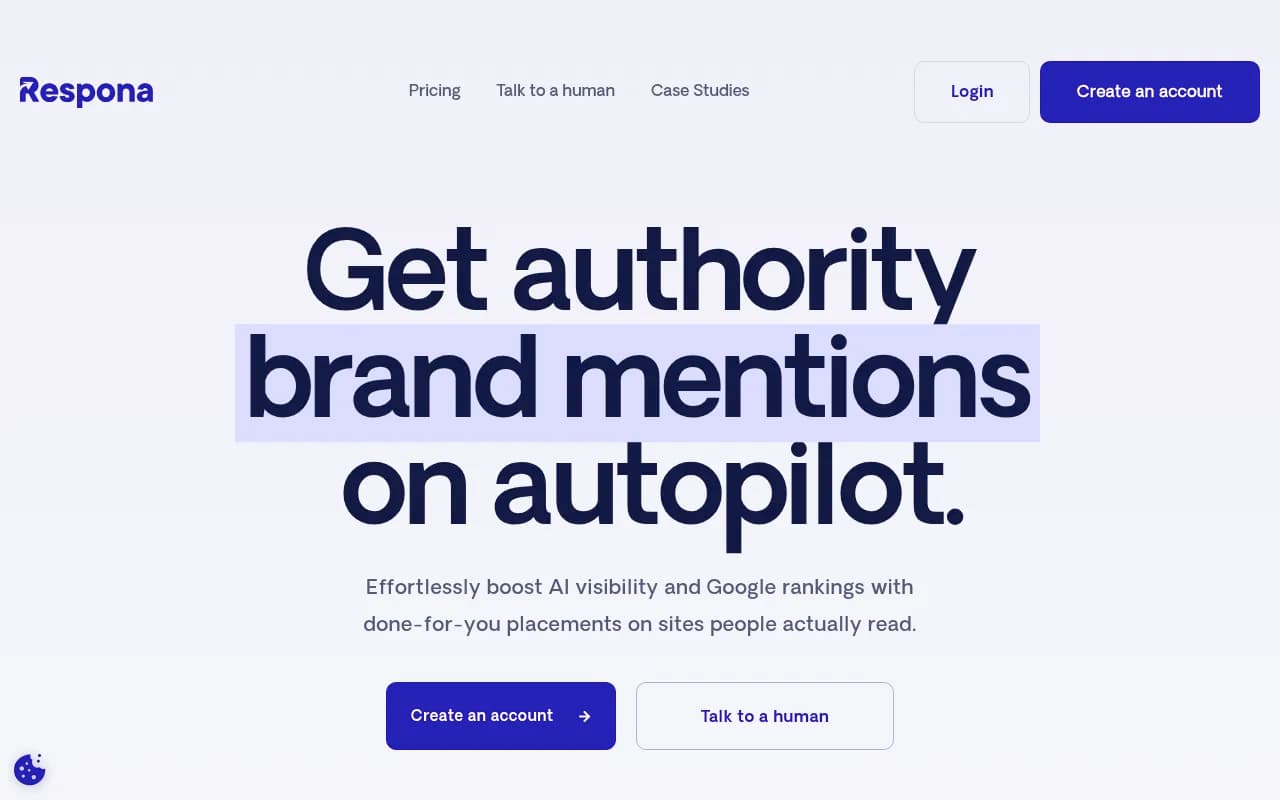
Earn backlinks to your most citable pages. High-authority backlinks still matter because they signal to both Google and AI crawlers that your content is worth referencing. Tools like Respona can help you run outreach campaigns without a dedicated link-building team.
Step 4: Create content at a sustainable pace (with AI doing the heavy lifting)
You don't need to publish daily. You need to publish strategically. For a solo marketer, a realistic cadence might be 2-4 pieces of content per month -- but each piece should be specifically engineered to close a prompt gap you identified in Step 1.
The workflow that works:
- Pick a target prompt from your gap analysis
- Research what AI models currently say in response to that prompt
- Build a content brief that covers the gaps in the current AI answer
- Use an AI writing tool to generate a first draft
- Edit heavily for accuracy, voice, and structure
- Publish and track
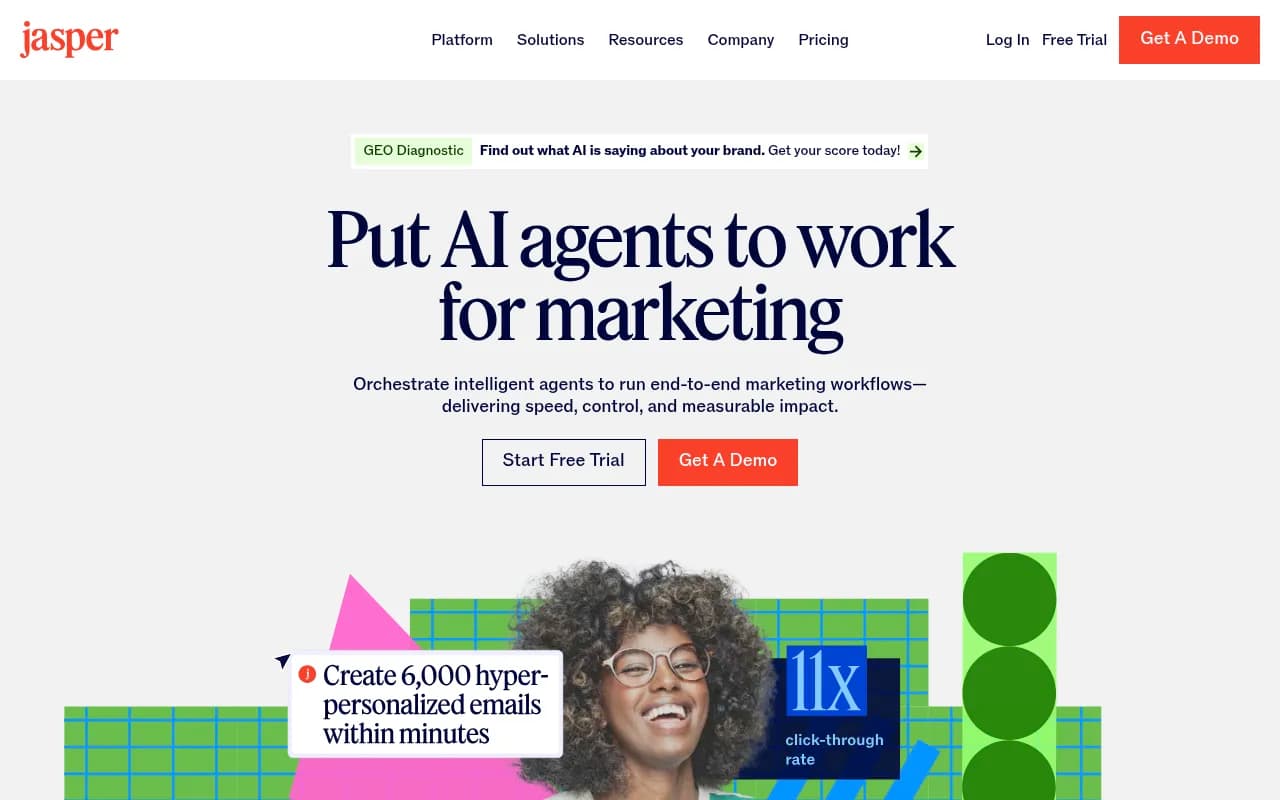
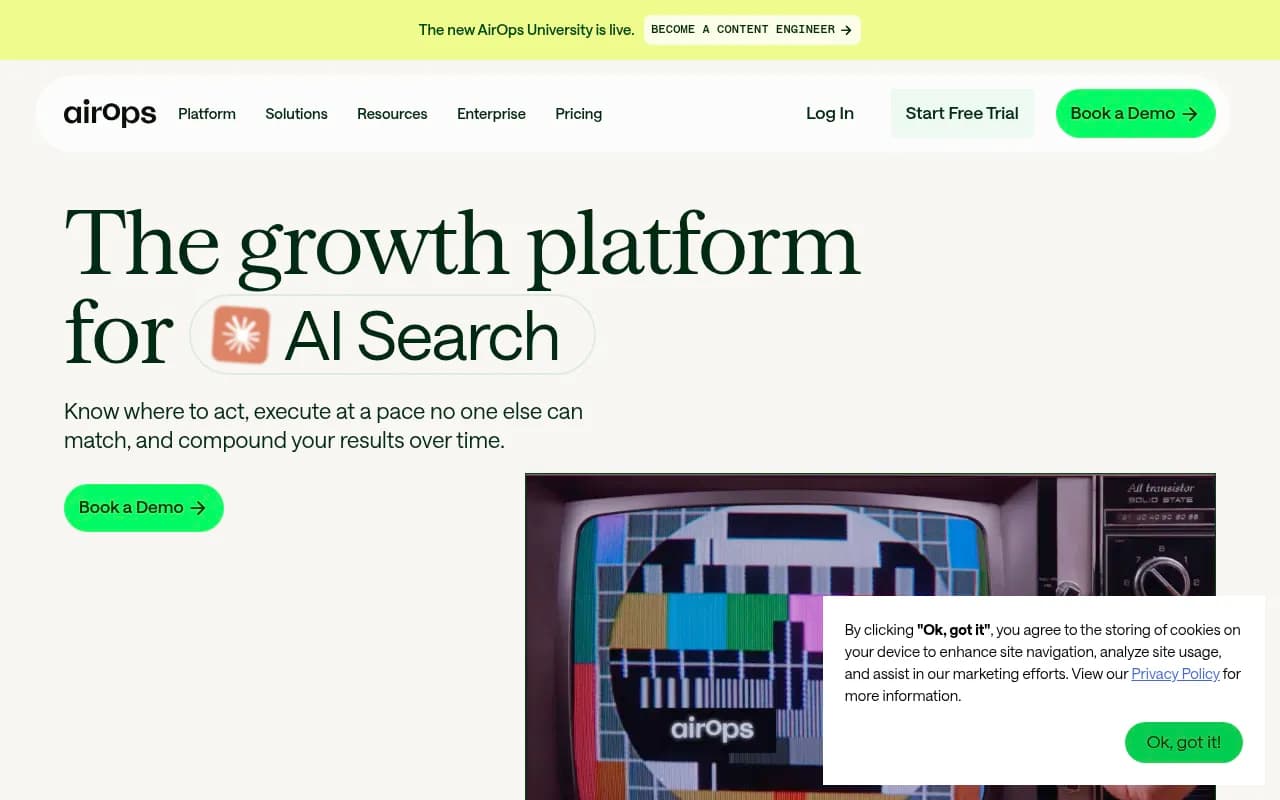
For content generation, tools like Jasper and AirOps can speed up the drafting process significantly.
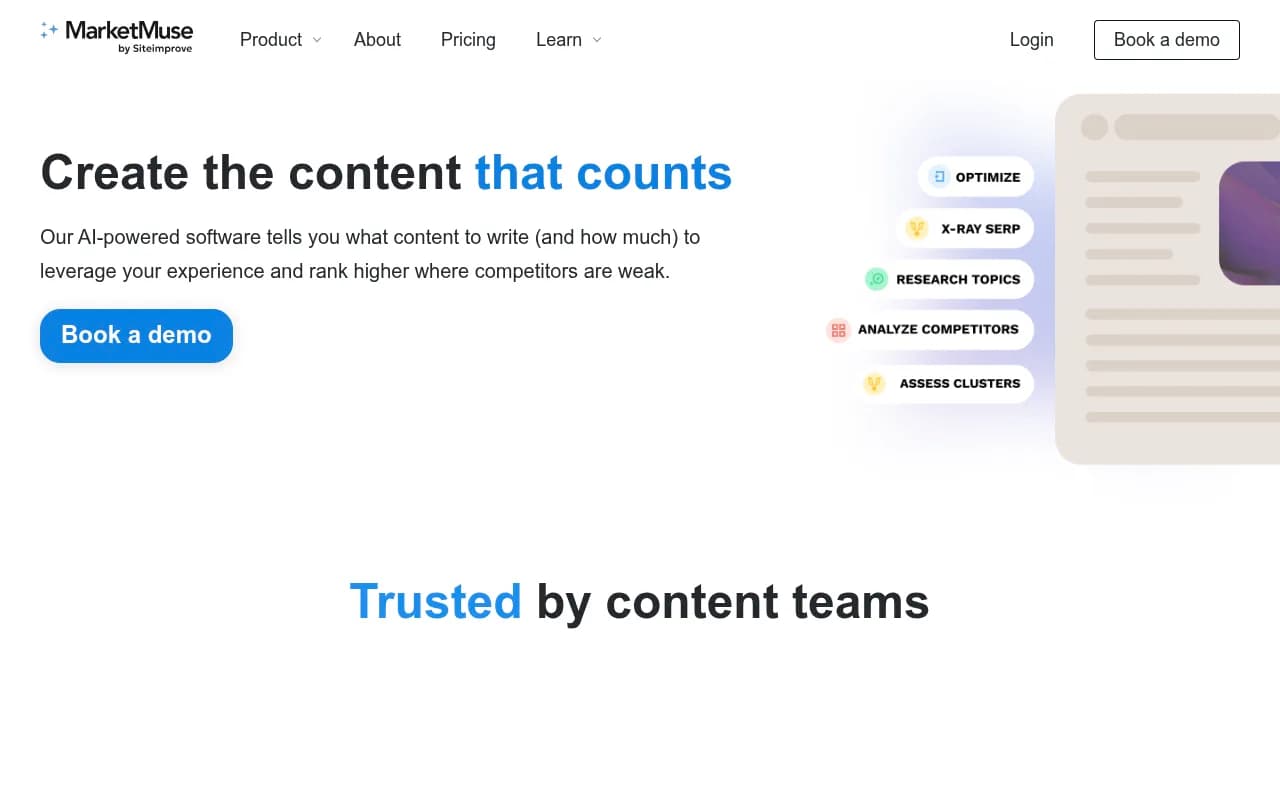
If you want something more tightly integrated with SEO data, MarketMuse is worth looking at for content strategy and planning -- it helps you understand topical authority gaps before you start writing.
The key discipline here is editing. AI-generated drafts are a starting point, not a finished product. The content that gets cited in AI responses tends to have specific data, clear opinions, and a distinct voice -- things that generic AI output lacks. Your job is to add those layers.
Step 5: Track your AI visibility and iterate
This is the step most solo marketers skip, and it's why they never know if any of this is working.
Tracking AI visibility is different from tracking Google rankings. You're not looking for a position number -- you're looking at whether your brand is being cited, how often, in response to which prompts, and by which models. You also want to know which of your pages are being crawled by AI agents and whether that crawling is translating into citations.
Here's a comparison of tracking tools worth considering at different budget levels:
| Tool | Best for | AI models tracked | Content generation | Price range |
|---|---|---|---|---|
| Promptwatch | Full action loop (track + fix) | 10+ models | Yes (Content Agents) | From $99/mo |
| Otterly.AI | Budget monitoring | Multiple | No | Lower tier |
| Peec AI | Quick visibility snapshot | Multiple | No | Lower tier |
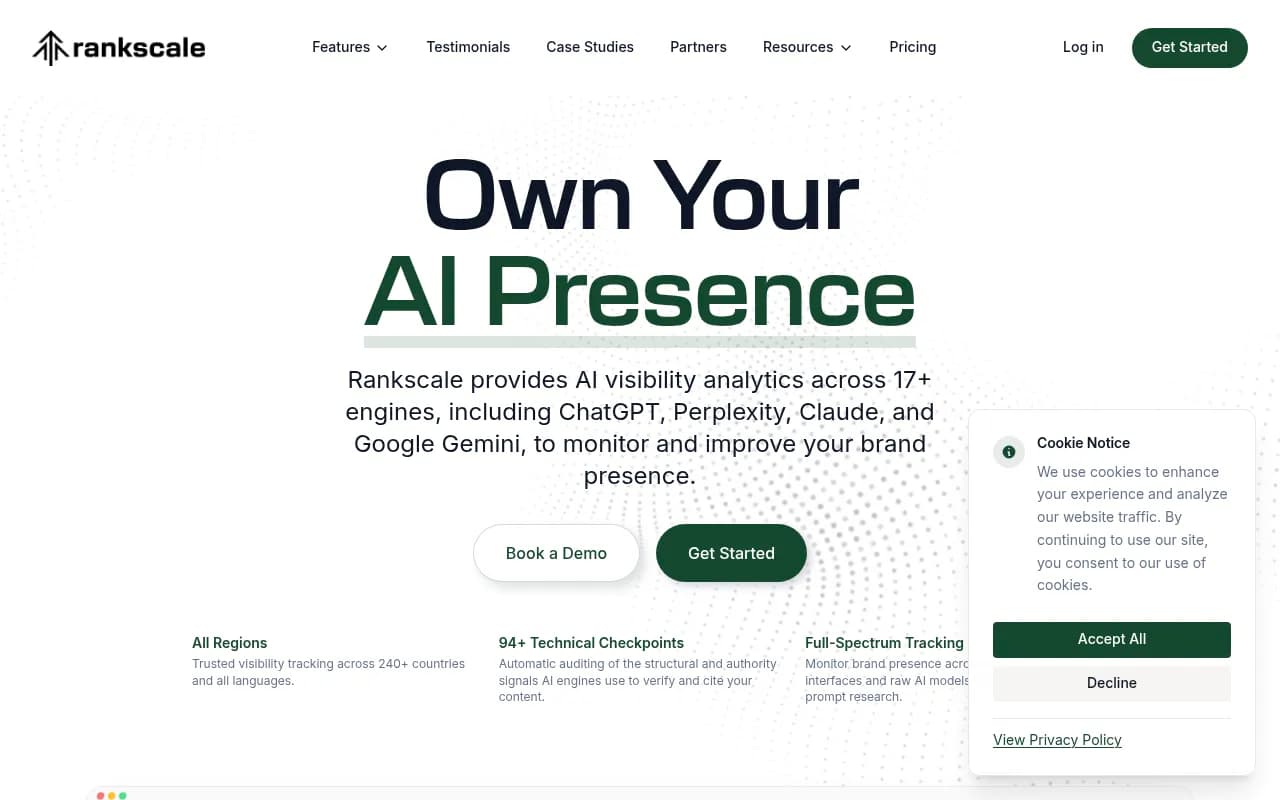
| Rankscale | Rank tracking focus | Multiple | No | Mid-tier |
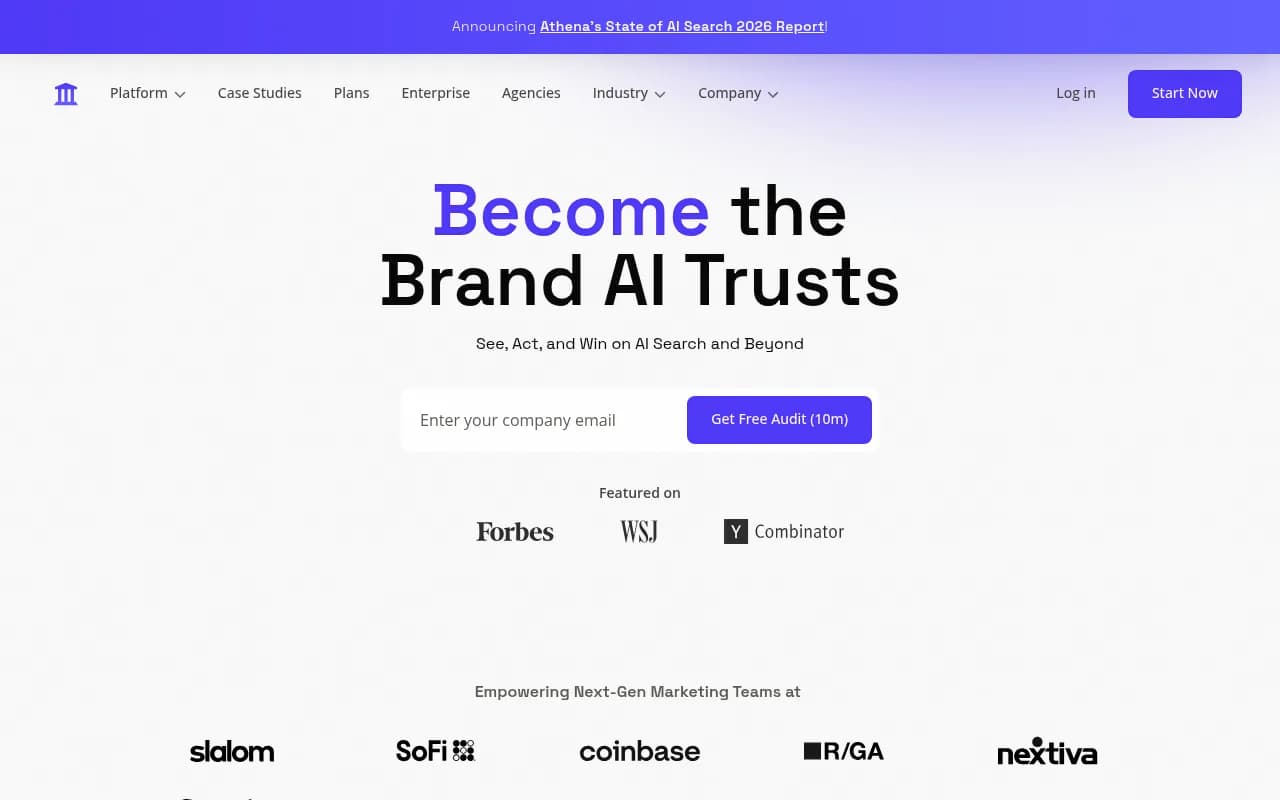
| AthenaHQ | Monitoring-focused teams | Multiple | No | Mid-tier |
| LLMrefs | Query/citation insights | Multiple | No | Mid-tier |
The distinction that matters most for a solo marketer: some tools only show you data. Others help you act on it. If you're working alone, you need tools that close the loop -- showing you what's missing and helping you create content to fix it, not just dashboards that tell you you're invisible.
Promptwatch's AI Crawler Logs are particularly useful here. They show you which pages AI crawlers are actually visiting, how often, and whether those visits are turning into citations. For a solo marketer trying to prioritize, that's the difference between guessing and knowing.
Step 6: Maintain entity consistency across the web
This one is easy to overlook but surprisingly impactful. ChatGPT builds a mental model of your brand based on how consistently you're described across the web. If your website says you're "an AI-powered project management tool for remote teams" but your G2 profile says "task management software" and your LinkedIn says "productivity platform," the model has a fuzzy, inconsistent picture of you.
Audit your brand descriptions across:
- Your website (homepage, about page, meta descriptions)
- Google Business Profile
- LinkedIn company page
- G2, Capterra, and other review sites
- Guest posts and press mentions
- Social media bios
Pick a clear, specific brand description and use it consistently everywhere. Include your core use case, your target audience, and what makes you different. This consistency helps AI models cite you accurately and confidently.
A realistic 90-day plan for solo marketers
If you're starting from scratch, here's a practical timeline:
Month 1: Foundation
- Set up AI visibility tracking (even a basic tool to establish a baseline)
- Run a prompt gap analysis to identify 10-15 target prompts
- Audit your entity consistency across the web and fix inconsistencies
- Get listed on 3-5 major review sites if you're not already
Month 2: Content creation
- Publish 2-3 pieces of content directly targeting your highest-priority prompt gaps
- Write one "best of" listicle that includes your brand
- Contribute 3-5 genuinely helpful answers on Reddit in relevant subreddits
- Start one outreach campaign for backlinks to your most citable pages
Month 3: Track and iterate
- Review your AI visibility scores -- are you appearing for any new prompts?
- Check crawler logs to see which pages AI agents are visiting
- Identify the next batch of prompt gaps to target
- Double down on whatever content format is getting cited
This isn't a sprint. AI visibility builds over time, the same way Google authority does. But the compounding effect is real -- brands that started this work in 2024 are significantly more visible in AI search today than those that waited.
The mindset shift that makes this work
The solo marketer's advantage in AI search is focus. A large content team publishing 50 articles a month often lacks the specificity and depth that AI models reward. You, working alone on a clear set of target prompts, can create content that is more directly useful, more accurately structured, and more consistently on-brand than a content factory churning out generic posts.
The work is: know your prompts, structure your answers, build your external presence, and track what's working. None of that requires a team. It requires a system.
Start with the gap analysis. Everything else follows from knowing exactly where you're invisible and why.