Key takeaways
- Strong Google rankings do not guarantee ChatGPT visibility. The two hierarchies are genuinely different, and many top-ranking SEO brands are invisible in AI responses.
- Brands that consistently appear in ChatGPT share a few common traits: they are cited frequently across the web, they publish content that directly answers the questions people ask AI, and they are easy for AI crawlers to read and process.
- The gap between "being found by Google" and "being cited by ChatGPT" comes down to structure, authority signals, and content depth -- not just keyword optimization.
- Tracking your AI visibility requires different tools than traditional SEO. Platforms like Promptwatch can show you exactly which prompts your competitors appear for and which ones you're missing.
- The brands winning in ChatGPT right now are not necessarily the biggest. They're the most cited, the most structured, and the most useful to AI models trying to answer a question.
The uncomfortable truth about ChatGPT rankings
Here's something that surprises a lot of marketers when they first see the data: the brand ranking number one on Google for their main keyword can have zero AI citations. Solid domain authority, great technical SEO, strong backlink profile -- and ChatGPT doesn't mention them once.
Meanwhile, a smaller competitor with a fraction of the organic traffic gets cited constantly.
Kevin Indig analyzed Similarweb data comparing Google rankings to ChatGPT appearances and found exactly this: the top players in search are not always the top players in AI responses. The correlation is weaker than most people assume.
That's not a bug. It's a structural difference in how these two systems work.
Google ranks pages. ChatGPT synthesizes answers. Those are different tasks, and they reward different things.
How ChatGPT actually decides what to cite
ChatGPT doesn't crawl the web in real time for most queries (though its browsing mode does). Its base knowledge comes from training data, and its citation behavior in tools like ChatGPT Search is shaped by a combination of:
- How often a brand or source is mentioned across the web
- Whether the content directly answers the kind of questions users ask
- How clearly structured and readable the content is for language models
- Whether the source is associated with trustworthy, authoritative domains
This is why citation frequency matters so much. If your brand is mentioned in 50 articles, forum threads, and review pages, you're more likely to appear in a training corpus and in real-time retrieval than a brand that only exists on its own website.
Think of it less like a ranking algorithm and more like a reputation system. ChatGPT is essentially asking: "What does the internet say about this topic, and who does it keep mentioning?"
What the consistently cited brands have in common
After looking at patterns across industries, a few traits show up again and again in brands that dominate ChatGPT responses.
They publish content that answers questions directly
The brands that appear first in ChatGPT answers tend to publish content structured around specific questions. Not just "our product page" or "our about us" -- but articles, guides, and comparisons that answer the exact things people ask AI models.
"What's the best project management tool for remote teams?" "How do I reduce churn in a SaaS product?" "Which accounting software works for freelancers?"
If your content answers those questions clearly and completely, you become a natural source for AI to pull from. If your content is mostly product-focused marketing copy, you're invisible.
They're cited by other sources, not just their own site
This is the big one. A brand that only publishes on its own domain is working with one data point. A brand that gets mentioned in industry roundups, comparison articles, Reddit threads, YouTube videos, and third-party review sites is working with dozens or hundreds.
AI models synthesize from multiple sources. The more places your brand appears in context -- especially in response to specific questions -- the more likely it is to surface.
Their content is structured for machines, not just humans
Headings, clear paragraphs, direct answers near the top of the page, FAQ sections, schema markup -- these all help AI models parse and extract information. Content that buries its main point in the fifth paragraph, or that relies heavily on visual formatting that doesn't translate to text, tends to get skipped.
This isn't about keyword stuffing. It's about making it easy for a language model to understand what a piece of content is actually about.
They have consistent entity presence
ChatGPT and other AI models build internal representations of entities -- companies, people, products. Brands that appear consistently across many sources with consistent naming, descriptions, and associations build stronger entity presence.
If your brand name is mentioned differently across different sites (abbreviations, variations, outdated names), that fragments your entity signal. Consistency matters more than most people realize.
They're active in the places AI models pay attention to
Reddit is a significant source for AI training data and real-time retrieval. YouTube transcripts get indexed. Industry publications, comparison sites, and review platforms all feed into what AI models know about a brand.
The brands winning in ChatGPT aren't just doing SEO. They're showing up in conversations -- in forums, in reviews, in third-party content -- in a way that creates a dense web of mentions.
The gap between Google SEO and AI visibility
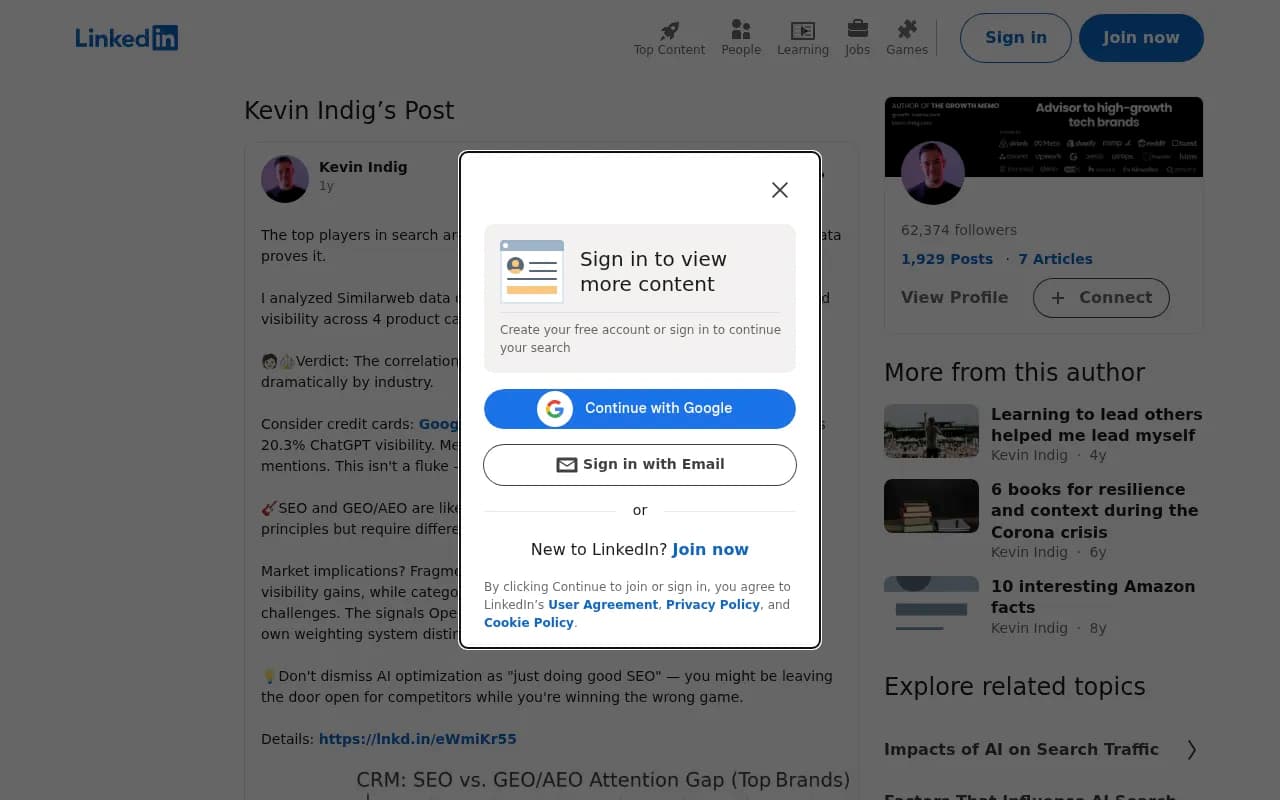
This difference between Google performance and AI visibility is real, and it's causing genuine confusion for marketing teams.
A brand can have:
- 90+ domain authority
- First-page rankings for competitive keywords
- Technically perfect SEO
And still be invisible in ChatGPT, Perplexity, and Google AI Overviews.
Why? Because traditional SEO optimizes for a ranking algorithm that scores pages against each other. AI visibility optimizes for a synthesis system that tries to produce the most accurate, useful answer from everything it knows.
The signals are related but not identical. Backlinks matter, but citations matter more. Keyword density is irrelevant; direct question-answering is everything. Page speed helps, but content depth helps more.
The content types that get cited most
Not all content performs equally in AI responses. Based on what consistently appears in ChatGPT answers across categories, a few formats stand out:
Comparison and "best of" articles get cited constantly. When someone asks ChatGPT "what's the best CRM for small businesses," it pulls from comparison articles that have already done the work of evaluating options. If your brand isn't in those articles -- or if you haven't published your own -- you're missing a major citation opportunity.
Definitional and educational content also performs well. "What is X?" and "How does X work?" queries pull from content that explains concepts clearly. These are often the highest-volume prompts in any category.
Data and research gets cited because AI models love a specific, verifiable claim. If you publish original research, surveys, or data, you become a source rather than just a subject.
FAQ and Q&A content maps directly to how people prompt AI. If you have a page that answers "How long does X take?" or "Is X worth it for Y use case?", that content is almost perfectly formatted for AI citation.
What's actually hard about fixing this
The frustrating part is that most brands don't know what they're missing. You can see your Google rankings. You can see your organic traffic. But there's no Search Console for ChatGPT.
You can't just check a dashboard and see "ChatGPT mentioned you 47 times this week for this query." The data doesn't exist in a native form.
This is why the category of AI visibility tools has grown so fast. Brands need a way to see what prompts are driving AI responses in their category, which competitors are appearing, and what content gaps exist on their own site.
Promptwatch is one of the more complete options here -- it tracks visibility across 10 AI models, shows which prompts competitors appear for that you don't, and has content generation tools built in to help close those gaps. The answer gap analysis in particular is useful: it shows you the specific questions AI models are already answering where your competitors appear and you don't.
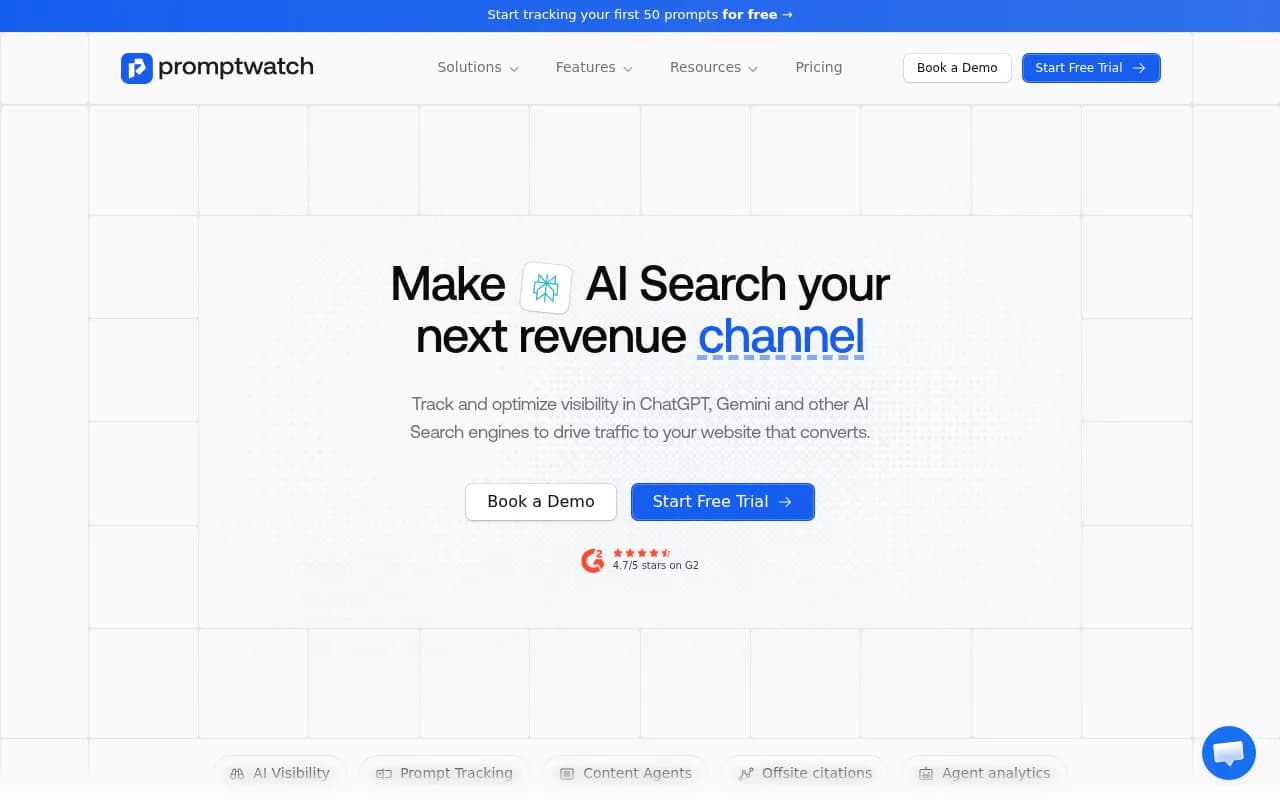
But there are other tools worth knowing about depending on what you need.
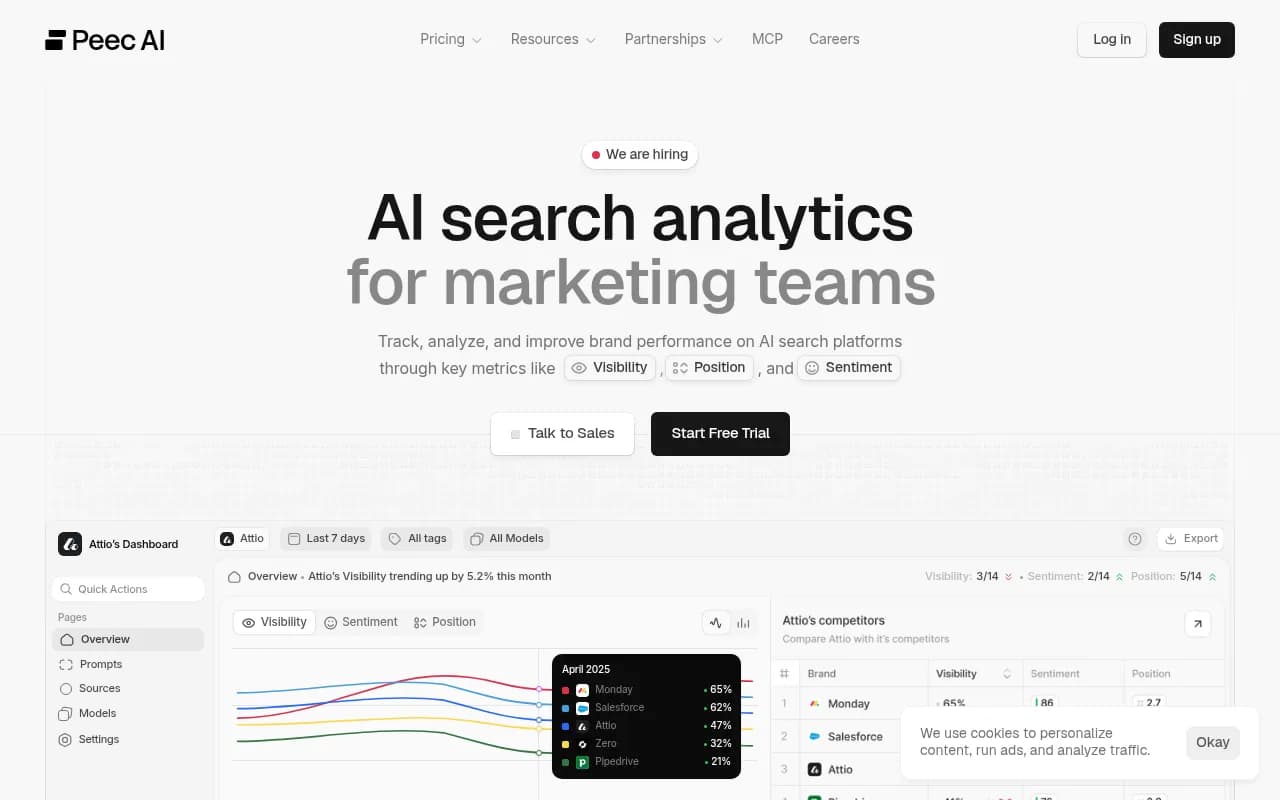
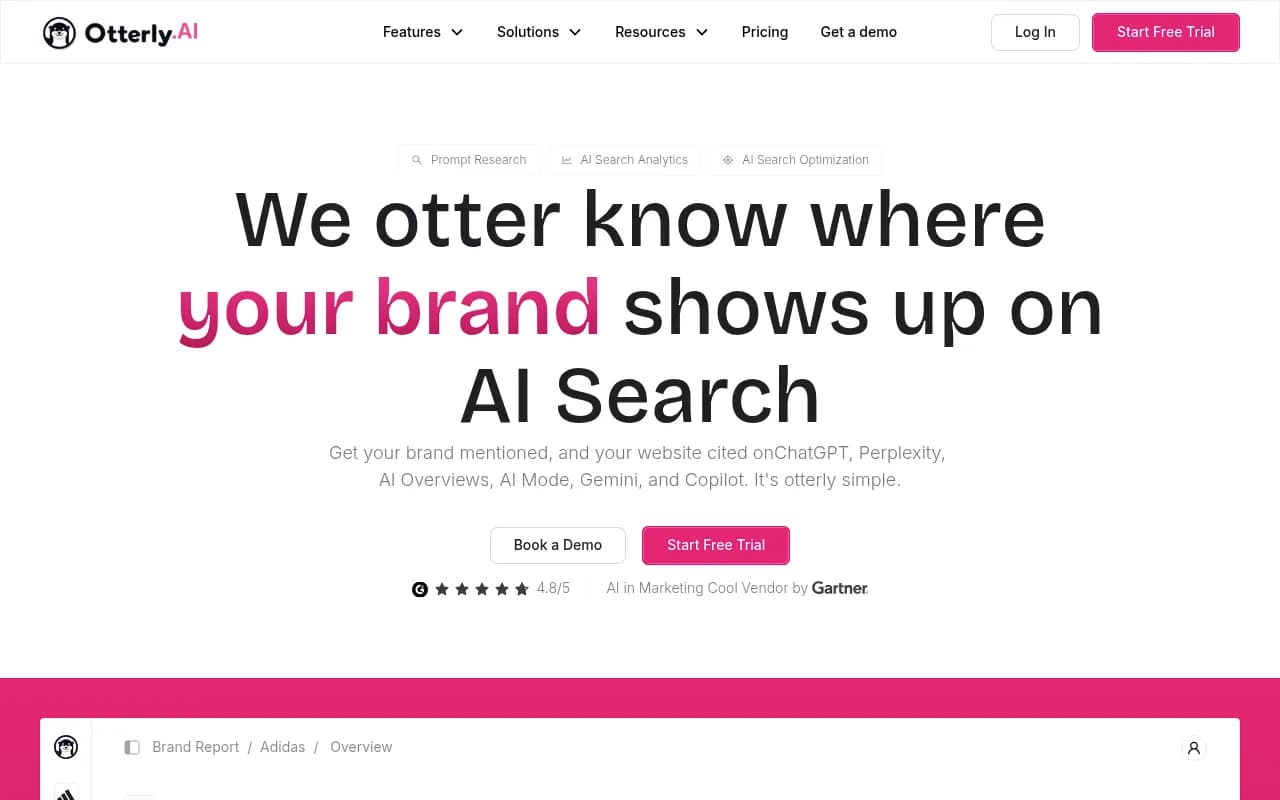
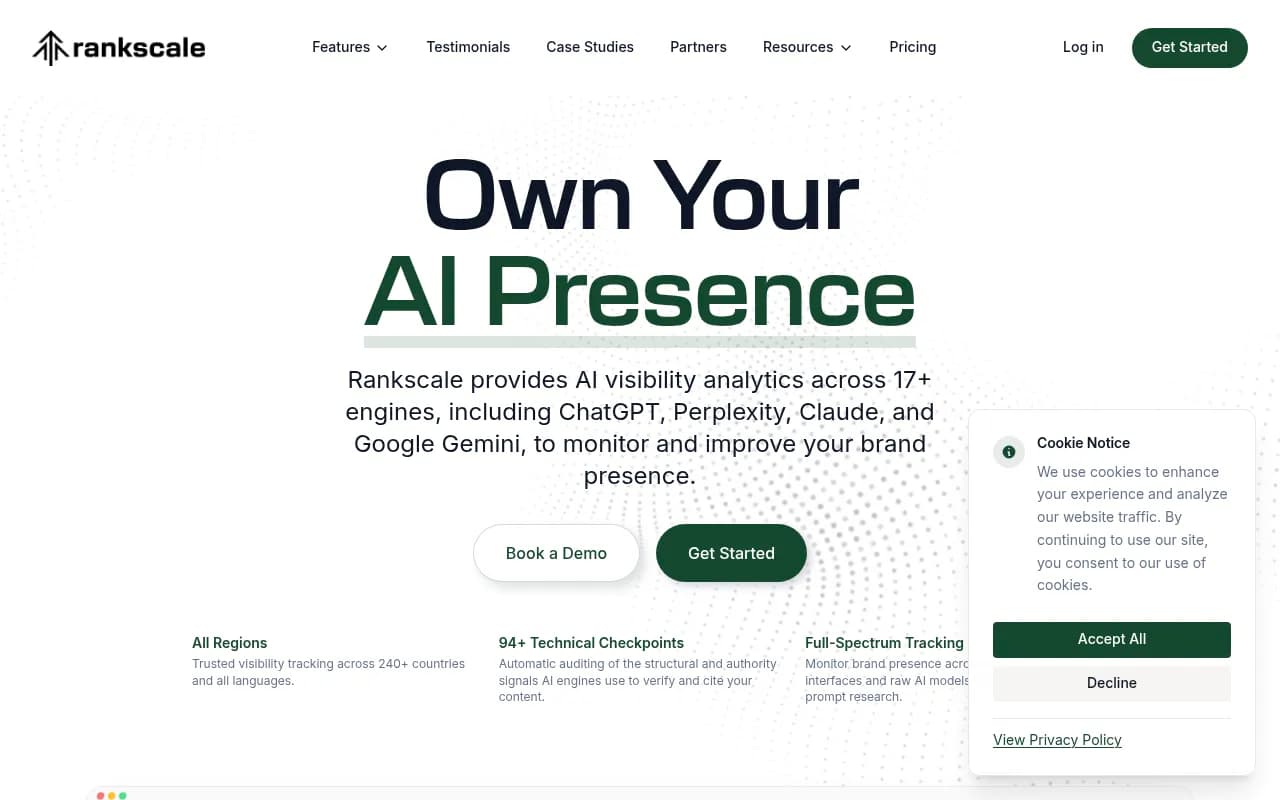
A comparison of approaches to AI visibility
| Approach | What it does well | What it misses |
|---|---|---|
| Traditional SEO optimization | Builds domain authority, improves crawlability | Doesn't target AI-specific citation signals |
| Content gap analysis (AI-focused) | Identifies missing topics and question-based content | Requires ongoing tracking to see results |
| Offsite citation building | Increases brand mentions across third-party sources | Slow to build, hard to measure directly |
| Structured content formatting | Makes pages easier for AI to parse and extract | Not enough on its own without topical authority |
| AI visibility tracking tools | Shows current citation performance and competitor gaps | Monitoring without action doesn't improve visibility |
The brands that are winning are doing all of these simultaneously, not just one.
How to audit your current AI visibility
Before you can improve, you need to know where you stand. Here's a practical starting point:
Run your category prompts manually. Go to ChatGPT, Perplexity, and Google AI Overviews and type in the 10-15 questions your customers most commonly ask. Note which brands appear and which don't. This gives you a rough baseline.
Check which of your pages are being cited. If you have access to an AI visibility platform, look at page-level citation data. Which pages are AI models actually pulling from? Which pages exist but never get cited?
Identify your content gaps. Compare the questions AI models are answering in your category against the content you actually have. If ChatGPT is answering "what's the best [your category] for enterprise teams" and you don't have a page that addresses that directly, that's a gap.
Look at your competitors' citation sources. Where are they being mentioned? Which third-party sites, comparison articles, and forums are driving their AI visibility? That tells you where you need to publish or get mentioned.
Check your entity consistency. Search for your brand name across different sources. Is it consistently named and described? Inconsistencies fragment your entity signal.
The offsite factor most brands ignore
One thing that separates the consistently cited brands from everyone else is their presence in places they don't control.
Reddit threads where your brand gets recommended. YouTube videos where someone compares your product to competitors. Industry roundups on third-party blogs. Review aggregators. Podcast transcripts.
These are all sources AI models pull from, and most brands have no strategy for them. They focus entirely on their own website and wonder why they're invisible.
Building offsite presence isn't just about link building for Google anymore. It's about making sure your brand appears in the conversations AI models are trained on and retrieve from.
This means:
- Getting listed in relevant comparison articles (and reaching out when you're not)
- Participating in or seeding discussions on Reddit and industry forums
- Making sure review platforms have accurate, positive information about your brand
- Publishing data or research that other sites will cite and link to
Tracking what actually changes
The last piece is measurement. You need to know whether your efforts are working, and that requires consistent tracking over time.
AI citation behavior changes as models update, as new content gets indexed, and as competitors publish new material. A brand that was invisible in January might be highly cited by March if they publish the right content. A brand that dominated in Q1 might lose ground if competitors close their content gaps.
Tools that track this over time -- showing you visibility scores by prompt, by model, and by page -- are genuinely useful here. The goal isn't just to see that you're being cited; it's to understand which content is driving citations, which prompts are worth targeting, and whether your visibility is trending up or down.
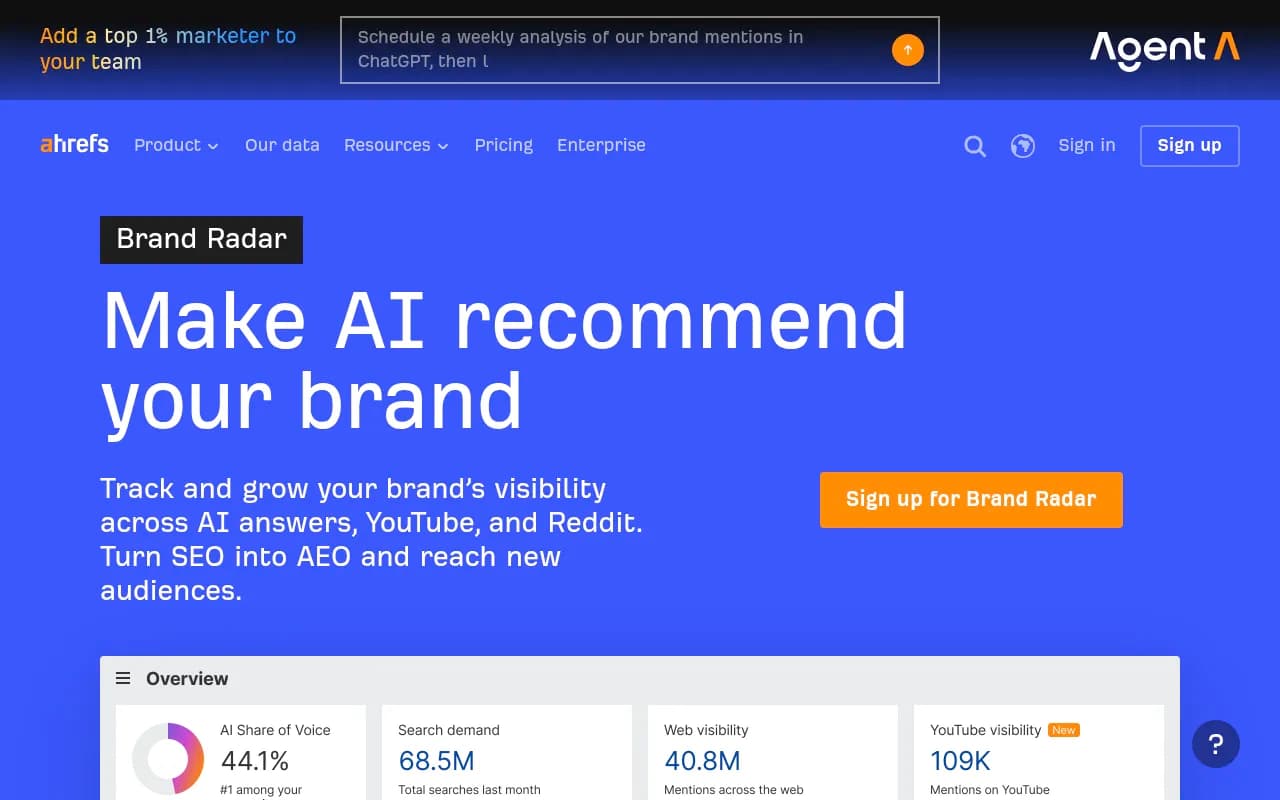
What the hierarchy actually looks like
If you mapped out the ChatGPT citation hierarchy in most B2B and B2C categories, it would look something like this:
At the top: brands with strong entity presence, high citation frequency across third-party sources, and content that directly answers the most common questions in the category. These brands appear in almost every relevant response.
In the middle: brands with decent content and some third-party mentions, but gaps in their coverage. They appear for some prompts but not others. Their visibility is inconsistent.
At the bottom: brands that exist only on their own website, publish mostly product-focused content, and have little presence in the external conversations AI models draw from. They're invisible even when their product is directly relevant.
The good news is that the middle tier is very reachable from the bottom, and the top tier is reachable from the middle. The brands that are winning right now aren't necessarily bigger or better funded. They just started paying attention to AI visibility earlier.
The window to build that advantage is still open. But it's closing as more brands figure out what's actually going on.