Key takeaways
- Google AI Mode now operates on a different citation logic than traditional organic rankings -- top-10 positions no longer guarantee inclusion the way they once did.
- Brand mentions (even unlinked ones) correlate more strongly with AI Overview citations than backlink counts, according to Ahrefs' analysis of 75,000 brands.
- E-E-A-T, topical authority, and semantic completeness are the three signals that come up consistently across every credible study of AI Mode ranking behavior.
- "Information gain" -- adding net-new facts or perspectives that aren't already in AI responses -- is increasingly rewarded.
- Tracking your actual AI visibility (not just organic rankings) is now a separate, necessary discipline.
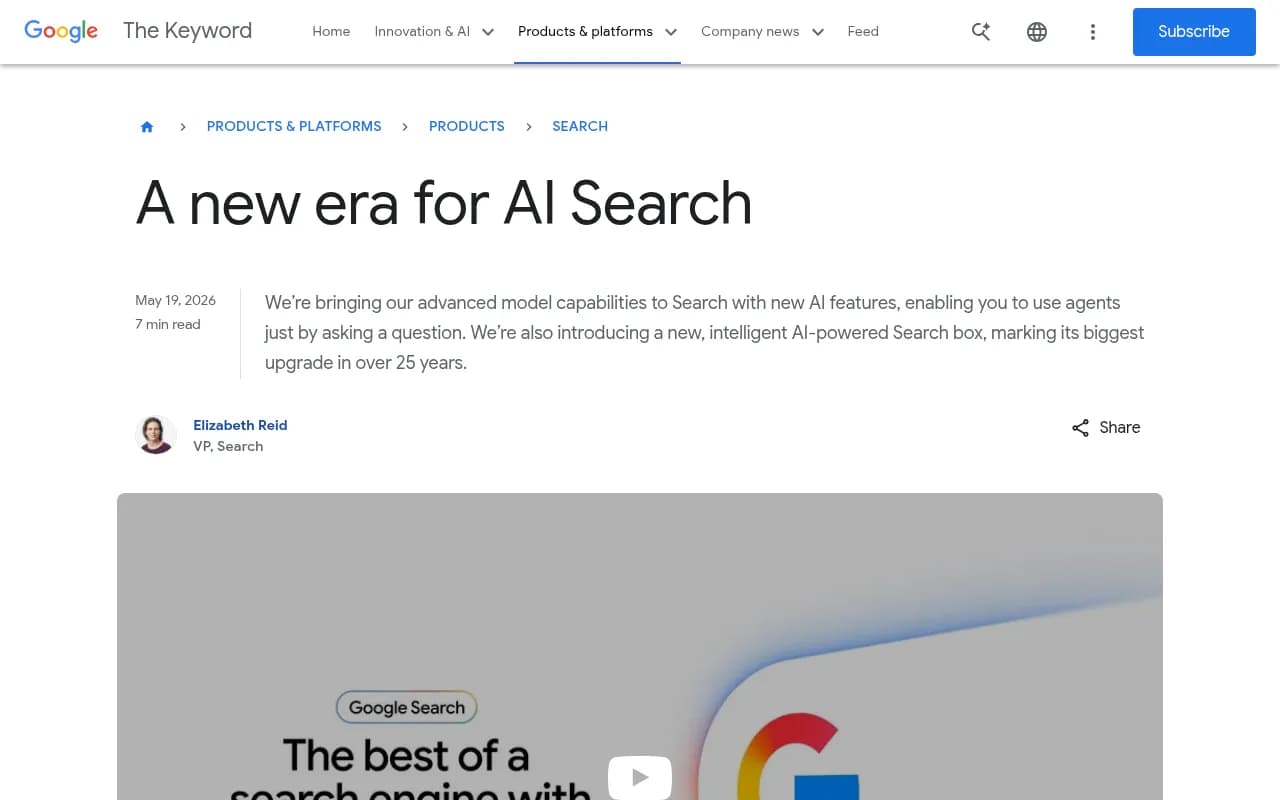
Google AI Mode went from a limited experiment to a core part of Search in roughly twelve months. At Google I/O 2026, VP of Search Elizabeth Reid described it as "the biggest upgrade to the Search box in over 25 years." That's not marketing fluff -- the underlying mechanics of how pages get cited have genuinely shifted, and a lot of what worked in 2023 SEO doesn't map cleanly onto what works now.
This guide pulls together what the research actually shows about AI Mode ranking factors in 2026. Some of it is confirmed by Google. Some of it comes from correlation studies and practitioner analysis. I'll be clear about which is which.
How AI Mode citation logic differs from traditional ranking
Before getting into specific factors, it's worth understanding the structural shift. Traditional Google ranking is essentially a ranked list -- pages compete for positions 1 through 10, and position 1 gets the most clicks. AI Mode doesn't work that way. It synthesizes an answer and selects sources to cite. You either get cited or you don't.
The data from Discovered Labs makes this concrete: in mid-2025, top-10 organic rankers accounted for 76% of AI Overview citations. By early 2026, that share had dropped to roughly 38%. Pages outside the top 10 are now getting cited at a much higher rate than before. That's a significant structural change -- it means ranking well in traditional search is no longer a reliable proxy for AI visibility.
This matters because it changes the optimization target. You're not just trying to rank; you're trying to be the source an AI model reaches for when constructing an answer.
The core ranking factors
1. Topical authority and semantic coverage
This is the factor that comes up most consistently. AI Mode appears to favor sites that cover a topic deeply and coherently, not just sites that have one well-optimized page on a subject.
The logic makes sense when you think about how the model works. If it's synthesizing an answer about, say, heat pump installation costs, it's going to prefer a source that has covered heat pumps from multiple angles -- efficiency ratings, installation guides, regional pricing, maintenance -- over a site that has one article targeting a single keyword. The model can "see" the topical context around a page.
Practically, this means content clusters and internal linking architecture matter more than they used to. A page doesn't just need to be good in isolation; it needs to sit within a coherent topic structure.
2. E-E-A-T signals
Experience, Expertise, Authoritativeness, and Trustworthiness. Google has been talking about E-E-A-T for years, but its weight in AI Mode citation decisions appears to be higher than in traditional ranking.
The "Experience" component is the newest and arguably the most interesting. It rewards first-hand knowledge -- an author who has actually done the thing they're writing about, not just summarized what others have said. This shows up in things like: named authors with verifiable credentials, author bio pages that link to external profiles, specific details that only come from direct experience, and original data or case studies.
Trustworthiness signals include HTTPS, clear editorial policies, accurate contact information, and factual accuracy that can be verified. These aren't new, but they're now more directly tied to citation eligibility.
3. Brand mentions and entity authority
This is where the research gets genuinely surprising. Ahrefs analyzed 75,000 brands and found that branded web mentions correlate with AI Overview inclusion at 0.664 -- compared to 0.218 for backlink quantity. That's a massive gap.
The implication is that an unlinked mention of your brand in a Forbes article may carry more weight for AI visibility than dozens of traditional backlinks from lower-authority sites. The model is building a picture of your brand as an entity, and it draws on mentions across the web to do that -- not just link graphs.
This doesn't mean backlinks are irrelevant. They still matter for traditional ranking, which still influences AI Mode to some degree. But the ratio has shifted considerably toward brand presence and entity recognition.
4. Information gain
Search algorithms in 2026 are increasingly rewarding what practitioners are calling "information gain" -- content that adds something genuinely new to the conversation rather than restating what's already out there.
If ten pages already answer a question in roughly the same way, an AI model has no particular reason to cite yours. But if your page has original research, a unique angle, proprietary data, or a perspective that isn't represented in the existing answer pool, it becomes a more valuable citation source.
This is a real shift from keyword-density SEO, where the goal was to be the most comprehensive version of something that already existed. Now the goal is to be the source of something that doesn't exist elsewhere.
5. Semantic completeness and answer structure
AI Mode is trying to construct complete, accurate answers. It prefers sources that are themselves complete and well-structured -- not because of formatting tricks, but because a well-organized page is easier to extract reliable information from.
This means:
- Answering the question directly, early in the content (not burying the answer after three paragraphs of preamble)
- Using clear heading structures that map to the sub-questions a user might have
- Including supporting context -- definitions, caveats, comparisons -- that makes the answer more trustworthy
- Avoiding vague or hedged language that makes it hard for a model to extract a clear claim
Structured data (schema markup) also plays a supporting role here. It doesn't directly cause citation, but it helps the model understand what a page is about and how its content is organized.
6. Multimodal signals
Google AI Mode increasingly processes images, video, and other non-text content. Pages that include relevant images with descriptive alt text, video content, and data visualizations are giving the model more signal to work with.
This is still a developing area and harder to measure than text-based factors, but it's worth noting that pure text-only pages may be at a disadvantage as multimodal processing matures.
What the correlation data actually shows
Here's a summary of the key signals and what the research says about their relative importance:
| Ranking factor | Correlation strength | Source |
|---|---|---|
| Branded web mentions | 0.664 | Ahrefs (75,000 brand study) |
| Topical authority / semantic coverage | High | Multiple practitioner studies |
| E-E-A-T signals | High | Google documentation + correlation data |
| Backlink quantity | 0.218 | Ahrefs (75,000 brand study) |
| Information gain (unique content) | Growing | Quora/practitioner analysis |
| Structured data / schema | Moderate (supporting) | Multiple sources |
| Page speed / Core Web Vitals | Moderate (baseline) | Google documentation |
| Traditional organic ranking | Declining as proxy | Discovered Labs (76% → 38%) |
The backlink vs. brand mention gap is the most striking finding here. It doesn't mean you should stop building links -- traditional ranking still feeds into AI Mode to some extent -- but it does mean that PR, digital PR, and brand-building activities now have a more direct path to search visibility than they used to.
What Google has and hasn't confirmed
Google is characteristically vague about specific ranking factors for AI Mode, just as it has always been about traditional search. What they have confirmed:
- AI Mode uses Gemini models and draws on the same index as traditional Search
- E-E-A-T is explicitly part of how they evaluate content quality
- They want to surface "helpful, reliable, people-first content" (from their own documentation)
- AI Mode can perform multi-step reasoning and use agents to gather information before responding
What they haven't confirmed: any specific weighting of brand mentions vs. links, how topical authority is measured, or how citation selection works mechanically. Everything beyond Google's own statements is inference from correlation data and practitioner testing.
That uncertainty is worth sitting with. The correlation studies are useful, but correlation isn't causation, and Google's systems are complex enough that single-factor analysis will always be incomplete.
The content strategy implications
Given what we know, a few practical shifts are worth making:
Write for answer extraction, not just ranking. Traditional SEO content is often structured to keep users on the page. AI Mode content should be structured so a model can extract a clear, accurate answer quickly. That means leading with the answer, not building to it.
Build topical depth, not just individual pages. A single well-optimized page is less valuable than a coherent cluster of pages that cover a topic from multiple angles. If you're only publishing one article on a subject, you're probably not building the topical authority that AI Mode rewards.
Invest in brand presence off your own site. Given the brand mention correlation data, digital PR, podcast appearances, industry roundups, and third-party coverage now have a more direct ROI for search visibility. An unlinked mention in a high-authority publication is no longer just a nice-to-have.
Add something that isn't already in the answer. Before publishing, ask: does this page say something that AI models can't already find in their training data or existing citations? If not, it's going to be hard to displace whatever's already being cited.
How to track whether any of this is working
This is where a lot of teams get stuck. Traditional rank tracking tools show you position 1-10 in organic results. They don't show you whether you're being cited in AI Mode, which models are citing you, or which of your pages are driving AI traffic.
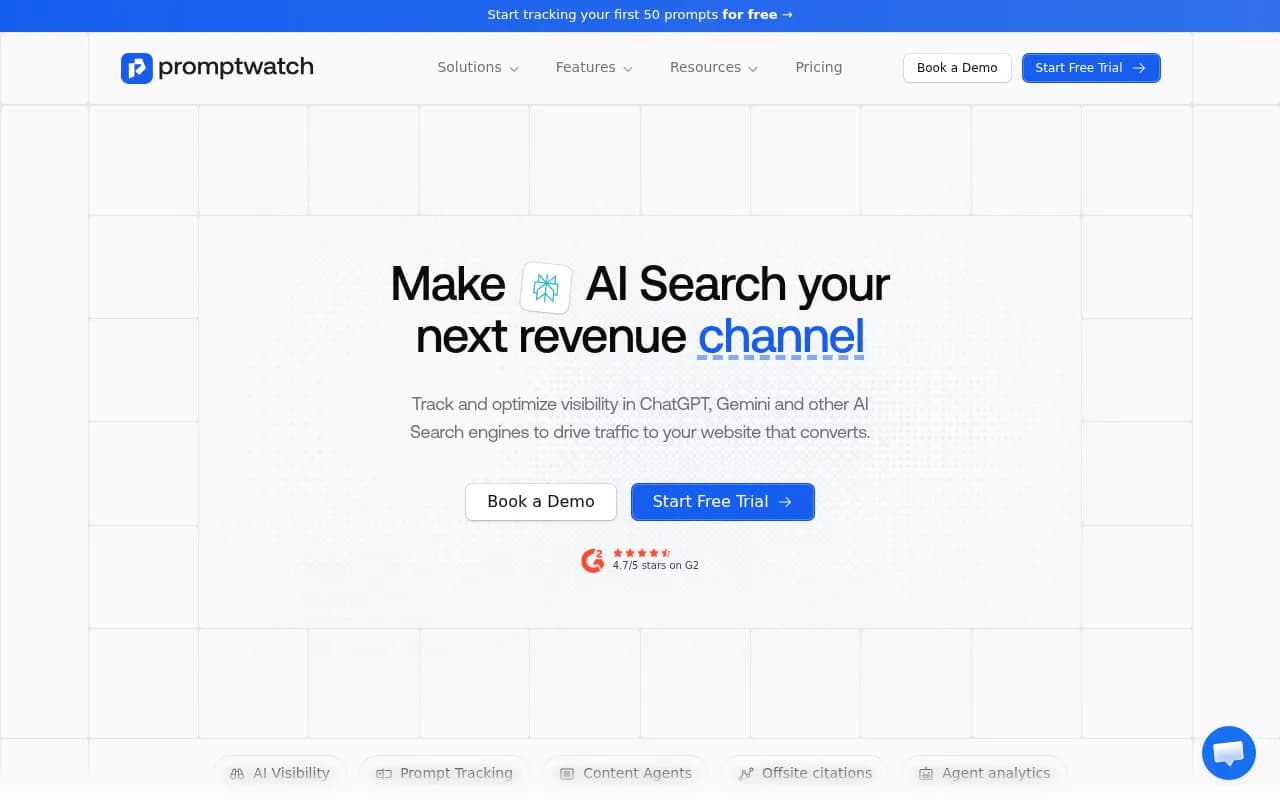
Promptwatch is built specifically for this -- it tracks citations across ChatGPT, Google AI Mode, Perplexity, Gemini, and other AI search engines, and shows you which pages are being cited, how often, and by which models. It also has answer gap analysis that shows you which prompts competitors are visible for but you're not, which maps directly onto the "information gain" strategy above.
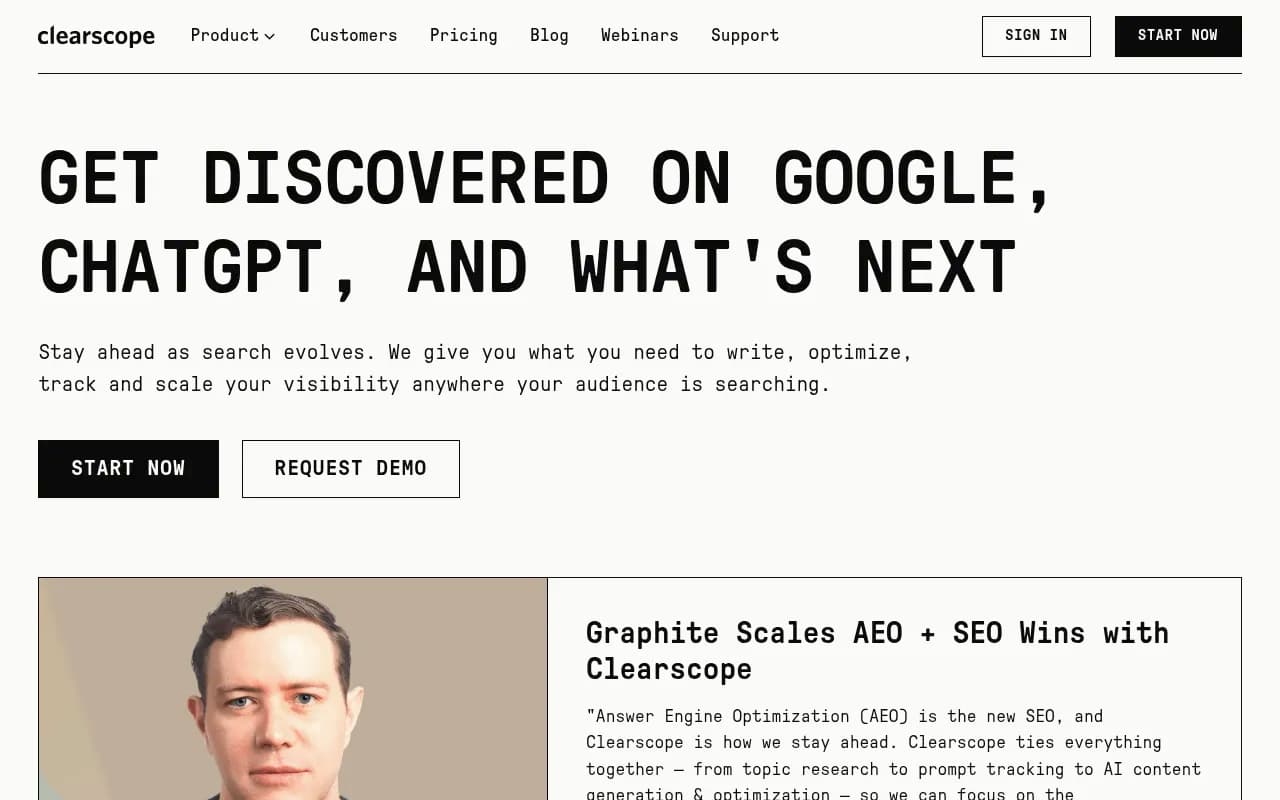
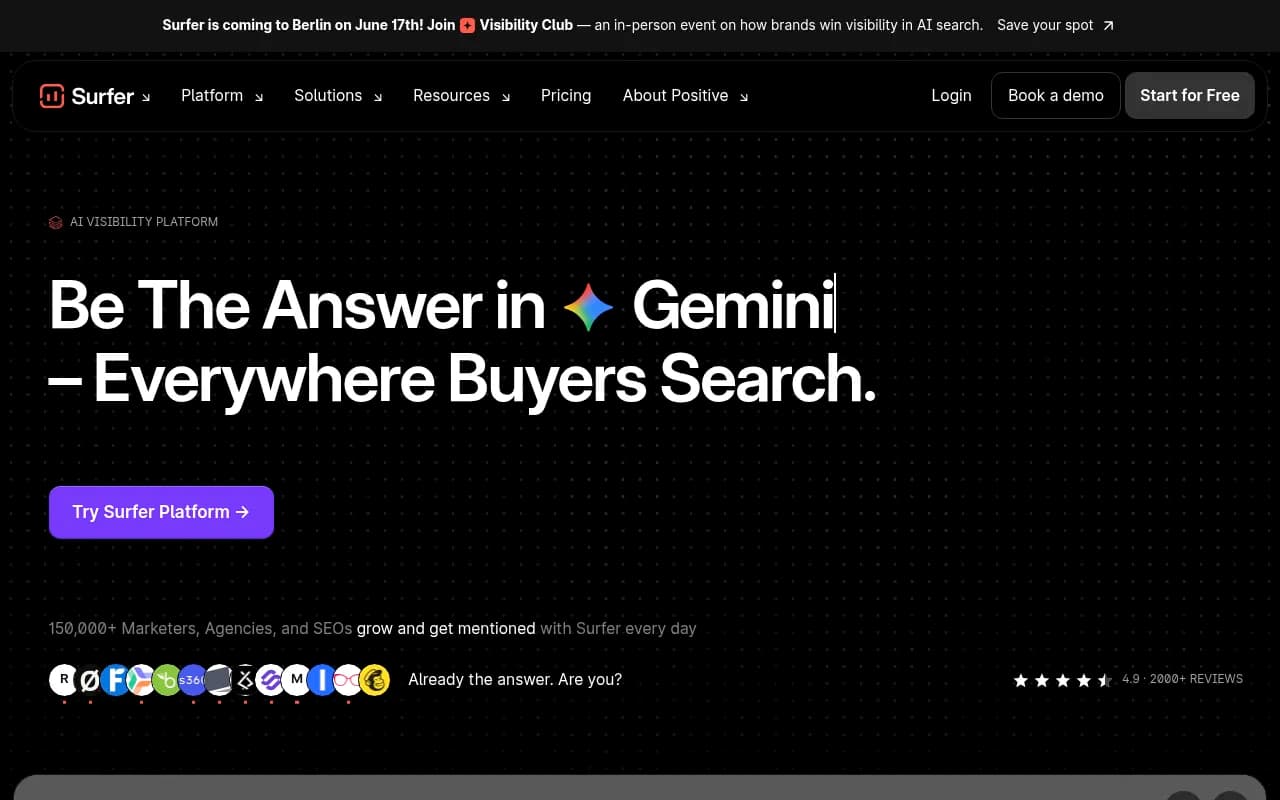
For content optimization specifically, tools like Clearscope and Surfer SEO help with semantic completeness and topical coverage -- making sure your content covers the sub-topics and related entities that AI models expect to see.
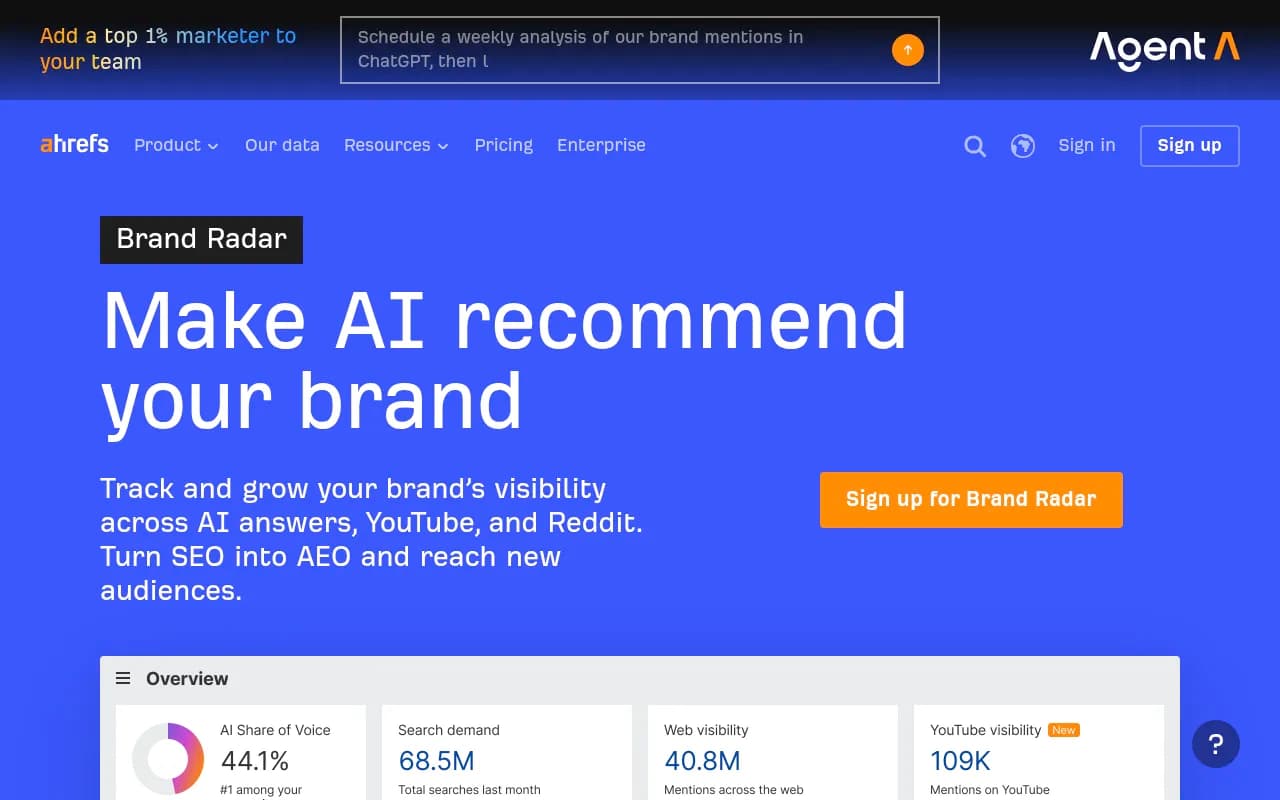
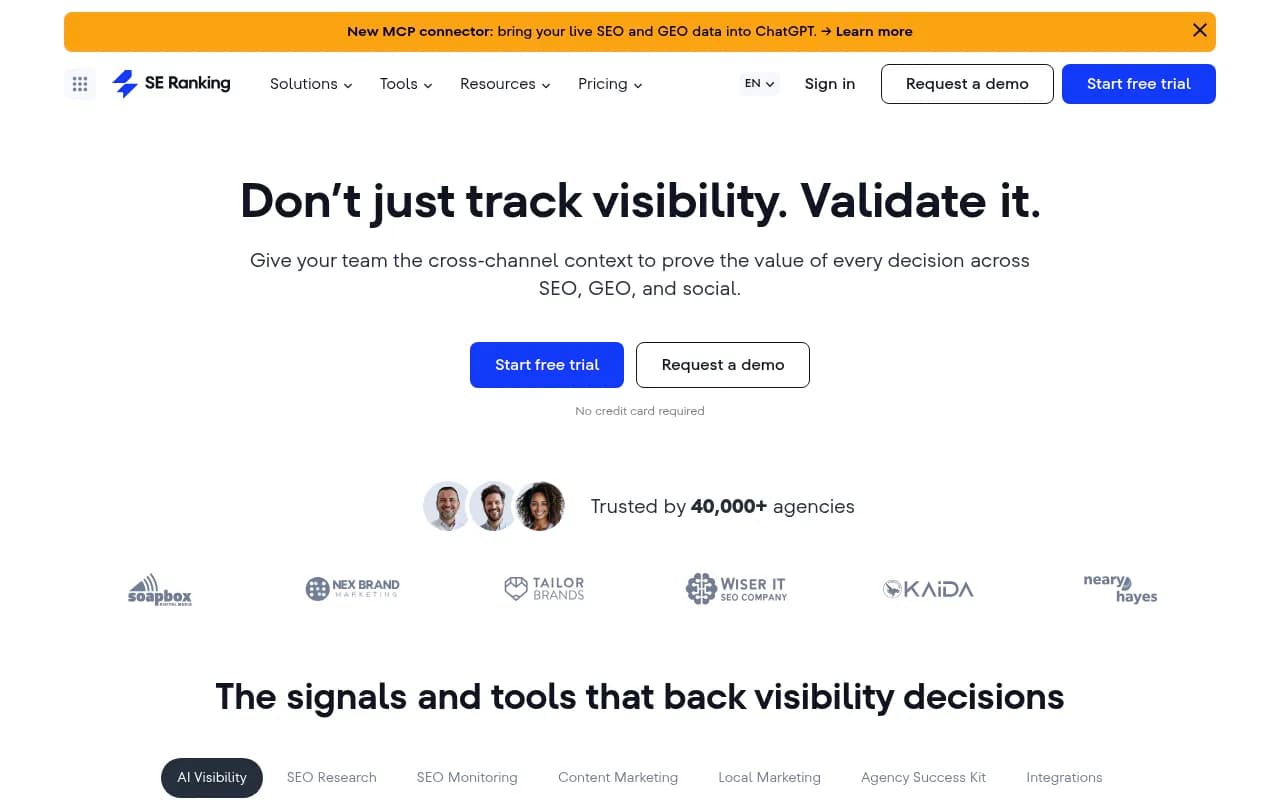
For tracking brand mentions across the web (the signal that's now correlating more strongly than backlinks), Ahrefs has solid coverage through Brand Radar, and SE Ranking has been building out its GEO visibility features.
The honest picture
AI Mode ranking is genuinely less predictable than traditional search ranking, and anyone claiming to have a complete, definitive list of factors is overstating what the research supports. The signals discussed here -- topical authority, E-E-A-T, brand mentions, information gain, semantic completeness -- are the ones that come up consistently across multiple credible sources. But the weightings shift, Google updates its models, and what works today may need adjustment in six months.
The more durable principle is this: AI models are trying to give users accurate, complete, trustworthy answers. If your content genuinely does that better than alternatives, you're aligned with what the system is trying to do. The specific tactics matter, but they're downstream of that basic orientation.
What's clear is that monitoring traditional organic rankings alone is no longer enough. AI visibility is a separate signal that requires separate tracking -- and the gap between brands that are measuring it and brands that aren't is going to keep widening.