Key takeaways
- Hall AI was a lightweight AI search monitoring tool focused on brand mention tracking across LLMs -- useful for getting started but limited in depth.
- If you need a direct replacement that goes beyond monitoring into actual content optimization and gap-filling, Promptwatch is the most complete option available in 2026.
- Scrunch is the strongest pure-monitoring alternative if you want clean dashboards and broad AI engine coverage without the optimization layer.
- Rankshift (now often referred to in the market as Rankscale) is worth considering for teams that prioritize rank-style tracking with a familiar SEO-adjacent interface.
- The biggest mistake former Hall users make is replacing like-for-like. This is a good moment to ask whether you want a tracker or a tool that actually helps you rank.
If you were using Hall AI and you're now looking for what comes next, you're not alone. A lot of teams built their early AI visibility workflows around Hall's simple prompt-monitoring setup, and now they're having to rebuild from scratch.
This guide compares four tools that come up most often in that conversation: Hall itself (what it was and what it offered), Promptwatch, Scrunch, and Rankshift. I'll be honest about where each one fits and where it falls short, so you can make a decision based on your actual situation rather than feature marketing.
What Hall AI actually was
Hall was one of the earlier entrants in the AI search monitoring category. It let you set up prompts, run them across a handful of AI engines (primarily ChatGPT and Perplexity), and see whether your brand appeared in the responses. The interface was clean and the onboarding was fast -- you could be tracking within an hour.
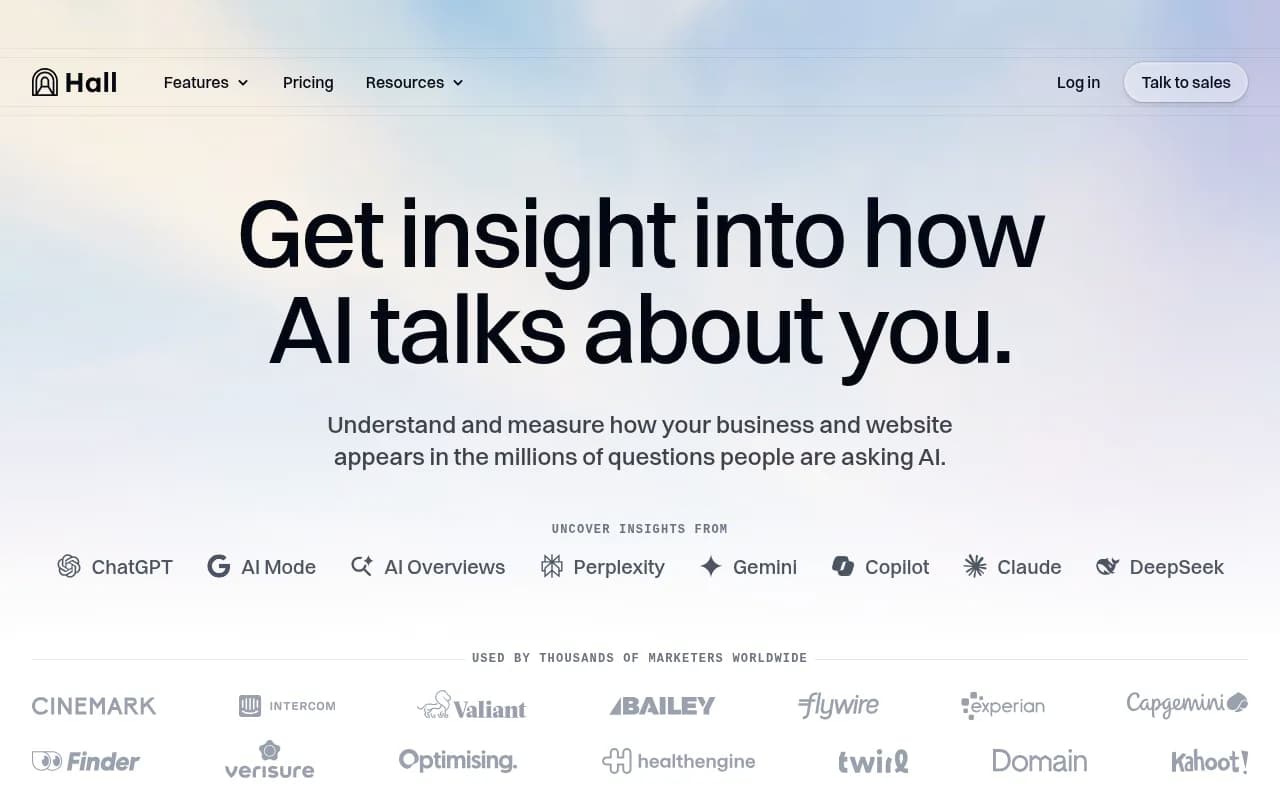
That simplicity was Hall's appeal. For teams that just wanted to know "are we showing up in AI answers?" it worked. But it had real limits:
- No content optimization or gap analysis
- Limited AI engine coverage (typically 2-3 models)
- No crawler log data or page-level tracking
- Prompt volume data was thin or absent
- No way to understand why you weren't appearing, just that you weren't
For teams that outgrew basic monitoring, Hall became a dashboard you checked but couldn't act on. That's the core problem you're probably trying to solve now.
The four tools side by side
Before going deep on each one, here's the full comparison:
| Feature | Hall AI | Promptwatch | Scrunch | Rankshift / Rankscale |
|---|---|---|---|---|
| AI engines covered | 2-3 | 10+ | 6-8 | 4-6 |
| Content gap analysis | No | Yes | Limited | No |
| AI content generation | No | Yes | No | No |
| Crawler / agent logs | No | Yes | No | No |
| Prompt volume data | No | Yes | Partial | Partial |
| Page-level citation tracking | No | Yes | Partial | No |
| Reddit / YouTube tracking | No | Yes | No | No |
| ChatGPT Shopping tracking | No | Yes | No | No |
| Competitor heatmaps | Basic | Yes | Yes | Partial |
| Traffic attribution | No | Yes | No | No |
| Starting price | ~$49/mo | $99/mo | ~$300/mo | ~$99/mo |
| Free trial | Yes | Yes | Yes | Yes |
The pattern is pretty clear. Hall and Rankshift sit in the "basic monitoring" tier. Scrunch is a more capable monitor. Promptwatch is the only one that covers the full loop from tracking to optimization.
Promptwatch: the most complete option
Promptwatch is the tool that comes up most often when former Hall users want to actually do something with their AI visibility data rather than just watch it.
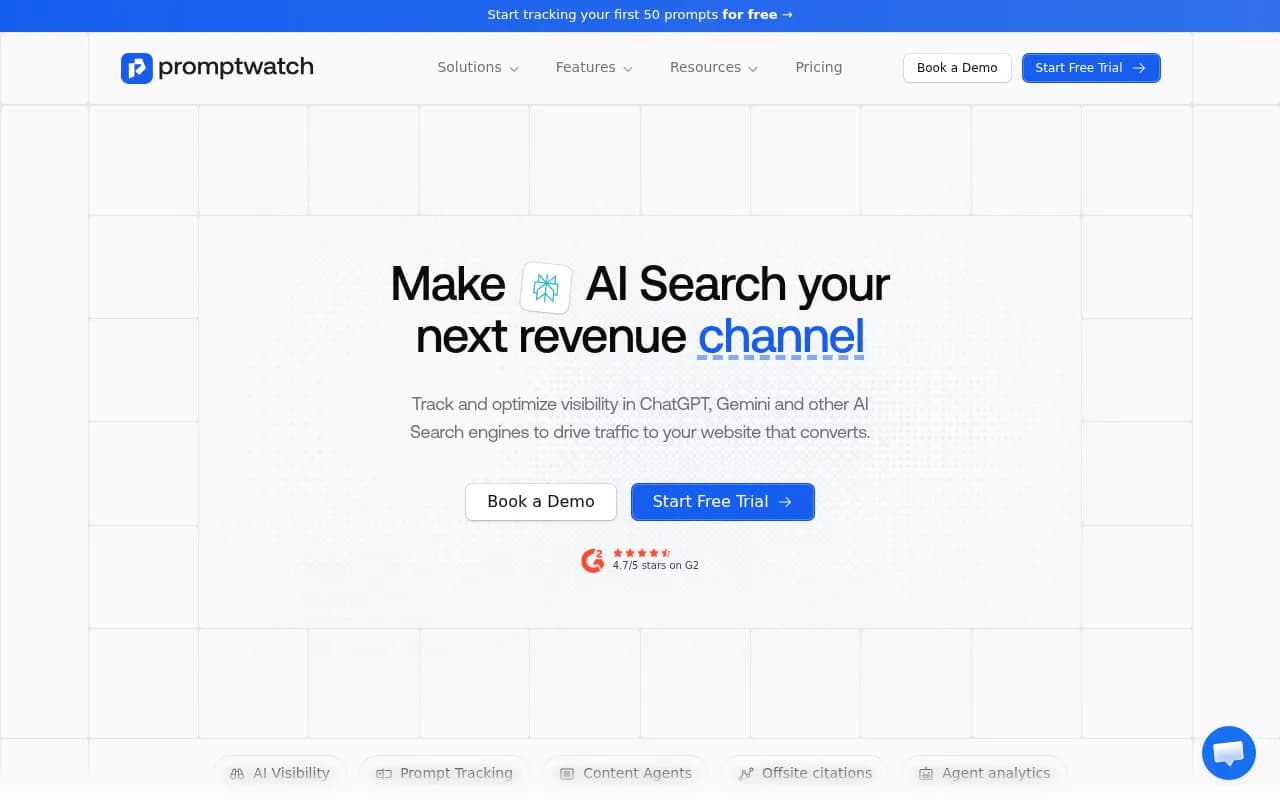
The core difference is what Promptwatch calls the action loop. Most tools show you that you're invisible for a given prompt. Promptwatch shows you that -- and then tells you exactly what content you're missing, generates a brief or full article to fill the gap, and tracks whether that new content gets picked up by AI crawlers and cited in responses.
That's a meaningfully different product. Here's what that looks like in practice:
Finding gaps
The Answer Gap Analysis feature runs your prompt set against competitor domains and maps which prompts your competitors are being cited for that you're not. You see the specific questions and topics where AI models are sending traffic to someone else. That's actionable in a way that "your visibility score is 34%" is not.
Creating content that ranks in AI
Content Agents generate articles, comparisons, and listicles grounded in real prompt data. These aren't generic AI-written posts -- they're built around the specific gaps identified in your analysis, with prompt volume data, competitor citation analysis, and brand guidance baked in. For teams that were using Hall and doing content creation separately, this collapses two workflows into one.
Tracking what happens after you publish
This is where Promptwatch really separates from the field. The AI Crawler Logs show you in real time which AI crawlers (ChatGPT, Claude, Perplexity, etc.) are hitting your pages, which pages they're reading, and when a page moves from "crawled" to "cited." Most tools have no visibility into this at all. If your new content isn't getting picked up, you can see exactly where the breakdown is.
Promptwatch also covers 10 AI models: ChatGPT, Perplexity, Google AI Overviews, Google AI Mode, Claude, Gemini, Meta/Llama, DeepSeek, Grok, and Mistral. Hall covered maybe two or three. That matters because AI search behavior varies significantly across models -- what ChatGPT cites and what Perplexity cites are often different.
Pricing starts at $99/month (Essential: 1 site, 50 prompts, 5 articles), $249/month for Professional (2 sites, 150 prompts, 15 articles, crawler logs), and $579/month for Business. There's a free trial.
The honest caveat: Promptwatch is more tool than some teams need on day one. If you genuinely just want to check whether your brand appears in ChatGPT answers and you're not ready to act on the data, the full platform might feel like overkill. But if you're serious about AI search as a channel, it's the right foundation.
Scrunch: the best pure monitoring alternative
Scrunch is the strongest option if what you want is a clean, reliable monitoring dashboard without the optimization layer.
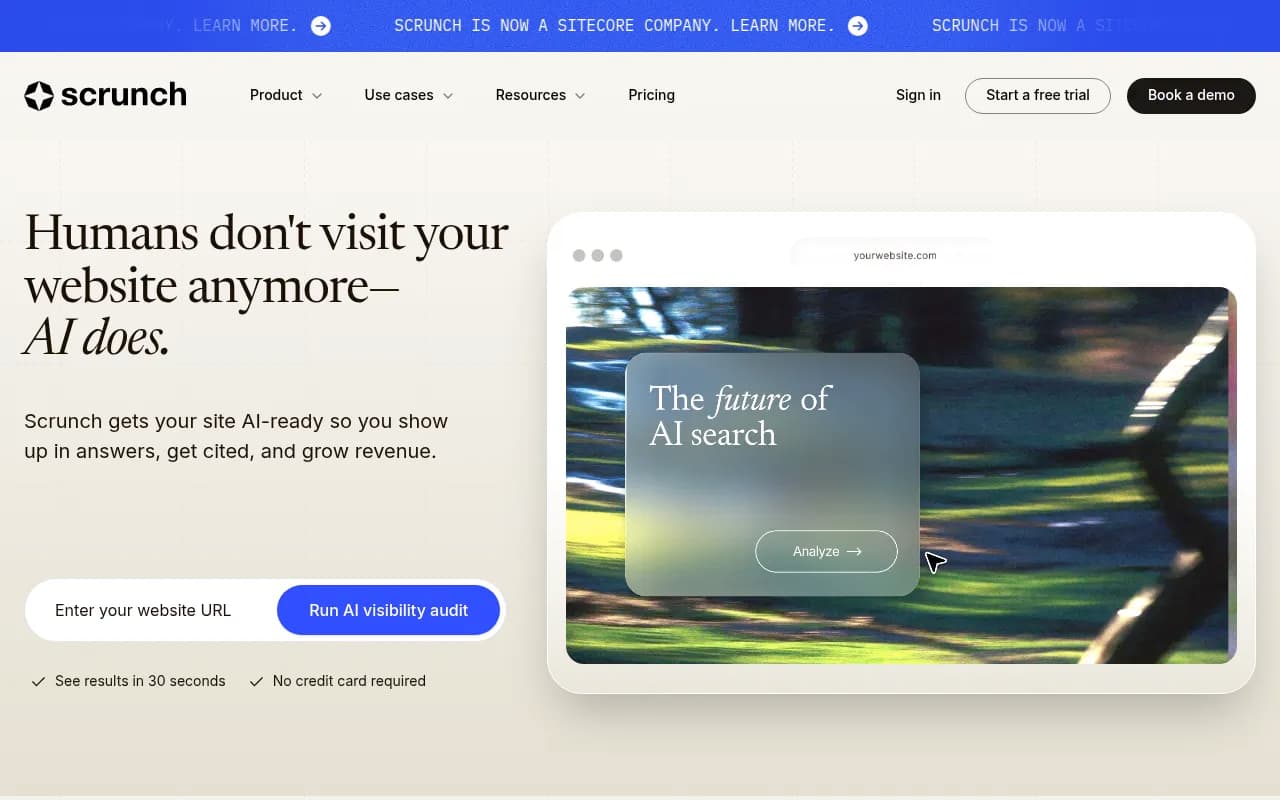
It covers more AI engines than Hall did, has solid competitor tracking, and produces stakeholder-friendly reports that are easy to share with clients or leadership. The onboarding is fast and the interface is genuinely well-designed.
Where Scrunch falls short is on the "what do I do about this?" side. Multiple independent reviews note that it's stronger at showing you what's happening than at telling you what to do next. There's no content generation, no crawler logs, no page-level citation tracking, and no traffic attribution. You'll know your visibility score. You won't know which specific pages are driving it or how to improve it.
For teams that have a separate content team and just need a reliable monitoring layer to feed them data, that's fine. For teams that want one tool to handle the full workflow, Scrunch will leave a gap.
Pricing starts around $300/month for entry-level plans, which is notably higher than Hall was. If you're moving from Hall primarily for cost reasons, Scrunch isn't the answer.
Rankshift / Rankscale: the SEO-adjacent tracker
Rankshift (the tool is also marketed under the Rankscale name in some regions) takes a more traditional SEO-style approach to AI visibility tracking. Think rank tracking, but for AI responses.
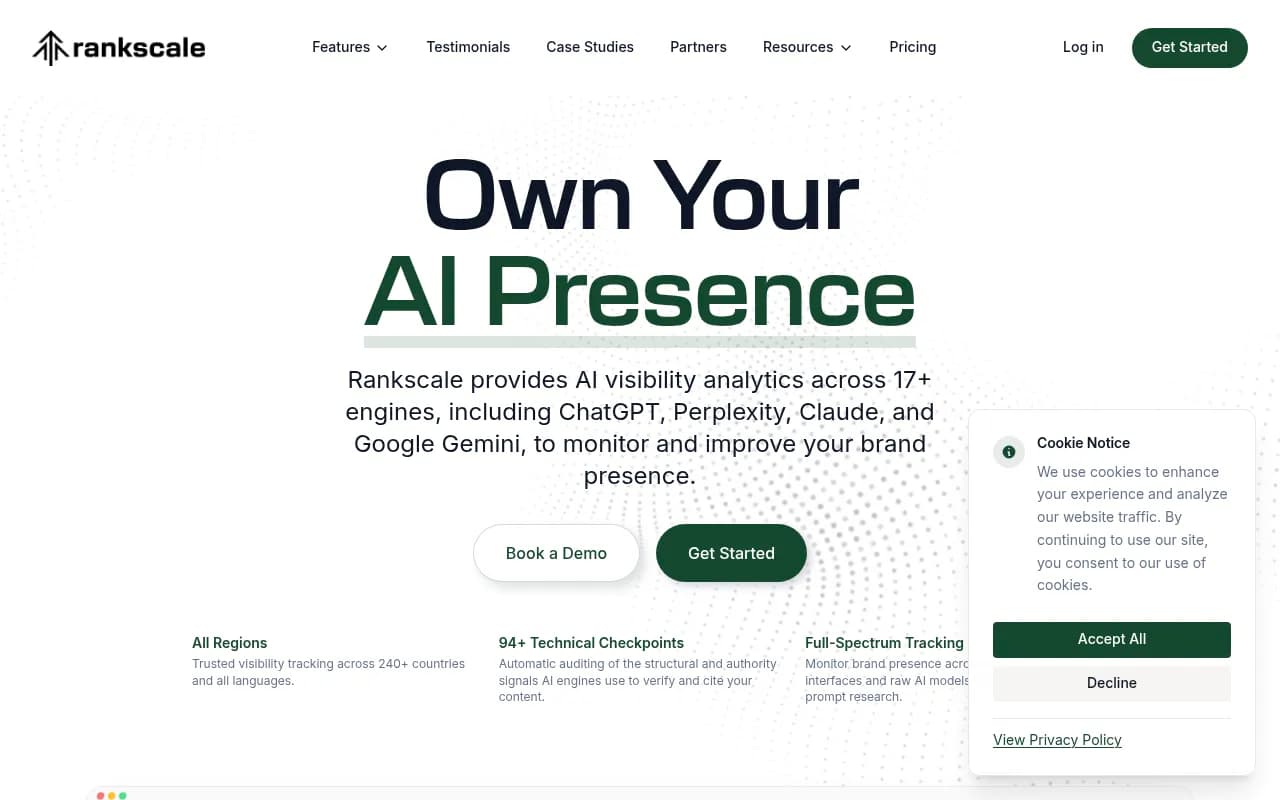
The interface will feel familiar if you've spent time in tools like Ahrefs or SE Ranking. You set up prompts, you see position data over time, you get competitor comparisons. It's solid for teams that want to slot AI visibility tracking into an existing SEO reporting workflow without learning a completely new paradigm.
The limitations are similar to Hall's, though. There's no content optimization, no gap analysis, no crawler logs. The prompt volume data is partial. It's a tracker, not an optimizer.
Where Rankshift/Rankscale is worth considering: if your team is primarily SEO-focused and you want AI visibility data in a format that looks like the rank tracking you already do, the learning curve is lower here than with Promptwatch. You can get up and running quickly and integrate the data into existing reports.
The honest trade-off is that you're deferring the harder question -- how do I actually improve my AI visibility? -- to a later date. That's sometimes the right call, especially if you're in an early discovery phase.
How to choose
The right tool depends on where you are in your AI visibility journey.
If you're just getting started and want to understand your baseline, any of these tools will work. Promptwatch's free trial is worth starting with because even the basic monitoring data is more detailed than what Hall offered. But Scrunch and Rankshift both have trials too, and the lower commitment might suit teams that aren't ready to invest in optimization yet.
If you were using Hall and hitting its limits, the move to Promptwatch is the most logical step up. The gap analysis and content generation features are exactly what Hall was missing, and the crawler logs answer questions that Hall couldn't touch.
If you're an agency managing multiple brands, Promptwatch's agency/enterprise tier is built for that use case. Scrunch also has agency-friendly reporting, but without the optimization capabilities, you're still doing the hard work elsewhere.
If your team is SEO-first and you want AI visibility as an add-on, Rankshift/Rankscale or even the Semrush AI Visibility Toolkit might fit better than a dedicated GEO platform.
If budget is the primary constraint, Promptwatch's $99/month Essential plan is actually the most affordable entry point among the serious options here. Hall was cheaper, but you get substantially more for $99 than you ever got from Hall.
A few other tools worth knowing about
The four tools in this comparison aren't the only options. A few others come up regularly in this space:
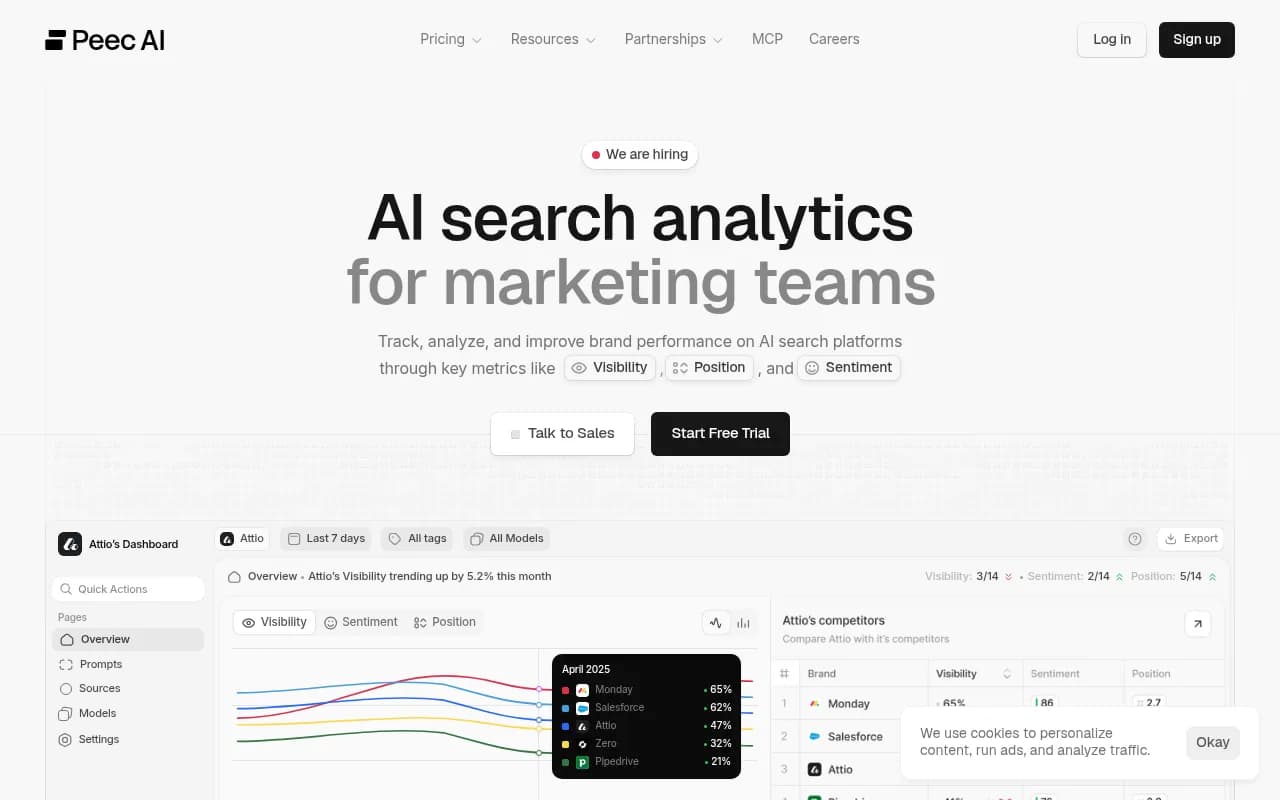
Peec AI is a lightweight monitoring tool with some smart suggestions built in. Good for small teams that want more than Hall offered without the full Promptwatch feature set.
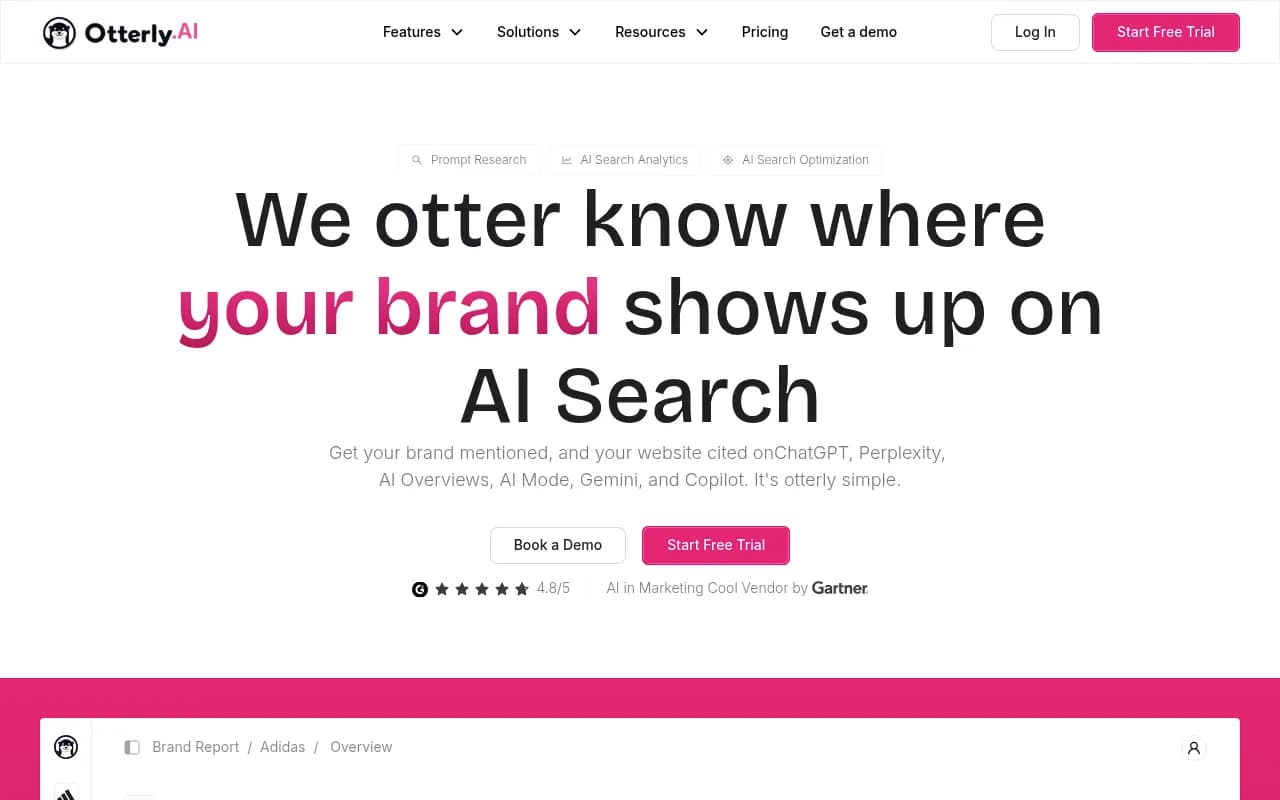
Otterly.AI is one of the most affordable monitoring-only options available. It won't help you optimize, but if you genuinely just want brand mention tracking across LLMs at a low price point, it's worth a look.
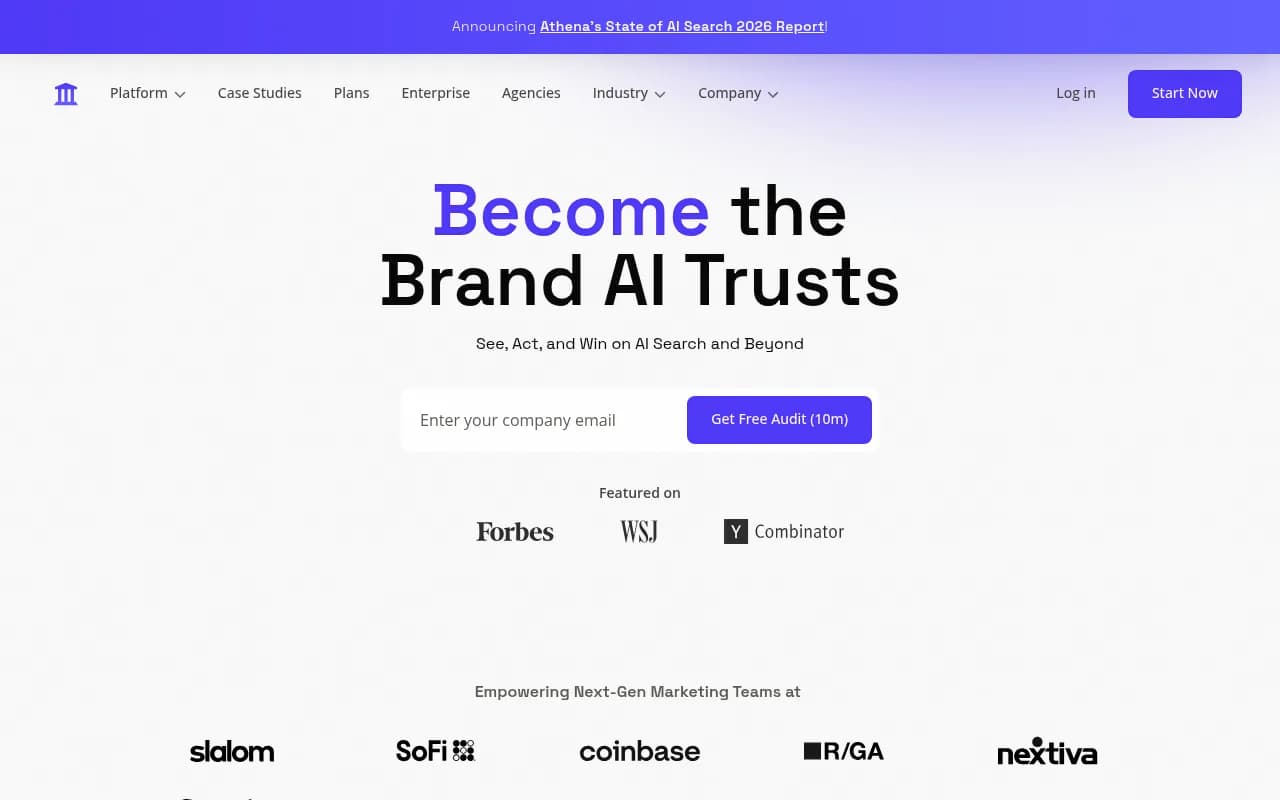
AthenaHQ is monitoring-focused with a clean interface. Stronger than Hall, weaker than Promptwatch on the optimization side.
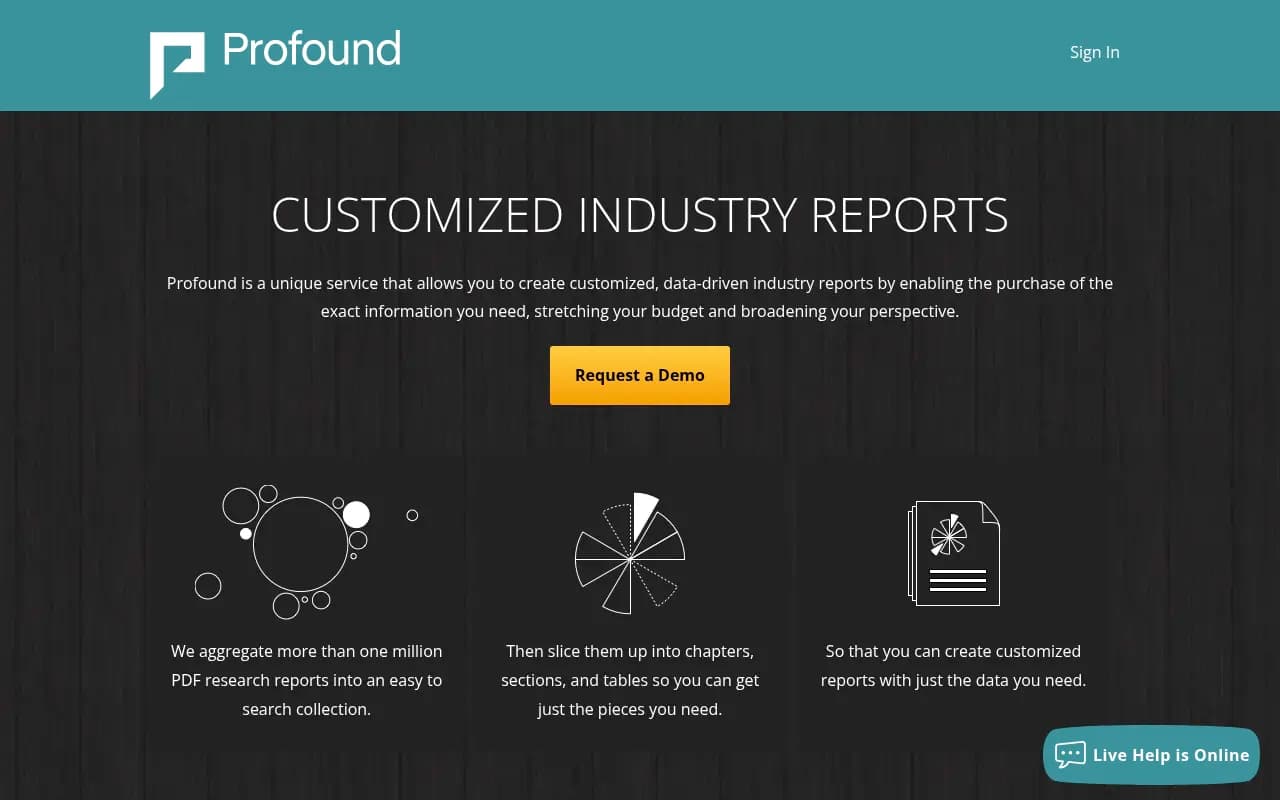
Profound is the enterprise-grade option if you're at a large organization that needs governance, advanced attribution, and deep "why did we appear?" analysis. It's significantly more expensive than the other tools here.
The question worth asking before you decide
Most teams replacing Hall are asking "what's the closest equivalent?" That's the wrong question.
Hall was a starting point. It showed you that AI visibility was a thing worth tracking. But the category has moved fast in 2026, and the tools that matter now aren't just trackers -- they're optimization platforms. The teams winning in AI search aren't the ones with the best dashboards. They're the ones who found the gaps, created the content, and got cited.
If that's the outcome you're after, the tool you pick needs to support the full loop. Monitoring is just the beginning.
Pricing and feature details are based on publicly available information as of June 2026. Always verify current pricing directly with vendors before purchasing.