Key takeaways
- Hall AI was a solid entry point for AI visibility monitoring, but its free tier and limited depth made it a poor fit for enterprise teams with serious GEO ambitions.
- Profound and AthenaHQ are the two most-cited enterprise alternatives, but they differ significantly in how they handle data access, prompt limits, and content optimization.
- AthenaHQ is strong on monitoring depth; Profound adds more workflow and content tooling, plus faster support SLAs.
- Neither platform closes the full loop from gap identification to content creation to citation tracking -- that's where platforms like Promptwatch pull ahead.
- Your best choice depends on whether you need pure monitoring, a content workflow, or an end-to-end optimization engine.
If you were using Hall AI for brand monitoring in AI search engines, you've probably noticed the platform hasn't kept pace with what enterprise teams actually need. Hall was a reasonable starting point -- low barrier to entry, decent free tier, easy to spin up. But "easy to spin up" and "built for enterprise GEO strategy" are very different things.
Now teams are looking for a real upgrade. The two names that come up most often are Profound and AthenaHQ. Both are positioned as enterprise-grade AI visibility platforms. Both have real customers and real data. And both have meaningful limitations that don't always show up in the feature comparison tables.
This guide breaks down what you actually get with each, where they fall short, and what else is worth considering before you commit.
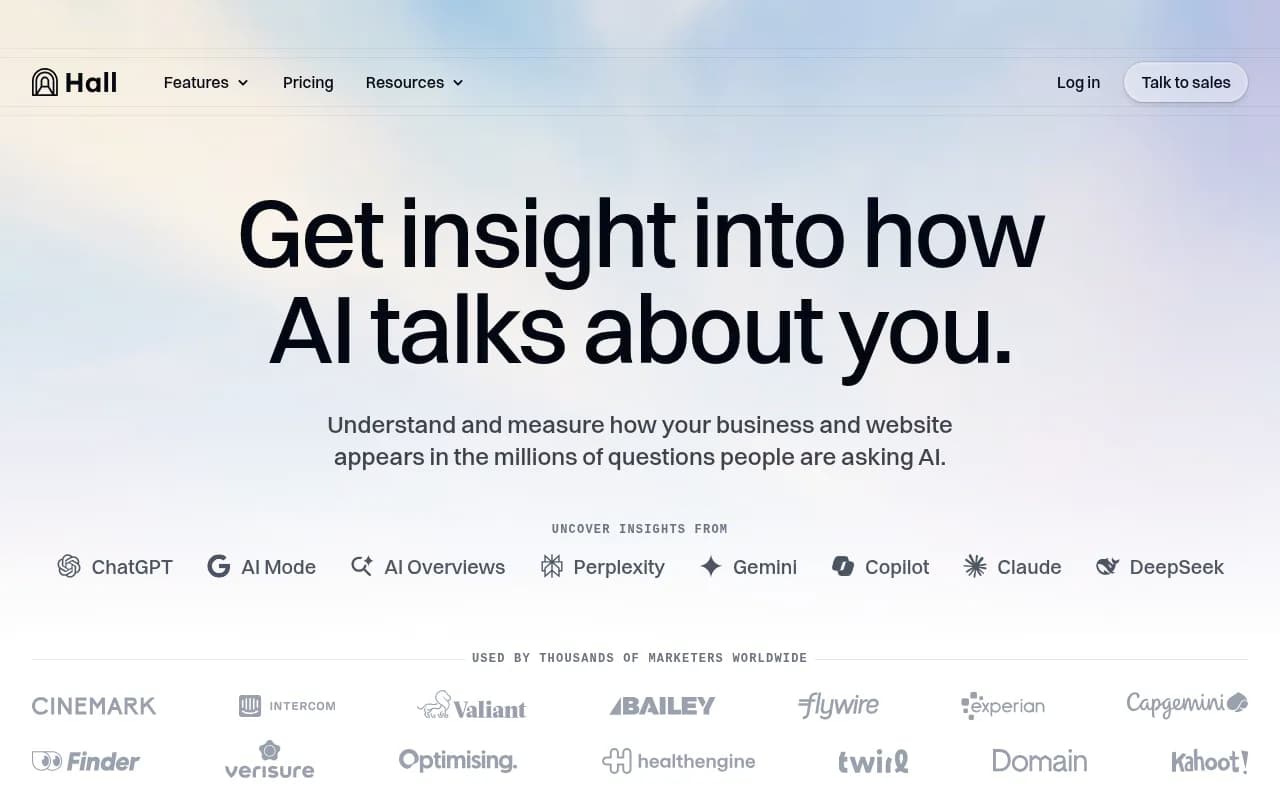
What Hall AI was good at (and where it fell short)
Hall built its reputation on accessibility. The free tier was genuinely useful for small teams getting their first look at AI search visibility -- you could track a handful of prompts, see which AI models mentioned your brand, and get a rough sense of your competitive position.
The problem is that "rough sense" doesn't scale. Enterprise teams need:
- High prompt volumes across multiple sites and regions
- Verified, reproducible data (not sampled or approximated)
- Content workflows that connect visibility gaps to actual fixes
- Crawler-level data showing how AI agents interact with their pages
- Support that responds in hours, not days
Hall's monitoring-first architecture wasn't designed around those needs. According to a 2026 review roundup from ContentMonk, Hall "wins on free tier accessibility" -- which is a polite way of saying it doesn't win on much else at the enterprise level.
So where do you go from here?
Profound: the enterprise-first choice
Profound is the platform most enterprise teams land on when they outgrow Hall. It's built around verified data collection -- meaning it actually queries AI models the way real users do, rather than relying on API outputs that can differ from what users see in practice.
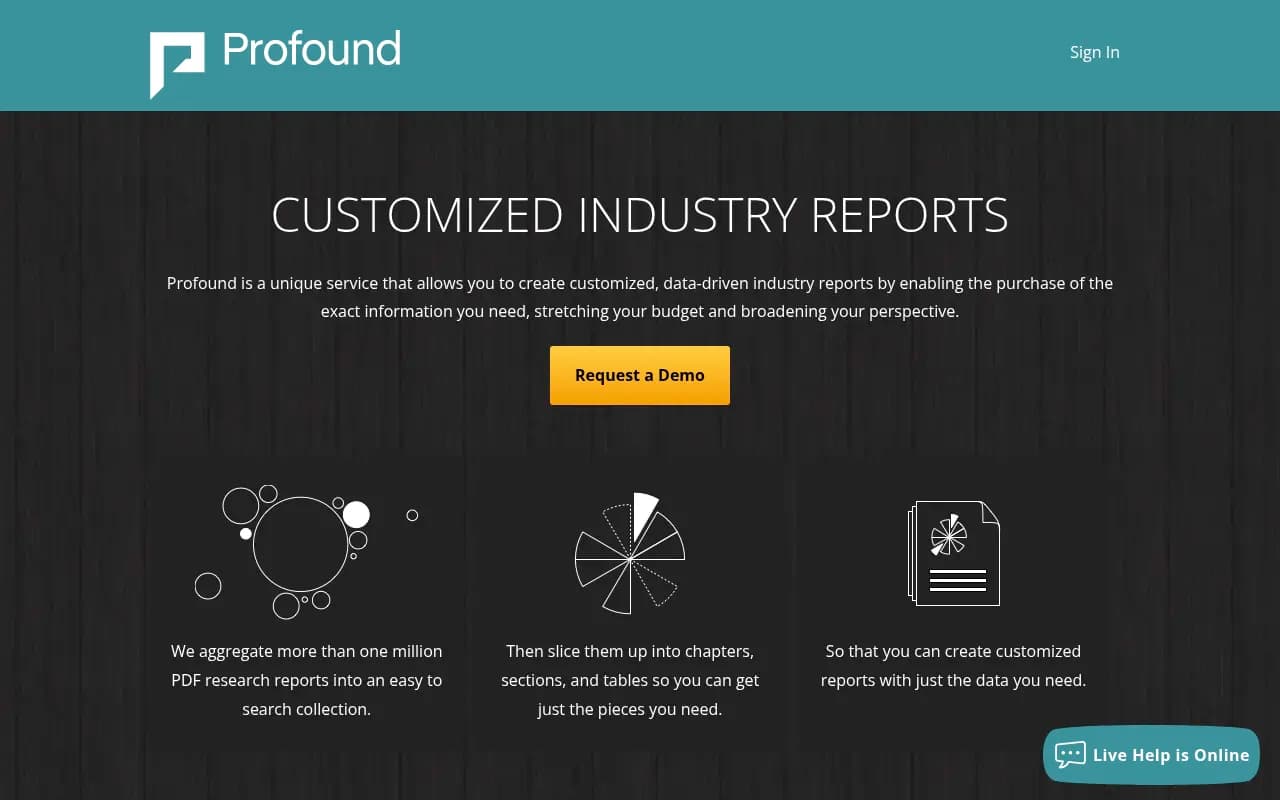
What Profound does well
Profound's core strength is data fidelity. It tracks how AI search engines respond in real user interfaces, which matters because ChatGPT's shopping recommendations, Perplexity's citations, and Google AI Overviews can look quite different from what you'd get hitting the same models via API.
A few things that stand out:
- Unlimited prompts on enterprise plans (versus credit-based limits on some competitors)
- 5-minute SLA on support, which is meaningful when you're running live campaigns
- Agent analytics that show how AI crawlers interact with your pages
- Shopping tracking for ChatGPT product recommendations
- Content agents that generate briefs and articles grounded in prompt data
Profound also covers a solid range of models: ChatGPT, Perplexity, Google AI Overviews, Claude, Gemini, and others. The breadth matters because your brand's visibility can vary dramatically across models -- winning on Perplexity while being invisible on ChatGPT is a real scenario.
Where Profound has limits
Pricing is the most common friction point. Profound is positioned at the higher end of the market, and the gap between entry-level and full enterprise access is significant. Teams that need just monitoring -- without the content workflow -- may find themselves paying for features they don't use.
Reddit and YouTube tracking, which increasingly influence AI recommendations, are also areas where Profound's coverage is less comprehensive than some newer platforms.
AthenaHQ: monitoring depth, enterprise scale
AthenaHQ takes a different approach. Where Profound leans into content workflows, AthenaHQ leans into monitoring depth and data rigor. It's a strong choice for teams whose primary need is understanding the competitive AI visibility landscape before deciding what to do about it.
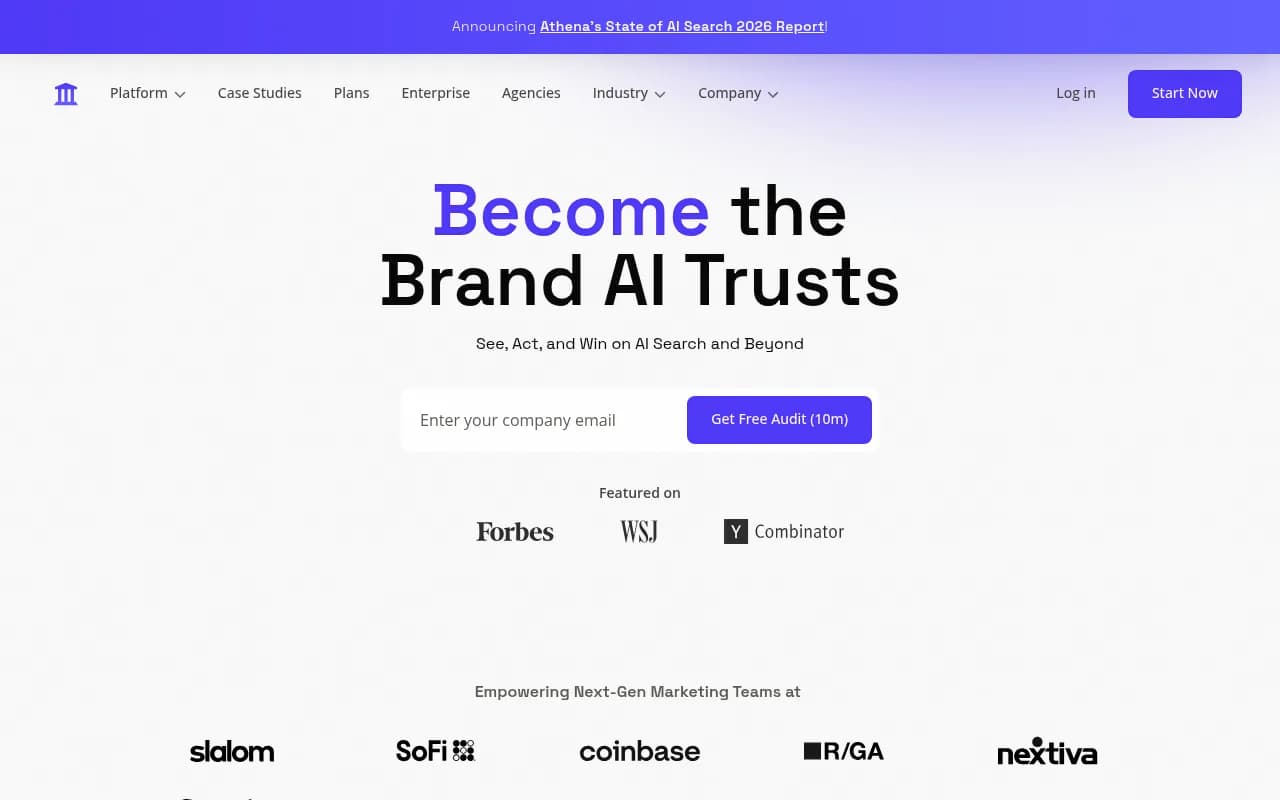
What AthenaHQ does well
AthenaHQ's competitive heatmaps are genuinely useful -- you can see, prompt by prompt, which competitors are winning visibility and why. The platform also does well on:
- Cross-platform AI tracking across major LLMs
- Compliance certifications that matter for regulated industries
- Granular source attribution (which URLs are being cited, not just which domains)
- Enterprise-grade access controls and team management
For brands in finance, healthcare, or other regulated sectors, AthenaHQ's compliance posture is a real differentiator. Profound is strong here too, but AthenaHQ has made it a more explicit part of its positioning.
Where AthenaHQ has limits
The biggest limitation is that AthenaHQ is primarily a monitoring platform. It's excellent at showing you where you stand. It's less equipped to help you change where you stand.
There's no content generation layer. No AI-powered brief creation. No crawler log analysis that connects what AI agents are reading on your site to what they're citing in their answers. If you want to go from "we're invisible for this prompt" to "here's the content we need to publish," you're doing that work manually or with a separate tool.
The credit-based model for some features also creates friction at scale. Teams running hundreds of prompts across multiple regions can hit limits that slow down their workflow.
Head-to-head: Profound vs AthenaHQ vs Hall
| Feature | Hall AI | Profound | AthenaHQ |
|---|---|---|---|
| Free tier | Yes (generous) | No | No |
| Prompt limits | Low | Unlimited (enterprise) | Credit-based |
| Model coverage | Basic | 8+ models | 8+ models |
| Content generation | No | Yes (agents) | No |
| Crawler / agent logs | No | Yes | Limited |
| Reddit/YouTube tracking | No | Limited | No |
| ChatGPT Shopping tracking | No | Yes | No |
| Compliance certifications | No | Yes | Yes |
| Support SLA | Standard | 5-minute (enterprise) | 2-hour |
| Pricing | Free / low | High | High |
| Best for | Getting started | Enterprise with content needs | Enterprise monitoring |
The table makes the tradeoffs pretty clear. Hall was a starting point. Profound and AthenaHQ are both enterprise-grade, but they serve different primary needs.
The gap neither platform fully closes
Here's the honest assessment: both Profound and AthenaHQ are strong monitoring platforms with varying degrees of content tooling. But neither was built around a complete optimization loop -- the cycle of finding gaps, creating content to fill them, and tracking whether that content actually gets cited.
Profound comes closest with its content agents, but the workflow from gap analysis to published content to citation tracking isn't as tight as it could be. AthenaHQ doesn't really try to close that loop at all.
This is worth thinking about before you commit. If your team's goal is to actually improve AI visibility -- not just measure it -- you need a platform that treats content creation and citation tracking as first-class features, not add-ons.
Promptwatch is built specifically around that loop. It shows you which prompts competitors rank for that you don't, generates content engineered to answer those gaps, and then tracks whether AI models start citing your new pages. The crawler log feature shows exactly which pages AI agents are reading and when those reads convert to citations -- something neither Profound nor AthenaHQ offers at the same depth.

It's worth evaluating alongside Profound and AthenaHQ rather than treating it as a fallback option.
How to evaluate any AI visibility platform: seven questions worth asking
Before you sign a contract with any of these platforms, run them through this framework. It's adapted from buyer guidance published by friction AI in late 2025, and it holds up well.
1. Which models, specifically?
"All major models" is not an answer. Ask for the exact list: ChatGPT (which version?), Claude (Opus or Sonnet?), Perplexity, Gemini, Google AI Overviews, Grok, DeepSeek, Meta AI, Copilot. Then ask how often each is queried. Daily? Weekly? On-demand?
2. How is data collected?
API-based collection and real user interface collection produce different results. If a vendor can't explain which they use and why it matters, that's a red flag.
3. What are the actual prompt limits?
Credit-based models sound flexible until you're running 500 prompts across three regions and you've burned through your monthly allocation by week two. Get the math in writing.
4. Can it show me what to fix?
Monitoring tells you where you're invisible. Optimization tells you why and what to do about it. Ask for a demo of the gap analysis and content workflow, not just the dashboard.
5. What does crawler data look like?
If a platform can't show you which pages AI agents are crawling, how often, and whether those crawls are converting to citations, you're missing a critical layer of the picture.
6. What's the support model?
For enterprise teams, a 2-hour response SLA is meaningfully different from a 5-minute one. Ask what happens when something breaks during a product launch.
7. How does it handle multi-region and multi-language?
AI visibility varies significantly by geography and language. A platform that only monitors US English prompts is going to miss a lot if you operate internationally.
Other platforms worth considering
Profound and AthenaHQ aren't the only options. A few others are worth a look depending on your specific situation.
If you're an agency managing multiple client accounts, Search Party has a workflow built around that use case.
If you want traditional SEO tooling bundled with AI visibility monitoring, Semrush and Ahrefs both have AI-focused features now -- though neither is as deep as a dedicated GEO platform.
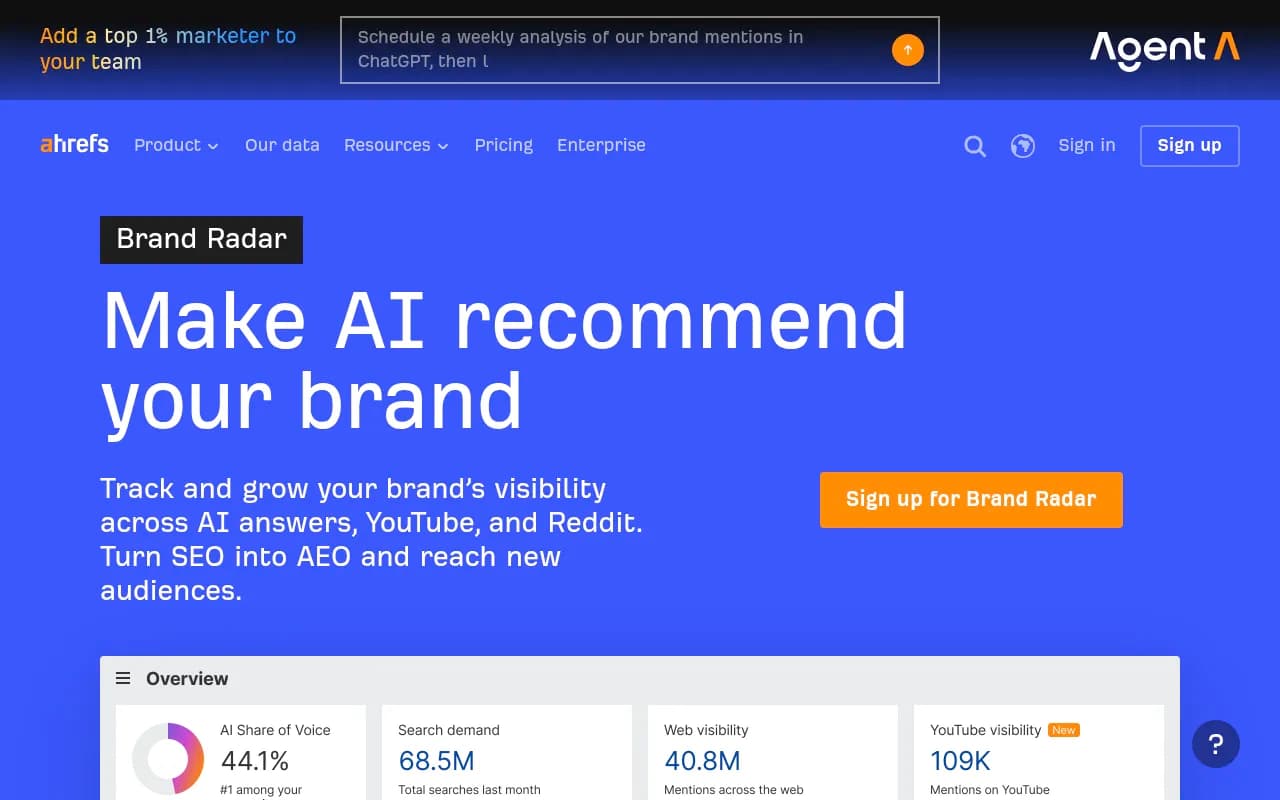
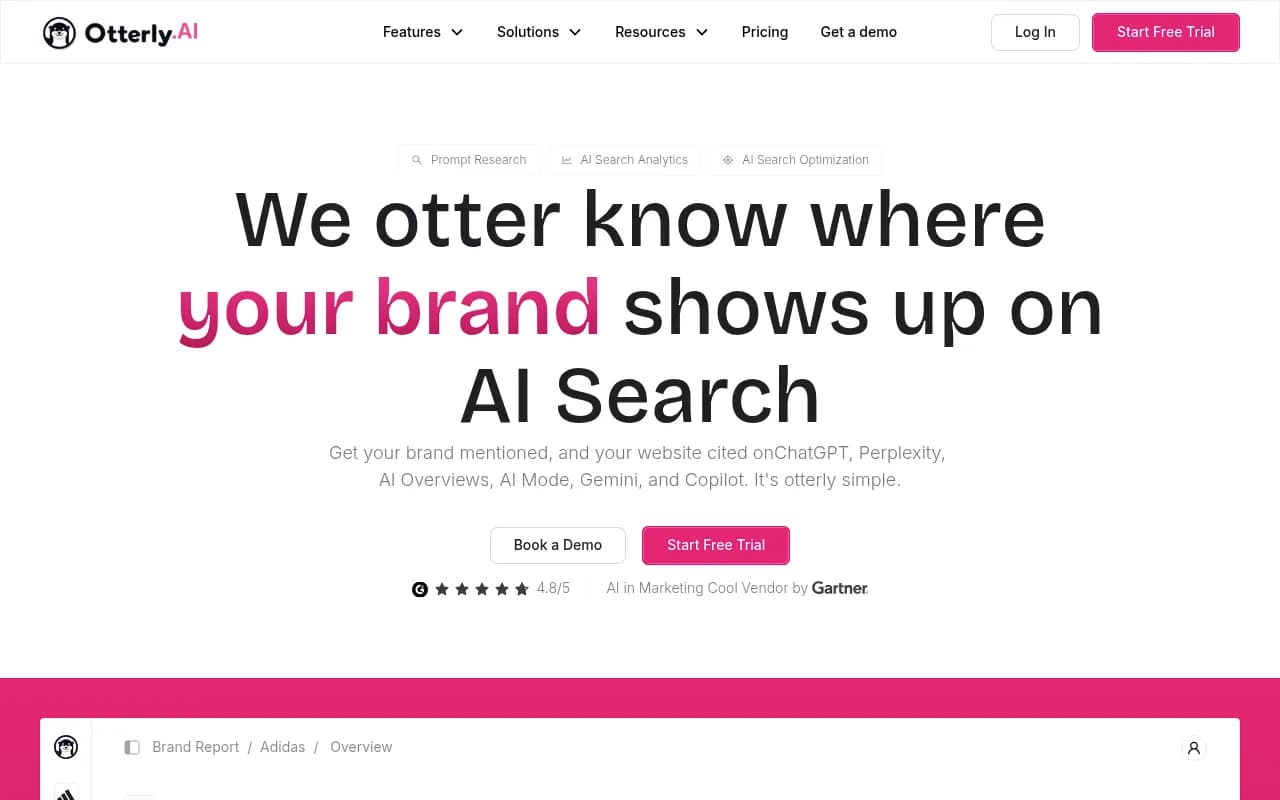
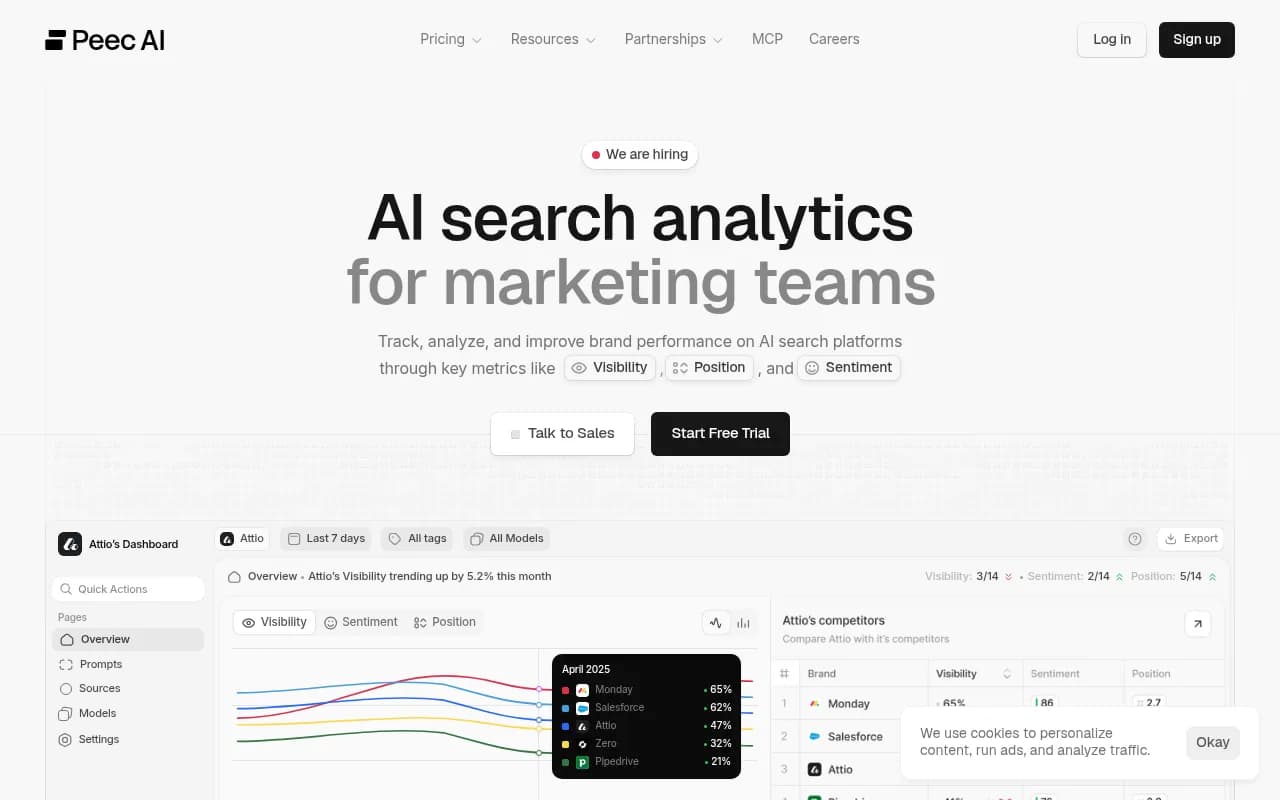
For teams that want monitoring without the enterprise price tag, Otterly.AI and Peec AI are worth evaluating. They're monitoring-only tools, but they're honest about that.
Which platform should former Hall users actually choose?
The honest answer depends on what you were missing with Hall.
If Hall's main limitation was data quality and you need verified, enterprise-grade monitoring with compliance certifications, AthenaHQ is probably your move. It's the most rigorous pure monitoring platform in this category.
If Hall's main limitation was that you couldn't act on what you were seeing -- no content workflow, no way to close the gap between "we're invisible here" and "here's what we published to fix it" -- then Profound is a better fit, and Promptwatch is worth a serious look.
If you want the full loop -- gap analysis, content generation grounded in real prompt data, crawler logs, citation tracking, and traffic attribution -- Promptwatch is the only platform in this comparison that was built around all of those pieces working together. It's used by 1,480+ brands including Booking.com and Center Parcs, and it covers 10 AI models including ChatGPT, Perplexity, Google AI Overviews, Claude, Gemini, Grok, DeepSeek, and others.
The free trial makes it easy to test before committing.
Bottom line
Hall AI served a purpose. It made AI visibility monitoring accessible when most teams didn't even know they needed it. But the category has matured, and "accessible" is no longer the right bar.
Enterprise teams in 2026 need platforms that don't just show them the problem -- they need platforms that help them solve it. Profound and AthenaHQ are both serious tools worth evaluating. Neither fully closes the optimization loop on its own. That's the gap worth paying attention to when you make your decision.