Key takeaways
- Hall AI (usehall.com) shut down in 2026, joining a growing list of early-stage GEO and AI visibility tools that failed to reach sustainable scale
- Most tools that close share a common profile: monitoring-only dashboards with no path to ROI for customers
- The GEO market is consolidating fast -- brands that bet on single-feature tools are being left without a platform mid-strategy
- Surviving platforms tend to combine monitoring, content optimization, and measurable outcomes rather than just tracking mentions
- If you're evaluating tools right now, platform durability should be part of your criteria, not just feature coverage
What happened with Hall AI
Hall AI, the AI search monitoring tool at usehall.com, has shut down. If you're reading this because you were a Hall customer or were considering it, that's the short version.
The longer version is more interesting, because Hall isn't an isolated case.
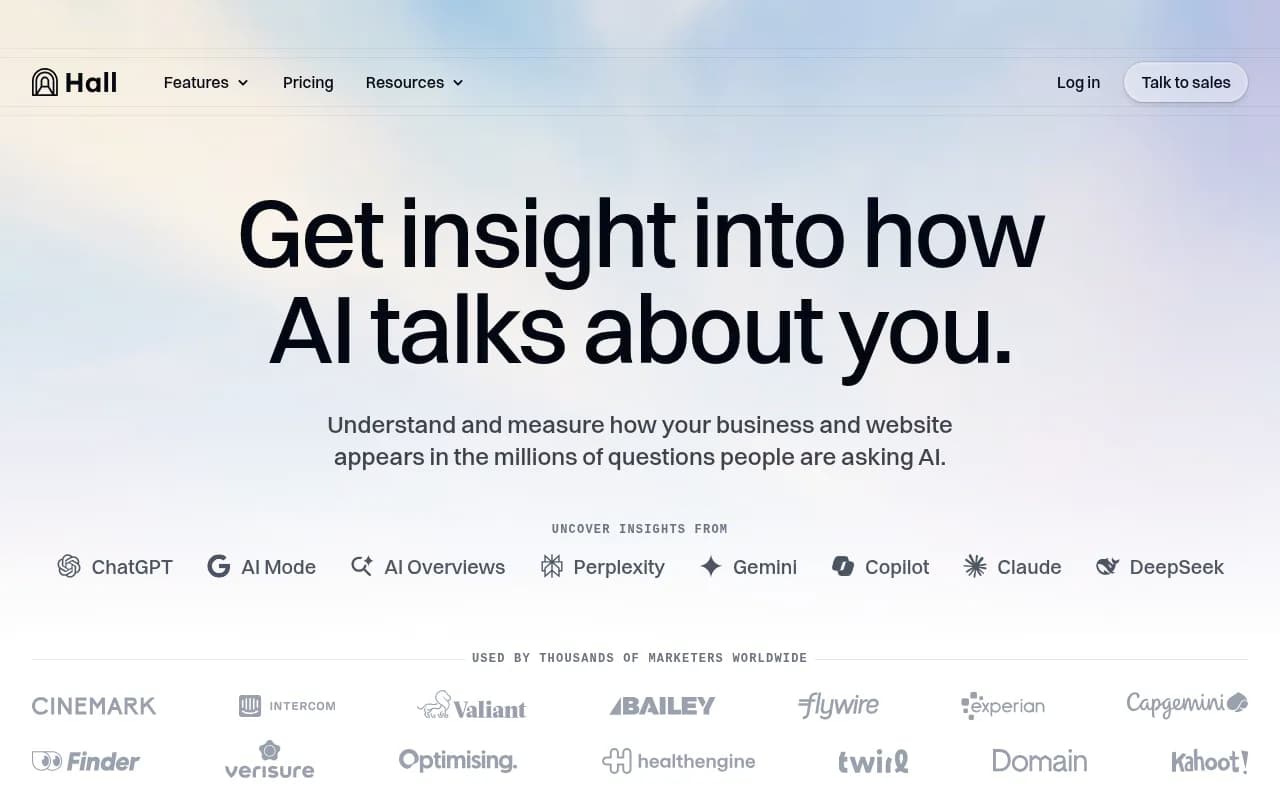
Hall positioned itself as a brand visibility monitoring tool for AI search -- the kind of product that tracks whether your brand gets mentioned when someone asks ChatGPT or Perplexity a question about your industry. It was a clean, focused product. And that focus, ironically, may be part of why it didn't survive.
The pattern: monitoring-only tools are struggling
Hall isn't the only GEO tool that has closed or gone quiet in 2026. Across the AI visibility space, a pattern is emerging: tools built around a single function -- usually brand mention tracking -- are hitting a wall.
The problem isn't that monitoring is useless. It's that monitoring alone doesn't give customers a clear path to ROI. You can see that your brand isn't being mentioned in ChatGPT responses. Great. Now what? If the tool can't help you answer that question, you're paying for a dashboard that makes you feel bad without helping you feel better.
This is the fundamental tension in the GEO market right now. The category is growing fast -- BrightEdge data from early 2026 shows AI Overviews appearing on 48% of all tracked queries, up 58% from a year earlier. Demand for AI visibility tools is real. But demand doesn't automatically translate into retention, and retention is what keeps SaaS companies alive.
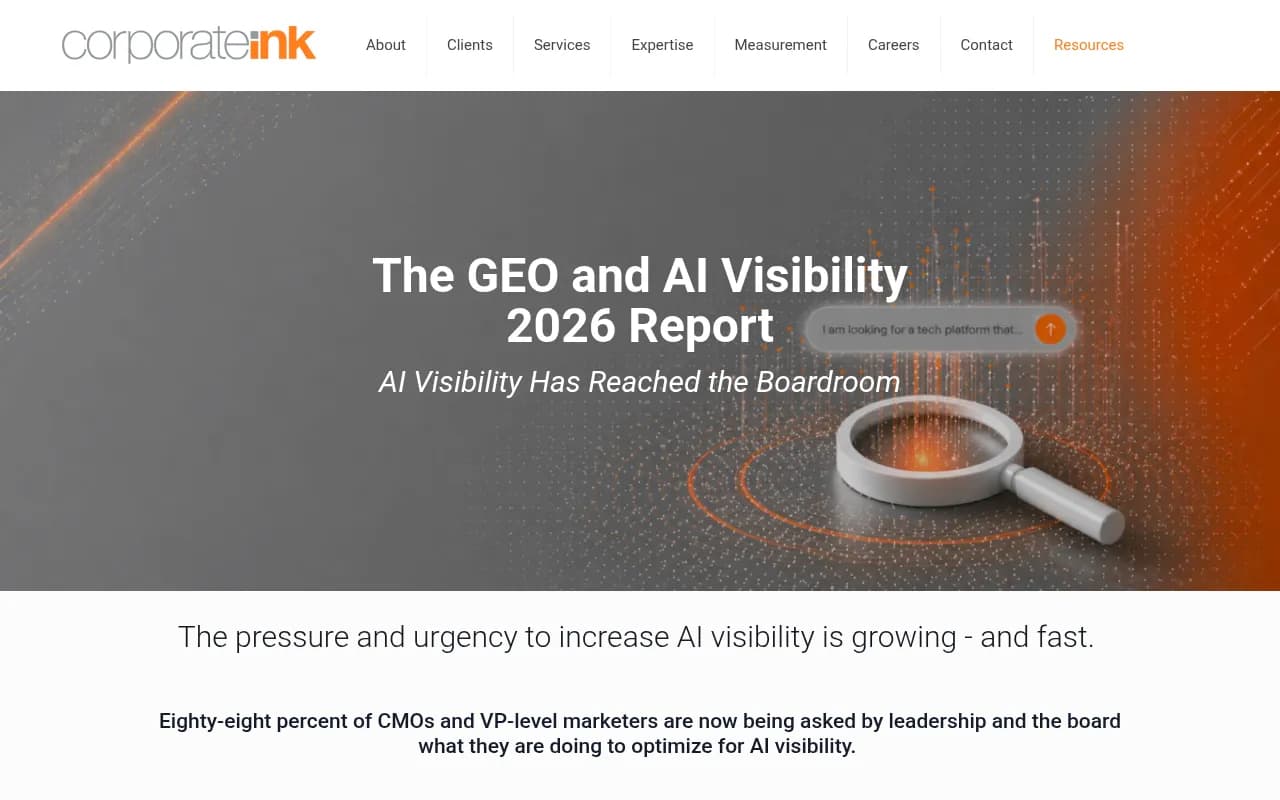
Corporate Ink's 2026 survey of 150 B2B tech marketers found that only 34% have a defined AI visibility strategy. That means the majority of companies buying GEO tools are still figuring out what they're trying to accomplish. When a tool only monitors and doesn't guide, those customers churn.
Other tools that have closed or scaled back
Hall is the most recent high-profile closure, but it's worth looking at the broader context. Several tools in the AI visibility space have either shut down, pivoted away from GEO, or quietly stopped updating their products in 2026:
- Some early "AI rank trackers" that launched in late 2023 and 2024 never made it past the MVP stage. They tracked a handful of models, showed brand mention counts, and charged monthly fees -- but couldn't justify renewal when customers didn't see measurable outcomes.
- A few tools that started as SEO browser extensions tried to bolt on AI monitoring features without rebuilding their data infrastructure. The result was shallow coverage that missed how AI models actually behave in real user interfaces versus API outputs.
- Several bootstrapped GEO startups that raised no outside funding ran out of runway as the market took longer to mature than expected.
The common thread: narrow scope, no clear action loop, and insufficient data depth to compete with better-funded platforms.
Why the market is consolidating now
The GEO space went through a classic early-market explosion. Between 2023 and 2025, dozens of tools launched with some variation of "track your brand in ChatGPT." The barrier to entry was low -- you could build a basic monitoring product by querying AI APIs and storing the results. Many teams did exactly that.
But querying APIs and tracking real user-facing AI behavior are different things. When a user asks ChatGPT a question in the actual interface, the citations, shopping recommendations, and brand mentions they see can differ significantly from what the API returns. Tools that only used API queries were measuring something slightly different from what actually mattered to customers.
Meanwhile, the customers who were most serious about GEO -- larger brands, agencies managing multiple clients -- started asking harder questions. They didn't just want to know if they were being mentioned. They wanted to know why competitors were being mentioned and they weren't. They wanted content recommendations. They wanted to connect AI visibility to actual traffic and revenue. Monitoring-only tools couldn't answer those questions.
That gap is what's driving consolidation. The tools that survive are the ones that close the loop between "here's what's happening" and "here's what to do about it."
What surviving platforms have in common
Looking at the tools that are growing in 2026 rather than shutting down, a few patterns stand out:
They track behavior, not just mentions. The difference between knowing your brand was mentioned and knowing which specific prompt triggered the mention, which model cited you, and what content on your site drove that citation -- that's the difference between a vanity metric and an actionable signal.
They help create content, not just measure it. The GEO tools with the strongest retention tend to have some form of content generation or optimization built in. Customers who can publish content and then watch their citation rates improve have a clear reason to keep paying.
They cover multiple AI models. Monitoring only ChatGPT made sense in 2023. In 2026, with Perplexity, Gemini, Claude, Grok, DeepSeek, Copilot, and Google AI Mode all driving meaningful traffic, single-model tools are leaving too much blind.
They connect to revenue. The Corporate Ink research found that companies seeing pipeline growth from AI visibility are doing fundamentally different things from those that aren't -- specifically, 55% of those seeing pipeline growth know which channels have the biggest influence. Tools that help customers make that connection are much harder to churn from.
The tools still standing (and what they offer)
Here's a quick look at how the surviving platforms in the GEO space compare:
| Tool | Monitoring | Content generation | Crawler logs | Models covered | Best for |
|---|---|---|---|---|---|
| Promptwatch | Yes | Yes (Content Agents) | Yes | 10+ | Full GEO optimization cycle |
| Profound | Yes | Limited | No | Multiple | Enterprise monitoring |
| Peec AI | Yes | No | No | Multiple | Basic tracking |
| Otterly.AI | Yes | No | No | Multiple | Budget monitoring |
| AthenaHQ | Yes | No | No | Multiple | Monitoring-focused |
| Search Party | Yes | No | No | Multiple | Agency reporting |
| Scrunch AI | Yes | Limited | No | Multiple | Brand + agency use |
| BrightEdge | Yes | No | No | Multiple | Enterprise SEO + AI |
| Semrush AI Toolkit | Yes | No | No | Limited | Traditional SEO teams |
The tools at the top of this list -- the ones with content generation and crawler-level data -- are the ones growing. The ones that only monitor are either consolidating, pivoting, or, in Hall's case, shutting down.
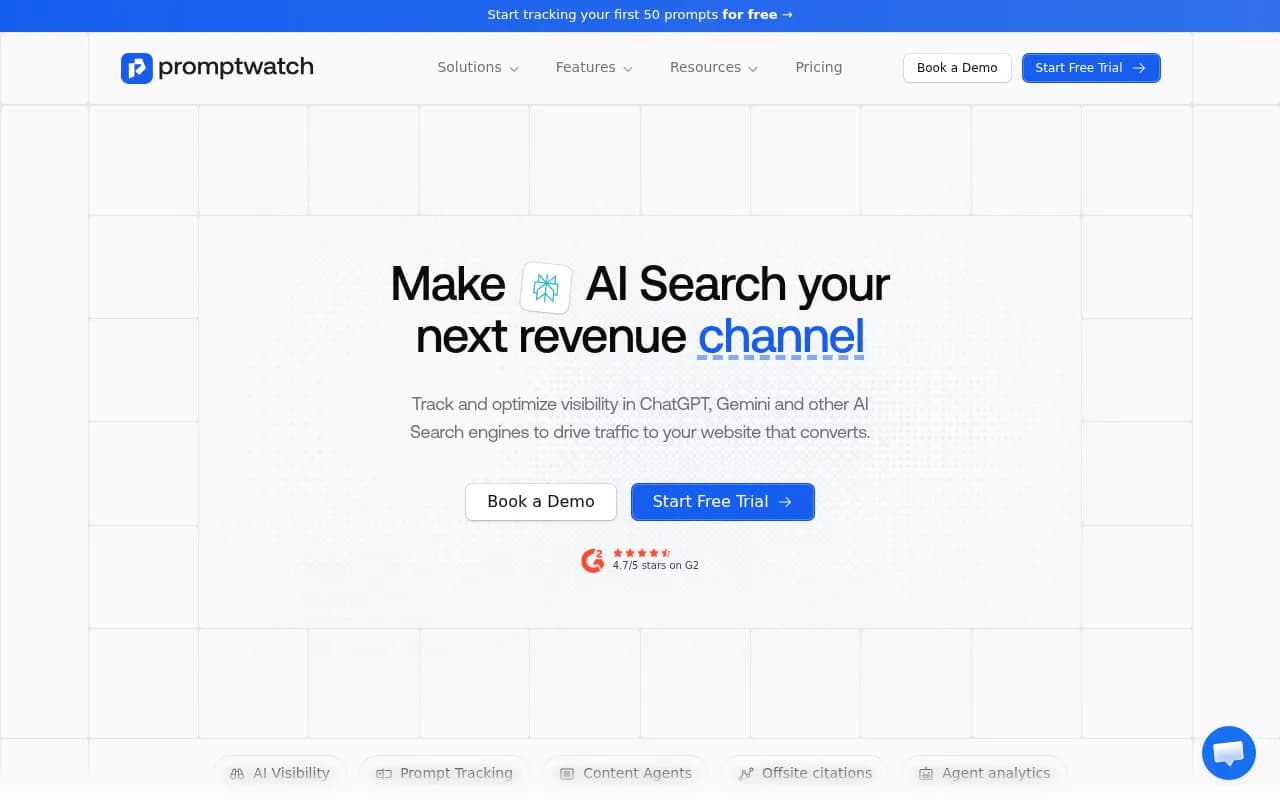
Promptwatch is the clearest example of the full-cycle approach: it tracks AI visibility across 10+ models, identifies content gaps where competitors are being cited and you aren't, generates content designed to close those gaps, and then tracks whether the new content starts getting cited. That loop -- find gaps, fix them, measure results -- is what separates a platform from a dashboard.
What Hall's closure means for its former customers
If you were using Hall AI, you need a replacement. The good news is the market has matured enough that you have real options. The question is what you actually need.
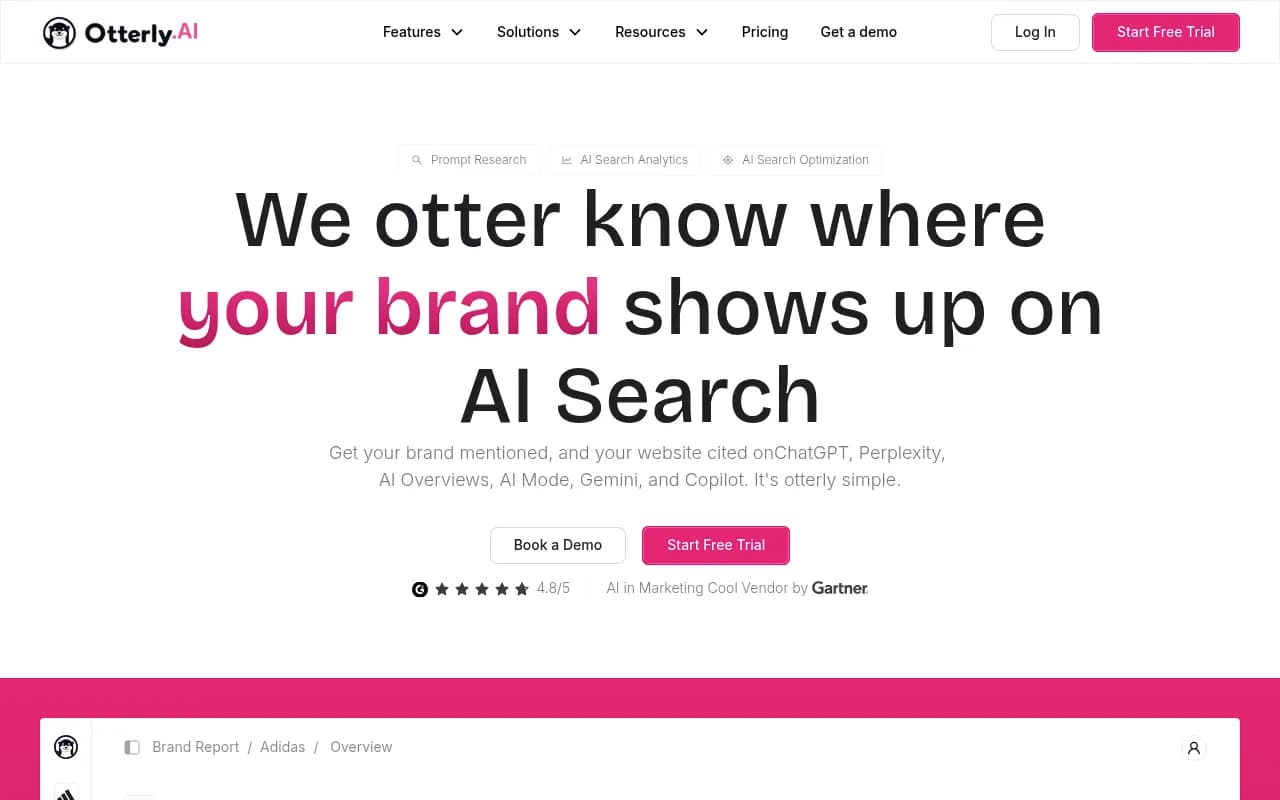
If you were using Hall primarily to monitor brand mentions across a handful of AI models, several tools can replicate that core function:
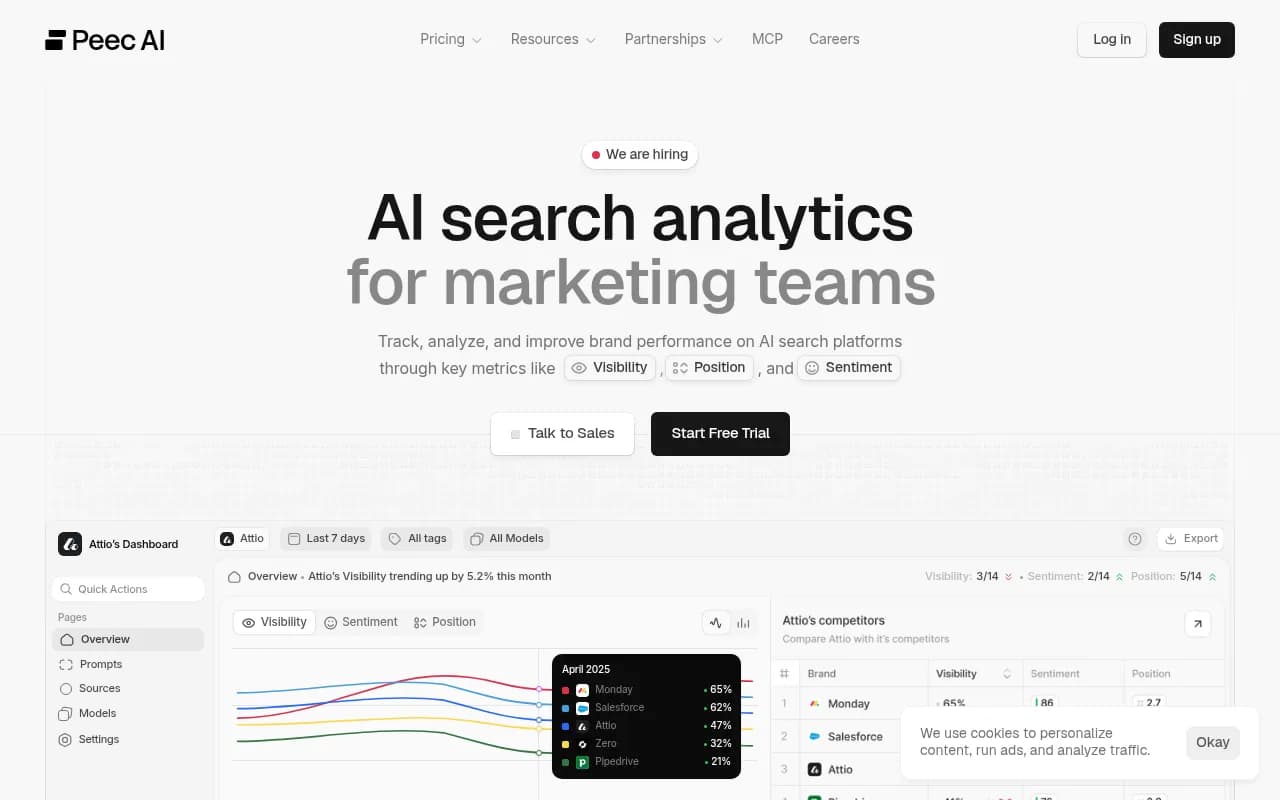
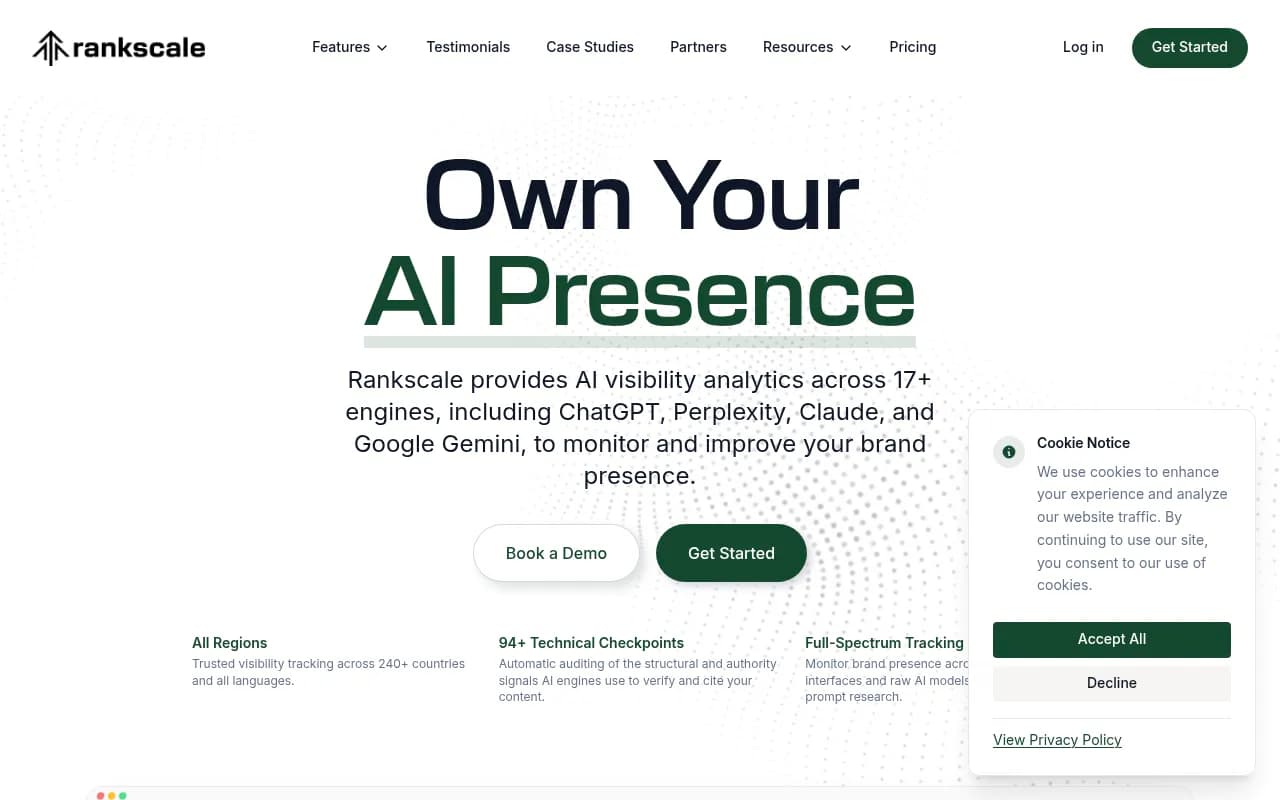
If you want something closer to what Hall was trying to build -- but with more depth and a clearer path to action -- these are worth evaluating:
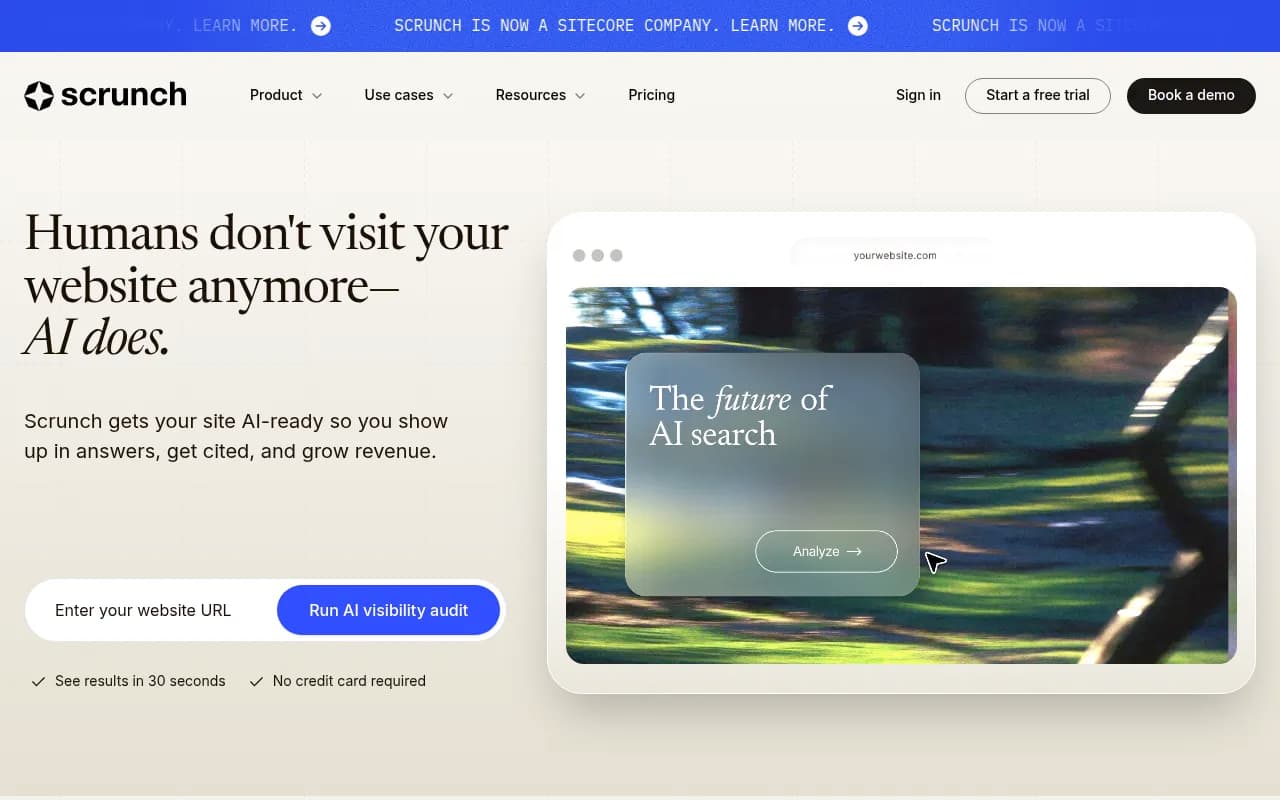
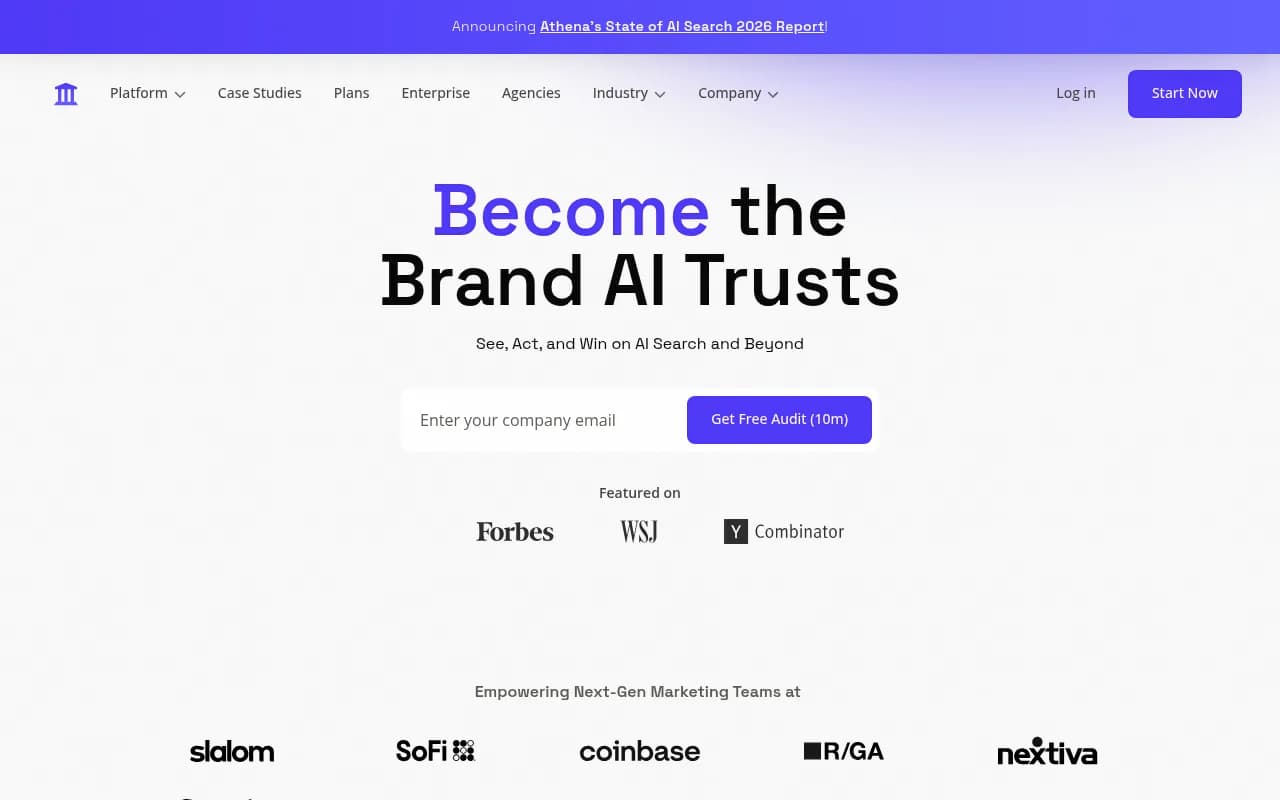
And if you want to go beyond monitoring entirely and actually improve your AI visibility rather than just track it:
The broader lesson for GEO buyers
Hall's shutdown is a useful reminder that the GEO tool market is still young and not every product will survive. When you're evaluating platforms, it's worth asking a few questions that go beyond feature checklists:
How long has this company been operating? Tools that launched in late 2023 or 2024 with no outside funding and limited customer bases are higher risk. That doesn't make them bad products, but it's a factor.
What's their data infrastructure? Tools that rely entirely on API queries are measuring something slightly different from real user-facing AI behavior. Ask specifically whether the platform tracks real interface behavior or just API outputs.
Is there an action loop? If the tool only shows you data without helping you act on it, you're dependent on your own team to figure out what to do next. That's fine if you have the internal capability, but it's a significant gap for most marketing teams.
What does churn look like? You won't always get a straight answer to this, but the number of case studies, the depth of customer references, and the age of the customer base are all signals.
Can they connect visibility to revenue? The Corporate Ink research is pretty clear on this: the companies seeing real pipeline impact from GEO are the ones that know which channels are driving it. If a tool can't help you make that connection, you're flying blind on ROI.
The GEO market in the second half of 2026
The broader picture is that GEO is becoming a serious, board-level concern for B2B tech companies. The Corporate Ink survey found 88% of CMOs are now being asked by leadership what they're doing about AI visibility. That's not a niche concern anymore.
But the same survey found only 34% of marketers have a defined AI visibility strategy. That gap -- between boardroom pressure and actual execution -- is exactly the environment where tool selection matters most. Companies that pick a platform with staying power and a real action loop will pull ahead. Companies that pick monitoring-only tools, or tools that shut down mid-strategy, will lose ground they may not recover.
Hall's closure is a data point in a larger story about which approaches to GEO actually work. The tools that treat visibility as a metric to track are struggling. The tools that treat it as a problem to solve are growing.
That distinction is worth keeping in mind the next time you're evaluating a GEO platform.