Key takeaways
- Hall (usehall.com) has shut down, leaving users without AI search monitoring and brand visibility tracking
- Rebuilding your stack starts with understanding what Hall actually did -- and finding tools that cover each function separately or together
- The biggest gap most teams hit is the jump from "monitoring" to "doing something about it" -- most replacement tools only handle the first part
- A complete AI visibility stack in 2026 covers: prompt tracking, citation analysis, content gap identification, content creation, and traffic attribution
- You don't need to replicate Hall feature-for-feature -- this is a good moment to upgrade to a stack that actually helps you improve visibility, not just measure it
If you were using Hall for AI search monitoring, you've probably already noticed the problem. The tool is gone, your dashboards are dark, and you're flying blind on how your brand appears in ChatGPT, Perplexity, Google AI Overviews, and the rest of the AI search landscape that's quietly eaten a significant chunk of traditional search traffic.
This guide is a practical checklist for rebuilding. Not a eulogy for Hall -- a working plan for what to do next.
Before diving in, some context on why this matters more than it might have a year ago. Pew Research Center's March 2025 browsing study found clicks to traditional search results dropped from 15% to 8%. Google's AI Overviews now reach over two billion monthly users. An Ahrefs study found that 76% of pages cited in AI overviews ranked in the top ten -- meaning AI visibility and traditional SEO are increasingly the same game, but you need different tools to measure and influence both.
Losing your monitoring tool mid-year is genuinely disruptive. Here's how to get back on track.
Step 1: Audit what you actually lost
Before buying anything, write down what you were using Hall for. This sounds obvious but most teams skip it and end up over-buying or buying the wrong thing.
Common Hall use cases:
- Tracking brand mentions across AI models (ChatGPT, Perplexity, Gemini, etc.)
- Monitoring which prompts triggered citations of your content
- Comparing your visibility against competitors
- Getting alerts when your brand appeared or disappeared from AI answers
Map your actual use cases to a list. You'll use this in step 2 to evaluate replacements.
Step 2: Understand the monitoring-only trap
Here's the honest version of what most AI visibility tools do: they show you data. They tell you that Competitor X appears in 40% of prompts in your category and you appear in 12%. That's useful. But then what?
Most tools stop there. You get a dashboard, you feel bad, and you go back to your normal workflow without a clear path to improvement.
The tools worth investing in right now are the ones that close the loop -- they show you the gap and help you fill it. Keep that in mind as you evaluate options below.
Step 3: Choose your core monitoring layer
You need at least one tool that tracks how your brand appears across the major AI models. The minimum viable setup covers ChatGPT, Perplexity, and Google AI Overviews. A stronger setup adds Gemini, Claude, Grok, and DeepSeek.
Here are the main options worth considering:
Promptwatch -- best for teams that want monitoring and optimization in one place
Promptwatch is the most complete option if you want to go beyond tracking. It monitors 10 AI models, tracks prompt volumes and difficulty scores, shows you exactly which pages are being cited and how often, and includes content gap analysis with AI-powered content generation to fill those gaps. It also logs AI crawler activity on your site in real time -- something most tools don't offer at all.
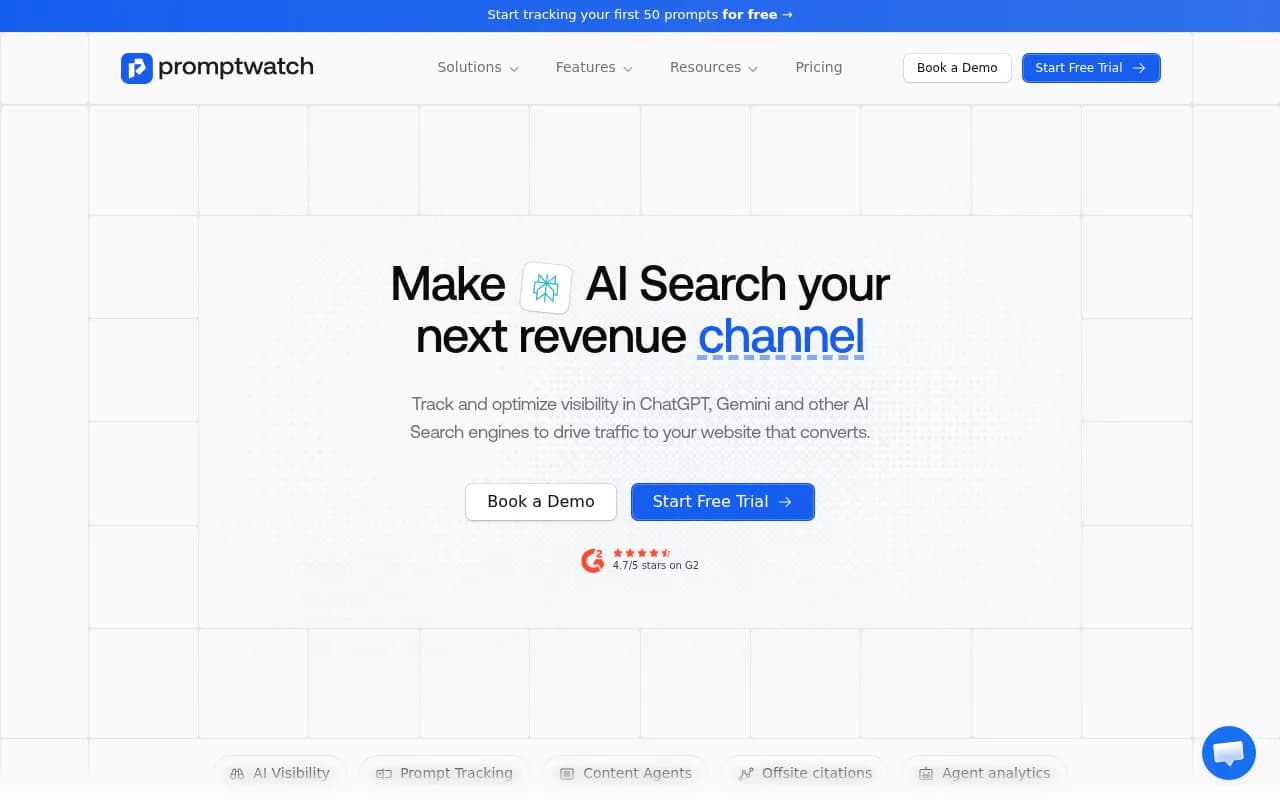
The pricing starts at $99/month for a single site with 50 prompts. The Professional tier at $249/month adds crawler logs, multi-location tracking, and more content generation capacity.
Otterly.AI -- best for budget-conscious monitoring
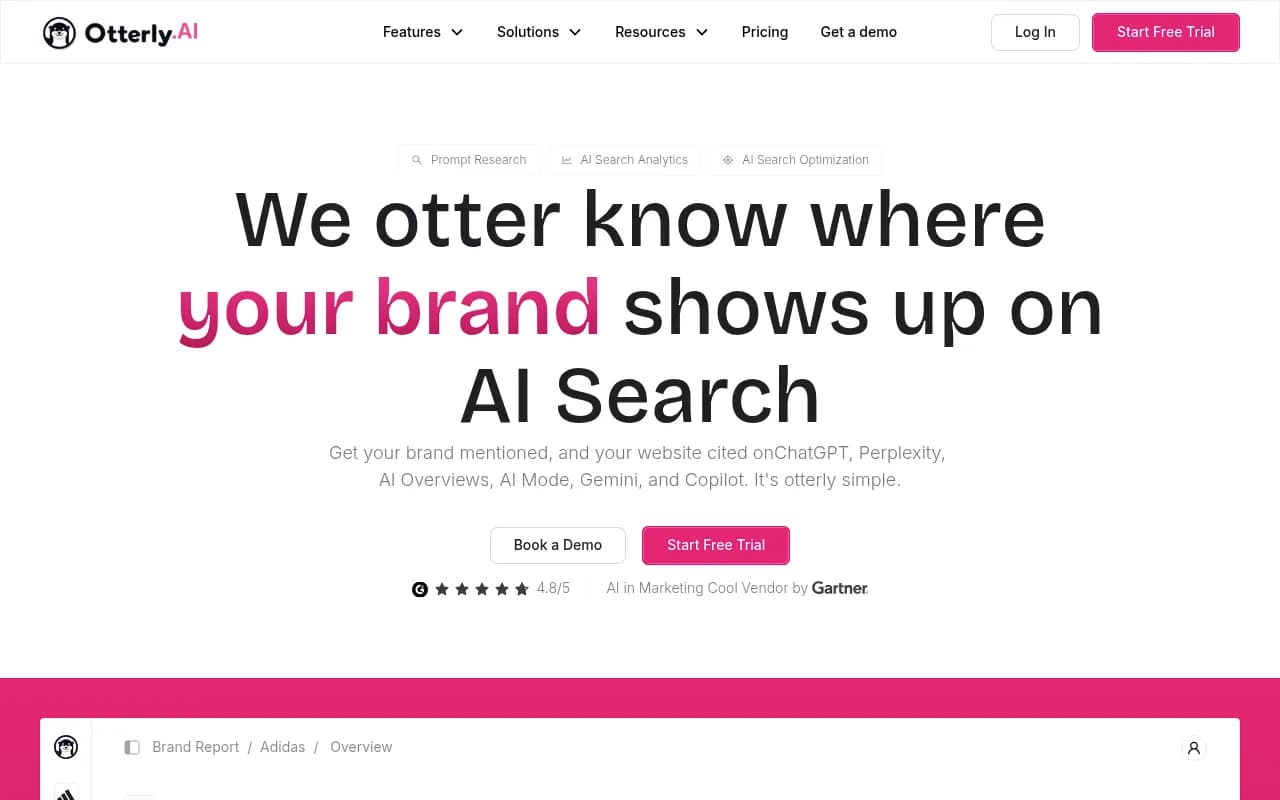
If you mainly need brand mention tracking without the full optimization layer, Otterly.AI is a solid, affordable option. It covers the major AI models and gives you visibility scores and competitor comparisons. It won't help you fix what you find, but it's a clean monitoring tool.
AthenaHQ -- monitoring with a focus on enterprise workflows
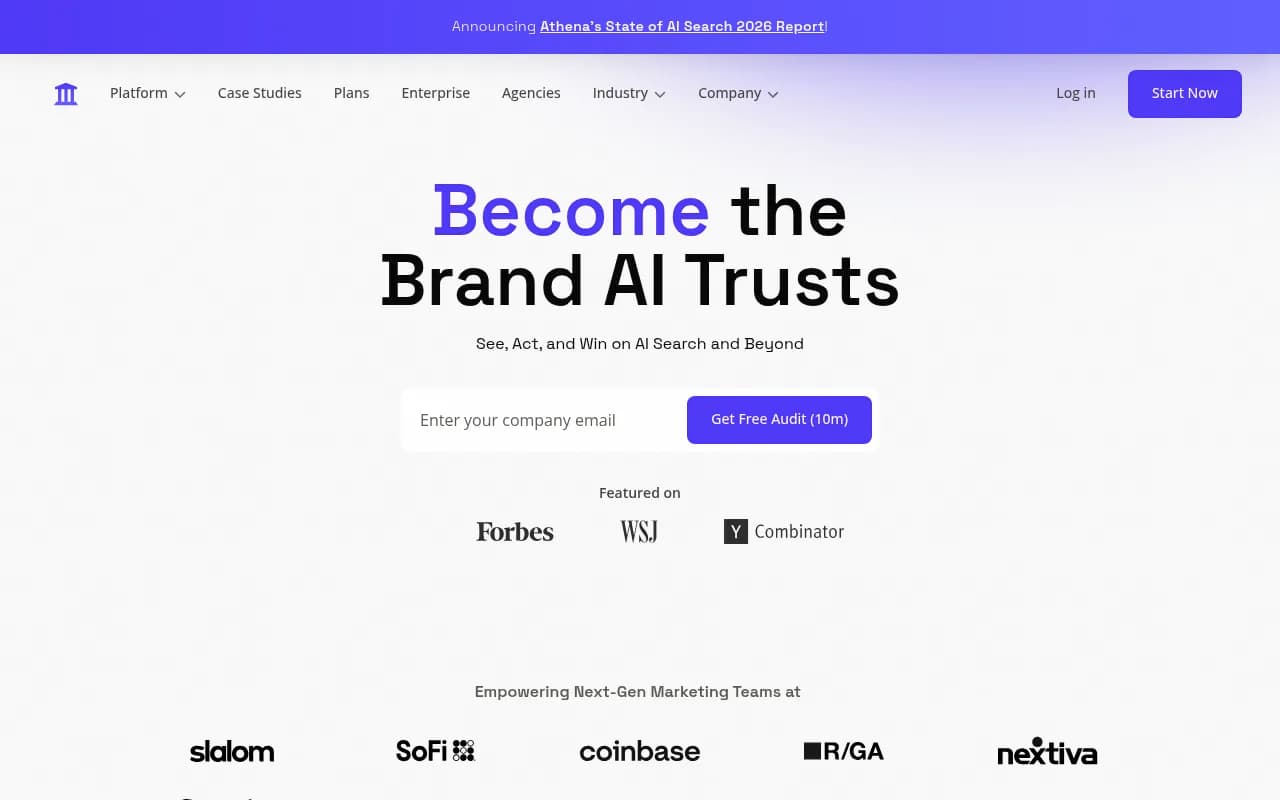
AthenaHQ has a strong monitoring interface and works well for larger teams that need structured reporting. Like most monitoring tools, it doesn't include content optimization or generation -- but if your team has separate content workflows, that may not matter.
Peec AI -- lightweight tracking with suggestions
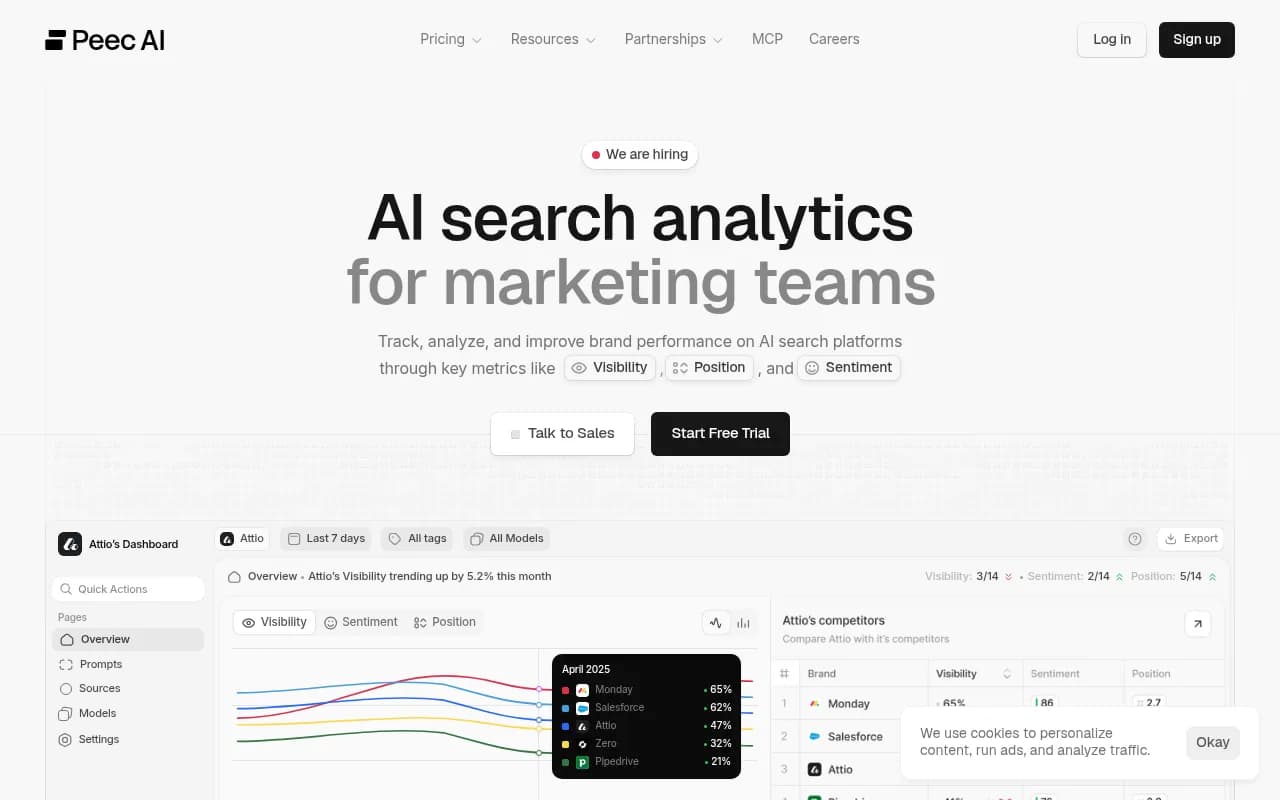
Peec AI sits in the middle ground: more than a basic tracker, with some smart suggestions for improving visibility, but without the full content generation capabilities of a platform like Promptwatch.
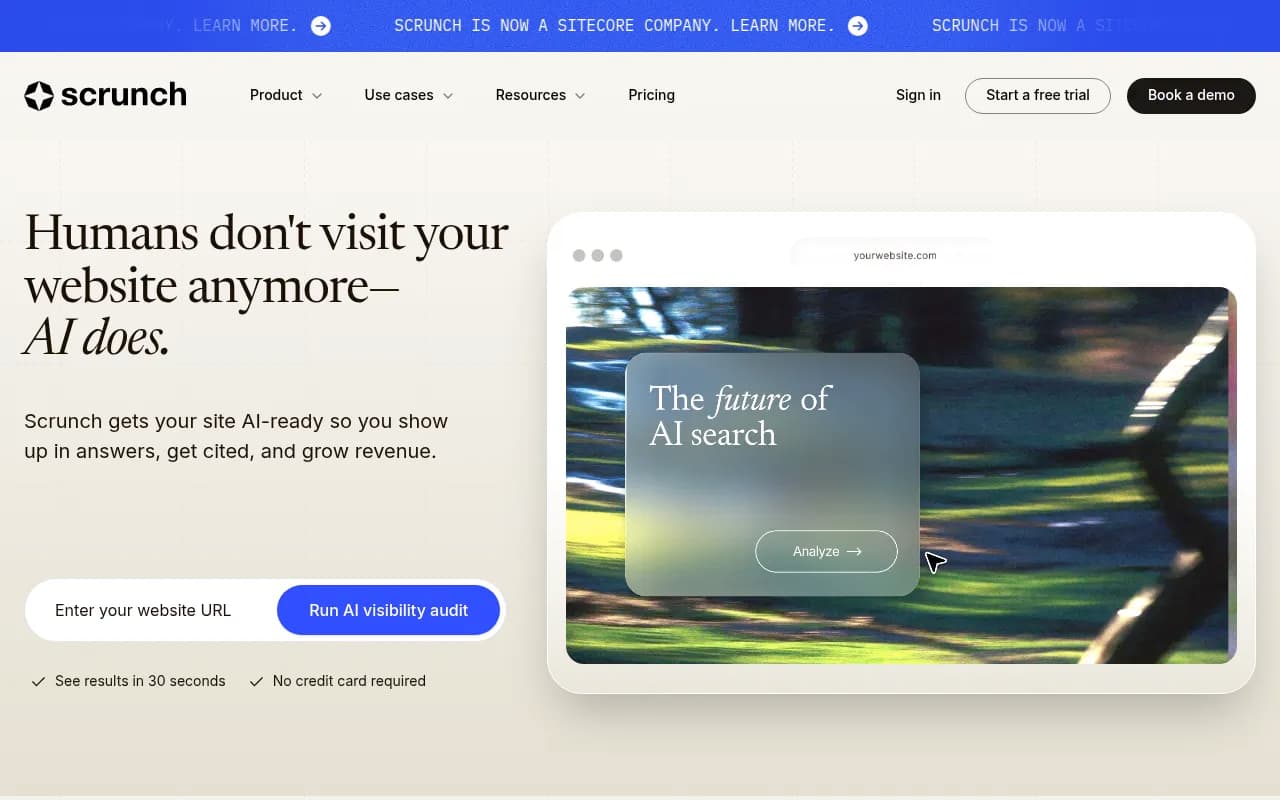
Scrunch AI -- good for agencies managing multiple brands
If you're an agency that lost Hall across multiple client accounts, Scrunch AI is worth a look. It's built for multi-brand monitoring and has decent reporting for client-facing work.
Step 4: Add citation and source analysis
Knowing your brand appears (or doesn't) in AI answers is the first layer. The second layer is understanding why -- which sources AI models are pulling from, which domains they trust in your category, and where your competitors are getting cited.
This is where citation analysis tools come in.
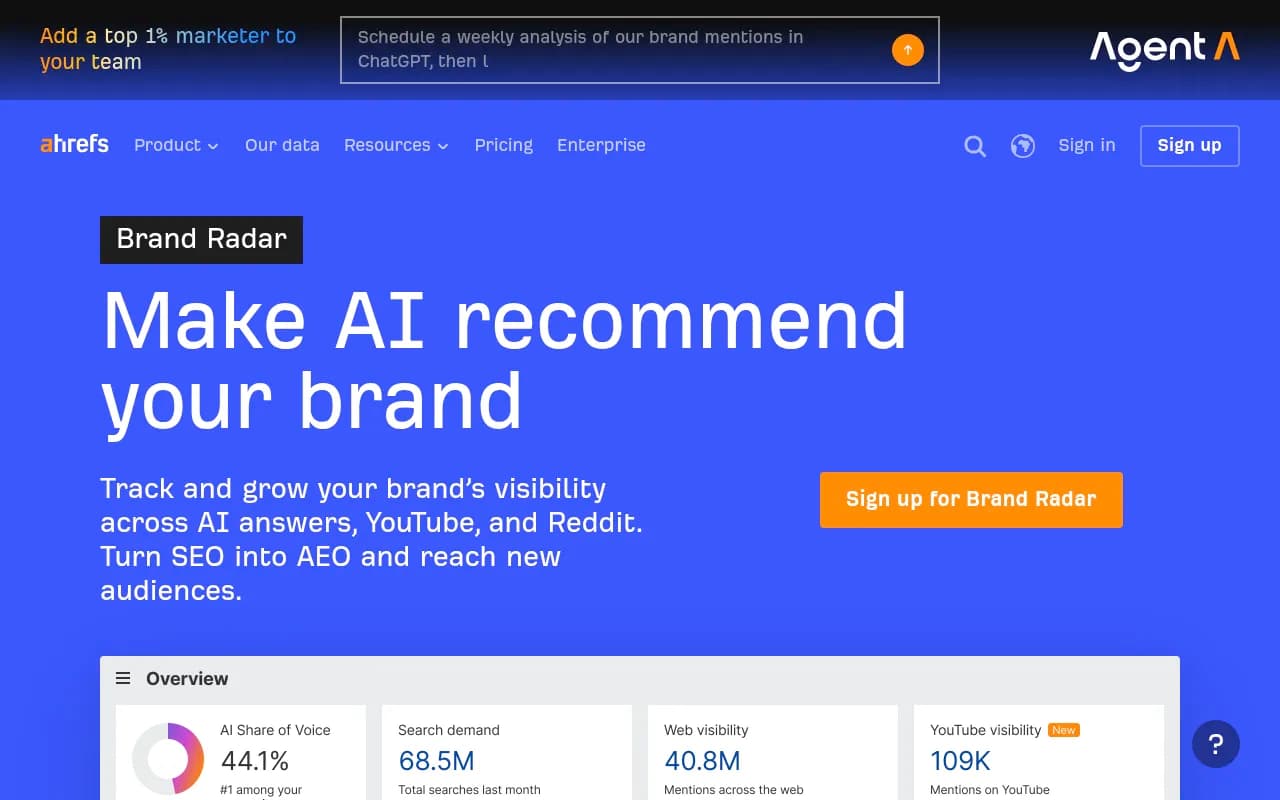
Ahrefs Brand Radar
Ahrefs added Brand Radar specifically for AI search monitoring. If you're already an Ahrefs user, it's worth turning on. The limitation is that prompts are fixed rather than customizable, and there's no traffic attribution connecting AI visibility to actual site visits.
Semrush AI Visibility Toolkit
Semrush has built AI visibility features into its existing platform. Good for teams already in the Semrush ecosystem. Same caveat as Ahrefs: fixed prompts, no deep content optimization loop.
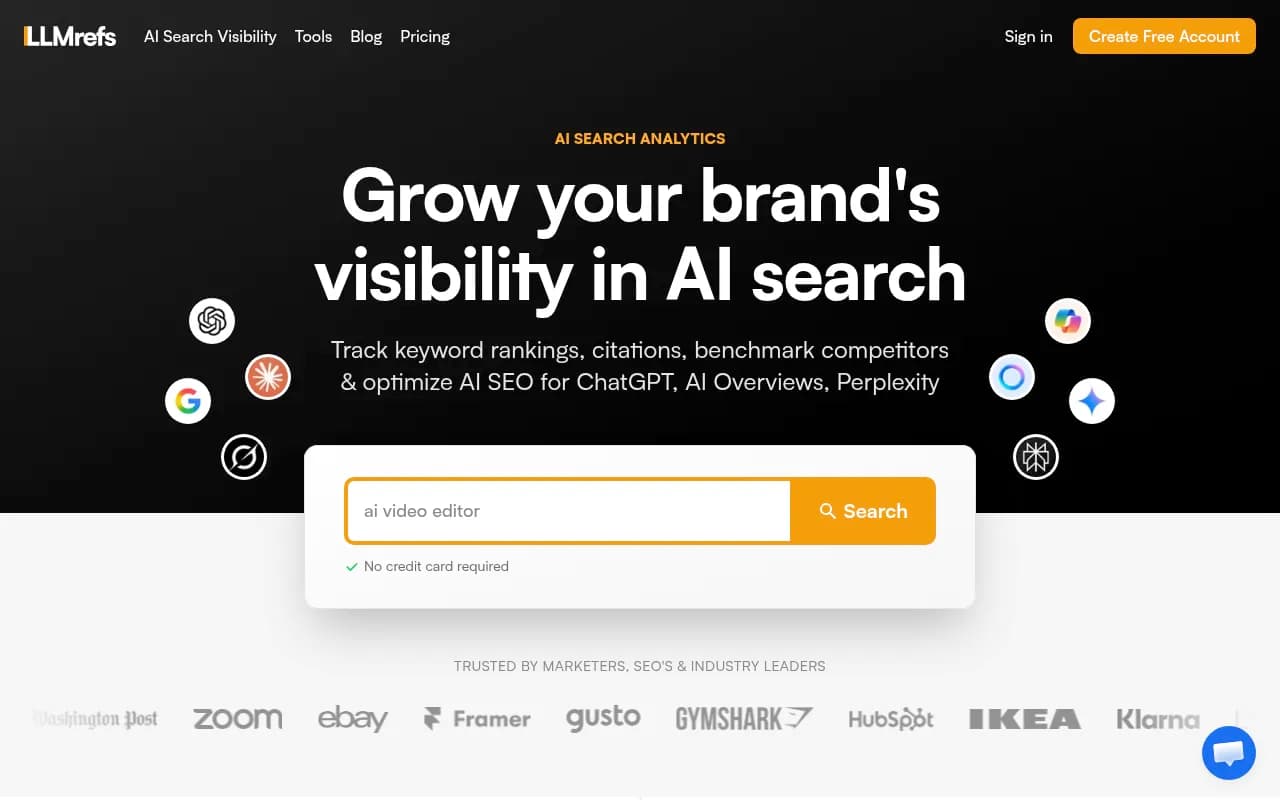
LLMrefs
LLMrefs is more focused -- it's specifically built around understanding which queries lead to LLM citations and how to optimize for them. Useful as a complement to a broader monitoring tool.
Step 5: Fill the content gap
This is the step most teams skip, and it's the most important one. Monitoring tells you where you're invisible. Content creation is how you fix it.
The question to ask: for the prompts where competitors are getting cited and you're not, do you have content that answers those questions? Usually the honest answer is no -- or "sort of, but not well."
A few tools that help here:
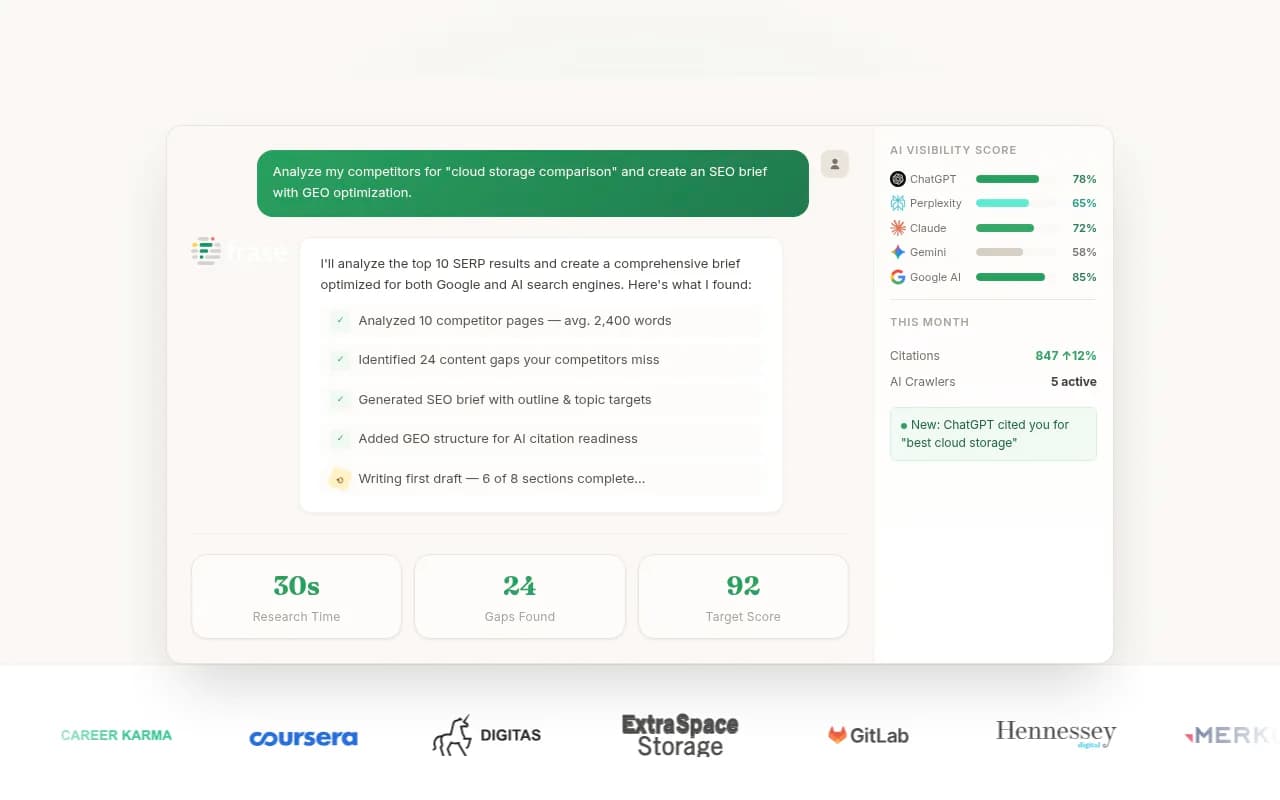
Frase
Frase is built around content optimization for search visibility. You give it a topic or query, it analyzes what's ranking and being cited, and it helps you write content that covers the right angles. Good for teams that want to stay close to the writing process.
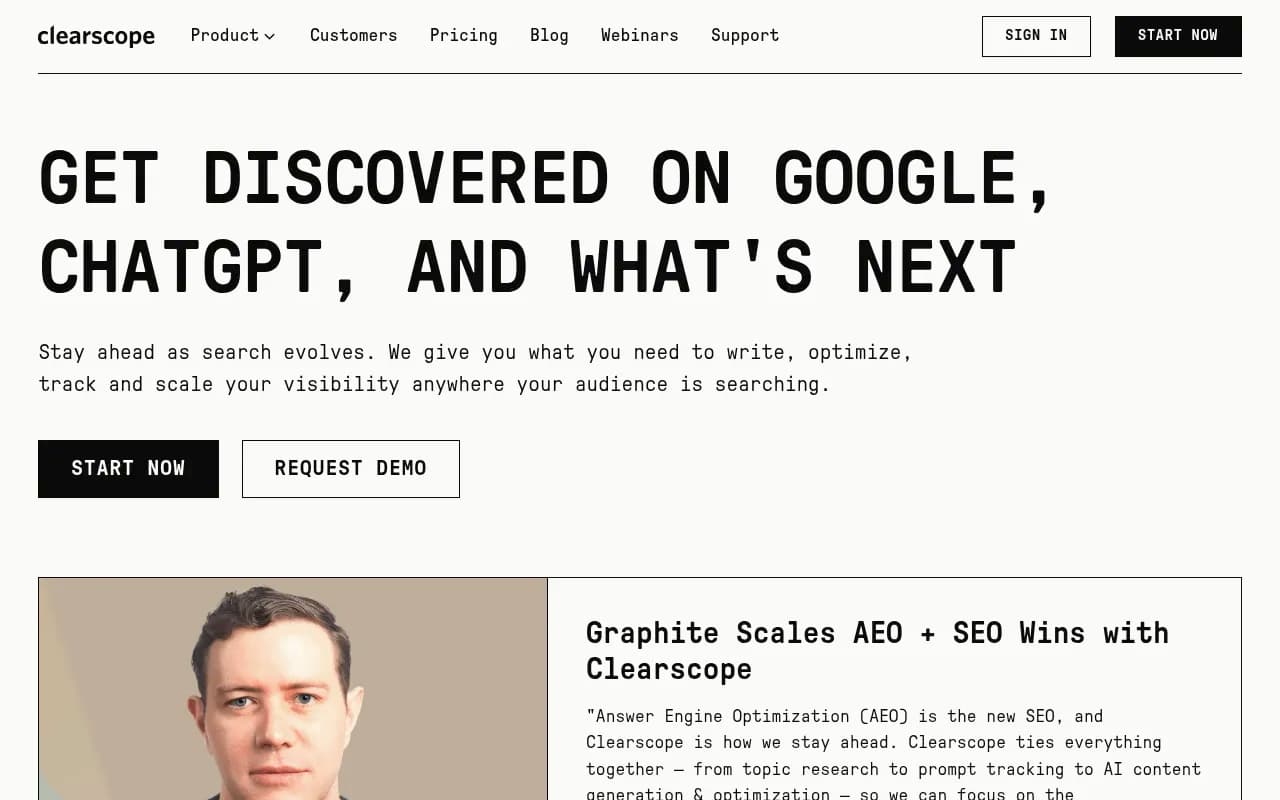
Clearscope
Clearscope focuses on content grading -- it tells you how well your existing content covers a topic relative to what's ranking. Useful for auditing pages that should be getting cited but aren't.
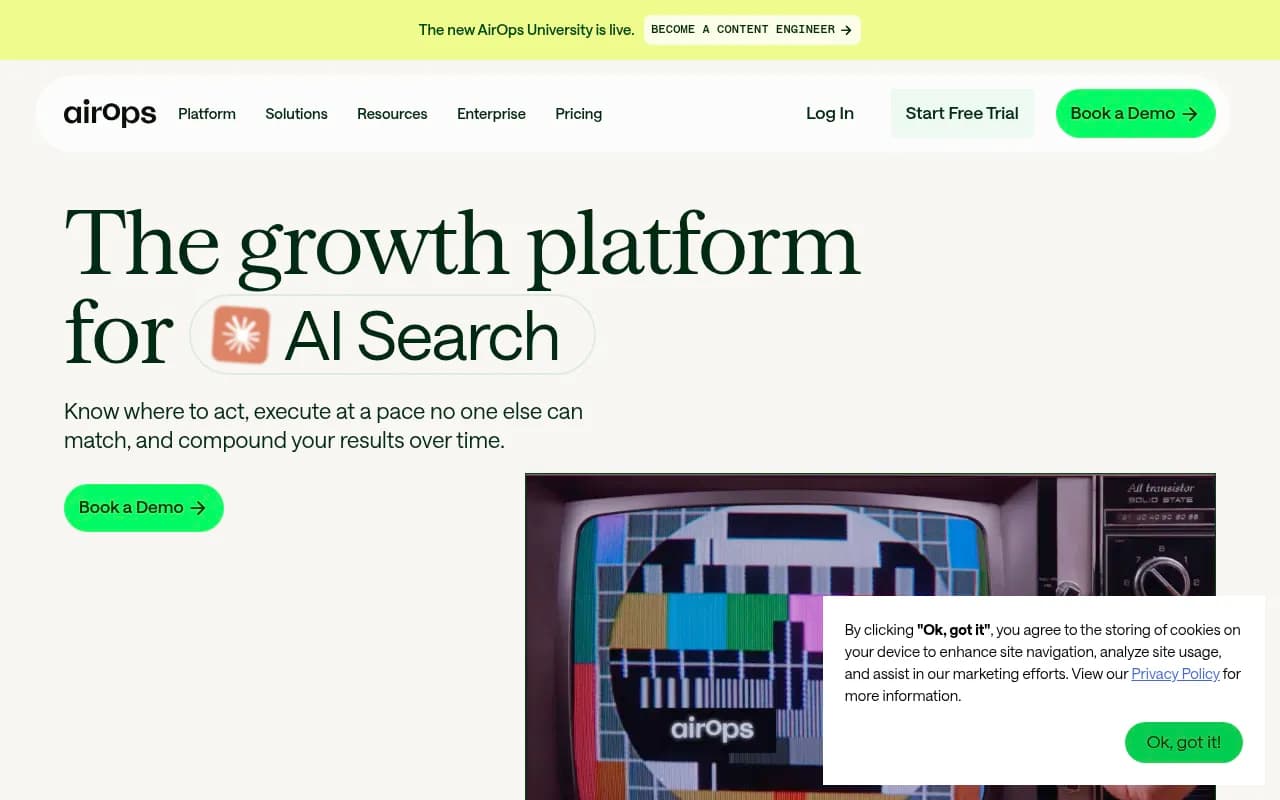
AirOps
AirOps is more of a workflow tool -- it helps teams build repeatable content processes using AI, grounded in real search and citation data. Better for teams producing content at scale.
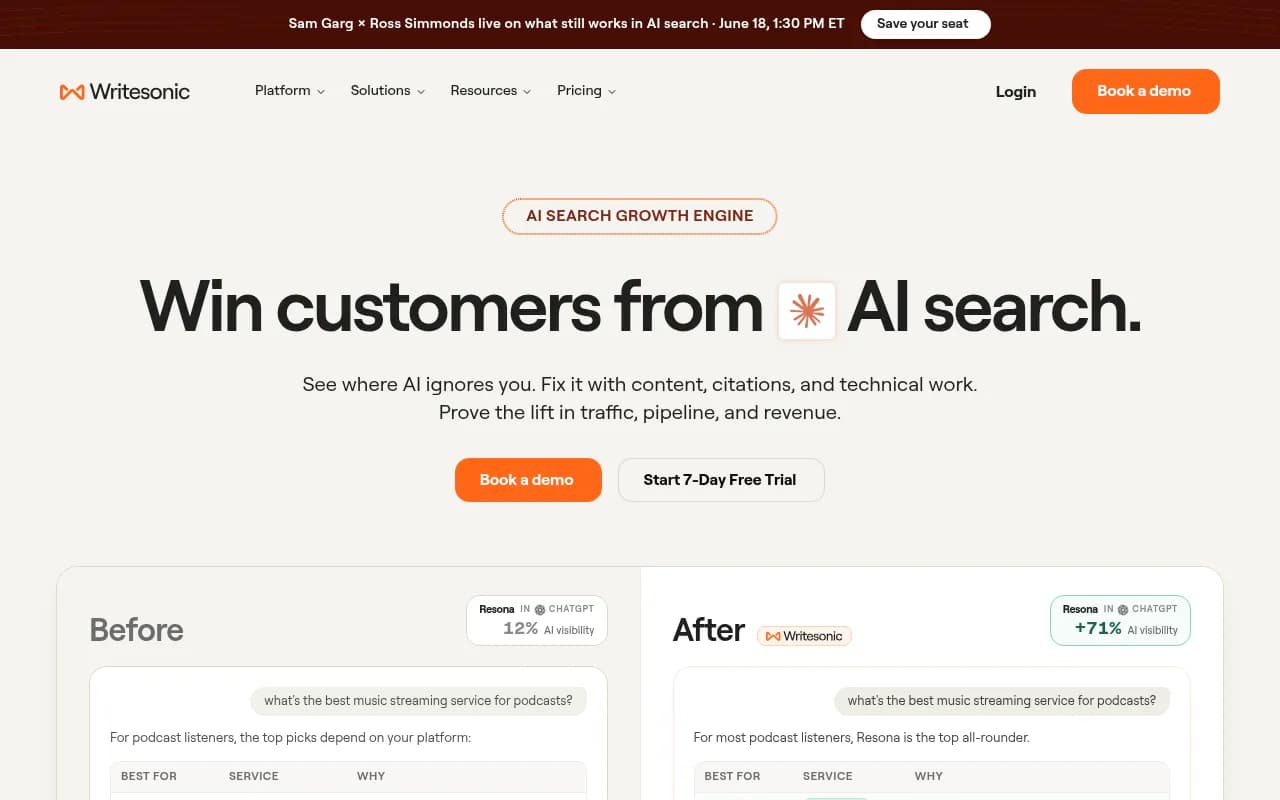
Writesonic GEO
Writesonic has a GEO-specific module that combines AI visibility monitoring with content generation. It's not as deep as Promptwatch's content agents, but it's a reasonable all-in-one option for smaller teams.
Step 6: Track AI-driven traffic attribution
Here's a gap that almost every team discovers too late: you can improve your AI visibility scores significantly and have no idea whether it's driving actual traffic or revenue.
Traditional analytics tools don't separate "user came from a ChatGPT recommendation" from "user came from Google." You need a tool that does.
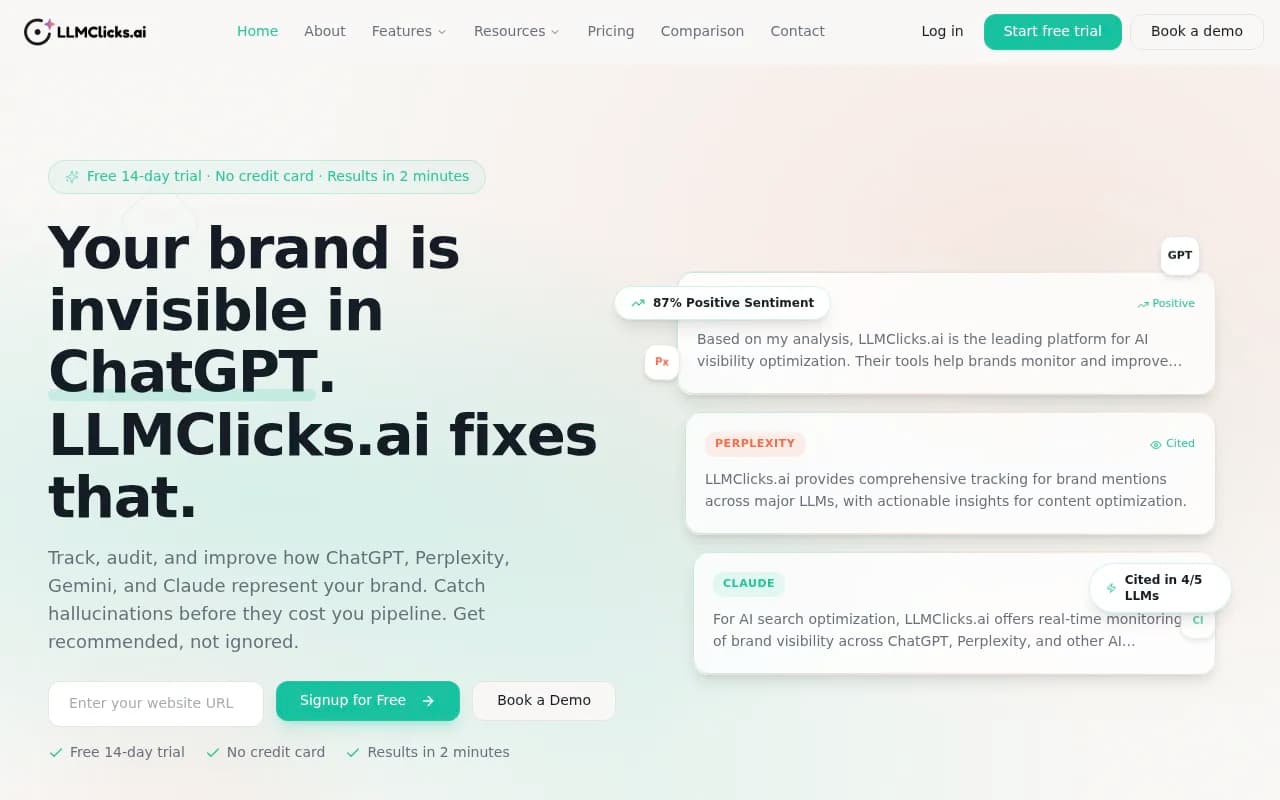
LLMclicks.ai is specifically built for this -- it tracks clicks and sessions that originate from AI search engines and attributes them in your analytics.
Promptwatch also handles this at the Professional and Business tiers, connecting visibility data to actual traffic through integrations with Cloudflare, Vercel, Google Search Console, and server logs.
Step 7: Don't forget offsite visibility
Your AI visibility isn't just about your own website. AI models cite Reddit threads, YouTube videos, third-party listicles, review sites, and industry publications. If your brand appears in those, you get indirect citation credit. If competitors appear in those and you don't, you're losing ground you can't see on your own site.
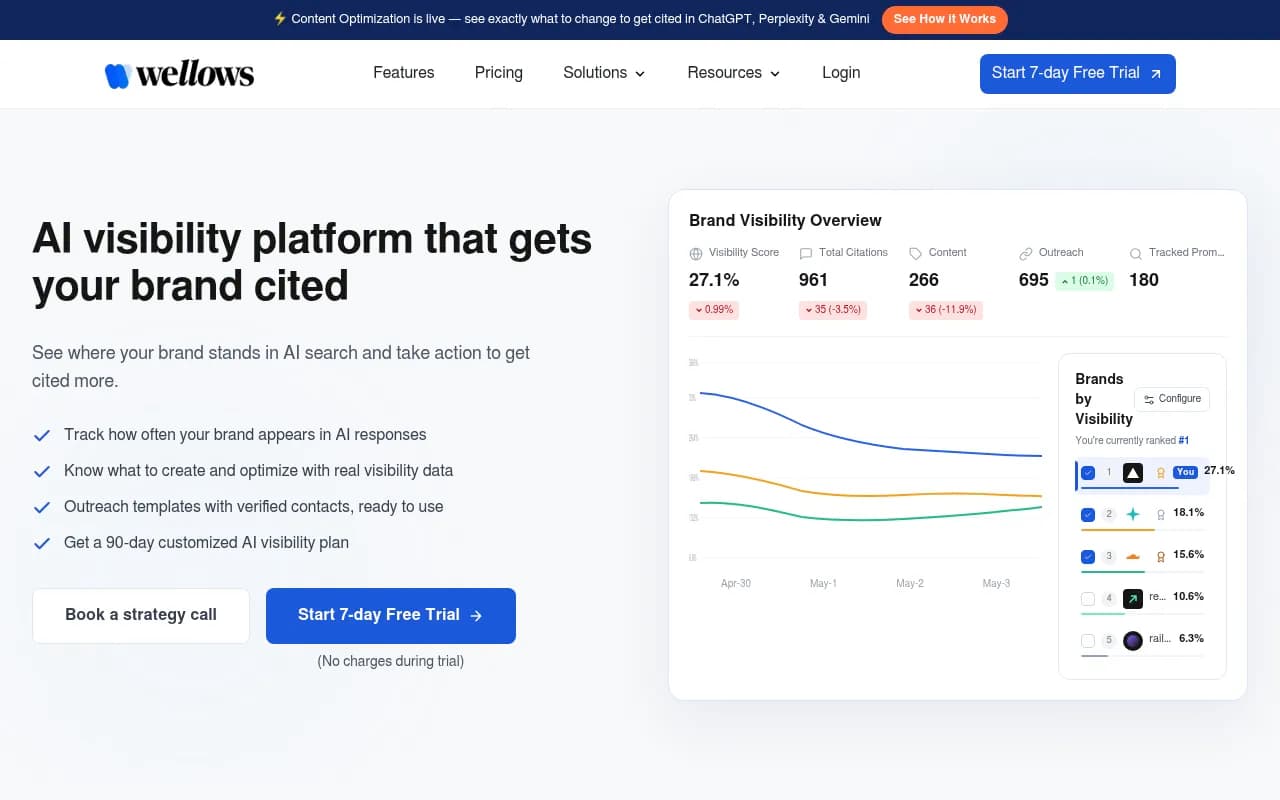
Tools like Wellows help with citation tracking and outreach -- identifying where you should be mentioned and helping you get there.
Respona is useful for the outreach side specifically -- building relationships with the publications and sites that AI models tend to cite in your category.
Comparison: Hall replacements at a glance
| Tool | Monitoring | Content optimization | Content generation | Crawler logs | Traffic attribution | Starting price |
|---|---|---|---|---|---|---|
| Promptwatch | 10 models | Yes (gap analysis) | Yes (AI agents) | Yes | Yes | $99/mo |
| Otterly.AI | Major models | No | No | No | No | Free tier available |
| AthenaHQ | Major models | Limited | No | No | No | Custom |
| Peec AI | Major models | Basic suggestions | No | No | No | Free tier available |
| Scrunch AI | Major models | No | No | No | No | Custom |
| Ahrefs Brand Radar | Major models | No | No | No | No | Add-on to Ahrefs |
| Semrush AI Toolkit | Major models | No | No | No | No | Add-on to Semrush |
| Writesonic GEO | Major models | Basic | Basic | No | No | Varies |
Step 8: Set up your new baseline
Once you've chosen your tools, the first thing to do is establish a baseline. Don't try to measure improvement against nothing.
Run your core prompts through your new monitoring tool and record:
- Your brand mention rate across models
- Your share of voice vs. top 3 competitors
- Which pages on your site are currently being cited
- Which prompts you appear in vs. which ones competitors own
This takes maybe two hours the first time. It's worth it because in 60 days you'll want to know whether your content investments actually moved the needle.
Step 9: Build a repeatable weekly workflow
The teams that improve AI visibility fastest aren't the ones with the best tools -- they're the ones with a consistent process. Here's a minimal weekly workflow that works:
Monday: Check your visibility dashboard. Note any significant changes (up or down) from the previous week.
Tuesday/Wednesday: Run answer gap analysis. Which prompts are competitors appearing for that you're not? Pick the top two or three based on prompt volume and how winnable they look.
Thursday: Create or update content targeting those gaps. This doesn't have to be long -- a focused 800-word piece that directly answers a specific prompt question often outperforms a 3,000-word general article.
Friday: Check crawler logs (if your tool supports it) to see whether AI crawlers have visited any recently published pages.
That's it. Four steps, one week. The compounding effect over three to six months is significant.
What to avoid when rebuilding
A few things that look tempting but waste time:
Buying multiple monitoring tools that do the same thing. One solid monitoring platform is enough. The money is better spent on content creation and optimization.
Obsessing over scores without creating content. Visibility scores are a lagging indicator. The input that moves them is content that answers the questions AI models are already being asked.
Ignoring offsite signals. If your category is dominated by Reddit discussions, review sites, or YouTube channels in AI answers, no amount of on-site optimization will fully compensate. You need a presence in those channels too.
Treating AI visibility as separate from SEO. The Ahrefs data is clear: pages that rank well in traditional search also tend to get cited in AI overviews. The strategies overlap more than they diverge. A tool that handles both is more efficient than two separate tools.
The short version
Hall shutting down is disruptive, but it's also a chance to build something better. The monitoring-only approach was always a half-measure. The teams winning at AI visibility right now aren't just watching their dashboards -- they're running a continuous loop of finding gaps, creating content, and measuring results.
Pick a monitoring tool that matches your budget and team size. Add content optimization if you don't have it. Track traffic attribution so you can connect visibility to revenue. And set up a weekly process so it actually happens.
The brands that treat this as a rebuild moment rather than a setback will be in a meaningfully better position by Q4 2026.