Key takeaways
- Mention counts, share of model voice, and citation frequency are the vanity metrics of GEO. They look meaningful and correlate weakly with traffic or revenue.
- Citation economics differ wildly per engine: ChatGPT cites roughly 5 sources per response while AI Overviews and Perplexity cite around 10, so a single blended visibility score hides completely different competitive realities.
- Statistical rigor is the quiet differentiator. A prompt sampled 5 times carries a margin of error around ±27 points on your visibility score. Tools that sample once per day cannot report trustworthy trends.
- Bluefish-style monitoring platforms have genuinely good source intelligence (Impact Score, Influence Rank), but most stop at measurement: no conversion tracking, no content execution, opaque pricing.
- Before buying, ask three questions: how many times do you rerun each prompt, can I see per-engine breakdowns, and can the tool connect visibility to actual site traffic?
The category exploded, and most of it is dashboards
In early 2025, you could count dedicated AI visibility platforms on one hand. By mid-2026 there were more than 40, and every SEO suite from Semrush to Ahrefs had bolted on an AI tracking module. The land grab produced a lot of software that does the same thing: you type in your brand name and some prompts, it polls a few AI engines on a schedule, and it shows you a chart.
Some of these charts are useful. Many are decoration. As one analysis of the GEO tools landscape put it, GEO right now is where SEO was in 2005: everybody counts their mentions, nobody checks whether those mentions actually do anything.
The problem is not that monitoring is worthless. You cannot optimize what you do not measure. The problem is that a dashboard that answers "were we mentioned?" gets sold at the same price, and with the same confidence, as a platform that answers "why were we mentioned, what did it drive, and what should we do next?" Those are different products. In 2026, the gap between them is the single biggest factor in whether your AI visibility budget produces revenue or screenshots for a board deck.
What a vanity dashboard looks like
After looking at a few dozen of these tools, the pattern is easy to spot. A vanity dashboard has three tells.
One blended score. The tool gives you an "AI visibility score" or "share of model voice" with no breakdown by engine, prompt, or metric. This is the single biggest red flag named in most serious evaluation frameworks, and for good reason. ChatGPT, Perplexity, Gemini, and AI Overviews are grounded differently, cite different sources, and reach different conclusions for the same question. Averaging them into one number is like averaging your ranking across Google, Amazon, and TikTok and calling it "search visibility."
Frequency without accuracy. A brand can appear in 60% of responses and be described unfavorably in 40% of those appearances. "A decent option for beginners" counts as a mention. So does a hallucinated feature your product does not have. If the tool counts both as wins, the number is noise. And inaccurate AI citations are no longer just a brand problem: in June 2026 the Regional Court of Munich ruled in a preliminary injunction that AI Overviews content counts as Google's own content rather than protected search results, which turns false statements about your brand into a potential legal issue.
No path from insight to action. The tool tells you visibility dropped 12% month over month. Then what? If the answer is "export the report," you bought a thermometer, not a treatment plan.
The statistical rigor problem nobody talks about
Here is something most vendors will not volunteer in a demo, and it matters more than any feature list.
AI models are non-deterministic. Ask ChatGPT the same prompt twice and you can get different answers with different cited sources. One independent analysis found that 40% of cited domains change when the same model answers the same prompt minutes apart. So any visibility number is a sample from a distribution, and the size of that sample determines how much you can trust it.
Evertune ran the math on this. Asking ChatGPT the same prompt 5 times gives you a margin of error of roughly ±27 percentage points on your visibility score. At 12 repetitions, that shrinks to about ±12 points. At 100 repetitions, you get down to around ±6 points. Their published analysis involved 10,700 prompts on ChatGPT alone, and they report running millions of prompts per day across their customer base.

Now think about what that means for the typical tool. A platform that checks each prompt once per day collects 7 data points per prompt per week. That resolves almost nothing. You cannot claim a statistically meaningful week-over-week trend from that, and a day-over-day read is pure noise. Some tools compensate by tracking hundreds of unique prompts with low repetition, but that trades one problem for another: a mile wide and an inch deep, with a higher risk of leading or biased prompts polluting the average.
The fix is simple to ask for and hard to fake. Ask any vendor: "How many times do you rerun each prompt before reporting a result, and what is your margin of error?" A tool that cannot answer, or answers vaguely, is telling you its charts are directional at best.
Citation economics differ per engine, and blended scores hide it
Beyond sampling, there is a structural reason single-number dashboards mislead: the engines have completely different citation economies.
Promptwatch's data on average sources per response, built on 26B+ analyzed citations, shows ChatGPT cites roughly 5 sources per web-search-triggered response, the smallest citation inventory of the major engines. Google AI Overviews cites around 10, and stays steady over time. Perplexity sits at almost exactly 10 per answer, daily, with barely any movement. Microsoft Copilot is the wildcard, having swung from under 2 sources per response to nearly 17 and back within weeks.
A 20% share of voice means something very different when the engine only cites 5 sources versus 10. Five slots is a knife fight. Ten is a more forgiving surface for mid-authority domains. A platform that reports one blended score across engines is hiding this entirely.
The same goes for where citations come from. Promptwatch's social media citation research found ChatGPT draws 5.19% of its citations from Reddit, more than 20x its share for any other social platform, while AI Overviews and Grok lean far harder on YouTube. And these shares move fast: Promptwatch recorded reddit.com's share of ChatGPT Search citations collapsing from roughly 4% to 0.5% on a single day in August 2026. If your tool reports one "social citations" number across all models, it cannot tell you any of this, and your strategy will be built on a stale average.
What real insights actually look like
So if mention counts are the vanity layer, what sits on top of it? A few things separate platforms that change outcomes from platforms that produce charts.
Per-engine, per-prompt, per-content-type breakdowns
Real platforms decompose the data instead of averaging it. Promptwatch's citation-type tracking for July 2026 shows product pages became ChatGPT's most-cited content type at roughly 32.8% of citations, nearly doubling from about 18% in March, while listicles grew from 8% to over 10% within the month. That is an actionable signal for a content team deciding whether to invest in product page enrichment versus another listicle. A single visibility percentage contains none of it.
The "why" layer: crawler logs and source attribution
Mention tracking tells you that you are invisible. It rarely tells you why. The best platforms add an explanatory layer: logs of ChatGPTBot, ClaudeBot, PerplexityBot, and 400+ other crawlers hitting your site, which pages they read, and whether they hit errors. If a crawler cannot reach your key pages, no amount of content optimization will help, and no mention-count dashboard will ever surface the problem. Source attribution works the same way in reverse: knowing which of your pages, which Reddit posts, and which YouTube videos drive AI recommendations about your brand tells you where to invest next.
Business impact, not just mentions
The metric that matters most is also the one most tools skip: does AI visibility produce traffic and conversions? This requires actual visitor analytics from AI platforms, separated from regular organic via proper tracking. Most sites do not do this, which is why most tools get away with not offering it. When it is measured, the results can be surprising in a good way: Crisp found conversion rates from AI traffic ran 2x higher than from traditional channels.
An action layer
Finally, the platform should close the loop. Content gap analysis against actual AI responses, prioritized task lists, and ideally automated content generation that publishes to your CMS. This is where the market is heading in 2026, and where most monitoring tools quietly end.
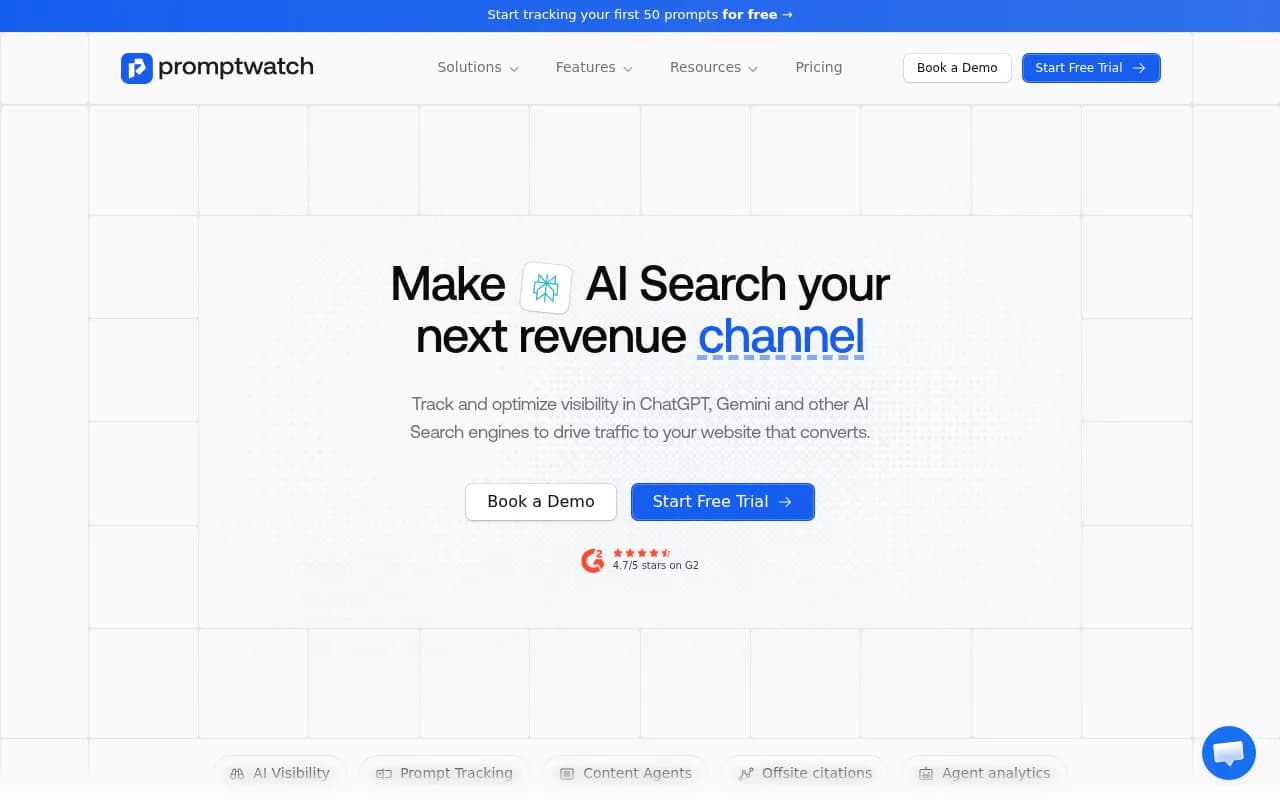
Promptwatch is the example I would point to for the full stack, because it is currently the only platform in the 2026 comparison of 21 GEO platforms with a complete end-to-end offering: prompt tracking with volumes and difficulty, crawler logs, visitor analytics, Reddit and YouTube citation tracking, ChatGPT Shopping and Ads Radar, and Content Agents that plan, write, and publish GEO-optimized content to Webflow, Framer, or WordPress. The point is less "buy this tool" and more "this is the shape of the category's ceiling." If a platform you are evaluating stops at monitoring, know that you are buying a subset.
A closer look at Bluefish: real insights with a hard stop
The title of this guide names Bluefish, so let me be precise, because Bluefish is a more interesting case than a simple villain. It raised a $43M Series B in April 2026, counts Adidas, American Express, and Ulta Beauty among its customers, and some of its features are genuinely beyond the vanity layer.

Its Impact Score measures how closely cited content aligns with what the AI actually says, rather than treating all citations as equal. Influence Rank aggregates that across platforms to show which sources actually move answers. Its AI Brand Vault gives enterprises a single controlled repository of brand facts, and its AI Accuracy module flags hallucinations and misrepresentations, which matters given Bluefish's own research showing 58% of consumers lose trust in a brand when AI gets its facts wrong. These are real insights. Source-level intelligence like this is what separates serious platforms from prompt trackers.
But Bluefish also illustrates where the monitoring-first class stops, and the independent reviews are consistent about where:
- No conversion or GA4 attribution. The tool does not tie AI visibility to actual site sessions or revenue, so the business impact question goes unanswered.
- No content generation or execution. It identifies gaps; it does not help close them.
- Restricted prompt customization on some tiers, with citation data that stops at frequency without page-level detail in places.
- Coverage gaps reported as of late 2025, including AI Mode, AI Overviews, Claude, Copilot, and DeepSeek, which is a real problem for B2B brands whose buyers live in Claude.
- Opaque, quote-only pricing. Third-party reviews disagree on whether entry tiers start at $99 or $249 per month, and the sales process reportedly adds weeks of friction before you can even test the product. When reviewers cannot agree on what a tool costs, that is itself a signal.
One reviewer framed the positioning well: Bluefish answers "where do AI citations come from?" rather than "does my brand appear in AI search, and what does that drive?" Both questions are legitimate. Just know which one you are paying for.
Vanity dashboard vs real platform, side by side
| Dimension | Vanity dashboard | Real platform |
|---|---|---|
| Core metric | Blended visibility score, mention count | Per-engine, per-prompt breakdowns with sentiment and accuracy |
| Sampling | Once per prompt per day, no stated margin of error | Repeated sampling with statistical rigor (ask for the numbers) |
| Engine coverage | 1-2 engines, or one number across all | 6+ engines including AI Overviews, AI Mode, Claude, Perplexity |
| The "why" | Absent | Crawler logs, source attribution, citation-type analysis |
| Business impact | Mentions only | AI traffic and conversion analytics |
| Action | Export report | Content gap analysis, prioritized tasks, automated content publishing |
| Pricing | Often opaque, quote-only | Transparent tiers with a trial |
Questions to ask before you sign anything
If you run a 14-30 day proof of concept with your own prompts before committing (you should), use these questions as your scorecard.
How many times do you rerun each prompt, and what is your margin of error? This is the methodology transparency test. Vague answers here disqualify a tool from trend reporting.
Can I see visibility broken down by engine, prompt, and content type? If the demo keeps returning to one score, that score is the product.
Do you track the actual user interfaces, or just APIs? User-facing answers, citations, and shopping recommendations can differ from API outputs. Tools that only hit APIs miss what users actually see.
Can you connect visibility to traffic and conversions on my site? If not, you will never prove ROI internally, and your budget will be first on the chopping block in the next planning cycle.
What happens after the dashboard shows a gap? Look for content gap analysis, prioritized recommendations, and CMS publishing. "You can export the data" is not an answer.
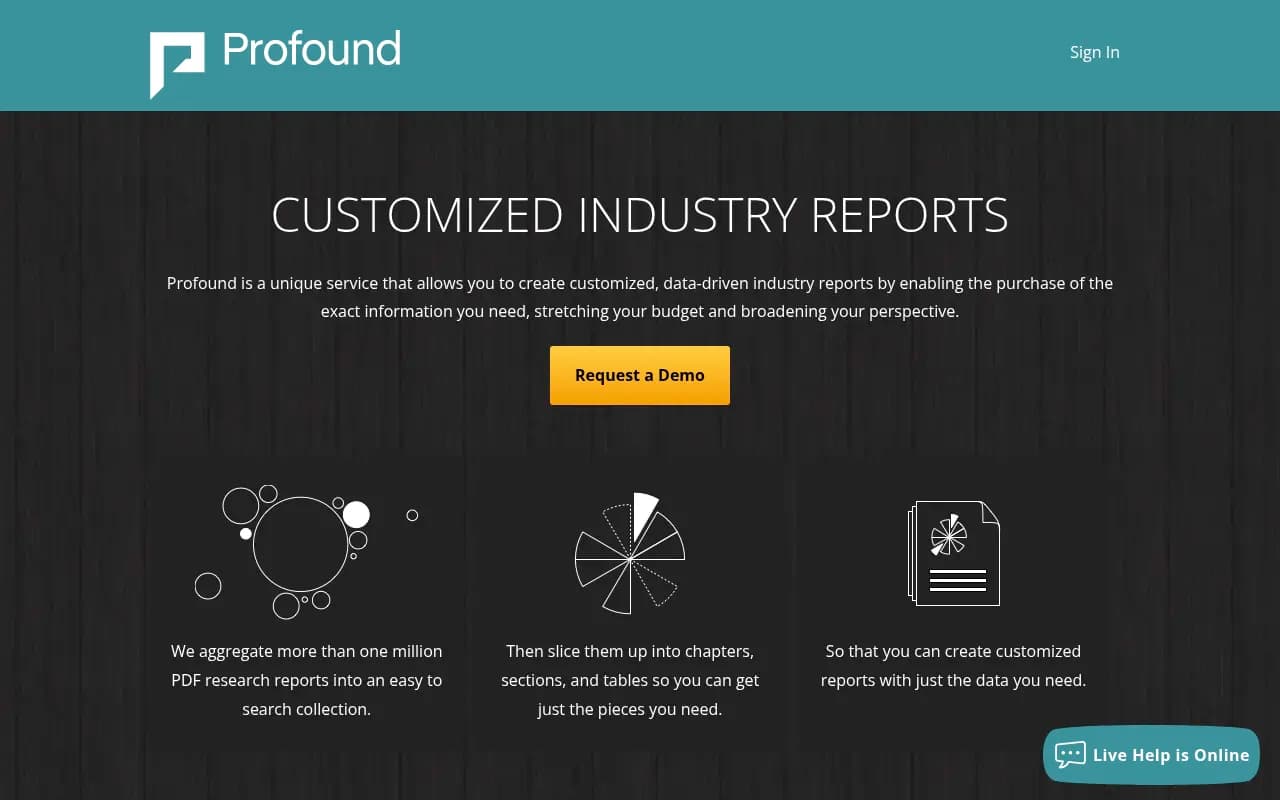
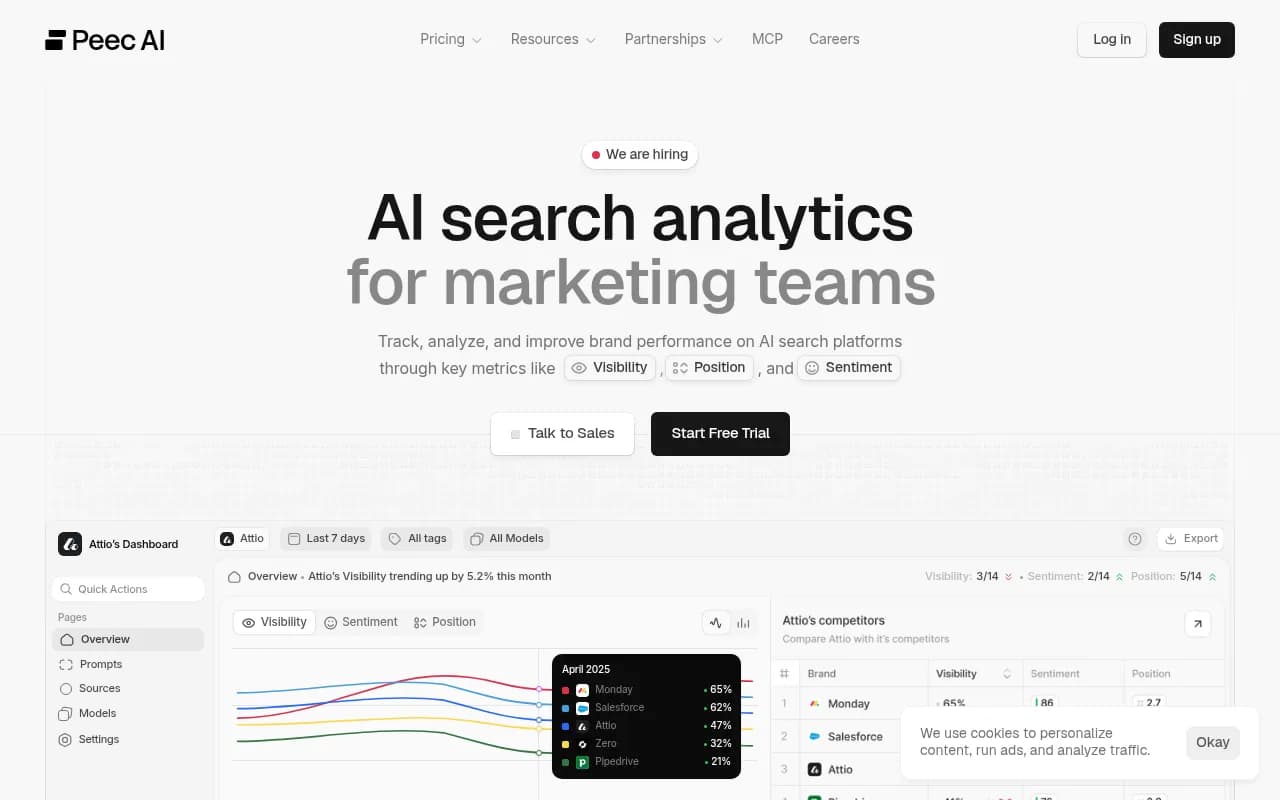
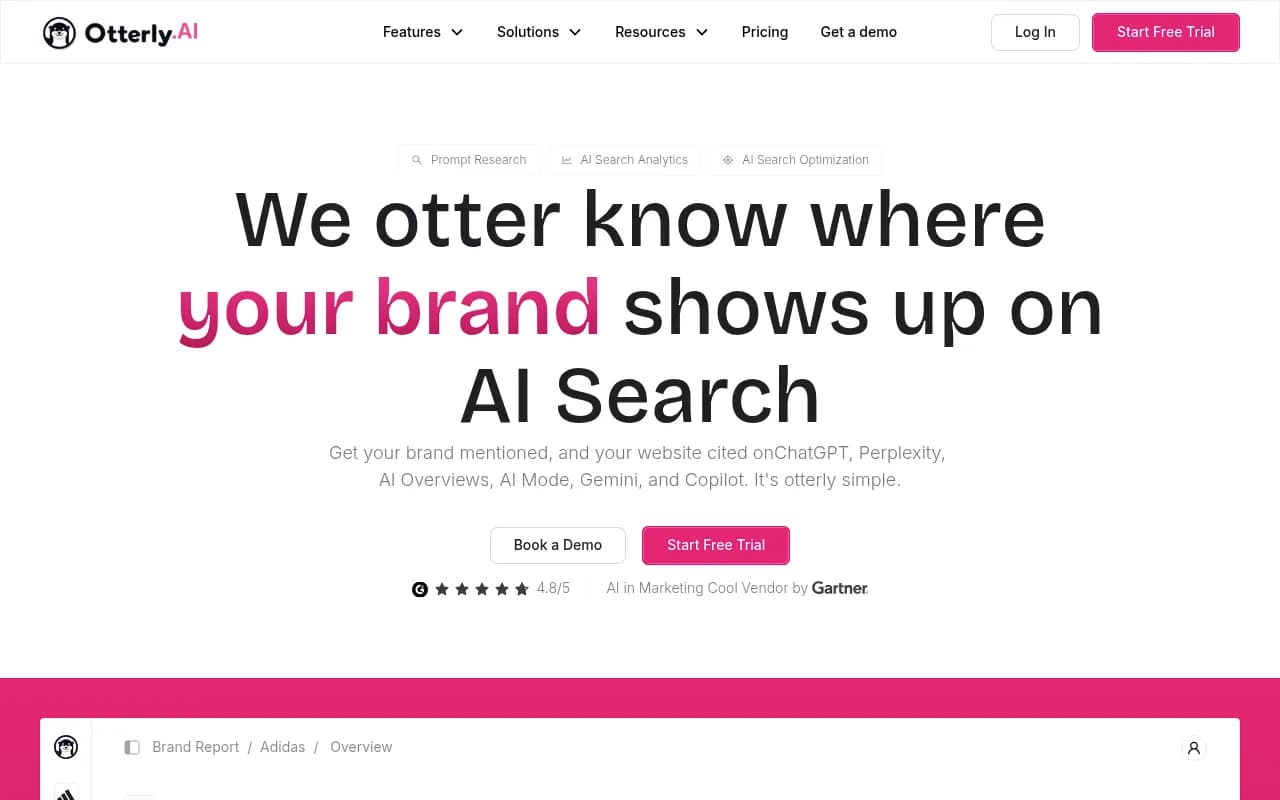
What is the price, and can I try it this week? Transparent self-serve pricing with a trial is table stakes in 2026. Profound starts at $99/month, Peec AI around $89, Otterly.AI at $29, and Promptwatch at $95 with a 7-day trial. If a vendor needs six weeks of sales process before you can test, factor that friction into the cost.
Where to go next
Match the tool to your stage. If you are an enterprise brand-safety team, Bluefish's monitoring and accuracy layer is worth the sales call. If you want depth in answer-engine analytics, Profound and Scrunch AI are the established enterprise options. If you want the full loop from insight to published content, look at platforms with crawler logs, visitor analytics, and content agents, and compare them directly in the GEO software directory at bestgeosoftware.com or the AI rank tracking tools roundup at ai-rank-tools.com.
The uncomfortable truth for buyers in 2026 is that the tool matters less than the questions you ask it. A mediocre platform interrogated hard, with your own prompts, your own conversion data, and a demand for per-engine breakdowns, will beat a great platform passively watched. But the reverse is also true, and it is the expensive version of the mistake: a beautiful dashboard that counts your mentions while your competitors connect theirs to revenue.