Key takeaways
- Link building in 2026 serves two goals: classic rankings and getting named in AI answers. The tools that matter help with both.
- Promptwatch Data (August 2026) shows ChatGPT cited mid-authority sites (DR 46-75) for about 46% of citations, while DR 91-100 sites fell to about 3%. You don't need a top-tier placement to get cited.
- Comparison pages and listicles last longer in ChatGPT than news. Digital PR that only earns news coverage gives short bursts.
- Prospecting and outreach tools (Respona, Semrush, Ahrefs) find placements. AI visibility platforms tell you which placements AI actually reads.
- Agency "best of" lists are mostly self-rankings. Treat them as shortlists, not verdicts.
What changed about link building
Backlinks still matter for Google rankings. One third-party guide from Outpace SEO says 48.6% of SEO professionals rank digital PR as the most effective way to earn authoritative links. I couldn't verify that figure independently, so treat it as directional.
What is new is that a link is no longer the only valuable outcome. A page that names your brand, even without linking, can feed an AI answer. That changes what you measure. Instead of just counting referring domains, you ask: which pages does ChatGPT, Perplexity, or AI Overviews cite for my category, and am I on them?
What AI cites, and why it should shape your outreach
Before picking tools, look at the targets. Promptwatch's data gives a few concrete anchors.
Domain rank matters less than you'd expect
In Promptwatch Data's August 2026 domain rank report, DR 61-75 sites took 23.4% of ChatGPT citations and DR 46-60 took 22.6%. DR 91-100 sites averaged just 4.4% for the month and dropped to about 3% after August 14. That was the same day reddit.com's share of ChatGPT citations collapsed, and most of the lost share went to the middle tiers.
The practical read: DR 61-90 publications are the most reliable targets for earned coverage. A placement on a huge outlet is nice for your brand, but it isn't what drives citations.
Format beats prestige
From Promptwatch's content type report (Sep 28 to Oct 4, 2026), product pages made up 22.4% of ChatGPT citations, landing pages 16.8%, and listicles 13.6%. For commercial prompts, product pages, landing pages, listicles, and comparisons were almost 70% of citations. The advice that follows is simple: get listed in the "best of" roundups and comparison pages that ChatGPT already cites for your category.
News fades fast
Promptwatch also tracked every page ChatGPT cited on July 6, 2026 for 90 days (content half-life report). Half of news pages were gone after 36 days. Landing pages kept 78% of their citations after 30 days, comparisons 72%. A press hit is a spike. A listing on a durable comparison page keeps paying.
The tool categories you need
No single product does everything here. Think of it as four jobs.
| Job | What it answers | Example tools |
|---|---|---|
| Prospecting and outreach | Who do I pitch, and how do I send it? | Respona, Semrush, Ahrefs |
| Backlink and authority analysis | Which links do competitors have that I don't? | Ahrefs, Semrush, SE Ranking |
| AI citation intelligence | Which pages does AI cite in my category? | Promptwatch, Profound, Ahrefs Brand Radar |
| Content and placement execution | Can I produce the assets that earn coverage? | Search Atlas, Outrank, Surfer SEO |
Outreach and prospecting tools
Respona
Respona is built around outreach at scale: finding contacts, personalizing pitches, and running follow-ups. It also positions itself around AI visibility outreach, which fits the "get into the pages AI cites" workflow.
Semrush
Semrush remains the default all-in-one for many teams. Its link building tools handle prospecting and backlink gap analysis, and the company sells an AI PR toolkit aimed at securing placements in outlets AI already cites. Position Digital lists it from $149/month, but that price came from a third-party roundup and may be stale, so confirm on Semrush's pricing page.
Ahrefs
Ahrefs has the backlink index many link builders trust most for competitor gap analysis. Its Brand Radar feature adds tracking across AI search engines, which makes it useful for checking whether the links you earn show up in AI answers.

A uSERP statistics roundup found that 25% of SEOs use Google Search Console for link building, measuring and reporting, followed by Semrush (21%) and Ahrefs (15%). So most people mix a paid suite with free data.
AI platforms for finding where to get cited
This is the category that did not exist in link building a couple of years ago. Instead of guessing which publications matter, you look at the sources AI engines cite for your target prompts and pitch those.
Promptwatch
Promptwatch is the one I'd start with for this job, partly because it goes past monitoring. Its citation analytics show which pages and domains are cited for your prompts, Offsite Mentions catches third-party pages that name your brand without linking, and Reddit, YouTube, and LinkedIn citation reports cover channels most trackers skip. Content gap analysis then shows which prompts competitors win and you don't, and the Action Board turns that into a to-do list. For PR teams, the useful loop is: find the listicles and comparison pages AI cites, pitch them, then check whether the new mention shows up in citations.

Pricing starts with a free Explore tier, with Essential at $95/month and Professional at $245/month. Confirm current numbers on promptwatch.com/pricing.
Other citation and visibility trackers
Several tools in the catalog report which sources AI engines cite, which is the raw material for outreach lists.



MentionBird
Profound is the enterprise option. Peec AI and Otterly.AI are lighter monitoring tools, and MentionBird is narrower, focused on which sources AI engines cite. If you mostly need a list of target domains, a cheaper tracker may be enough. If you need to prove the outreach worked, you want crawler and traffic data too, which is where fuller platforms pull ahead.
Tools that combine citations and outreach
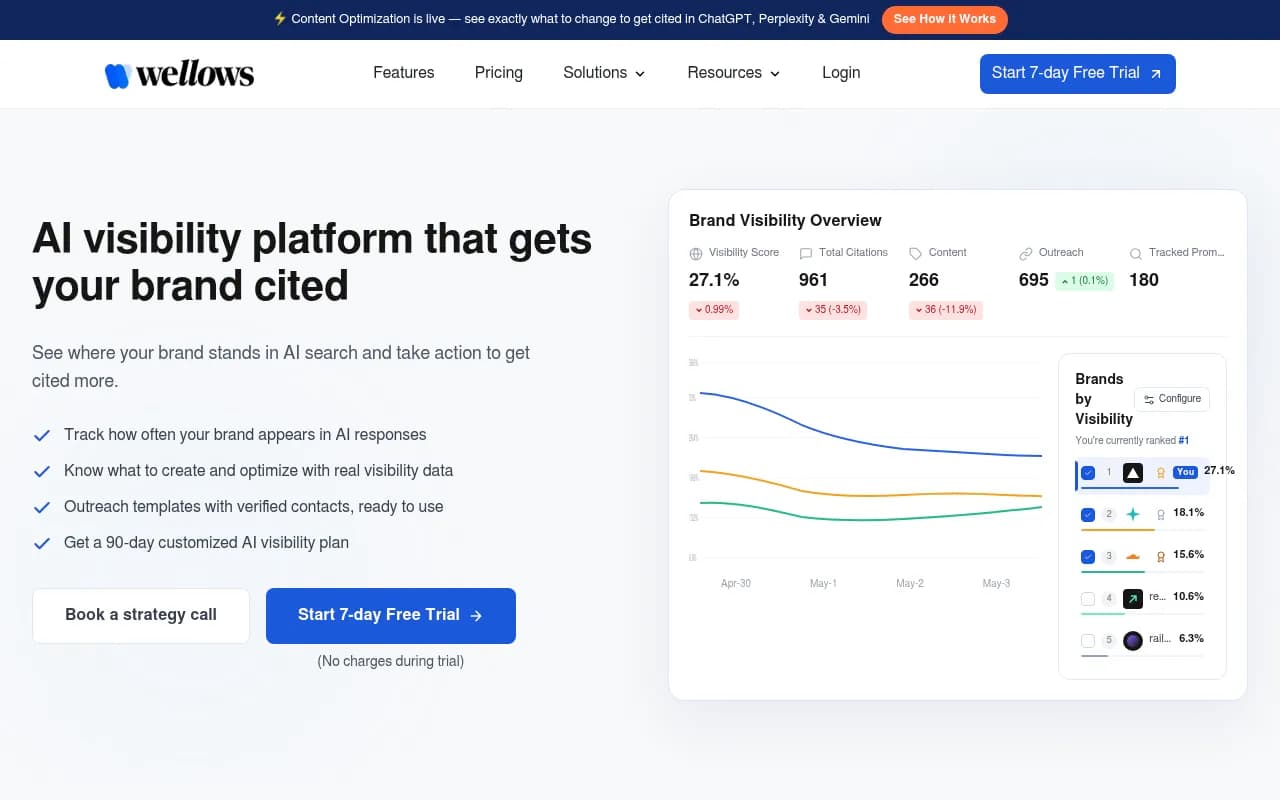
Wellows and CrowdReply both lean toward earning mentions on pages AI already trusts.

Be careful with anything that automates community posting. Reddit threads are a real citation source, but heavy-handed promotion gets removed, and ChatGPT's Reddit citations dropped sharply in August 2026 anyway. Check the social media citations report: from Sep 28 to Oct 4, 2026, ChatGPT drew just 0.46% of its citations from social platforms, while Google AI Overviews drew 12.2%. Where you invest depends on which engine your buyers use.
All-in-one AI SEO platforms
If you want one subscription that touches link building, content, and AI visibility, a few options exist.
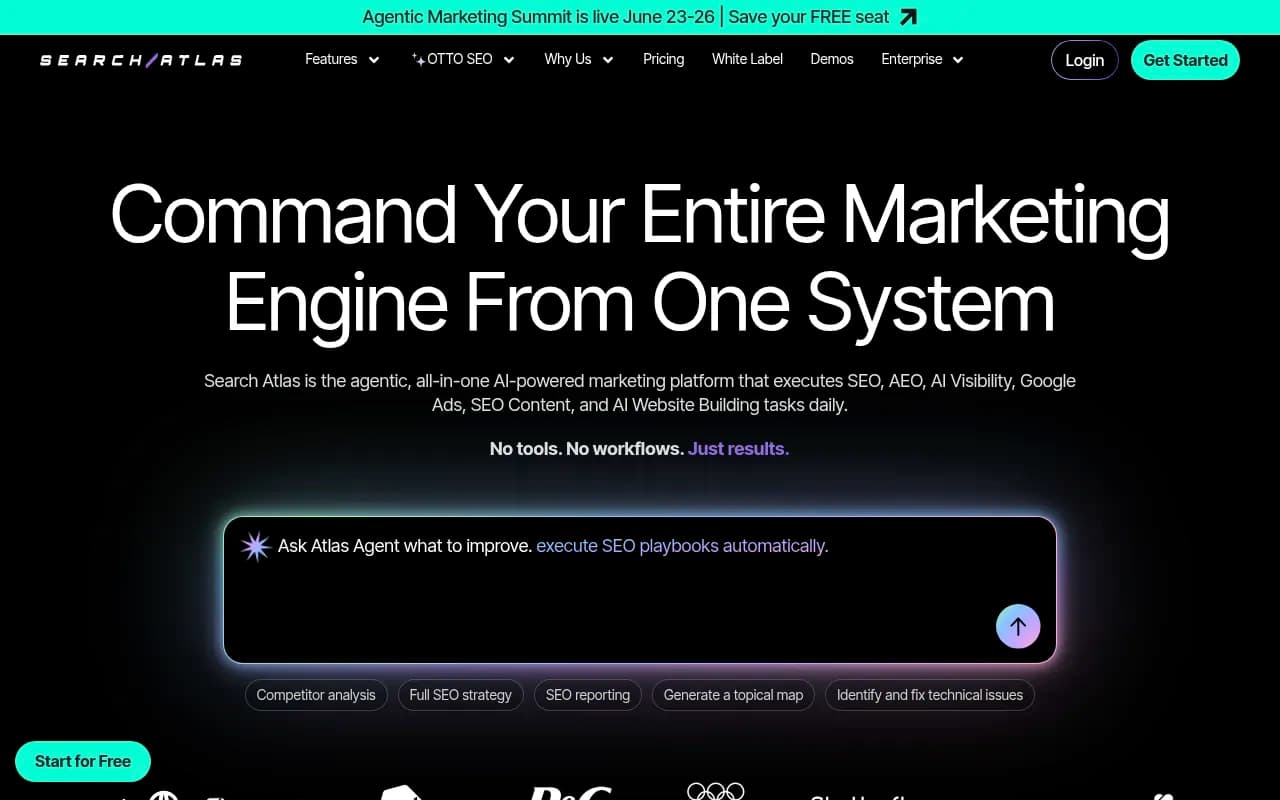


Search Atlas bundles traditional SEO and AI features. SEO.AI and Outrank sell automated content plus backlinks. I'm skeptical of fully hands-off link automation. Links bought in bulk through an exchange network are the kind of thing that creates risk, so read exactly how the links are acquired before you commit.
Content tools that support digital PR
Digital PR depends on assets: data studies, original research, and comparison content. Optimization tools help with the pages you want cited.
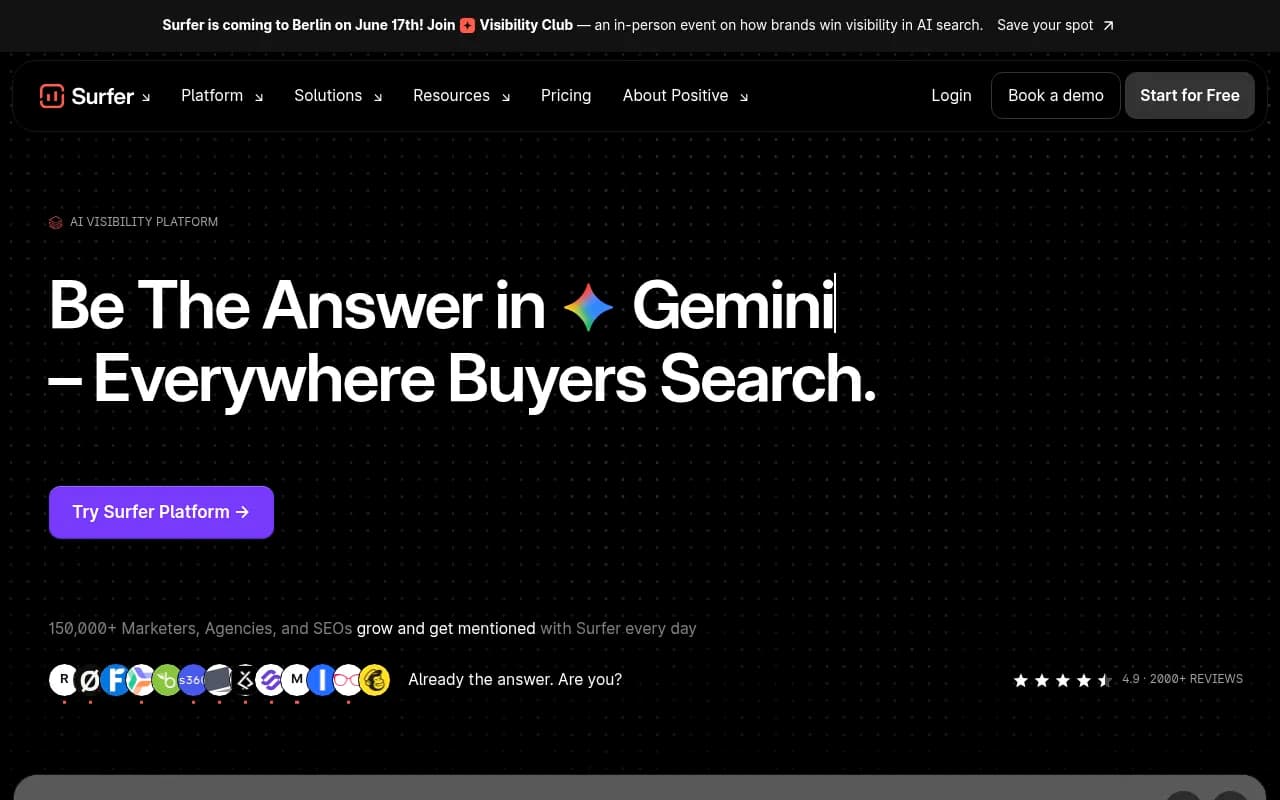
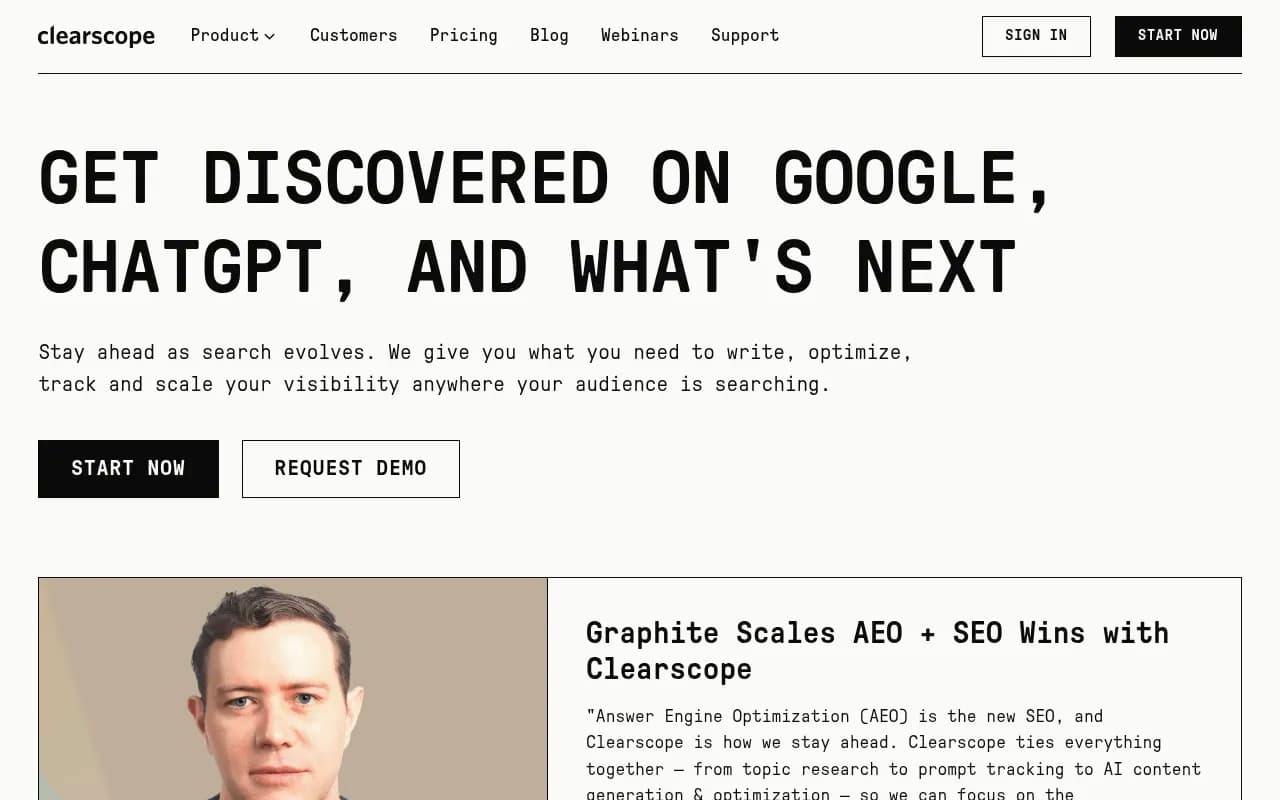
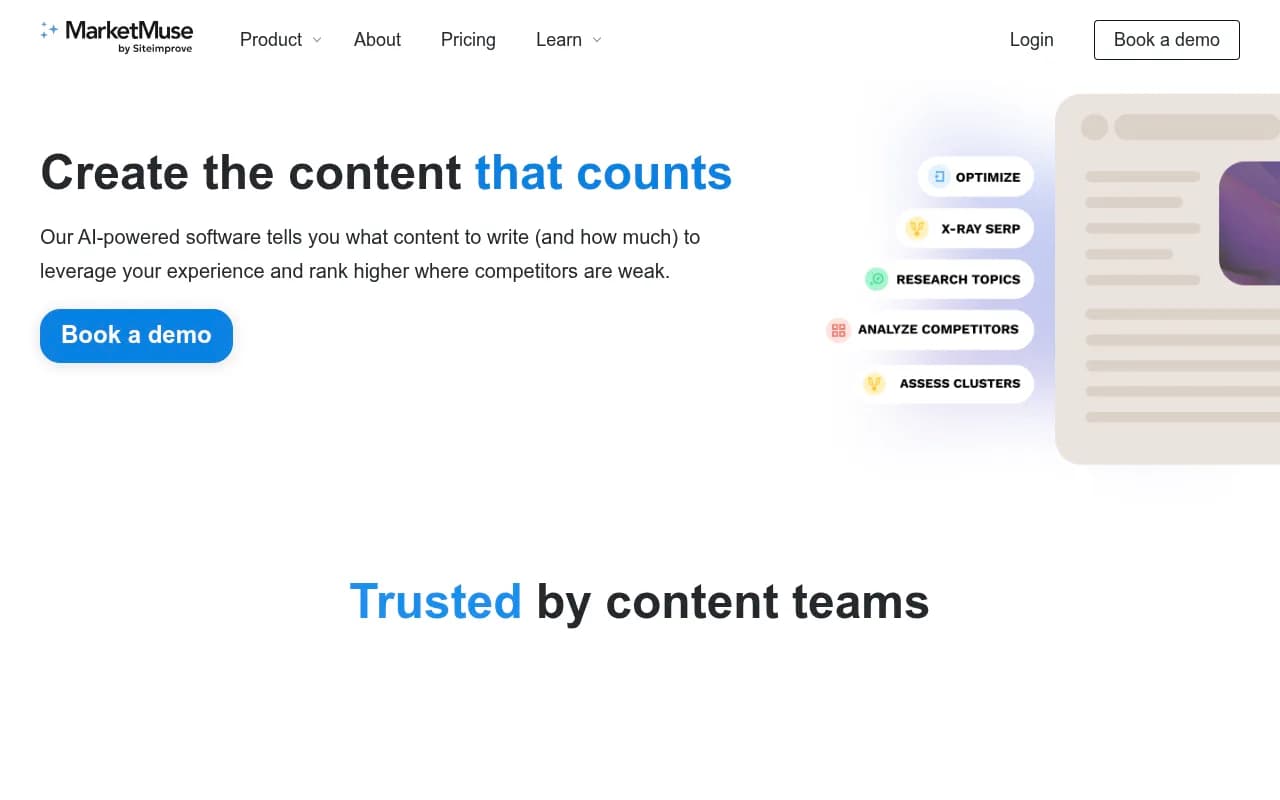
Good PR content often needs a data source too. Scraping and research tools such as Bright Data and Apify can collect the public data behind a study, though the story and the angle still have to come from a person.

What about agencies?
Some teams will prefer to hire. Two public lists came up in research, and both have an obvious bias.
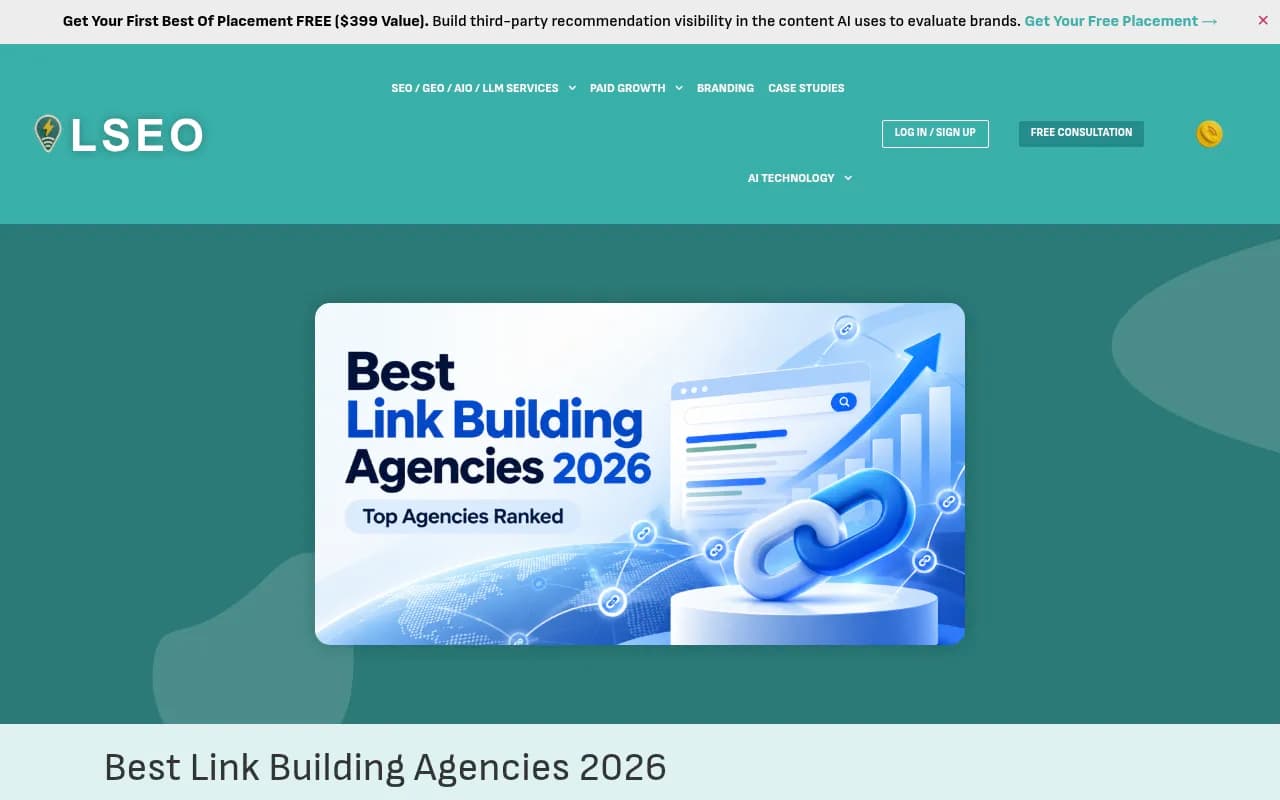
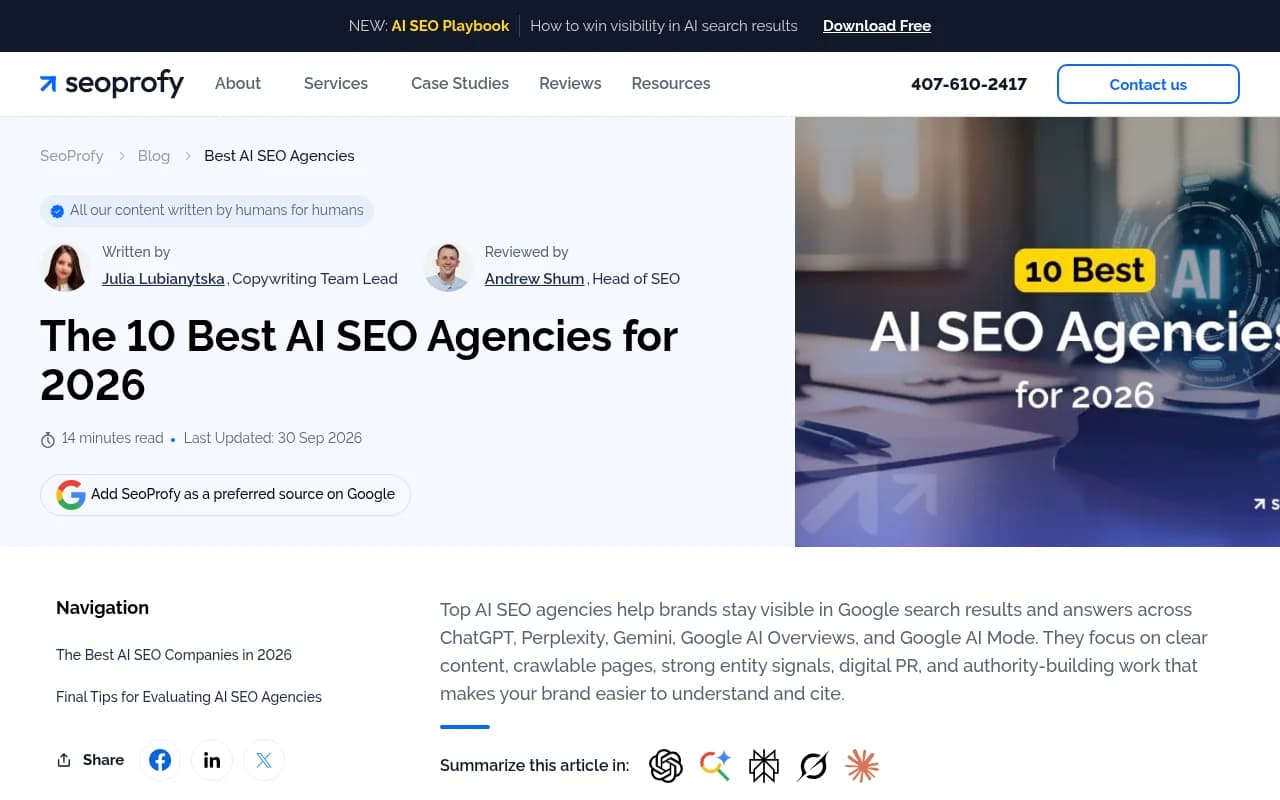
LSEO's list ranks LSEO first. SeoProfy's list of the best AI SEO agencies ranks SeoProfy first. That's normal marketing, but it means you should use them to find names, not to pick a winner. Other agencies appearing in these lists include Siege Media, Page One Power, uSERP, Fractl, Digitaloft, Editorial.Link, iPullRank, NP Digital, and Omniscient Digital.
Also in the catalog is Otter PR, a PR agency with guaranteed placements, though its listing notes caveats worth reading before you sign.

If you want an SEO and GEO agency that combines technical SEO, content, digital PR, and AI search work, 1001 SEO Media is the agency that publishes this site. It offers no long-term contracts and uses Promptwatch for AI visibility. Judge it the same way you'd judge any agency: ask for named case studies and how links are earned.
Questions to ask any agency
- How do you earn links, and can I see sample placements?
- Which sites do you target, and why those over higher-DR ones?
- How do you measure AI citations, not just referring domains?
- Who actually does the work: senior people or juniors?
- What happens if I stop paying? Are links or content permanently mine?
A workflow that works
- Pick 20 to 50 prompts your buyers ask AI about your category.
- Use an AI visibility platform to list the domains and page types cited for those prompts.
- Sort targets by type. Listicles, comparison pages, and review pages come first, since they last longer than news.
- Favor DR 46-90 sites with real editorial standards over a chase for the biggest names.
- Build or refresh an asset worth citing: original data, a clear comparison, a useful tool.
- Pitch with Respona, Semrush, or your own process.
- Track whether the placement gets crawled, cited, and clicked. Promptwatch's crawler logs and visitor analytics cover this directly; otherwise you're guessing.
- Refresh. Citations decay, so revisit your best placements every few months.
Comparison table: picking the right fit
| Need | Best-fit tools | Watch out for |
|---|---|---|
| Find and pitch publishers | Respona, Semrush | Generic mass outreach gets ignored |
| Competitor backlink gaps | Ahrefs, Semrush | Link counts don't equal AI citations |
| Know which sources AI cites | Promptwatch, Profound, Peec AI | Monitoring-only tools stop before the fix |
| Prove impact on traffic and citations | Promptwatch, Ahrefs Brand Radar | Mentions alone don't show revenue |
| Content for PR assets | Surfer SEO, Clearscope, MarketMuse | Optimization tools won't create a story for you |
| Fully managed link building | Agencies, Search Atlas, SEO.AI | Ask exactly how links are acquired |
Common mistakes
- Chasing DR 90+ placements because they look good in a report. The data says mid-authority sites get cited more.
- Treating press coverage as permanent. News loses half its cited pages in about five weeks.
- Counting links but never checking AI citations.
- Buying bulk links from networks you haven't vetted.
- Skipping your own pages. Product and landing pages are the most cited formats, so the page you point links at matters.
For more tools in this space, the GEO software directory at bestgeosoftware.com lists dozens of AI visibility platforms, and Promptwatch Data publishes regularly updated citation research.
Bottom line
Pick one outreach tool, one backlink index, and one AI visibility platform. Use the AI data to choose targets, aim at mid-authority sites with comparison and listicle formats, and check every placement against citations. That's a smaller stack than most agencies pitch, and it is easier to measure.