Key takeaways
- Google AI Mode is no longer experimental -- since the May 2026 I/O update, Gemini 3.5 Flash is the global default, and AI-synthesized answers have replaced ranked lists as the primary search surface for many queries.
- Strong traditional rankings no longer predict AI citation. Top-10 rankers accounted for 76% of AI Overview citations in mid-2025 but only ~38% by early 2026.
- Most brands are optimizing for one game (ranking) while ignoring the two that now matter more: citation and agent-source-trust.
- The six mistakes below are fixable -- but only if you stop treating AI Mode like a slightly different version of classic Google Search.
- Tracking your AI visibility with dedicated tooling is no longer optional; it's the only way to know whether your fixes are working.
Google AI Mode stopped being a beta experiment sometime around May 2026. At Google I/O, the company made Gemini 3.5 Flash the default model globally, turned AI Mode from an opt-in toggle into a permanent tab, and started placing ads directly inside AI Overview responses. For brands, this is the moment the rules changed in a way that can't be ignored.
The problem is that most marketing teams are still playing the old game. They're checking keyword rankings, publishing blog posts, building backlinks -- and watching their organic traffic quietly erode. E-commerce sites have reported a 22% drop in search traffic attributed to AI-generated answers replacing traditional clicks. B2B SaaS companies are finding that buyers now arrive at demos already knowing which vendors exist, having been briefed by an AI that never mentioned them.
The question for 2026 is no longer where you rank. It's whether you're mentioned at all inside AI-generated answers.
Here are the six biggest mistakes brands are making -- and what to do about each one.
Mistake 1: Treating AI Mode like a slightly harder version of traditional SEO
This is the root mistake that all the others branch from. AI Mode doesn't return a ranked list of pages. It synthesizes an answer from multiple sources, cites a handful of them, and sends the user on their way. The user often never clicks through to your site at all.
That means the mental model of "rank higher, get more traffic" is broken. You can sit at position 1 for a query and still be completely absent from the AI Mode answer for that same query. Discovered Labs' research found that by early 2026, top-10 rankers accounted for only about 38% of AI Overview citations -- down from 76% just six months earlier. The gap between ranking and citation is widening fast.
What drives AI citations instead? Passage retrieval quality matters more than backlink count. Gemini 3.5 Flash was built for speed, which means content structured for clean extraction -- short, direct answers to specific questions, clearly labeled sections, consistent terminology -- competes better than long-form prose optimized for dwell time.
The fix: audit your most important pages and ask whether a language model could extract a clean, accurate answer to the target question from that page in under 30 seconds. If the answer is buried in paragraphs or requires reading the whole piece, restructure it.
Mistake 2: Ignoring information consistency across independent sources
AI models don't just read your website. They synthesize information from multiple independent sources and look for consistency. If your website says one thing, a G2 review says something slightly different, and a Reddit thread contradicts both, the model has to make a judgment call -- and it often resolves that uncertainty by citing a source it trusts more, or by leaving you out entirely.
This is what researchers call "agent-source-trust," and it's one of the three simultaneous games brands need to win in AI search (alongside ranking and citation). Most teams optimize for none of them.
The practical implication: your brand's core claims need to be consistent everywhere. Product descriptions, pricing tiers, feature lists, use cases -- these should read the same on your site, in your PR coverage, in third-party review sites, in partner content, and in any community discussions where your brand comes up.
The fix: run a consistency audit. Search for your brand name across the sources AI models commonly cite -- Reddit, G2, Capterra, industry publications, YouTube -- and look for factual discrepancies. Correct what you can, and where you can't (like an old review), try to create newer, more prominent content that establishes the accurate version.
Mistake 3: Publishing content without a prompt-first strategy
Most content teams still start with keyword research. They find a keyword, check search volume, write a post, and publish. That workflow made sense when Google returned a list of links. It doesn't work when Google synthesizes an answer.
AI models respond to prompts, not keywords. A user asking "what's the best project management tool for a remote team of 10?" is prompting, not keyword-searching. The AI's answer will cite sources that directly address that specific question -- not sources that rank for "project management software."
The mistake is writing content for keyword clusters when you should be writing content for prompt clusters. These overlap but aren't the same thing. Prompt-first content is more conversational, more specific, and more likely to match the exact phrasing a user would type into AI Mode.
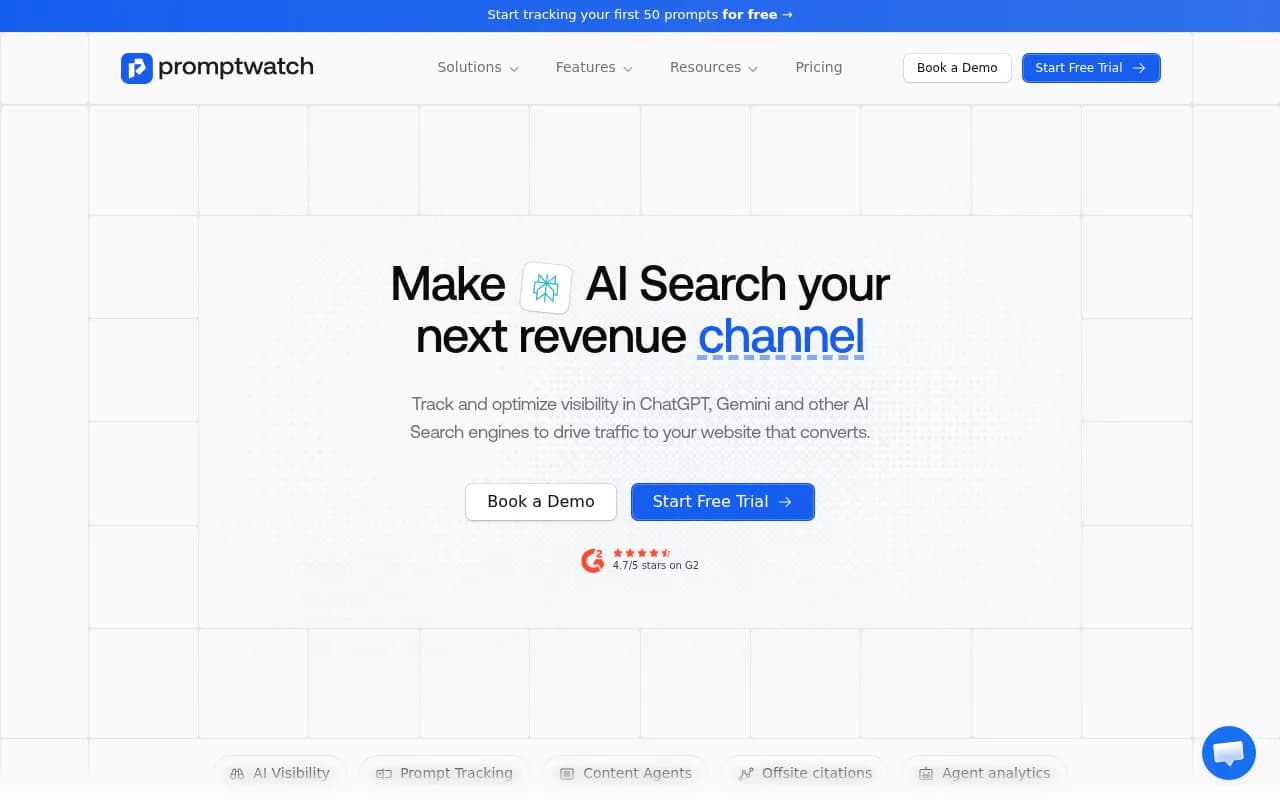
The fix: map your content to the actual prompts your target audience is typing. This means doing prompt research, not just keyword research. Tools like Promptwatch track real prompt data across AI engines -- including prompt volumes and difficulty scores -- so you can prioritize the high-value, winnable prompts instead of guessing.
Mistake 4: Not tracking AI crawler activity on your site
Here's something most brands don't know: AI engines send their own crawlers to your site before they cite you. ChatGPT's crawler, Claude's crawler, Perplexity's crawler -- they all visit pages, and the pages they visit (or fail to visit, or encounter errors on) directly affect whether your content gets cited.
Most brands have no idea this is happening. They're not looking at their server logs for AI crawler activity. They don't know which pages are being crawled, which are returning errors, or whether a page that was crawled last month has since been cited anywhere.
This is a significant blind spot. If an AI crawler hits your most important product page and gets a 404, or a redirect loop, or a page that loads slowly, that's a citation you're not getting -- and you'd never know without looking.
The fix: start monitoring AI crawler activity. This can be done through server logs, Cloudflare integration, or dedicated tooling. Understanding the timeline from crawl to citation -- which pages AI engines read, how often they return, and when they start citing -- is the kind of intelligence that separates brands winning in AI search from those wondering why their traffic is declining.
Platforms like Promptwatch offer real-time AI crawler logs that show exactly which pages each AI engine is visiting and what happens afterward. Most traditional SEO tools don't have this at all.
Mistake 5: Focusing only on your own site and ignoring offsite signals
Your website is one input. AI models pull from dozens of sources: Reddit threads, YouTube videos, industry publications, review aggregators, listicles, community forums. If your brand is absent from those sources, you're invisible in AI answers even if your own site is perfectly optimized.
This is especially true for certain query types. When someone asks "which CRM is best for a startup?" in AI Mode, the answer is heavily influenced by what people are saying on Reddit, what comparison sites like G2 and Capterra show, and what YouTube reviewers have said. Your own website's opinion of your product carries relatively little weight in that synthesis.
The Reddit thread from r/DigitalMarketing captures this shift well -- the consensus after Google I/O 2026 is that brands building trust across communities and short-form video will win, while those relying purely on their own web presence will struggle.

The fix: treat offsite presence as a core part of your AI visibility strategy. This means actively participating in relevant communities, ensuring your brand is accurately represented on review platforms, and creating or sponsoring content on YouTube and industry publications that AI models commonly cite.
Tracking which external sources are actually driving AI citations for your category -- and which ones your competitors are appearing in but you're not -- is where tools built for AI visibility earn their keep.
Mistake 6: Having no way to measure whether any of this is working
This might be the most damaging mistake of all. Brands are making changes -- restructuring content, building backlinks, updating their G2 profiles -- with no way to know whether those changes are improving their AI visibility. They're flying blind.
Traditional SEO metrics don't tell you this story. Google Search Console doesn't show you AI Mode citations. Rank tracking tools show you position 1 through 10, not whether you appeared in an AI-synthesized answer. Traffic attribution doesn't distinguish between a click from a traditional search result and a click from an AI citation.
The result is that teams can spend months optimizing for AI search and have no idea if it's working -- or worse, think it's not working when it actually is, and abandon strategies that were gaining traction.
What you actually need to measure
A proper AI visibility measurement setup tracks:
- Citation frequency: how often your brand appears in AI answers for your target prompts, across different AI engines
- Citation share vs. competitors: who's winning for each prompt and why
- Page-level citations: which specific pages on your site are being cited, and by which models
- Offsite citations: which third-party pages are driving AI mentions of your brand
- Traffic attribution: connecting AI visibility to actual site visits and revenue
This is a different measurement stack than traditional SEO, and it requires different tooling.
How these mistakes connect
These six mistakes aren't independent. They compound each other. A brand that's treating AI Mode like traditional SEO (mistake 1) will write keyword-first content (mistake 3), ignore offsite signals (mistake 5), and have no measurement in place to notice any of this (mistake 6). Meanwhile, their information is inconsistent across sources (mistake 2), and their AI crawler logs are full of errors they've never seen (mistake 4).
The brands winning in Google AI Mode right now are doing something different: they've accepted that this is a new game with new rules, built a measurement system to track their actual AI visibility, and started optimizing for citations rather than just rankings.
A comparison of AI visibility tools worth knowing about
If you're starting to build out your AI visibility stack, here's a quick look at how some of the tools in this space differ:
| Tool | Crawler log monitoring | Prompt/citation tracking | Content gap analysis | Offsite citation tracking | Best for |
|---|---|---|---|---|---|
| Promptwatch | Yes | Yes (10 AI models) | Yes | Yes | Full-stack AI visibility + optimization |
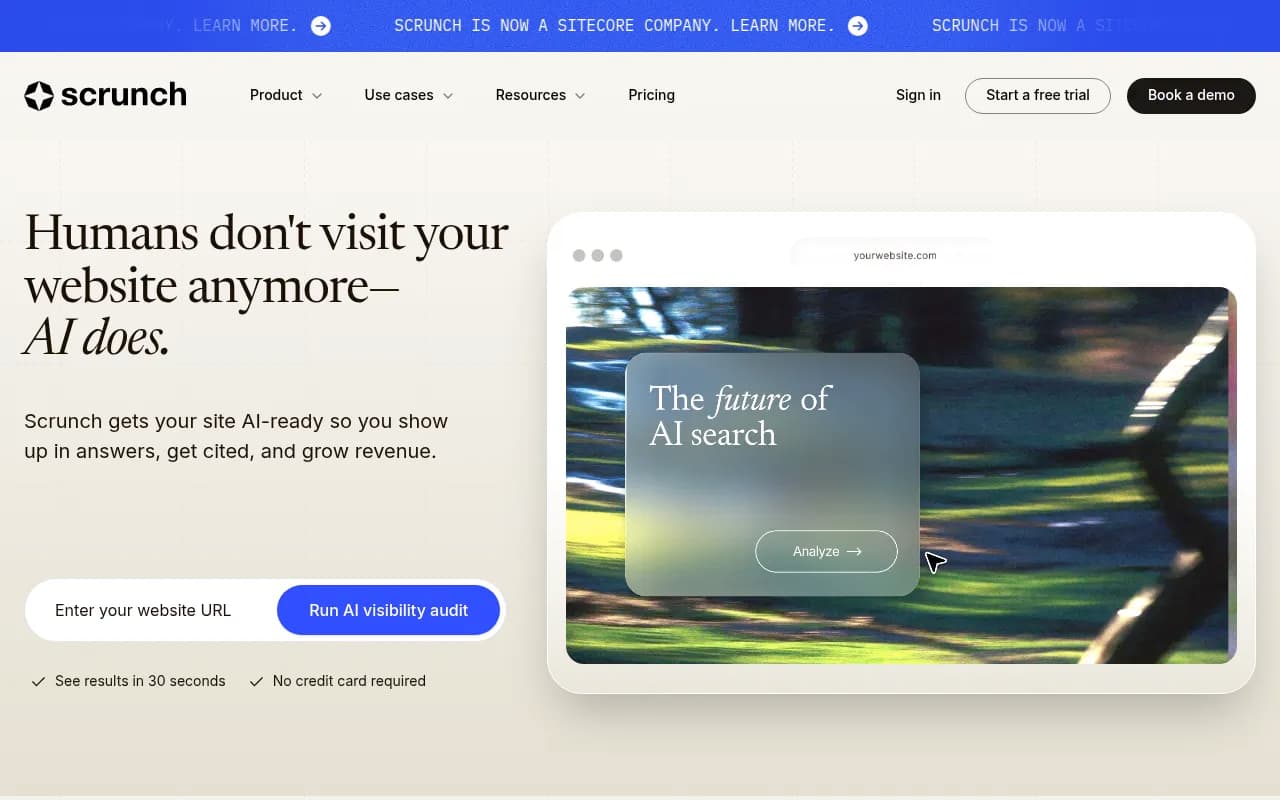
| Scrunch AI | No | Yes | Limited | No | Brand and agency monitoring |
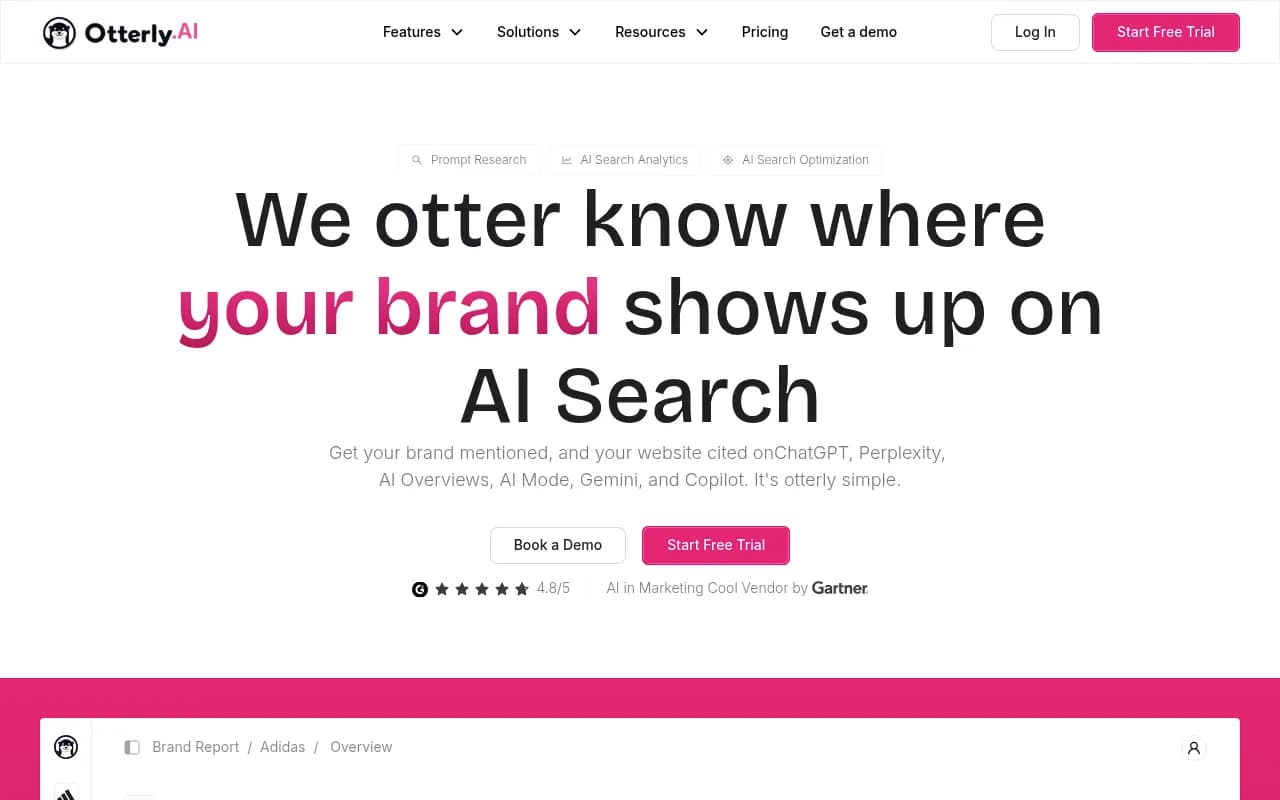
| Otterly.AI | No | Yes | No | No | Budget-friendly monitoring |
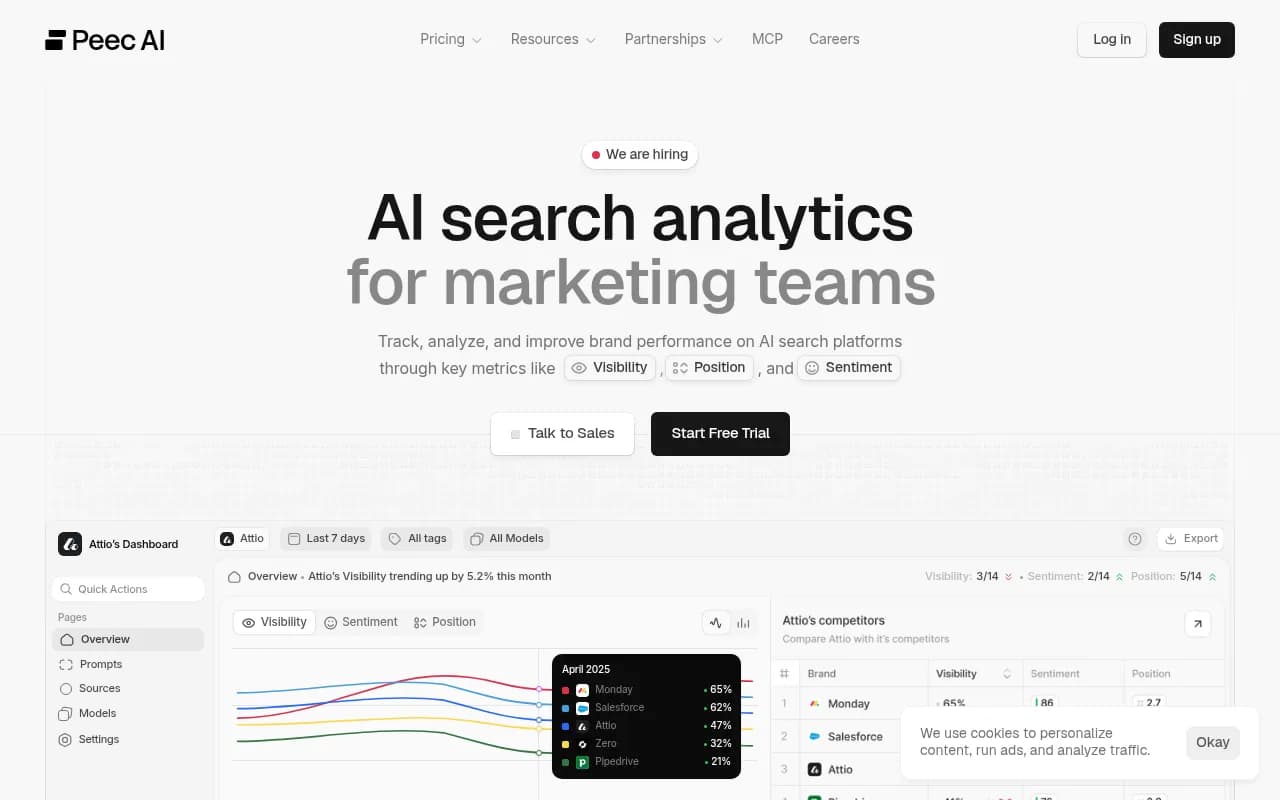
| Peec AI | No | Yes | Basic | No | Lightweight tracking |
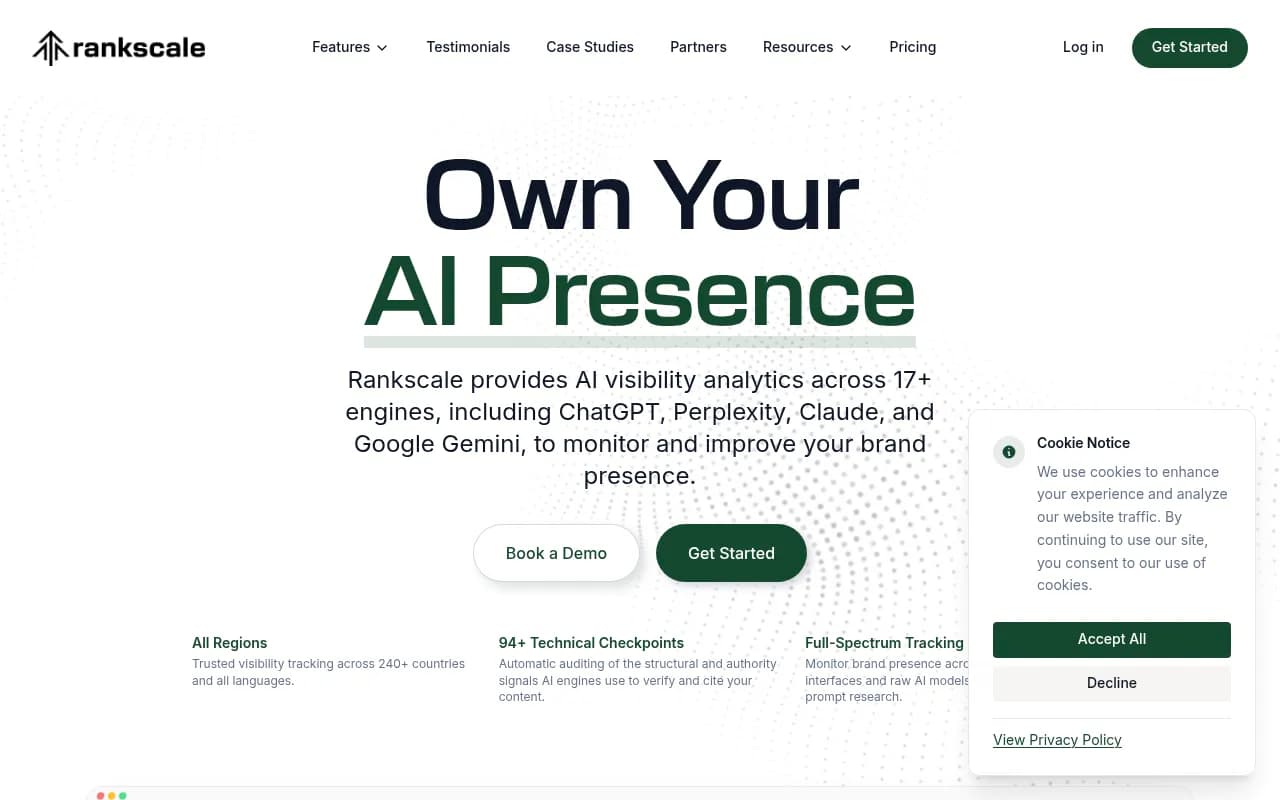
| Rankscale | No | Yes | No | No | Rank-focused tracking |
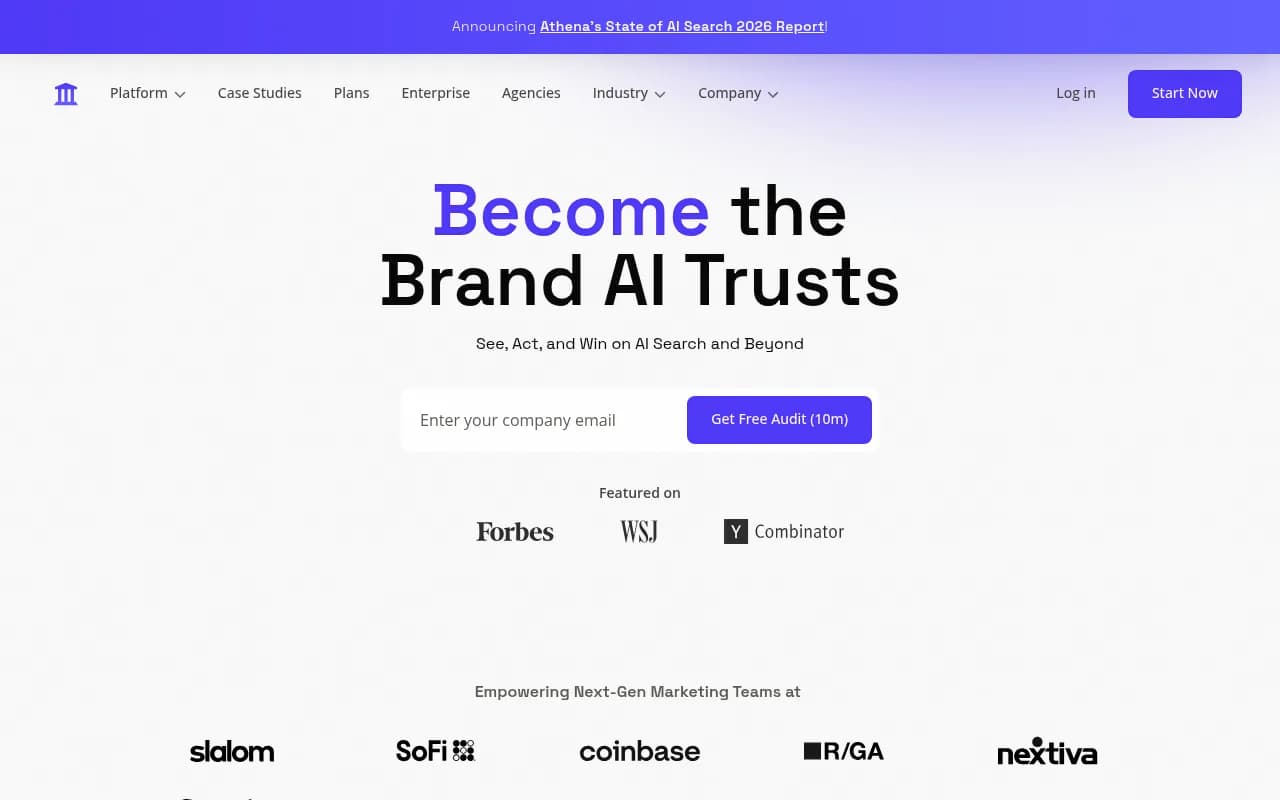
| AthenaHQ | No | Yes | No | No | Enterprise monitoring |
| Profound | No | Yes | Limited | No | Enterprise analytics |
Where to start this quarter
If you're looking at this list and feeling overwhelmed, here's a practical sequence:
-
Set up AI visibility tracking first. You can't fix what you can't measure. Pick a tool that covers the AI engines your audience uses most -- at minimum ChatGPT, Gemini, and Perplexity -- and start tracking your brand's citation rate for your 20-30 most important prompts.
-
Run a content audit against AI Mode. Take your top 10 pages and test them manually: paste the target question into Google AI Mode and see if your site is cited. If it's not, look at who is cited and why.
-
Fix your information consistency. Check your brand's key facts across G2, Reddit, and your top 3 industry publications. Inconsistencies here are often quick wins.
-
Add AI crawler monitoring. Even basic server log analysis can reveal crawl errors you didn't know about. Fix the obvious technical issues first.
-
Build one offsite content asset per month. A well-placed comparison article, a YouTube review, or a detailed Reddit response in the right community can drive more AI citations than a dozen blog posts on your own site.
The shift to AI Mode isn't coming -- it's already here. The brands that adapt their measurement and content strategy now will have a meaningful head start on those that wait for the dust to settle.