Key takeaways
- Parents, students and district buyers now ask ChatGPT, Gemini, Perplexity and Google AI Overviews which school or ed tech product to choose. GEO tools show whether your name comes up and why.
- Classroom AI platforms like MagicSchool, SchoolAI or Khanmigo are a different category. They help teachers teach. They do not tell you what AI says about your school.
- For most private schools and ed tech brands, the useful stack is a visibility tracker, a way to see what AI crawlers read on your site, and a content workflow that fixes gaps.
- Budget and team size decide the choice. A single-campus school needs something cheap and simple. A multi-campus network or ed tech vendor needs prompt volumes, crawler data and publishing.
- Check privacy basics: you are monitoring public AI answers about your brand, so you should not need student data in any of these tools.
Two categories that get confused
Search for AI tools in education and you will mostly find lesson-plan generators and tutoring bots. The Flint comparison of K-12 AI platforms, for example, covers MagicSchool, SchoolAI, Khanmigo and Brisk Teaching, and judges them on student safety, curriculum alignment and FERPA compliance. Useful, but that is software for classrooms.
GEO (generative engine optimization) is the other job. It asks a marketing question: when a parent types "best private high school near me with strong STEM" into ChatGPT, does your school appear, in what tone, and with which sources? EdWeek Market Brief ran a piece in September 2025 where K-12 marketing and ed tech experts explained why education companies are suddenly talking about GEO, and the steps they recommend to be visible and credible in AI search.
This guide is about the second category only. If you are shopping for classroom AI, the Flint and Perspective AI roundups are better starting points.
Who actually needs a GEO tool
The buyers split into a few groups with different needs.
- Independent and private schools. Enrollment is the revenue line. Families research options in AI chat before they ever visit a campus. You care about local queries, tuition and admissions questions, and reputation.
- Charter networks and multi-campus operators. Same problem, multiplied by locations, with a need for city-level tracking.
- Ed tech and curriculum vendors selling to K-12. District buyers ask AI to shortlist tools. You care about product comparisons, "best X for Y" prompts and whether AI states your pricing, privacy and standards alignment correctly.
- Tutoring, test prep and online school brands. Consumer-facing and highly competitive, with heavy comparison queries.
- Public districts. Less about competing, more about making sure AI gives accurate information on enrollment dates, boundaries and policies.
What AI answers look like for education queries
A few findings from Promptwatch Data are worth knowing before you pick a tool, because they shape what you should measure.
ChatGPT cites about 5 sources per web-search answer, while Google AI Overviews and Perplexity cite about 10, per Promptwatch's average sources per response data. Fewer slots means each citation matters more in ChatGPT. Separately, in the week of Sep 28 to Oct 4, 2026, product pages were the most cited content type in ChatGPT at 22.4%, followed by landing pages at 16.8% and listicles at 13.6%, according to Promptwatch's ChatGPT citation share by content type report. For commercial "best X for Y" prompts, product and landing pages plus listicles and comparisons make up almost 70% of citations.
What that means in practice: a private school's admissions and program pages, and an ed tech vendor's product pages, are the pages AI is most likely to cite. Thin or outdated ones hurt you. Blog posts help less than you would think.
Two more data points are useful. In Promptwatch's healthcare citation report (Sep 9 to Oct 8, 2026), government and public health sites earned almost half of ChatGPT citations. Education is a similar trust-heavy topic, so expect .gov and .edu sources and review directories to crowd the answers. And per the content half-life report, news pages lose half their citations in about 36 days while landing pages and docs stay cited for months. Evergreen program pages beat press releases.
What to look for in a GEO tool for education
Skip the feature lists and ask these questions.
- Does it track the real interfaces? API answers can differ from what a parent sees in ChatGPT or AI Overviews.
- Can it do local? "Private school near me" is the core query. City or coordinate-level tracking matters for campuses.
- Does it show sources? Knowing which directories, review sites and Reddit threads AI cites tells you where to get listed.
- Can it separate accuracy from visibility? Wrong tuition, wrong accreditation or an outdated admissions deadline in an AI answer is worse than not appearing.
- Does it help you fix things? Dashboards are cheap. Content gap analysis, publishing and crawler checks are where the work happens.
- Does it fit your team? Many schools have one marketing person. A tool that needs a full-time analyst will sit unused.
Best GEO tools for K-12 and private education brands
Promptwatch
Promptwatch is the most complete option here if you want to go from "where are we missing" to "fixed" in one product. It monitors ChatGPT, Gemini, Perplexity, Google AI Overviews, AI Mode, Copilot and others from the real interfaces, and it does so by country, language, and on higher plans by state or city. Local GEO targeting at exact coordinates (Business and up) is a good fit for campus-level "near me" queries.
The parts that matter for education brands: Brand Narrative pulls out the individual claims AI makes about you ("strong financial aid", "limited STEM programs") and scores themes like Pricing or Reputation. Fact Check lets you mark a claim inaccurate and finds the pages on your site teaching AI the wrong thing. IP-verified crawler logs show whether AI bots can read your admissions pages at all. The Content Agent writes and publishes to WordPress, Webflow or Framer, which most school sites run on.

Plans start at $95/mo (Essential, 50 prompts), with Professional at $245/mo, and Business at $579/mo adding the Content Agent, city-level tracking and Fact Check. Confirm current pricing at promptwatch.com/pricing. A 7-day free trial and a free AI visibility report let you see your baseline before paying. Agencies serving several schools can look at the agency plans. The honest limitation: Essential has no crawler logs or article generation, so a single small school may find Business more than it needs.
Otterly.AI
A lean monitoring tool. Good for a single school that wants to see mentions and citations without much setup. You will not get crawler logs or content generation, so the fixing is on you.

Peec AI
Clean interface and smart prompt suggestions, popular with in-house marketers. Fits a school group tracking a handful of competitor campuses. Like Otterly, it is mostly a tracker.

Profound
Enterprise-grade analytics. Reasonable for large ed tech companies or university-scale operations with budget and analysts. Expensive for most K-12 buyers, and without agentic content execution.

Scrunch
Strong monitoring plus agent-ready pages for your site. Worth a look for larger private school networks or ed tech vendors with a technical team.
AthenaHQ
Monitoring-focused platform with solid prompt-level tracking. A fit if you only need visibility reporting.
Semrush AI Visibility Toolkit and Ahrefs Brand Radar
If you already pay for Semrush or Ahrefs, the add-ons are convenient. Both fit into existing SEO reporting. The tradeoff is shallower AI-specific data and no crawler logs or AI traffic attribution.

Local-first options: BrightLocal, Birdeye Search AI and Yext
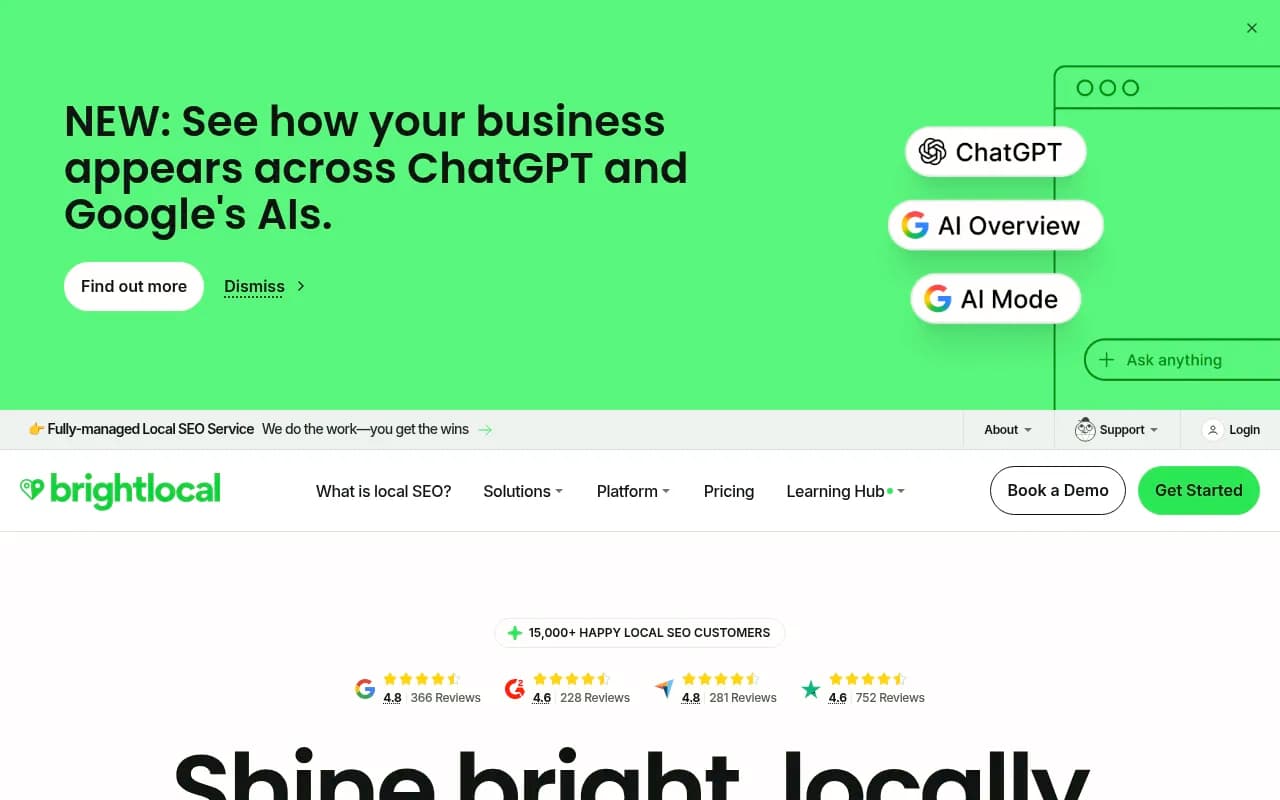
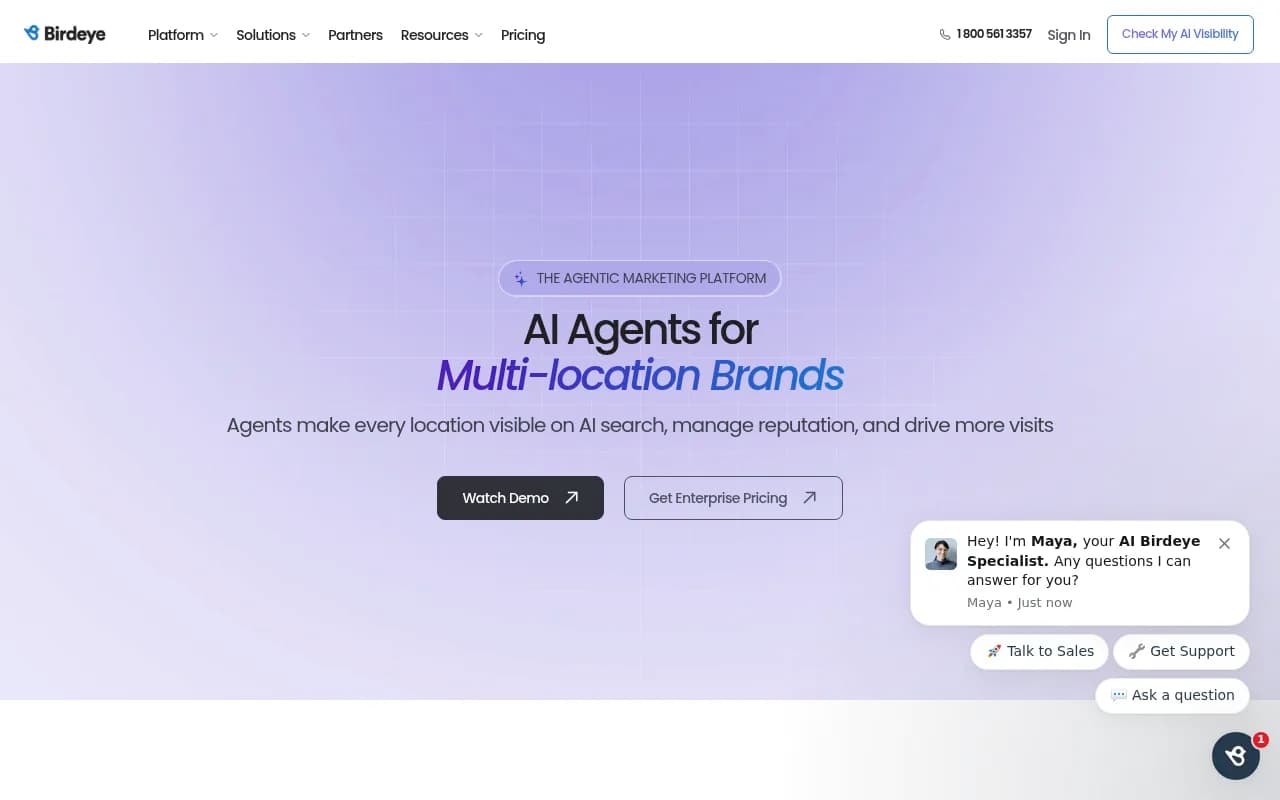
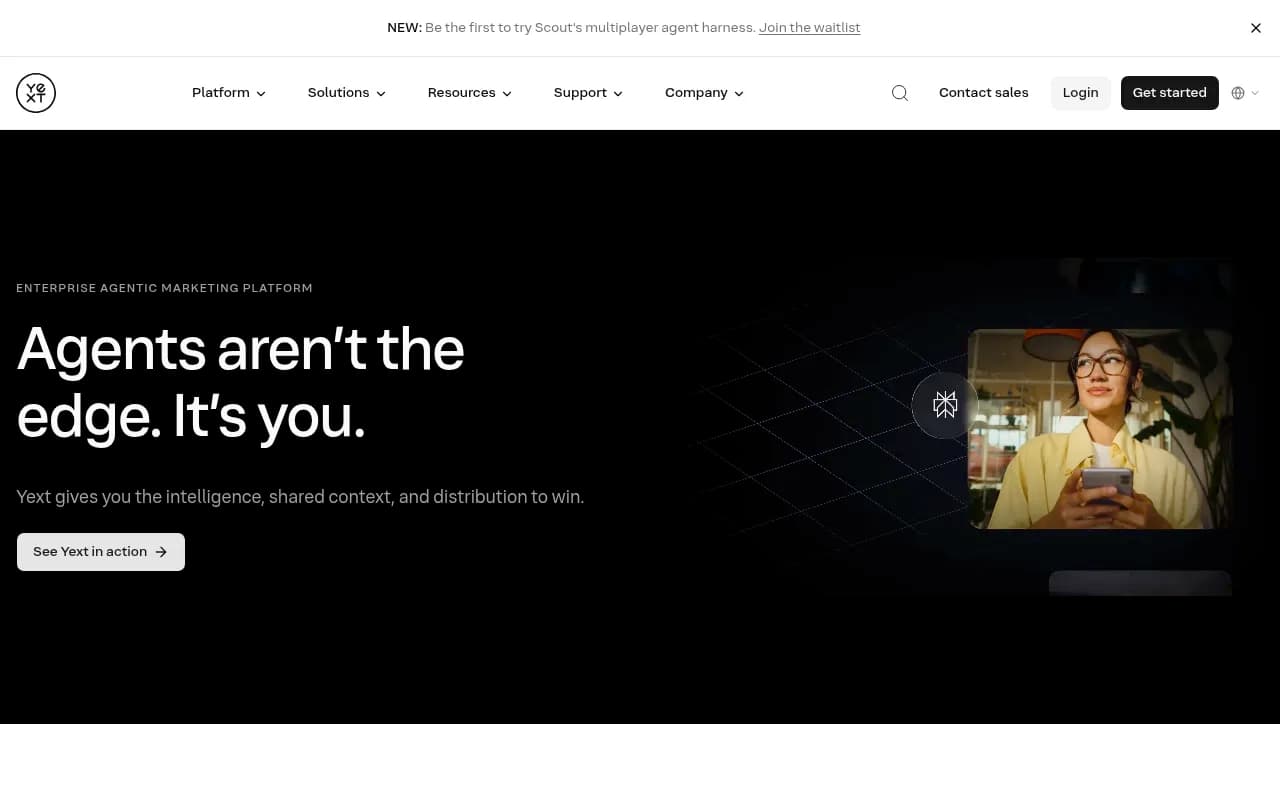
Schools live and die on listings and reviews (Google Business Profile, Niche, GreatSchools-style directories). BrightLocal, Birdeye and Yext handle listings, reviews and location data, and some now report AI visibility. They are complements to a GEO platform, not replacements, but for a multi-campus operator they cover ground a pure GEO tracker will not.
Comparison table
| Tool | Best for | Local / city tracking | Content fixing | Crawler visibility |
|---|---|---|---|---|
| Promptwatch | Schools and ed tech brands wanting monitoring plus fixes | Yes (state/city, exact coordinates on Business+) | Content Agent, content gaps, CMS publishing | IP-verified AI crawler logs |
| Otterly.AI | Single school, basic monitoring | Limited | No | No |
| Peec AI | In-house marketers tracking competitors | Prompt-level markets | Suggestions only | No |
| Profound | Large ed tech or university-scale teams | Yes | Limited | Partial |
| Scrunch | Networks with a technical team | Yes | Agent-ready pages | Some |
| AthenaHQ | Visibility reporting | Limited | Limited | No |
| Semrush / Ahrefs add-ons | Teams already on those suites | Limited | Via the SEO suite | No |
| BrightLocal / Birdeye / Yext | Listings and reviews for campuses | Strong | Listings, not content | No |
For more options, the directory at bestgeosoftware.com lists GEO platforms by category.
Which tool for which education buyer
| You are | Start with | Why |
|---|---|---|
| One private school, one marketer | Otterly.AI or Promptwatch Essential | Low cost, quick baseline |
| Multi-campus school group | Promptwatch Business plus a listings tool | City-level tracking and publishing |
| Ed tech vendor selling to districts | Promptwatch Professional or Business | Comparison prompts, crawler logs, content gaps |
| Agency serving several schools | Promptwatch agency plans | Unlimited projects, pitch projects |
| Enterprise ed tech with an analyst team | Profound or Promptwatch Enterprise | Scale and governance |
A practical first 30 days
Week 1: build the prompt list
Write 30 to 50 prompts the way real people ask. For a school: "best private elementary schools in [city]", "[school] tuition", "[school] vs [competitor]", "does [school] offer financial aid". For an ed tech vendor: "best math intervention software for middle school", "[product] FERPA compliance", "[product] alternatives". Use personas, such as a parent of a kindergartener, a district curriculum director, a high school counselor.
Week 2: check access and accuracy
Run the free Agentic Readiness Check or the AI SEO audit to see whether AI crawlers can read your site. Many school sites are slow, PDF-heavy or built on page builders that hide content. Then read the AI answers about you and write down every wrong claim: tuition, grade ranges, accreditation, dates.
Week 3: fix the pages AI cites
Given the citation data above, prioritize product pages, program pages and admissions landing pages. State the facts plainly: tuition ranges, class sizes, accreditation, outcomes, FERPA and COPPA statements if you are a vendor. Add FAQ sections that mirror real prompts. Refresh rather than relaunch.
Week 4: work the sources
See which third-party pages AI cites for your category. For schools that is usually directory and review sites and local news. For vendors it is review sites and comparison listicles. Claim and update profiles, and pursue legitimate coverage. Check Reddit and YouTube, but note that ChatGPT now cites social platforms rarely (0.46% of citations in the Sep 28 to Oct 4, 2026 week, versus 12.2% for AI Overviews, per Promptwatch Data), so weigh effort by engine.
Compliance and privacy notes
GEO tools monitor public AI answers and your public site. You should not be uploading student records, and none of the tools above need them. Keep it that way: do not paste student data into Agent Chat or any AI writer, and keep your Knowledge Base to public facts. If your institution has procurement rules, look for security certifications. Promptwatch is ISO/IEC 27001 certified and GDPR compliant, which tends to help in reviews. Public districts and vendors selling to them should also make sure their own pages state FERPA and COPPA positions clearly, since AI will quote them.
Agencies versus tools
If nobody on your team has time, a specialist agency can run the program. Education-focused SEO and GEO consultants exist, and a generalist like 1001 SEO Media works across technical SEO, content and AI search with no long-term contracts. Either way, ask them which platform they use for measurement, and insist on seeing the raw prompts and citations rather than a single score.
What to avoid
- Buying a classroom AI platform and expecting it to improve enrollment visibility.
- Optimizing for one engine. Sources differ a lot between ChatGPT, AI Overviews and Perplexity.
- Chasing a visibility score without reading the answers. A mention that says your school is "expensive and impersonal" is not a win.
- Publishing a pile of thin blog posts. The citation data points to product, program and landing pages first.
The bottom line
For a single school with a tiny budget, start with a free visibility report and a basic tracker. For multi-campus groups and ed tech vendors, pick a platform that also shows crawler access and helps you publish fixes, which is where Promptwatch is strongest. Pair it with a listings tool if you run several campuses, and spend your first month on accuracy and your top five pages rather than on more dashboards.
For wider comparisons of tracking software, the AI rank tools directory is a good next stop.