Key takeaways
- According to SOCi's 2026 Local Visibility Index, only 1.2% of local business locations ever appear in AI recommendations -- and there's only a 45% overlap with businesses that rank well in traditional Google local search.
- AI usage for local queries jumped from 6% to 45% in a single year, meaning this channel is no longer optional for local businesses.
- ChatGPT and other AI models don't have a size bias -- they have a signal bias. Small local businesses can appear if they build the right signals.
- The core strategy involves four layers: structured on-site content, consistent NAP data, third-party mentions, and active review profiles.
- Tracking your AI visibility by city and prompt type is now a distinct discipline from traditional local SEO -- and requires different tools.
Why most local businesses are invisible to AI search
Here's the number that should get your attention: 1.2%.
That's the share of local business locations that ever appear in an AI recommendation, according to SOCi's 2026 Local Visibility Index, which analyzed over 350,000 business locations across 2,751 brands. When someone asks ChatGPT "best plumber in Austin" or "recommend a dentist near downtown Chicago," AI picks one, maybe two businesses. Everyone else doesn't exist in that conversation.
What makes this more disorienting is the overlap problem. Only 45% of businesses that appear in AI recommendations also rank well in traditional Google local search. That means more than half of the companies dominating the Google Map Pack are completely absent from AI answers. Your Google rankings don't transfer automatically. AI visibility has to be built separately.
And the timing matters. AI usage for local search jumped from 6% in 2025 to 45% in 2026 -- a 7.5x increase in one year. Google AI Overviews now trigger on roughly 40% of all local-intent queries. The shift isn't coming. It's already here.
The other problem: there's no alert when AI skips you. No ranking drop notification. A potential customer asks ChatGPT for a roofer in your city, gets three names, calls one. You never knew you were being considered. The only way to catch this is to actively test.
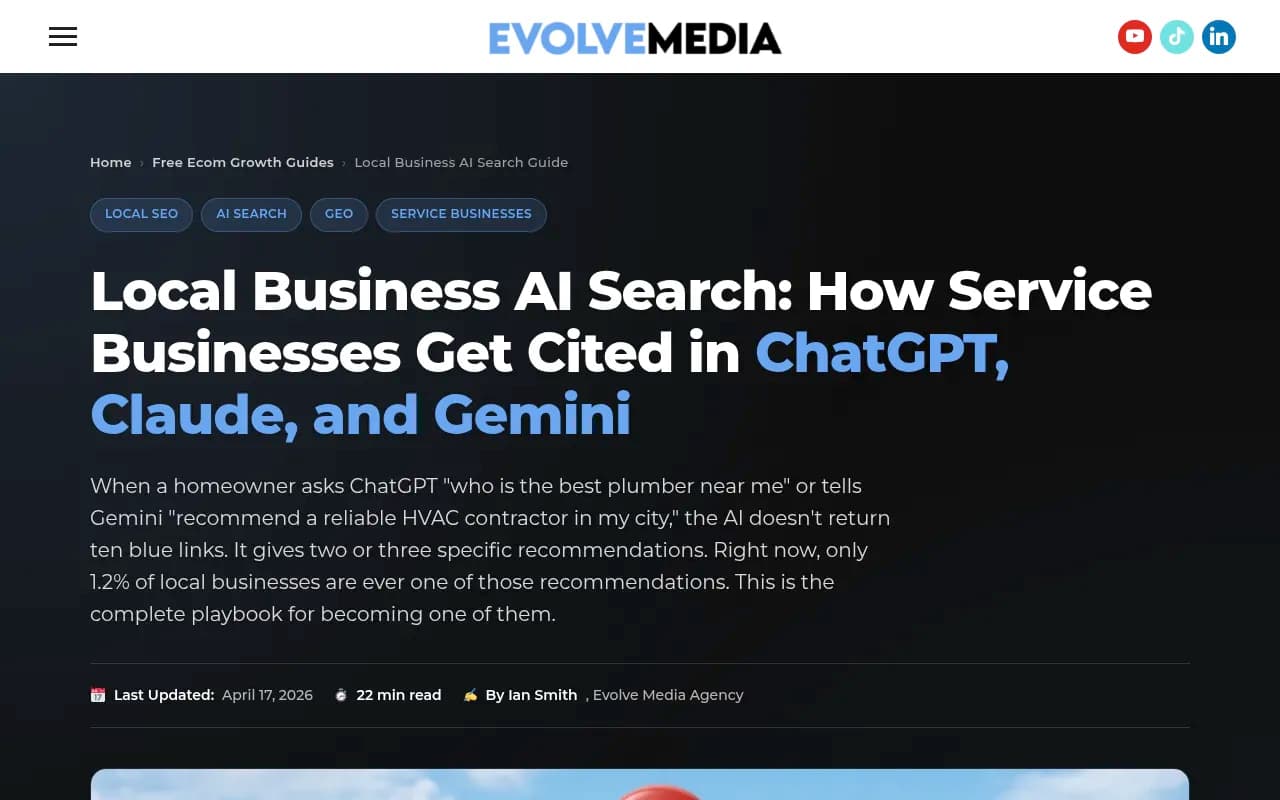
How ChatGPT handles city-specific queries
ChatGPT processes local queries differently from Google. Rather than returning a ranked list of ten results, it synthesizes information from multiple sources and produces a conversational recommendation -- usually two or three businesses, sometimes just one.
The model draws on a mix of sources: its training data (which includes review platforms, local directories, news coverage, and indexed web pages), real-time search results when web browsing is enabled, and structured data signals it can parse from those sources.
A few things matter here that most local businesses don't realize:
The model doesn't know your city unless you tell it. If your website says "serving the greater metro area" without naming specific neighborhoods, zip codes, or city names, ChatGPT has weak geographic signals to work with. It needs explicit location data -- in your content, your structured data, and your third-party profiles.
It trusts sources it's seen consistently. A business mentioned once on a random blog carries almost no weight. A business mentioned across Google Business Profile, Yelp, Bing Places, local news coverage, and industry directories starts to look like a real, established entity. Consistency and repetition across trusted sources is what builds AI confidence.
Reviews are a signal, not just social proof. SE Ranking's 2025 research found that businesses with active review platform profiles receive roughly 3x more AI citations. The content of reviews matters too -- reviews that mention your city, your service type, and specific outcomes give AI models more usable signal than generic five-star ratings.
The four layers of local AI visibility
Layer 1: Your website as a structured signal source
Your website is where you control the narrative. The problem is most local business websites are built for humans, not for AI parsers. Here's what needs to change.
Explicit location pages. If you serve multiple cities or neighborhoods, each location needs its own page. Not a thin "we also serve [city]" mention buried in the footer -- a real page with local content: the specific services you offer there, local landmarks or context, customer reviews from that area, and your address or service area clearly stated.
Schema markup. LocalBusiness schema tells AI crawlers exactly what your business is, where it operates, what it offers, and how to contact you. At minimum, implement LocalBusiness schema with name, address, telephone, openingHours, serviceArea, and areaServed. If you're a specific business type (plumber, dentist, attorney), use the more specific schema subtype.
FAQ content targeting local prompts. Think about how people actually ask AI about your service category. "What's the best HVAC company in [city]?" "Who do people recommend for roof repair in [neighborhood]?" Write content that answers these questions directly, using the city names and service terms people actually use. This isn't keyword stuffing -- it's giving AI models usable, specific content to pull from.
Clear entity definition. Your business name, address, phone number, and category should appear consistently across your site. AI models build an "entity" understanding of your business from everything they read. Inconsistency creates confusion.
Layer 2: NAP consistency and directory presence
NAP stands for Name, Address, Phone -- and it needs to be identical everywhere. Not "similar." Identical. "St." vs "Street" in your address, or a missing suite number, creates entity fragmentation. AI models may treat these as different businesses or simply reduce confidence in the listing.
The directories that matter most for AI visibility in 2026:
- Google Business Profile (still the most important single signal)
- Yelp
- Bing Places
- Apple Maps
- Facebook Business
- Industry-specific directories (Angi, HomeAdvisor, Houzz for home services; Healthgrades, Zocdoc for healthcare; Avvo, FindLaw for legal)
- Local Chamber of Commerce listings
- BBB profile
Each of these is a source AI models trust. Being present, accurate, and complete on all of them multiplies your visibility.
Layer 3: Third-party mentions and citations
If your business only exists on your own website and your own profiles, AI models have limited corroboration. The signal gets much stronger when independent sources mention you.
Local press coverage is gold. A mention in your city's newspaper, a local news site, or a neighborhood blog carries significant weight because these are sources AI models treat as authoritative and geographically specific. Getting covered isn't always easy, but it's worth pursuing -- sponsor a local event, comment on a local issue in your industry, or pitch a story about something genuinely interesting your business has done.
Reddit is underrated here. Local subreddits (r/Austin, r/ChicagoSuburbs, r/Denver) are frequently cited by AI models when answering local recommendation queries. A genuine, helpful presence in these communities -- not spam, actual participation -- can directly influence AI recommendations. When someone asks ChatGPT "best electrician in Denver" and ChatGPT has seen multiple Reddit threads recommending your business, that carries real weight.
Industry roundups and listicles on third-party sites also matter. "Best plumbers in [city]" articles on local blogs or home improvement sites are exactly the kind of source AI models pull from when constructing recommendations.
Layer 4: Reviews with geographic and service-specific content
Volume matters, but content matters more. A review that says "Great service, 5 stars" gives an AI model almost nothing to work with. A review that says "Called them for an emergency pipe burst in our Capitol Hill apartment on a Sunday -- they were there in 45 minutes and fixed it same day" gives the model city context, service type, urgency signal, and outcome.
Encourage customers to be specific in their reviews. You can't dictate what they write, but you can ask questions that prompt detail: "What was the job?" "Where was the property?" "What was the timeline?" When customers answer those questions in their reviews, the resulting text is far more useful to AI models.
Respond to reviews too. Your responses add more indexed text to your profile -- more signal for AI to read.
City-specific content strategy
This is where most local businesses leave the most opportunity on the table.
Generic service pages don't win city-specific AI queries. "We offer plumbing services across the region" loses to "Emergency plumbing in Austin, TX -- same-day service for Travis County residents." The specificity isn't just for humans. It's the signal AI needs to confidently recommend you for a city-specific prompt.
What to build
For each city or major neighborhood you serve, you want:
- A dedicated service-area page with the city name in the URL, H1, and throughout the content
- Local context woven in naturally (local landmarks, common local issues, references to the area)
- A local FAQ section answering the specific questions people in that city ask about your service
- Embedded reviews from customers in that city
- Schema markup with that city's address or service area explicitly defined
Prompt clusters to target
Think about the prompts your potential customers are actually typing into ChatGPT. For a plumber in Denver, those might look like:
- "best plumber in Denver"
- "emergency plumber Denver CO"
- "plumber in Capitol Hill Denver"
- "who do people recommend for drain cleaning in Denver"
- "affordable licensed plumber near downtown Denver"
Each of these is a slightly different query with slightly different intent. Your content strategy should address all of them, not just the generic category term. The more specific your content, the more confidently AI can match it to a specific prompt.
How to track your AI visibility by city
You can't improve what you don't measure. Manual testing -- literally typing prompts into ChatGPT and recording whether you appear -- is a starting point, but it doesn't scale. You'd need to test dozens of prompt variations across multiple cities, multiple AI models, and multiple times per week to get a reliable picture.
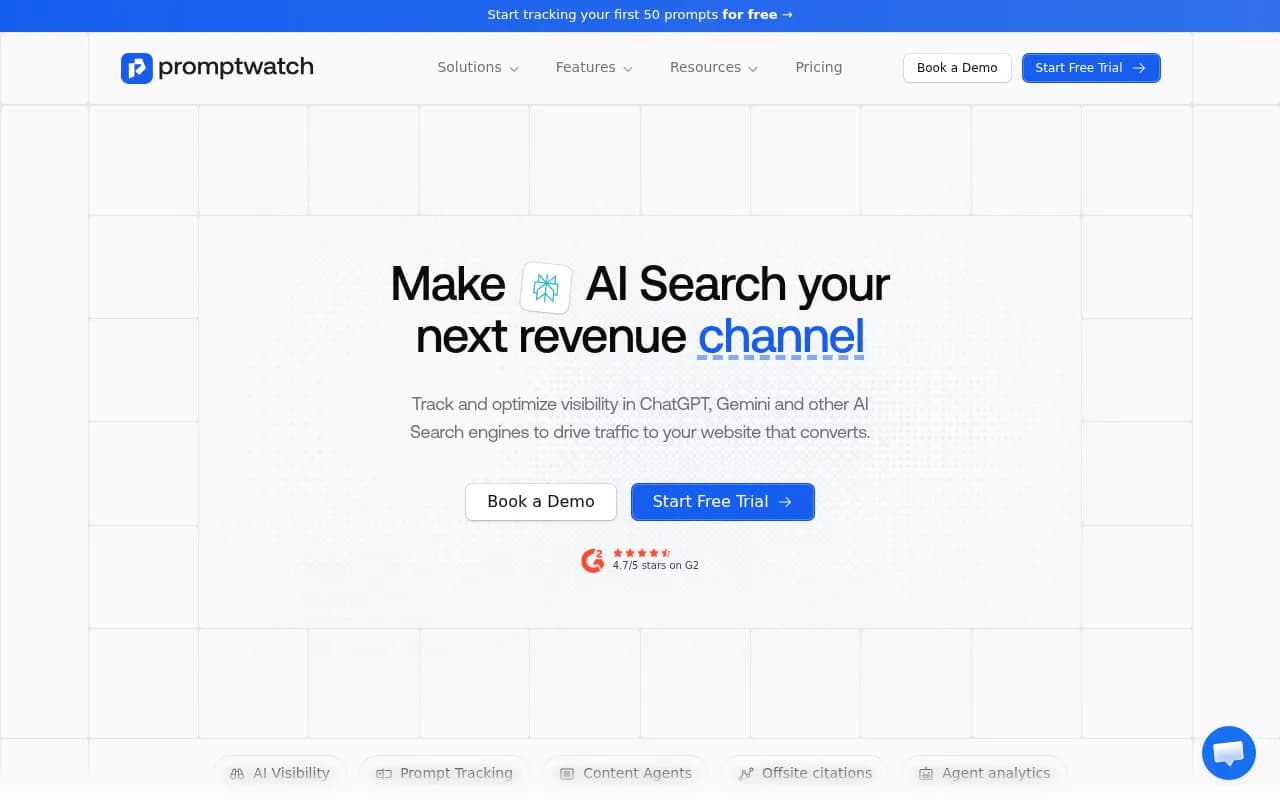
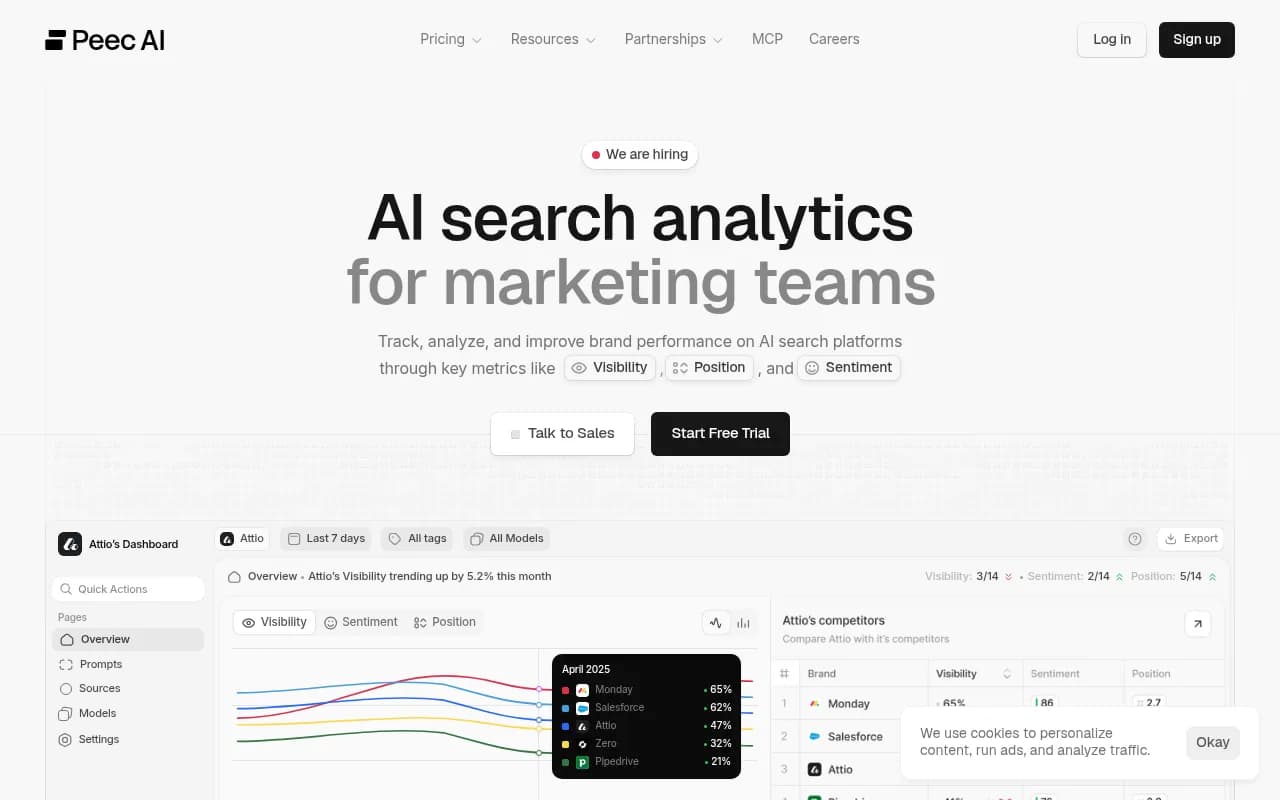
This is where purpose-built AI visibility tools become genuinely useful. Promptwatch lets you track exactly which prompts your business appears in across ChatGPT, Gemini, Perplexity, and other AI models -- with city and region-level targeting so you can see where you're visible and where you're not. It also surfaces the content gaps driving your invisibility, which is the part most tools skip entirely.
For local businesses specifically, a few other tools are worth knowing about:
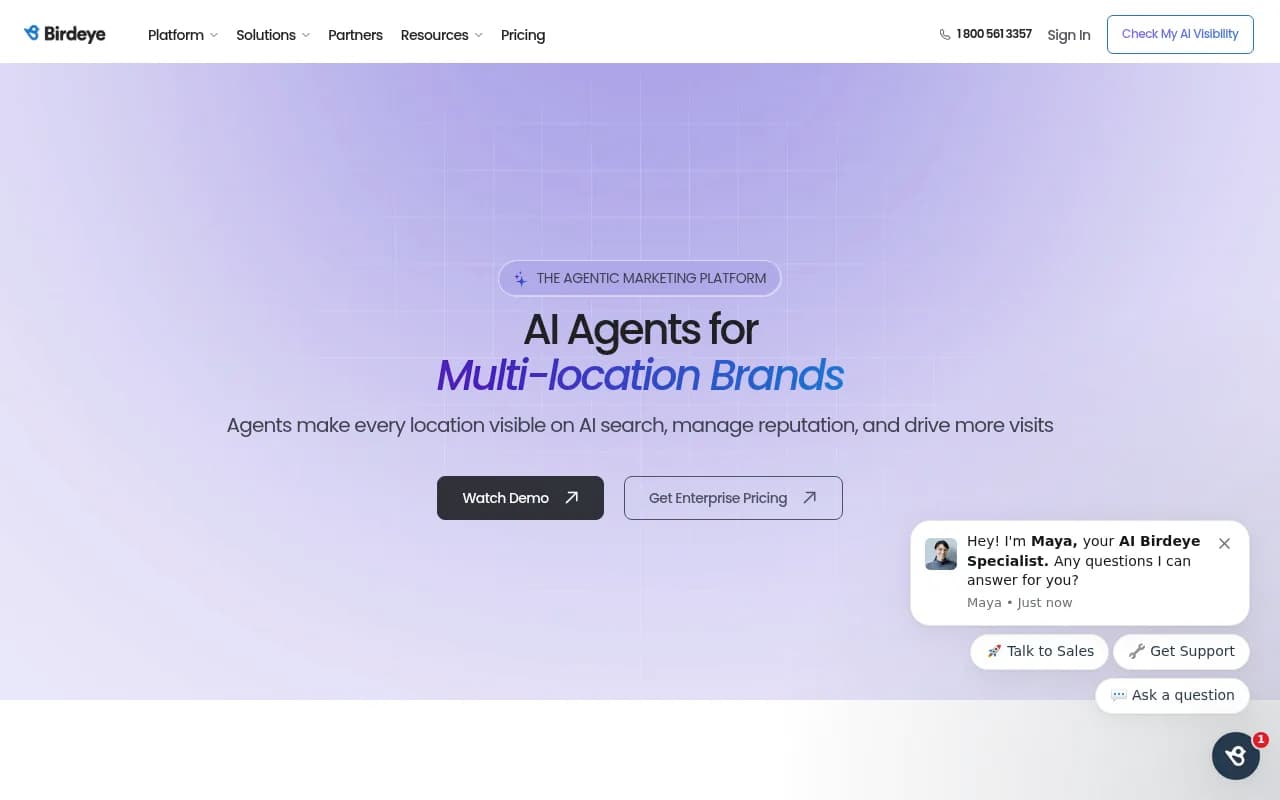
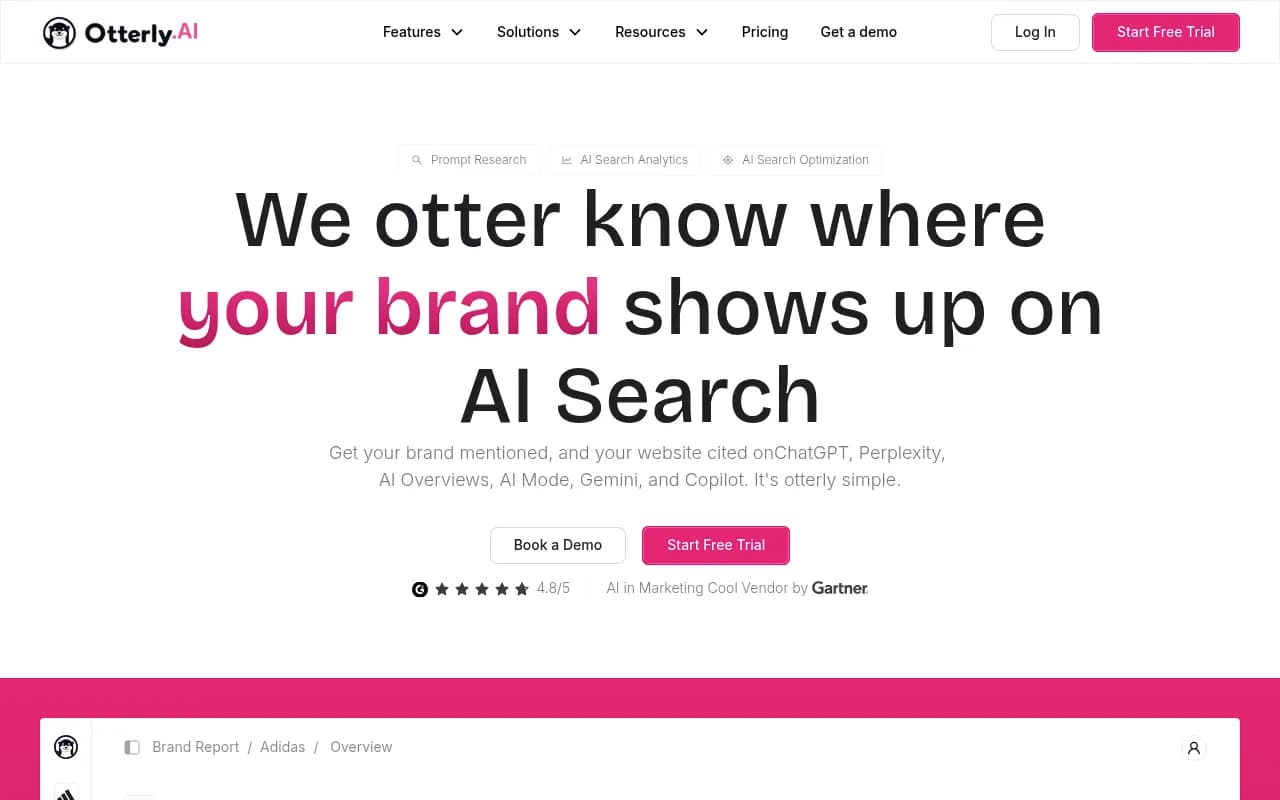
Birdeye Search AI is built specifically for local and multi-location brands, with location-level AI visibility tracking that maps your presence by city.
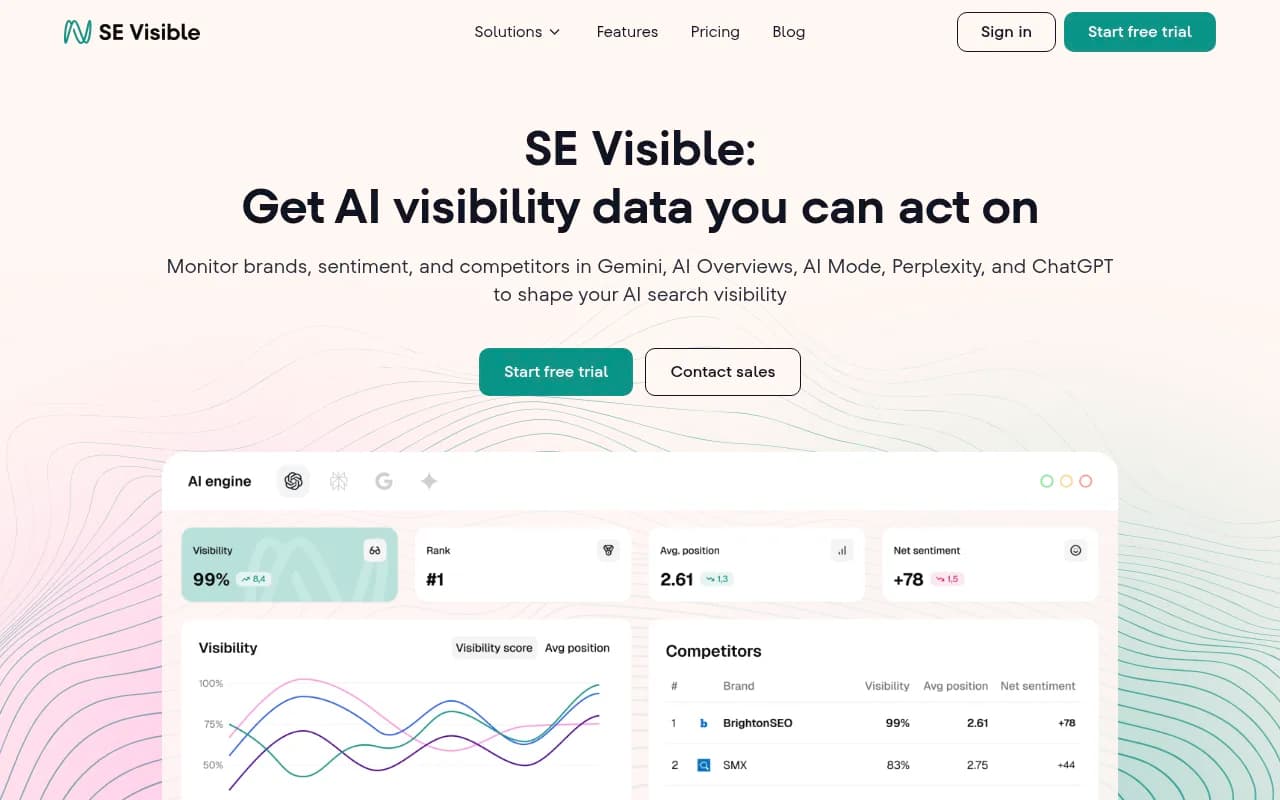
SE Ranking's visible tracking product covers AI visibility alongside traditional rank tracking, which is useful if you're managing both channels in one workflow.
Otterly.AI is a lighter-weight option if you're just getting started and want affordable monitoring without a full platform commitment.
| Tool | Local/city tracking | Content gap analysis | Multi-model coverage | Best for |
|---|---|---|---|---|
| Promptwatch | Yes, state/city level | Yes | 10+ models | Full optimization workflow |
| Birdeye Search AI | Yes, location-level | Limited | Select models | Multi-location brands |
| SE Ranking Visible | Limited | No | Select models | Combined SEO + AI tracking |
| Otterly.AI | Basic | No | Select models | Budget monitoring |
| Peec AI | Basic | Limited | Select models | Small teams |
Common mistakes that keep local businesses invisible
Relying on Google rankings alone. As noted earlier, only 45% of businesses visible in AI also rank well in traditional local search. These are different games with different rules.
Thin or duplicate location pages. Creating 20 city pages that all say the same thing with just the city name swapped out doesn't work. AI models recognize thin content and don't trust it. Each location page needs genuinely local content.
Ignoring off-site signals. Some businesses obsess over their own website while their directory listings are incomplete, inconsistent, or missing entirely. AI models cross-reference multiple sources. A great website with weak directory presence still loses to a business with strong signals everywhere.
Not asking for specific reviews. Generic reviews don't help AI visibility. Specific, detailed reviews do. Build a review request process that encourages customers to describe the job, the location, and the outcome.
Treating AI visibility as a one-time project. AI models update their training data and search results continuously. What works today needs to be maintained. New competitors enter your city. New content gets published. Your visibility needs regular monitoring and updating.
A practical starting checklist
If you're starting from zero, here's a prioritized sequence:
- Audit your NAP consistency across all major directories. Fix any discrepancies.
- Claim and complete your Google Business Profile, Yelp, Bing Places, and Apple Maps listings.
- Add LocalBusiness schema markup to your website with full address and service area data.
- Create or update city-specific service pages for each major market you serve.
- Add FAQ sections to those pages targeting the specific prompts people use in each city.
- Build a review request process that encourages specific, detailed reviews.
- Identify local press, blogs, and Reddit communities where you can earn genuine mentions.
- Set up AI visibility tracking so you can measure your current baseline and monitor changes over time.
Steps 1-4 can be done in a week. Steps 5-8 are ongoing. The businesses that win in AI search aren't doing anything exotic -- they're doing the fundamentals more thoroughly and more consistently than their competitors.
The compounding effect
Here's what makes this worth the effort: AI visibility compounds in a way traditional SEO doesn't always.
When ChatGPT recommends your business for "best plumber in Denver," that recommendation gets seen by a user who may share it, screenshot it, or post about it. That post might end up on Reddit or a local Facebook group. Those posts get indexed. AI models read those posts. Your visibility reinforces itself.
The businesses that get into AI recommendations early -- while only 1.2% of local businesses are there -- are building a compounding advantage. Every citation makes the next citation more likely. Every recommendation builds the entity signal that makes future recommendations easier to earn.
The window where this is easy to enter is closing. Right now, most of your local competitors haven't thought seriously about AI visibility. That gap won't last.