Key takeaways
- Searchable is a lightweight AI visibility monitoring tool suited to small teams that want simple brand tracking across a handful of AI engines
- It lacks crawler logs, content generation, prompt volume data, and traffic attribution -- capabilities that matter a lot if you're trying to act on what you find
- The AI search landscape in 2026 has moved fast: tools that only show you data without helping you fix anything are increasingly hard to justify
- For teams that need to go beyond monitoring, platforms like Promptwatch offer a more complete loop from gap analysis to content creation to citation tracking
- The right tool depends on your team size, budget, and how seriously you're treating AI visibility as a growth channel
Why this review exists
AI visibility tools have multiplied fast. A year ago, you could count the serious players on one hand. Now there are dozens, each claiming to track your brand across ChatGPT, Perplexity, Gemini, and whatever else launched last month.
Searchable is one of those tools. It's not the loudest name in the space, and it doesn't have the enterprise pedigree of something like BrightEdge or the brand recognition of Semrush. But it shows up in shortlists, it has a clean product, and people do use it. So the question worth asking is: what do you actually get?
This guide is a straight look at Searchable's strengths, its real limitations, and the situations where it makes sense versus where you'd be better served elsewhere.
The context: what AI search looks like in 2026
Before getting into Searchable specifically, it's worth grounding this in what's actually happening with search right now.
Google's AI Mode passed a billion users. ChatGPT is being used for product research, travel planning, and purchase decisions. Perplexity has carved out a real user base among researchers and professionals. According to data cited by Digital Applied, the share of people calling AI search "more helpful than traditional search" dropped from 82% to 54% in a single year -- yet 70% of those same users say they use AI search more than they did before. People are using it more and trusting it less, which is a strange dynamic but a real one.
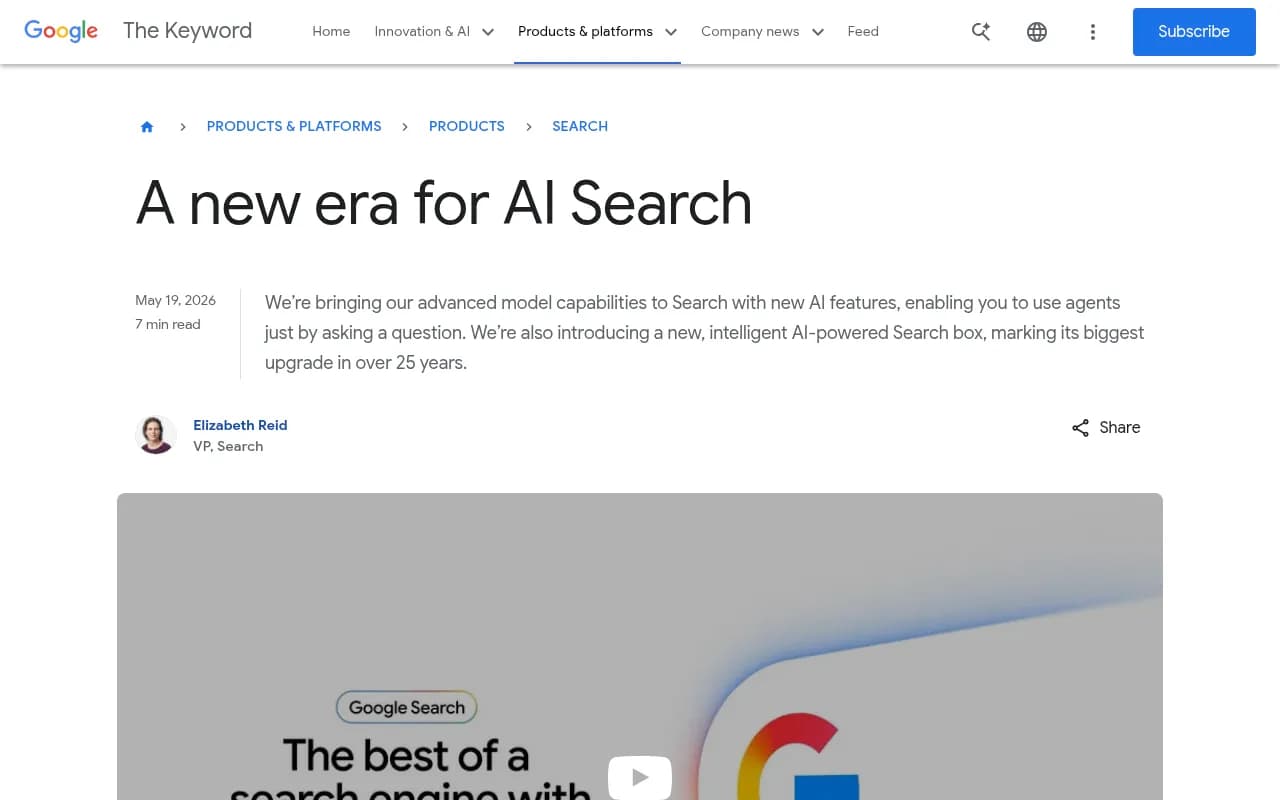
Meanwhile, SparkToro's data shows 95% of Americans still use traditional search engines monthly. So this isn't a story of AI replacing Google -- it's a story of fragmentation. Your brand now needs to show up in more places, and the signals that drive visibility in each place are different.
That's the environment Searchable is operating in. And it's a demanding one.
What Searchable actually does
Searchable is an AI brand visibility monitoring tool. At its core, it lets you set up prompts, run them across a selection of AI models, and see whether your brand appears in the responses. You get a dashboard showing visibility scores, some competitive comparison, and tracking over time.
The interface is clean. Setup is relatively quick. For someone who has never tracked AI visibility before, it's accessible.
Here's where it holds up:
Basic brand monitoring
If you want to know whether your brand is being mentioned when someone asks an AI engine a relevant question, Searchable can tell you that. You define the prompts, pick the models, and it runs them on a schedule. The visibility score gives you a simple metric to track over time.
For a small brand that just wants a pulse check -- "are we showing up in ChatGPT when people ask about X?" -- this is functional.
Competitive snapshots
Searchable lets you compare your visibility against a set of competitors for the same prompts. This is useful for a quick read on where you stand. If a competitor is consistently appearing and you're not, that's a signal worth acting on.
Clean, low-friction UX
This matters more than people admit. Some enterprise tools are genuinely painful to use. Searchable isn't. The interface is straightforward, and you don't need a training session to understand what you're looking at.
Where Searchable breaks down
This is the more important part of the review, because the limitations are significant in 2026's context.
No crawler logs or indexing data
One of the most valuable things you can know is whether AI crawlers are actually visiting your pages, how often, and whether they're hitting errors. Searchable doesn't surface this. You can see that you're not being cited, but you can't see why -- whether it's a crawl issue, a content gap, or something structural on your site.
Tools like Promptwatch have built crawler log analysis directly into the platform, showing you which pages ChatGPT, Claude, and Perplexity are reading, how frequently, and where they're running into problems. That's a different level of diagnostic capability.
No content generation or gap analysis
Monitoring tells you where you're invisible. It doesn't tell you what to do about it. Searchable stops at the monitoring layer. There's no answer gap analysis, no content brief generation, no way to go from "we're not appearing for this prompt" to "here's the content we need to create."
This is the core limitation of the monitoring-only category. In 2026, with AI search moving as fast as it is, knowing you have a gap and being able to close it are two different things. Tools that only do the former are increasingly hard to justify when alternatives exist that do both.
No prompt volume or difficulty data
Not all prompts are equal. Some are asked by thousands of people a day; others are niche. Some are dominated by one or two authoritative sources; others are genuinely winnable. Searchable doesn't give you this data. You're essentially guessing which prompts to prioritize.
Prompt intelligence -- volume estimates, difficulty scores, query fan-outs -- is the kind of data that separates strategic AI visibility work from random monitoring.
Limited model coverage
The AI search landscape in 2026 includes ChatGPT, Perplexity, Google AI Overviews, Google AI Mode, Claude, Gemini, Grok, DeepSeek, Meta AI, Copilot, and Mistral. Searchable covers a subset of these. If your audience is using models that aren't in Searchable's coverage, you have a blind spot.
No traffic attribution
You can see that you're being cited. You can't see whether those citations are driving actual traffic or revenue. For marketing teams that need to justify spend, this is a real problem. Without connecting AI visibility to business outcomes, it's hard to make the case for investing in GEO at all.
No Reddit or YouTube tracking
A growing body of evidence shows that Reddit threads and YouTube videos directly influence what AI models recommend. If a Reddit post about your category is consistently being cited in ChatGPT responses, that's something you need to know. Searchable doesn't track this.
How Searchable compares to the broader field
Here's an honest comparison of Searchable against a few other tools in the AI visibility space:
| Feature | Searchable | Otterly.AI | AthenaHQ | Promptwatch |
|---|---|---|---|---|
| Brand monitoring | Yes | Yes | Yes | Yes |
| Competitor comparison | Basic | Basic | Yes | Yes |
| Crawler logs | No | No | No | Yes |
| Content gap analysis | No | No | No | Yes |
| AI content generation | No | No | No | Yes |
| Prompt volume data | No | No | Limited | Yes |
| Traffic attribution | No | No | No | Yes |
| Reddit/YouTube tracking | No | No | No | Yes |
| ChatGPT Shopping tracking | No | No | No | Yes |
| Model coverage | Partial | Partial | Partial | 10+ models |
| Pricing | Low | Low | Mid | $99-$579/mo |
The pattern is clear. Searchable, Otterly.AI, and AthenaHQ all sit in the monitoring-only tier. They show you data. They don't help you act on it.
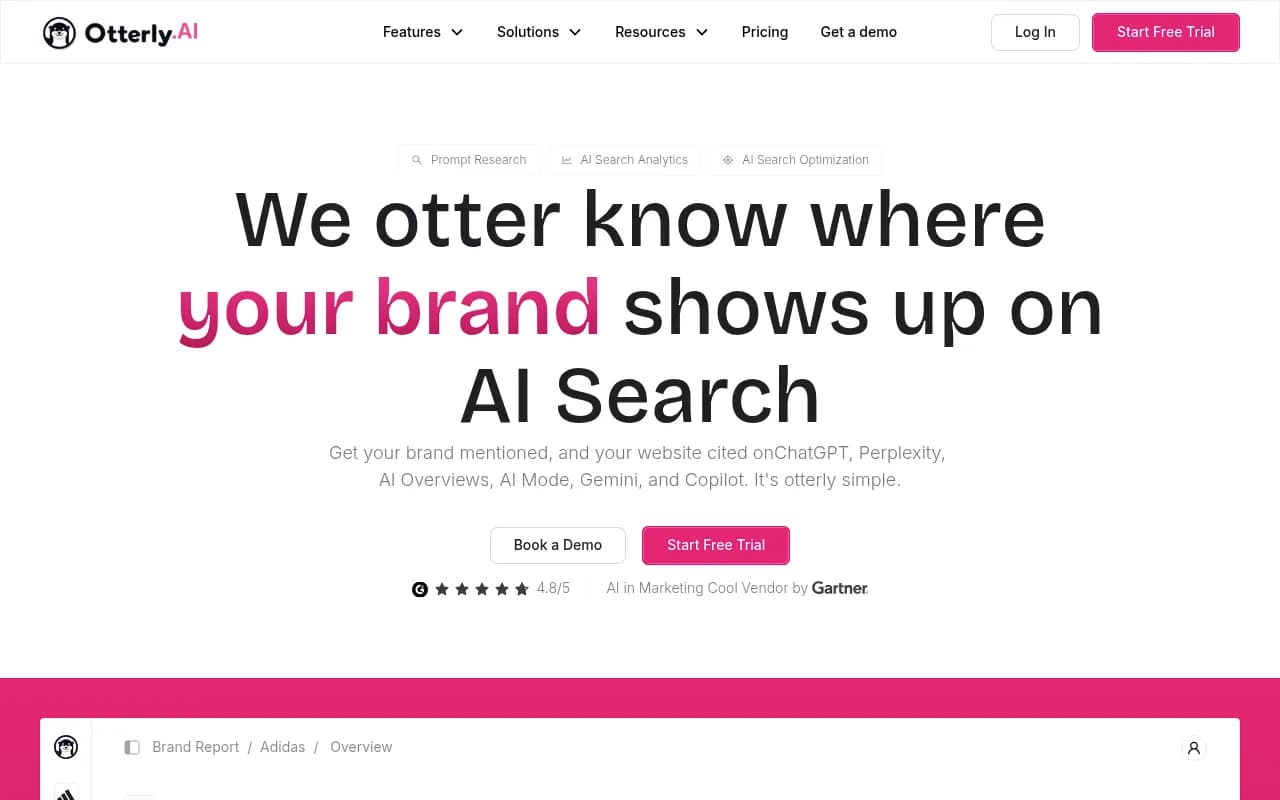
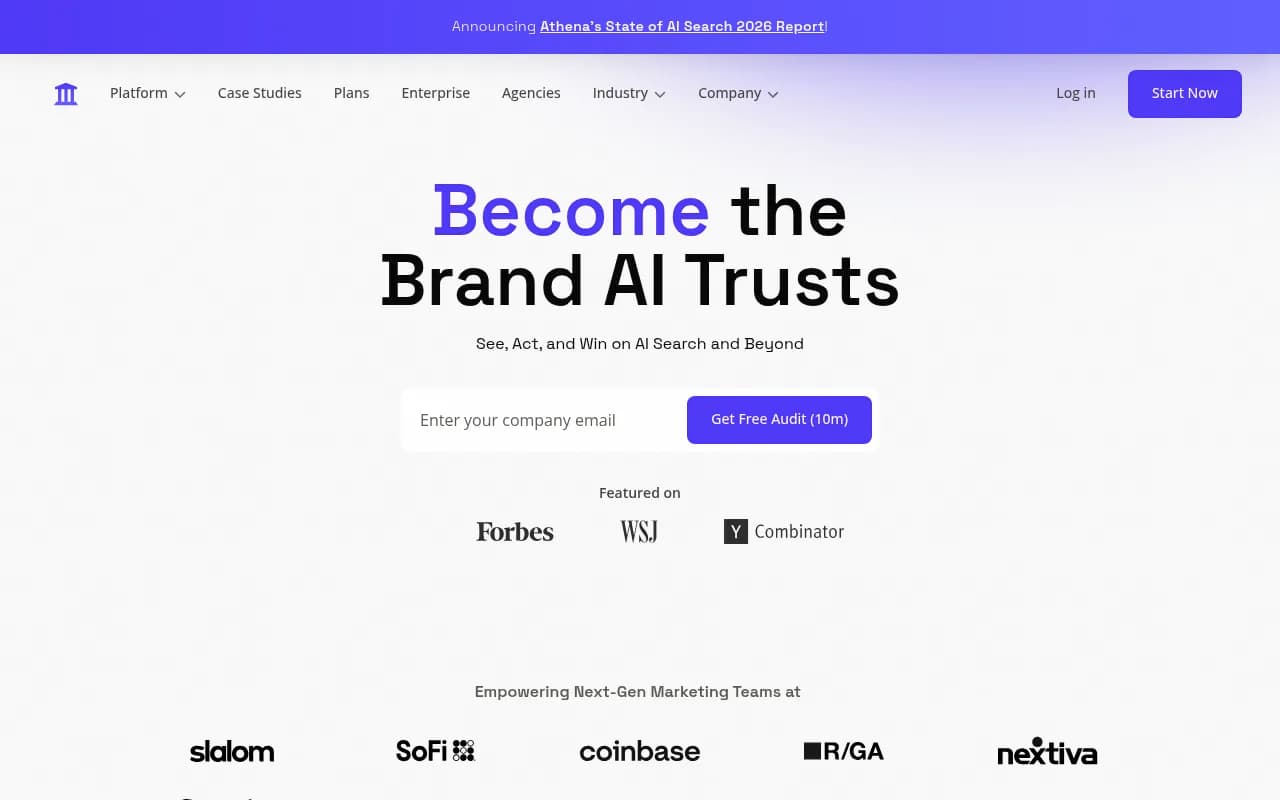
That's not a knock on any of them individually -- monitoring is a real and useful function. But if you're treating AI visibility as a serious growth channel rather than a curiosity, you'll hit the ceiling of monitoring-only tools quickly.
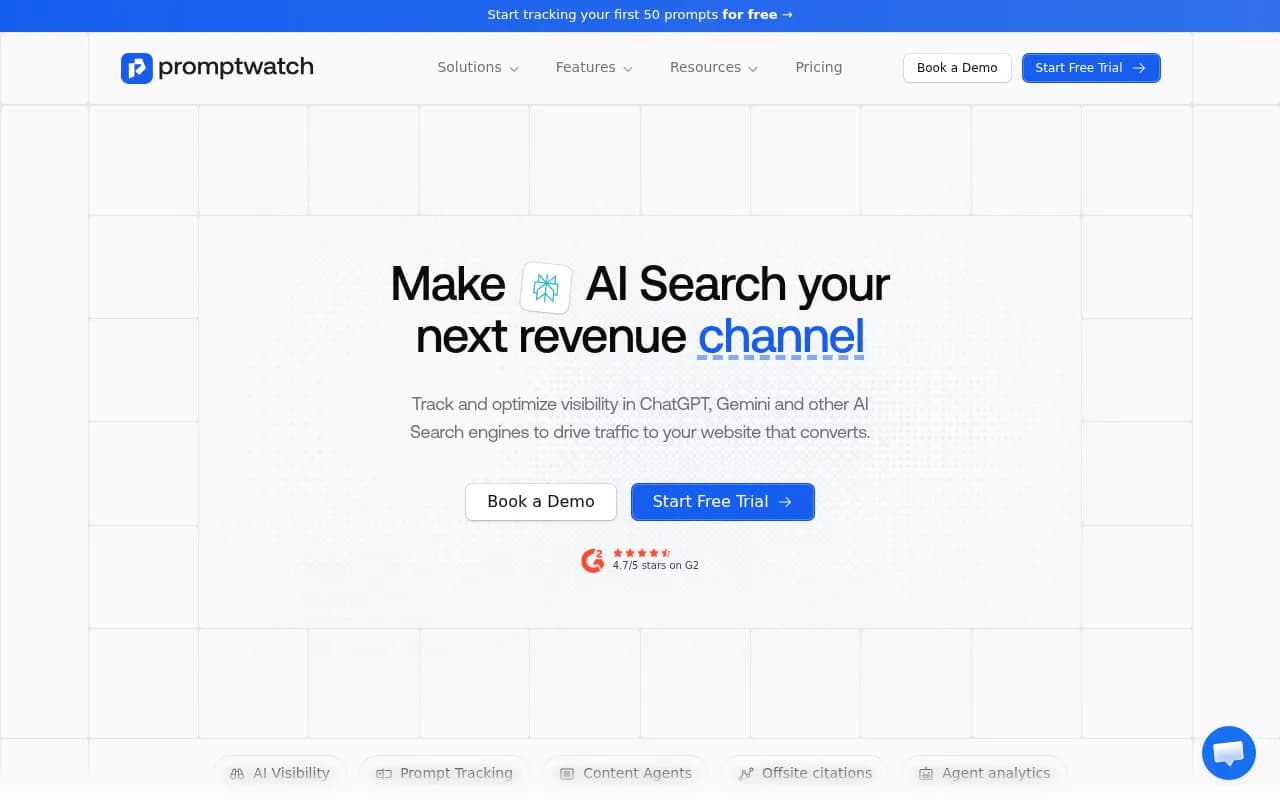
Promptwatch is the tool that's built around the full loop: find gaps, create content, track results. It's used by 1,480+ brands including Booking.com and Center Parcs, and it's the only platform in a recent 12-tool comparison to be rated a "Leader" across all categories.
Who should actually use Searchable
Being honest: there are real use cases where Searchable makes sense.
Small teams with limited budgets who want a basic read on AI visibility without committing to a full GEO platform. If you're a two-person marketing team and you just want to know whether you're showing up in ChatGPT, Searchable is lower friction than a more complex tool.
Brands early in their AI visibility journey who need to convince internal stakeholders that this is worth paying attention to. A simple dashboard with visibility scores is sometimes easier to present to a skeptical CMO than a complex analytics platform.
Agencies doing initial audits who need a quick snapshot of where a client stands before recommending a more comprehensive approach.
What Searchable is not built for: teams that want to close the gaps they find, understand why they're not being cited, track which content is driving AI traffic, or build a systematic content strategy around AI search.
Alternatives worth considering
If Searchable's limitations are a problem for your use case, here are some tools worth looking at:
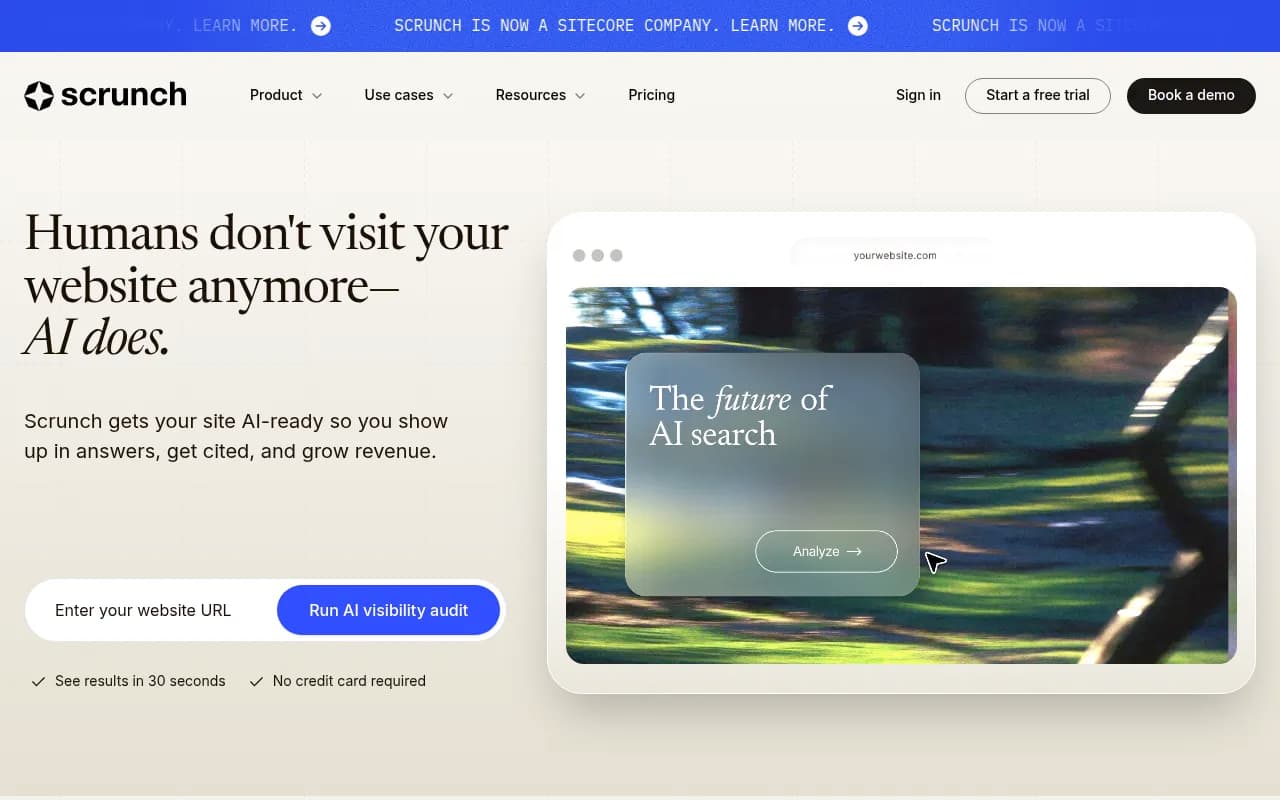
For monitoring with more depth, Scrunch AI and AthenaHQ both offer stronger competitive analysis features.
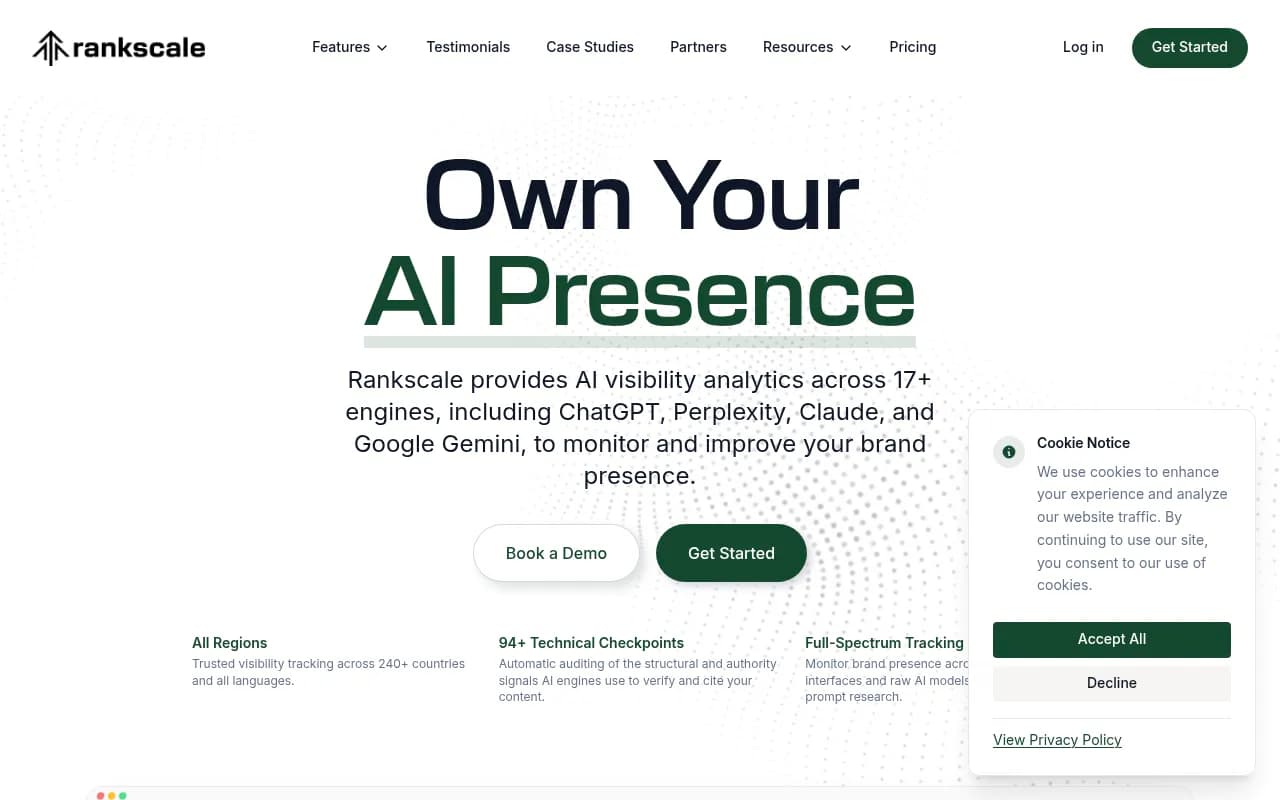
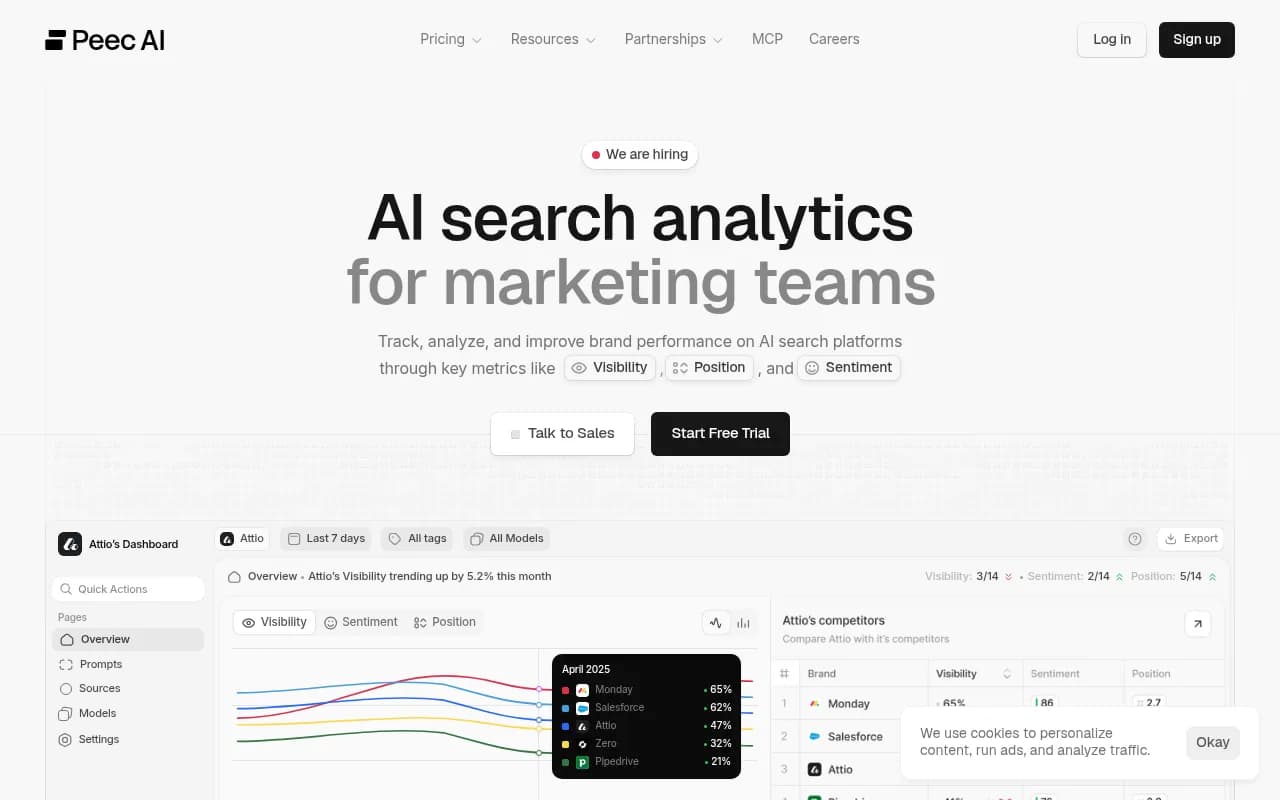
For prompt intelligence and prioritization, Rankscale and Peec AI give you more data on which prompts to focus on.
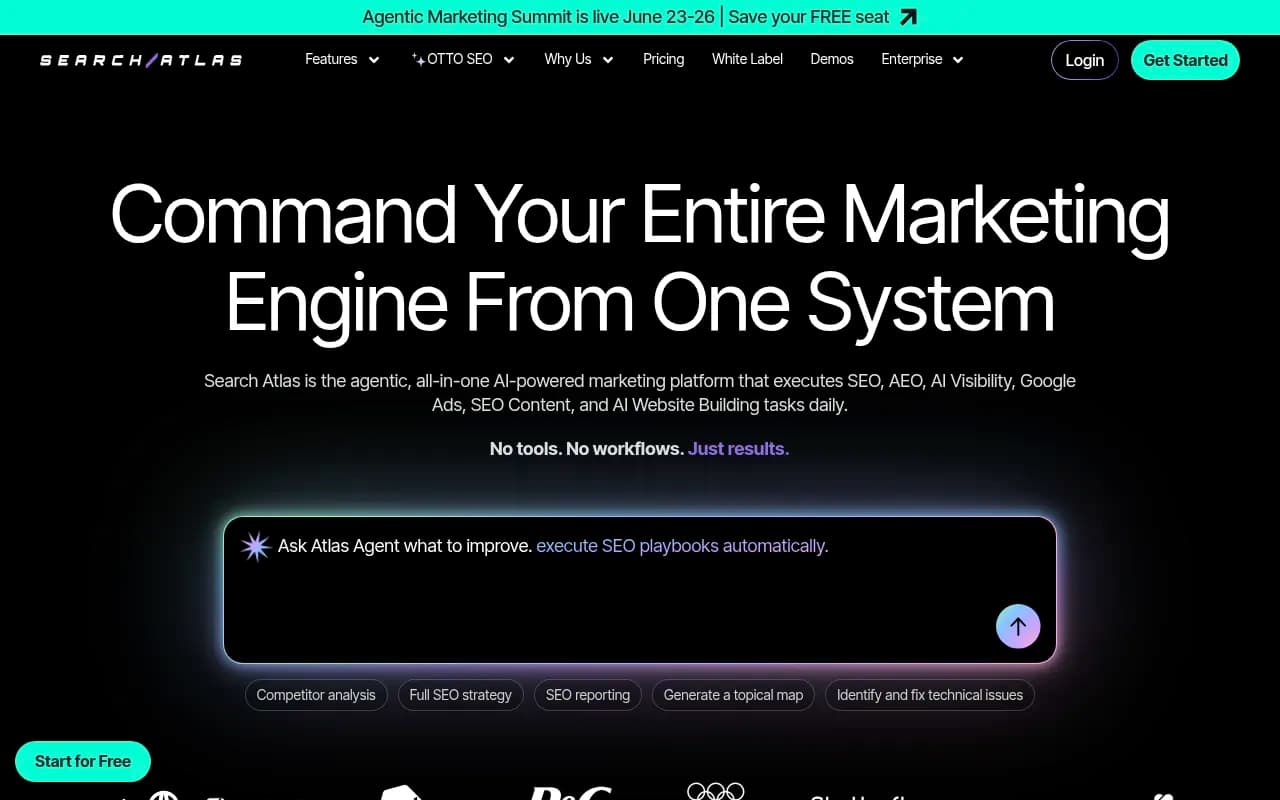
For content optimization alongside monitoring, Search Atlas combines traditional SEO with AI visibility features.
For the full GEO loop -- monitoring, gap analysis, content generation, crawler logs, and traffic attribution -- Promptwatch is the most complete option in the market right now. It's not the cheapest, but it's the only tool where you can go from "we're invisible for this prompt" to "we published content, it got crawled, and now we're being cited" without switching platforms.
The honest verdict
Searchable is a decent entry-level tool. It's clean, it's accessible, and it does what it says. If you want a simple way to check whether your brand is appearing in AI responses, it works.
But "decent entry-level" is a limited compliment in 2026. The AI search landscape has moved fast, and the gap between monitoring-only tools and full optimization platforms has widened. Knowing you're invisible is only useful if you can do something about it.
For teams that are serious about AI visibility as a growth channel, Searchable will feel like a starting point, not a destination. The ceiling is low, and you'll hit it sooner than you expect.
The right question isn't "is Searchable good?" It's "what do I actually need to do with AI visibility data?" If the answer is just "track it," Searchable is fine. If the answer is "improve it," you need something built for that.