Key takeaways
- Searchable is a niche AI visibility tool that works for solo brands but lacks the depth agency teams need to manage multiple clients at scale.
- The five biggest gaps: no AI content generation, no crawler log access, no multi-client reporting, no prompt volume data, and no offsite citation tracking.
- Agencies running GEO programs need a full action loop -- find gaps, create content, track results -- not just a monitoring dashboard.
- Several alternatives cover one or two of these gaps, but Promptwatch is the only platform that covers all five in a single workflow.
There's a pattern that shows up in agency conversations about AI visibility tools. A team picks up Searchable because it's lightweight, the pricing looks reasonable, and it checks the "we're tracking AI search" box. Then three months in, a client asks why their competitor keeps showing up in ChatGPT and they don't. The team opens Searchable, sees the visibility score, and... that's it. There's nothing to do next.
That's the core problem. Searchable is a monitoring tool in a world where agencies need an optimization workflow. And in 2026, with AI search traffic becoming a real line item in client reports, the gap between "we can see the problem" and "we can fix the problem" is costing agencies accounts.
Here are the five specific missing features that keep coming up.
1. No AI content generation tied to gap data
The most valuable thing an AI visibility platform can do for an agency is tell you exactly what content to create -- and then help you create it. Searchable shows you where a brand is invisible. It doesn't do anything about it.
For a solo brand with an in-house content team, that's manageable. You export the data, hand it to a writer, and move on. For an agency managing 15 clients, that workflow breaks immediately. You'd need to repeat the research-to-brief-to-draft cycle for every client, every month, across every AI model they care about.
The platforms that have solved this connect gap data directly to content generation. The brief isn't a generic SEO document -- it's built from real prompt data, competitor citation analysis, and the specific questions AI models are already asking that your client's site can't answer. That's a fundamentally different starting point than "write a blog post about X."
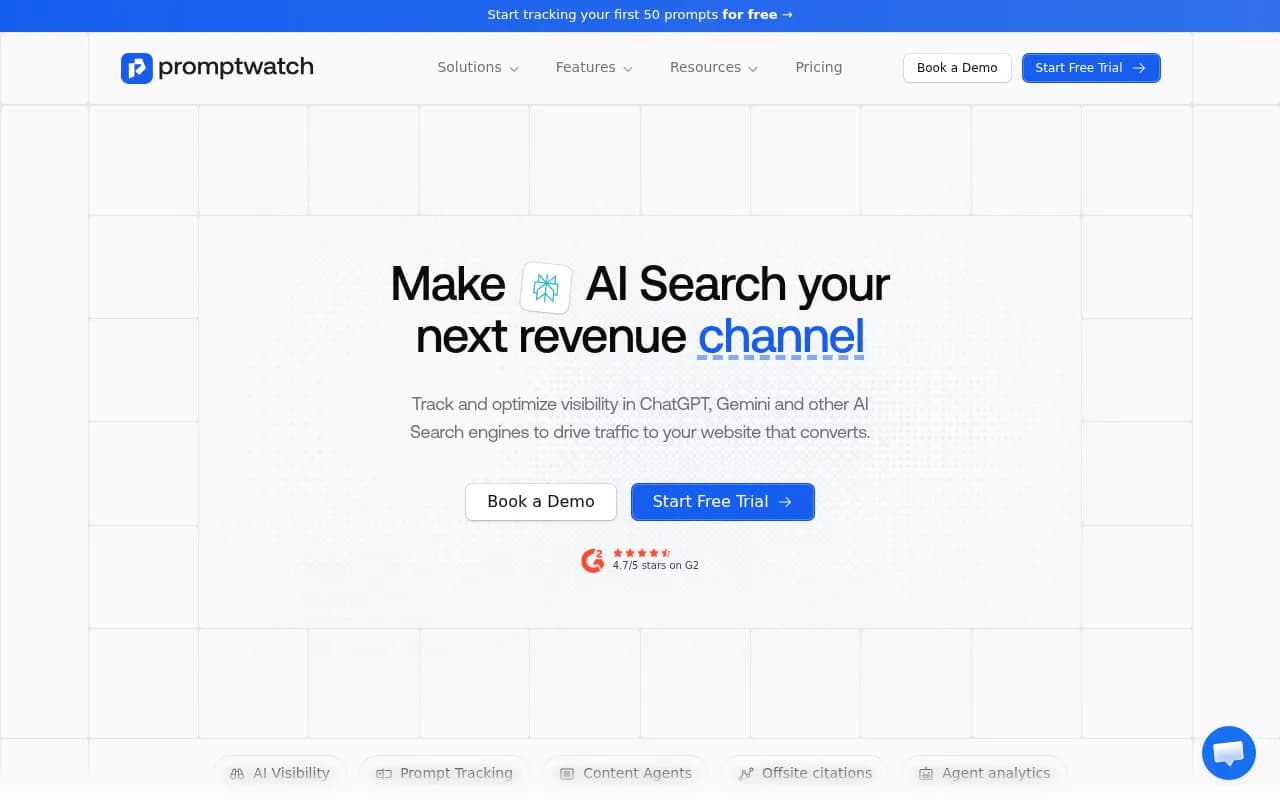
Promptwatch handles this with Content Agents that generate articles, listicles, and comparison pages grounded in actual citation and prompt data. The content is engineered for the gaps, not just keyword-optimized.
2. No crawler log access or AI indexing diagnostics
Here's a question Searchable can't answer: has ChatGPT even crawled your client's website recently? If it has, which pages did it read? Did it hit any errors? When did a page move from "crawled" to "cited"?
This matters more than most agencies realize. A client might have perfectly optimized content that AI models simply aren't finding because of a crawl issue -- a blocked URL, a slow page, a robots.txt misconfiguration. Without crawler log data, you're flying blind on the technical side of AI visibility.
Traditional SEO has had this solved for years through Google Search Console and server log analysis. AI search is still catching up, and most monitoring tools haven't built it yet. Searchable is one of them.
Agencies that have access to AI crawler logs can do things like:
- Identify which pages ChatGPT, Perplexity, and Claude are actively reading vs. ignoring
- Spot crawl errors that are blocking AI indexing
- Track the timeline from when a new page is published to when it first gets cited
- Prioritize technical fixes that will have the fastest impact on visibility
Promptwatch's crawler log feature connects through Cloudflare, Fastly, Vercel, server logs, or a tracking snippet. It's one of the few platforms that treats AI crawling as a technical discipline, not just a visibility metric.
3. No multi-client management or white-label reporting
Searchable wasn't built for agencies. That's not a criticism -- it's just a design choice that has real consequences when you're billing 20 clients for GEO services.
The problems are predictable: you can't easily switch between client workspaces, there's no white-label reporting to send clients, and the data isn't structured in a way that makes monthly reporting efficient. Every client report becomes a manual export-and-format exercise.
Compare that to what agency teams actually need:
| Feature | What agencies need | Searchable | Agency-grade alternatives |
|---|---|---|---|
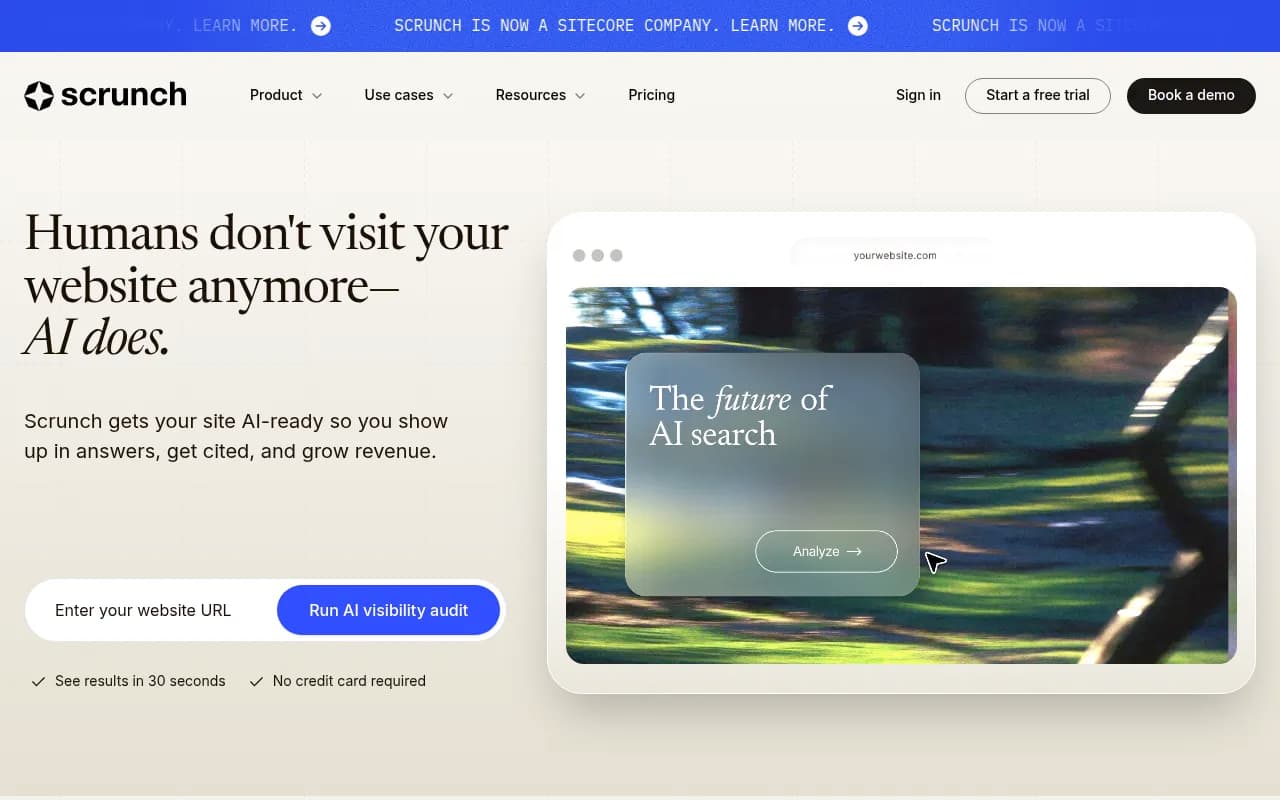
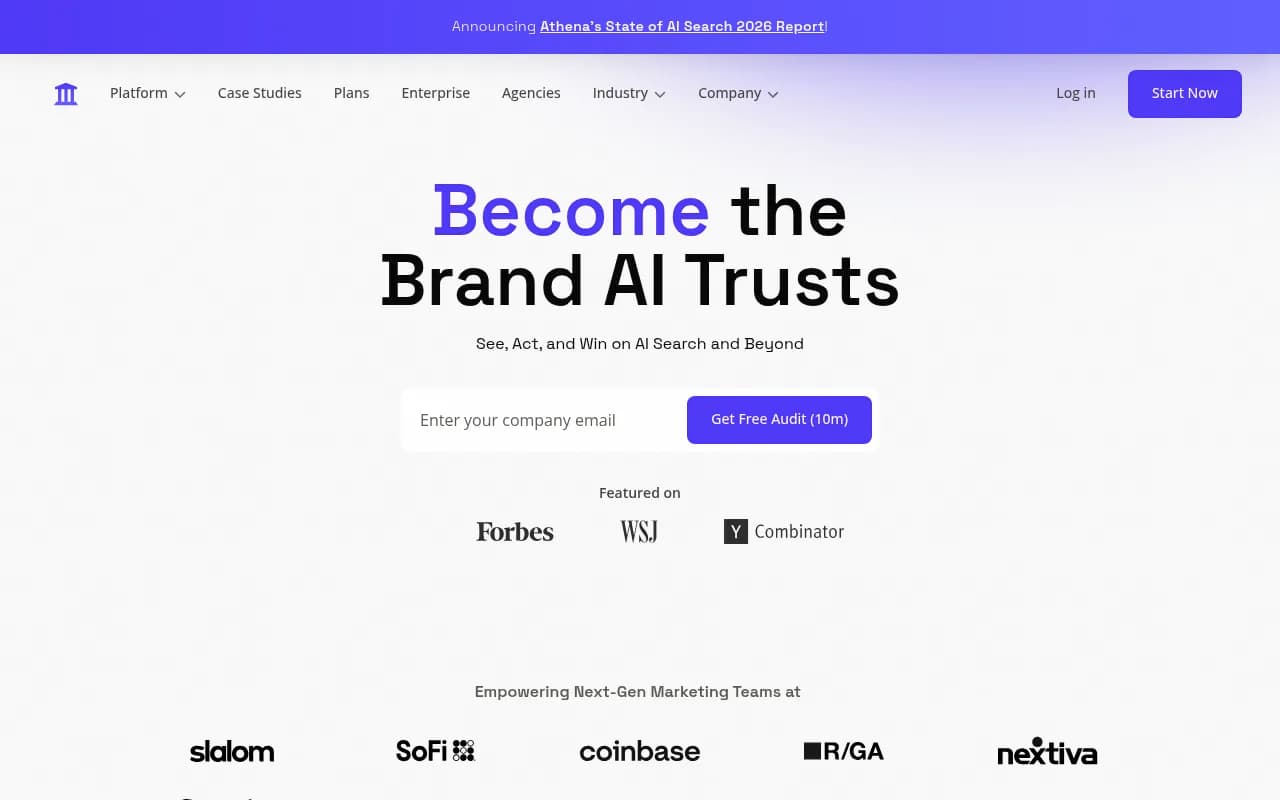
| Multi-client workspaces | Separate tracking per client | Limited | Promptwatch, Search Party, Scrunch AI |
| White-label reports | Branded PDFs or dashboards | No | Promptwatch, Search Party |
| Bulk prompt management | Add/edit prompts across clients | No | Promptwatch |
| API access | Custom reporting pipelines | No | Promptwatch, Profound |
| Looker Studio integration | Client dashboard exports | No | Promptwatch |
The reporting gap alone is enough to make Searchable impractical at agency scale. When a client asks "show me how our AI visibility has changed since we started working together," you need a clean, professional answer -- not a screenshot of a dashboard.
4. No prompt volume data or difficulty scoring
Not all prompts are equal. "Best CRM software" gets asked in AI search engines millions of times a month. "Best CRM for small nonprofits in the Netherlands" gets asked far less. Knowing which prompts to prioritize -- and which ones are actually winnable -- is the difference between a GEO strategy and a GEO guessing game.
Searchable tracks whether your brand appears in responses to a given prompt. It doesn't tell you how often that prompt is asked, how competitive it is, or how it branches into related sub-queries. That means agencies are choosing which prompts to track based on intuition rather than data.
Prompt Intelligence -- volume estimates, difficulty scores, and query fan-outs -- is what separates platforms built for optimization from platforms built for monitoring. A query fan-out shows how a single prompt like "best project management tool" branches into sub-queries like "best project management tool for remote teams," "best project management tool for agencies," and "best free project management tool." Each branch is a separate content opportunity.
Without this data, you're optimizing in the dark. With it, you can prioritize the prompts that will move the needle fastest for each client.
5. No offsite citation tracking or Reddit/YouTube insights
A significant portion of AI visibility doesn't come from your own website. It comes from third-party sources: Reddit threads, YouTube videos, listicles on review sites, mentions in industry publications. When ChatGPT recommends a product, it's often pulling from a combination of the brand's own content and what the broader web says about them.
Searchable focuses on your owned content. It doesn't track which external sources are driving AI citations for your clients -- or for their competitors.
This is a meaningful blind spot. If a competitor is winning AI visibility because they're being cited in a popular Reddit thread or a YouTube review that gets referenced constantly, you'll never know from Searchable. You can't replicate what you can't see.
For agencies doing full-service GEO, offsite citation analysis is table stakes. You need to know:
- Which Reddit discussions are influencing AI recommendations in your client's category
- Which YouTube videos are being cited by AI models as authoritative sources
- Which third-party review sites and listicles are driving the most AI citations
- Where competitors are being mentioned that your client isn't
This shapes the outreach and PR strategy, not just the content strategy. Getting a client mentioned in the right Reddit thread or review site can move their AI visibility faster than publishing ten new blog posts.
How the gaps compound for agency teams
Each of these five gaps is a problem on its own. Together, they describe a platform that can tell you where you stand but can't help you move. For a solo brand doing light monitoring, that might be acceptable. For an agency that's billing clients for GEO strategy and execution, it's not.
The workflow an agency actually needs looks like this:
- Track visibility across all clients and AI models
- Identify which prompts competitors are winning that clients aren't
- Understand why -- is it a content gap, a crawl issue, or an offsite citation problem?
- Prioritize the highest-volume, most winnable prompts
- Generate content that directly addresses the gaps
- Track whether the new content gets crawled, indexed, and cited
- Report the results to clients in a clean, professional format
Searchable covers step one, partially. That's it.
What to use instead
The honest answer is that no single tool is perfect for every agency. But here's how the main options stack up against the five gaps:
| Platform | Content generation | Crawler logs | Multi-client | Prompt volume | Offsite citations |
|---|---|---|---|---|---|
| Promptwatch | Yes | Yes | Yes | Yes | Yes |
| Profound | No | No | Yes | Partial | No |
| Scrunch AI | No | No | Yes | No | No |
| Search Party | No | No | Yes | No | No |
| AthenaHQ | No | No | Limited | No | No |
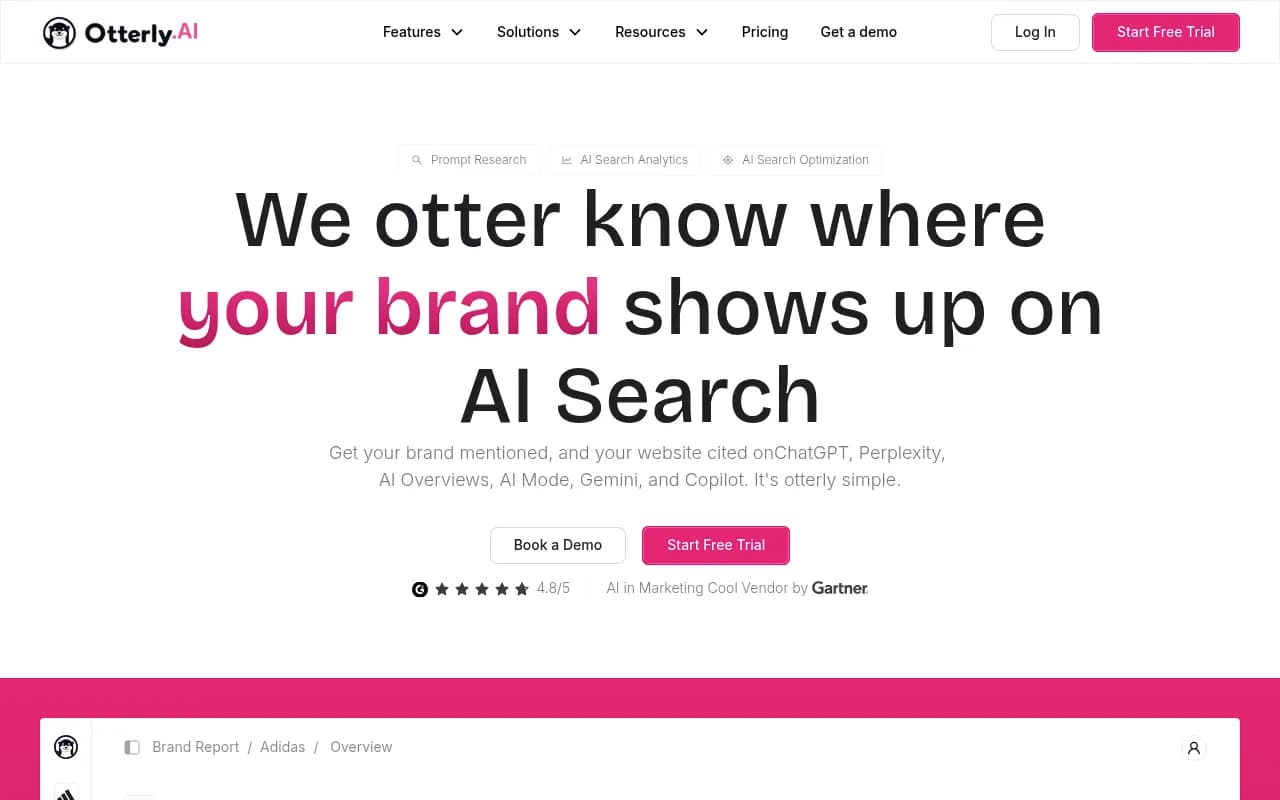
| Otterly.AI | No | No | Limited | No | No |
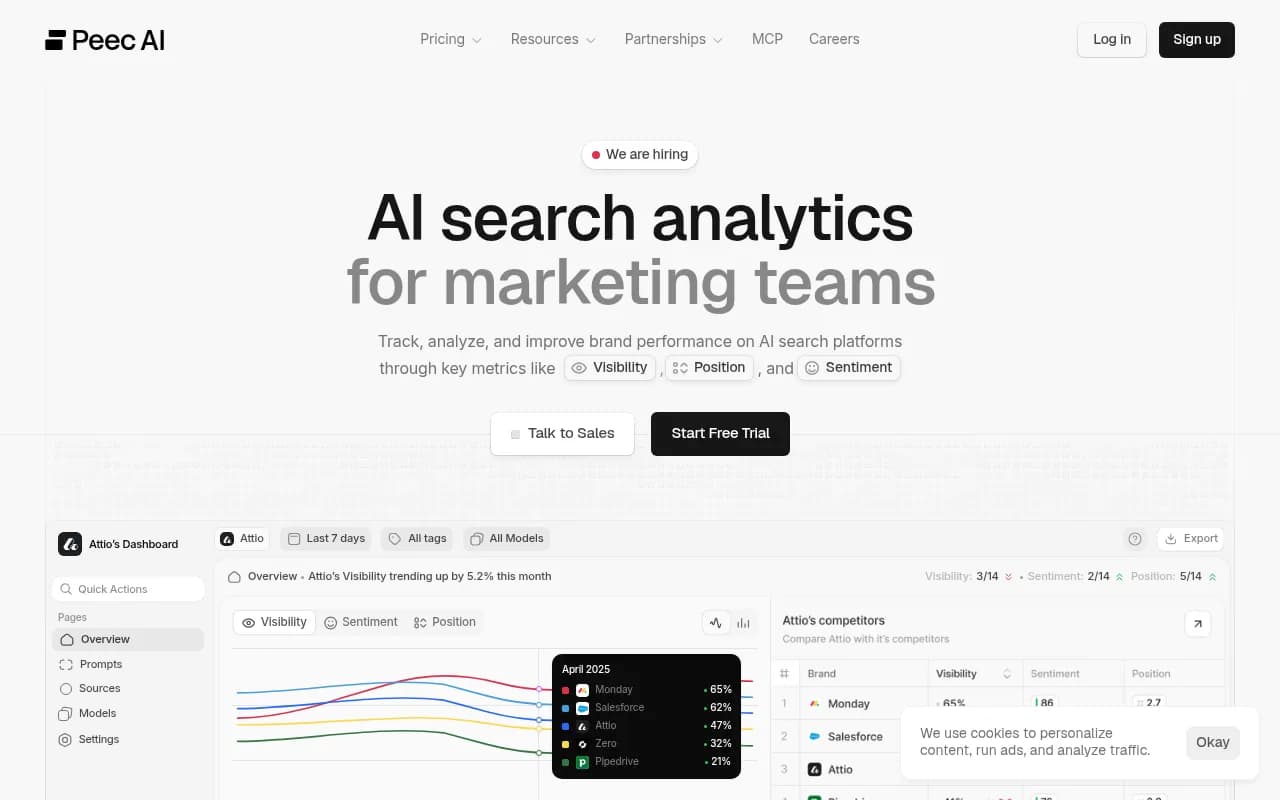
| Peec AI | No | No | Limited | No | No |
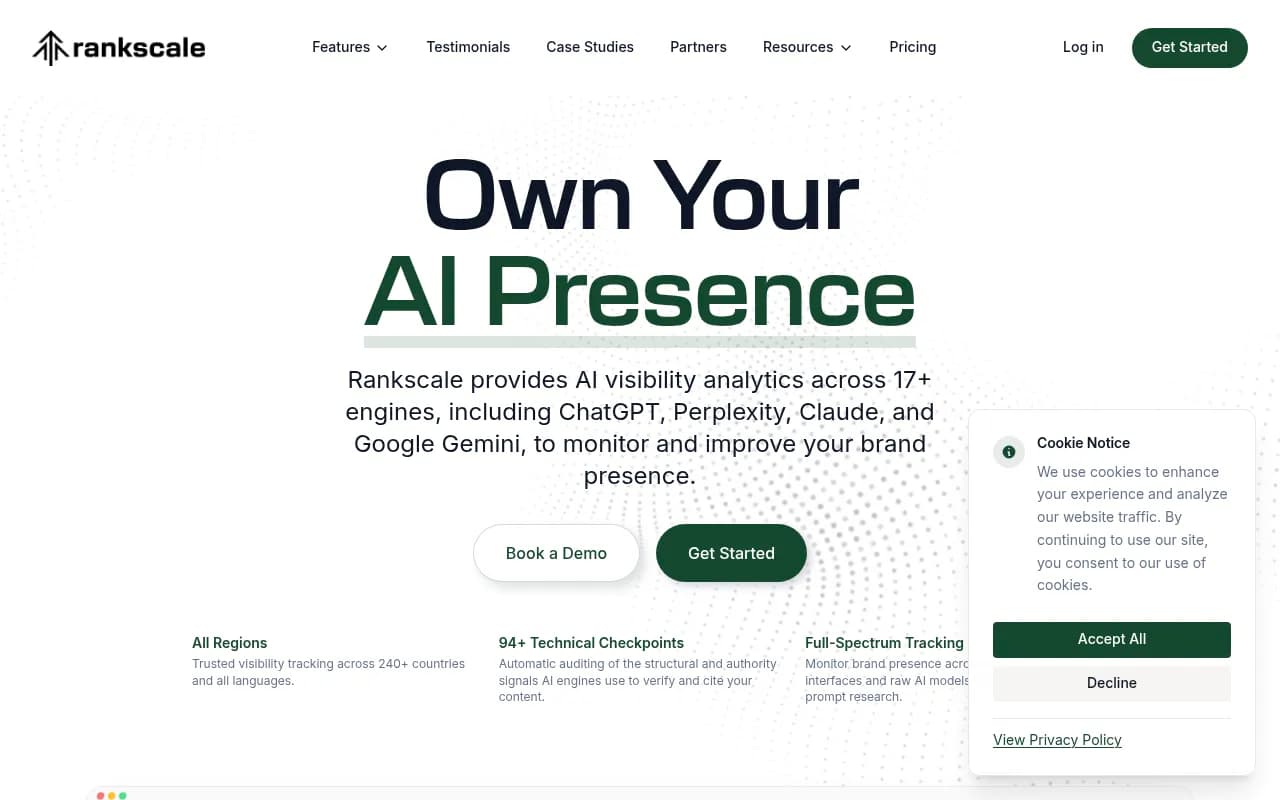
Promptwatch is the only platform that covers all five. The action loop -- find gaps, generate content, track results -- is built into the product rather than bolted on. For agencies that need to show clients a clear line from "here's where you're invisible" to "here's the content we created" to "here's how your visibility improved," that end-to-end workflow matters.
Pricing starts at $99/month for a single site, with the Professional plan at $249/month covering two sites, 150 prompts, crawler logs, and 15 articles per month. Agency and enterprise pricing is available for teams managing larger client rosters.
A note on Searchable's actual strengths
To be fair: Searchable isn't a bad tool. It's a simple, accessible way for a brand to start tracking AI visibility without a steep learning curve or a large budget. If you're a small brand that just wants to know whether you're showing up in ChatGPT and Perplexity, it does that job.
The problem is that "just monitoring" stops being enough the moment a client asks you to improve their visibility, not just measure it. That's when the gaps become walls.
Agencies in 2026 are being asked to own AI visibility the same way they've owned SEO for the past decade. That means strategy, execution, reporting, and results. A monitoring-only tool can't support that scope -- and switching later, after you've already built client expectations around a limited workflow, is harder than getting the right platform from the start.
The AI search channel is real, it's growing, and clients are starting to ask pointed questions about it. The agencies that will hold those accounts are the ones that can answer those questions with data, content, and results -- not just a visibility score that doesn't move.