Key takeaways
- Most Searchable cancellations in 2026 come down to the same frustration: the platform shows you data but doesn't help you do anything with it
- Teams that left report moving to platforms with content generation, crawler logs, and prompt-level analytics -- capabilities Searchable doesn't offer
- The GEO tool market has matured fast; "monitoring only" is no longer a competitive position
- Several teams that cancelled describe a pattern: they outgrew Searchable as AI search became a real revenue channel, not just a reporting metric
- The best replacement depends on your team size, whether you need content creation, and how many AI models you want to track
There's a specific kind of frustration that builds slowly. You log into a dashboard, you see your brand mentioned (or not mentioned) in AI responses, you export a CSV, and then... you go figure out what to do about it yourself. That's the Searchable experience for a lot of teams in 2026, and it's why cancellation threads have started appearing across Slack communities, LinkedIn posts, and marketing forums.
This guide collects what those teams actually said -- why they left, what they tried next, and whether the grass turned out to be greener.
Why teams cancel Searchable in 2026
Searchable isn't a bad product. It tracks AI citations, it shows brand mentions across a handful of models, and for teams that are just starting to think about AI search visibility, it does the job. The problem is that "just starting to think about it" describes fewer and fewer teams in 2026. AI search is now a real traffic and revenue channel. Perplexity, ChatGPT, Google AI Mode, and Gemini are sending meaningful clicks. The question has shifted from "are we being mentioned?" to "why aren't we being mentioned for these prompts, and what do we publish to fix it?"
Searchable doesn't answer that second question. It's a monitoring tool, and monitoring-only is a position that's getting harder to defend.
The specific complaints that come up most often:
- No content gap analysis. Teams can see they're losing to a competitor for a given prompt, but there's no workflow to identify what content would close that gap.
- No crawler logs. When AI models aren't citing a page, there's no way to know if it's a crawling issue, a content issue, or something else entirely.
- Prompt coverage is limited. Teams running campaigns across multiple regions or languages hit the ceiling fast.
- No content generation. Every insight requires a manual handoff to a writer or a separate tool.
- Reporting feels static. The dashboards look fine, but they don't connect visibility changes to traffic or revenue.
One recurring theme: teams that started with Searchable when AI visibility was a "nice to have" metric found themselves needing a proper optimization workflow once it became a real channel. The tool didn't grow with them.
The moment teams decided to leave
The cancellation decision usually isn't a single event. It's a slow accumulation. But a few triggers come up repeatedly.
The most common: a competitor starts appearing in AI responses for prompts that should belong to your brand, and you have no way to understand why or fix it. You can see the gap in Searchable. You just can't close it from inside the platform.
A second trigger is the content team asking "so what do we actually write?" after a visibility review. If the answer is "I'll export this and we'll figure it out in a separate meeting," that's a workflow problem. Teams that are publishing content specifically to improve AI visibility need the analysis and the content brief in the same place.
A third trigger is the crawler question. When a page you published three weeks ago still isn't being cited, you want to know if AI crawlers have even visited it. Without crawler logs, you're guessing.
What teams switched to
The replacements fall into a few categories depending on what the team was missing.
Teams that needed the full optimization loop
The most common landing spot for teams that outgrew Searchable is a platform that connects monitoring to content creation to tracking. Promptwatch comes up most often in this category -- it's built around the idea that visibility gaps are only useful if you can act on them.
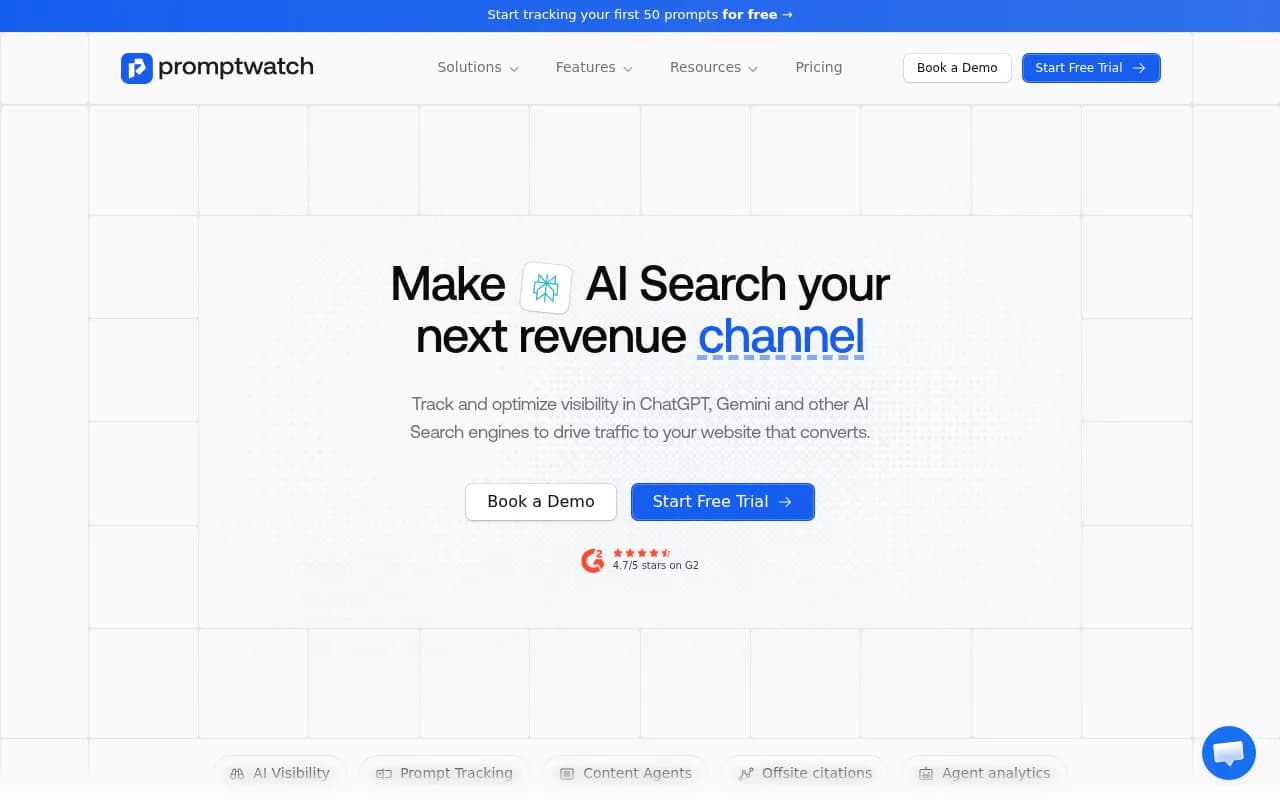
The workflow that teams describe: Answer Gap Analysis shows which prompts competitors are winning that you're not. Content Agents then generate articles, listicles, or briefs grounded in that prompt data. Page-level tracking shows when new content starts getting cited, and by which models. The whole loop -- find the gap, create the content, watch the citations come in -- happens inside one platform. That's a meaningfully different experience from exporting a CSV and starting over in a separate tool.
Promptwatch also has crawler logs, which turns out to matter more than teams expect. Knowing that a page has been crawled by the Perplexity bot but hasn't been cited yet is a different problem than knowing it hasn't been crawled at all. Most monitoring tools, Searchable included, can't tell you which situation you're in.
Teams that wanted monitoring with more depth
Some teams didn't need content generation -- they had writers. What they needed was better data: prompt volumes, difficulty scores, competitor heatmaps, and multi-model tracking that went beyond the handful of AI engines Searchable covers.
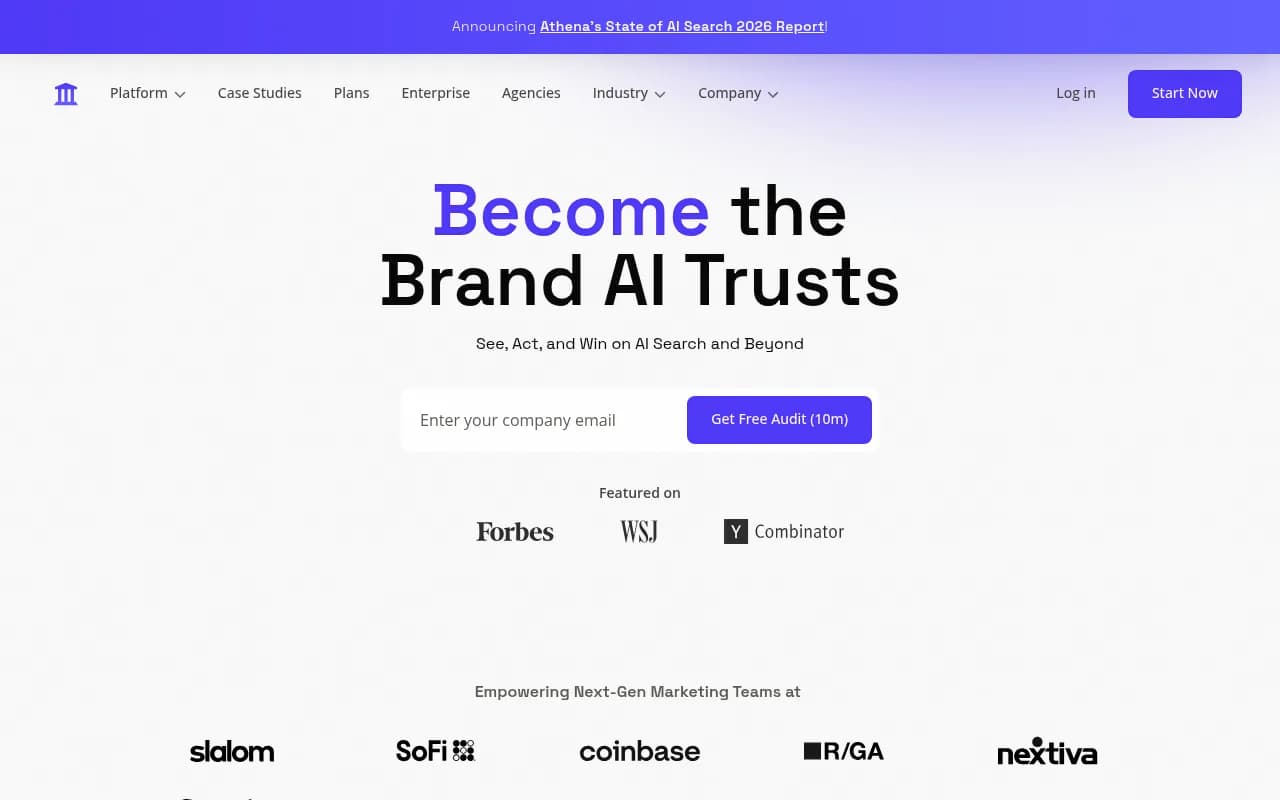
AthenaHQ gets mentioned in this context, though teams note it's still primarily a monitoring platform and doesn't solve the content workflow problem.
Profound comes up for enterprise teams that need deeper analytics and are willing to pay for it.
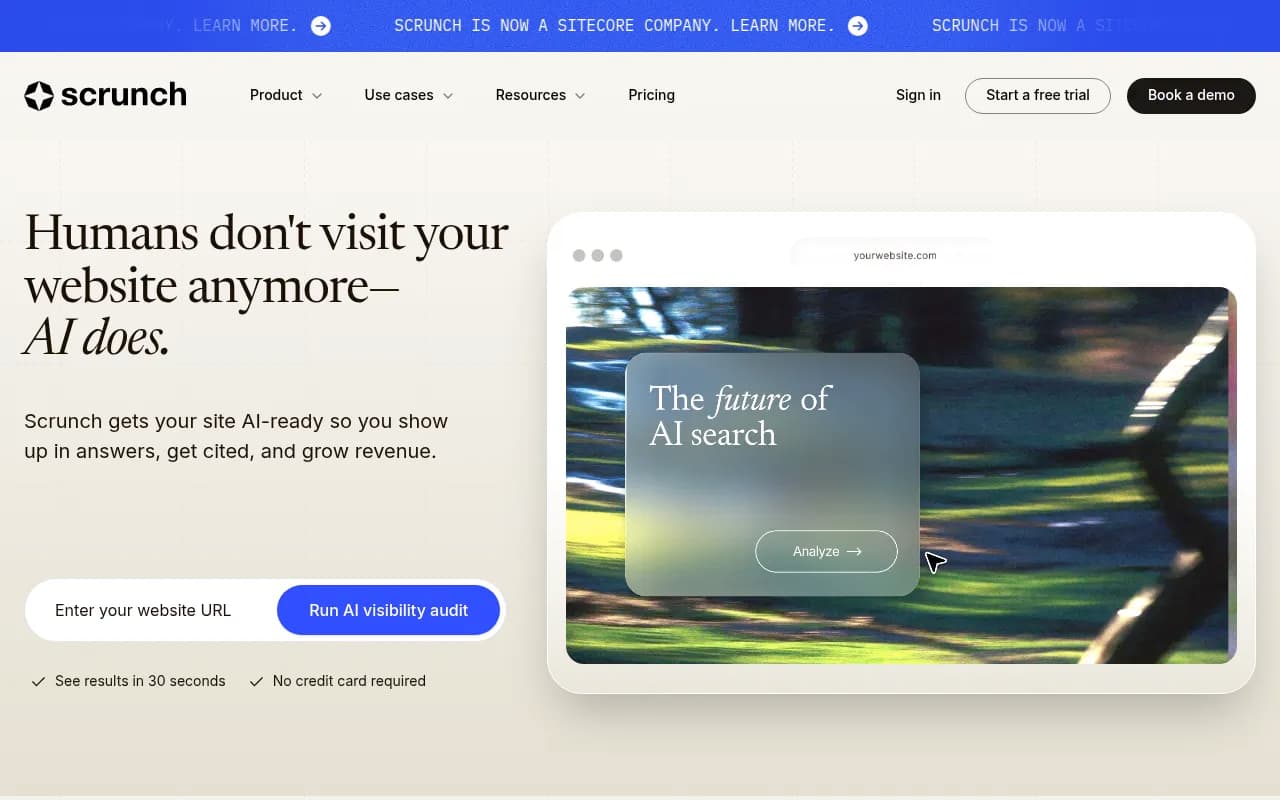
Scrunch AI is another option that appears in these conversations, particularly for agency teams managing multiple clients.
Teams that needed something lighter and cheaper
Not every team that leaves Searchable is looking for more power. Some are looking for less cost. A few tools fill this space.
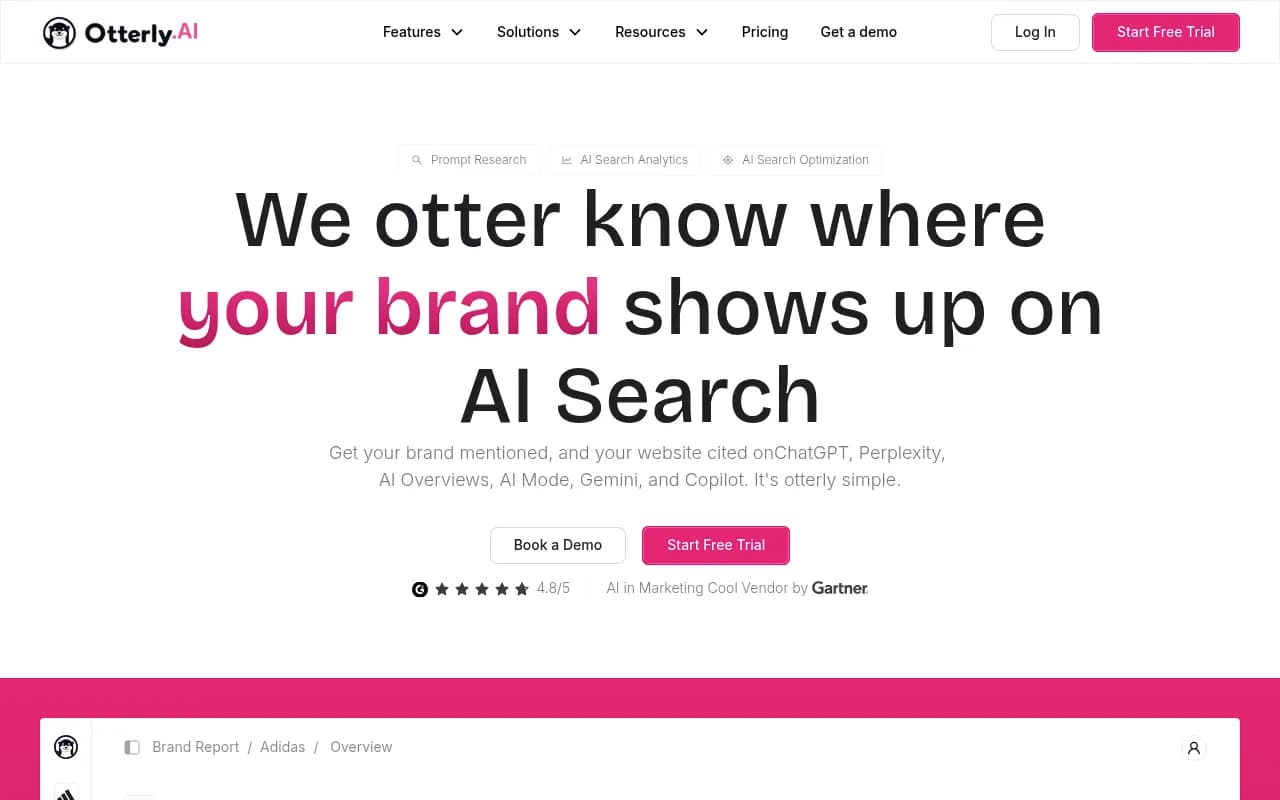
Otterly.AI is the most frequently mentioned budget-friendly option. It's monitoring-only, but it's honest about that and priced accordingly.
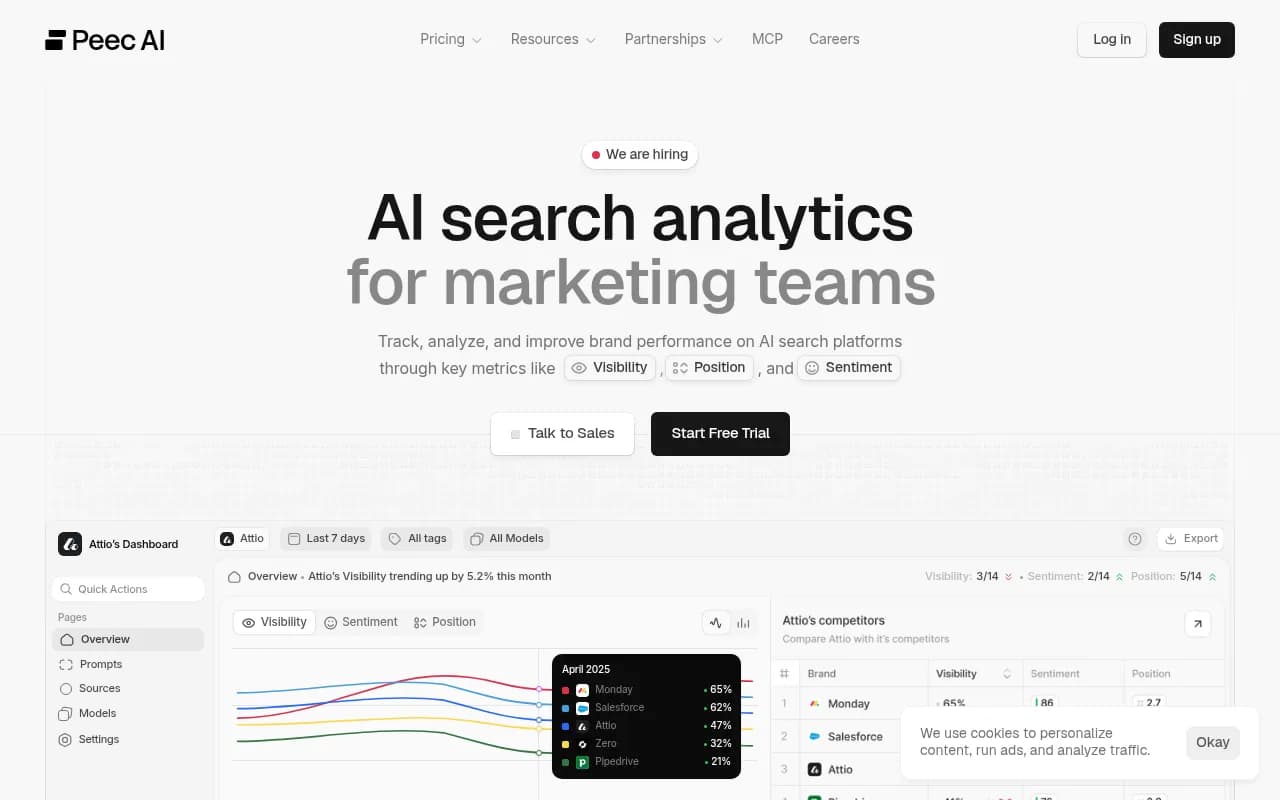
Peec AI sits in a similar position -- solid tracking, limited action capabilities, but a lower price point that works for smaller teams.
The honest caveat: if the reason you're leaving Searchable is that monitoring-only isn't enough, switching to another monitoring-only tool at a lower price doesn't solve the problem. It just costs less to have the same problem.
Teams that wanted SEO and AI visibility in one place
A meaningful segment of Searchable cancellations comes from teams that were using it alongside a traditional SEO tool and got tired of managing two separate platforms. For them, the question became: is there an SEO platform that handles AI visibility well enough to consolidate?
Semrush has added AI visibility features, though the prompts are fixed rather than customizable and there's no AI traffic attribution.
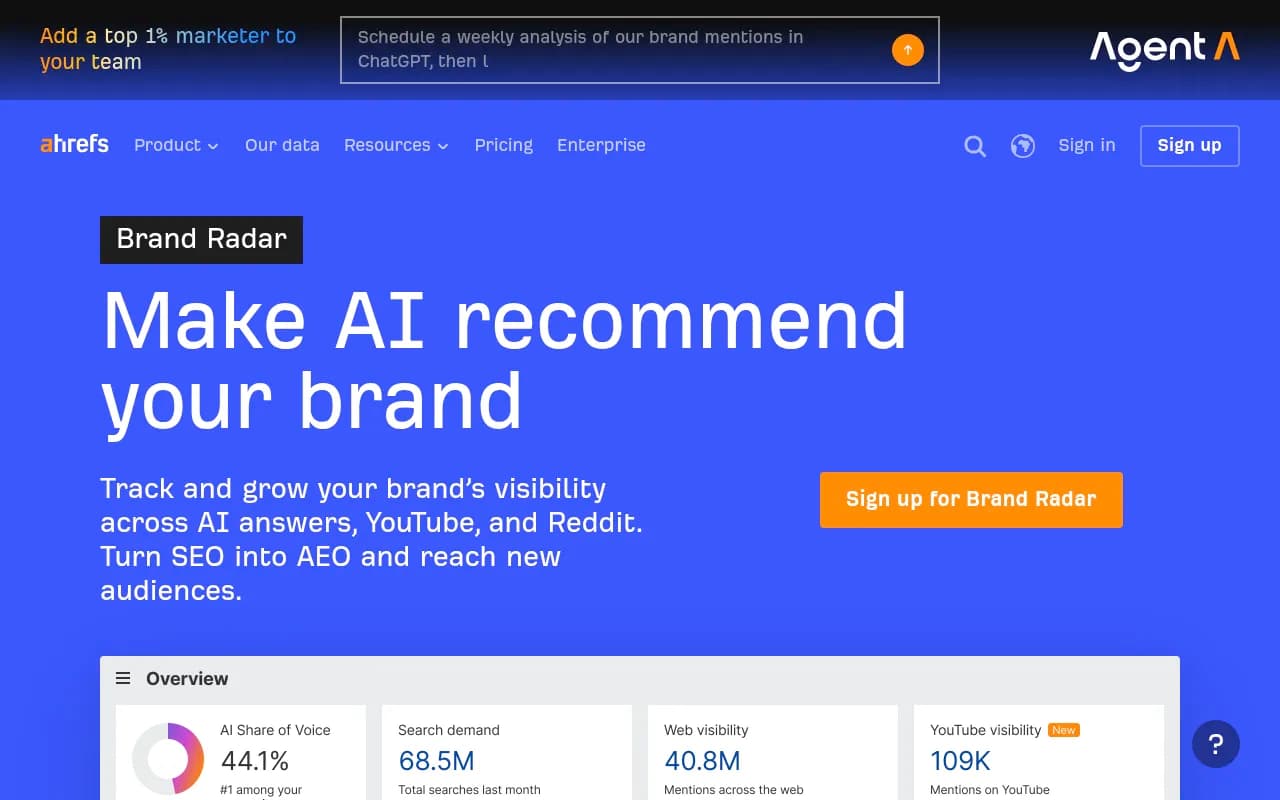
Ahrefs Brand Radar tracks brand mentions across AI engines, but similarly uses fixed prompts and doesn't connect to traffic data.
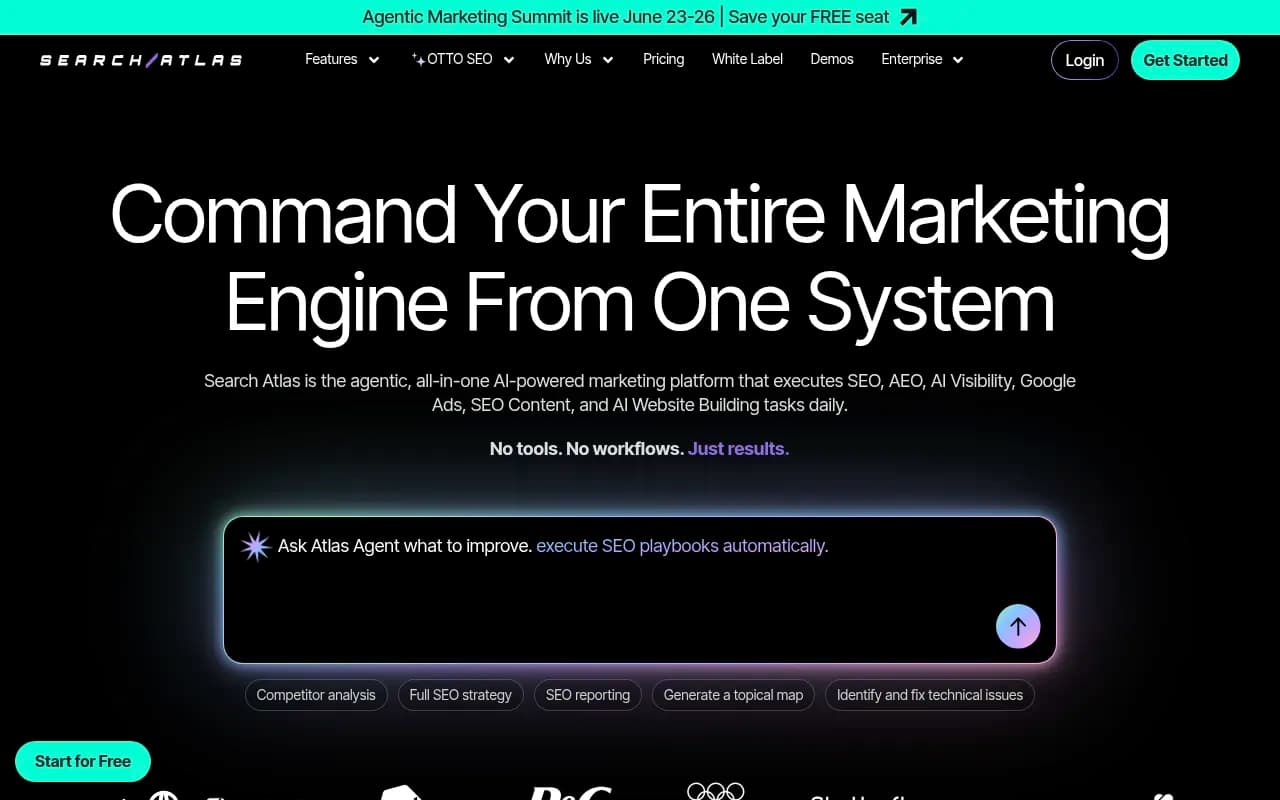
Search Atlas is worth mentioning here -- it covers both traditional SEO and AI visibility and has been adding GEO features actively in 2026.
How the alternatives actually compare
Here's a direct comparison of the tools teams most commonly land on after leaving Searchable:
| Platform | Monitoring | Content generation | Crawler logs | Prompt customization | Pricing starts at |
|---|---|---|---|---|---|
| Promptwatch | Yes | Yes (Content Agents) | Yes | Yes | $99/mo |
| AthenaHQ | Yes | No | No | Yes | Custom |
| Profound | Yes | No | No | Yes | Custom |
| Scrunch AI | Yes | No | No | Yes | Custom |
| Otterly.AI | Yes | No | No | Limited | ~$49/mo |
| Peec AI | Yes | No | No | Limited | ~$49/mo |
| Semrush | Partial | No | No | Fixed prompts | $139/mo |
| Ahrefs Brand Radar | Partial | No | No | Fixed prompts | Included in Ahrefs |
| Search Atlas | Yes | Yes | No | Yes | $99/mo |
The pattern is pretty clear: most alternatives to Searchable are also monitoring-only. If that's the gap that drove you out, the table above tells you which platforms actually break that pattern.
What teams found on the other side
The honest answer is: it depends on what they were looking for.
Teams that moved to a full optimization platform -- one with content generation and crawler logs -- generally report that the workflow change is bigger than they expected. Not in a bad way. It's more that they didn't realize how much time they were spending on the manual handoff between "here's what we're missing" and "here's what we're going to write about it." Collapsing that into one platform turns out to save a meaningful amount of time.
Teams that moved to a cheaper monitoring tool report... roughly the same experience they had with Searchable, at lower cost. Which is fine if cost was the primary issue.
Teams that consolidated into an SEO platform with AI features report mixed results. The AI visibility data tends to be less granular -- fixed prompts, no crawler logs, no prompt volume estimates -- but having everything in one place has real value for smaller teams that can't manage multiple tools.
One thing that comes up consistently across all the switchers: the teams that are happiest are the ones that were clear about why they were leaving before they chose a replacement. "We need to publish content that ranks in AI search and track whether it's working" is a different problem than "we need to cut our tool budget." Both are valid. They just point to different solutions.
A note on the broader context
It's worth acknowledging that the frustration driving Searchable cancellations isn't unique to Searchable. The whole category of "AI visibility monitoring" is going through a version of what happened to web analytics tools a decade ago: the first generation of tools was built to answer "what's happening?" and teams quickly started asking "what should I do about it?"
The platforms that are winning in 2026 are the ones that answer both questions. The ones that only answer the first are losing customers to the ones that do both -- regardless of how good their monitoring data is.
If you're evaluating whether to stay or go, the most useful question isn't "does this tool track the right things?" It's "does this tool help me act on what it tracks?" If the answer is no, you already know what the next step is.
Before you cancel: things worth checking
A few things worth doing before pulling the plug on any AI visibility tool:
- Make sure you've actually set up the prompts that matter to your business. Generic prompts give generic data. If you haven't customized your prompt set, the tool might be more useful than it looks.
- Check whether there's a plan tier with features you haven't tried. Some platforms gate content briefs or competitor analysis behind higher tiers.
- Talk to your account manager if you have one. Not because they'll change your mind, but because the conversation sometimes surfaces features you didn't know existed.
- Be clear about what you actually need before you start evaluating alternatives. The comparison table above is only useful if you know which column matters most to you.
If you've done all of that and the tool still isn't helping you close visibility gaps -- not just see them -- then the cancellation is probably the right call.