Key takeaways
- The EU AI Act follows the AI system and its output, not the company's headquarters. A US vendor and an EU vendor face the same jurisdictional test.
- Most AI visibility tools monitor AI answers. They are unlikely to be high-risk systems under Annex III, so the Act is a weak differentiator between vendors. That is my inference, not a legal opinion.
- The August 2026 high-risk deadline no longer applies. Regulation (EU) 2026/1744 pushed stand-alone high-risk systems to December 2, 2027 and embedded ones to August 2, 2028.
- What actually separates vendors is GDPR handling, data processing terms, hosting region and accredited security certification such as ISO/IEC 27001.
- Nobody in the research I reviewed published verified data-residency details. Ask for them in writing.
The short answer
Company location is a weak signal. It is a starting point for a conversation, not a verdict.
A Dutch vendor is not automatically GDPR-safe, and a US vendor is not automatically a problem. What matters is what data the tool collects from you, where it is processed, who the sub-processors are, and what paper backs the claims. Headquarters is only a proxy for those things, and a noisy one.
The rest of this guide explains why, then gives you a checklist you can send to any vendor.
What the EU AI Act actually says about location
The Act has extraterritorial reach. Per the European Commission's own FAQ on Article 50, transparency duties apply to providers irrespective of whether they are established or located within the EU or in a third country. Law firms and compliance vendors say the same thing in blunter language. The eyreACT guide puts it as: the Act follows the system, not the company.
In practice the triggers are:
- You place an AI system on the EU market.
- You put an AI system into service in the EU.
- The output of your system is used in the EU.
- You provide a general-purpose AI model that gets integrated into downstream systems operating there.
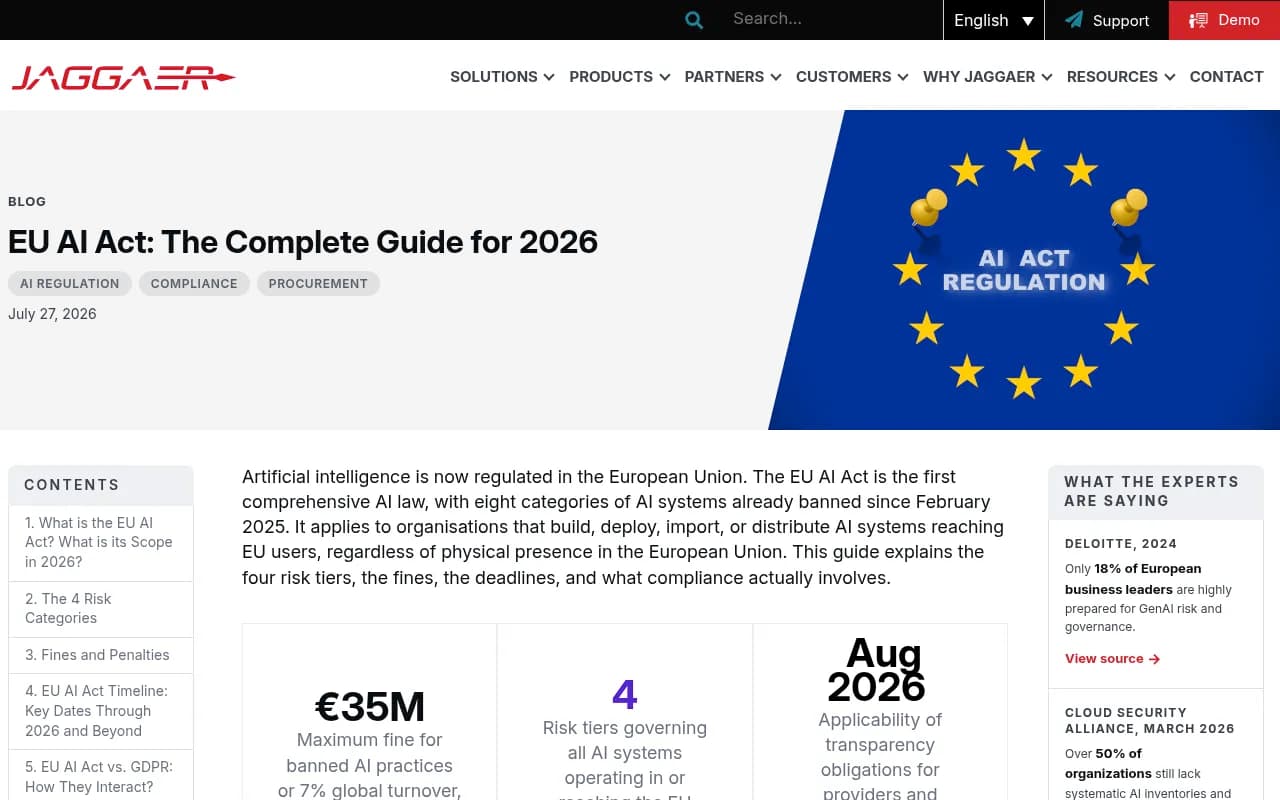
Notice that none of these require an office in Europe. The JAGGAER guide gives an example: a US employer using an AI tool to assess candidates in the EU is potentially covered without any EU legal entity.
So on the jurisdiction question, EU vs US headquarters gives you no free pass in either direction. Both kinds of vendor are in scope if the output reaches EU users.
The timeline changed, and older articles are stale
If you read a piece from spring 2026, it probably says August 2, 2026 is the big deadline. The Holland & Knight note from April 28, 2026 described the delay as pending, which was accurate then.
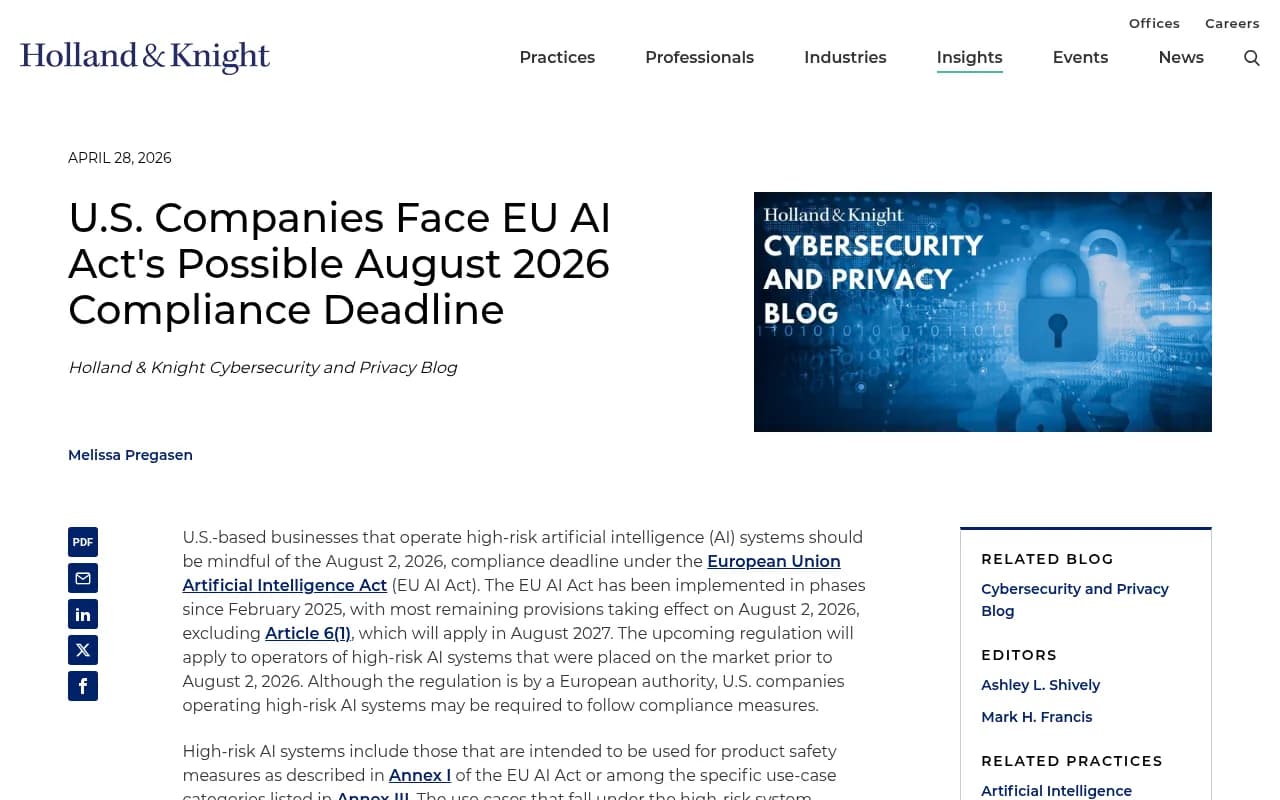
It is outdated now. The Digital Omnibus on AI became law: Parliament voted 423 to 57 (174 abstentions) on June 16, 2026, the Council gave final approval on June 29, and Regulation (EU) 2026/1744 was published on July 24 and entered into force July 27.
| Obligation | New date |
|---|---|
| Stand-alone high-risk systems | December 2, 2027 |
| High-risk systems embedded in products | August 2, 2028 |
| National regulatory sandboxes | December 2, 2027 |
| Transparency grace period for generative AI already on the market | December 2, 2026 |
The Cloud Security Alliance's research note makes a point worth remembering: the delay is not a repeal, and some obligations stay enforceable regardless. I have not verified exactly which ones, so have counsel check the specifics for your use case.
Is an AI visibility platform even high-risk?
Probably not. High-risk categories in Annex III cover biometrics, critical infrastructure, education, employment, essential services like credit scoring and insurance, law enforcement, migration and justice. A tool that sends prompts to ChatGPT or Perplexity and records which brands are mentioned does not decide anything about a person's job, loan or schooling.
That is why I would treat the AI Act as a minor factor when comparing, say, Peec AI against Profound. Where it can bite is transparency duties if a vendor generates content (articles, images) and you publish it. Those fall under Article 50 and apply to US and EU providers alike.
Two cases where you should look harder:
- You feed the tool data about individuals, for example customer reviews tied to named people, or prompts that include personal data.
- You use the platform's output in a regulated workflow, such as employment screening content. Then you may be a deployer with your own duties.
What actually differs: GDPR, data flows and assurance
This is where I would spend the diligence time. AI visibility platforms handle less personal data than most martech, but not none.
What data leaves your company
Think through each feature separately:
- Prompt tracking. You send brand names, competitor names and prompts. Usually low sensitivity.
- Visitor analytics. A tracking script or tag collects AI-referred visits. That can involve IP addresses and device data, so it is personal data under GDPR. You need a lawful basis and consent handling.
- AI crawler logs. This means sending server or CDN logs to a vendor. Promptwatch's crawler analytics works with Cloudflare, Vercel, Fastly and raw server logs, and its ISO 27001 write-up says records are limited to 10 fields per bot request. Whatever tool you use, treat log ingestion as a data-processing decision, and check which fields leave your infrastructure.
- CMS and Search Console connections. These grant access to your content and search data. Check scopes and who can revoke them.
What the vendors say
Here is what I could source, and what I could not.
| Vendor | HQ signal | Compliance claim found | Verified? |
|---|---|---|---|
| Promptwatch | Amsterdam, NL (Promptwatch B.V.) | ISO/IEC 27001:2022 certified Oct 26, 2026 by ProCertify (RvA-accredited), valid to Oct 26, 2029 | Vendor-published certificate details |
| Peec AI | Europe, positioned as GDPR-native | Enterprise tier lists SSO and "full GDPR compliance" | Vendor claim plus third-party review |
| Profound | US vendor, HQ not stated in my sources | Prompt volume panels described as double-opt-in, GDPR and CCPA-compliant | Third-party description, hosting and DPA not checked |
| BrightEdge, Conductor, Similarweb | Various | Own ISO 27001 certificate found | Per a vendor-run check |
That last row comes from a check Promptwatch ran on 17 AI visibility and SEO platforms on October 26, 2026. It is a vendor-run comparison, so read it as a lead, not an audit. In that check Ahrefs was reported by a third-party case study as certified, and Profound's certificate was not found on its public security pages, though the page was cut off, so that is inconclusive.
What I did not find, for any vendor: hosting region, sub-processor lists, Standard Contractual Clauses, or EU-US Data Privacy Framework status. I did not read any vendor trust centres. Do not assume either way.
EU-based vs US-based: the honest comparison
| Factor | EU-based vendor | US-based vendor |
|---|---|---|
| AI Act scope | In scope if output used in EU | Same |
| GDPR applies | Yes, directly | Yes, via Article 3 if processing EU data |
| International transfers | Often none, if hosting stays in EU | Needs SCCs or DPF coverage, and you should check which |
| Regulator access | Local supervisory authority | Appoints an EU representative in some cases |
| Security certification | Varies by vendor | Varies by vendor |
| Procurement comfort | Often easier with EU legal teams | May need extra review |
The real advantage of an EU-based vendor is simpler transfer analysis. If data stays in the EEA, you skip a layer of legal work after Schrems II. But an EU company that hosts on a US cloud provider, or uses US sub-processors for analytics and email, brings the transfer question back. Headquarters tells you who signs the contract. It does not tell you where the bytes live.
On the other side, many US vendors have invested heavily in SOC 2, ISO 27001 and DPF participation, and some are more mature than smaller EU startups. A young EU vendor with a good GDPR pitch and no accredited certificate is not safer than a US vendor with both.
Certifications: read the fine print
ISO/IEC 27001 is the most useful single signal for procurement teams, but it is easy to be fooled. The pitfalls listed in Promptwatch's certification post are sound regardless of who is selling:
- Check the certificate's scope. It may cover one office or one product, not the platform you are buying.
- "Aligned with" or "compliant with" ISO 27001 is weaker than an accredited certificate.
- 2013-version certificates stopped being valid after October 31, 2025.
- A certificate does not replace reading the data processing agreement.
For reference, Promptwatch's certificate covers development, implementation and customer support of its SaaS platform, with annual surveillance audits.
A due diligence checklist you can send to any vendor
Send these before you sign. Good vendors answer in a day or two.
- Where is customer data hosted, by region and cloud provider?
- Can you provide a current sub-processor list, and how are changes notified?
- What transfer mechanism covers any non-EEA processing: SCCs, DPF, or none needed?
- Can we see the DPA before purchase?
- Which accredited certificates do you hold, with scope statement and expiry date?
- What personal data do the visitor script and crawler-log ingestion collect, and can fields be excluded?
- Is customer data used to train any model, yours or a third party's?
- What is the data retention and deletion policy when we cancel?
- Does the platform generate content, and how do you label AI-generated output for Article 50 purposes?
- What roles, SSO and audit logging exist?
Choosing by situation
You have strict EU data residency rules
Shortlist vendors that will commit in writing to EU hosting. Peec AI and Promptwatch are both European companies, which makes the conversation easier, but get the hosting answer in the contract, not on the sales call.

Promptwatch is Amsterdam-based, ISO/IEC 27001 certified and GDPR compliant, and also covers crawler logs and visitor analytics, which Peec does not.

You are a US company with EU customers
You do not need a European vendor. You need a vendor whose DPA and transfer mechanism hold up. Profound is a common enterprise pick, so run the checklist.

You want prompt tracking only
If you only monitor mentions and send no logs or visitor data, the compliance surface is small. Lightweight trackers such as Otterly.AI work, and the risk review can be short.

You already run an enterprise SEO suite
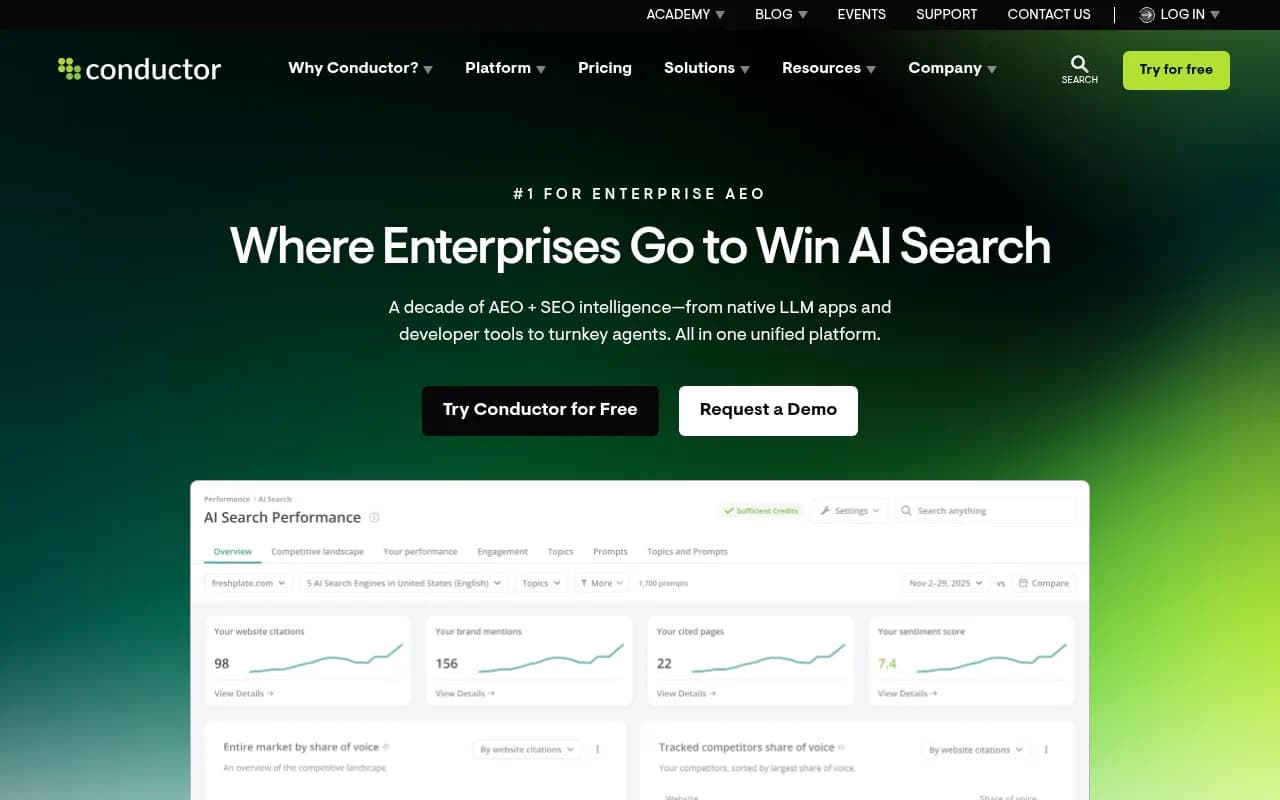
BrightEdge, Conductor and Similarweb were each found to hold their own ISO 27001 certificate in the vendor-run check mentioned above. If your procurement team already approved them, adding their AI modules may be the shortest path.
Similarweb AI Brand Visibility
Pricing snapshot
Compliance has a cost, and so does tool choice. Figures below come from vendor pages and third-party reviews, so confirm on live pricing pages.
| Platform | Entry price | Notes |
|---|---|---|
| Promptwatch | $95/mo Essential | 50 prompts, all models; crawler logs from Professional ($245/mo) in the vendor's own comparison |
| Peec AI | about \u20ac89/mo Starter | 3 of 6 models on lower tiers; no crawler logs; unlimited users |
| Profound | $99/mo Starter (third-party report) | ChatGPT only at entry; Growth $399/mo, though Profound's own June 2026 content quoted about $499 |
Note the Promptwatch and Peec numbers come from a Promptwatch-authored comparison, so weigh them accordingly.
Where AI crawler data fits in
One more reason compliance teams should care: crawler data is the most infrastructure-adjacent feature in this category. Promptwatch Data shows OpenAI made up 79.8% of verified AI crawler requests in the week of August 31 to September 6, 2026, down from 94.8% in June 8 to 14. The full series is in Promptwatch's AI crawler traffic report. The point is that bot activity is shifting quickly, which makes log analysis valuable. It also means you are handing a vendor a continuous feed from your servers, so scope it carefully.
For wider options, the GEO software directory lists dozens of platforms you can run through the same checklist.
What I would actually do
I would not filter vendors by flag. I would filter by evidence: a signed DPA, a named hosting region, an accredited certificate with the right scope, and a clear answer on transfers. Then I would pick on product fit.
If two vendors tie on product, the EU-based one gets a modest edge for simpler transfer analysis, provided they can show their sub-processors are also EU-based. If they cannot, the edge disappears.
And please do not treat the EU AI Act as the deciding factor here. For monitoring tools it is mostly background. GDPR and security paperwork are where deals are won and lost.
This guide is general information, not legal advice. Have your counsel review any vendor's DPA before you sign.