Key takeaways
- SaaS content is three different jobs: docs, comparison pages and thought leadership. No single tool is best at all three, so match the tool to the job.
- Claude and ChatGPT are the usual picks for long-form drafting. Writer and Jasper add brand governance on top. Copy.ai fits go-to-market workflows more than editorial ones.
- Docs and comparison pages are cited heavily by ChatGPT. Promptwatch Data (Sep 28 to Oct 4, 2026) puts documentation at 7.5% of citations and comparisons at 5.9%, rising to 7.9% for commercial prompts.
- Whatever you draft with, you still need an SEO optimizer and an AI visibility tracker to know whether the content gets found and cited.
- Pricing changes often. Treat the figures below as starting points and confirm on each vendor's pricing page.
Why SaaS content teams need to pick tools per job
Most "best AI writing tools" lists rank tools as if every team writes the same thing. SaaS teams don't. In a single week you might update API documentation, ship a "Us vs. Competitor" page, and ghostwrite a founder byline. Those three tasks reward completely different strengths.
Docs need accuracy and consistency. Comparison pages need fact control, because one wrong claim about a competitor's pricing is a legal and credibility problem. Thought leadership needs voice, and voice is where generic AI output falls apart fastest.
I'd go further: the tool matters less than the inputs. A mediocre model fed your real product specs, support tickets and sales call notes beats a great model fed a two-line brief. Keep that in mind as you read the picks below.
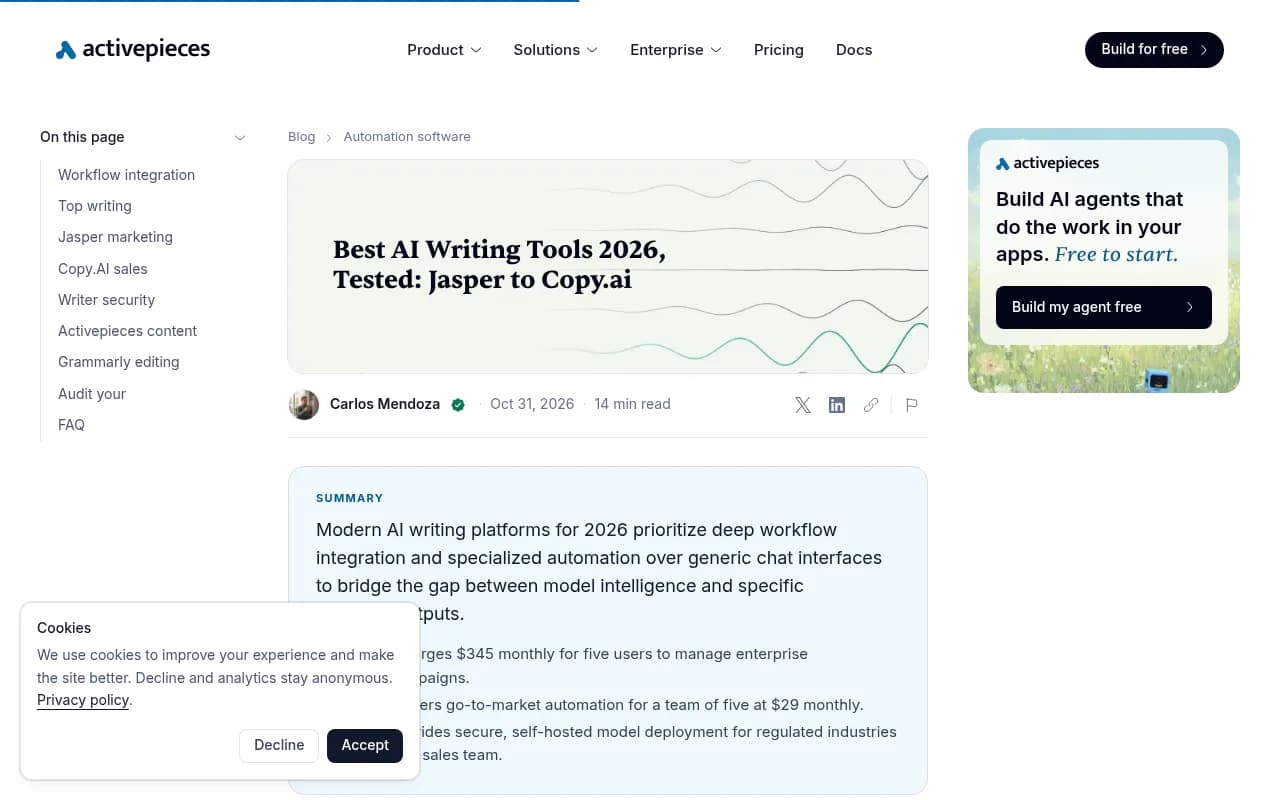
One caution on that roundup. It is vendor content (Activepieces sells its own bring-your-own-key automation), and it names models like "Claude Opus 5.5" and "GPT-6 Astra" that I could not verify. Its core point, that value comes from embedding AI in your existing stack rather than a generic chat window, is reasonable. Verify the specifics before you rely on them.
What the citation data says about the content you write
Before choosing tools, it helps to know what AI search rewards, because it shapes what your team should draft. Promptwatch's report on which content types ChatGPT cites the most covers Sep 28 to Oct 4, 2026. Some of the numbers matter directly to a SaaS team:
| Content type | Share of ChatGPT citations |
|---|---|
| Product pages | 22.4% |
| Landing pages | 16.8% |
| Listicles | 13.6% |
| How-to guides | 8.7% |
| Documentation | 7.5% |
| General articles | 6.1% |
| Comparisons | 5.9% |
| News | 5.7% |
| FAQ pages | 3.3% |
| Reviews | 1.7% |
For commercial prompts like "best CRM for small businesses", product pages, landing pages, listicles and comparisons make up almost 70% of citations, and comparisons rise to 7.9%. The report's advice is blunt: keep public docs crawlable, publish your own comparison pages, add FAQ pages and map content to prompt intent.
There's also a shelf-life angle. Promptwatch's content half-life data shows news pages losing half their citations within about five weeks, while landing pages and docs hold on for months. Evergreen docs and comparisons are worth the investment in a way that reactive news posts are not.
The general-purpose drafters: Claude and ChatGPT
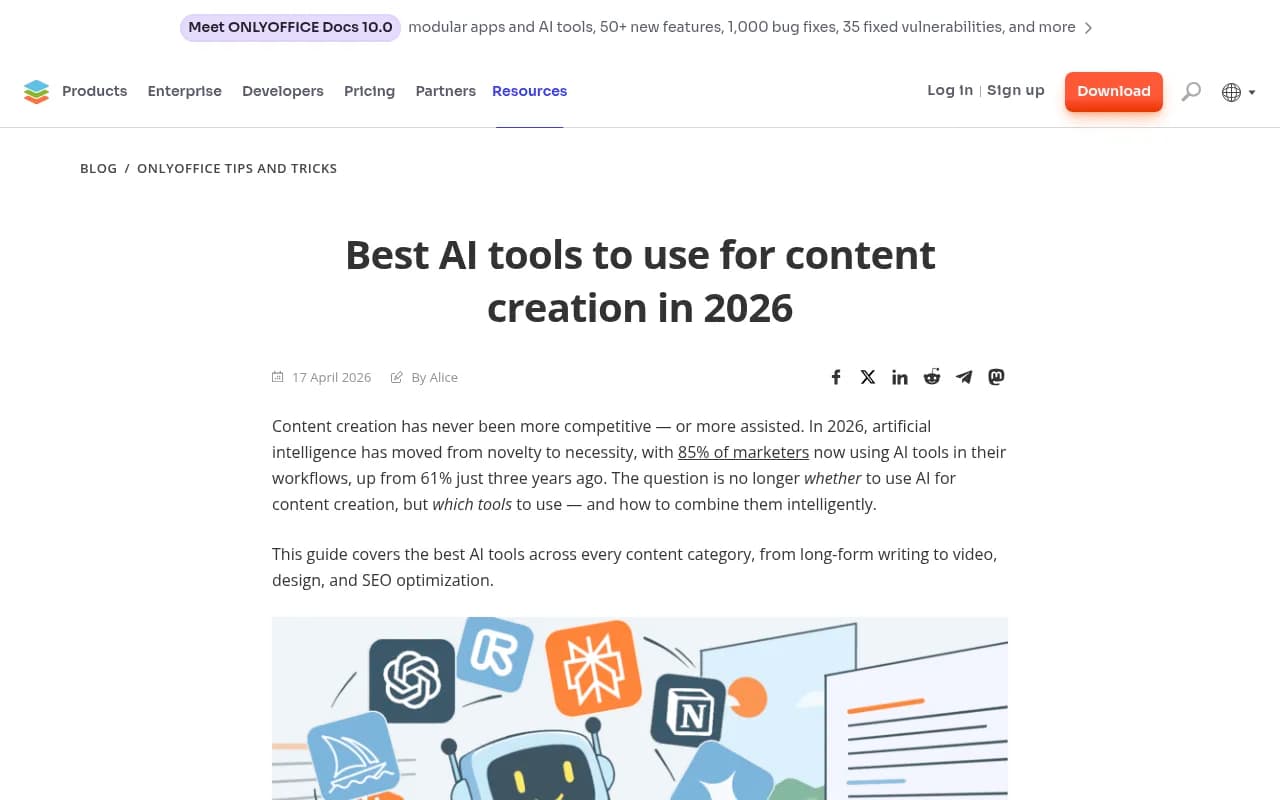
Most SaaS teams already pay for one of these, and the research points the same way. The OnlyOffice roundup lists Claude first for nuanced long-form and thought leadership, and Lead with AI says Claude is the better choice for thought leadership articles, executive bylines and brand messaging frameworks. ChatGPT is the most widely used and the better brainstorming partner.
My practical read:
- Use Claude when the piece has to hold an argument across 2,000 words and sound like a person.
- Use ChatGPT for outlines, headline variants, repurposing and quick research passes.
- Don't treat either as set-and-forget. Both will happily invent a feature your product doesn't have.
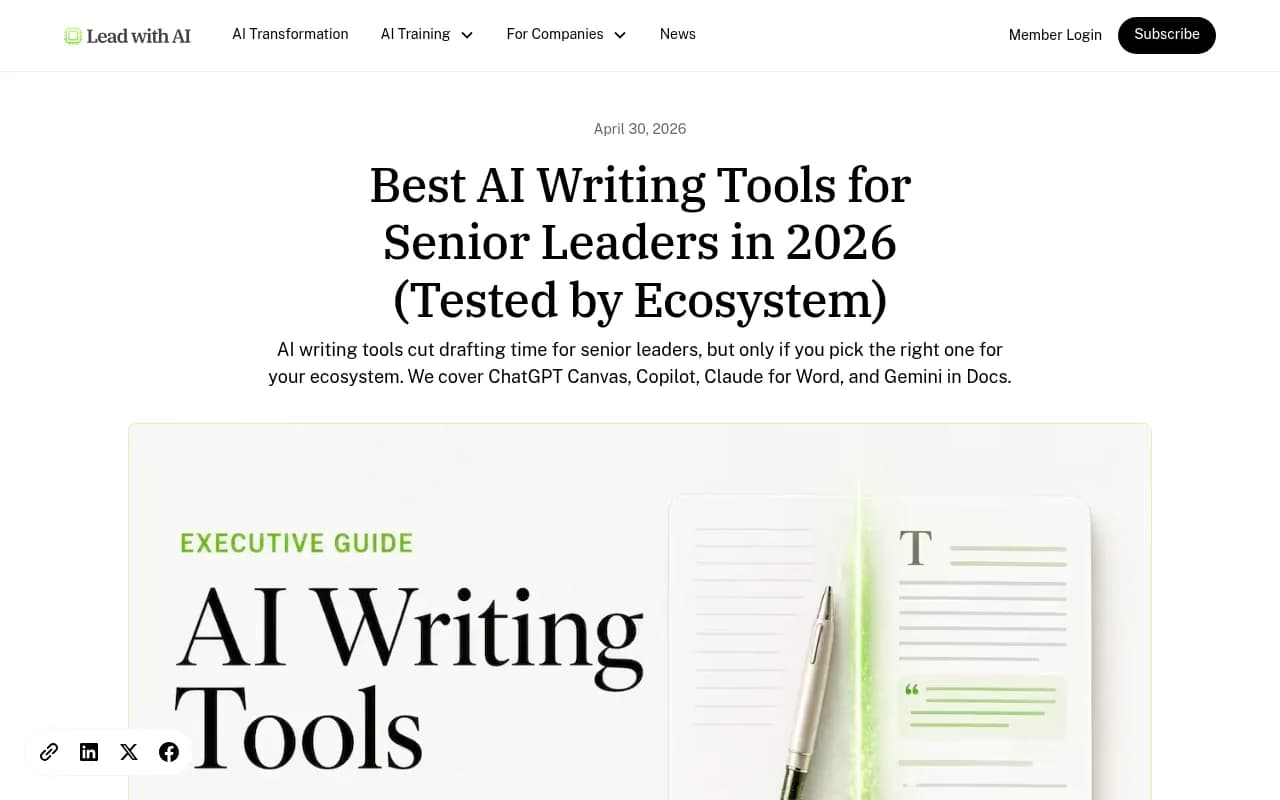
I did not find verified per-seat pricing for ChatGPT Team/Business or Claude Team in the research, so check current plans directly. For the executive-writing angle, the Lead with AI guide is worth skimming, with the caveat that it is written for senior leaders in general, not SaaS specifically.
Brand-governed platforms: Writer and Jasper
General chat tools forget your style guide the moment a new conversation starts. Platforms built around brand controls fix that, which matters once more than two people publish under your name.
Writer
Writer is the enterprise pick. Its pricing page lists a Starter plan with a 14-day free trial (no credit card), up to 5 users, 5 Playbooks and a 50 GB Knowledge Graph, priced per seat with fixed credit limits. No dollar figure was visible when I checked. Enterprise adds unlimited playbooks, departmental brand and voice profiles, SAML SSO, SCIM, audit logs, SOC 2 Type II, a HIPAA BAA and zero data retention by default.
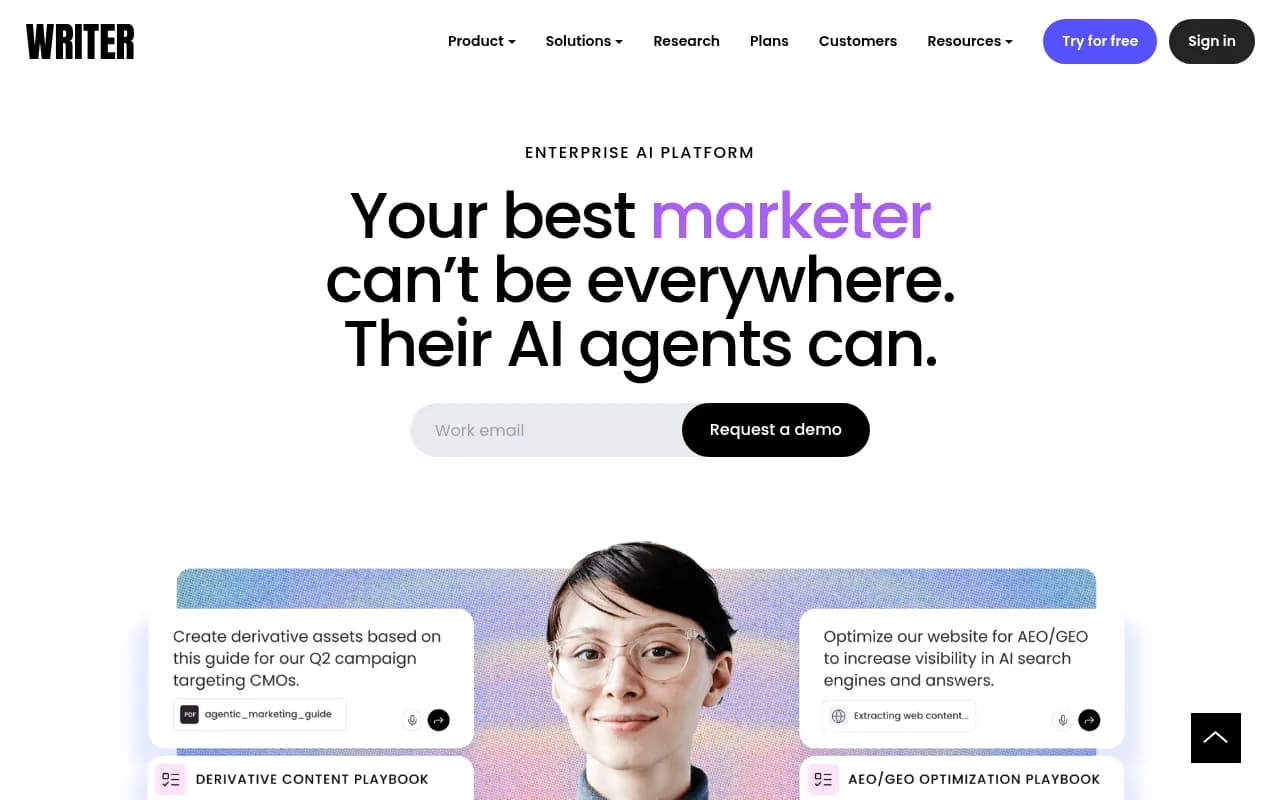
That compliance list is the reason to choose it. If your security team blocks anything that trains on customer data, Writer clears that hurdle where a browser chat tab does not. It is a good fit for docs, where consistent terminology across hundreds of pages is the whole game.
Jasper
Jasper is the marketing-team incumbent. Its site now pushes Jasper IQ (Brand IQ, Product IQ, Knowledge), agents for GEO, research and translation, and a GEO and AI optimization layer with citation monitoring and content gap analysis. A 7-day free trial is listed. Third-party figures put Pro at $69 per seat monthly or $59 per seat billed yearly, with Pro limited to one seat and Business requiring a quote. I could not confirm that on Jasper's own page, so check before budgeting.
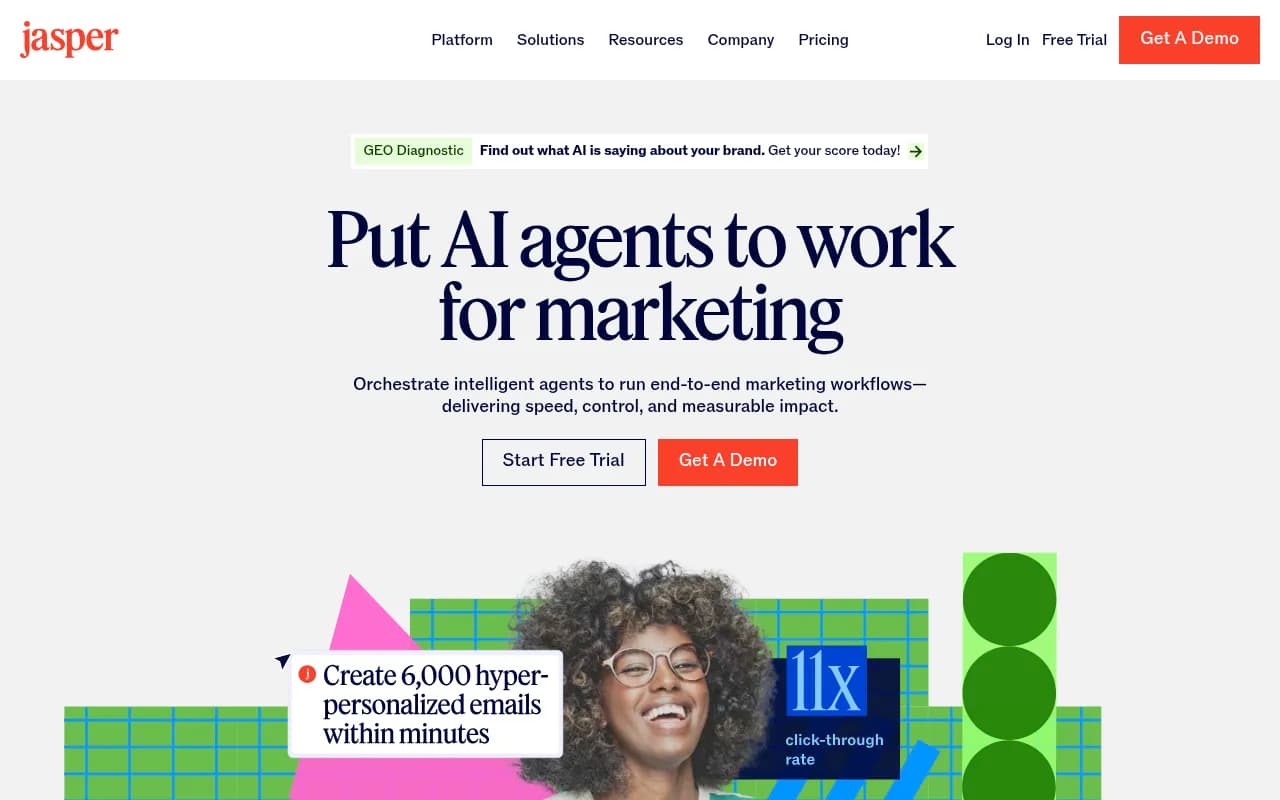
Product IQ is the interesting part for comparison pages: feeding it accurate product facts is how you reduce hallucinated feature claims.
Copy.ai
Copy.ai has moved toward go-to-market workflows, which suits sales enablement and campaign content more than editorial. Third-party sources from around October 2026 list a Chat plan at $29/month ($24 billed annually) with 5 seats, and a Growth plan at $1,000/month billed yearly for up to 75 seats. It's unclear whether Chat is one price for five seats or per seat, and the official page was ambiguous, so confirm it.
SEO-aware writing tools
A draft that reads well but ignores search intent won't rank or get cited. These tools score content against what already performs.
| Tool | Best for | Notes |
|---|---|---|
| Clearscope | Optimizing existing posts against search data | Strong editor, popular with in-house teams |
| Surfer SEO | Outline and on-page scoring | Fast for briefs |
| MarketMuse | Topic planning and content strategy | Good for planning clusters |
| Frase | Research briefs and optimization | Lighter-weight option |
| NeuronWriter | NLP-based optimization | Budget-friendlier |
| AirOps | Repeatable content workflows | Built for scale and pipelines |
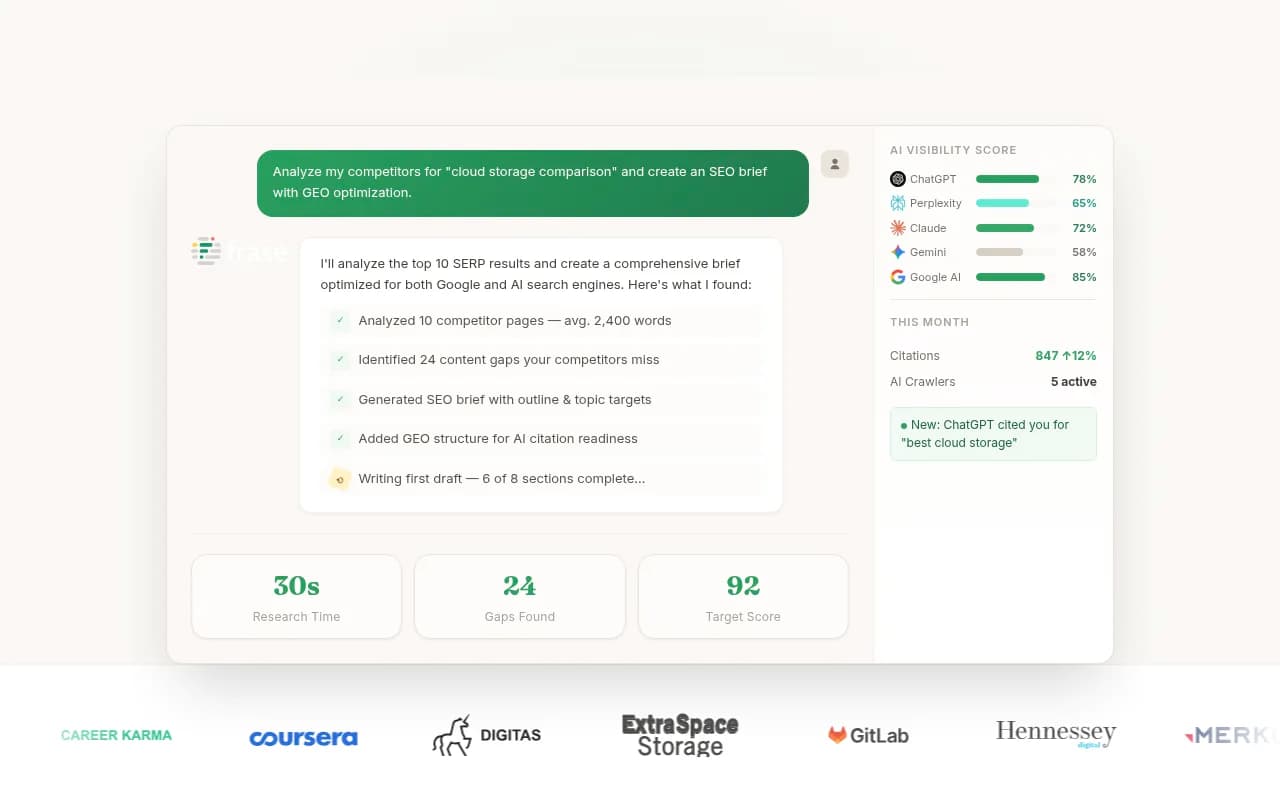
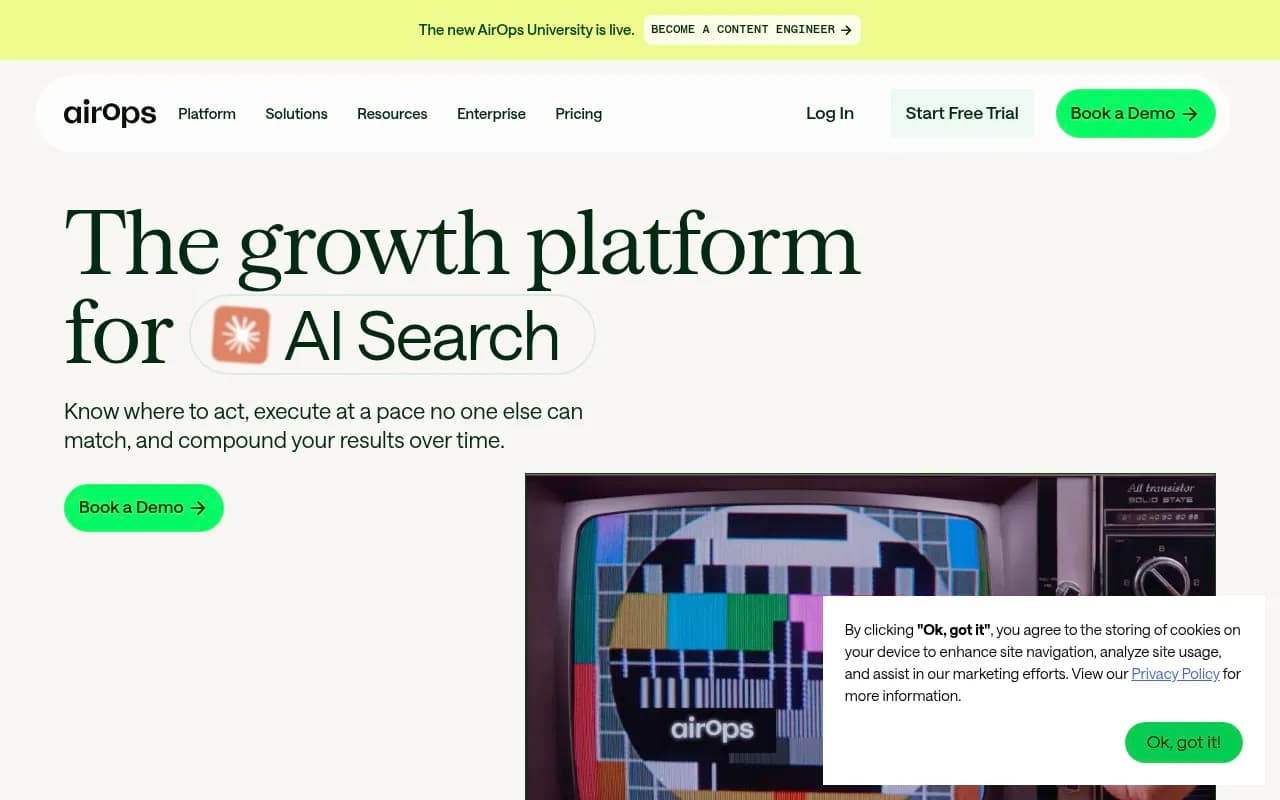
None of these replace a writer. They tell you which subtopics your draft is missing, which is useful for comparison pages and how-tos where thin coverage loses to a competitor's more complete page. For more options in this category, the broader software directory at SurferStack is a decent place to browse.
Matching tools to the three SaaS content jobs
Product documentation
Docs are the most underrated asset on this list. ChatGPT cites documentation for "how it works" questions, not only support queries, so your docs are effectively a marketing channel.
What to use: Writer for terminology and style enforcement, Claude or ChatGPT for first drafts from engineering notes, and a human reviewer with product access for every code sample. Never publish AI-written API examples without running them.
Two habits that pay off:
- Keep docs publicly crawlable. Gated docs can't be cited.
- Keep a living glossary in your Knowledge Base or style guide so the tool uses your product's names correctly.
Comparison pages
Comparison pages ("us vs. competitor") are the riskiest template to automate. One reviewer of SaaS templates called them the highest-risk after integration pages, and I agree. A hallucinated pricing tier on a public page is an own goal.
What to use: Jasper with Product IQ or Writer with a populated Knowledge Graph for your own facts, Claude for the narrative, and a manual fact-check against the competitor's live pricing page. Add an FAQ block, since FAQ pages hold 3.3% of ChatGPT citations on their own.
Publish your own comparisons rather than waiting for third-party listicles to frame the category. Listicles are 13.6% of ChatGPT citations, and many of them are written by someone other than you.
Thought leadership
This is where I'm most opinionated. Generic AI thought leadership is everywhere and nobody reads it. The only version worth publishing starts with a real opinion, a real data point or a real customer story that the AI could not have invented.
What to use: Claude for structure and voice-matching, fed with a recorded interview or voice memo from the actual expert. Grammarly or Wordtune for line edits afterward. Resist the urge to let the model generate the argument.


Quick comparison
| Job | Primary tool | Supporting tools | Biggest risk |
|---|---|---|---|
| Docs | Writer | Claude, ChatGPT | Wrong code samples, inconsistent terms |
| Comparison pages | Jasper or Writer | Claude, Clearscope | Fabricated competitor facts |
| Thought leadership | Claude | Grammarly, Wordtune | Generic, opinion-free copy |
| Programmatic and bulk SEO | AirOps | Surfer SEO, Frase | Thin, duplicative pages |
Content automation tools: use with a leash
A whole category exists for bulk, hands-off publishing: Outrank, Autoblogging.ai, SEO Writing AI, Article Forge and similar. They're tempting when you have a backlog. For a SaaS brand whose credibility rides on accuracy, I'd restrict them to low-stakes glossary and top-of-funnel content, with human review, and keep them away from comparisons and thought leadership.


Closing the loop: tracking whether AI cites what you publish
Writing is half the job. The other half is finding out whether ChatGPT, Gemini, Perplexity and Google AI Overviews actually cite your docs and comparison pages. Tools like Promptwatch can track this, show which prompts your competitors win, and flag content gaps to fill next.

That feedback loop is what turns a content calendar into something grounded in real prompts. If you want to compare other options in this category, the GEO software directory at bestgeosoftware.com lists a lot of them, and Promptwatch Data is a free source of citation research to calibrate your strategy.
How to choose: a short decision path
- Do you handle regulated or sensitive data? Start with Writer.
- Is voice your main problem? Start with Claude and a good interview.
- Do you need marketing workflows and campaign volume? Look at Jasper or Copy.ai.
- Is search performance the goal? Add Clearscope, Surfer SEO or MarketMuse to whatever drafts.
- Do you want to know if AI cites you? Add a visibility tracker.
Run a two-week pilot on one real piece per content type. Score the results on factual errors per draft, editing time and whether a subject-matter expert would put their name on it. Those three numbers beat any feature checklist.
What I could not verify
A few gaps worth stating plainly. I found no official per-seat pricing for ChatGPT Team, Claude Team, Notion AI or Writesonic, no complete Jasper Business pricing, and no independent SaaS-specific test results for docs or comparison pages. The 85% marketer-adoption figure in the OnlyOffice guide traces back to a secondary source. Vendor pricing moves quickly, so confirm every number on the vendor's own page before you commit budget.
The short version
Pick a drafter you trust, add a governance layer if more than a few people publish, add an SEO optimizer for search intent, and measure AI citations so you know what's working. Spend your human time on the parts AI is worst at: real opinions, product accuracy and the fact-check on every comparison page.