Key takeaways
- AI search engines behave differently by language and region -- a brand that ranks well in English prompts can be completely invisible in German, French, or Japanese queries on the same platform.
- Multi-language GEO requires tracking prompts in the target language, not just translated versions of English prompts, because user intent phrasing varies significantly by market.
- Each AI model (ChatGPT, Gemini, Perplexity, Claude, Grok, DeepSeek) draws from different training data and citation sources, so your visibility profile will differ across them even within the same language.
- Content gaps are the root cause of most multi-market invisibility -- AI models can't cite you if you haven't published content that answers the questions your target audience is actually asking.
- Platforms like Promptwatch support multi-language, multi-region monitoring with customizable personas, making it possible to systematically find and close these gaps at scale.
Why multi-language GEO is a different problem than multi-language SEO
Most brands with international SEO programs have a handle on the basics: hreflang tags, localized URLs, translated content, regional sitemaps. That infrastructure still matters. But AI search introduces a layer of complexity that traditional SEO tooling wasn't built to handle.
When someone types a query into Google, the ranking algorithm is largely consistent across languages (with some regional weighting). When someone asks ChatGPT a question in French, the model doesn't just translate its English knowledge -- it draws on French-language training data, French-language web sources, and French-language citation patterns. The result is that your brand's visibility in French AI search can be completely disconnected from your visibility in English AI search, even if you have a fully translated website.
This matters more than most marketing teams realize. E-commerce sites have already reported a 22% drop in search traffic attributable to AI-generated answers replacing traditional clicks. That drop isn't uniform across markets -- it hits harder in markets where AI adoption is higher and where your GEO foundation is weaker.
The other thing that makes multi-language GEO harder: you can't just run your English prompts through a translation tool and call it a strategy. French users asking about project management software don't phrase their questions the same way English users do. The vocabulary, the comparison framing, the specific pain points they mention -- all of it differs. If you're tracking the wrong prompts, you're measuring the wrong thing.
The three layers of multi-language AI visibility
Before jumping into tactics, it helps to think about multi-language GEO as three separate but connected problems.
1. Prompt coverage by language
The first question is whether you're even tracking the right prompts in each target language. This means building a prompt set for each market that reflects how real users in that market ask questions -- not just translated versions of your English prompt list.
For a B2B software brand, the German market might have a strong preference for prompts that start with "Welche Software..." (which software...) or "Was ist der Unterschied zwischen..." (what's the difference between...). These phrasing patterns matter because AI models are sensitive to how questions are framed. A slightly different question can produce a completely different set of cited sources.
2. Model coverage by region
Different AI models dominate in different markets. ChatGPT has broad global reach, but Gemini is particularly strong in markets where Google's ecosystem is dominant. DeepSeek has significant traction in Chinese-speaking markets. Grok is growing in English-speaking markets. Perplexity has a strong foothold among tech-savvy users globally.
If you're only tracking ChatGPT, you're missing the picture in markets where other models are more commonly used. A brand targeting French-speaking Europe needs visibility in Gemini and Mistral, not just ChatGPT.
3. Content coverage by language
This is where most brands hit the wall. AI models cite sources. If your French-language content doesn't answer the questions French users are asking, no amount of prompt tracking will fix your visibility -- because there's nothing to cite.
The content gap is usually the root cause. Brands often have a fully translated website but haven't published the specific articles, comparison pages, or FAQ content that AI models want to reference when answering buyer-intent questions in that language.
How to build a multi-language GEO tracking setup
Step 1: Define your target markets and models
Start with a clear list of the markets you care about and the AI models that matter in each. Don't try to track everything at once -- prioritize by revenue potential and current traffic exposure.
A reasonable starting point for a European brand might look like this:
| Market | Primary language | Priority AI models |
|---|---|---|
| UK | English | ChatGPT, Perplexity, Gemini, Copilot |
| Germany | German | ChatGPT, Gemini, Perplexity |
| France | French | ChatGPT, Gemini, Mistral |
| Netherlands | Dutch | ChatGPT, Gemini, Perplexity |
| Spain | Spanish | ChatGPT, Gemini, Perplexity |
For brands targeting Asia-Pacific or Latin America, the model mix shifts. DeepSeek becomes relevant for Chinese-speaking markets. Meta AI has strong penetration in markets where WhatsApp is dominant.
Step 2: Build language-native prompt sets
For each market, build a prompt set in the target language that reflects actual buyer behavior. This isn't a translation job -- it's a research job.
Useful sources for building native prompt sets:
- Reddit and local forum equivalents (e.g., German Reddit, French forums) to see how people phrase questions naturally
- Google Search Console data for your localized pages -- the queries people use to find your content are a good proxy for how they'll phrase AI prompts
- Customer interviews and sales call recordings in the target language
- Keyword research tools filtered by country and language
Aim for a mix of prompt types: awareness-stage questions ("what is X"), comparison prompts ("X vs Y"), and buyer-intent prompts ("best X for [use case]"). Buyer-intent prompts tend to have the highest commercial value and are worth prioritizing.
Step 3: Set up monitoring with proper locale and persona settings
Manual tracking -- opening ChatGPT in an incognito window and typing prompts -- is fine for a quick audit, but it doesn't scale and it doesn't give you trend data. You need a platform that can run prompts systematically, in the right language, from the right geographic context, and track results over time.
This is where the platform you choose matters a lot. Most basic GEO monitoring tools were built with English-language, US-market use cases in mind. Multi-language support is often bolted on rather than built in.
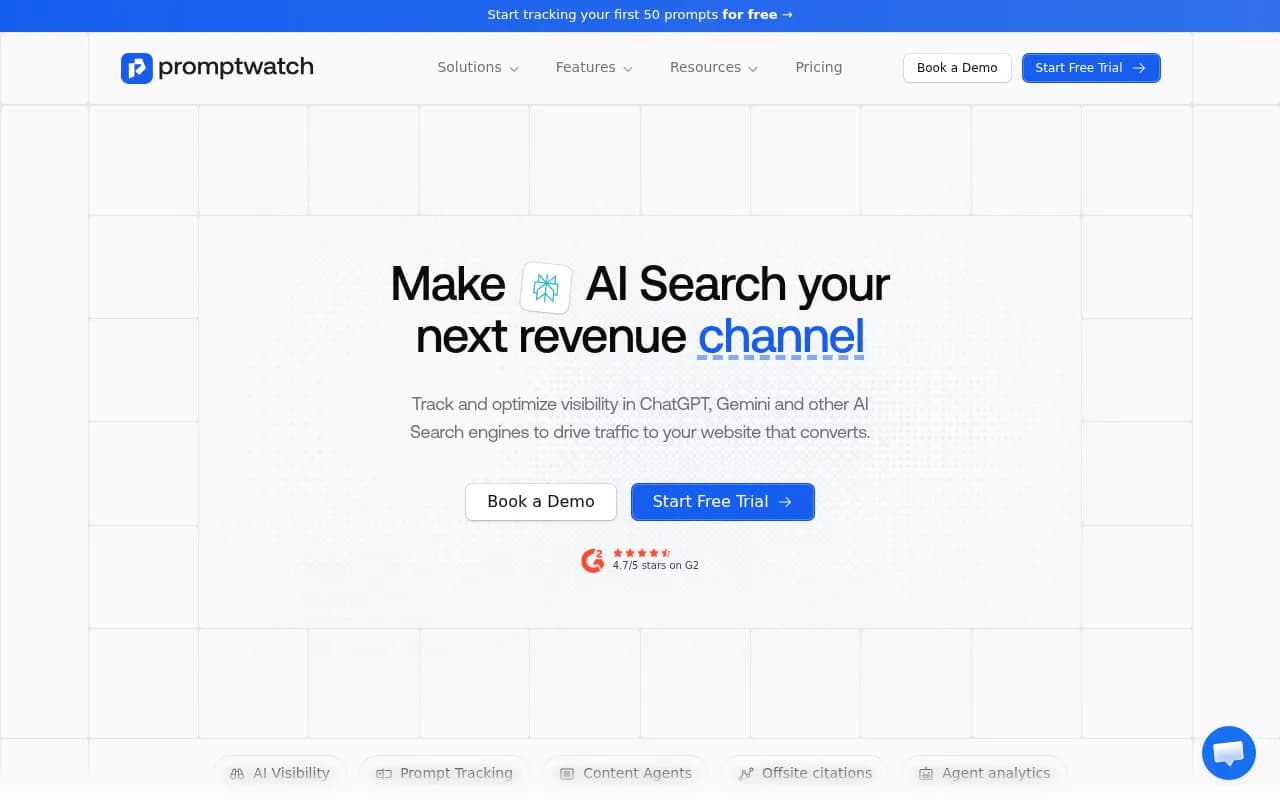
Promptwatch supports multi-language and multi-region monitoring with customizable personas -- you can configure prompts to run as if they're coming from a specific country, in a specific language, with a specific user profile. That matters because AI models sometimes return different answers depending on the apparent location and language of the query.
Step 4: Track citations, not just mentions
There's a difference between an AI model mentioning your brand name and an AI model citing your content as a source. Citations are what drive traffic. They're also a signal that the model trusts your content enough to reference it as evidence.
For each market, you want to know:
- Which of your pages are being cited in AI responses?
- Which competitor pages are being cited instead of yours?
- Which third-party sources (Reddit threads, review sites, industry publications) are being cited in your category?
The third-party citation data is particularly useful for multi-language GEO because it tells you where to publish content beyond your own website. If French-language AI responses in your category consistently cite a specific French tech publication, that's a signal that getting coverage there could improve your visibility.
Common multi-language GEO tool options
The GEO tool market has grown quickly. Here's a comparison of how the main options stack up for multi-language use cases specifically:
| Tool | Multi-language support | Multi-model tracking | Content generation | Crawler logs |
|---|---|---|---|---|
| Promptwatch | Yes (any language/region) | 10+ models | Yes (Content Agents) | Yes |
| Profound | Limited | Yes | No | No |
| Otterly.AI | Limited | Yes | No | No |
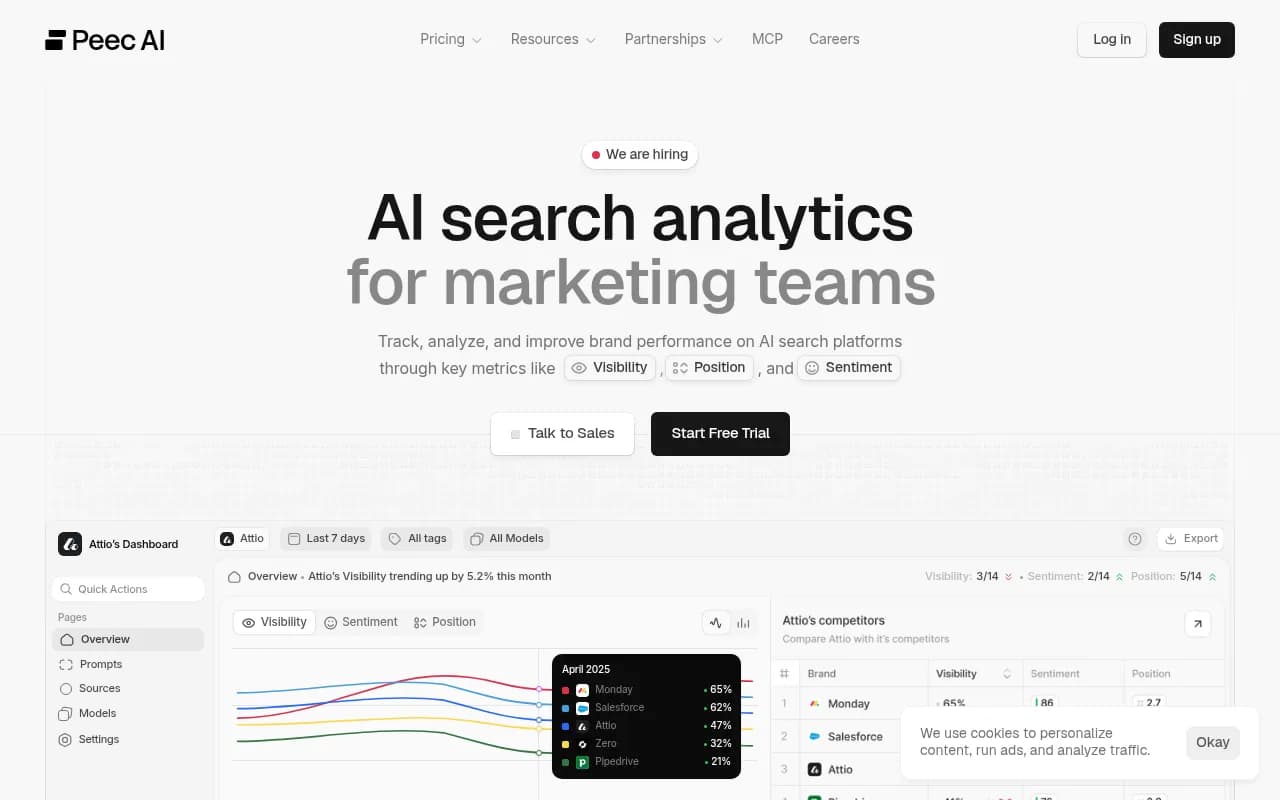
| Peec AI | Basic | Yes | No | No |
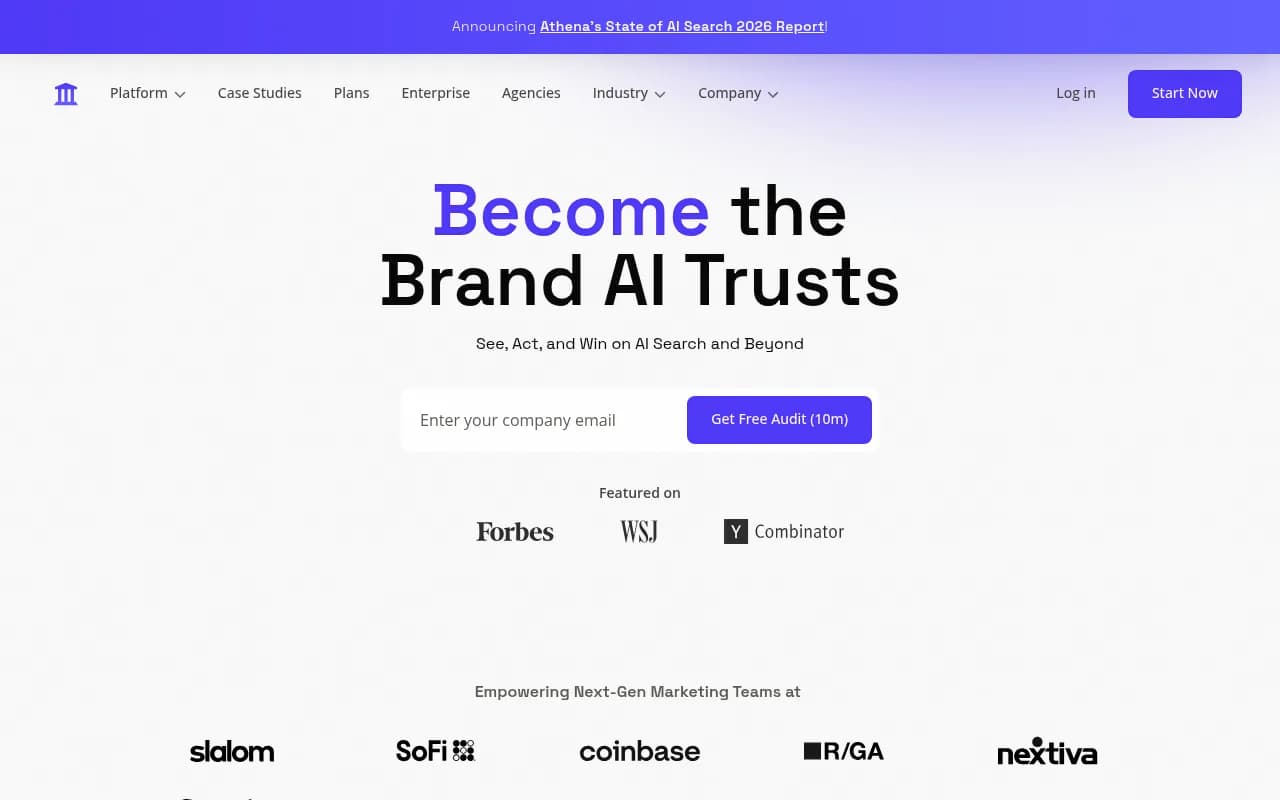
| AthenaHQ | Limited | Yes | No | No |
| Semrush AI Toolkit | English-focused | Limited | No | No |
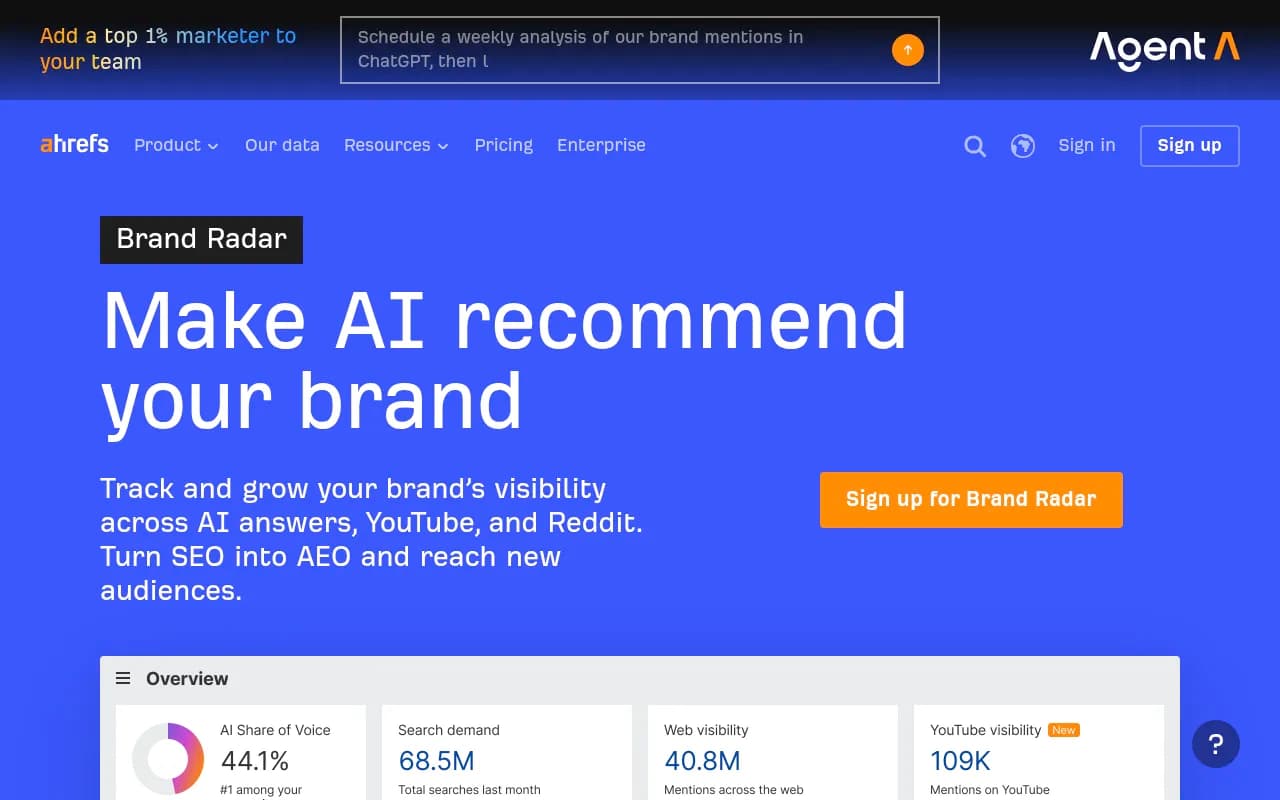
| Ahrefs Brand Radar | Limited | Limited | No | No |
For pure multi-language coverage, most monitoring-only tools fall short. They were built to track English prompts across a handful of models, and their localization support is thin. If you're running a serious multi-market GEO program, you need a platform where language and region are first-class settings, not afterthoughts.
Closing the content gap in each language
Tracking tells you where you're invisible. Fixing it requires content. This is the part most brands underinvest in.
Audit your existing localized content against AI responses
For each target market, run your priority prompts and look at what AI models actually cite. Then compare those citations against your own content inventory. The gap between "what AI cites" and "what you've published" is your content gap.
Common patterns you'll find:
- You have product pages translated but no comparison content ("X vs Y" pages are heavily cited in AI responses)
- You have blog content in English but haven't localized it for target markets
- AI models cite a specific type of content (e.g., detailed how-to guides, statistical roundups) that you haven't produced in the target language
Prioritize by prompt volume and commercial intent
Not all content gaps are worth closing. Focus on prompts with high volume and clear buyer intent first. A gap on a high-volume awareness prompt is less valuable than a gap on a lower-volume "best X for [use case]" prompt that maps directly to purchase decisions.
Prompt volume data is hard to get for AI search -- it's not like traditional keyword volume where you can pull numbers from a tool. Platforms that track real prompt behavior (rather than just running API queries) give you better signal here because they're measuring actual user behavior rather than synthetic data.
Create content that AI models want to cite
AI models have preferences. They tend to cite content that:
- Directly answers the question being asked (not content that circles around it)
- Includes specific data, statistics, or examples rather than vague claims
- Is structured clearly, with headers that match the question format
- Comes from a domain that has existing citation history in that language
For multi-language content, this means you can't just run your English articles through a machine translation tool. The content needs to be written (or at least substantially edited) by someone who understands how the target audience thinks and what specific examples or data points will resonate in that market.
Measuring multi-language GEO performance
What to track
The core metrics for multi-language GEO are the same as for single-language GEO, but you need to track them separately per market:
- Visibility score by language/market: what percentage of your tracked prompts return a citation or mention of your brand?
- Citation share vs competitors: are you gaining or losing ground relative to the brands AI models prefer to cite?
- Page-level citation data: which specific pages are being cited, and in which markets?
- Traffic from AI search: are your visibility improvements translating into actual visits?
The last metric is the hardest to measure because AI models don't always pass referral data cleanly. Tools that integrate with your server logs or CDN (Cloudflare, Fastly, Vercel) can give you more accurate attribution by identifying AI crawler activity and correlating it with traffic patterns.
Setting realistic timelines
Multi-language GEO is slower than English GEO, for a simple reason: AI models update their knowledge and citation patterns less frequently for non-English content. Publishing a new French-language article won't show up in Gemini's French responses overnight. Expect a lag of several weeks to a few months between publishing and seeing citation impact, and build that into your reporting expectations.
The brands that win at multi-language GEO are the ones that treat it as a compounding investment rather than a quick fix. Each piece of content you publish in a target language, each citation you earn, each gap you close -- it accumulates over time into a visibility profile that's genuinely hard for competitors to displace.
Practical starting points by company type
For enterprise brands with existing localization programs
You likely already have translated content and regional teams. The priority is auditing what you have against actual AI citation patterns in each market, then filling the specific gaps AI models are exposing. The content investment is targeted rather than broad.
Tools like Promptwatch's Answer Gap Analysis can show you exactly which prompts competitors are visible for in each market that you're not -- so you're not guessing what to create.
For mid-market brands entering new markets
Start with one or two markets where you have the most commercial opportunity. Build a native prompt set, run a baseline audit, identify the top five content gaps, and create content to close them. Track for 60-90 days before expanding to the next market.
For agencies managing multi-market clients
The operational challenge is scale -- you can't manually track hundreds of prompts across multiple languages and models for multiple clients. You need a platform that can handle this systematically and surface the most important findings without requiring you to dig through raw data.
The models you can't ignore in 2026
One more thing worth saying directly: the AI search landscape is not static. In 2024, most GEO programs focused on ChatGPT and maybe Perplexity. In 2026, the picture is more complex.
- Google AI Overviews and AI Mode now handle a significant share of informational queries globally, and their citation behavior differs from ChatGPT's.
- DeepSeek has become a real factor in Chinese-speaking markets and among technically sophisticated users globally.
- Mistral is relevant in French-speaking markets specifically.
- Grok is growing in English-speaking markets, particularly among users who are skeptical of mainstream AI tools.
A multi-language GEO program that only tracks ChatGPT is leaving real gaps in its coverage. The right model mix depends on your target markets, but the trend is clearly toward more models, not fewer.
Platforms that monitor a broad set of models -- ChatGPT, Perplexity, Gemini, Claude, Grok, DeepSeek, Copilot, Mistral, Meta AI, and Google AI Overviews -- give you a much more complete picture of where you stand and where your competitors are gaining ground.
Where to start this week
If you're new to multi-language GEO, here's a concrete starting point:
- Pick one non-English market that matters to your business.
- Write 10-15 prompts in the target language that reflect real buyer questions in that market. Don't translate -- write them natively or have a native speaker write them.
- Run those prompts manually in ChatGPT and Gemini, set to the target country if possible.
- Note which brands are cited, which pages are cited, and whether your brand appears at all.
- That gap list is your first content brief.
It's not a sophisticated system, but it will show you the problem clearly. Once you've seen the gap, the case for investing in proper tooling and a systematic content program becomes obvious.
The brands that are building multi-language GEO programs now are the ones that will be hardest to displace when AI search fully matures. The window to get ahead of competitors in non-English markets is still open -- but it won't stay open indefinitely.