Key takeaways
- Otterly.AI is a solid entry-level AI search monitoring tool -- good for tracking brand mentions and citations across ChatGPT, Perplexity, and Google AI Overviews
- Setup is fast and beginner-friendly, with AI-assisted prompt selection during onboarding
- The main limitation: it's a monitoring dashboard, not an optimization platform -- it shows you where you're invisible but doesn't help you fix it
- Prompt limits and add-on pricing can make it expensive relative to what you get at higher usage levels
- If you need content gap analysis, AI content generation, or crawler logs, you'll need a different tool or a more capable platform
Otterly.AI has been getting a lot of attention in the GEO space lately. It's one of the first tools many marketers encounter when they start asking "how do I track my brand in AI search?" -- and for good reason. It's approachable, reasonably priced at entry level, and does the basics well.
But "the basics" is exactly the right framing. After spending time with the platform and comparing it against the broader field of AI visibility tools, there's a clear picture of who Otterly is right for and where it starts to feel limiting.
This review covers both sides honestly.
What Otterly.AI actually does
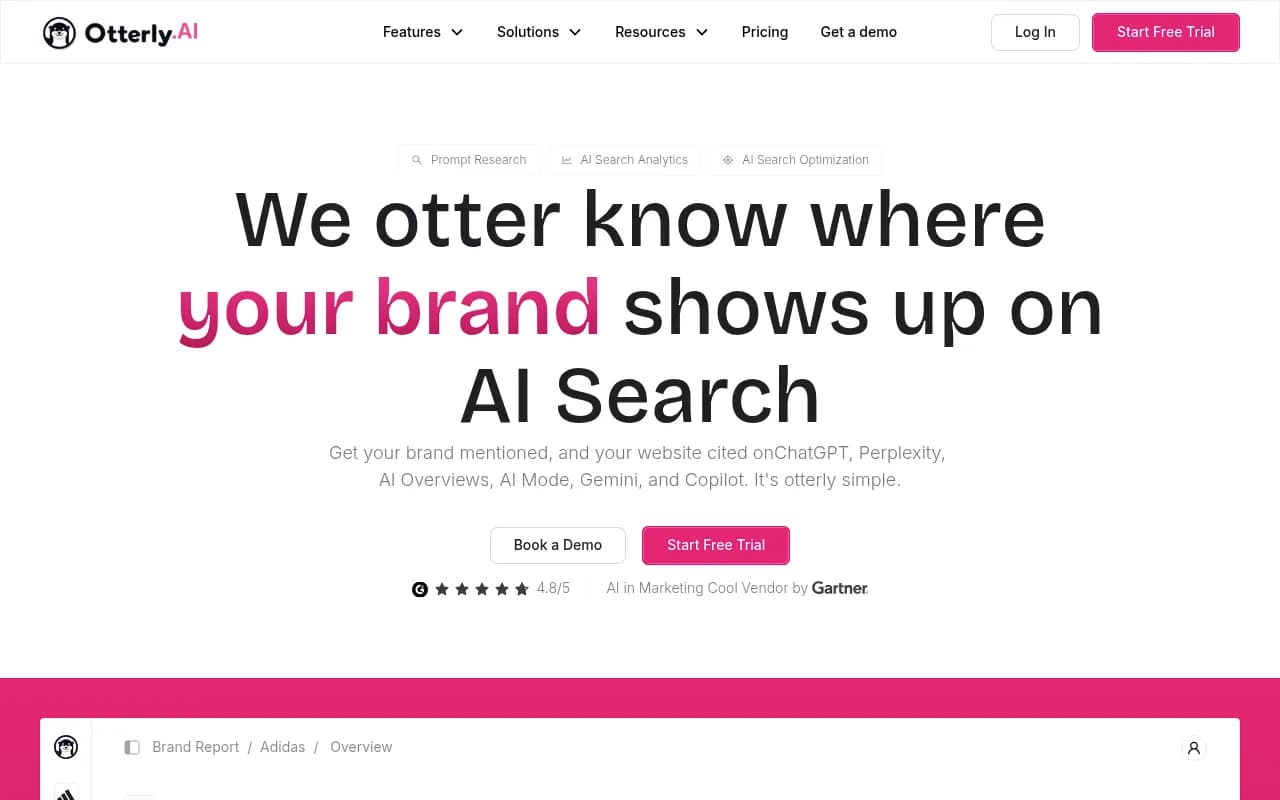
Otterly.AI is an AI search monitoring platform. The core function is tracking how your brand (and your competitors) appear in responses from AI search engines -- ChatGPT, Perplexity, Google AI Overviews, Gemini, and a handful of others.
You set up a list of prompts that your target customers might ask, and Otterly runs those prompts regularly across the AI platforms you select. It then shows you:
- Whether your brand was mentioned in the response
- Which sources were cited
- How competitors performed on the same prompts
- Visibility scores over time
The interface is clean. The onboarding is genuinely one of the better ones in this category -- it's AI-assisted, so the tool suggests prompts and competitor names based on your niche rather than making you build everything from scratch. One reviewer on generatemore.ai described it as "straightforward... the AI tool picked my niches, prompts, and competitors," which matches what you'd experience.
That frictionless start is a real advantage for teams that are new to GEO and don't want to spend hours configuring a tool before seeing any data.
Where it works well
Brand monitoring for smaller teams
If you're a small marketing team or a solo consultant who wants a quick read on "is our brand showing up in AI answers?", Otterly does this job competently. You can track a reasonable set of prompts, see citation data, and get a sense of your share of voice across AI platforms.
The competitor comparison is useful here too. Seeing that a competitor is getting cited on prompts where you're invisible is motivating -- it makes the problem concrete.
Onboarding and ease of use
The setup flow is one of the fastest in the category. You're not staring at a blank configuration screen. The AI-assisted prompt generation gets you to useful data quickly, which matters when you're trying to convince a client or stakeholder that AI visibility is worth paying attention to.
Content for the GEO-curious
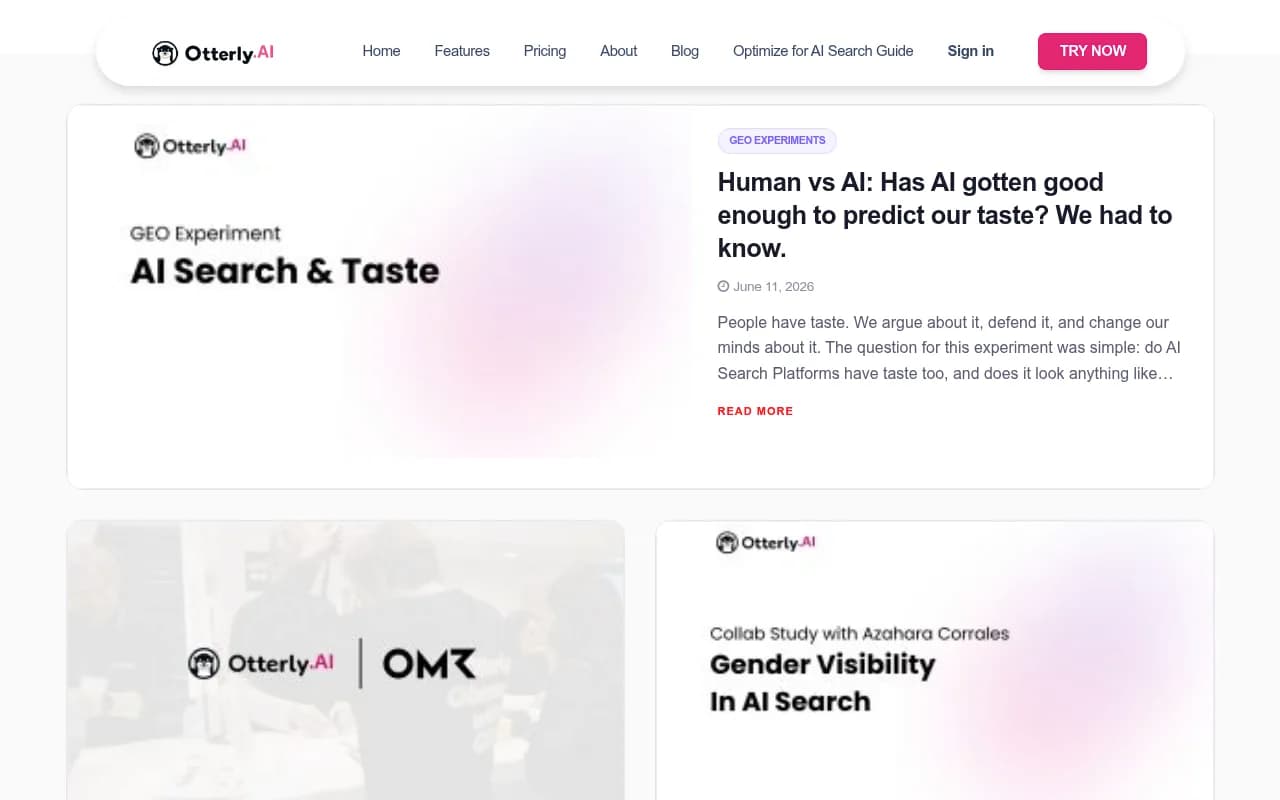
Otterly's blog is genuinely good. They publish original research -- studies on gender visibility in AI search, experiments on how AI search platforms handle aesthetic judgment, analysis of how AI has changed SEO. It's not just marketing fluff. If you're trying to get smarter about GEO as a discipline, their content is worth reading.
Where it falls short
This is where things get more complicated.
It's a monitoring tool, not an optimization platform
The most significant limitation is structural. Otterly shows you data. It doesn't help you act on it.
You can see that you're invisible for a set of prompts. You can see that a competitor is getting cited. But then what? Otterly doesn't tell you which content to create, doesn't generate that content, and doesn't show you which specific gaps in your existing pages are causing the problem.
For a lot of teams, that's where the real work is. Knowing you have a problem is step one. Fixing it is steps two through ten, and Otterly leaves you to figure those out on your own.
Prompt limits and add-on costs
At entry-level pricing, the prompt limits are tight. If you're tracking a meaningful number of topics across multiple AI platforms, you'll hit the ceiling faster than you expect. Scaling up means paying more, and the per-prompt economics can feel steep relative to what the tool actually does with that data.
This is a common complaint in reviews of the platform -- the pricing structure makes sense for casual monitoring but gets harder to justify as usage grows.
No crawler logs or AI traffic attribution
Otterly doesn't show you what AI crawlers are doing on your website. You can't see which pages ChatGPT or Perplexity's bots are reading, how often they return, or whether there are crawl errors affecting your visibility. You also can't connect AI citations to actual traffic or revenue.
For teams that want to understand the full picture -- from AI crawler behavior to citation to click to conversion -- this is a meaningful gap.
API-based data vs. real user sessions
One criticism that comes up in comparisons is that Otterly's data reflects API-level responses rather than what a real user in a specific location would see in their browser. AI search results can vary by geography, device, and session context. If you're trying to understand what your customers in specific markets are actually seeing, API-based monitoring has limits.
This isn't unique to Otterly -- it's a broader challenge in the category -- but it's worth knowing.
Otterly vs. the alternatives
Here's how Otterly stacks up against other tools in the AI visibility space:
| Tool | Monitoring | Content generation | Crawler logs | Prompt volume | Best for |
|---|---|---|---|---|---|
| Otterly.AI | Yes | No | No | Limited | Entry-level brand monitoring |
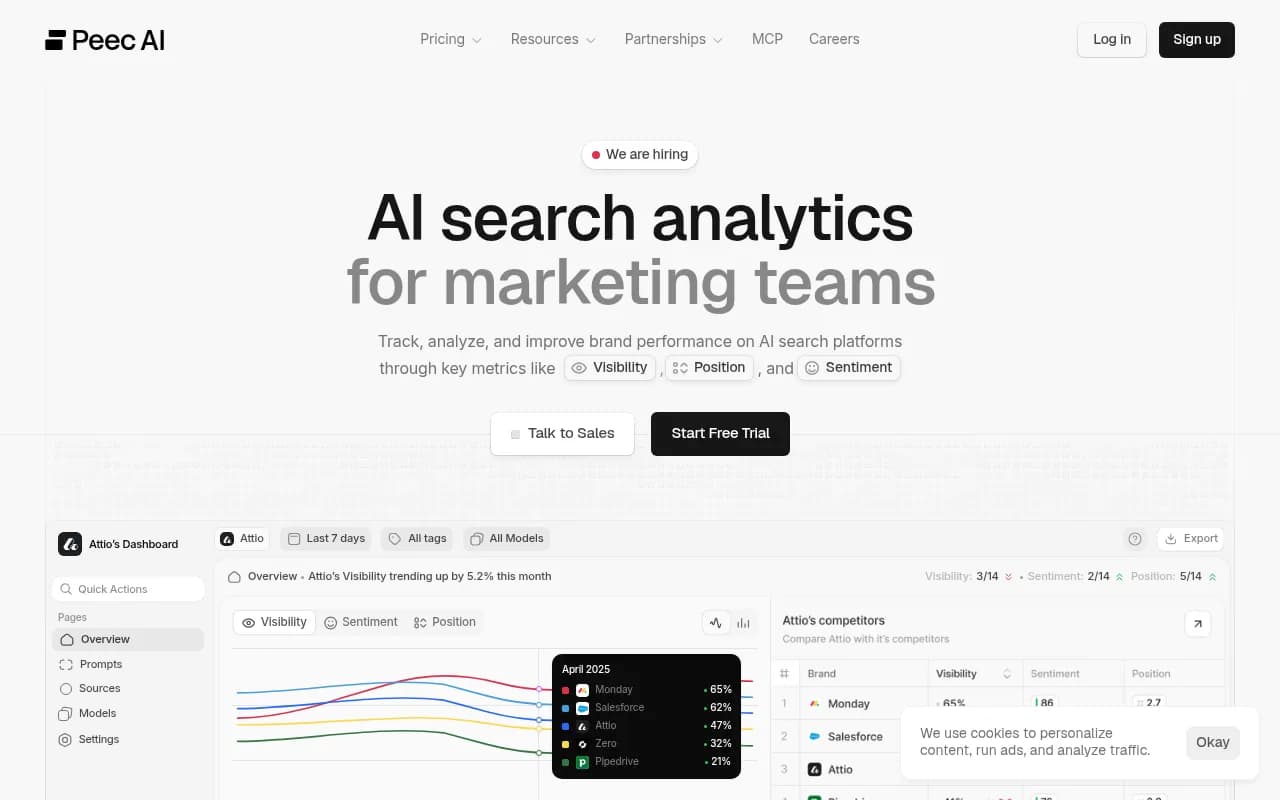
| Peec AI | Yes | Basic suggestions | No | Moderate | SMB monitoring |
| AthenaHQ | Yes | No | No | Moderate | Mid-market monitoring |
| Scrunch AI | Yes | No | No | Moderate | Brands and agencies |
| Profound | Yes | No | No | High | Enterprise monitoring |
| Promptwatch | Yes | Yes (Content Agents) | Yes | High | Full GEO optimization |
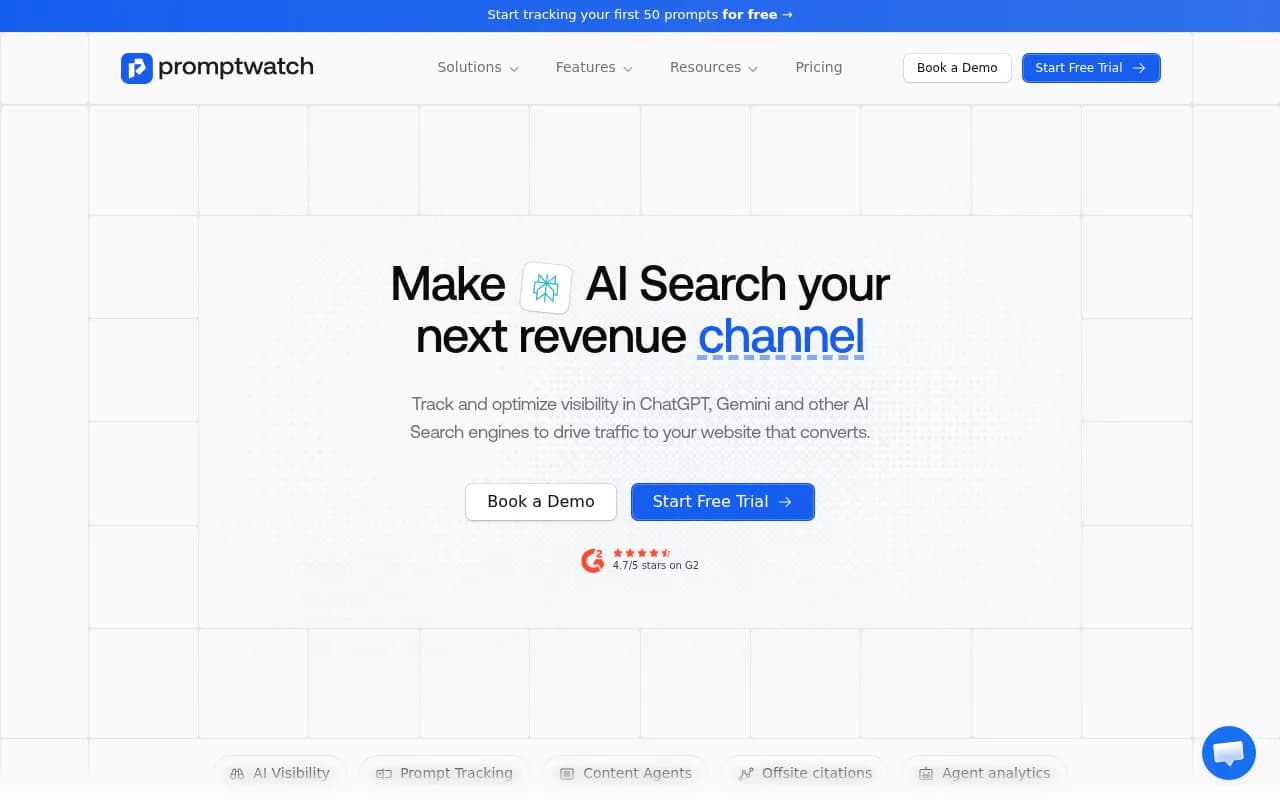
The pattern is clear. Most tools in this category -- Otterly included -- are monitoring dashboards. They show you the problem. Promptwatch is the outlier that actually helps you fix it, with content gap analysis, AI-powered content generation, and crawler logs that show you what's happening on your site at the infrastructure level.
Who should use Otterly
Otterly makes sense if:
- You're just getting started with AI search monitoring and want something approachable
- Your brand is relatively small and you only need to track a handful of prompts
- You want a quick, low-friction way to show stakeholders that AI visibility is a real thing worth caring about
- You don't yet have a GEO strategy and you're in the "understand the problem" phase
It's a reasonable first tool. The issue is that most teams outgrow it fairly quickly once they realize monitoring alone doesn't move the needle.
Who should look elsewhere
If any of these apply to you, Otterly probably isn't the right fit:
- You need to understand why you're invisible, not just that you're invisible
- You want to generate content specifically designed to close AI visibility gaps
- You're tracking multiple sites or a large prompt set
- You need to connect AI visibility to actual traffic and revenue
- You want to see what AI crawlers are doing on your website
- You're an agency managing GEO for multiple clients
For those use cases, you need a platform built around the full optimization loop -- find gaps, create content, track results -- rather than just the first step.
A few other tools worth knowing
Beyond the main comparison above, there are a few other options depending on your specific situation:
If you're an agency that needs multi-client management with clean reporting, Search Party is worth a look.
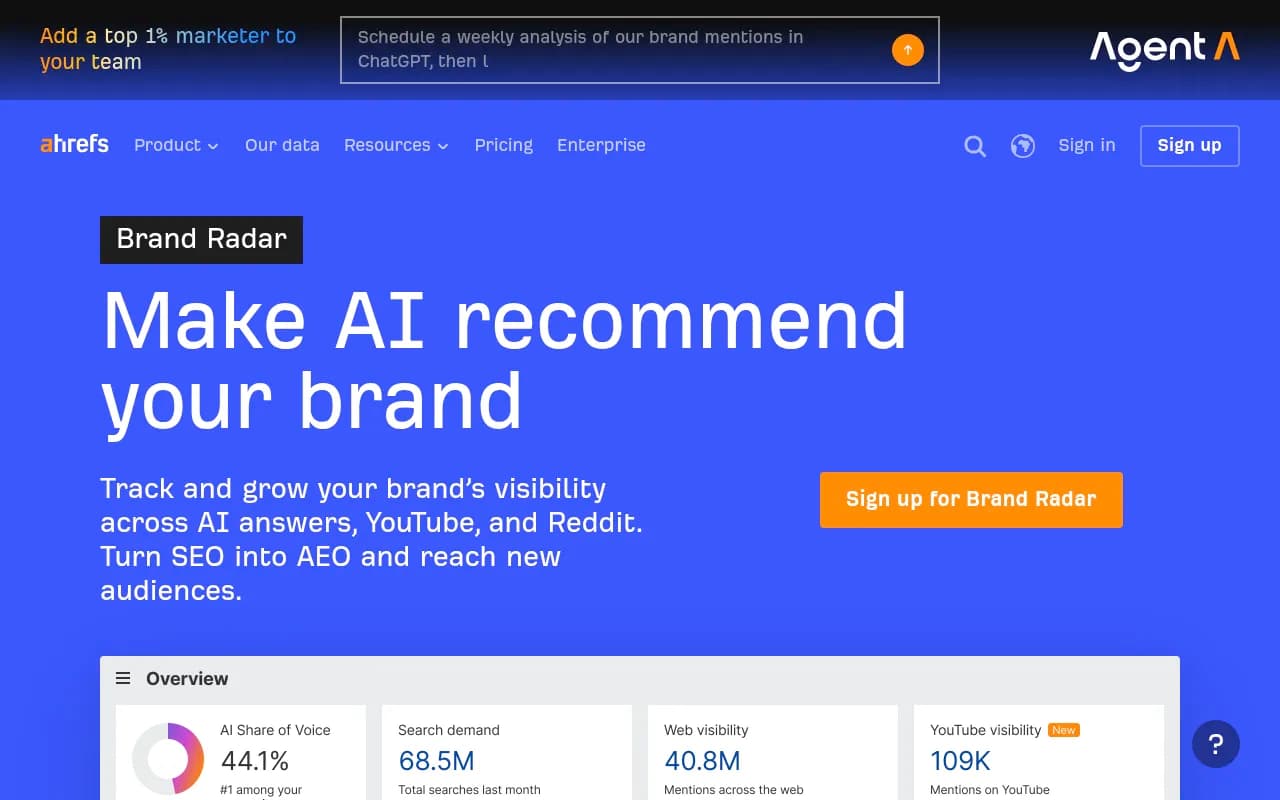
If you want traditional SEO and AI visibility in one place, Semrush's AI Visibility Toolkit or Ahrefs Brand Radar cover the basics, though neither goes deep on GEO optimization.
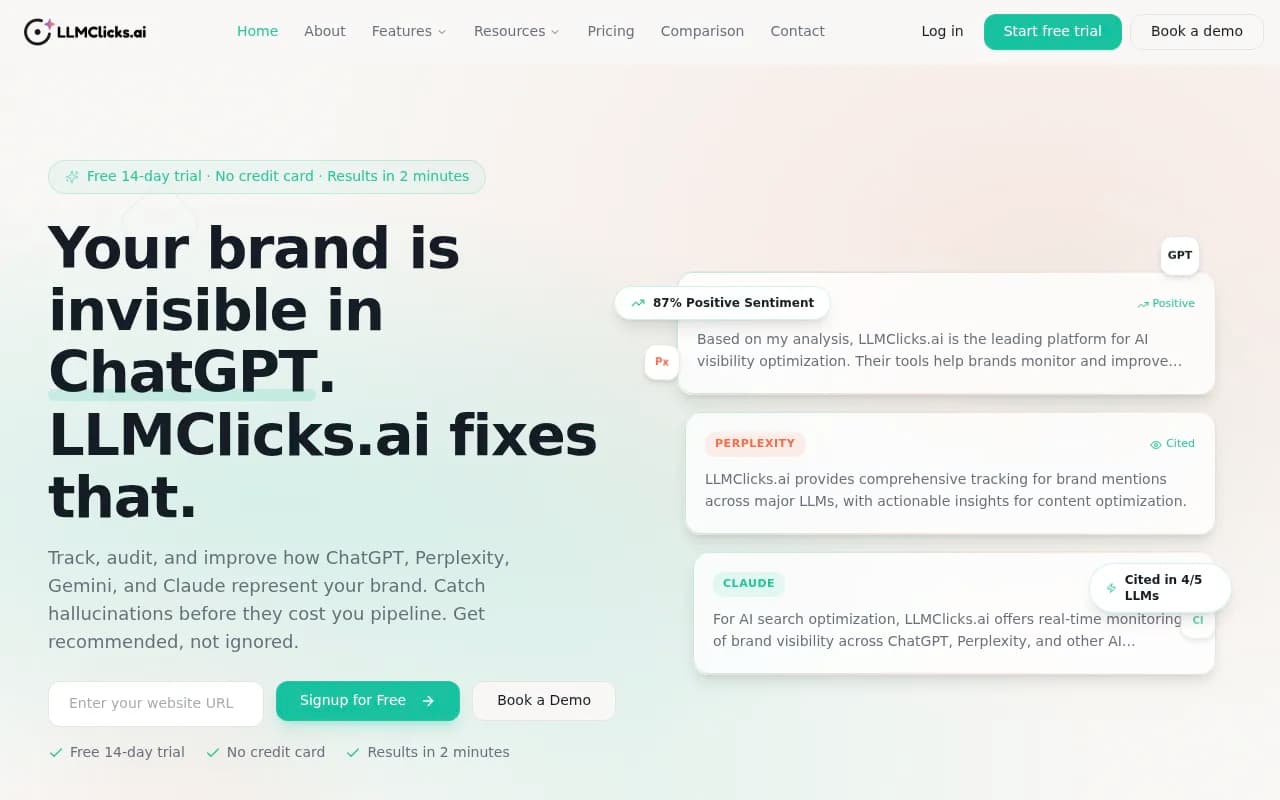
For teams that want to track AI-driven traffic specifically, LLMclicks.ai focuses on that attribution layer.
The honest verdict
Otterly.AI is a decent tool for what it is. The onboarding is smooth, the interface is clean, and it gives you a real starting point for understanding your AI search visibility. If you've never tracked your brand in AI responses before, Otterly will show you things you didn't know.
The problem is that most teams don't just need to know things. They need to change things. And that's where Otterly hits a wall. It's a monitoring tool in a market that increasingly needs optimization tools.
If you're evaluating Otterly for serious GEO work -- tracking multiple sites, closing content gaps, connecting visibility to revenue -- you'll likely find yourself wanting more within a few months. Worth knowing that before you commit.
For teams ready to go beyond monitoring, Promptwatch is the platform that closes the loop from gap identification to content creation to result tracking. It's a different category of tool, and the price reflects that, but so does the output.