Key takeaways
- Semrush's AI Visibility Toolkit is a solid addition to an existing Semrush workflow, but it's primarily a monitoring layer -- it shows you data without a clear path to fixing what's broken.
- Promptwatch is built around an action loop: find gaps, generate content, track results. It's the only platform in this comparison that takes you from "you're invisible" to "here's the content that will fix it."
- If your team already lives inside Semrush and wants basic AI visibility data alongside traditional SEO, the Semrush toolkit is a reasonable starting point.
- If AI search visibility is a serious priority -- or if you're an agency managing multiple brands -- Promptwatch's depth (crawler logs, prompt volumes, content agents, ChatGPT Shopping tracking) is hard to match.
- Pricing is closer than you'd expect: Promptwatch starts at $99/mo, Semrush One (which includes the AI Visibility Toolkit) starts at $139.95/mo.
There's a version of this comparison that writes itself: big legacy SEO platform adds AI features, scrappy specialist does it better, end of story. But the reality is more interesting than that. Semrush has genuinely invested in its AI Visibility Toolkit, and for certain teams it's a reasonable choice. The question isn't which tool has more features on paper -- it's which one actually moves the needle for your specific situation.
Let me walk through both honestly.
What Semrush's AI Visibility Toolkit actually does
Semrush launched its AI Visibility Toolkit as part of Semrush One, its unified platform tier. The core features cover the basics well:
- An AI Visibility Score that benchmarks your brand against competitors across AI search engines
- Brand Performance reports showing share of voice, sentiment, and how different LLMs perceive your brand
- Prompt Research and Prompt Tracking, which treats prompts like keywords -- you can find prompts relevant to your industry and track your visibility for them over time
- Third-party brand mentions, showing which external sources AI models are citing when they mention your brand
- An AI-focused Site Audit that checks whether your site is "AI-ready" from a technical standpoint

That's a meaningful feature set. The Site Audit angle is particularly interesting -- connecting traditional SEO health to AI readiness in one workflow is genuinely useful for teams that don't want to manage two separate tool stacks.
The limitation is what happens after you see the data. Semrush will tell you that your AI Visibility Score is lower than a competitor's, and it'll show you which prompts you're missing. But then what? There's no content generation, no brief creation grounded in prompt data, no crawler logs showing you why AI models aren't citing your pages. You get the diagnosis without much of the treatment.
What Promptwatch does differently
Promptwatch is built around a three-step loop that most monitoring tools skip entirely.
Step one: Answer Gap Analysis shows you exactly which prompts competitors rank for that you don't. Not just "you're missing some prompts" -- it shows you the specific questions AI models are answering from competitor content, with the actual prompt text and visibility data attached.
Step two: Content Agents generate articles, listicles, comparisons, and briefs based on that gap data. The content is grounded in real prompt volumes, citation patterns, competitor analysis, and your own brand guidelines. It's not generic AI writing -- it's content engineered around the specific gaps the analysis identified.
Step three: Page-level tracking shows which pages are getting cited, by which models, and how often. Agent Analytics shows the timeline from publish to crawl to citation, so you can see whether your new content is actually working.
That loop -- find gaps, create content, track results -- is what separates Promptwatch from tools that stop at monitoring. Most competitors, including Semrush's AI toolkit, stop at step one.
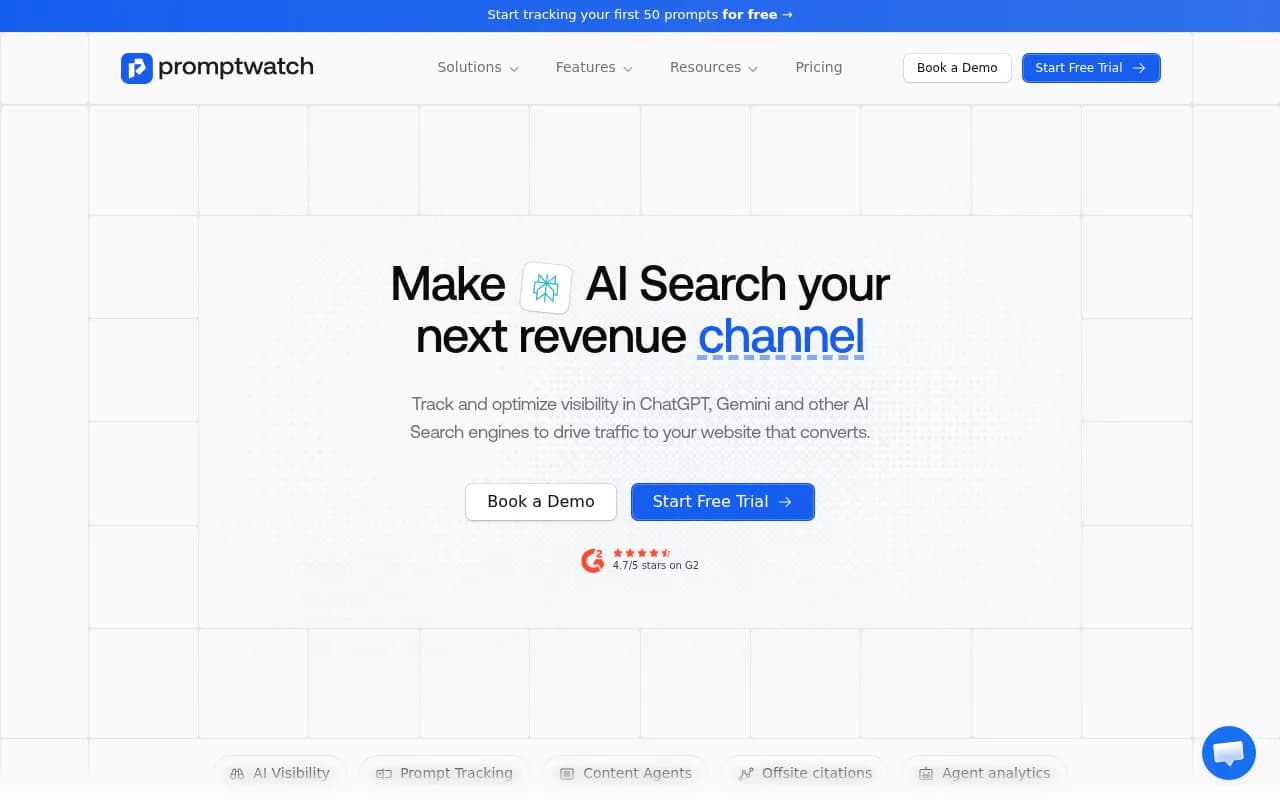
Beyond the core loop, Promptwatch covers some ground that Semrush doesn't touch at all:
- AI Crawler Logs: real-time logs of when ChatGPT, Claude, Perplexity, and others crawl your pages, which pages they read, and what errors they hit. This is genuinely rare -- most tools have no visibility into the crawl layer.
- ChatGPT Shopping Tracking: monitoring when your brand appears in ChatGPT's product recommendations and shopping carousels.
- Reddit and YouTube Insights: surfacing discussions and videos that directly influence AI recommendations, which matters because AI models frequently cite Reddit threads and YouTube content.
- Prompt Intelligence: volume estimates and difficulty scores for each prompt, plus query fan-outs showing how one prompt branches into sub-queries.
- Offsite citation analysis: tracking which external pages, listicles, and third-party mentions are driving your AI visibility outside your own site.
Head-to-head comparison
| Feature | Promptwatch | Semrush AI Visibility Toolkit |
|---|---|---|
| AI models tracked | 10 (ChatGPT, Perplexity, Gemini, Claude, Grok, DeepSeek, Copilot, Meta AI, Google AI Overviews, Google AI Mode) | ChatGPT, Gemini, Perplexity, Google AI Overviews (4 confirmed) |
| Prompt tracking | Yes, with volume + difficulty scores | Yes, basic tracking |
| Answer Gap Analysis | Yes, with competitor comparison | Limited |
| Content generation | Yes (Content Agents) | No |
| Content briefs | Yes | No |
| AI Crawler Logs | Yes | No |
| ChatGPT Shopping Tracking | Yes | No |
| Reddit/YouTube Insights | Yes | No |
| Offsite citation analysis | Yes | Partial (third-party mentions) |
| Traffic attribution | Yes | No |
| Site audit / AI readiness | No | Yes |
| Traditional SEO integration | No | Yes (full Semrush suite) |
| Multi-language/region | Yes | Limited |
| Starting price | $99/mo | $139.95/mo (Semrush One) |
| Free trial | Yes | Yes |
A few things stand out from this table. Semrush's advantage is real: if you need traditional SEO and AI visibility in one platform, it's the only option here that delivers both. The Site Audit feature is also genuinely useful -- knowing whether your site structure, schema, and crawlability are AI-ready is something Promptwatch doesn't directly address.
Promptwatch's advantage is depth on the AI side. More models, more data layers, and critically, the ability to act on what you find rather than just observe it.
The "all-in-one" argument, honestly assessed
The appeal of Semrush's approach is real. If your team already uses Semrush for keyword research, backlink analysis, and site audits, adding AI visibility to the same dashboard reduces tool sprawl. You don't need to learn a new interface, manage another login, or reconcile data from two different platforms.
That's a legitimate advantage, especially for smaller teams or agencies where simplicity has real value.
The counterargument is that "all-in-one" often means "good enough at everything, excellent at nothing." Semrush's AI visibility features are newer and less developed than its traditional SEO tools. A team that treats AI search as a serious growth channel -- not just a checkbox -- will likely hit the ceiling of what Semrush's AI toolkit can do fairly quickly.
There's also a workflow question. Semrush's AI features are designed to complement an existing SEO workflow. Promptwatch's features are designed around a GEO workflow specifically. If AI visibility is your primary focus, you want a tool built around that use case, not one where it's a module inside a larger platform.
Pricing in context
Semrush One, which includes the AI Visibility Toolkit, starts at $139.95/mo. That's the entry-level plan. The traditional Semrush Pro plan ($139.95/mo) doesn't include the AI toolkit -- you need Semrush One specifically.
Promptwatch starts at $99/mo for the Essential plan (1 site, 50 prompts, 5 articles/mo). The Professional plan at $249/mo adds crawler logs, more prompts, and more content generation. Business is $579/mo for 5 sites.
So Promptwatch is actually cheaper at entry level. The gap widens if you're comparing Semrush One's higher tiers against Promptwatch's mid-tier plans. For agencies, both offer custom pricing.
One thing worth noting: Semrush One bundles a lot. If you're paying for Semrush anyway, the AI toolkit is essentially included -- you're not adding a separate line item. If you're not already a Semrush customer, you're paying for the full platform to access the AI features, which changes the value calculation.
Who should use which
Semrush AI Visibility Toolkit makes sense if:
- You already use Semrush and want to add AI visibility monitoring without switching tools
- Your team needs traditional SEO and AI visibility in one workflow
- You want a Site Audit that covers both classic SEO health and AI readiness
- AI visibility is one of several priorities, not the main focus
Promptwatch makes sense if:
- AI search visibility is a core business priority, not a side project
- You need to not just monitor but actually improve your AI visibility through content
- You're managing multiple brands or sites (agency use case)
- You want depth: crawler logs, ChatGPT Shopping, Reddit/YouTube signals, prompt difficulty scoring
- You want to connect AI visibility to actual revenue through traffic attribution
What the data says
Promptwatch has processed more than 4.5 billion citations, clicks, and prompts -- that's the underlying dataset powering its visibility scores and gap analysis. That scale matters because AI search behavior is noisy: models change their citation patterns, new sources get added, and what worked three months ago may not work today. A larger dataset means more reliable signal.
Semrush hasn't published equivalent numbers for its AI toolkit specifically, though the platform overall has a large user base and established data infrastructure. The AI toolkit is newer, which means the underlying dataset is smaller and the methodology is still maturing.
A note on what neither tool does
Neither Promptwatch nor Semrush's AI toolkit can guarantee that your content will be cited by AI models. No tool can. What they can do is help you understand the current state, identify where the gaps are, and give you better inputs for the content you create.
The honest version of this comparison is: both tools are useful, both have real limitations, and the right choice depends on what you're trying to accomplish. If you want a monitoring dashboard that fits inside your existing Semrush workflow, the AI toolkit is fine. If you want to actually move the needle on AI visibility -- and track whether you did -- Promptwatch is the more complete option.
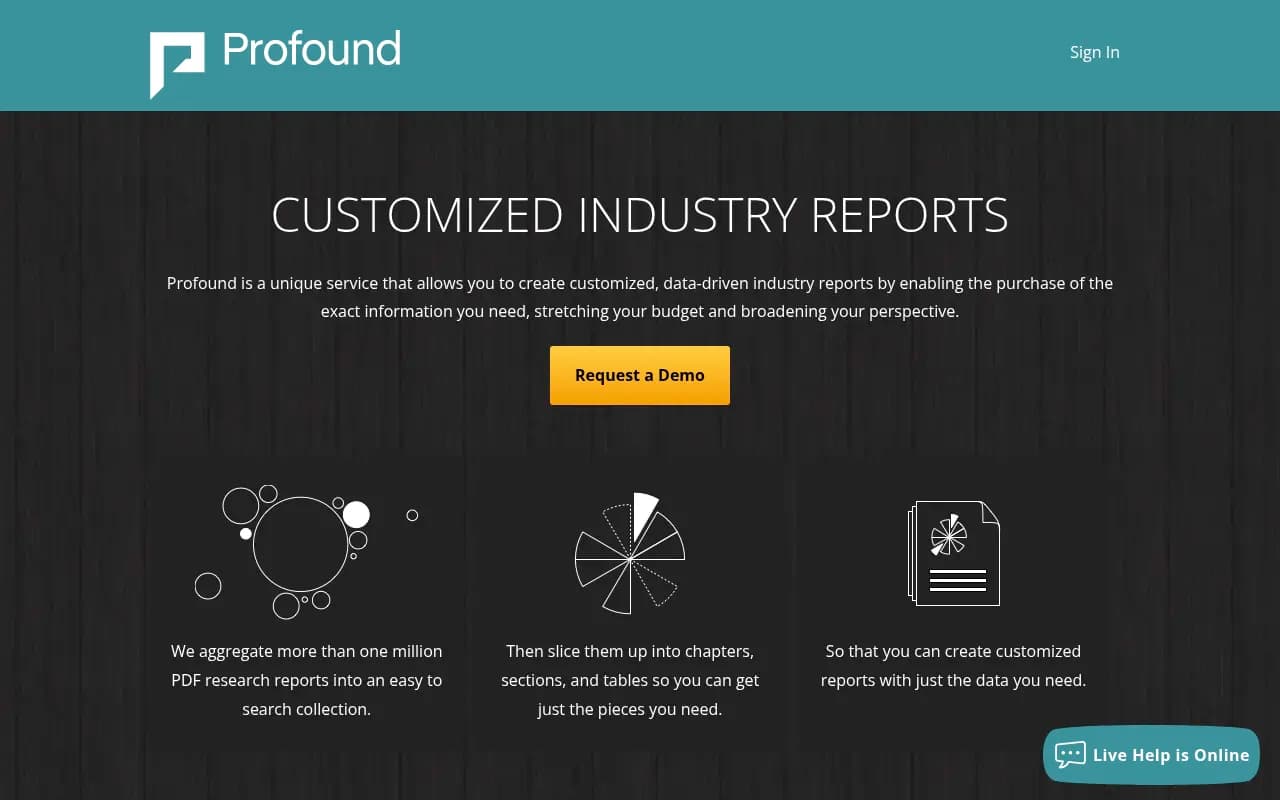
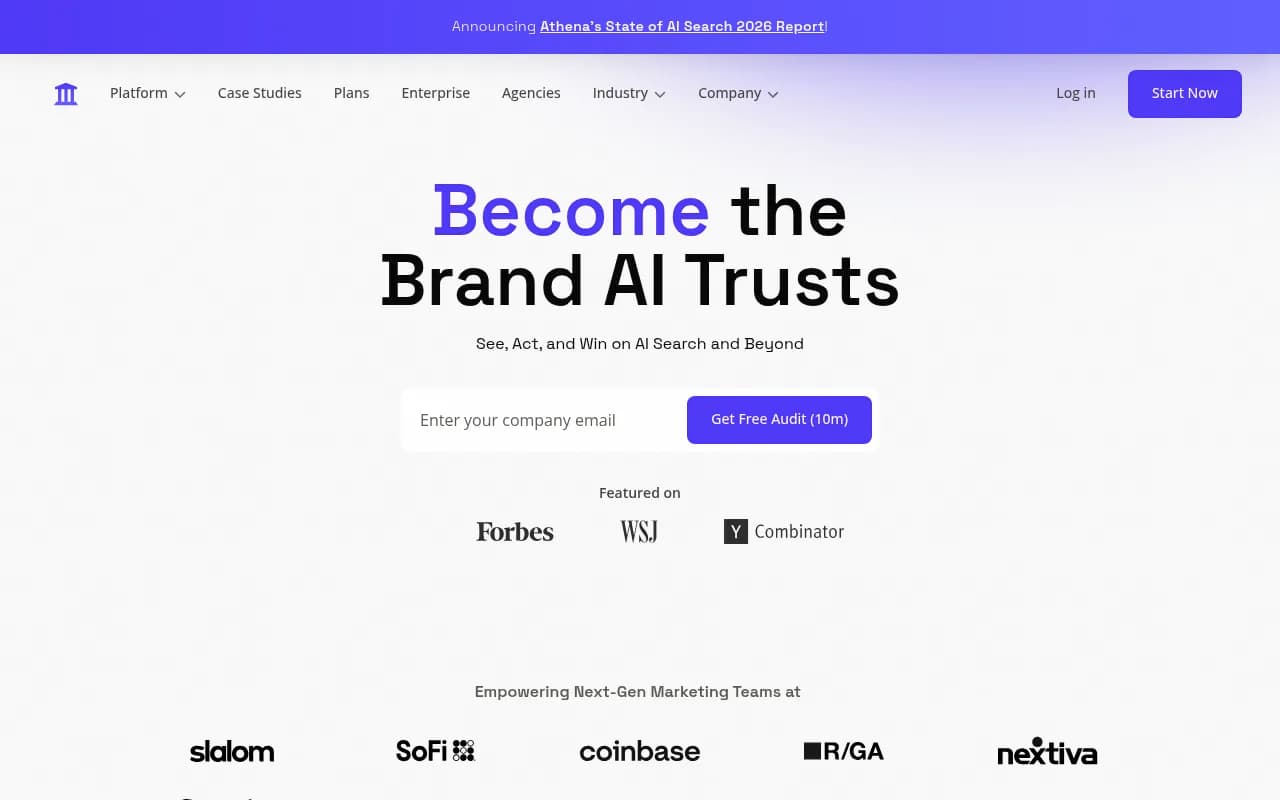
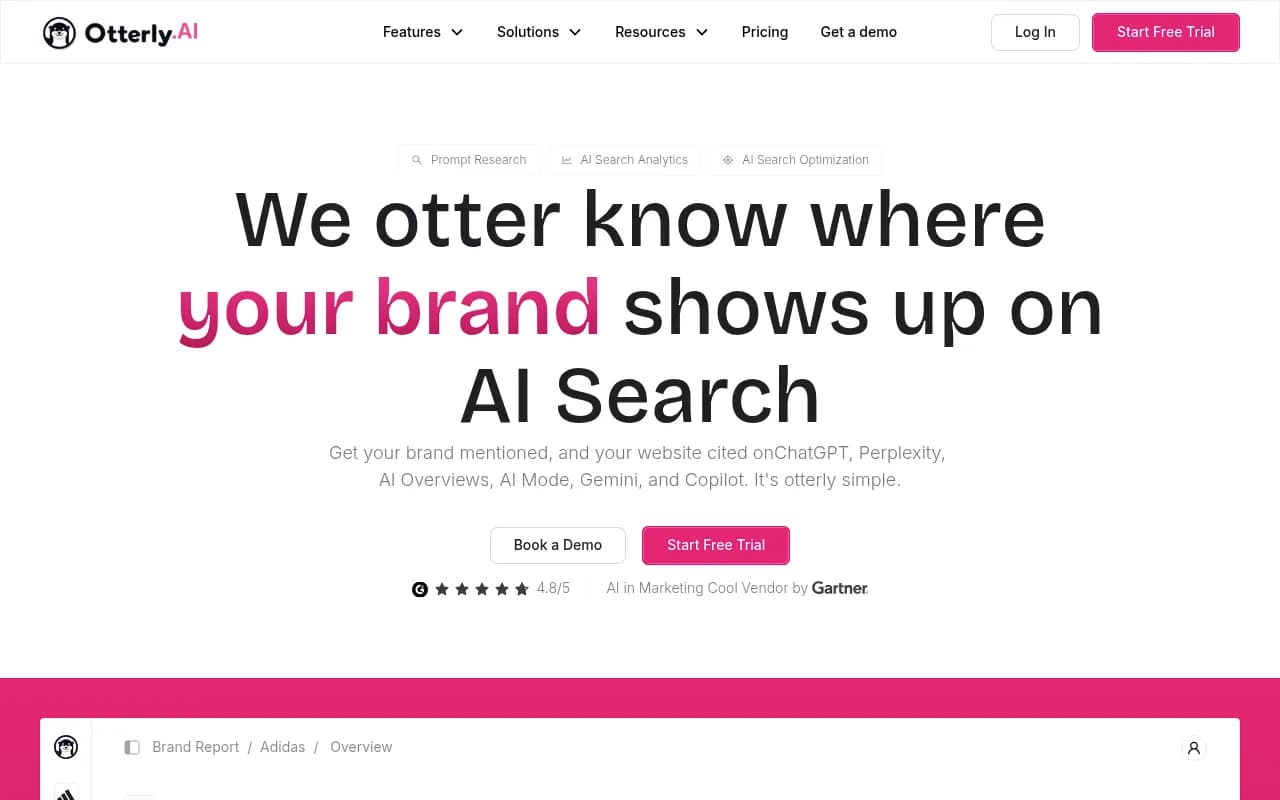
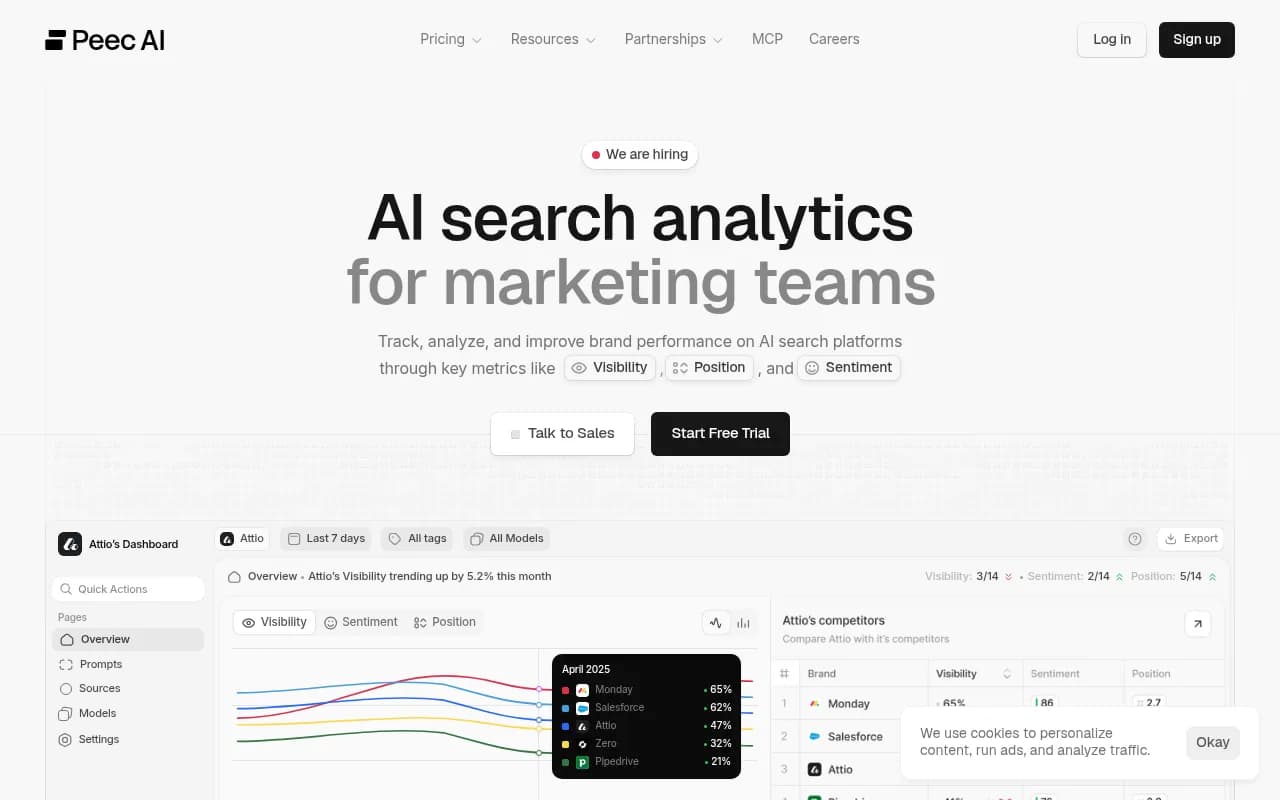
For teams that are serious about GEO and want to explore alternatives beyond these two, tools like Profound and AthenaHQ are worth looking at for enterprise monitoring, while Otterly.AI and Peec AI are lighter-weight options for teams just getting started.
The bottom line
Semrush built a competent AI visibility monitoring layer. For teams already in the Semrush ecosystem, it's a reasonable way to get started with AI search tracking without adding another tool.
Promptwatch is built for teams that want to do more than watch. The action loop -- gap analysis, content generation, result tracking -- is what makes it an optimization platform rather than a dashboard. That's a meaningful difference when AI search visibility is something you're actively trying to improve, not just passively observe.
If you're deciding between the two, the question to ask is simple: do you want to see where you stand, or do you want to change where you stand? The answer should tell you which tool to pick.