Key takeaways
- AI models pick sources based on trust signals, structure, and third-party mentions -- not just traffic or domain authority
- Your competitors are likely winning because they're easier for AI to read, verify, and extract answers from
- Being mentioned on Reddit, in listicles, and on third-party sites matters more than most brands realize
- Content that directly answers questions in plain language gets cited far more often than content written for traditional SEO
- Tracking your AI visibility is the first step -- you can't fix what you can't see
AI search has grown 527% year-over-year. That's not a rounding error -- it's a structural shift in how people find information and make decisions. And if your brand isn't showing up when someone asks ChatGPT, Perplexity, or Google AI Overviews about your category, your competitors are filling that space instead.
The frustrating part? Most brands have no idea this is happening. You can't see AI citations in Google Analytics. There's no "AI impressions" column in Search Console. You're invisible, and you don't even know it.
So why are your competitors showing up and you're not? Here are the ten most common reasons -- and what to do about each one.
1. Their content directly answers questions yours doesn't
AI models are answer machines. When someone asks "what's the best project management tool for remote teams," the model scans its training data and live sources for content that directly answers that question. If your site talks about your features but never actually answers the question "is this tool good for remote teams?", you're not going to get cited.
Your competitors who write FAQ-style content, comparison guides, and "best for X" articles are giving AI exactly what it needs. The fix is straightforward: audit your content and ask whether each page actually answers a specific question someone might type into an AI chat.
2. They're easier for AI to read and extract
AI doesn't just look at what you say -- it looks at how you say it. Pages with clear headings, short paragraphs, structured lists, and logical flow are much easier for models to parse and quote from. Dense walls of text, heavy JavaScript rendering, or content buried behind tabs and accordions can all hurt your chances of being cited.
A Reddit thread in r/GenerativeSEOstrategy put it well: "Even if your site is stronger, competitors can show up more in AI answers because they're mentioned in Reddit threads, blog lists, and places AI actually trusts." Structure is part of that trust signal.
Practically: use H2s and H3s that mirror real questions. Write conclusions that summarize the key point. Make it easy for a model to lift a sentence and use it as an answer.
3. They have more third-party mentions and citations
This one surprises a lot of people. AI models don't just read your website -- they read everything about you. If your competitors are mentioned in industry roundups, comparison articles, review sites, and blog posts across the web, they're building a web of corroborating signals that makes them look authoritative to AI.
Your own website saying you're great counts for much less than ten other websites saying you're great. This is why digital PR, link building, and getting listed in "best of" articles still matters -- maybe more than ever.
4. They're active on Reddit and forums
Reddit has become one of the most-cited sources in AI answers. Models like ChatGPT and Perplexity regularly surface Reddit threads because they contain real user opinions, comparisons, and recommendations that feel authentic and trustworthy.
If your competitors have users discussing them on Reddit -- even in threads you didn't create -- that's a visibility advantage. Some brands actively participate in relevant subreddits, answer questions, and build a presence in communities where their customers hang out. That activity feeds directly into AI citations.
You don't need to be spammy about it. Genuine participation in communities like r/Entrepreneur, r/marketing, or niche subreddits relevant to your industry can build the kind of organic mentions that AI models pick up.
5. They have better E-E-A-T signals
Google introduced E-E-A-T (Experience, Expertise, Authoritativeness, Trustworthiness) as a quality framework, but AI models apply similar logic. Content written by named authors with credentials, published on sites with clear "About" pages, contact information, and editorial standards gets treated differently than anonymous content.
If your competitors have bylined articles from recognized experts, case studies with real data, or content that cites primary sources, they're building trust signals that AI models respond to. Check your own content: are your authors identified? Do your articles link to credible sources? Is there a clear editorial voice?
6. They're publishing content at a higher volume and frequency
AI models are trained on data, and they're also pulling from live web sources in real time (for models with web access). Brands that publish consistently -- weekly blog posts, regular guides, updated comparison pages -- are simply present in more conversations.
This doesn't mean publishing garbage at scale. It means having a content strategy that covers your topic area comprehensively. If a competitor has 50 articles covering every angle of your industry and you have 10, they're going to show up in more AI answers by sheer coverage.
7. They're targeting the right prompts
Not all questions are equal. Some prompts get asked constantly by real users; others are barely typed. Your competitors who are winning in AI search have figured out which questions their customers actually ask AI models -- and they've built content around those specific prompts.
This is where prompt intelligence becomes genuinely useful. Tools like Promptwatch track which prompts are driving AI citations in your category, show you volume and difficulty estimates, and reveal exactly which competitors are showing up for each one.
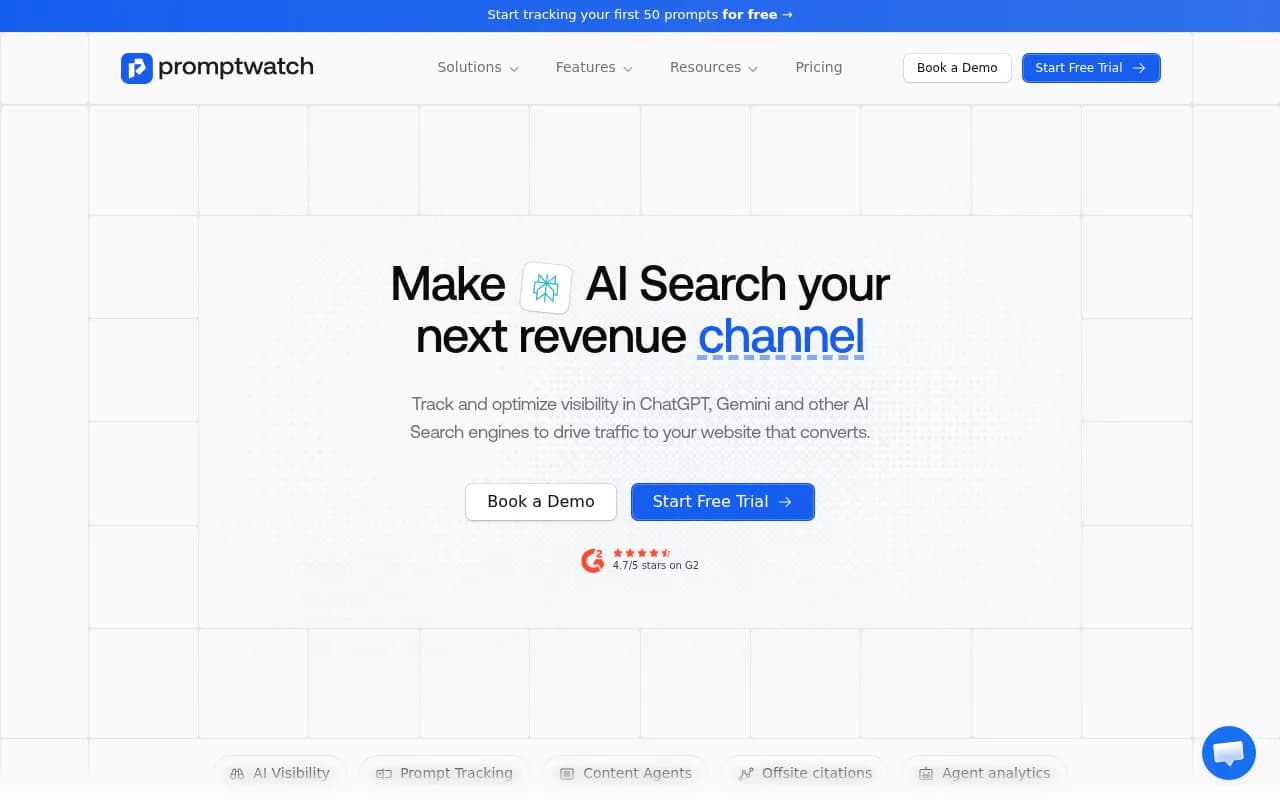
If you're writing content based on guesses about what people ask AI, you're at a disadvantage against competitors who are working from real prompt data.
8. They're getting cited in YouTube videos and other media
YouTube is another source AI models regularly pull from. If your competitors are featured in "best tools for X" YouTube videos, tutorial walkthroughs, or comparison reviews, those citations feed into AI visibility. Google's AI Overviews in particular has a strong tendency to surface YouTube content.
This is a channel most brands completely ignore when thinking about AI visibility. A well-placed mention in a popular YouTube video can drive AI citations for months.
9. Their technical setup doesn't block AI crawlers
Some brands accidentally block AI crawlers through their robots.txt file, aggressive bot-blocking, or Cloudflare settings that treat AI agents as threats. If Perplexity's crawler or ChatGPT's indexing bot can't read your site, you won't show up -- full stop.
Check your robots.txt file. Make sure you're not blocking user agents like PerplexityBot, GPTBot, or ClaudeBot. This is a surprisingly common issue, especially for sites that have added aggressive security layers in the past year.
Beyond robots.txt, page speed and crawl errors matter. AI crawlers have limited patience. If your pages are slow to load or return errors, they'll move on.
10. They're tracking their AI visibility and you're not
This might be the biggest one. If you're not measuring your AI visibility, you can't improve it. Your competitors who are winning in AI search are almost certainly monitoring which prompts they appear for, which pages are being cited, and where the gaps are.
Without that data, you're optimizing blind. You might be publishing content that never gets cited, missing high-value prompts entirely, or losing ground to a competitor who just updated a single page.

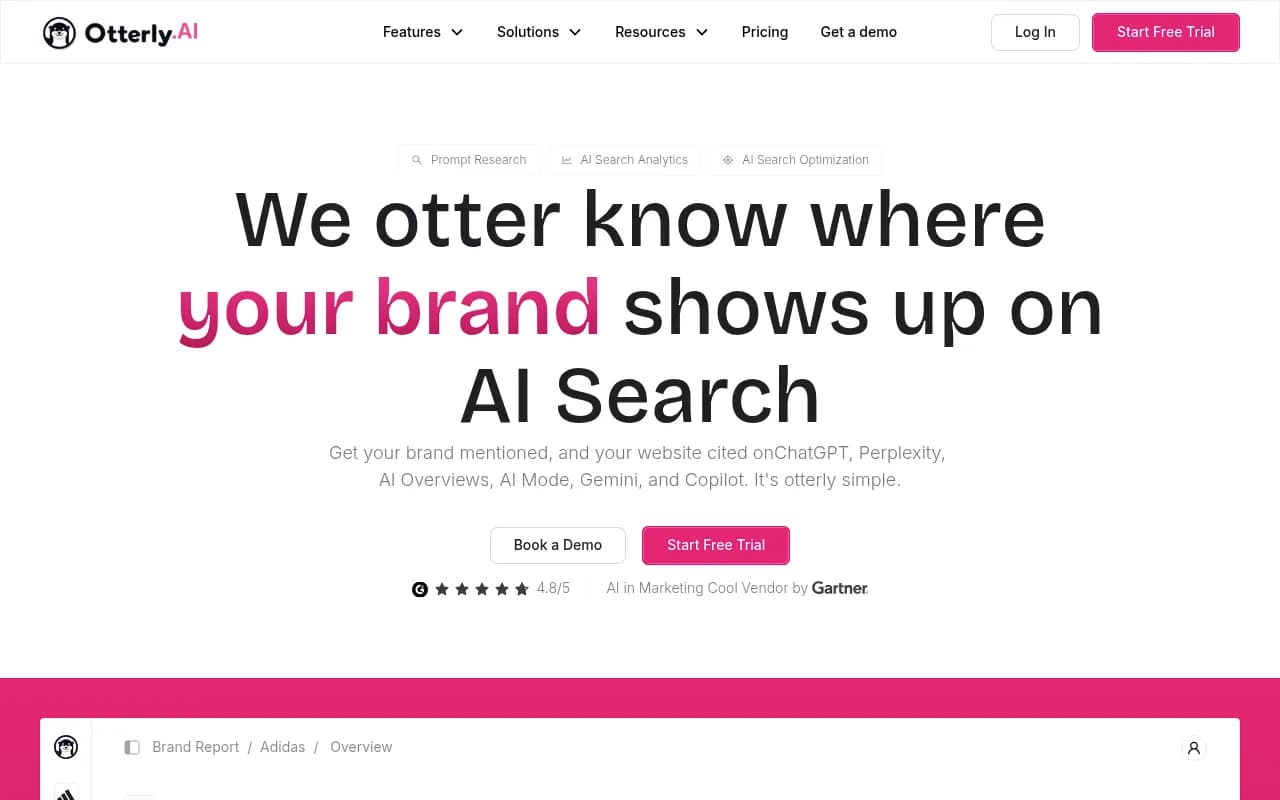
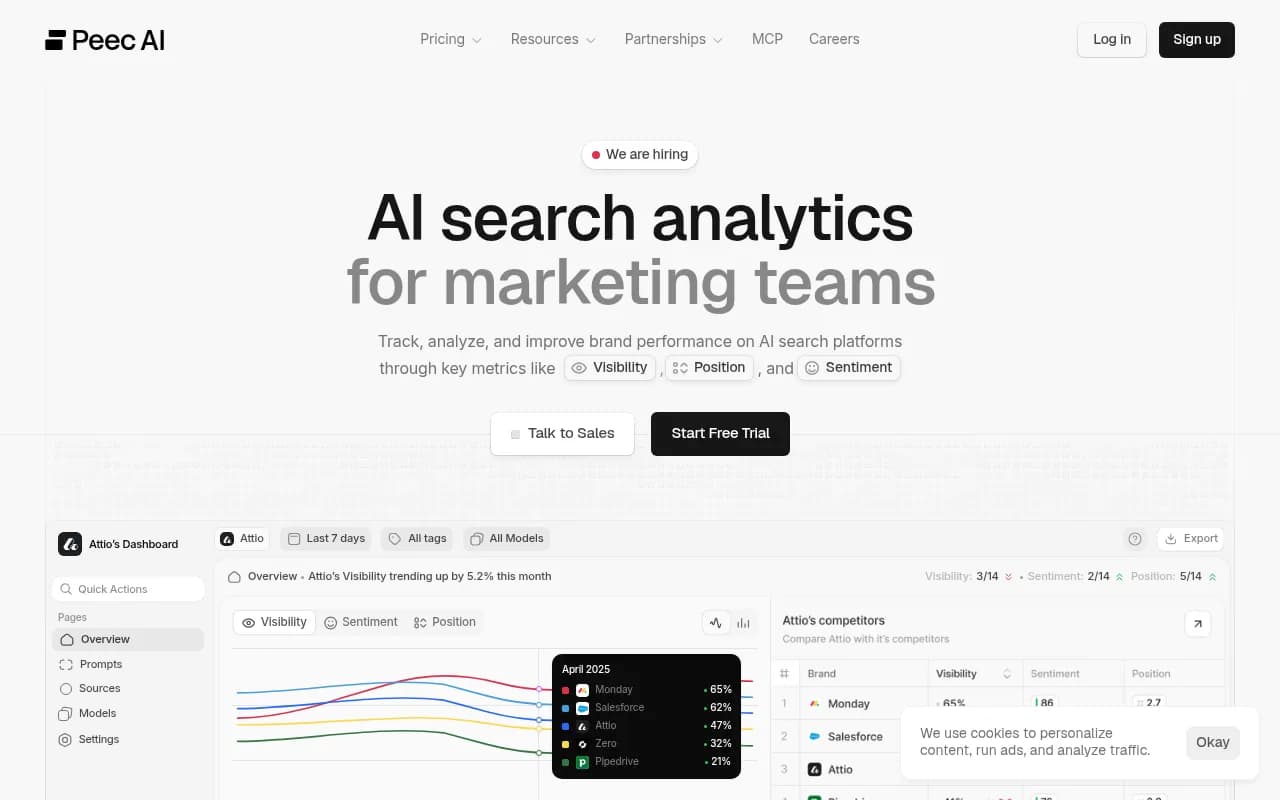
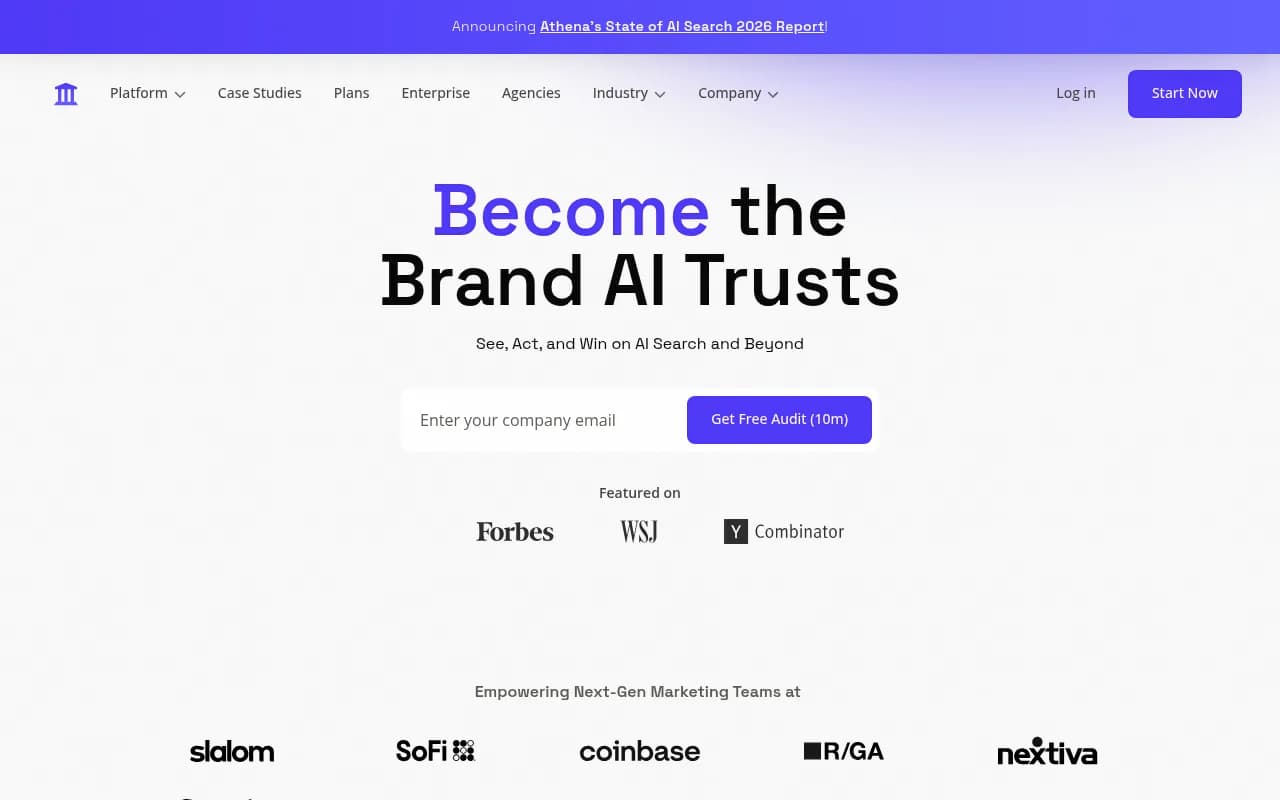
Platforms built for AI visibility monitoring give you a real picture of where you stand. Here's a quick comparison of some of the main options:
| Tool | Monitors AI models | Content gap analysis | Content generation | Crawler logs | Reddit/YouTube tracking |
|---|---|---|---|---|---|
| Promptwatch | 10+ models | Yes | Yes | Yes | Yes |
| Otterly.AI | Yes | No | No | No | No |
| Peec AI | Yes | Limited | No | No | No |
| AthenaHQ | Yes | No | No | No | No |
| Semrush AI Visibility | Yes | Limited | No | No | No |
| Ahrefs Brand Radar | Yes | No | No | No | No |
| Profound | Yes | No | No | No | No |
Most tools will show you where you're visible. Fewer will tell you why you're not visible and what to do about it.
What to actually do about it
Knowing the reasons is one thing. Here's a practical starting point:
Run a quick AI visibility audit
Open ChatGPT, Perplexity, and Google AI Overviews. Type in 5-10 questions your customers would realistically ask about your category. Note which brands show up and which don't. This gives you a rough baseline -- and it's often a wake-up call.
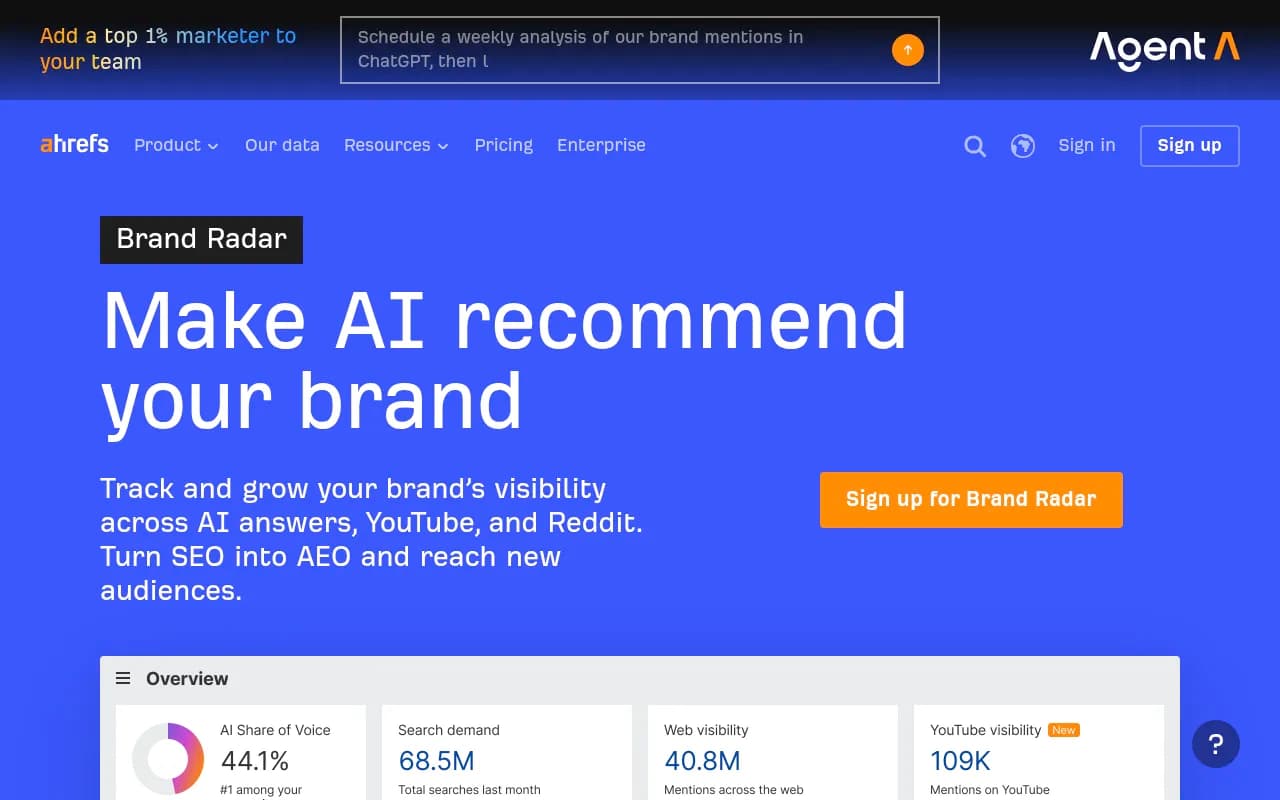
For a more systematic view, tools like Promptwatch, Semrush's AI visibility features, or Ahrefs Brand Radar can track this at scale across multiple prompts and models.
Identify your content gaps
Look at the prompts where competitors show up and you don't. What questions are they answering that you're not? What topics do they cover that you've ignored? That gap list becomes your content roadmap.
Fix your technical basics first
Before investing in new content, make sure AI crawlers can actually access your site. Check robots.txt, fix crawl errors, and verify your page speed. There's no point creating great content if it can't be indexed.
Build your off-site presence
Start getting mentioned in places AI trusts: industry blogs, comparison sites, Reddit communities, YouTube videos. This takes time, but it compounds. A single mention in a well-trafficked Reddit thread can drive AI citations for a long time.
Publish content that answers real questions
Stop writing for search engines and start writing for the question. Every piece of content should have a clear question it's answering, stated explicitly. Use structured headings that mirror how someone would phrase the question. Write conclusions that summarize the answer in one or two sentences -- that's often what gets lifted into an AI response.
The underlying shift
The brands winning in AI search right now aren't necessarily the biggest or the most technically sophisticated. They're the ones who understood early that AI models reward clarity, trust, and coverage -- and they built their content strategy around those principles.
The gap between visible and invisible in AI search is growing fast. Brands that start tracking and optimizing now will have a meaningful head start over those who wait until AI search is their primary traffic source and they're already behind.
Start with the audit. See where you stand. Then work through the list above, one item at a time.