Key takeaways
- Most brands jump into GEO without knowing their current AI visibility baseline -- which means they can't measure progress or prioritize effort
- Technical issues (crawl blocks, poor structure, thin content) will kill your GEO results before strategy even matters
- Knowing which AI models your audience actually uses changes everything about where you focus
- Content gaps -- prompts your competitors rank for but you don't -- are the highest-ROI place to start
- Tracking tools vary wildly in depth; some only monitor, others help you act on what they find
There's a pattern playing out right now across marketing teams everywhere. Someone reads that ChatGPT is changing search, gets the budget approved for "GEO," and then... starts publishing content. No baseline. No audit. No idea whether the problem is technical, structural, or strategic.
Six months later, nothing has moved, and the whole initiative quietly gets deprioritized.
The checklist below is designed to prevent that. Before you invest serious time or money into Generative Engine Optimization, these are the 12 things worth verifying. Some take five minutes. A few will take a day. All of them will save you from optimizing in the wrong direction.
1. Check whether AI crawlers can actually reach your site
This sounds obvious, but it trips up a surprising number of teams. AI search engines use their own crawlers -- GPTBot (OpenAI), ClaudeBot (Anthropic), PerplexityBot, Google-Extended -- and many sites accidentally block them.
Check your robots.txt file. If you see Disallow: / under any of these user agents, AI models can't read your content. They can't cite what they can't crawl.
Also check for:
- Aggressive bot-blocking in Cloudflare or similar WAF rules
- JavaScript-only rendering that prevents crawlers from seeing page content
- Login walls or paywalls sitting in front of your most valuable pages
If you're not sure what AI crawlers are actually doing on your site, crawler log analysis tools can show you exactly which pages they're hitting, how often, and where they're bouncing.
2. Establish your current AI visibility baseline
You can't optimize what you haven't measured. Before doing anything else, run a handful of prompts that a real customer might type into ChatGPT, Perplexity, or Gemini, and see whether your brand appears.
Be specific. Don't just search your brand name -- that's vanity. Search the questions your buyers actually ask:
- "What's the best [category] tool for [use case]?"
- "How do I solve [specific problem]?"
- "Which [product type] should I use for [scenario]?"
Record what you find. Which models mention you? Which don't? Are you cited by name, or just referenced vaguely? Is a competitor consistently appearing where you're absent?
This baseline is your starting point. Everything else in GEO is measured against it.
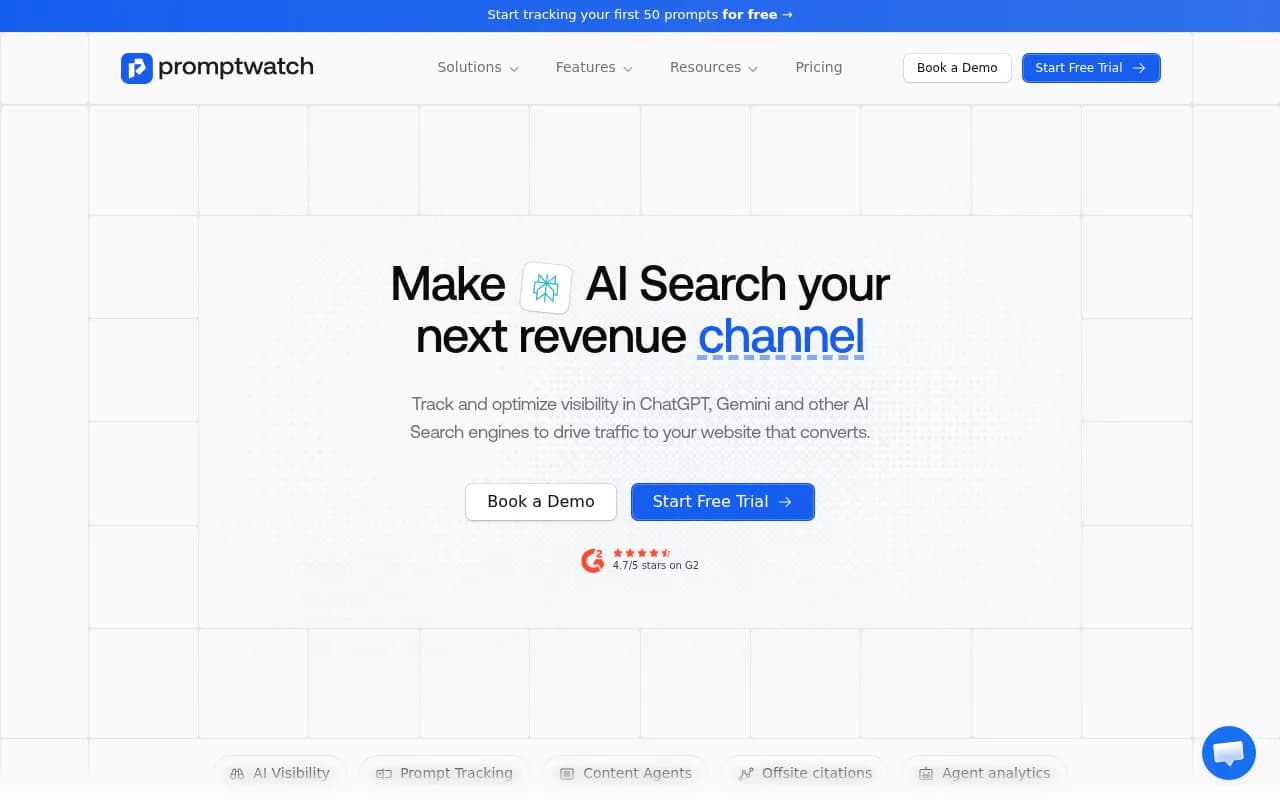
Tools like Promptwatch automate this across 10+ AI models simultaneously, so you're not manually checking each one.
3. Identify which AI models your audience actually uses
Not all AI models matter equally for your audience. A B2B software buyer researching enterprise tools probably uses ChatGPT or Perplexity. A consumer looking for product recommendations might use Google AI Overviews or Gemini. A developer might use Claude or Copilot.
Before you spread effort across every platform, figure out where your buyers are. Look at:
- Which AI tools your sales team hears mentioned in calls
- Referral traffic from AI sources in your analytics (look for
chatgpt.com,perplexity.ai,claude.aiin referrer data) - Industry surveys or community discussions in your niche
This shapes your entire GEO strategy. If 80% of your audience uses ChatGPT, that's where you verify citations first, track prompts first, and fix gaps first.
4. Audit your content for AI extractability
AI models don't read pages the way humans do. They extract. They pull out the clearest, most direct answer to a question and surface it. If your content buries the answer in three paragraphs of preamble, or uses vague language, or relies on visual formatting that doesn't translate to text -- it gets skipped.
Run a quick extractability audit on your top pages:
- Does each page answer a clear question, stated explicitly?
- Are answers near the top of the page, not buried after long introductions?
- Do you use headers that reflect actual user questions (not just keyword phrases)?
- Is the language direct and specific, or hedged and vague?
A benchmark study based on 10,000 queries found that content with credible citations, quotable phrasing, natural human-like flow, and a confident expert tone consistently outperformed baseline content in AI search results. That's a useful frame for evaluating your existing pages.
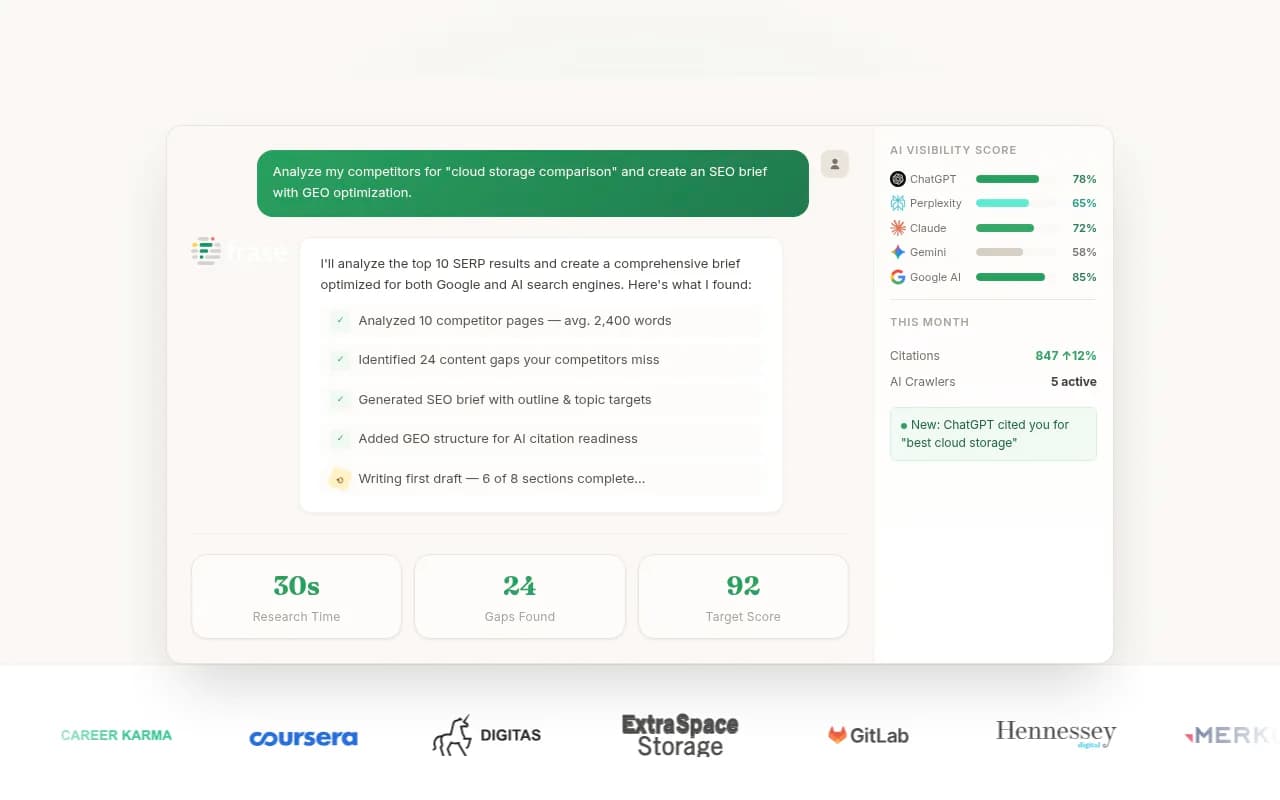
Tools like Clearscope or Frase can help you assess content depth and topical coverage before you start rewriting.

5. Map your content against real prompt data
This is where most teams find their biggest gaps. AI models respond to prompts -- specific questions and queries that real users type. If you don't have content that directly addresses those prompts, you won't appear in the answers.
The exercise here is to build a list of prompts relevant to your category and check whether you have content that answers each one. Not just content that mentions the topic -- content that actually answers the question.
Common gaps include:
- Comparison prompts ("X vs Y" questions your competitors rank for)
- How-to prompts for problems your product solves
- "Best [category] for [specific use case]" prompts
- Definition and explainer prompts for terms in your space
If you find 20 prompts where competitors are being cited and you're not, those are your content priorities. That's a concrete roadmap, not a vague "create more content" directive.
6. Check your structured data and schema markup
Schema markup doesn't directly force AI models to cite you, but it does help them understand what your content is about. Pages with clear structured data are easier to extract from and easier to categorize.
For GEO purposes, the most relevant schema types are:
FAQPage-- maps directly to question-and-answer formats AI models preferHowTo-- useful for step-by-step contentArticleandBlogPosting-- signals editorial contentOrganizationandLocalBusiness-- helps AI models understand who you areProductandReview-- important for e-commerce and shopping recommendations
Use Google's Rich Results Test or Schema.org's validator to check what's currently implemented. If you have none, even basic Article and Organization markup is worth adding.
7. Assess your brand's entity presence
AI models don't just cite URLs -- they recognize entities. Your brand, your founders, your products, your category -- these all exist as entities in the knowledge graphs that AI models draw from.
Check whether your brand has:
- A Wikipedia page or Wikidata entry
- A Google Knowledge Panel
- Consistent NAP (name, address, phone) data across directories
- Mentions in authoritative third-party publications
- A clear, consistent description of what you do across your own site and external sources
If AI models have conflicting or sparse information about who you are, they'll be less likely to confidently cite you. Entity building is slow work, but it pays off across every AI model simultaneously.
8. Audit your third-party citation footprint
A significant portion of AI citations come from third-party sources: review sites, comparison pages, Reddit threads, YouTube videos, industry publications, and listicles. AI models trust these sources partly because they're independent.
Before investing in GEO, audit where you currently appear (and don't appear) outside your own site:
- Are you listed on the major review platforms in your category (G2, Capterra, Trustpilot, etc.)?
- Do you appear in "best of" listicles that AI models commonly cite?
- Are there Reddit threads discussing your category where you're absent or misrepresented?
- Are there YouTube reviews or comparisons that mention competitors but not you?
This offsite footprint often matters more than your own content for AI citation frequency. It's worth knowing the state of it before you spend months optimizing your blog.
9. Verify your page speed and technical health
AI crawlers, like traditional search crawlers, are more likely to successfully index fast, technically clean pages. Slow pages get crawled less frequently. Pages with errors get skipped.
Run a basic technical audit:
- Core Web Vitals (especially LCP and CLS)
- Broken links and 404 errors on key pages
- Duplicate content issues that might dilute authority
- Thin pages with very little substantive content
- Internal linking structure -- are your most important pages well-connected?
None of this is GEO-specific, but technical debt is a multiplier on everything else. Fix the foundation before building on it.
10. Understand the competitive landscape in AI search
You need to know who's winning in your category right now, and why. This isn't about traditional search rankings -- it's about which brands AI models consistently recommend when users ask questions in your space.
Map out:
- Which competitors appear most frequently in AI responses for your target prompts
- What content they have that you don't
- Which third-party sources are driving their citations
- Whether they're winning across all AI models or just specific ones
This competitive picture tells you whether you're starting from a small gap or a large one, and which specific moves are most likely to close it. Some competitors will have invested heavily in structured content; others will be winning purely on brand authority and third-party coverage.
| What to check | Why it matters |
|---|---|
| Which prompts competitors rank for | Reveals your content gaps |
| Which AI models cite them | Shows where to focus first |
| What third-party sources drive their citations | Tells you where to build offsite presence |
| Their content structure and depth | Benchmarks what "good" looks like in your category |
11. Set up proper tracking before you start optimizing
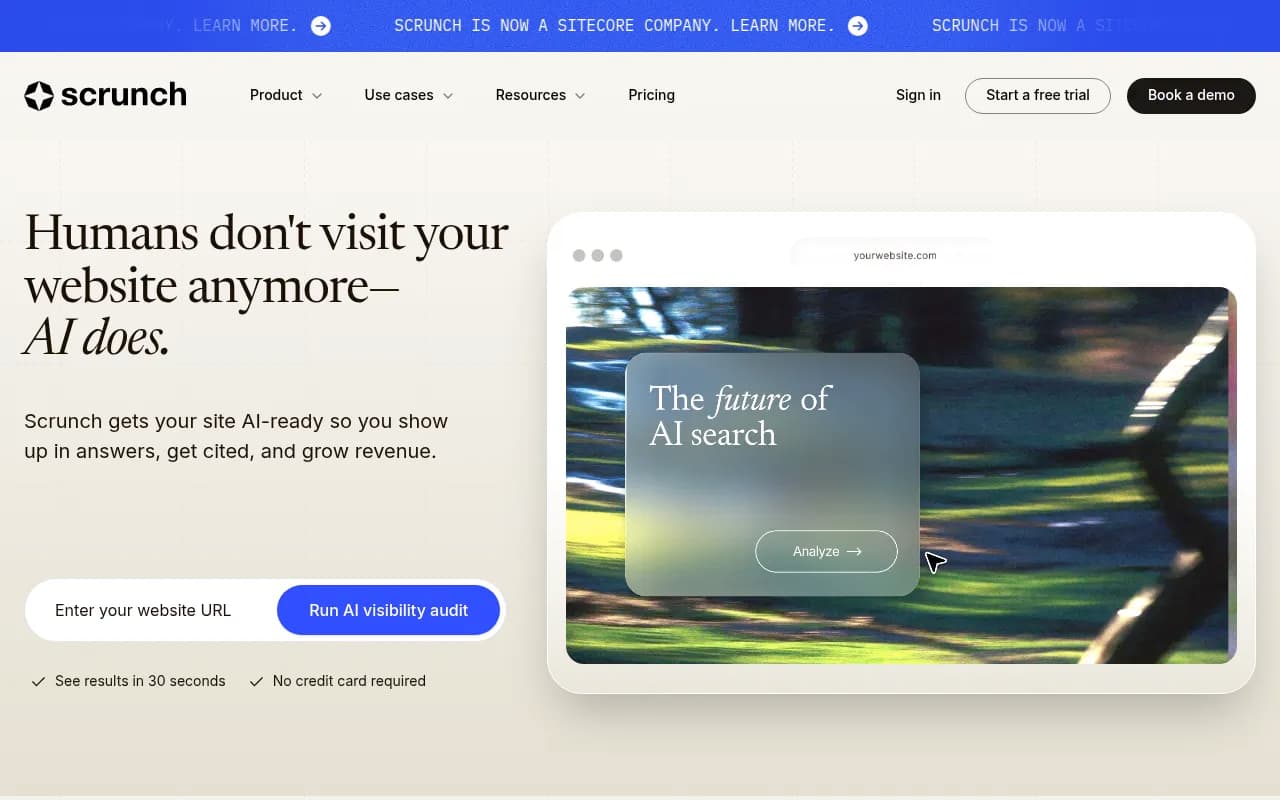
This one gets skipped constantly, and it's a mistake. If you start publishing GEO-optimized content without tracking in place, you'll have no way to know what's working.
At minimum, before you start:
- Set up AI visibility tracking for your target prompts across the models your audience uses
- Establish a baseline citation rate (how often you appear now)
- Track referral traffic from AI sources in your analytics
- Note which pages are currently being cited, if any
The more sophisticated version includes page-level citation tracking (which specific pages are being cited), crawler log monitoring (when AI crawlers visit and what they read), and traffic attribution (connecting AI citations to actual conversions).
Without this, GEO becomes a faith-based exercise. You're publishing content and hoping something improves.
12. Decide whether you need monitoring, optimization, or both
This is the strategic question that determines which tools and approaches are worth investing in. There's a real difference between:
- Monitoring: knowing where you appear and don't appear in AI responses
- Optimization: actually improving where you appear by fixing content, filling gaps, and building authority
Most teams need both, but they often buy monitoring tools and then wonder why nothing changes. Monitoring tells you the problem. Optimization fixes it.
Before committing to a platform or agency, ask specifically: does this help me create content that fills my gaps, or does it just show me the gaps? Both have value, but they're different investments with different timelines.
| Tool type | What it does | What it doesn't do |
|---|---|---|
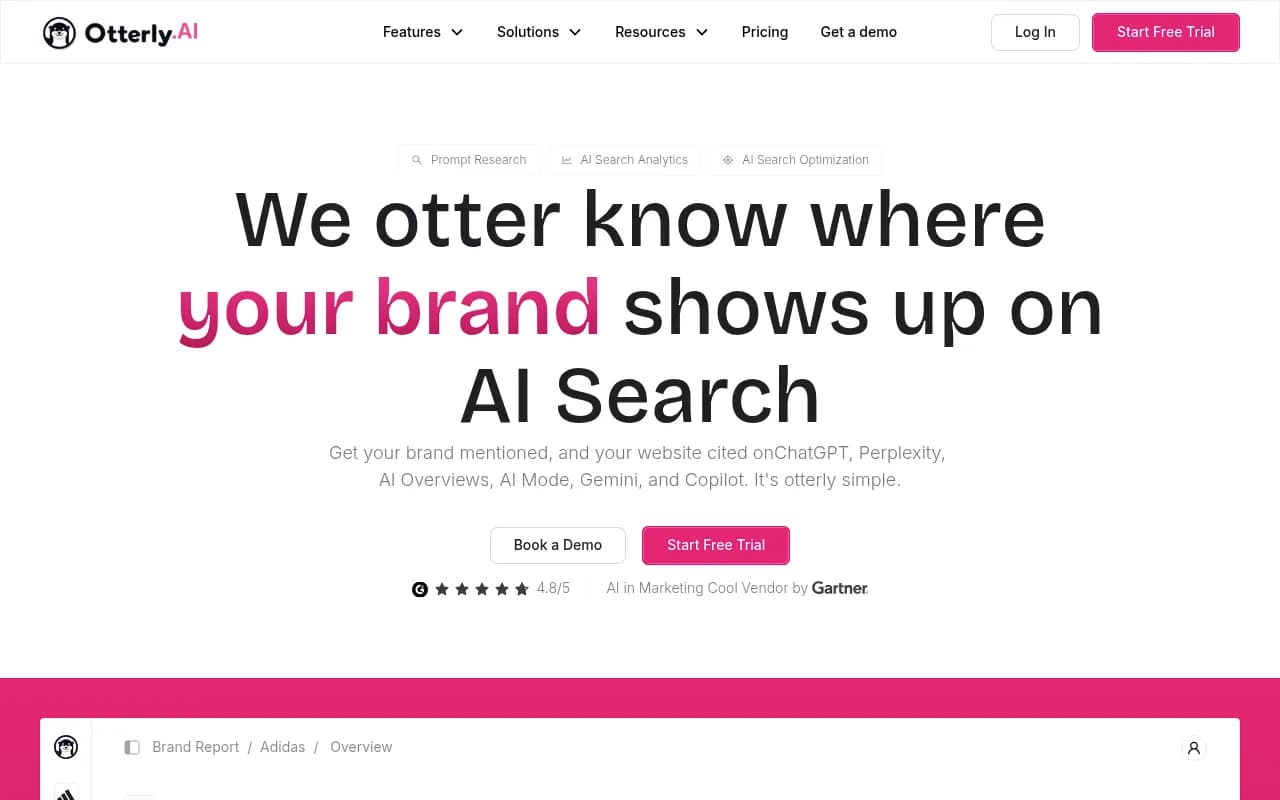
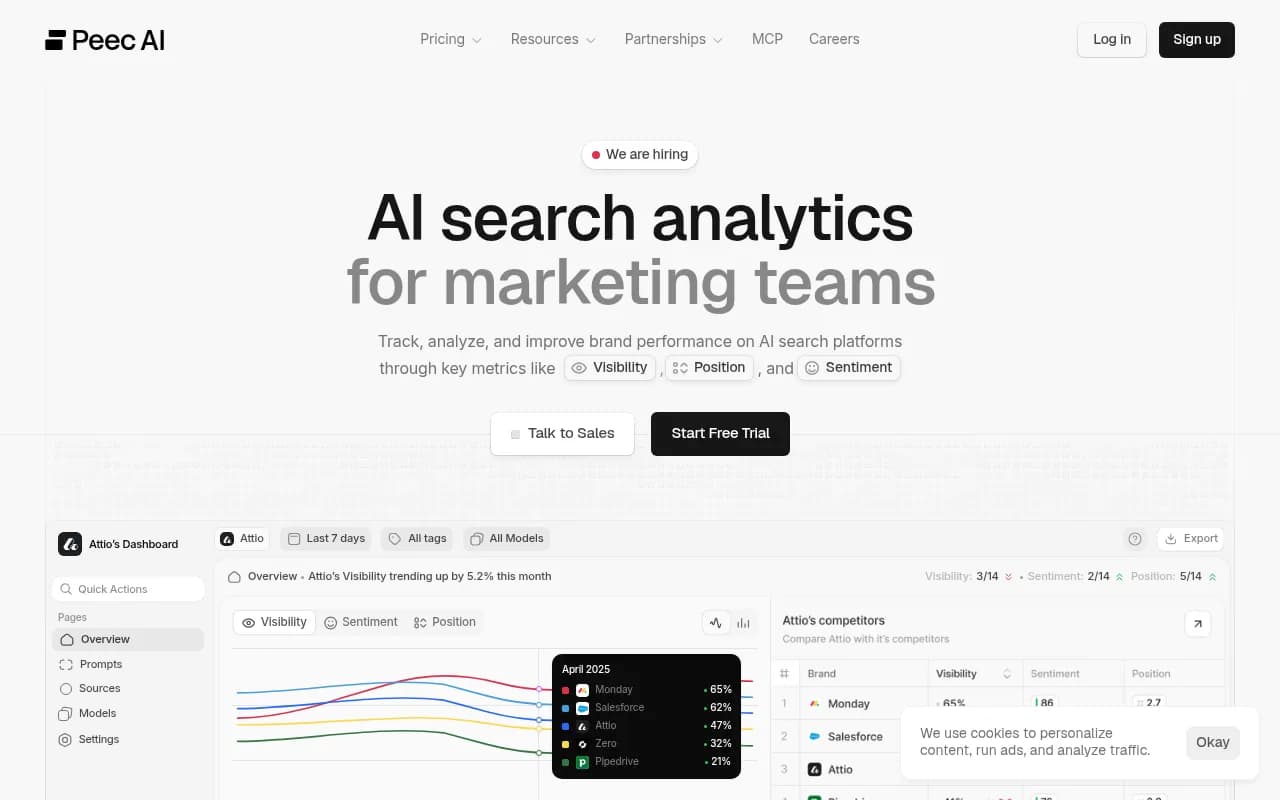
| Monitoring-only (Otterly.AI, Peec.ai, AthenaHQ) | Tracks citations, shows where you appear | Doesn't help you fix gaps or create content |
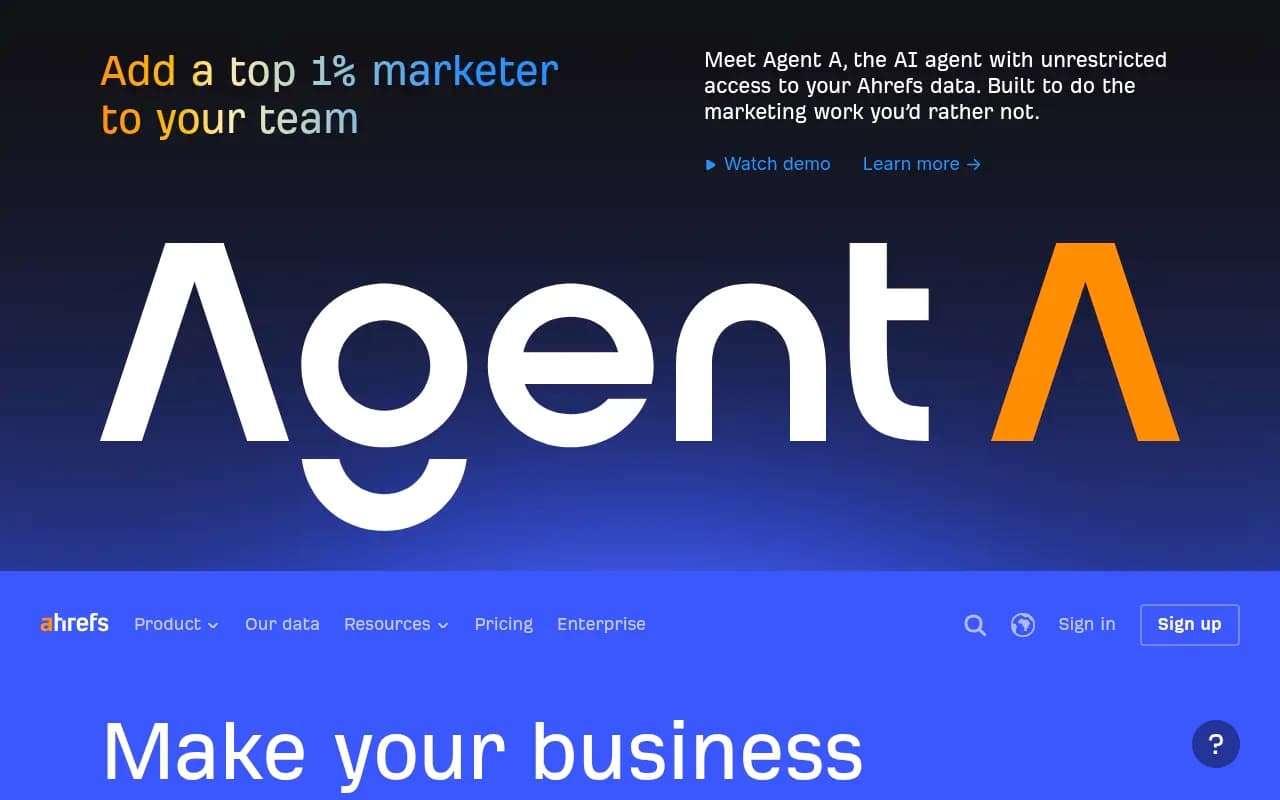
| SEO platforms with AI features (Semrush, Ahrefs) | Broad SEO coverage, some AI tracking | Limited AI-specific depth, fixed prompt sets |
| End-to-end GEO platforms (Promptwatch) | Tracks visibility AND helps generate content to fix gaps | Requires ongoing content investment to see results |
Putting it together
Running through all 12 of these checks before you invest in GEO will take a few days of honest work. That's worth it. The alternative is spending months optimizing in the wrong direction -- publishing content for prompts nobody searches, fixing technical issues that weren't the bottleneck, or buying a monitoring tool when what you actually needed was content.
The brands seeing real results from GEO right now are the ones who started with a clear picture of where they stood, identified the specific gaps worth closing, and tracked their progress as they went. That's not a complicated formula. It's just doing the diagnostic work before the treatment.
Start with checks 1, 2, and 5. Crawlability, baseline visibility, and prompt gaps will tell you more about your GEO situation in a few hours than most audits reveal in a week.