Key takeaways
- Goodie AI works for basic AEO monitoring but lacks the depth enterprise teams need: no AI crawler logs, limited model coverage, and no content generation tied to gap data.
- Most alternatives fall into two camps: monitoring-only dashboards (Profound, AthenaHQ, Peec AI) and full optimization platforms that also help you fix what's broken.
- Promptwatch is the only platform in this comparison rated as a "Leader" across all categories in a 2026 review of 12 GEO tools -- it monitors, finds gaps, and generates content to close them.
- For enterprise teams, the right choice depends on whether you need data alone or a complete loop: find gaps, create content, track results.
- Pricing across these tools ranges from free tiers to $579+/mo, with enterprise/custom plans available from Promptwatch, Profound, and Evertune.
If you're running AI visibility for an enterprise team, you've probably already outgrown Goodie AI -- or you're about to. It's a decent entry point for tracking brand mentions in AI answers, but when your team needs real prompt volume data, AI crawler logs, content generation tied to actual gap analysis, and coverage across 10+ AI models, the cracks start to show.
The good news: the GEO and AEO tool market has matured fast in 2026. There are now serious platforms built for teams that need more than a dashboard.
This guide ranks the best Goodie AI alternatives for enterprise teams -- covering what each does well, where it falls short, and who it's actually built for.
Why teams leave Goodie AI
Goodie AI gained traction early because it combined an AI content writer with visibility tracking in one interface. That's genuinely useful at the start. But enterprise teams tend to hit the same walls:
- Model coverage is limited. You need ChatGPT, Perplexity, Claude, Gemini, Grok, DeepSeek, Copilot, and Google AI Overviews -- not just one or two.
- There's no AI crawler analytics. You can't see which pages AI engines are actually reading, how often they return, or whether your content is getting indexed before it gets cited.
- Content tools don't connect to gap data. Writing content is only useful if it's targeting the specific prompts where competitors are visible and you're not.
- Prompt data is fabricated, not real. Most tools (including Goodie AI) construct their own queries. That means you're optimizing for hypothetical prompts, not the ones real users are actually typing.
These aren't minor gaps. For a team managing AI visibility across multiple brands, markets, or languages, they're blockers.
The top Goodie AI alternatives for enterprise teams in 2026
1. Promptwatch -- best overall for enterprise teams that need to act, not just monitor
Promptwatch is the most complete platform in this comparison. The core difference from every other tool here: it doesn't stop at showing you data. It helps you do something with it.
The workflow is built around three steps. First, Answer Gap Analysis shows you exactly which prompts competitors are visible for but you aren't -- the specific topics and questions AI models want answers to but can't find on your site. Second, Content Agents generate articles, listicles, comparisons, and briefs grounded in that gap data, real citation patterns, prompt volumes, and competitor analysis. Third, page-level tracking shows your visibility scores improving as AI models start citing the new content, with agent analytics showing the timeline from publish to crawl to citation.
That loop -- find gaps, create content, track results -- is what separates Promptwatch from monitoring-only tools.
For enterprise teams specifically, a few capabilities stand out:
- AI Crawler Logs show real-time data on which AI crawlers (ChatGPT, Claude, Perplexity, etc.) are hitting your site, which pages they read, errors they encounter, and how often they return. Most competitors don't have this at all.
- Prompt Intelligence gives volume estimates and difficulty scores for each prompt, plus query fan-outs showing how one prompt branches into sub-queries. That means you can prioritize high-value, winnable prompts instead of guessing.
- Offsite citation analysis tracks which external pages -- Reddit threads, YouTube videos, third-party listicles -- are driving AI visibility outside your own site.
- Multi-language and multi-region monitoring covers AI responses in any language, from any country, with customizable personas that match how your actual customers prompt.
- ChatGPT Shopping tracking monitors when your brand appears in product recommendations and shopping carousels.
Pricing: Essential $99/mo (1 site, 50 prompts, 5 articles), Professional $249/mo (2 sites, 150 prompts, 15 articles, crawler logs), Business $579/mo (5 sites, 350 prompts, 30 articles). Agency and enterprise plans available.
Promptwatch covers 10 AI models: ChatGPT, Perplexity, Google AI Overviews, Google AI Mode, Claude, Gemini, Meta/Llama, DeepSeek, Grok, Mistral, and Copilot.
2. Profound -- best for enterprise data depth and real prompt volume
Profound was one of the first serious players in AI visibility tracking, and it still has some genuinely unique capabilities. Its real-user prompt volume data -- pulled from actual search behavior rather than fabricated queries -- is one of the best in the category. It also captures responses from the front-end user interface rather than just the API, which matters because AI answers in real interfaces can differ significantly from API outputs.
The Amazon Rufus shopping module is another differentiator: most competitors still don't track AI-powered shopping recommendations at all.
Where Profound gets complicated is pricing. The Starter plan at $99/mo only covers ChatGPT. Adding Perplexity and Google AI Overviews jumps to $399/mo. Full model coverage (Claude, Gemini, Grok, and the rest) requires enterprise pricing that isn't published. At the Growth tier, you're also capped at 100 tracked prompts and 3 user seats.
For teams that need comprehensive model coverage without a custom contract, that structure is frustrating. And Profound is primarily a monitoring platform -- it doesn't generate content or help you close the gaps it identifies.
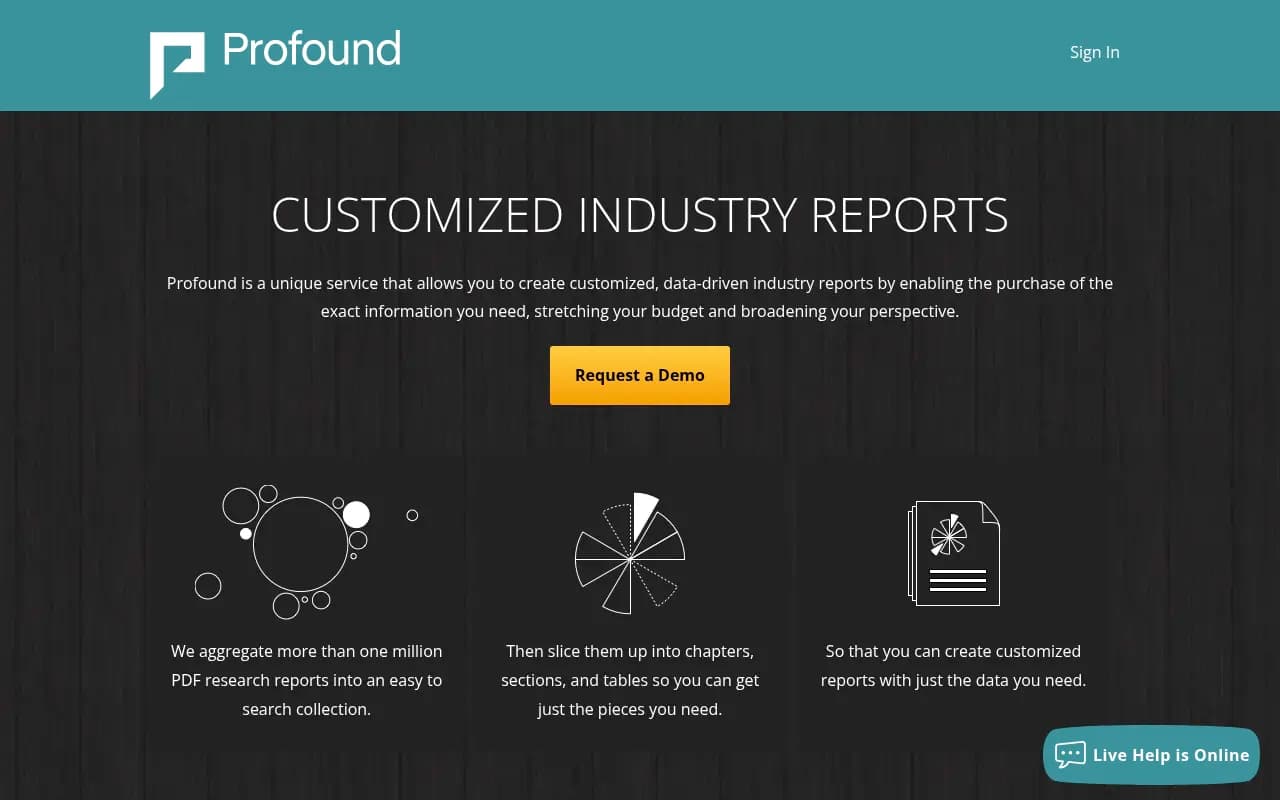
3. Peec AI -- best for European teams and mid-market budgets
Peec AI has built a solid reputation among European marketing teams, partly because of its GDPR-conscious data handling and partly because it covers regional AI behavior that US-centric tools often miss. It tracks brand mentions across major AI models and provides content strategy recommendations based on what's driving citations.
The platform sits in a middle tier: more capable than basic monitoring tools like Otterly, but without the full optimization loop of Promptwatch. Content briefs are available, but they're not generated from live gap analysis tied to specific prompt data. You get insights; you don't get a direct path from insight to published content.
For teams in Europe running mid-market budgets, it's a strong fit. For large enterprise teams managing multiple brands across many markets, the ceiling shows up fairly quickly.
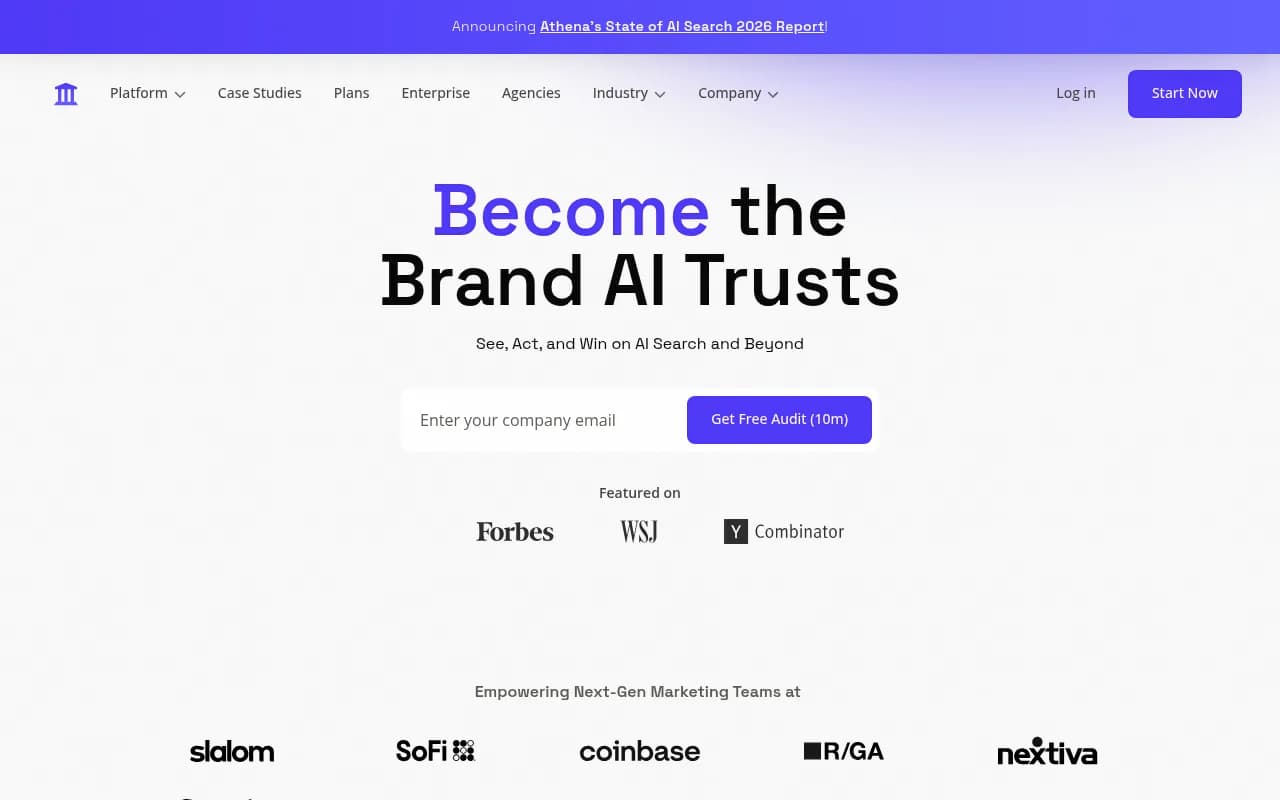
4. AthenaHQ -- best for monitoring-focused enterprise teams
AthenaHQ is built squarely for enterprise monitoring. The interface is clean, the data is reliable, and the model coverage is broad. It tracks brand mentions, sentiment, and competitive positioning across AI answers with a level of polish that suits large organizations.
The limitation is the same one that applies to most monitoring platforms: it tells you what's happening but doesn't help you change it. There's no content generation, no gap analysis tied to actionable output, and no crawler log data. For a team that already has a content operation and just needs reliable visibility data to feed it, AthenaHQ works well. For teams that need the full loop, it's only half the solution.
5. Otterly.AI -- best budget option for smaller enterprise teams
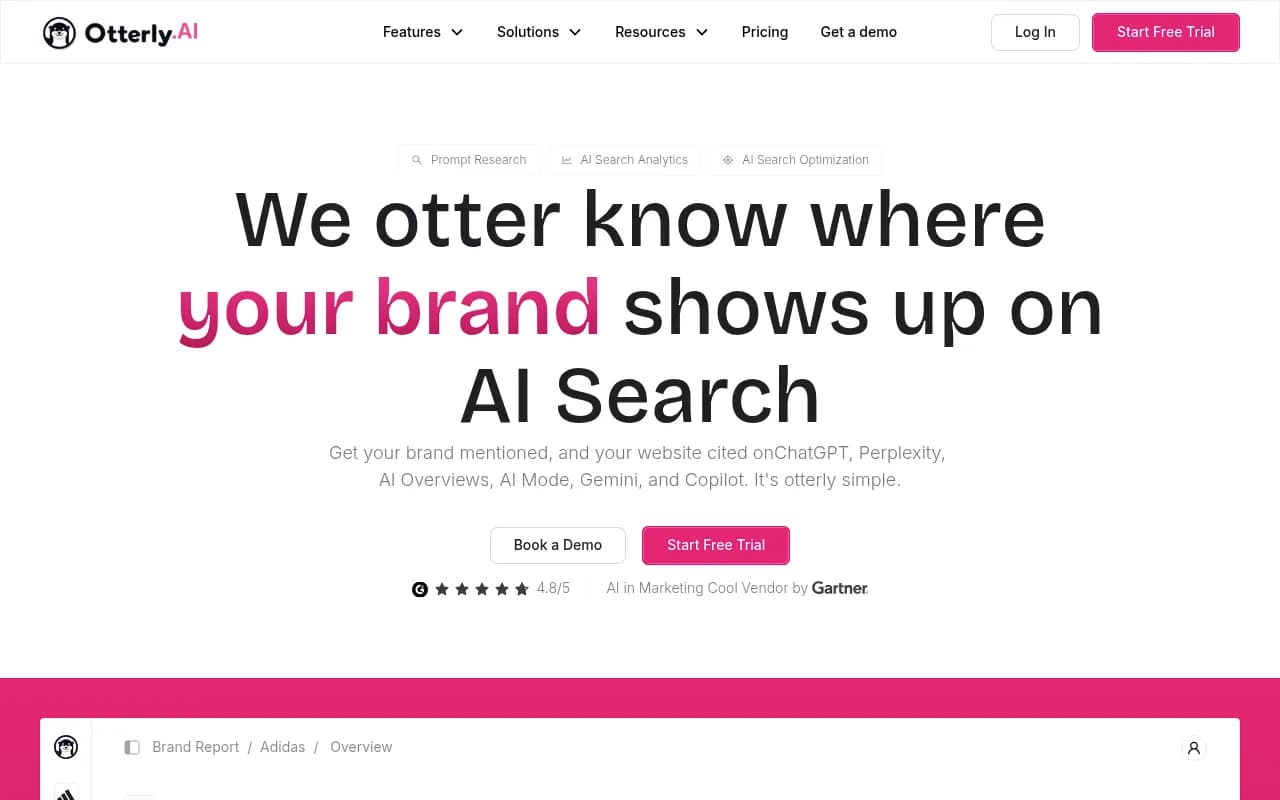
Otterly is the most affordable serious option in this space. It covers the core monitoring use case -- tracking brand mentions across AI models, comparing against competitors, flagging changes -- at a price point that makes it accessible for teams with limited budgets or those just starting their GEO programs.
The tradeoff is depth. No crawler logs, no visitor analytics, no content generation, no prompt volume data. It's a clean, simple dashboard that does what it says. For a team that needs to prove the concept internally before investing in a more complete platform, Otterly is a reasonable starting point.
6. Ahrefs Brand Radar -- best for SEO-first teams already on Ahrefs
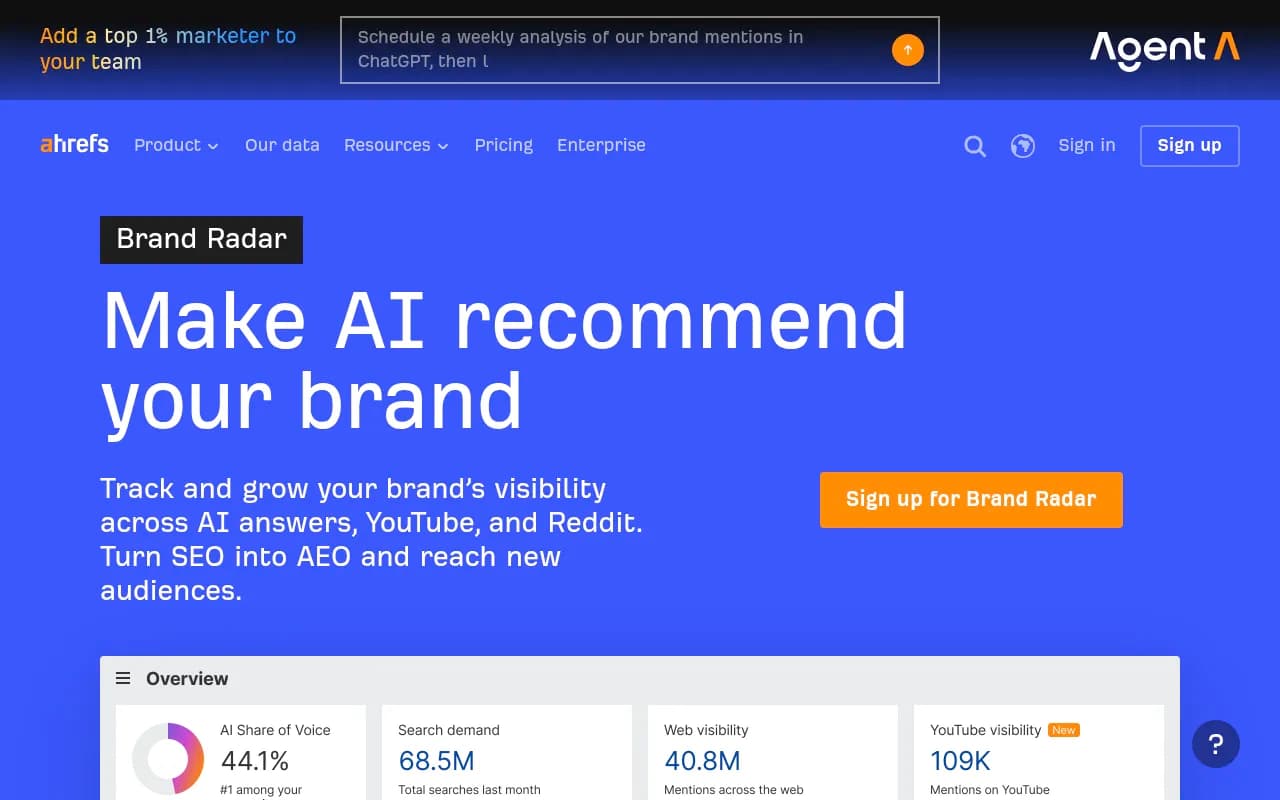
If your team already uses Ahrefs for traditional SEO, Brand Radar is the most natural extension into AI visibility. The data quality argument is real: Brand Radar's prompts are derived from "People Also Ask" data with actual search volume behind them, which means you're tracking AI behavior against queries real people typed -- not hypothetical ones.
The limitation is that Brand Radar is still primarily a tracking layer. It doesn't generate content, doesn't provide crawler logs, and doesn't close the loop from gap identification to optimization. It also uses fixed prompts rather than letting you define your own tracking universe, which limits flexibility for teams with specific competitive scenarios.
Pricing is modular: $50/mo for 2,500 checks, up to $699/mo for all 6 AI indexes plus custom prompt checks.
7. Scrunch AI -- best for agencies managing multiple brand clients
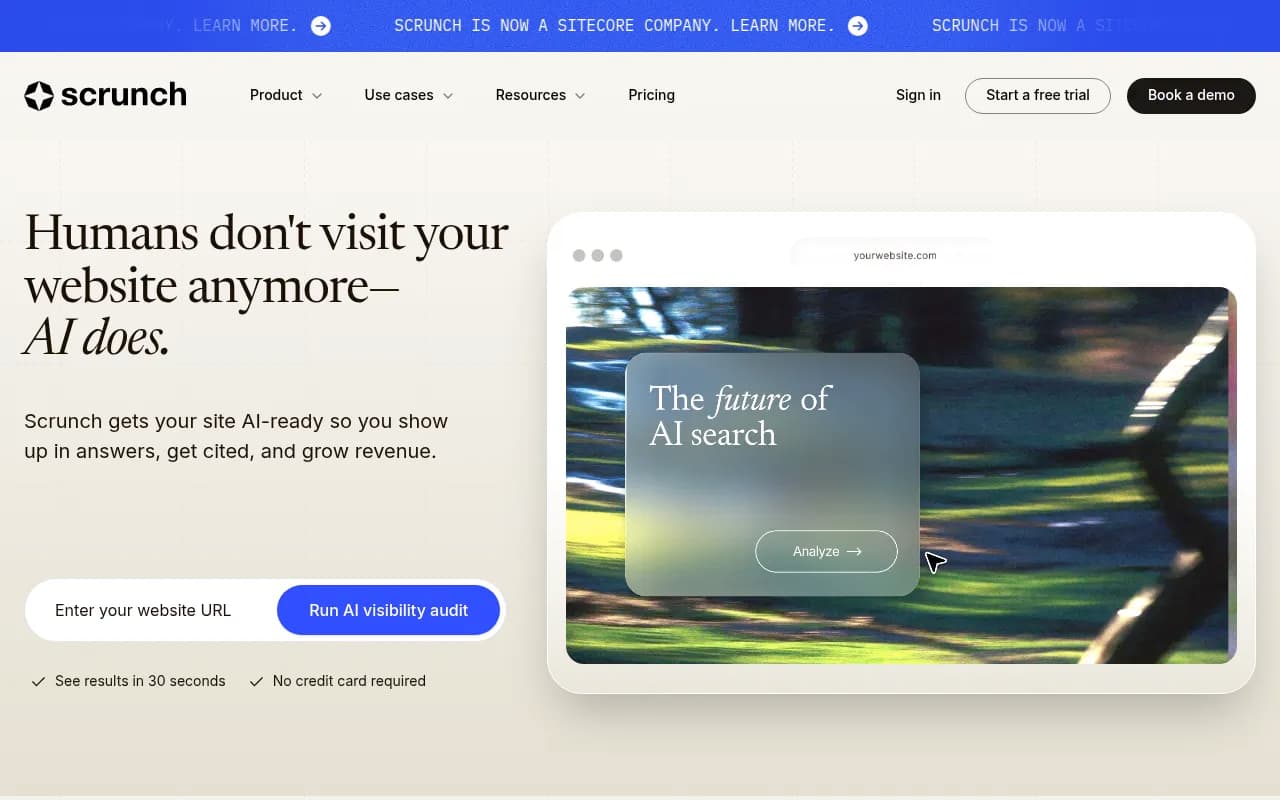
Scrunch AI is built with agencies in mind. It handles multi-client management reasonably well, provides white-label reporting options, and covers the core monitoring use cases across major AI models. For agencies that need to show clients their AI visibility performance without building custom reporting infrastructure, it's a practical choice.
Like most tools in this space, Scrunch is monitoring-oriented. Content optimization and gap analysis are limited compared to platforms like Promptwatch. But for agencies whose value-add is strategic consulting rather than content production, that may not be a dealbreaker.
Feature comparison table
| Platform | AI models covered | Content generation | Crawler logs | Prompt volume data | Gap analysis | Best for |
|---|---|---|---|---|---|---|
| Promptwatch | 10+ | Yes (Content Agents) | Yes | Yes | Yes | Enterprise teams needing full optimization loop |
| Profound | 8+ (tiered pricing) | No | No | Yes (real-user data) | Limited | Data-focused enterprise teams |
| Peec AI | 6+ | Briefs only | No | No | Basic | European teams, mid-market |
| AthenaHQ | 6+ | No | No | No | No | Monitoring-focused enterprise |
| Otterly.AI | 5+ | No | No | No | No | Budget/starter teams |
| Ahrefs Brand Radar | 6 indexes | No | No | Yes (PAA-based) | No | SEO-first teams on Ahrefs |
| Scrunch AI | 6+ | No | No | No | No | Agencies, multi-client |
What "enterprise-ready" actually means in 2026
The term gets thrown around a lot, so it's worth being specific. For AI visibility platforms, enterprise-ready means:
Real data, not fabricated prompts. If a tool constructs its own queries without grounding them in actual search behavior, the visibility scores it produces reflect hypothetical scenarios. Profound and Ahrefs Brand Radar both address this with real-user data. Promptwatch tracks how AI search engines behave in real user interfaces, not just through APIs.
Crawler intelligence. Knowing your brand is mentioned in AI answers is one thing. Knowing which pages AI crawlers are reading, how often they return, and whether your content is getting indexed before it gets cited is a different level of insight entirely. This is where most tools fall short -- Promptwatch's AI Crawler Logs are one of the few implementations of this in the market.
Content generation tied to gap data. Monitoring tells you where you're invisible. Optimization requires doing something about it. The gap between "we know we're missing from these prompts" and "we've published content that closes those gaps" is where most enterprise teams stall. Tools that connect gap analysis directly to content generation -- with real prompt data, competitor analysis, and brand guidance baked in -- collapse that gap.
Multi-model, multi-region, multi-language. Enterprise teams don't operate in a single market or language. A platform that only tracks English-language responses from three AI models isn't enterprise-ready, regardless of how polished the dashboard is.
Traffic attribution. Visibility scores are useful. Revenue attribution is what gets budget approved. Platforms that connect AI citations to actual site traffic and conversions make the business case for continued investment.
How to choose the right alternative
The decision usually comes down to one question: do you need data, or do you need results?
If you need data -- reliable, broad, well-structured monitoring across AI models -- Profound is the strongest choice for enterprise teams with the budget for it, and Ahrefs Brand Radar is the best option if you're already in the Ahrefs ecosystem.
If you need results -- visibility scores that actually improve because you're creating content that closes gaps -- Promptwatch is the only platform in this comparison that delivers the full loop. It's not just that it has more features; it's that the features connect to each other in a way that produces outcomes, not just reports.
For teams starting out or working with limited budgets, Otterly.AI is a reasonable entry point. For European teams with mid-market budgets, Peec AI is worth a close look. For agencies managing multiple clients, Scrunch AI handles the operational complexity reasonably well.
The monitoring-only trap
One pattern worth naming explicitly: most teams that evaluate Goodie AI alternatives end up choosing a monitoring-only platform because the dashboards look impressive in demos. Six months later, they have detailed reports showing exactly where they're invisible -- and no clear path to fixing it.
The tools that stop at monitoring aren't bad tools. They're just incomplete solutions for teams that need to move the needle. Profound will tell you that 40-60% of cited domains change monthly across major AI platforms. That's important context. But knowing citation drift is happening doesn't help you capture more citations.
The platforms that connect monitoring to action -- specifically, that use gap data to drive content creation, and then track whether that content gets crawled and cited -- are the ones that produce measurable outcomes. In 2026, Promptwatch is the clearest example of that approach at enterprise scale.
Bottom line
Goodie AI is a reasonable starting point for teams new to AEO, but it's not built for the complexity enterprise teams face. The alternatives in this guide range from solid monitoring platforms (Profound, AthenaHQ) to budget-friendly trackers (Otterly.AI) to full optimization platforms (Promptwatch).
For enterprise teams that need to show results -- not just reports -- the choice is Promptwatch. It's the only platform here that takes you from "we don't know where we're invisible" to "we've published content, it's been crawled, and our citation rate is improving." That loop is what enterprise AI visibility programs actually need in 2026.