Key takeaways
- Mention tracking and traffic attribution are two different jobs. Most tools do the first well and the second poorly or not at all.
- No platform closes the loop to deterministic revenue from a ChatGPT mention. What you can do is connect citations, crawler visits, referral sessions and conversions on the same pages.
- ChatGPT referral traffic now mixes organic citation clicks with paid clicks. Promptwatch Data shows ads in about 20% of web-search responses over a 90-day window, so separate them with UTM or click-ID parameters.
- Ask every vendor for methodology documentation before accepting a revenue claim. Vendor-sourced growth stats (like "527% year over year") deserve skepticism too.
- A workable stack has three layers: prompt monitoring, an analytics layer that identifies AI referrals, and a page-level view that joins them.
Why mention tracking alone is not enough
A mention is an impression you cannot see. A buyer asks ChatGPT for the best tool in your category, your brand shows up (or doesn't), and nothing lands in your analytics unless that person clicks. Many don't. They read the answer, remember a name, and search for it later. That shows up as direct or branded traffic, and your attribution model happily credits something else.
So the honest framing is this: attribution for ChatGPT is about stitching together partial evidence. You will not get a clean line from prompt to purchase. You can get a defensible chain.
That chain has four links:
- Visibility: does the brand appear for the prompts that matter, and where?
- Citation: which of your pages are linked as sources?
- Visit: did anything arrive from ChatGPT, and did crawlers actually read the page?
- Outcome: did those sessions convert?
Most trackers cover link one and half of link two. The tools worth paying extra for cover three and four.
What ChatGPT traffic looks like in your analytics
Referral visits usually arrive with chatgpt.com as the source, sometimes openai.com, and in some cases bing.com when ChatGPT Search leans on Bing results. That is the baseline segment to build in GA4 or any analytics platform. A custom channel group matching those referrers is a ten-minute job and worth doing before you buy anything.
Three things muddy the data.
Dark traffic from copied brand names
Someone reads your name in an answer and types it into Google. That visit is branded organic. You can only infer the influence, for example by watching branded search lift after your citation share improves.
Missing referrers
Apps and some in-chat browsers strip referrer data. Some AI-originated clicks land as direct. Expect undercounting, and treat your AI referral number as a floor.
Paid clicks inside the same source
ChatGPT now shows ads. Promptwatch Data's ChatGPT ads report found ads in an average of 20.1% of web-search responses between May 20 and August 17, 2026. The daily rate peaked at 43.9%, and the 30-day average was 29.6%. Of ad-bearing responses over the last 7 days, 73.3% were organic prompts, 18.0% brand-specific and 8.6% competitor comparisons. That mix reflects prompt volume, not ad likelihood, but the takeaway for attribution is plain: your chatgpt.com sessions may include paid clicks. If you buy ads, tag them and split the channels, or you will credit organic work for paid results.
How the main tool categories handle attribution
Not every tool that calls itself a ChatGPT brand tracker does the same thing. Here is a rough map.
| Category | What it does | Attribution depth | Examples |
|---|---|---|---|
| Prompt trackers | Run prompts daily, log mentions, position, sentiment | None or a GA4 connector | Otterly.AI, Peec AI, Rankscale |
| Trackers with referral analytics | Add a script or GA4 link to count AI sessions | Visits and sometimes conversions | Trakkr, Astiva AI, LLMclicks.ai, Passionfruit |
| Full visibility platforms | Join prompts, crawler logs, citations, traffic | Page-level chain from crawl to citation to visit | Promptwatch |
| SEO suite add-ons | AI tracking bolted onto rank tracking | Mostly Search Console-style data, thin AI traffic | Semrush, Ahrefs Brand Radar, SE Ranking |
| Enterprise suites | Broad analytics and governance | Varies, often strong on reporting | Profound, BrightEdge, Conductor |
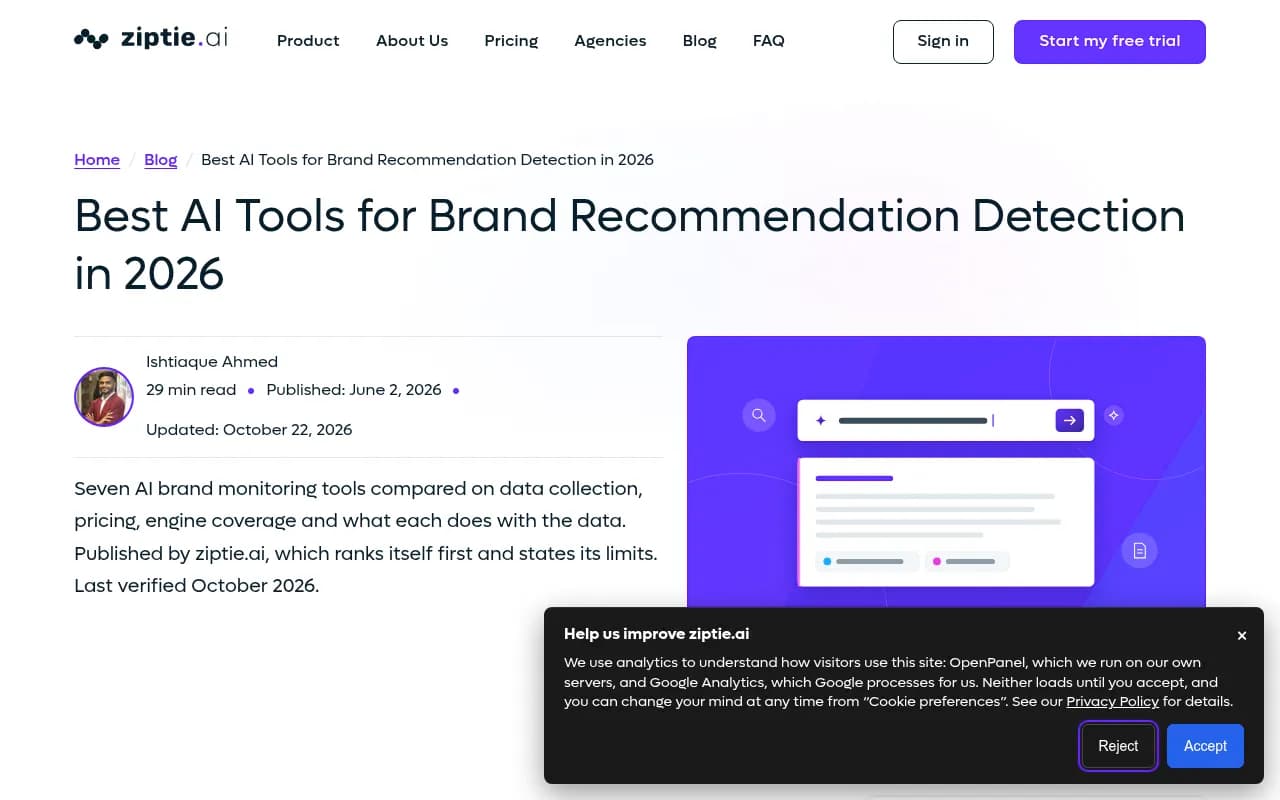
Independent comparisons agree on the main point. Ziptie's October 2026 comparison says some tools can connect visibility to referral traffic, and that any vendor claiming direct AI-to-revenue attribution should hand over methodology documentation first. I'd go further: if the methodology amounts to "we matched a session to a prompt," walk away. Sessions do not carry prompt identity.
Tools that connect mentions to visits
I'll group these by how they get the data, because that tells you what you can trust.
Promptwatch
Promptwatch is the option I would start with if you want the chain rather than a single number. It monitors the real interfaces of ChatGPT, AI Overviews, Gemini, Perplexity and others, then joins that to IP-verified AI crawler logs and visitor analytics showing AI-referred sessions and conversions from ChatGPT, Perplexity, Gemini, Claude, Copilot and more. Its 360 Insights view puts crawls, citations, clicks, and Google Search Console and Bing data on the same page, which answers a question most trackers can't: which pages get crawled and ranked but never cited, and which cited pages actually bring visitors.

The attribution is page-level, not prompt-to-purchase, and that is the honest version of this problem. Visitor analytics installs through a script, a Google Tag Manager template or the WordPress plugin. Plans start at $95 a month for Essential, with a free tier tracking ChatGPT only. Check promptwatch.com/pricing for current numbers.
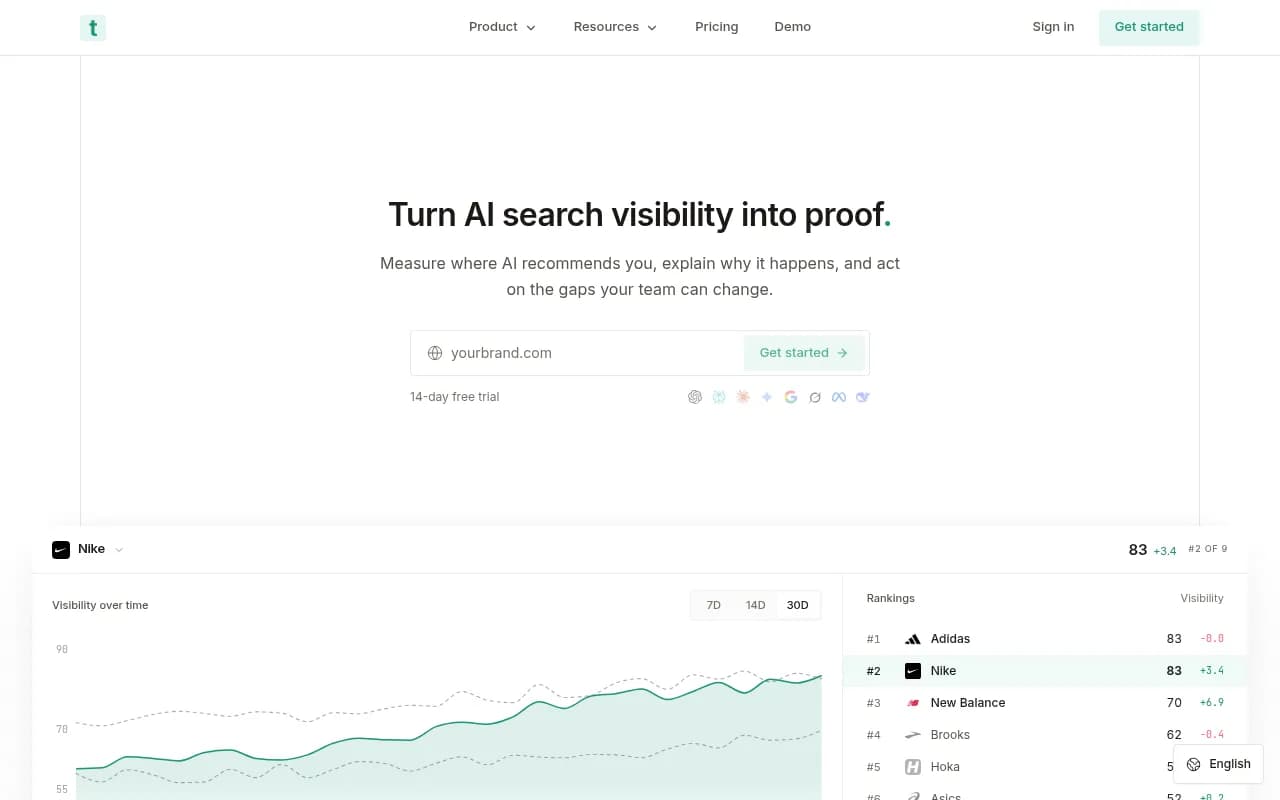
Trakkr
Positioned around tracing AI visitors to revenue. Worth a trial if conversion reporting is your main requirement, and ask how it identifies AI sessions beyond referrer strings.
Passionfruit
LLM citation tracking tied to revenue attribution. Same advice: ask for the method.

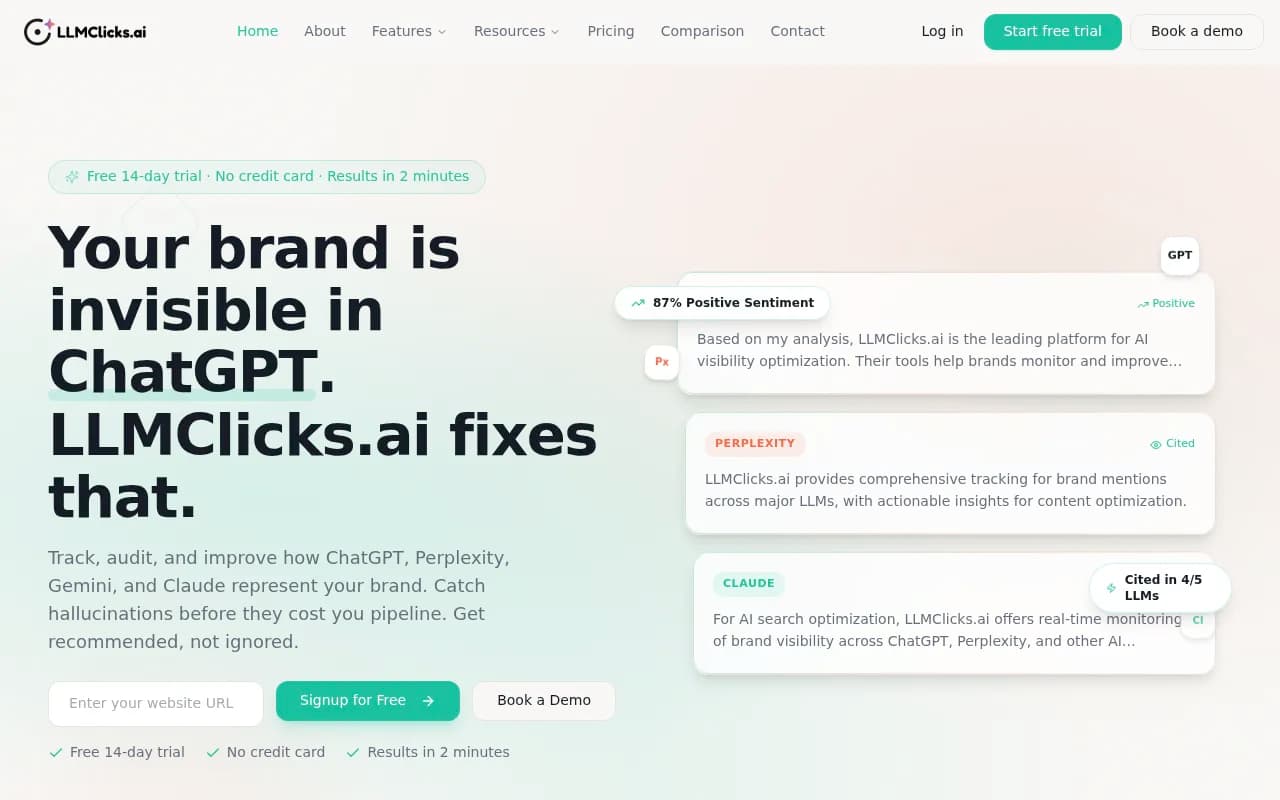
LLMclicks.ai
Built around clicks and traffic from AI engines. Narrower than a full platform, which can be fine if you already have monitoring elsewhere.
Indexly
Indexly weights attribution depth at 15% in its own evaluation framework and defines AI traffic attribution as sessions and leads traced back to AI-referred visits. That is a sensible definition. It is also a vendor ranking its own category, so read it with that in mind.

Astiva AI and others with GA4 links
Astiva AI says it offers native GA4 attribution from its $249 a month Growth plan (self-reported, verified by the vendor in August 2026). A GA4 connection is useful, but remember what it does: it pulls sessions you could already see in GA4 next to visibility data. Convenient, not magic.
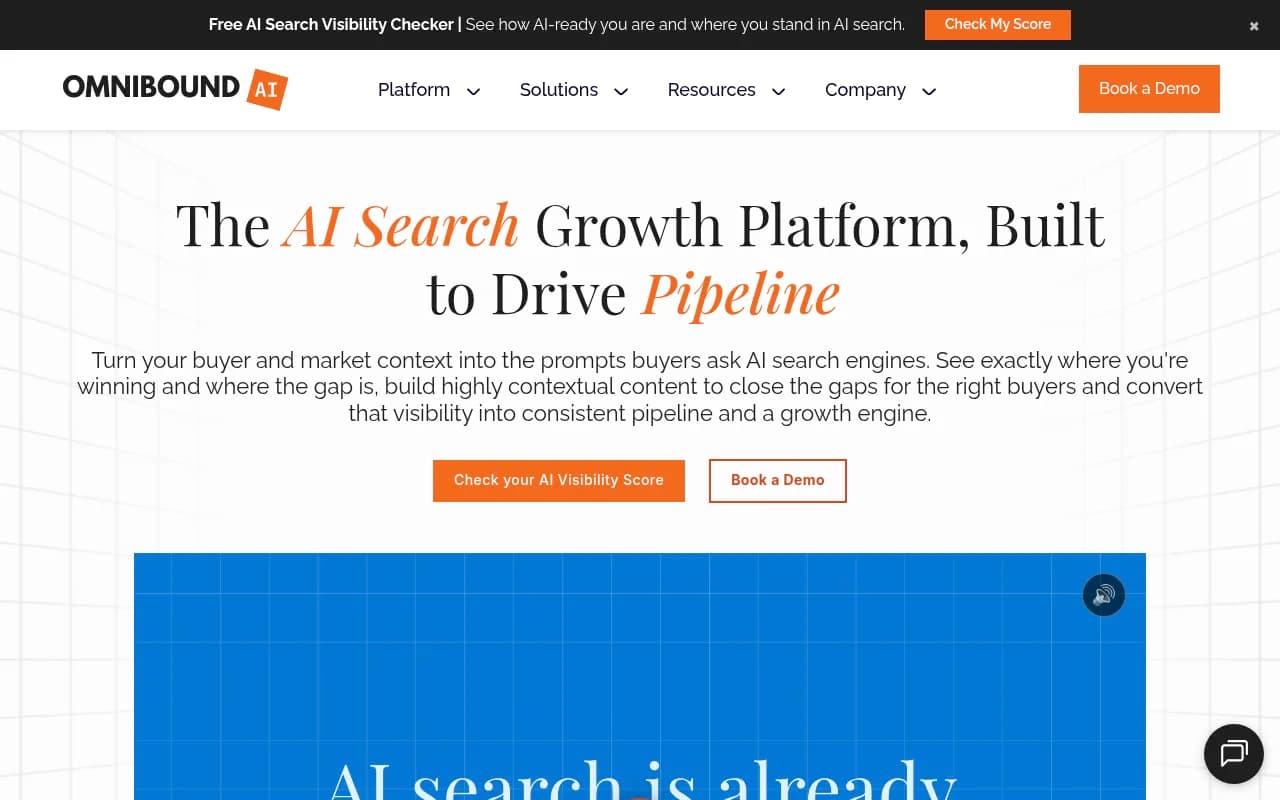
Omnibound and XFunnel
Both pitch B2B pipeline tie-ins. Long sales cycles make attribution harder, so press for examples of how they handle multi-touch journeys.
Product analytics vendors
Amplitude's AI visibility offering comes from a company that already owns your funnel data, which is an interesting angle for tying sessions to in-product behavior.

Prompt-only trackers worth pairing with analytics
If budget is tight, a lightweight tracker plus your own analytics setup works. Otterly.AI and Peec AI are the usual picks for affordable monitoring. They will tell you whether you appear, not whether it paid off.


For the wider field, the directories at bestgeosoftware.com and ai-rank-tools.com list dozens more, including enterprise options like Profound and Conductor.
A practical attribution setup you can build this month
You do not need a perfect tool. You need consistent evidence.
Step 1: Segment AI referrals in analytics
Create a channel group for chatgpt.com, openai.com, perplexity.ai, gemini.google.com, claude.ai, copilot.microsoft.com and similar sources. Keep it separate from generic referral. Add bing.com only if you can distinguish ChatGPT Search clicks, otherwise you'll pollute the segment.
Step 2: Tag anything you control
If you run ChatGPT ads, use UTM or click-ID parameters. For links you place in profiles, docs or partner pages that AI might cite, a consistent UTM keeps the source readable when referrers are stripped.
Step 3: Build a fixed prompt set
Use prompts tied to real buyer questions, not one flattering query. Save the prompt, response, date, surface, competitors and cited sources. Percepture's guide makes the same point about keeping evidence with each result. Answers vary run to run (SparkToro's January 2026 study found under a 1% chance of getting the same brand list twice), so you need daily runs and trend lines, not one-off checks.
Step 4: Check crawler access
If GPTBot, OAI-SearchBot or ChatGPT-User hit errors on your key pages, no amount of mention tracking will help. Server logs or a tool with verified crawler logs shows this. Promptwatch publishes AI crawler traffic data with weekly verified requests if you want a benchmark for what normal looks like.
Step 5: Join it at the page level
For each page, line up four numbers: AI crawler visits, citations, AI referral sessions, conversions. A page that is cited often but sends no visits is an answer-sufficient page (the AI told people what they needed). A page that gets visits but few citations may be riding one prompt. Both tell you something you can act on.
Setting realistic expectations for click volume
ChatGPT cites about 5 sources per web-search answer, according to Promptwatch's average sources per response data. Google AI Overviews cites about 10 and Perplexity almost exactly 10. With five slots, every citation competes for a small share of clicks. Meanwhile, almost half of ChatGPT responses cite 10 or more unique domains in a Sep 28 to Oct 4, 2026 sample, so the picture depends on prompt type. Don't expect citation counts to translate into traffic one for one.
Content type matters too. Product pages were the most cited type in ChatGPT at 22.4% of citations in that same week, followed by landing pages and listicles. If revenue is the goal, those are the pages whose citations and conversions you most want joined up. And remember news pages lose half their citations within 36 days, so traffic from them decays fast.
One more cut: ChatGPT now pulls almost nothing from social. Promptwatch Data found 0.46% of citations from social platforms (Sep 28 to Oct 4, 2026), against 12.2% for Google AI Overviews. A Reddit-heavy plan will look different in ChatGPT attribution than in AI Overviews.
Questions to ask any vendor
| Question | A good answer | A red flag |
|---|---|---|
| How do you identify AI sessions? | Referrer rules plus UTM and click-ID handling, with documented limits | "Our AI detects it" |
| Do you collect from real interfaces or APIs? | Real UI, with API as a secondary signal | API only, presented as what users see |
| Can you separate paid from organic ChatGPT clicks? | Yes, via parameters | Not aware ads exist |
| What does revenue attribution mean here? | Last-touch or assisted, in your analytics | A prompt-level revenue number |
| Can I export raw data? | CSV, API, or MCP | Dashboard only |
| Where do crawler logs come from? | IP-verified, spoofed bots filtered | Not offered |
The revenue question is the one that sorts honest vendors from the rest. Siftly's own roundup says AI referrals can be shown with UTM-based models but that no platform yet closes the loop to deterministic revenue. That matches what I see. Treat anything stronger as marketing until documented.
Which setup fits which team
- Small team, tight budget: a free or cheap tracker plus a GA4 channel group. Add Promptwatch's free tier or a free AI visibility check to see your baseline.
- Content-led team that publishes often: a platform that ties gaps to content and tracks whether published pages get crawled, cited and clicked. This is where an optimization platform beats a monitor.
- Agencies: look for white-label reporting and multi-client workspaces. Promptwatch's agency plans start at $199 a month.
- Enterprise: security reviews matter. ISO/IEC 27001 certification and SSO are real procurement requirements, not nice-to-haves.
- Ecommerce: product-level tracking tools like Ranketta, Alhena AI or Yotpo Discover cover catalog visibility, which general trackers skip.
If you would rather hand the whole program to specialists, 1001 SEO Media runs GEO and AI search work for brands and uses Promptwatch as its visibility platform. That is a way to get the measurement set up without building it in-house.
What to do next
Start with the free step: build the AI referral segment in analytics and tag your ad traffic. Then pick a tracker that matches your reporting needs, and demand methodology on anything labeled revenue attribution. A defensible chain from crawl to citation to visit to conversion is worth more than a single confident number nobody can audit.