Key takeaways
- Goodie AI monitors brand visibility across 11 AI engines and includes an optimization hub with content tools, making it more than a pure monitoring dashboard
- Pricing starts around $395-$495/month depending on the tier, which many users find steep relative to what they get
- The platform lacks crawler/agent analytics, real prompt volume data, and enterprise-grade security certifications -- gaps that matter as teams scale
- Teams that need to move from "we can see the problem" to "we fixed the problem" often find Goodie's action layer thinner than expected
- Several alternatives offer comparable or stronger feature sets at different price points, depending on whether you need monitoring, content generation, or a full optimization loop
What Goodie AI actually is
Goodie AI is an answer engine optimization (AEO) platform. It monitors how your brand appears in AI-generated responses across engines like ChatGPT, Perplexity, Gemini, Claude, and DeepSeek, then surfaces recommendations for improving that presence.
The founder's own description is refreshingly direct: "If AI search is a channel you're trying to win and you have a team that can act on what the tool finds, yes [it's worth it]. If you're pre-revenue or you just want a dashboard to watch, start cheaper or start free."
That framing tells you a lot. Goodie is positioned as an action-oriented platform, not just a tracker. Whether it delivers on that promise depends heavily on what your team needs.
The core feature set covers:
- Visibility tracking across 11 AI engines
- Sentiment analysis (how AI models describe your brand, not just whether they mention you)
- Competitive benchmarking against other brands in your space
- An optimization hub with recommendations
- A content studio for generating AI-optimized content
Pricing: what you'll actually pay
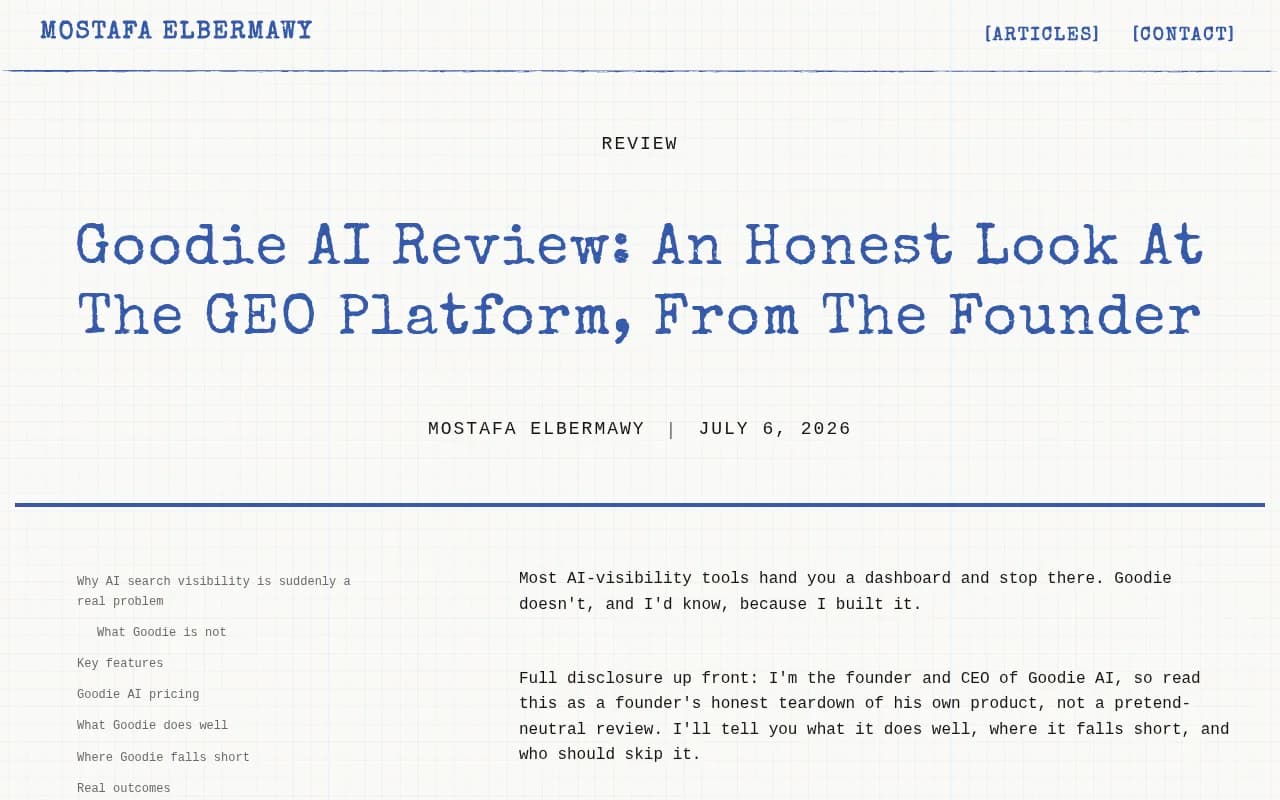
Goodie's pricing isn't fully transparent on its public site, which is a minor frustration. Based on available data from multiple sources, here's the rough picture:
- Explorer tier: around $399/month (includes monitoring, optimization actions, content studio)
- Mid-market tiers: starting around $495/month, scaling with prompt volume, models, and languages
- Enterprise: custom pricing
The $399 Explorer tier is competitive on paper -- it bundles monitoring with content tools out of the box. But the moment you need more prompts, more languages, or more markets, costs climb quickly.
Some users on review platforms have flagged that the pricing feels high relative to the features, particularly when compared to tools that offer similar monitoring at lower price points or more advanced capabilities at similar ones.
There's a free AI search assessment available before you commit to a paid plan, which is worth using.
What Goodie does well
Broad engine coverage
Tracking 11 AI engines is genuinely useful. Most teams start by caring about ChatGPT and Google AI Overviews, but visibility across Perplexity, Claude, Gemini, DeepSeek, and others matters more than people expect. Goodie's coverage here is solid.
Sentiment analysis
This is one of the more underrated features. Knowing your brand appears in an AI response is one thing. Knowing whether the AI describes you positively, neutrally, or negatively is a different and more useful signal. Goodie tracks this, which puts it ahead of tools that only count mentions.
The optimization hub
Rather than just showing you data, Goodie tries to tell you what to do with it. The optimization hub surfaces recommendations -- content gaps, schema improvements, product feed fixes -- that you can act on. This is the right instinct, and for teams that are new to AEO, having a prioritized to-do list is genuinely helpful.
Content studio
Goodie includes an AI content writer for generating optimized articles and pages. This matters because visibility in AI search is largely a content problem -- if AI models can't find a good answer on your site, they'll cite someone else. Having content generation built into the same platform as your monitoring creates a tighter workflow.
Where Goodie falls short
No crawler or agent analytics
This is the most significant gap. Understanding how AI crawlers interact with your site -- which pages they read, how often they return, what errors they hit -- is critical for diagnosing why your content isn't being cited. Goodie doesn't offer this. You're flying blind on the crawl side.
Tools like Promptwatch include real-time AI crawler logs that show exactly which pages ChatGPT, Claude, and Perplexity are reading, and when those pages move from crawl to citation. That's a fundamentally different level of diagnostic capability.

No real prompt volume data
Knowing which prompts to target is as important as knowing whether you're visible. Goodie doesn't provide prompt volume estimates or difficulty scores, so you're essentially guessing at which topics are worth pursuing. Platforms with access to real conversation data can tell you that a specific prompt gets asked thousands of times per month -- that changes your prioritization entirely.
Security and compliance gaps
For enterprise teams, the absence of published security certifications (SOC 2, HIPAA) is a real barrier. Competitors like Profound have SOC 2 Type II certification. If you're in a regulated industry or your procurement team asks about data handling, Goodie's current documentation doesn't give you much to work with.
The action layer is thinner than it looks
Goodie's optimization hub is a step in the right direction, but the recommendations can feel generic. The content studio helps, but without prompt volume data to ground content decisions in real demand, you're generating content based on your best guess rather than evidence. The gap between "here's a recommendation" and "here's exactly what to write, grounded in real data about what people are asking" is significant.
How Goodie compares to the main alternatives
| Platform | Engine coverage | Crawler analytics | Prompt volume data | Content generation | Starting price |
|---|---|---|---|---|---|
| Goodie AI | 11 engines | No | No | Yes (content studio) | ~$399/mo |
| Promptwatch | 10 engines | Yes | Yes | Yes (Content Agents) | $99/mo |
| Profound | 10+ engines | Yes (GA4 integration) | Yes (1.5B+ conversations) | Workflow automation | Enterprise |
| Otterly.AI | 5-6 engines | No | No | No | Lower tier |
| Peec AI | 5-6 engines | No | No | Limited | Lower tier |
| AthenaHQ | Multiple | No | No | No | Mid-market |
| Search Party | Multiple | No | No | No | Agency-focused |
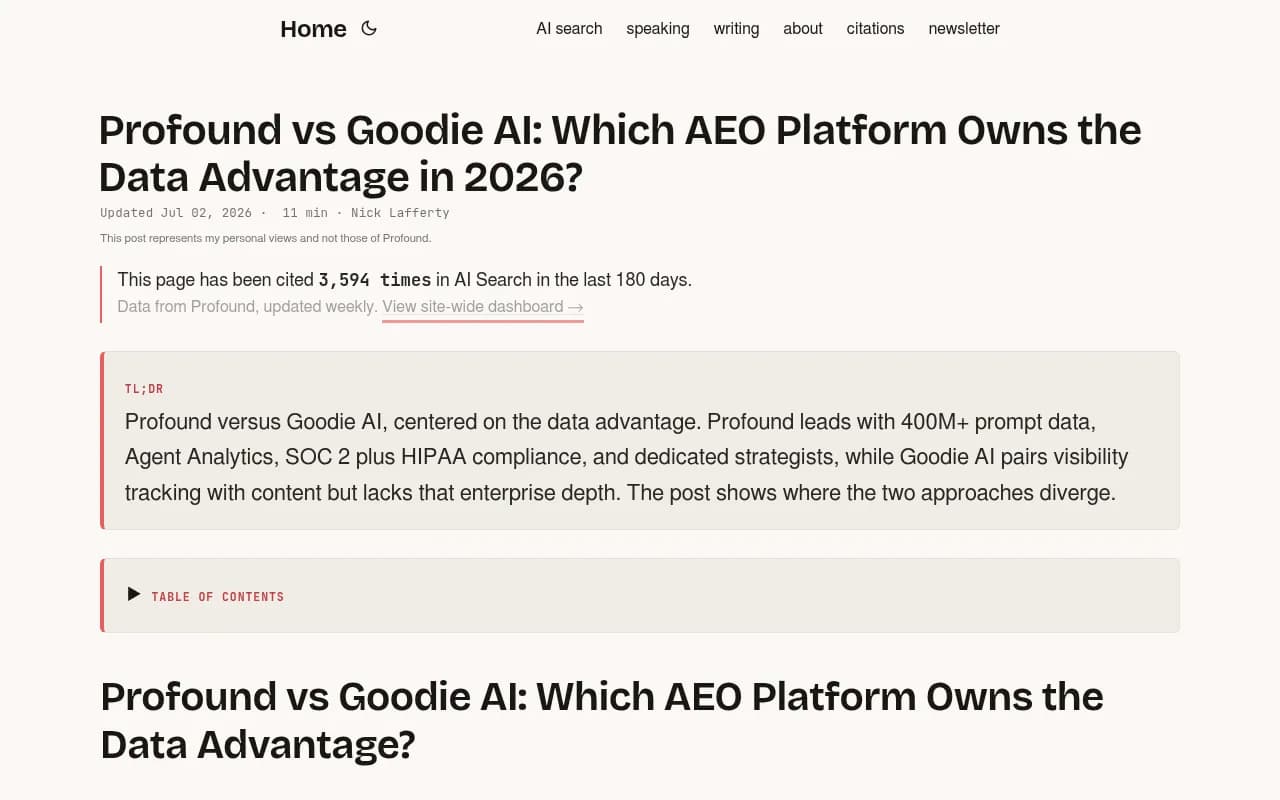
A few things stand out from this comparison:
Goodie is priced like a mid-market platform but missing capabilities that mid-market teams increasingly need. The lack of crawler analytics in particular is a gap that becomes more painful as you try to diagnose why your content isn't being cited despite seemingly good optimization.
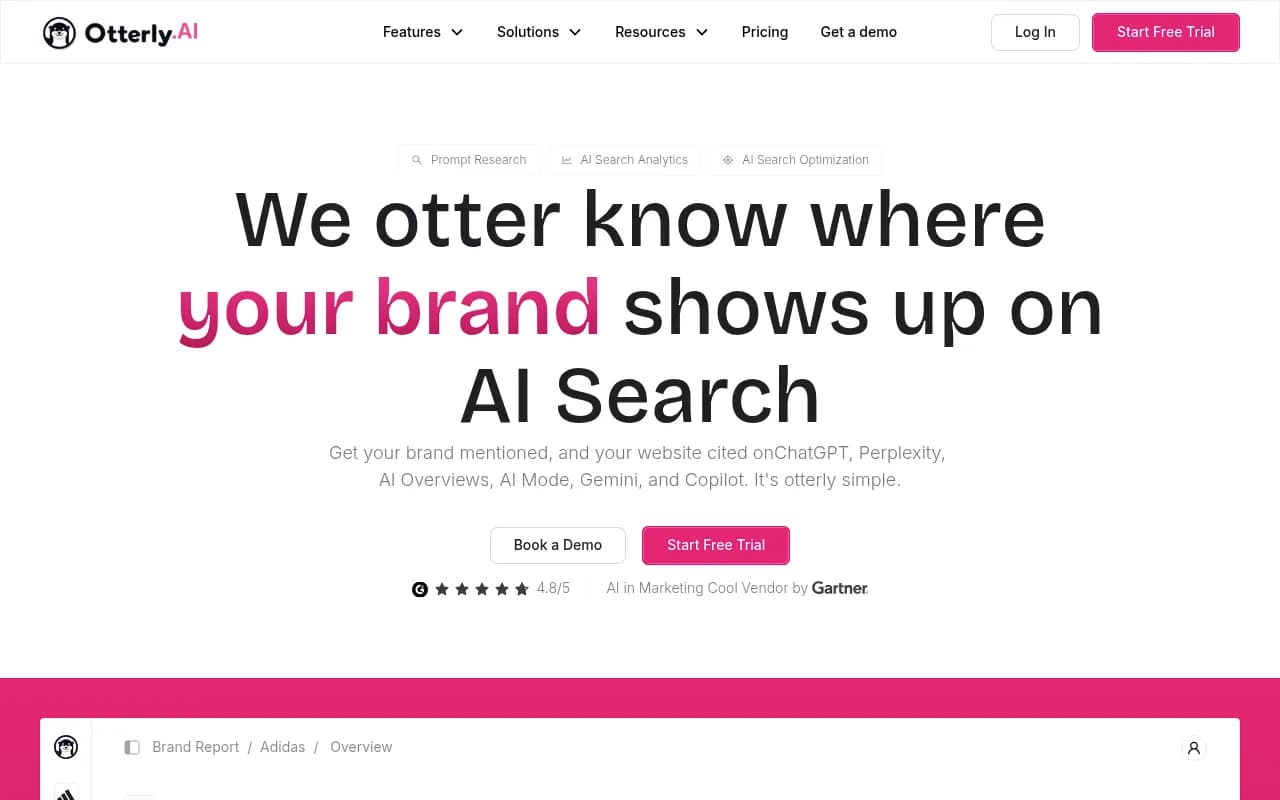
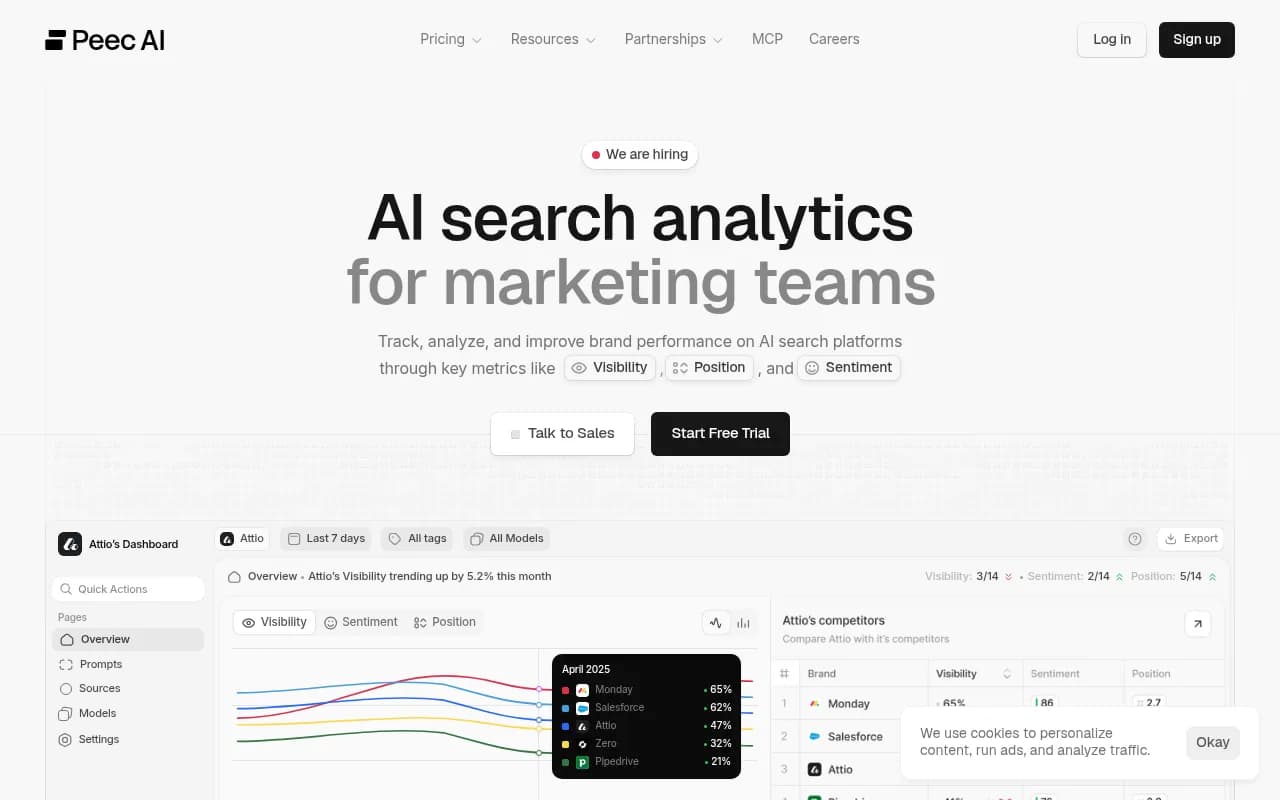
At the lower end of the market, tools like Otterly.AI and Peec AI are cheaper but offer less. They're monitoring-only dashboards -- useful for awareness, not for action.
At the higher end, Profound targets enterprise teams with deeper data infrastructure (1.5 billion real user conversations, dedicated strategists, SOC 2 compliance). It's a different product for a different buyer.
Promptwatch sits in an interesting position: it's priced significantly lower than Goodie (starting at $99/month vs ~$399/month) but includes crawler logs, prompt volume data, content generation via Content Agents, and answer gap analysis. For most mid-market teams, that combination is hard to ignore.
Who Goodie AI is actually right for
Despite the criticisms, Goodie isn't a bad product. It's a reasonable choice for:
- Teams that are new to AEO and want a single platform that covers monitoring, recommendations, and content without needing to stitch together multiple tools
- Brands that prioritize sentiment analysis alongside visibility -- Goodie's sentiment tracking is genuinely useful
- Mid-sized companies where the $399-$495/month price point is manageable and the team has capacity to act on recommendations
It's probably not the right fit if:
- You need to understand how AI crawlers interact with your site (no crawler logs)
- You want to prioritize content based on real prompt demand (no volume data)
- You're in a regulated industry where security certifications matter
- You're already running a mature AEO program and need deeper data infrastructure
The alternatives worth considering
If Goodie's limitations are a dealbreaker, here's where to look:
For teams that want a full optimization loop -- find gaps, create content, track results -- Promptwatch covers the most ground at the most accessible price point. The crawler logs alone are worth it if you're serious about understanding why AI models aren't citing your content.
For enterprise teams with budget and compliance requirements, Profound is the more defensible choice. The data depth is genuinely different.
For teams that just need basic monitoring without the overhead, Otterly.AI or Peec AI are cheaper starting points. Just know you're getting a dashboard, not an optimization platform.
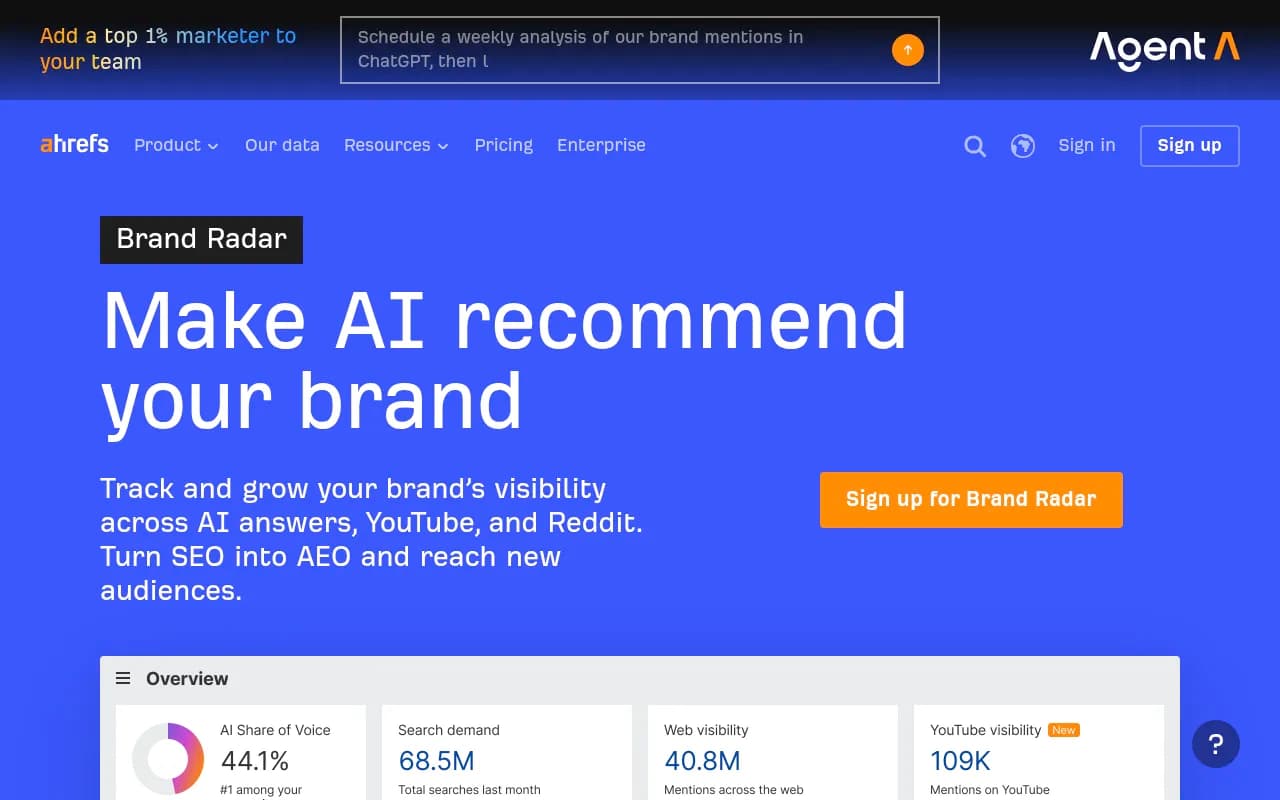
For teams already invested in traditional SEO tooling, Semrush's AI Visibility Toolkit and Ahrefs Brand Radar are worth evaluating -- they're not as deep on the AI-specific side, but they reduce the number of tools you're managing.
The honest verdict
Goodie AI is a legitimate AEO platform with real capabilities. The sentiment analysis is good, the engine coverage is broad, and the optimization hub is the right idea. But at $399-$495/month, you're paying mid-market prices for a tool that's missing some features that are becoming table stakes: crawler analytics, prompt volume data, and enterprise security documentation.
The teams that get the most from Goodie tend to be those who are early in their AEO journey and need a single platform to get started. Teams that have been at this for a year or more, and are asking harder questions about why their content isn't being cited and which prompts are worth targeting, tend to hit Goodie's ceiling and start looking elsewhere.
That's not a fatal flaw -- every tool has a ceiling. The question is whether Goodie's ceiling is high enough for where your program is heading.
If you're evaluating it, use the free assessment first. It's a low-cost way to see whether the data it surfaces is actually useful for your brand before committing to a monthly subscription.