Key takeaways
- Google AI Overviews is one of the highest-priority AI surfaces to track in 2026, yet several popular monitoring tools either skip it entirely or cover it poorly
- There's a meaningful difference between tools that query Google's API and those that capture real user-facing AI Overview responses -- the outputs can differ significantly
- Most tools stop at monitoring; a smaller number help you actually improve your visibility by identifying content gaps and generating optimized content
- Promptwatch, BrightEdge, Semrush, and SE Ranking are among the tools with verified Google AI Overviews coverage, each suited to different team sizes and budgets
- Before picking a tool, check how it collects data (API vs. real UI), whether it tracks page-level citations, and whether it covers Google AI Mode as well as AI Overviews
Why Google AI Overviews tracking is suddenly urgent
Here's a number worth sitting with: citations from top-ranking pages in Google AI Overviews dropped from 76% to 38% in roughly six months, according to Search Engine Journal. That means ranking #1 no longer guarantees you'll appear in the AI-generated answer that sits above the organic results.
For most brands, AI Overviews are now the first thing a user sees. The answer box loads, the user gets what they need, and they leave. No click. Research from Digitaloft puts zero-click searches at around 60% of all queries. So if you're not in the AI Overview, you're often invisible -- even if you rank well organically.
The tracking problem is that Google AI Overviews behave differently from other AI surfaces. They're baked into Google Search, not a standalone product like ChatGPT or Perplexity. That creates a few complications:
- The response varies by query, location, device, and user history
- Google's API doesn't always return the same answer a real user sees
- AI Overviews and Google AI Mode (the newer, more conversational search experience) are related but distinct -- and not every tool covers both
This is why "does your tool track Google AI Overviews?" is a more loaded question than it sounds.
How tools actually collect Google AI Overviews data
Before comparing specific tools, it's worth understanding the data collection methods, because they produce meaningfully different results.
API-based querying
Some tools send prompts directly to Google's API and record whether an AI Overview appears and what it contains. This is fast and scalable, but the API response doesn't always match what a real user sees in a browser. Google's AI Overviews are personalized and context-sensitive, so API results can undercount or misrepresent actual visibility.
Real UI / browser-based capture
A smaller number of tools simulate or capture actual Google Search results pages, including the AI Overview as it renders in a real browser session. This is slower and more expensive to run at scale, but the data is closer to what your customers actually see.
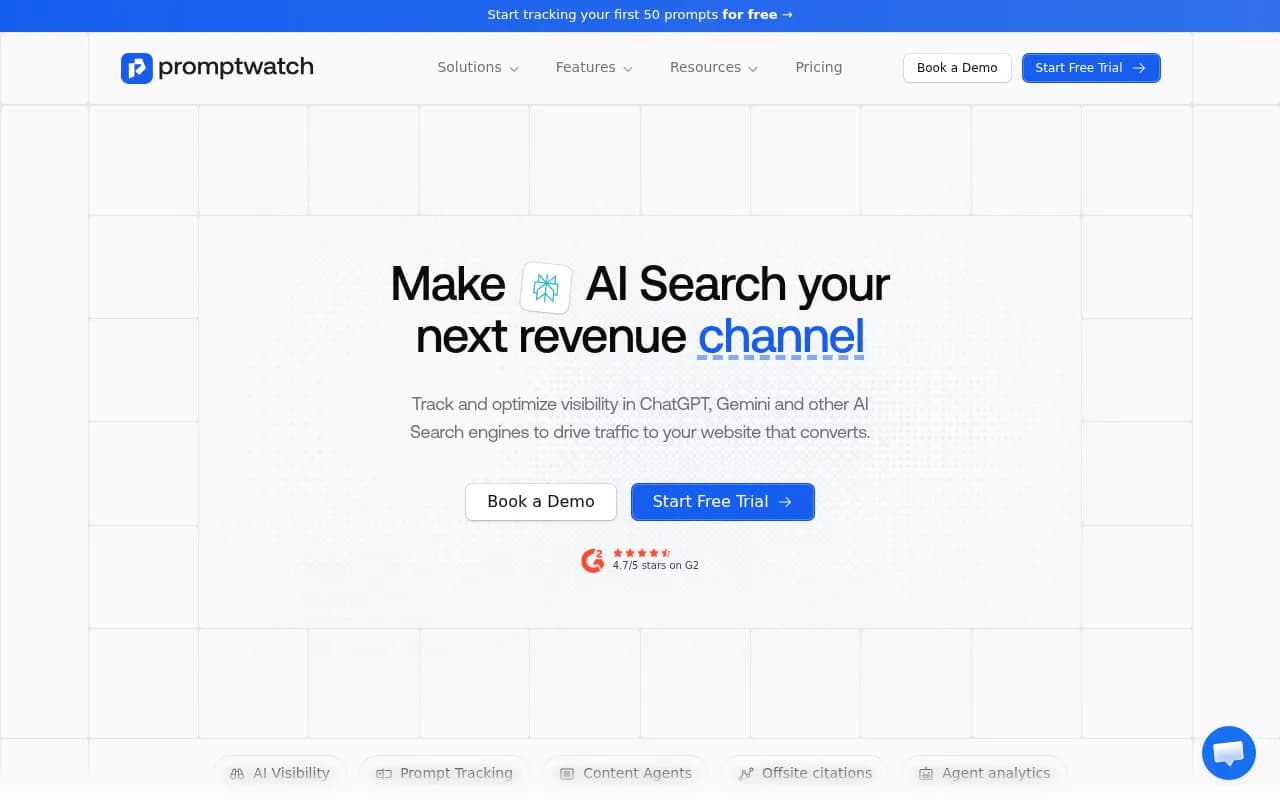
Promptwatch specifically tracks how AI search engines behave in real user interfaces rather than just through APIs -- which matters here because user-facing AI Overview answers can differ substantially from what the API returns.
Keyword-to-prompt conversion
Some tools take traditional SEO keywords and convert them into prompts, then check for brand mentions. This can work, but the conversion logic varies and isn't always transparent. A keyword like "best project management software" becomes a different kind of query depending on how the tool frames it.
When evaluating any tool, ask directly: how do you collect Google AI Overviews data? If they can't answer clearly, that's a signal.
Which tools actually cover Google AI Overviews in 2026
Here's a breakdown of the main options, with honest notes on depth of coverage.
Promptwatch
Covers Google AI Overviews alongside nine other AI models (ChatGPT, Perplexity, Claude, Gemini, Grok, DeepSeek, Copilot, Meta AI, and Google AI Mode). The key differentiator is that it goes beyond monitoring -- Answer Gap Analysis shows which prompts competitors appear in but you don't, and Content Agents generate articles designed to close those gaps. AI Crawler Logs show when Google's crawlers hit your pages and when those pages move from crawled to cited. Pricing starts at $99/month.
BrightEdge
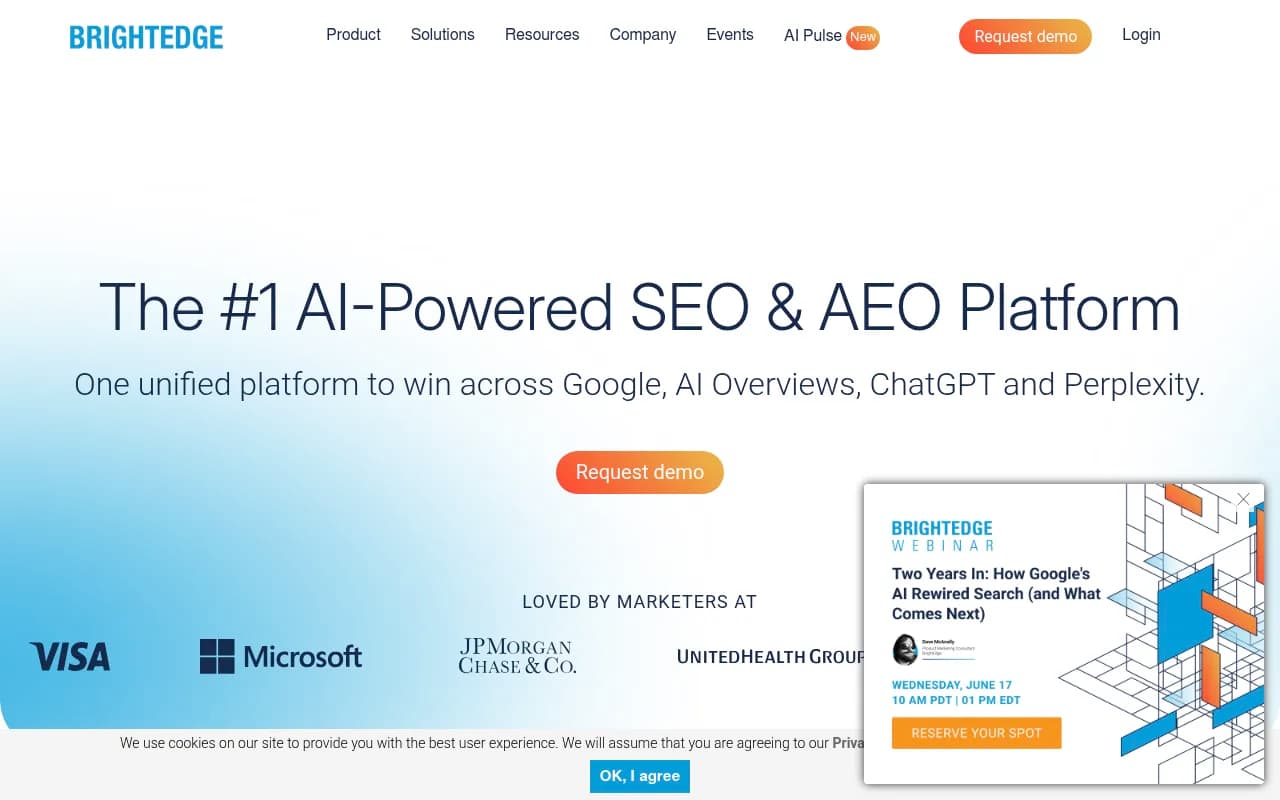
One of the older enterprise SEO platforms, BrightEdge added AI Overviews tracking as the feature became significant. It's built for large organizations with existing SEO workflows and integrates AI visibility data alongside traditional rank tracking. Pricing is enterprise-tier and requires a sales conversation.
Semrush AI Visibility Toolkit
Semrush added AI Overviews monitoring to its platform, which makes sense given how many SEO teams already live in Semrush. The limitation worth knowing: Semrush uses fixed prompts rather than dynamic prompt tracking, so you're monitoring a preset list of queries rather than discovering new ones. Still useful for teams that want everything in one place.
SE Ranking
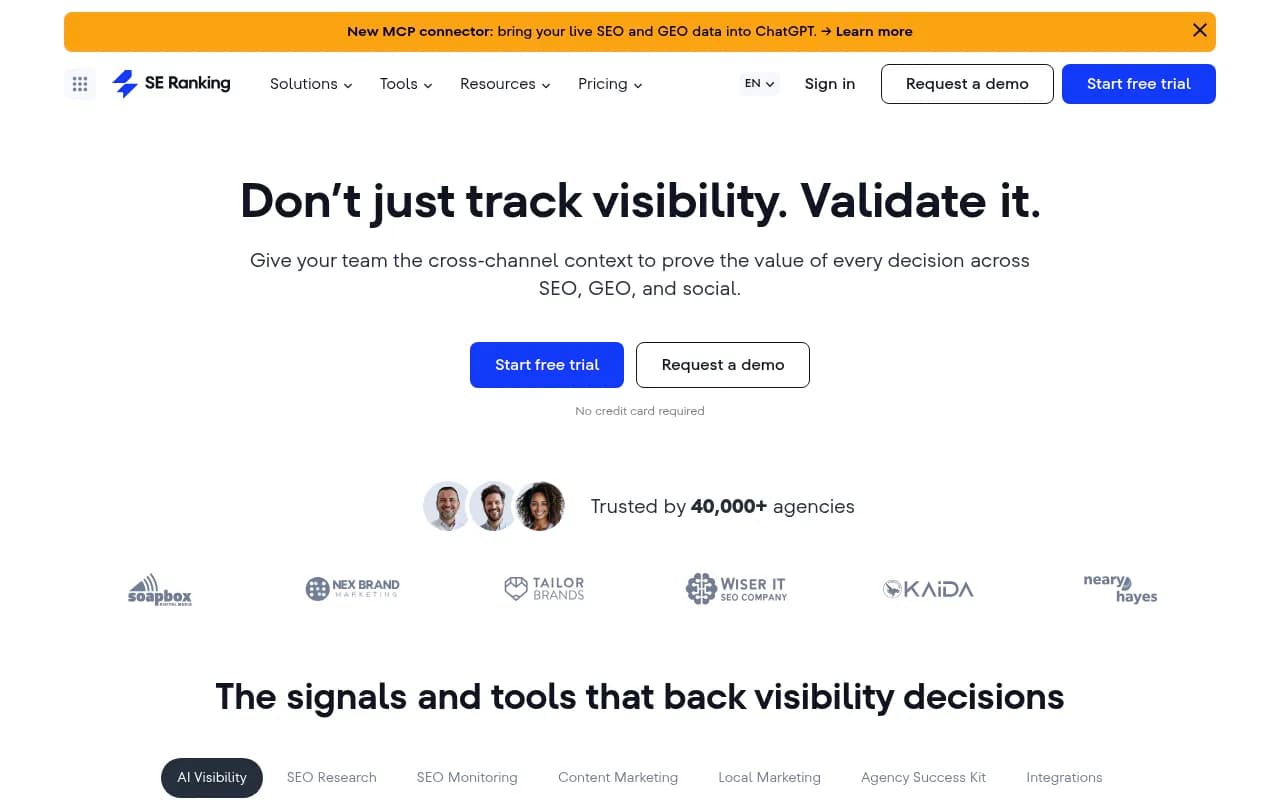
SE Ranking's AI search toolkit includes Google AI Overviews tracking alongside other AI surfaces. It's positioned as a mid-market option with more transparent pricing than enterprise alternatives. Good fit for agencies managing multiple clients who need breadth without paying enterprise rates.
ZipTie
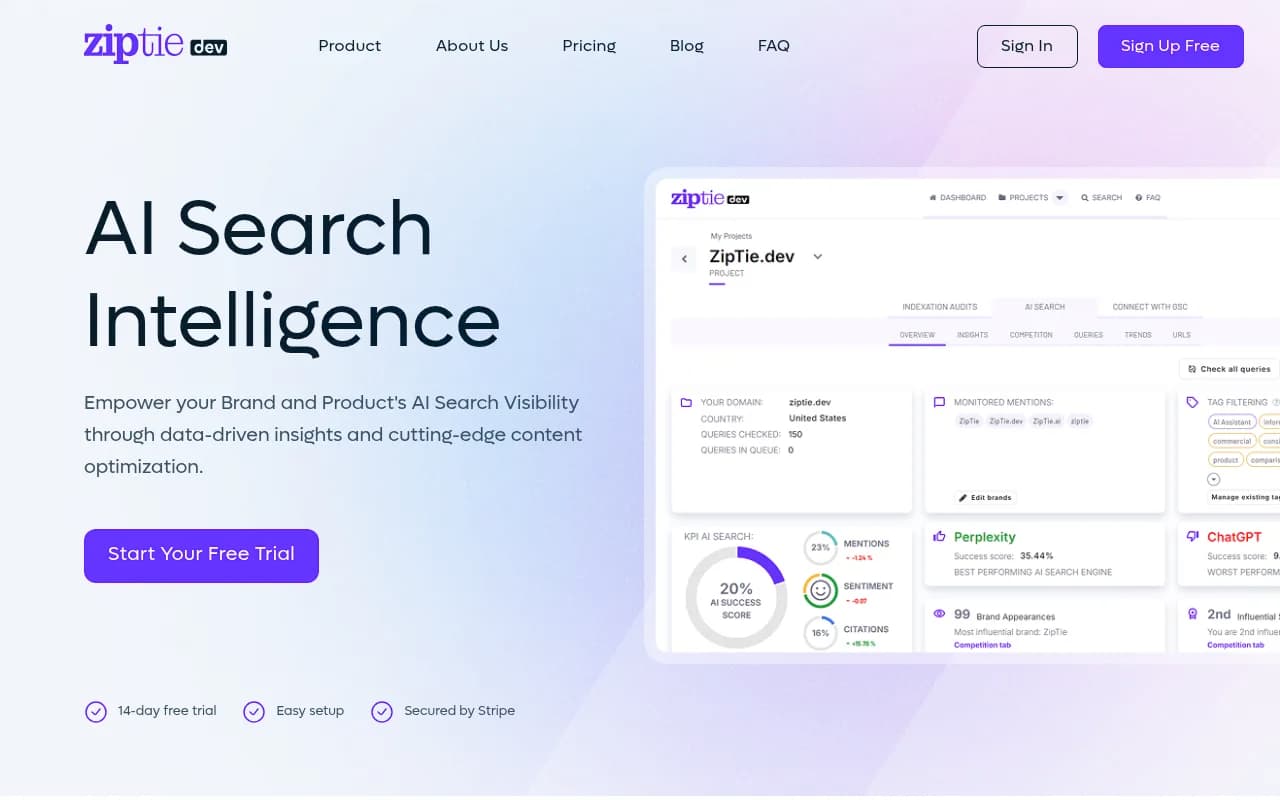
ZipTie was built specifically for AI Overview tracking -- it's one of the earlier tools created with that focus rather than bolting it on later. Narrower in scope than full-platform tools, but if Google AI Overviews is your primary concern, it's worth evaluating.
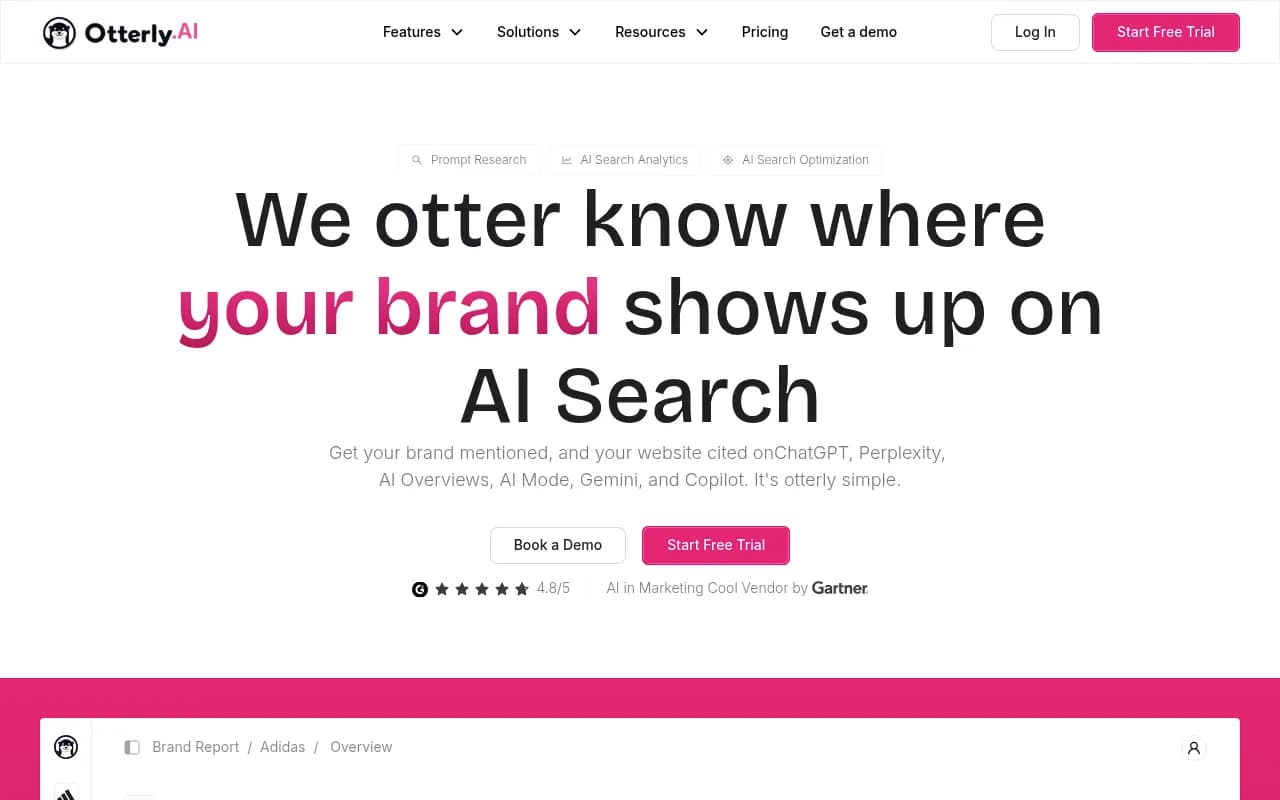
Otterly.AI
Covers Google AI Overviews as part of its brand monitoring suite. Otterly is positioned as an affordable entry point for smaller teams. The trade-off is that it's monitoring-only -- you see the data but there's no content optimization or gap analysis built in.
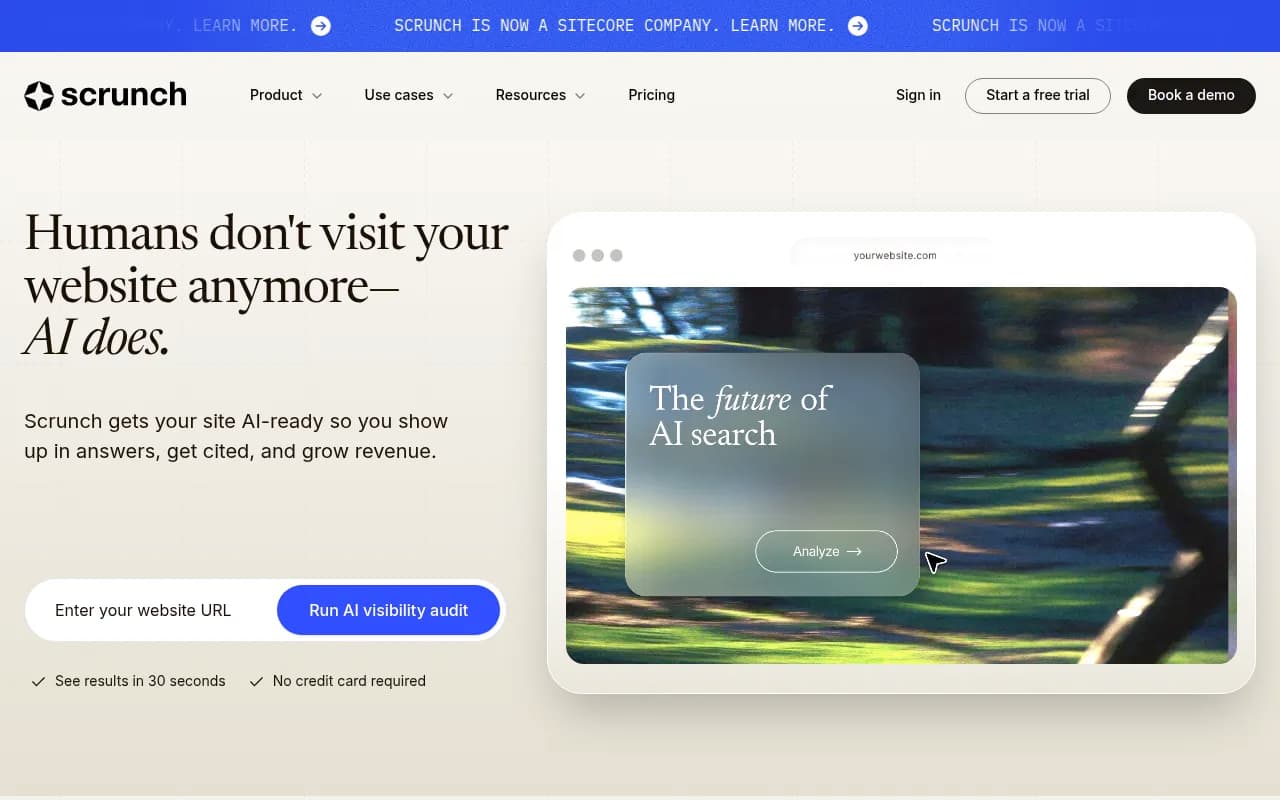
Scrunch AI
Scrunch includes Google AI Overviews in its generative platform monitoring. It's used by brands and agencies that want a cleaner interface for reporting AI visibility to clients. Coverage is solid; depth of actionability is more limited.
Profound
Profound targets enterprise organizations and covers AI Overviews alongside other major AI surfaces. Strong on analytics and reporting, with pricing that reflects the enterprise positioning. Worth evaluating if you're at a Fortune 500 scale and need compliance-grade data handling.
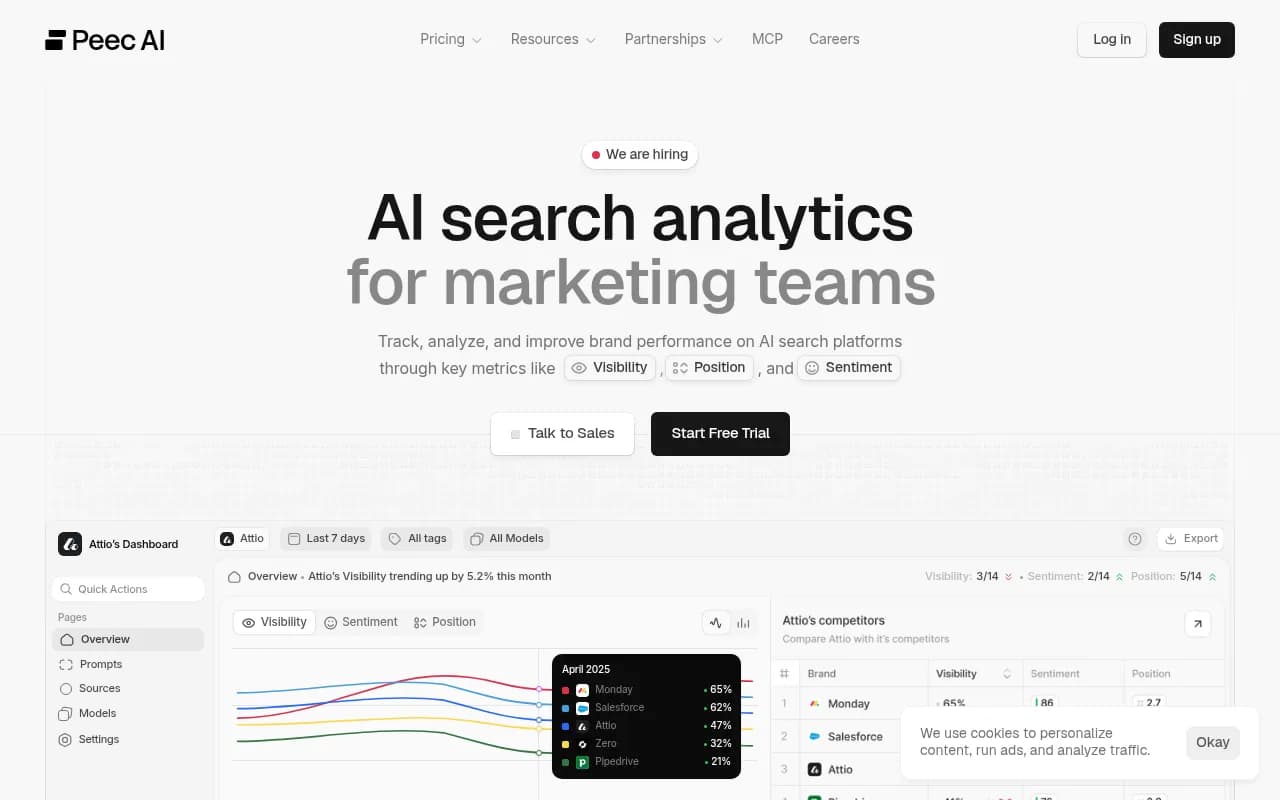
Peec AI
Peec covers AI Overviews and includes smart suggestions for improving visibility. It's a monitoring-forward tool with some optimization hints, positioned for mid-market teams. Pricing is more accessible than enterprise options.
Ahrefs Brand Radar
Ahrefs added Brand Radar to track brand mentions across AI search engines including Google AI Overviews. The limitation: fixed prompts and no AI traffic attribution, so you can see where you appear but not what that translates to in terms of traffic or revenue.
Comparison table: Google AI Overviews coverage across tools
| Tool | Google AI Overviews | Google AI Mode | Content generation | Crawler logs | Pricing starts |
|---|---|---|---|---|---|
| Promptwatch | Yes (real UI) | Yes | Yes | Yes | $99/mo |
| BrightEdge | Yes | Partial | No | No | Enterprise |
| Semrush AI Toolkit | Yes | No | No | No | Included in Semrush plans |
| SE Ranking | Yes | Partial | No | No | ~$65/mo |
| ZipTie | Yes (focused) | No | No | No | Low-cost |
| Otterly.AI | Yes | No | No | No | ~$49/mo |
| Scrunch AI | Yes | No | No | No | Mid-market |
| Profound | Yes | Partial | No | No | Enterprise |
| Peec AI | Yes | No | No | No | ~$49/mo |
| Ahrefs Brand Radar | Yes | No | No | No | Add-on |
Coverage details based on publicly available documentation as of June 2026. "Real UI" indicates the tool captures actual rendered search results rather than API-only responses.
Google AI Overviews vs. Google AI Mode: don't confuse them
A lot of teams are tracking AI Overviews but missing Google AI Mode entirely -- or assuming they're the same thing. They're not.
AI Overviews are the AI-generated summaries that appear at the top of standard Google Search results pages. They've been rolling out broadly since 2024 and now appear on a significant share of queries.
Google AI Mode is a separate, more conversational search experience where users can ask multi-turn questions and get detailed AI-generated responses with citations. It's closer to how Perplexity works -- a full AI-first search interface rather than a box above organic results.
Both matter for visibility, but they behave differently. A page that gets cited in AI Overviews might not appear in AI Mode responses for the same query, and vice versa. Tools that cover both give you a more complete picture of your Google AI exposure.
From the tools listed above, Promptwatch covers both. BrightEdge, Profound, and SE Ranking have partial AI Mode coverage. Most of the smaller monitoring tools focus on AI Overviews only.
What to actually look for when evaluating a tool
Beyond the feature checklist, here are the questions worth asking before committing to any platform.
How is the data collected?
As covered above, API vs. real UI makes a real difference. Ask the vendor directly. If they can't explain their methodology, that's a problem.
Does it track page-level citations or just brand mentions?
Brand-level tracking tells you whether your company name appears. Page-level tracking tells you which specific URLs are being cited. The latter is far more useful for content teams because it shows you exactly what's working and what isn't.
Does it cover the prompts your customers actually use?
Some tools let you define custom prompts. Others use a fixed library. Fixed prompts are fine for benchmarking, but they won't surface visibility gaps for queries you haven't thought of yet. Prompt volume data and difficulty scores help you prioritize which queries are worth going after.
What do you do with the data?
This is the question most teams don't ask until they're six months into a subscription and sitting on dashboards they don't know how to act on. Monitoring tells you where you stand. Optimization tools help you change it. The gap between those two things is where most platforms fall short.
If your team has the capacity to take monitoring data and translate it into content strategy independently, a monitoring-only tool might be enough. If you want the platform to help close the loop -- identifying gaps, generating content briefs, tracking whether new content gets crawled and cited -- you need something with more built-in action capability.
A note on data freshness
Google AI Overviews change frequently. A response that cites your page today might not cite it next week. This means point-in-time snapshots are less useful than continuous monitoring with trend data.
When evaluating tools, check how often they refresh their data. Daily monitoring is the minimum for meaningful trend analysis. Some enterprise tools run queries multiple times per day for high-priority prompts.
Also worth checking: does the tool track historical data from before you signed up, or does it only start collecting from your activation date? Most tools start from scratch, which means you won't have baseline data for the first few weeks.
The monitoring-only trap
One pattern worth naming: a lot of teams invest in AI visibility tracking, get impressive-looking dashboards, and then... don't know what to do next. The data shows they're not appearing in AI Overviews for important queries. But the tool doesn't tell them why, or what content would fix it.
This is the monitoring-only trap. It's not a criticism of any specific tool -- monitoring is genuinely valuable. But it's worth being honest about what you're buying.
If you want to move from "we know we're invisible" to "we're doing something about it," you need either a platform with built-in optimization features or a clear workflow for turning monitoring data into content action. Tools like Promptwatch are built around that loop: find the gaps, create content to fill them, track whether it gets cited. Most others stop at step one.
Recommendations by team type
For small teams or solo marketers on a budget, Otterly.AI or Peec AI give you Google AI Overviews monitoring at an accessible price point. You won't get deep optimization features, but you'll know where you stand.
For mid-market marketing teams that want to act on the data, Promptwatch or SE Ranking are the strongest options. Promptwatch has the edge if content generation and crawler logs matter to you. SE Ranking is a good fit if you're already invested in its broader SEO toolkit.
For enterprise organizations with existing SEO platforms, BrightEdge or Profound are the natural fits -- especially if you need compliance features or dedicated account management. Semrush is worth evaluating if your team already uses it heavily and wants AI Overviews data without adding another vendor.
For agencies managing multiple clients, Search Party and SE Ranking both have agency-friendly structures. Promptwatch also has agency and enterprise pricing for teams managing several sites.
The honest answer is that Google AI Overviews tracking is still maturing as a category. Most tools added it in 2024-2025 as the feature became significant, and the depth of coverage varies considerably. The tools that were built with AI visibility as a core use case from the start tend to have more reliable data and more useful outputs than those that bolted it onto existing SEO platforms.
Check the methodology, ask about data freshness, and be clear about whether you need monitoring or optimization before you sign up.