Key takeaways
- Nimt.ai is a relatively new AI search visibility tool that covers brand tracking, share of voice, citation analysis, and content gap auditing across major AI models.
- Its "Nimt Agent" feature attempts to go beyond monitoring by auditing pages and surfacing actionable recommendations -- a meaningful differentiator from pure-monitoring tools.
- The platform is best suited for small-to-mid-size marketing teams that want a clean, focused interface without the complexity of enterprise platforms.
- Pricing starts with a free credit-based tier, which makes it accessible for testing, but the credit model can get confusing as usage scales.
- For teams that need deeper content generation, crawler log analysis, or multi-region tracking, more established platforms offer broader coverage.
AI search visibility has gone from a niche concern to something every marketing team is now scrambling to figure out. If your brand isn't showing up when someone asks ChatGPT or Perplexity for a recommendation in your category, you're losing ground -- and most traditional SEO tools won't tell you that.
Nimt.ai is one of the newer entrants trying to solve this problem. It launched with a clear pitch: track your brand across every major AI model, let an agent audit your pages, find the gaps, and produce what you need to win. That's a bold promise. Let's see how much of it holds up.
What Nimt.ai actually does
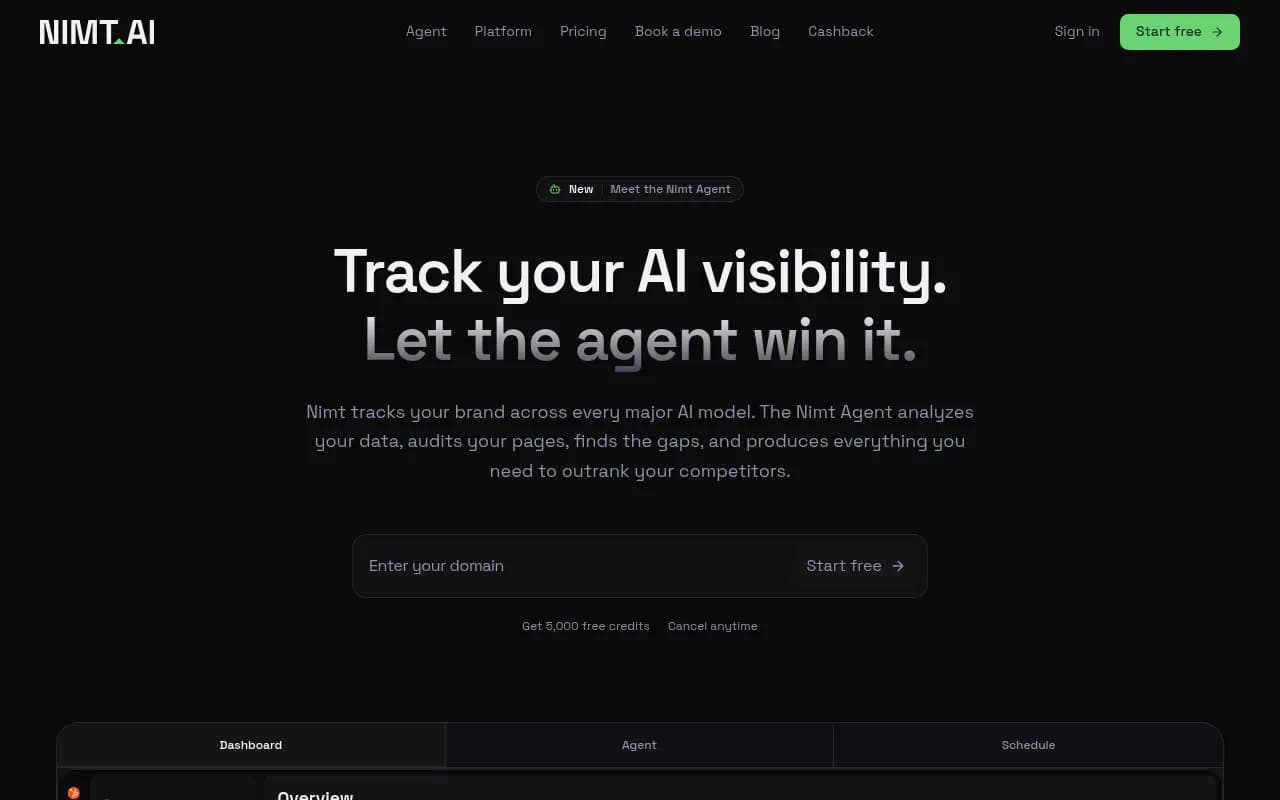
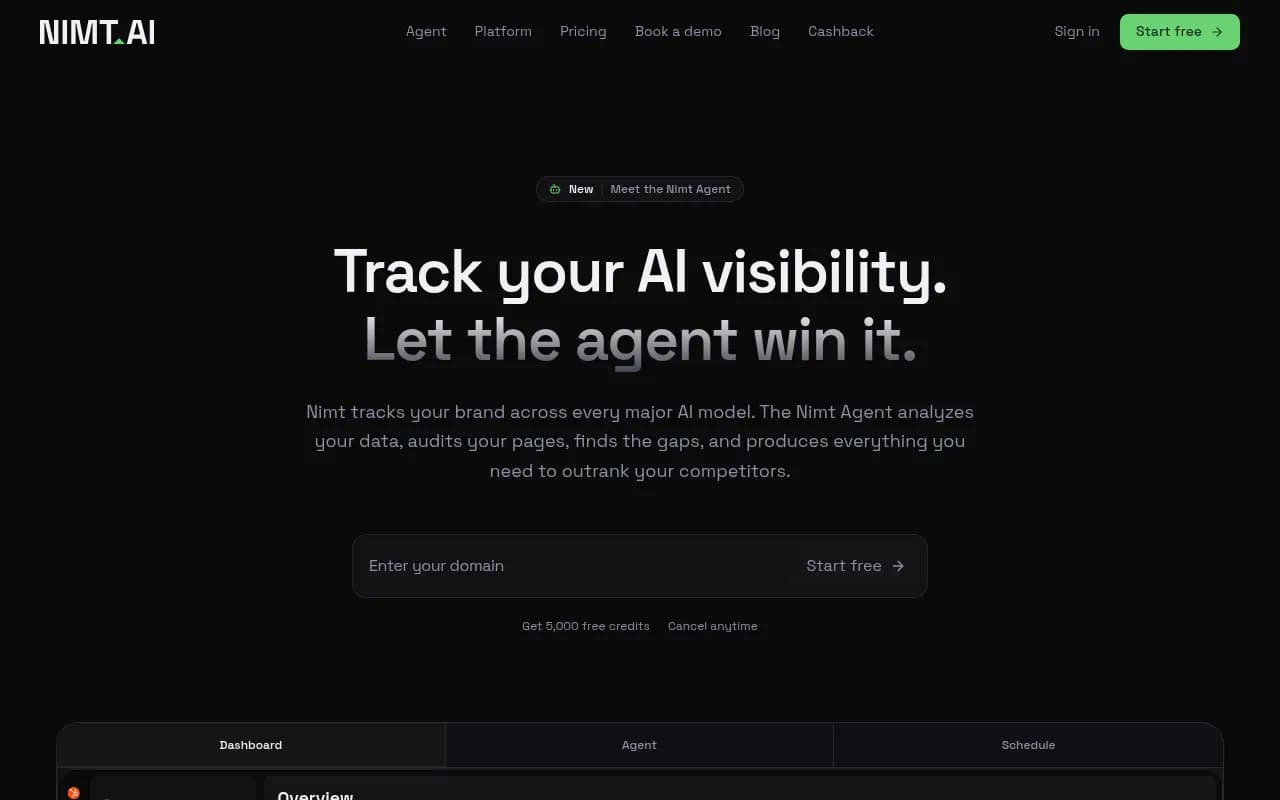
At its core, Nimt.ai is an AI search visibility platform. You set up your brand, define your competitors, and the platform starts monitoring how AI models like ChatGPT, Claude, Google AI Mode, and others respond to queries in your category.
The dashboard surfaces several key metrics:
- AI Visibility score: a percentage showing how often your brand appears in AI-generated responses for tracked prompts
- Share of voice: your slice of mentions compared to competitors
- Ranking: where you appear in AI-generated lists or recommendations
- AI Brand Strength: a composite score that factors in mention frequency, sentiment, and citation quality
- Sentiment: whether AI models are saying positive, neutral, or negative things about your brand
The citation tracking side shows which external pages AI models are pulling from when they mention your brand or competitors. This is genuinely useful -- knowing that a Zapier listicle or a PCMag roundup is driving AI citations gives you a concrete place to focus your off-site efforts.
The Nimt Agent: where it gets interesting
The feature Nimt.ai is leaning into hardest in 2026 is the Nimt Agent. This isn't just a reporting layer -- it's positioned as an active participant in your optimization workflow.
The agent is supposed to:
- Audit your existing pages against what AI models are actually citing
- Identify gaps where competitors are visible but you're not
- Produce content recommendations or briefs to close those gaps
This is the right instinct. Most AI visibility tools stop at "here's your score" and leave you to figure out what to do next. The agent concept tries to bridge monitoring and action.
In practice, the agent works reasonably well for surface-level audits. It can flag pages that aren't being cited, identify topics where competitors dominate, and suggest content angles. Where it's less mature is in the depth of those recommendations -- the briefs tend to be fairly high-level compared to what you'd get from a platform that's been building content generation capabilities for longer.
Coverage: which AI models does it track?
Nimt.ai covers the major platforms: ChatGPT, Google AI Mode, Claude, Perplexity, and Gemini are all mentioned in their product demo. This covers the models that matter most for most brands right now.
What's less clear from public documentation is how granular the tracking gets. Does it differentiate between ChatGPT's web-browsing mode and its standard responses? Does it track Google AI Overviews separately from Google AI Mode? These distinctions matter because the citation behavior is genuinely different across modes, and a brand can be visible in one and invisible in another.
Pricing: the credit model
Nimt.ai uses a credit-based pricing model rather than fixed tiers with prompt limits. You start with 5,000 free credits, and different actions (running queries, generating content, agent audits) consume different amounts.
This approach has real advantages for light users -- you're not paying for a 50-prompt monthly plan when you only need 20. But it gets harder to predict costs as usage scales, and it can create hesitation around running the agent frequently if you're not sure how many credits each task burns.
There's no publicly listed pricing page with hard numbers at the time of writing, which is a minor frustration. You have to sign up and explore to understand what your actual monthly cost would look like at your usage level.
What Nimt.ai does well
Clean interface: The dashboard is well-designed and not overwhelming. For teams new to AI visibility tracking, this matters. Some enterprise platforms throw 15 metrics at you before you've figured out what share of voice even means.
Competitor benchmarking: The side-by-side competitor view is solid. Seeing that your brand has 43% AI visibility while a competitor sits at 76% -- and then drilling into which citations are driving that gap -- is exactly the kind of insight that motivates action.
Citation source tracking: Knowing which third-party pages are driving AI citations is one of the most actionable things any AI visibility tool can show you. Nimt.ai does this well.
Query fan-out: The platform shows how a single prompt branches into related sub-queries, which helps you understand the full scope of a topic rather than optimizing for one narrow phrasing.
Accessible entry point: The free credit tier means you can actually test the product before committing. That's more than a lot of competitors offer.
Where it falls short
Content generation depth: The agent produces recommendations, but if you need fully fleshed-out articles or briefs grounded in real prompt volume data, citation patterns, and competitor analysis, the output is thinner than what more established platforms provide.
Crawler log analysis: There's no indication that Nimt.ai gives you visibility into how AI crawlers are actually hitting your site -- which pages they're reading, how often, what errors they're encountering. This is a meaningful gap. Knowing your content exists is different from knowing whether AI agents can actually access and process it.
Prompt volume and difficulty data: It's not clear whether Nimt.ai surfaces prompt volume estimates or difficulty scores to help you prioritize which queries to target. Without this, you're optimizing somewhat blind -- a query might look important but have negligible actual search volume in AI engines.
Multi-region and multi-language: For brands operating across markets, the platform's regional tracking capabilities aren't well-documented. This is a real limitation for international teams.
Track record: Nimt.ai is newer. That's not inherently a problem, but it does mean less battle-tested data, fewer integrations, and a smaller community of users sharing what works.
How it compares to other tools
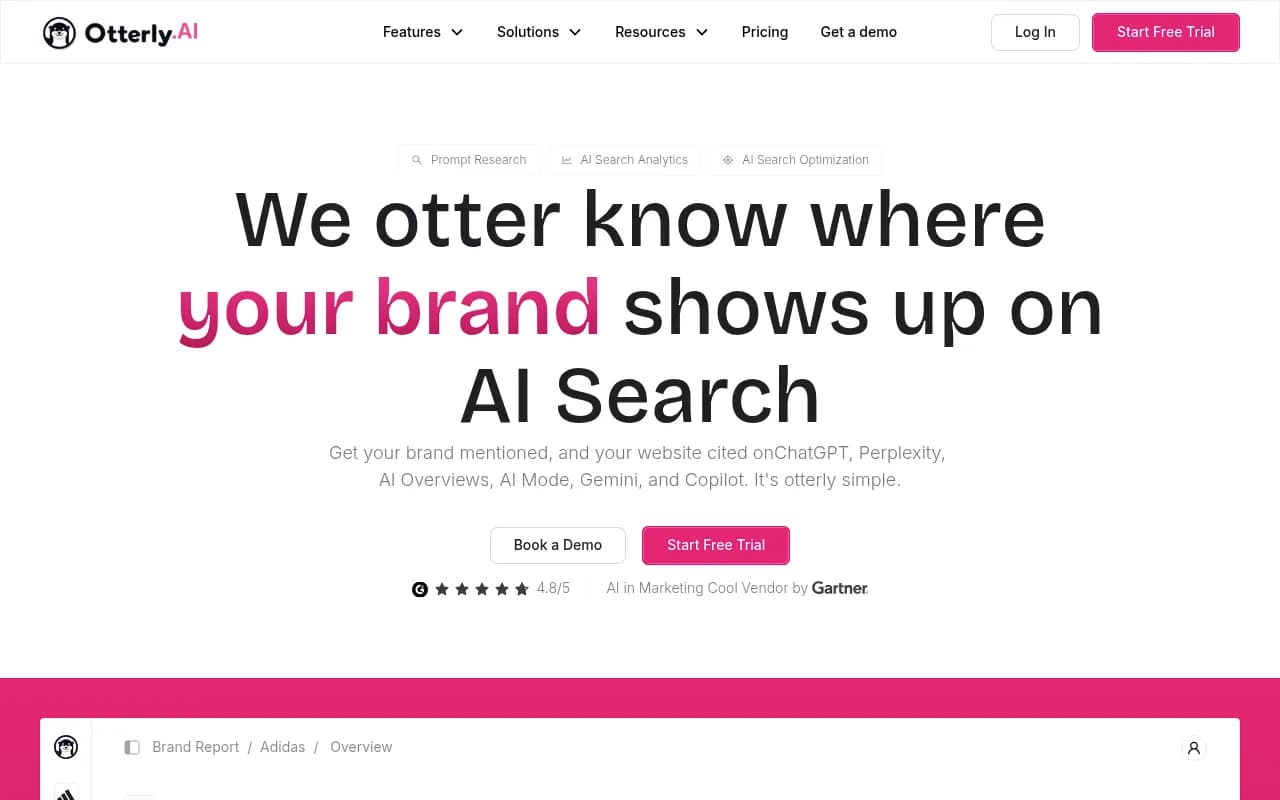
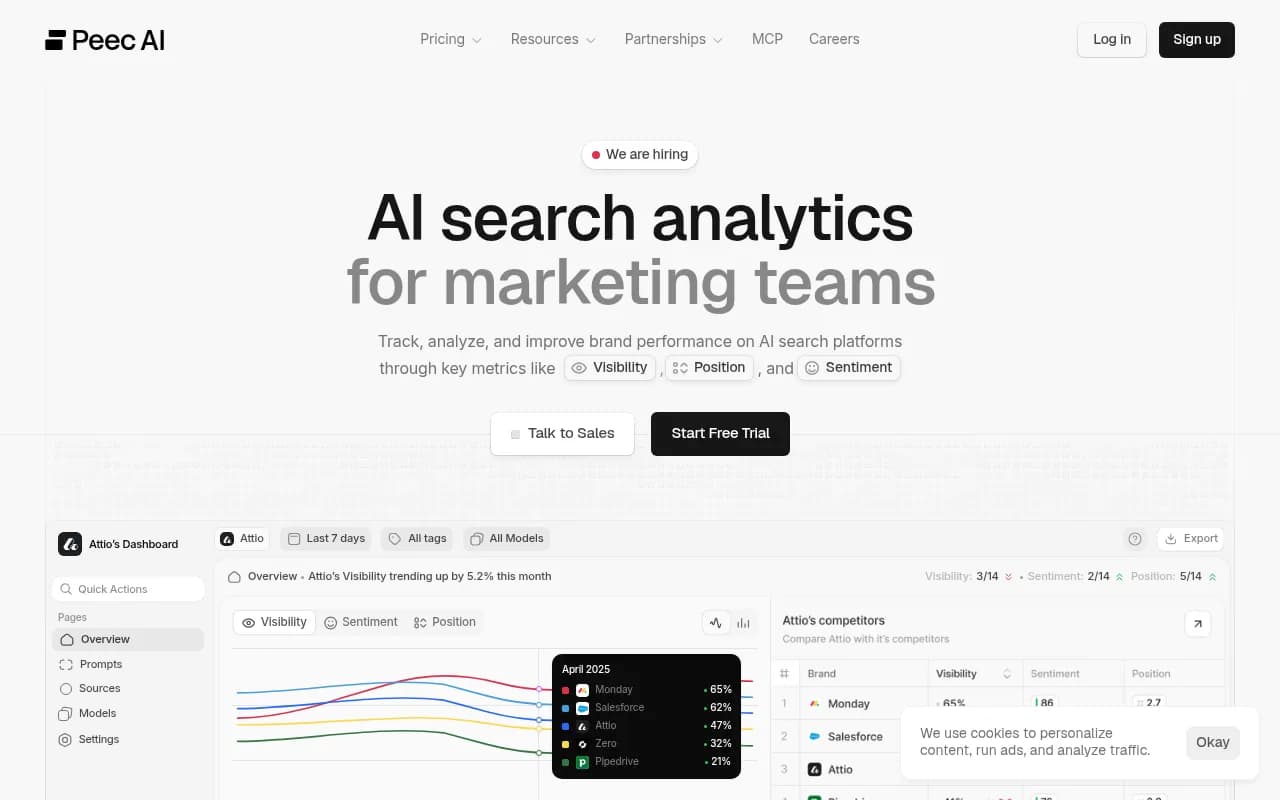
Here's a quick comparison of Nimt.ai against some of the other AI visibility tools in the market right now:
| Tool | Content generation | Crawler logs | Prompt volume data | Free tier | Best for |
|---|---|---|---|---|---|
| Nimt.ai | Basic (agent) | No | Unclear | Yes (credits) | Small teams, testing |
| Promptwatch | Yes (Content Agents) | Yes | Yes | No (trial) | Mid-market to enterprise |
| Otterly.AI | No | No | No | Yes | Budget monitoring |
| Peec AI | No | No | Limited | Yes | Simple tracking |
| Profound | Limited | No | Yes | No | Enterprise analytics |
| AthenaHQ | No | No | No | No | Monitoring-focused teams |

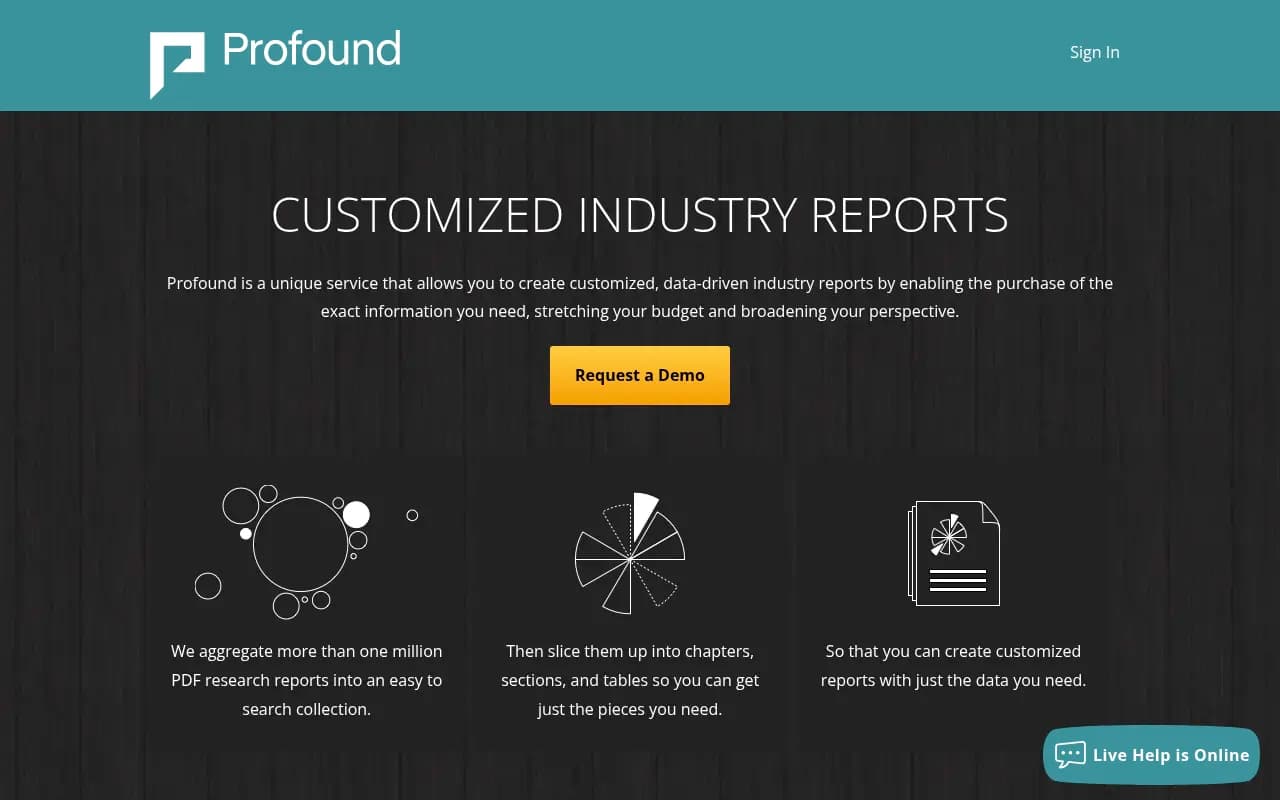
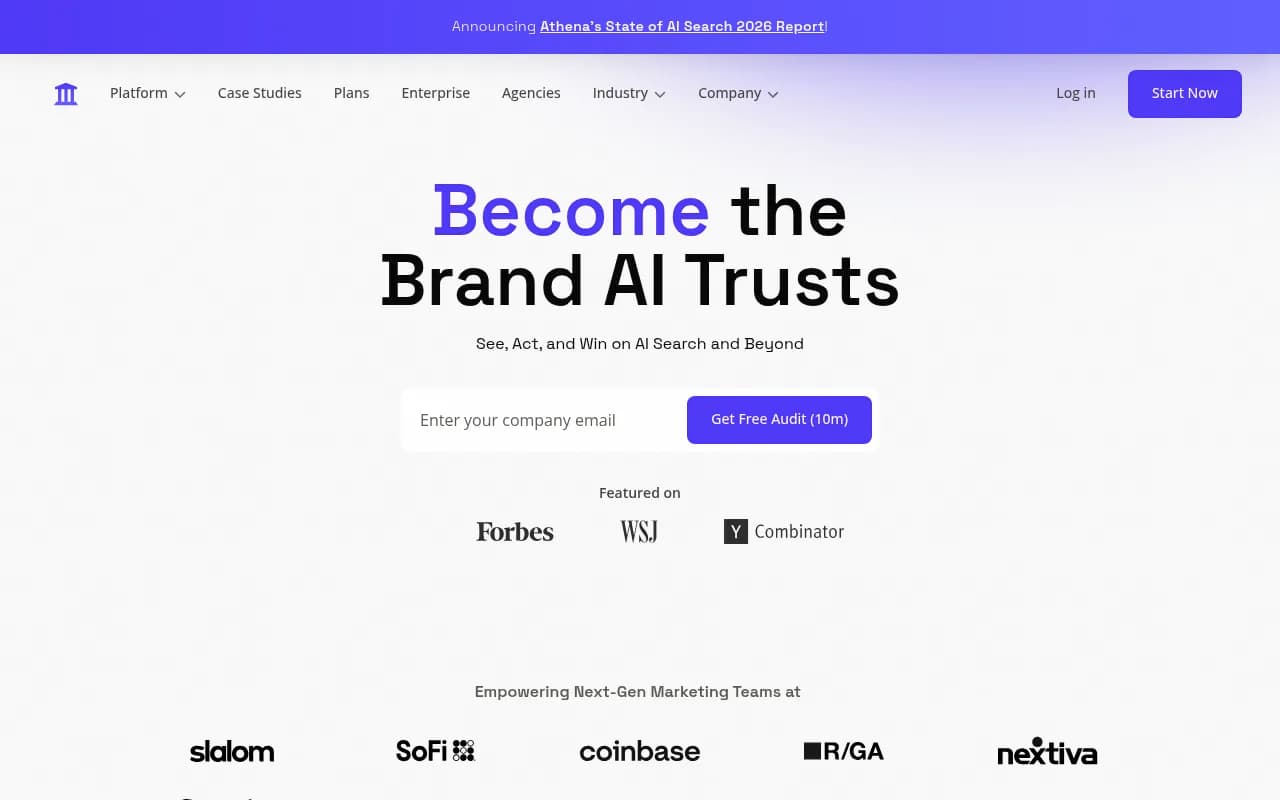
The pattern is pretty consistent across the market: most tools are monitoring dashboards. They show you data. Nimt.ai is trying to be more than that with the agent concept, which puts it in a more interesting category -- but it's not yet as fully developed as platforms that have been building optimization workflows for longer.
Who should use Nimt.ai
Nimt.ai makes sense for a few specific situations:
You're just getting started with AI visibility tracking. The free credit tier and clean interface make it a low-friction way to understand what AI visibility even looks like for your brand. You'll learn a lot just from seeing your first dashboard.
You're a small team that needs core metrics without complexity. If you don't need crawler logs, multi-region tracking, or deep content generation, Nimt.ai covers the fundamentals without overwhelming you.
You want to benchmark competitors quickly. The competitor comparison features are genuinely good for getting a fast read on where you stand relative to others in your category.
You're evaluating the space before committing to a larger platform. Testing Nimt.ai first is a reasonable way to understand what questions you need a tool to answer before you invest in something more comprehensive.
Who should probably look elsewhere
Teams that need to act on what they find, not just see it. If your goal is to close visibility gaps with new content -- and that's really the only goal that matters -- you need a platform that can generate content briefs grounded in real citation data, not just flag that a gap exists.
Brands with multi-region or multi-language requirements. The platform doesn't appear to have strong documentation around international tracking, which is a dealbreaker for global teams.
Anyone who needs to understand AI crawler behavior on their site. Knowing that AI models aren't citing your pages is step one. Knowing why -- because a crawler hit a 403 error, or because your page structure is confusing the model -- requires crawler log data that Nimt.ai doesn't seem to provide.
Enterprise teams with complex reporting needs. If you need Looker Studio integrations, API access, or custom dashboards for stakeholder reporting, you'll likely outgrow Nimt.ai quickly.
The bigger picture
The AI search visibility space is moving fast. A year ago, most of these tools didn't exist. Today there are dozens of them, and the quality gap between the best and the rest is significant.
Nimt.ai is a legitimate product with a clear point of view. The agent concept is the right direction -- the industry is moving toward optimization, not just monitoring, and any tool that tries to close that loop deserves credit for attempting it.
But "attempting it" and "executing it well" are different things. The platforms that have been building longer have more data, more integrations, and more developed content workflows. For teams that need to move fast and show results, that maturity matters.
If you're curious about Nimt.ai, the free credits make it worth a look. Run your brand through it, check your competitor scores, see which citations are driving visibility in your category. You'll get real value from that exercise.
Just go in knowing that if you want to close the gaps you find, you may need additional tools to get the job done.
Alternatives worth considering
If Nimt.ai doesn't quite fit your needs, here are a few other tools in the space worth evaluating:
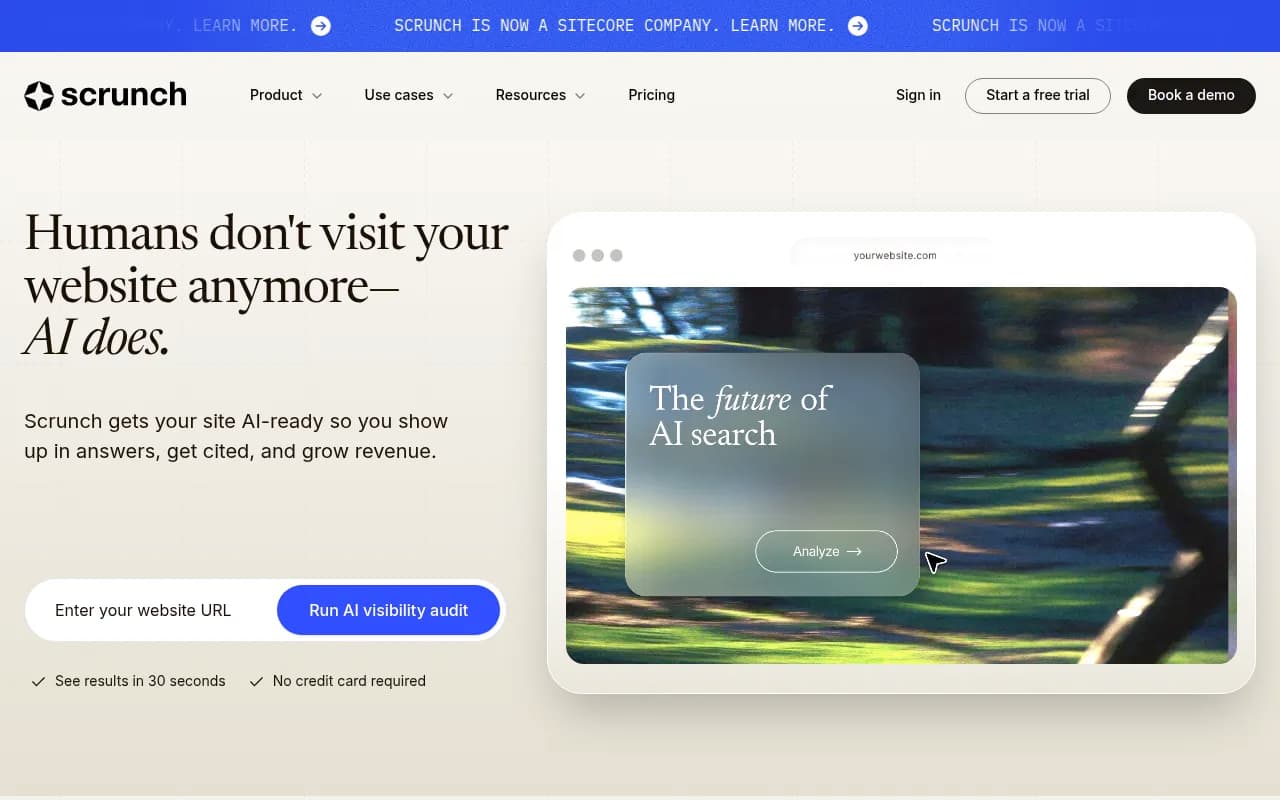
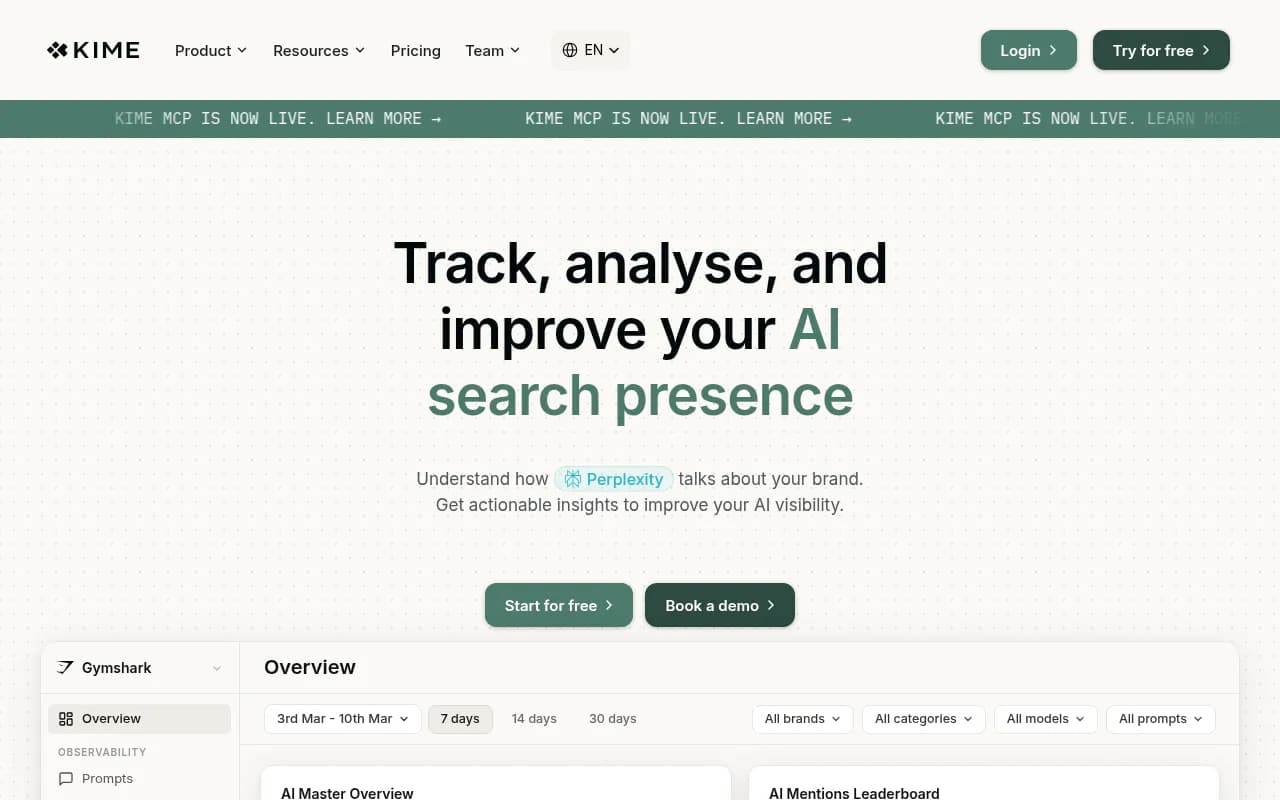
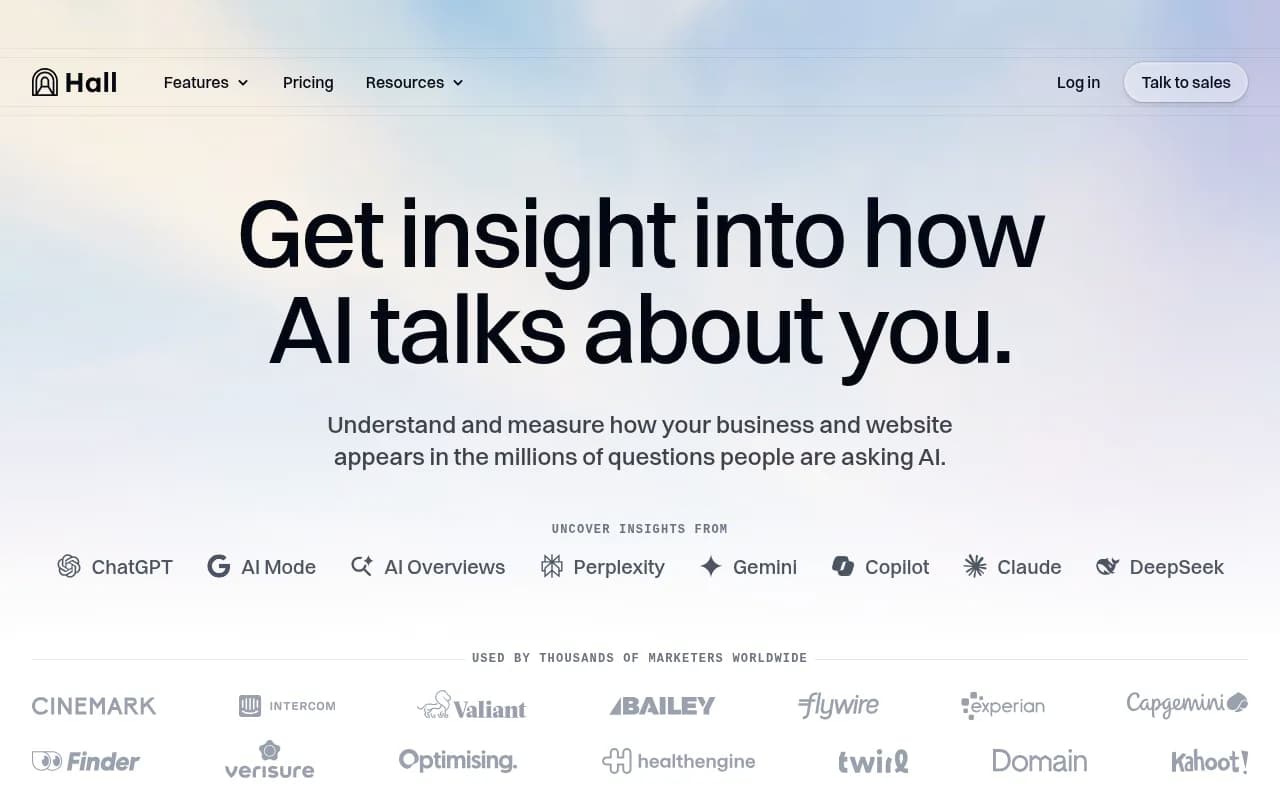
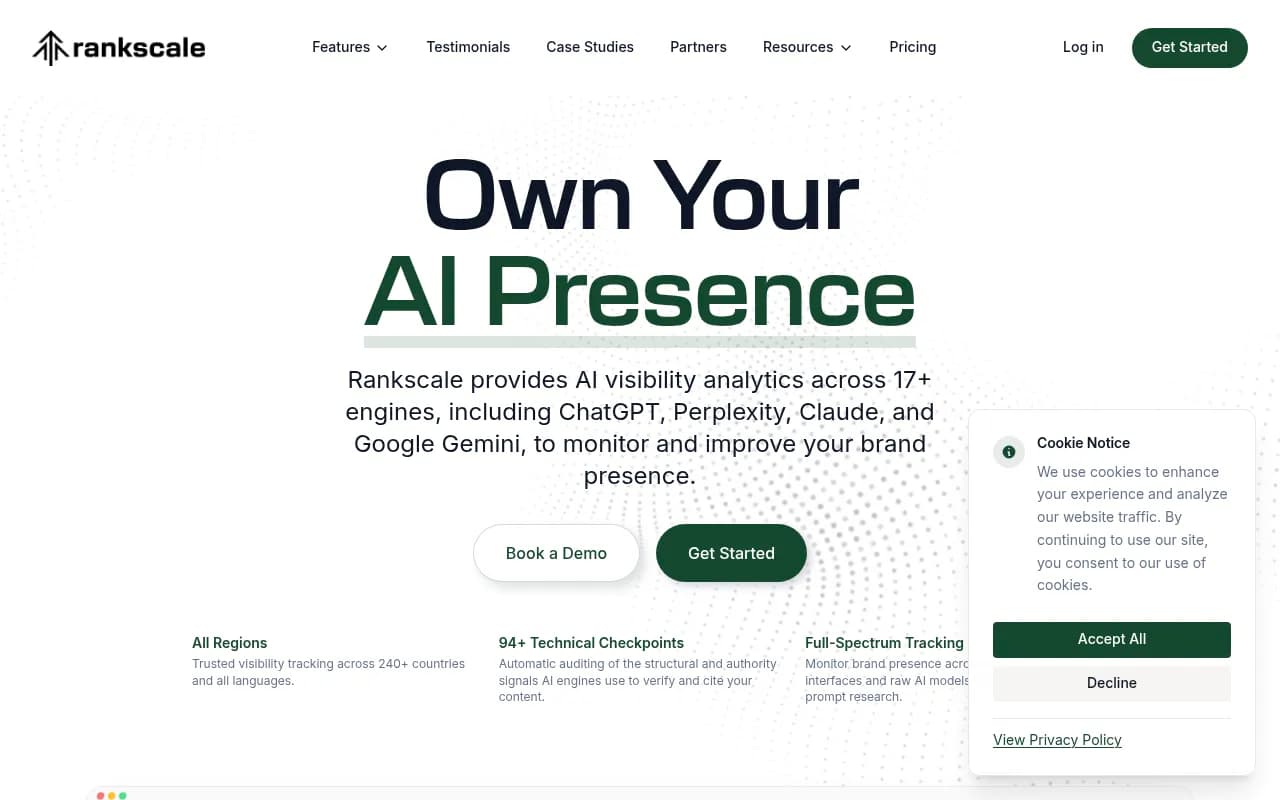
Each has a different emphasis -- Scrunch AI leans toward agency use cases, KIME focuses on insight depth, Hall is clean and monitoring-focused, and Rankscale is built around rank tracking specifically. None of them are identical, and the right choice depends on whether you need monitoring, optimization, or both.
The honest answer for most teams: monitoring alone won't move the needle. You need to find the gaps, create content that addresses them, and track whether it works. That full loop is what separates tools that help you understand your situation from tools that help you change it.