Key takeaways
- Botify and seoClarity are strong technical SEO platforms but were built for traditional search -- their AI visibility features are limited or bolted on.
- Otterly.AI monitors AI search engines well at an accessible price point, but stops short of helping you act on what it finds.
- Promptwatch is the only platform in this comparison that covers both AI visibility monitoring and content optimization in a single workflow -- find gaps, generate content, track results.
- If your team needs technical SEO depth (crawl budgets, log files, JavaScript rendering) AND AI visibility, you'll likely need two tools. Promptwatch plus a dedicated technical SEO tool is a realistic stack for most teams.
- For pure AI search visibility with the ability to actually improve your rankings, Promptwatch is the clearest choice in 2026.
The question sounds simple: which platform handles both technical SEO and AI visibility? But the honest answer is that no single tool does both equally well right now. The market has split into two camps -- tools built for crawling, indexing, and site architecture on one side, and tools built for tracking and improving how AI engines like ChatGPT and Perplexity respond to queries on the other.
This guide compares four platforms that come up frequently when teams try to bridge that gap: Otterly.AI, Promptwatch, Botify, and seoClarity. They're different enough that comparing them directly requires some context about what each was actually built to do.
What "technical SEO + AI visibility" actually means
Before getting into the tools, it's worth being clear about what we're comparing.
Technical SEO covers the infrastructure side: how well search engines can crawl and index your site, page speed, structured data, JavaScript rendering, internal linking, duplicate content, and crawl budget management. This is where Botify and seoClarity have historically excelled.
AI visibility is a different problem. When someone asks ChatGPT "what's the best project management tool for remote teams?" your brand either shows up in the answer or it doesn't. Tracking that -- and more importantly, improving it -- requires a completely different set of capabilities: prompt monitoring, citation analysis, content gap identification, and content generation grounded in what AI models actually want to cite.
The two disciplines overlap in one important area: content quality and crawlability affect both traditional rankings and AI citations. A page that Google can't crawl is also a page that ChatGPT probably hasn't ingested. But beyond that shared foundation, the toolsets diverge significantly.
Otterly.AI
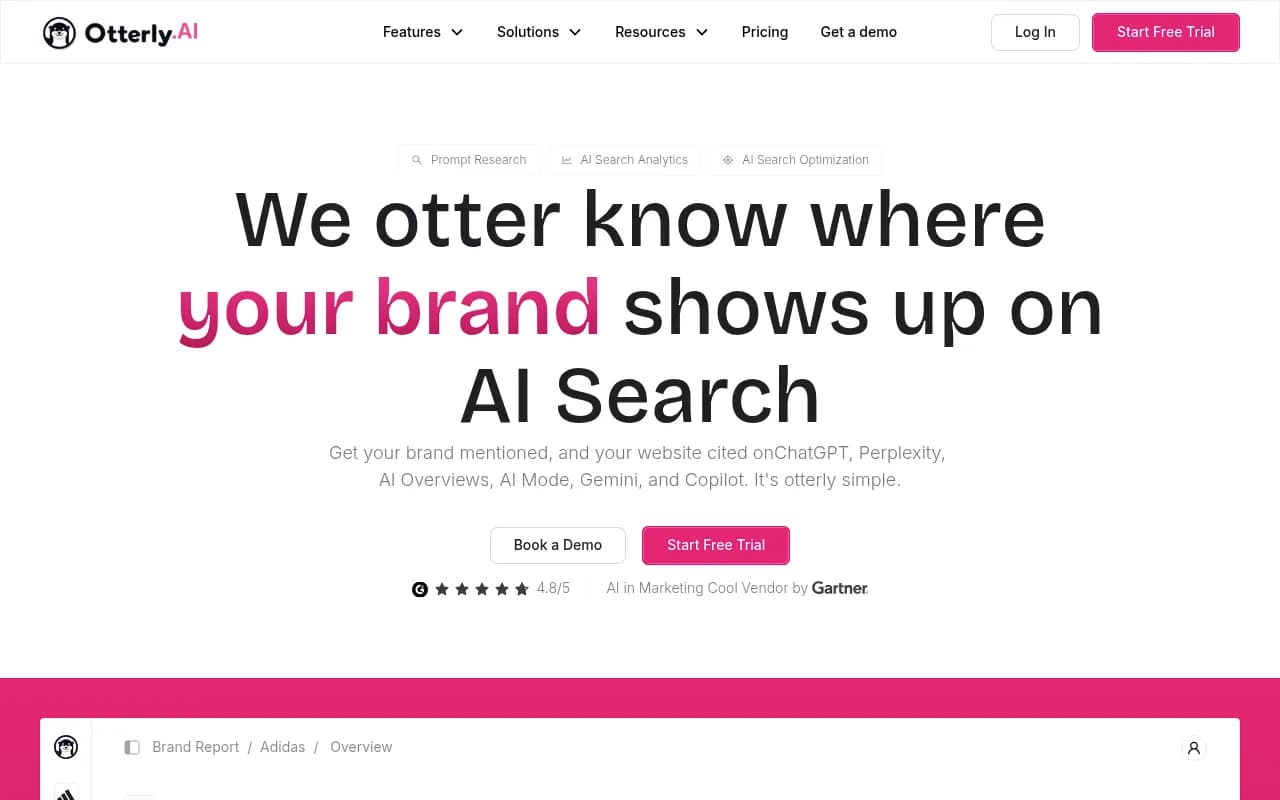
Otterly.AI was one of the earlier dedicated AI search monitoring platforms. It tracks brand and content visibility across ChatGPT, Perplexity, Google AI Overviews, Gemini, and Claude, and it's built specifically for the AI search era rather than retrofitting traditional SEO features.
What it does well: the monitoring interface is clean, setup is fast, and pricing is accessible compared to enterprise-tier alternatives. You can track brand mentions, citations, and competitive share of voice across major AI engines without a steep learning curve.
Where it falls short: Otterly.AI is primarily a monitoring tool. It shows you where you're visible and where you're not, but it doesn't help you close those gaps. There's no content generation, no content brief creation, no crawler log analysis, and no prompt intelligence that tells you which gaps are worth prioritizing. You get the data; you figure out what to do with it.
For smaller teams or those just starting to think about AI visibility, Otterly.AI is a reasonable entry point. But if you're trying to actually move the needle on your AI search presence, you'll hit its ceiling quickly.
Botify
Botify is an enterprise technical SEO platform. It's genuinely excellent at what it does: crawl analysis, log file analysis, JavaScript rendering, page speed, structured data, and crawl budget optimization for very large sites. Brands managing hundreds of thousands of pages -- e-commerce, publishing, travel -- use Botify because it handles complexity that lighter tools can't.
The AI visibility angle is more limited. Botify has added some features around AI search readiness, largely focused on ensuring your content is crawlable and structured in ways that AI engines can process. That's useful, but it's a narrow slice of what AI visibility actually requires. Botify won't tell you which prompts your competitors are winning, which topics your content is missing, or how to generate content that AI models will cite.
Botify's pricing reflects its enterprise positioning -- it's not a tool you pick up casually. For large technical SEO teams, it's hard to beat. For teams whose primary concern is AI search visibility, it's the wrong tool.
seoClarity
seoClarity is another enterprise SEO platform with a broad feature set: rank tracking, content optimization, site auditing, and competitive analysis. It's been around long enough to have a mature product and a real customer base among large marketing teams.
Like Botify, seoClarity has moved to incorporate AI-related features, including some AI Overviews tracking and content optimization tools. The platform uses AI to assist with content creation and analysis, which is genuinely useful for traditional SEO workflows.
But seoClarity's AI visibility capabilities are still anchored to traditional search logic. The platform tracks Google AI Overviews but doesn't offer the depth of prompt monitoring, citation analysis, or LLM-specific content optimization that dedicated AI visibility platforms provide. It's a strong all-around SEO tool that happens to have some AI features, not an AI visibility platform that also handles SEO.
Promptwatch
Promptwatch takes a different approach from all three tools above. It's built around a specific workflow: find the gaps in your AI visibility, create content that fills those gaps, and track the results as AI models start citing your new pages.
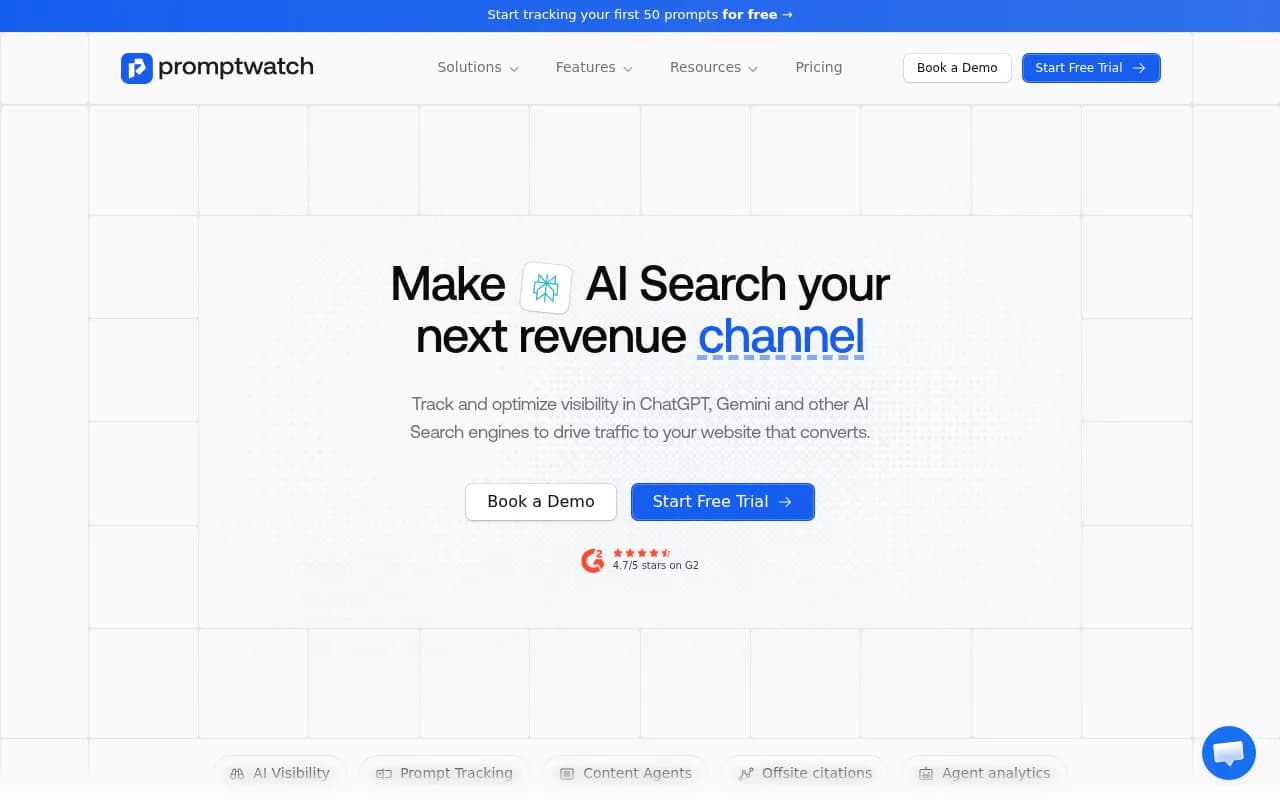
The monitoring side covers 10 AI models -- ChatGPT, Perplexity, Google AI Overviews, Google AI Mode, Claude, Gemini, Meta/Llama, DeepSeek, Grok, and Mistral. That's broader coverage than most competitors. But what separates Promptwatch from monitoring-only tools is what comes after the data.
Answer Gap Analysis shows you exactly which prompts your competitors are appearing for that you're not. Not just "you're missing visibility in this category" -- the specific questions and topics where AI models are recommending your competitors instead of you. From there, Content Agents generate articles, comparisons, and listicles grounded in real prompt data, citation patterns, and competitor analysis. This isn't generic content; it's built around the specific gaps the data identified.
The crawler log analysis is worth calling out separately. Promptwatch tracks when AI crawlers (ChatGPT's bot, Perplexity's crawler, etc.) visit your site, which pages they read, errors they encounter, and when pages move from crawl to citation. This is the closest thing to "technical SEO for AI" that any platform currently offers -- understanding the infrastructure layer of AI visibility, not just the output layer.
Pricing runs from $99/month for the Essential plan (1 site, 50 prompts, 5 articles) to $579/month for Business (5 sites, 350 prompts, 30 articles). There's a free trial available.
Feature comparison
| Feature | Otterly.AI | Promptwatch | Botify | seoClarity |
|---|---|---|---|---|
| AI search monitoring | Yes | Yes (10 models) | Limited | Limited (AI Overviews) |
| Prompt tracking | Yes | Yes | No | No |
| Citation analysis | Yes | Yes | No | No |
| Answer gap analysis | No | Yes | No | No |
| AI content generation | No | Yes | No | Partial |
| AI crawler log analysis | No | Yes | No | No |
| Technical site crawling | No | No | Yes (enterprise) | Yes |
| Log file analysis | No | No | Yes | Partial |
| JavaScript rendering analysis | No | No | Yes | Yes |
| Structured data auditing | No | No | Yes | Yes |
| Competitor visibility heatmaps | Partial | Yes | No | Partial |
| Reddit/YouTube insights | No | Yes | No | No |
| ChatGPT Shopping tracking | No | Yes | No | No |
| Traffic attribution | No | Yes | No | Partial |
| Pricing (entry point) | ~$99/mo | $99/mo | Enterprise | Enterprise |
How these tools fit different team types
The right choice depends heavily on what your team actually needs right now.
Large enterprise with a technical SEO team
If you're managing a site with 500,000+ pages and your primary pain is crawl budget, JavaScript rendering, and indexation at scale, Botify is hard to replace. seoClarity is a reasonable alternative with a broader feature set. But you'll want to pair either with a dedicated AI visibility tool -- and Promptwatch is the strongest option for that layer.
Marketing team focused on AI search visibility
This is where Otterly.AI and Promptwatch compete most directly. Otterly.AI is cheaper and simpler; Promptwatch does more. If you're just starting to track AI visibility and want to understand the landscape before committing to a full workflow, Otterly.AI works. If you're ready to actually improve your AI search presence -- not just monitor it -- Promptwatch is the better investment.
SEO agency managing multiple clients
Promptwatch has agency and enterprise pricing tiers and supports multiple sites per account. The content generation capabilities matter here too: being able to identify gaps and produce briefs or articles for clients at scale is a real workflow advantage. Otterly.AI is lighter and might work for agencies doing basic reporting, but it won't support the optimization side.
Mid-market brand building an AI SEO practice
This is probably the most common scenario in 2026. You have a content team, you're aware that AI search is changing how people find information, and you want to build a systematic approach. Promptwatch fits this well -- the action loop (find gaps, generate content, track results) maps directly onto how a content team actually works.
The technical SEO + AI visibility stack question
Here's the honest reality: no single platform in 2026 does both technical SEO and AI visibility at a high level. Botify and seoClarity are excellent for technical SEO but thin on AI visibility. Otterly.AI and Promptwatch are strong on AI visibility but don't replace a technical SEO crawler.
The closest thing to a bridge is Promptwatch's AI crawler log analysis -- it tells you how AI bots are actually crawling your site, which pages they're reading, and where they're hitting errors. That's genuinely useful technical information that most AI visibility tools ignore entirely. But it's not a substitute for a full technical SEO audit on a complex site.
For most teams, the practical answer is a two-tool stack: a technical SEO platform for site health and a dedicated AI visibility platform for the prompt-to-citation workflow. If you're already using Semrush or Ahrefs for traditional SEO, you don't necessarily need to add Botify or seoClarity. What you probably do need is something purpose-built for AI visibility.
What the AI visibility market looks like right now
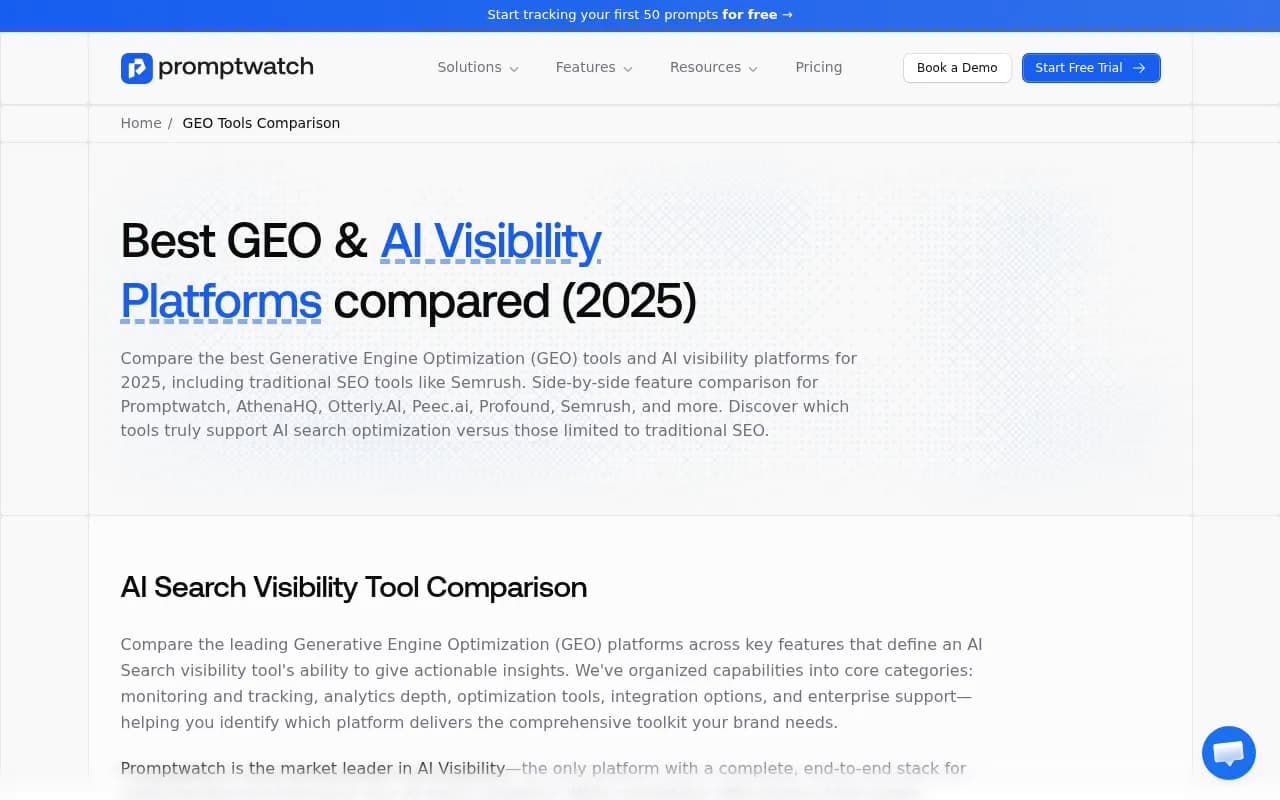
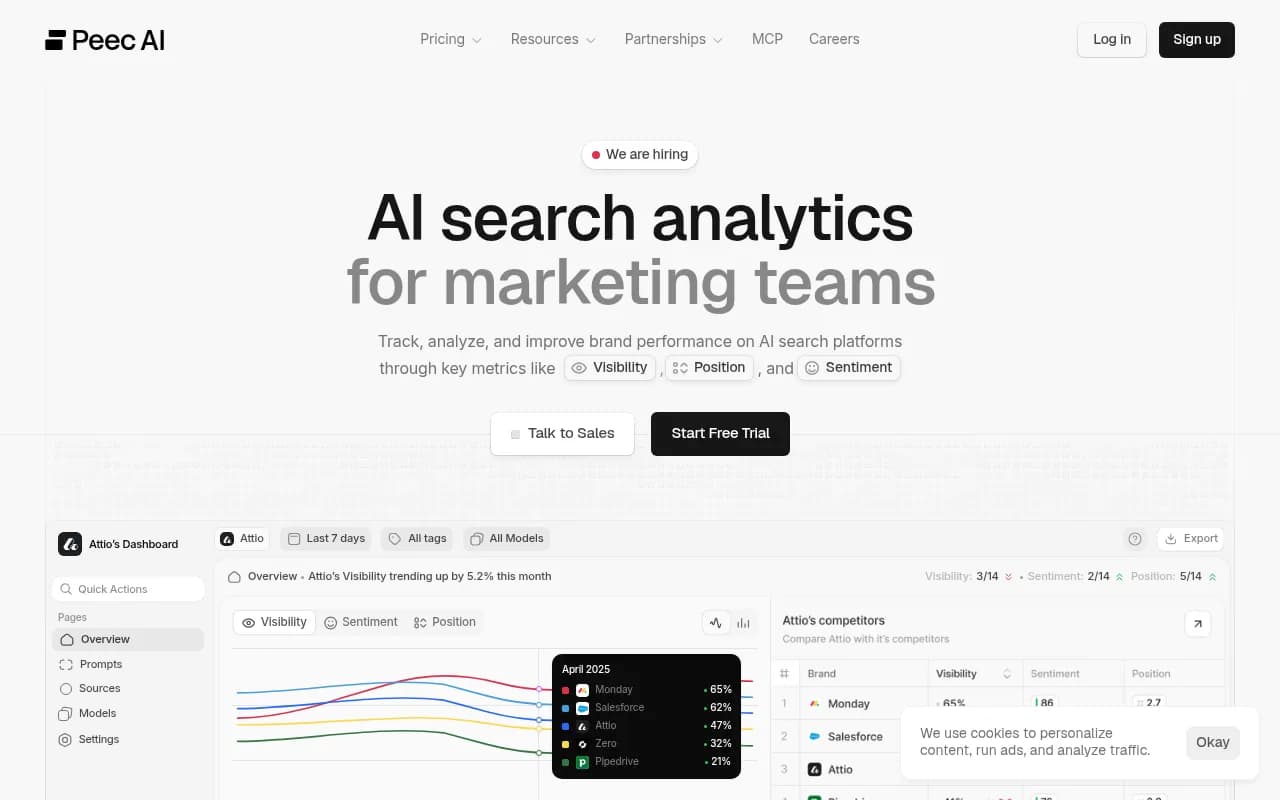
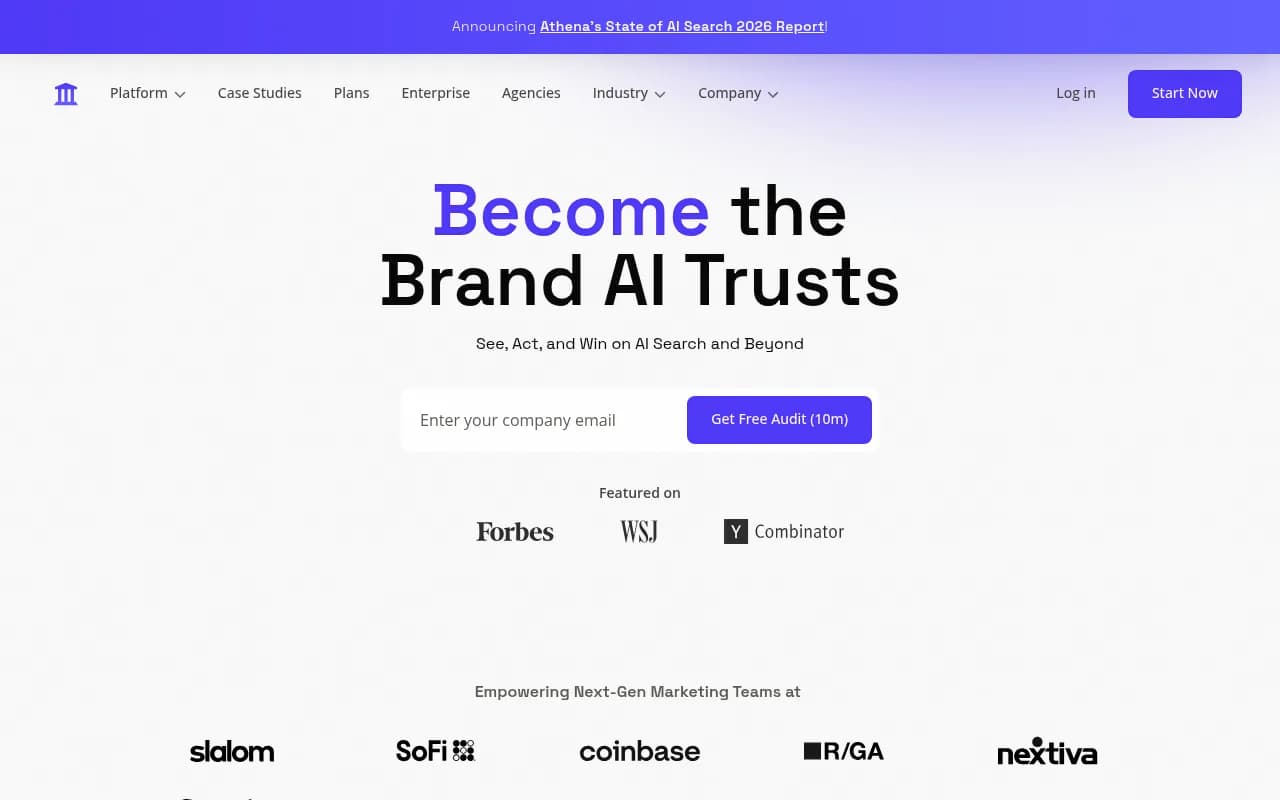
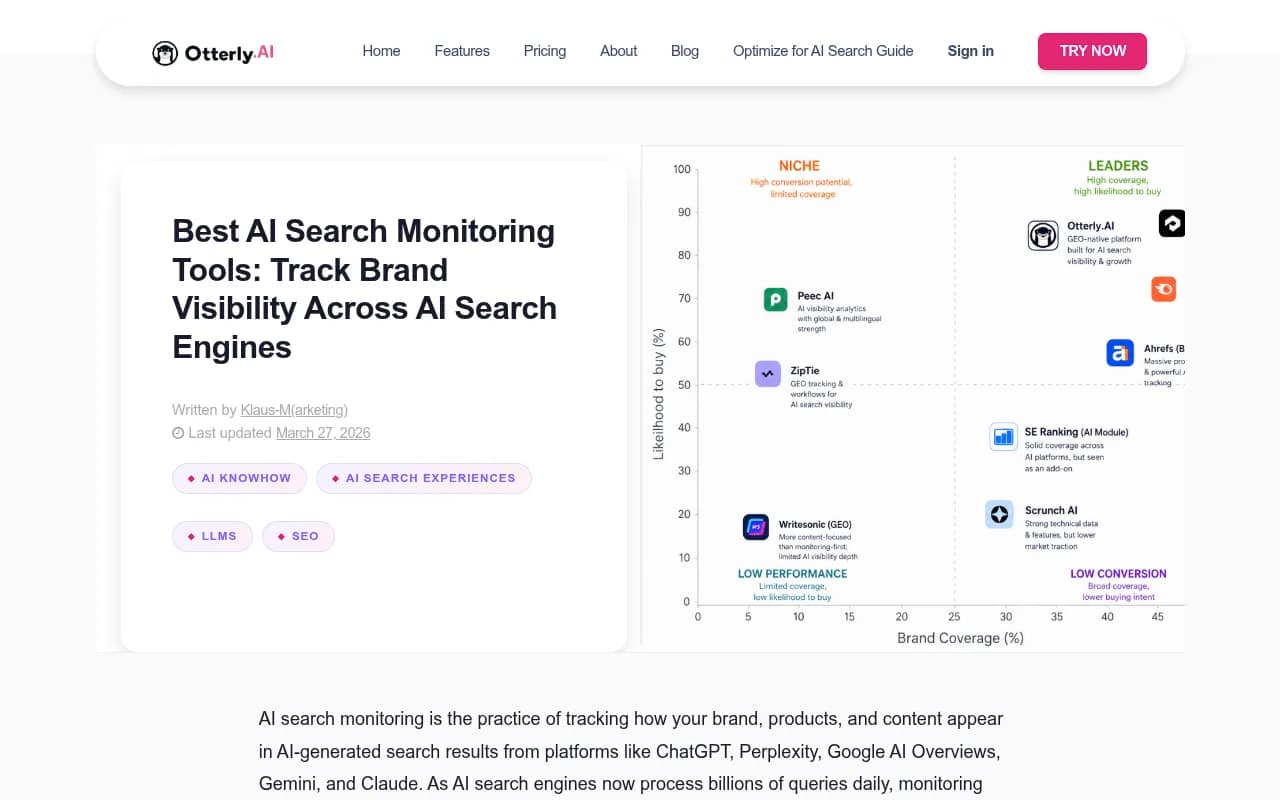
The broader market has more options than most people realize. A 2026 comparison of 12+ dedicated GEO platforms found that most fall into one of two categories: monitoring dashboards that show you data, and optimization platforms that help you act on it. The monitoring-only category is crowded -- Otterly.AI, Peec.ai, AthenaHQ, and others all compete here.
The optimization category is much thinner. Generating content that's specifically engineered to fill AI citation gaps -- grounded in real prompt data, citation patterns, and competitor analysis -- requires a different kind of platform. That's the gap Promptwatch is built to fill.
Bottom line
Botify and seoClarity are serious tools for serious technical SEO problems. If that's your primary challenge, they're worth evaluating. But they're not AI visibility platforms, and treating them as such will leave your team with significant blind spots.
Otterly.AI is a solid entry point for AI search monitoring -- accessible, focused, and honest about what it does. It just doesn't help you do anything about what it finds.
Promptwatch is the platform that actually closes the loop. It monitors AI visibility across more models than any competitor in this comparison, identifies the specific content gaps driving your invisibility, generates content to fill those gaps, and tracks the results at the page level. For teams that want to treat AI search as an optimization channel rather than just a reporting metric, that end-to-end workflow matters.
The combination of technical SEO depth and AI visibility optimization doesn't exist in a single tool yet. But Promptwatch gets you further toward that goal than anything else currently available -- and its crawler log analysis gives you more technical insight into AI indexation than any monitoring-only competitor.