Key takeaways
- Otterly.AI users consistently praise its ease of setup and clean brand monitoring dashboards, but frequently hit a wall when they need to act on the data
- The most common complaint: "I can see the data -- now what?" The platform tells you where you stand but doesn't help you close the gap
- Otterly.AI's April 2026 "Recommendations" feature is a direct response to this criticism, though it's still early days
- Users who need content generation, AI crawler logs, or deeper prompt intelligence tend to outgrow Otterly.AI and look elsewhere
- The tools people switch to most often are those that combine monitoring with content optimization -- not just more dashboards
Who actually uses Otterly.AI?
Otterly.AI sits in a specific corner of the GEO (Generative Engine Optimization) market: affordable, accessible brand monitoring for marketers who want to know how they appear in AI search engines like ChatGPT, Perplexity, and Google AI Overviews.
The typical user profile that comes up in reviews and walkthroughs is a solo marketer, small agency, or content team lead who's just waking up to the fact that AI search is eating their traffic. They want to answer a basic question: "When someone asks ChatGPT about my category, do I show up?"
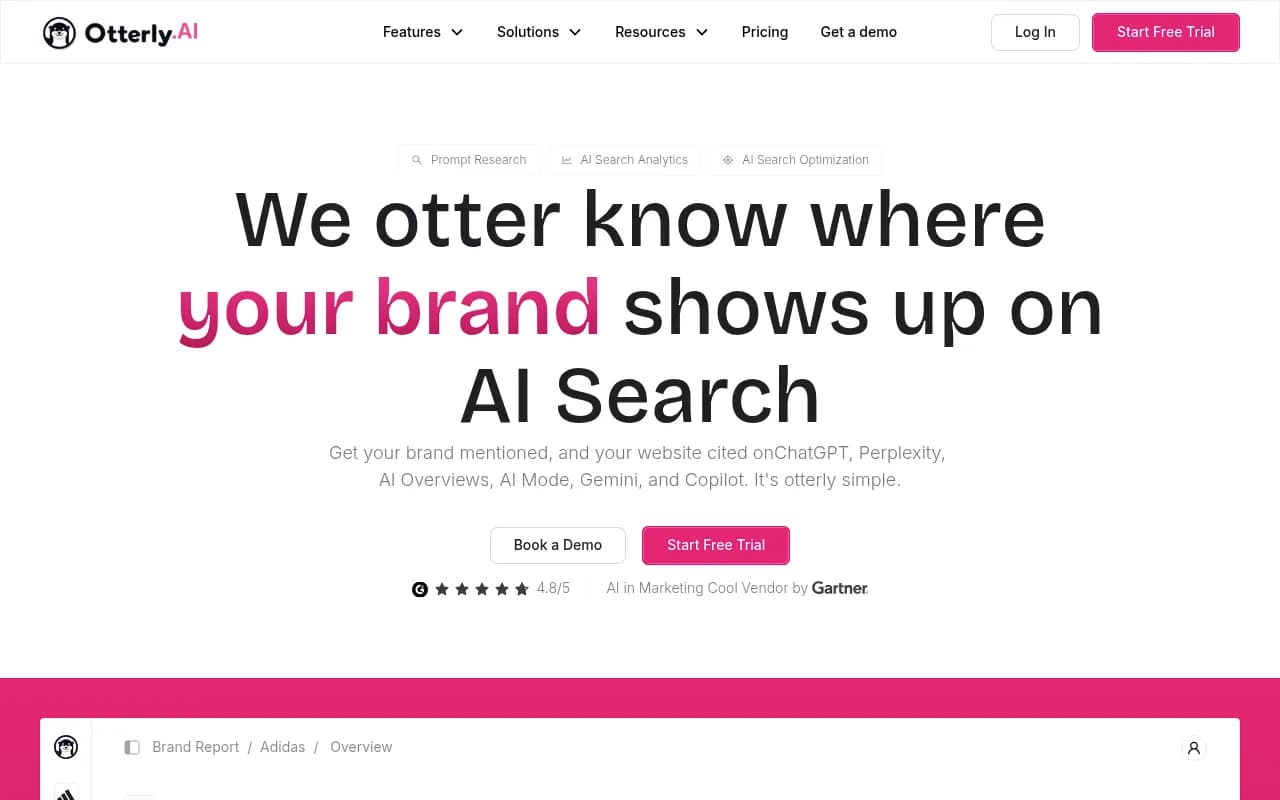
Otterly.AI answers that question reasonably well. The onboarding is fast, the Brand Report dashboard is clean, and you can track competitor visibility across multiple AI engines without a steep learning curve.
What users actually like
The setup experience
Multiple reviews mention that Otterly.AI is one of the faster tools to get running. You enter your brand, add competitors, set up prompts, and within a short time you're looking at brand coverage data across ChatGPT, Perplexity, Google AI Overviews, and Copilot.
A SuperbCrew feature cited by Rankability's 2026 review noted that early adopters reported "cutting the time they spend on brand monitoring significantly." That tracks -- the dashboard consolidates what would otherwise require manually querying multiple AI engines.
Brand coverage visibility
The Brand Report is the core product, and users generally find it useful. You can see:
- Which AI engines mention your brand
- How your brand coverage trends over time
- Where competitors are getting cited that you're not
- Which prompts are driving visibility in your niche
For teams that were previously doing this manually (or not at all), this is a genuine step forward.
The citation data
Otterly.AI published a study in early 2026 analyzing over 1 million AI citations across ChatGPT, Perplexity, and Google AI Overviews. One finding that surprised a lot of users: community platforms like Reddit and Quora capture 52.5% of citations, while brand domains take 47.5%. That's the kind of data that reframes how you think about your content strategy.
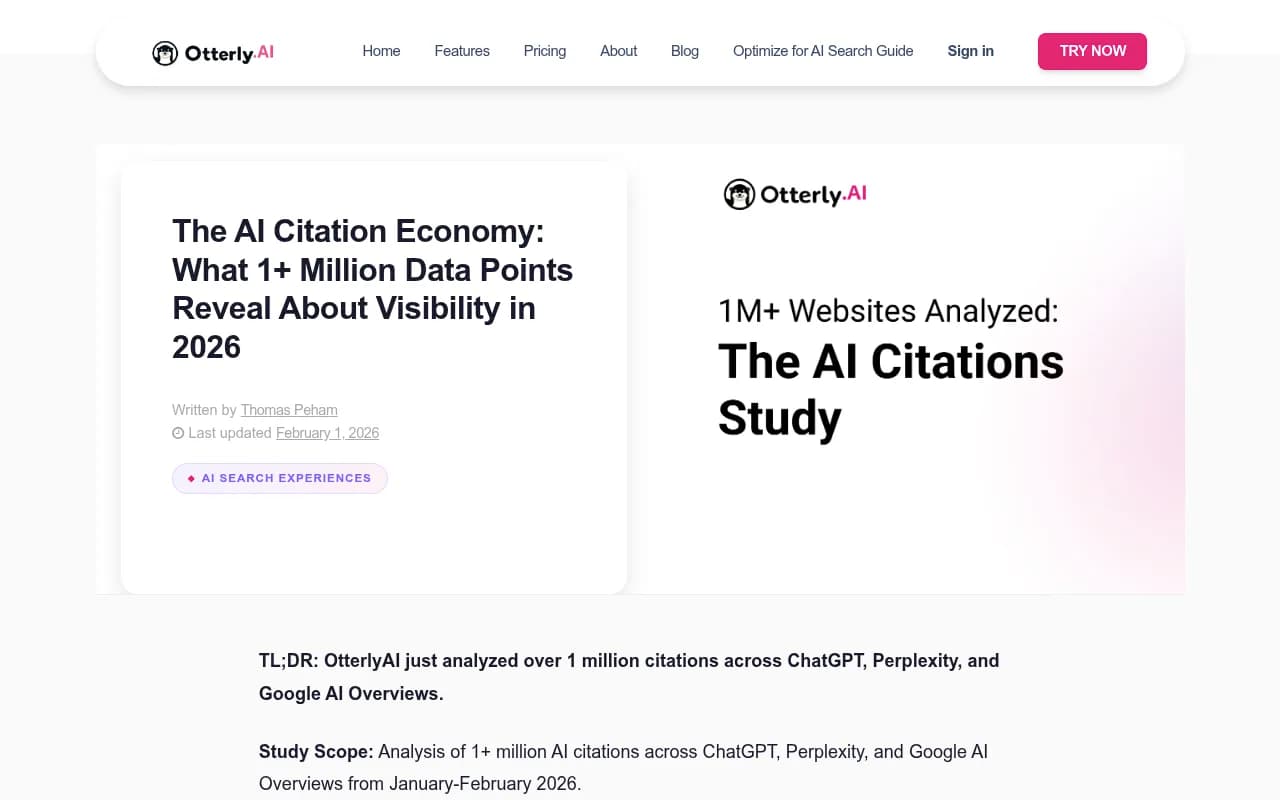
The study also found that 73% of sites have technical barriers blocking AI crawler access -- a finding that's useful context for any GEO audit.
The complaints that keep coming up
"I see the data. Now what?"
This is the most consistent friction point in Otterly.AI user feedback, and notably, the company's own CEO Thomas Peham acknowledged it directly in the April 2026 launch post for their new Recommendations feature:
"Here's what we kept hearing from customers: 'I see the data. Now what do I do about it?'"
That's a telling admission. For a tool that's been on the market for a while, having your core user complaint be "I don't know what to do with this" suggests the product was built around visibility rather than action.
Users can see that a competitor is getting cited for a topic they should own. They can see which websites are influencing AI responses. But turning that into a concrete plan -- figuring out what content to create, which off-page signals to chase, how to prioritize -- required leaving the platform entirely.
No content generation
Otterly.AI doesn't generate content. If you identify a gap (a prompt where competitors appear but you don't), you still have to go elsewhere to create something that fills it. For teams that want a tighter loop between insight and execution, this is a real gap.
Limited prompt intelligence
Users who want to understand prompt volume, difficulty scores, or how one query branches into sub-queries tend to find Otterly.AI's prompt data thin. You can see which prompts are driving brand mentions, but there's not much depth on which prompts are worth targeting versus which are low-traffic dead ends.
No AI crawler logs
Otterly.AI doesn't show you when AI crawlers (ChatGPT's bot, Perplexity's crawler, etc.) are hitting your site, which pages they're reading, or whether they're encountering errors. This matters because you can have great content that AI engines simply aren't accessing. Without crawler log visibility, you're flying blind on the technical side.
Pricing vs. depth
The Dageno AI review of Otterly.AI in 2026 positions it as "affordable" -- and it is, relative to enterprise tools. But several users note that as their GEO programs mature, they end up needing features Otterly.AI doesn't have, which means paying for a second tool anyway.
The April 2026 Recommendations feature: does it fix things?
Otterly.AI shipped their biggest feature update in April 2026: a Recommendations system that analyzes your brand report data and generates specific, actionable suggestions.
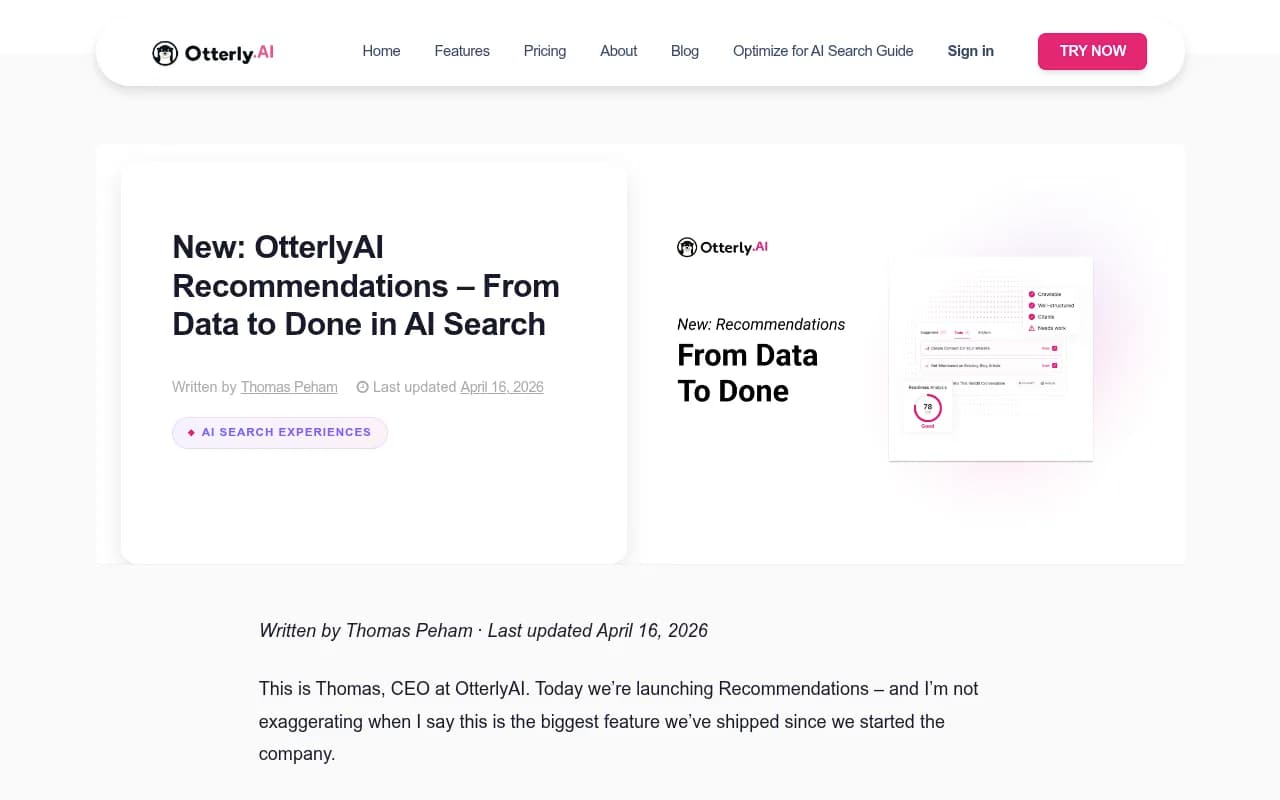
The idea is solid. Instead of just showing you that a competitor is getting cited for a topic, Recommendations tells you why they're getting cited and what to do about it -- whether that's creating specific content, improving crawlability, or building off-page signals like Reddit presence.
You can filter recommendations by country, AI engine, type (on-page vs. off-page), and impact level. There's also a workflow that moves suggestions from "to-do" to "archive" so teams can track progress.
This is a meaningful step. But it's worth noting that the feature launched in April 2026 -- it's new, and the early access feedback is still limited. Whether it genuinely closes the insight-to-action gap or just adds another layer of suggestions users don't act on remains to be seen.
How Otterly.AI compares to the alternatives
Here's an honest look at how Otterly.AI stacks up against the tools users most commonly consider or switch to:
| Tool | Monitoring | Content generation | Crawler logs | Prompt intelligence | Price range |
|---|---|---|---|---|---|
| Otterly.AI | Yes | No | No | Basic | $ |
| Peec AI | Yes | No | No | Basic | $ |
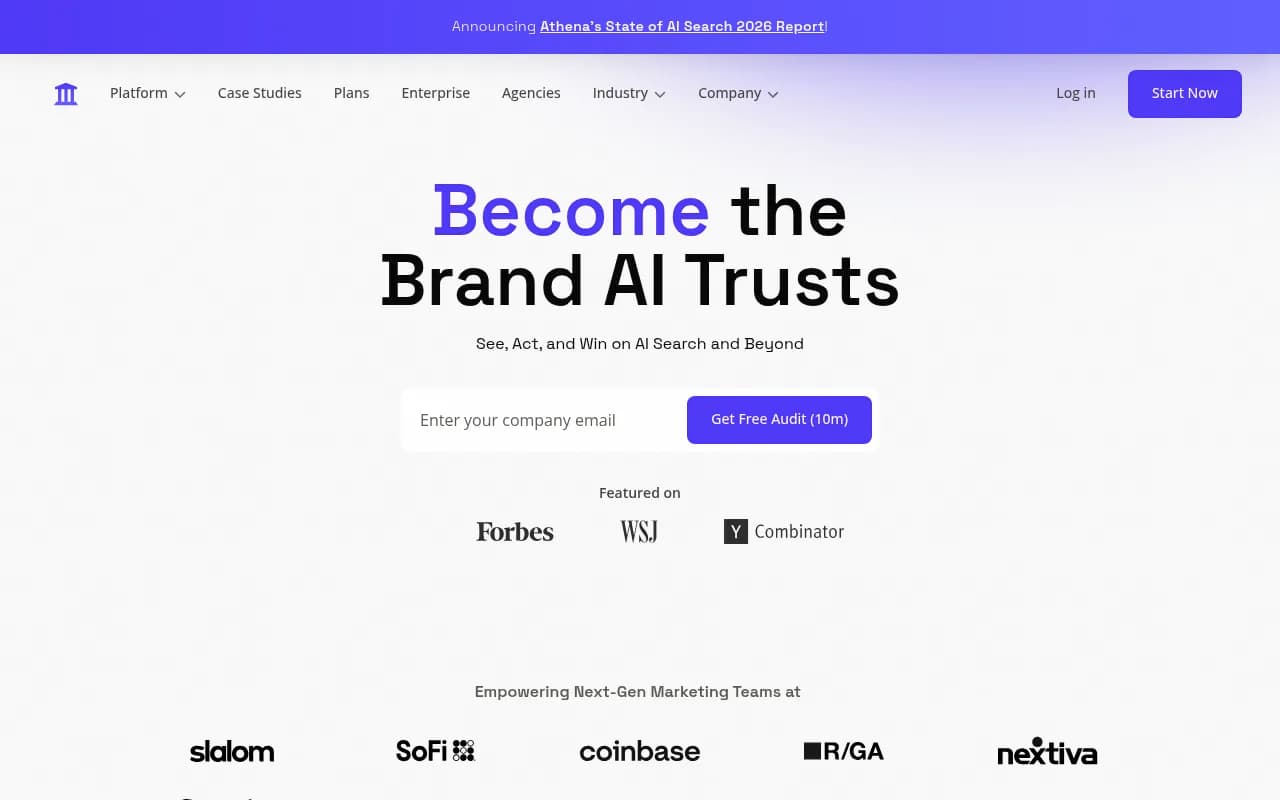
| AthenaHQ | Yes | No | No | Moderate | $$ |
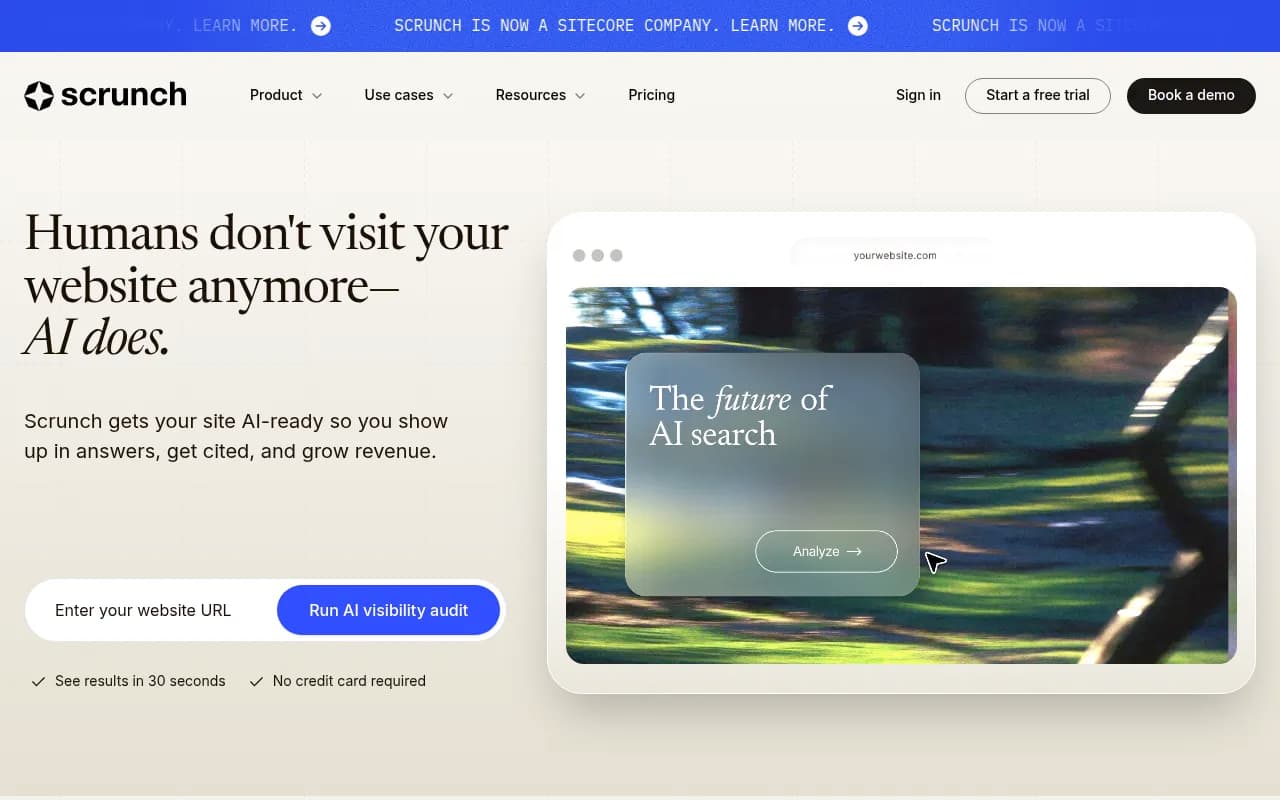
| Scrunch AI | Yes | No | No | Moderate | $$ |
| Profound | Yes | No | No | Strong | $$$ |
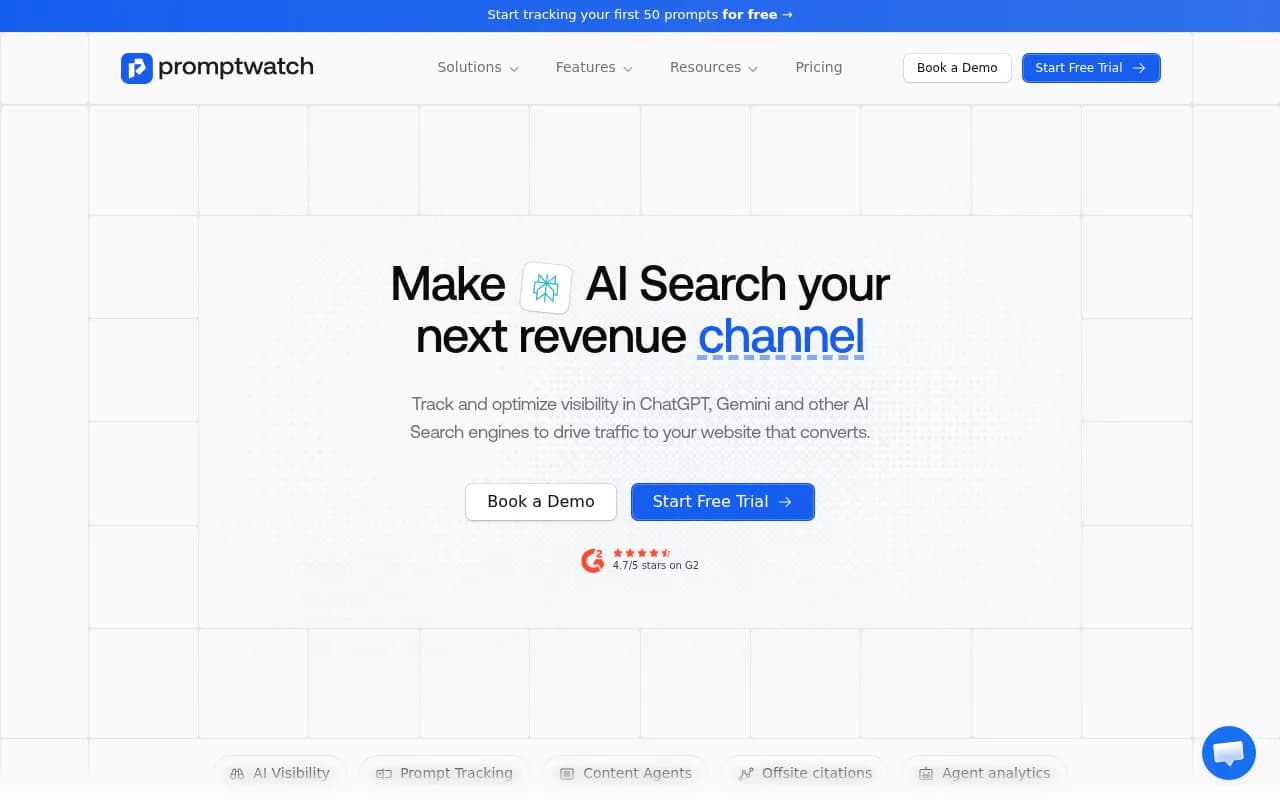
| Promptwatch | Yes | Yes | Yes | Strong | $$-$$$ |
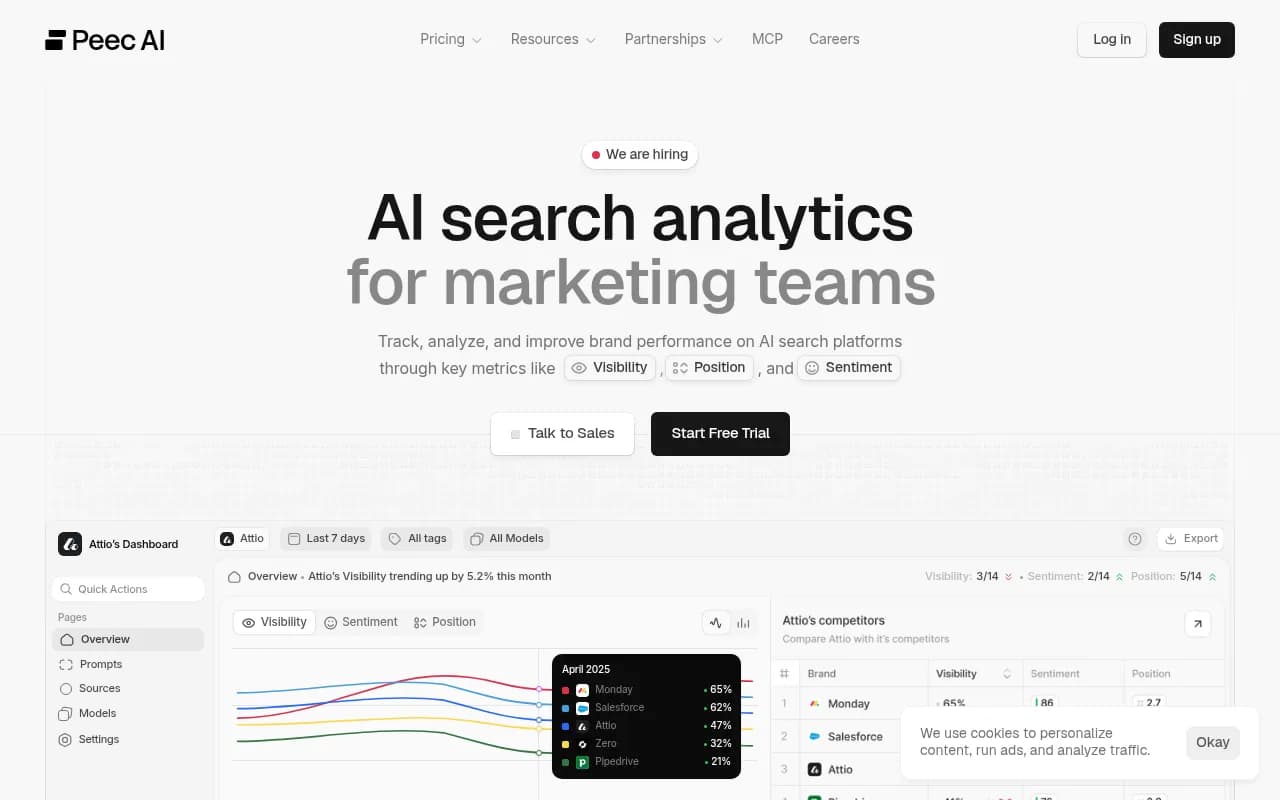
The pattern is clear: most tools in this space are monitoring-only. Otterly.AI is among the more affordable options, but it shares the same fundamental limitation as Peec AI, AthenaHQ, and Scrunch -- they show you the problem without helping you solve it.
What users switch to (and why)
When they need content generation
The most common reason users leave Otterly.AI is that they want to close the gaps they've identified, not just see them. Teams that want to generate articles, comparison pages, and briefs grounded in actual prompt data tend to look for platforms that combine monitoring with content tools.
Promptwatch comes up frequently in this context. It tracks AI visibility across 10 models (including ChatGPT, Perplexity, Gemini, Claude, and Google AI Overviews), but the part that differentiates it is the action loop: Answer Gap Analysis shows exactly which prompts competitors rank for that you don't, Content Agents generate articles and briefs based on that gap data, and page-level tracking shows whether the new content actually gets cited. It's the difference between a dashboard and a workflow.
When they need deeper prompt data
Users who want to prioritize which prompts to target -- based on volume, difficulty, or how queries fan out into sub-queries -- tend to find Otterly.AI's prompt data insufficient. Tools like Profound offer more depth here, though at a higher price point.
When they need agency-level reporting
Agencies managing multiple clients sometimes find Otterly.AI's reporting less flexible than they need. Search Party is built specifically for agency workflows, with white-label reporting and multi-client management.
When they want to stay affordable but get more
Some users don't want to move upmarket -- they just want a bit more than Otterly.AI offers without paying enterprise prices. Peec AI and Rankscale are in a similar price range and worth comparing directly.
The honest verdict on Otterly.AI in 2026
Otterly.AI is a reasonable starting point for teams that are new to GEO and want to understand their AI search visibility without a big investment. The onboarding is fast, the brand monitoring is solid, and the citation data (especially the 1M+ citation study) shows the team is doing real research.
But the "I see the data, now what?" problem is real. The Recommendations feature is a genuine attempt to fix it, and it's worth watching -- but it launched in April 2026 and the jury is still out on whether it changes the day-to-day experience for most users.
If you're just starting out and want to understand where you stand in AI search, Otterly.AI is a reasonable choice. If you're past the "awareness" stage and want to actually improve your visibility -- create content, fix crawlability issues, track which pages get cited and why -- you'll likely outgrow it.
The tools that tend to hold users longer are the ones that close the loop: find the gap, fix the gap, track the result. That's a harder product to build, which is why most tools in this space haven't done it yet.